ملخص
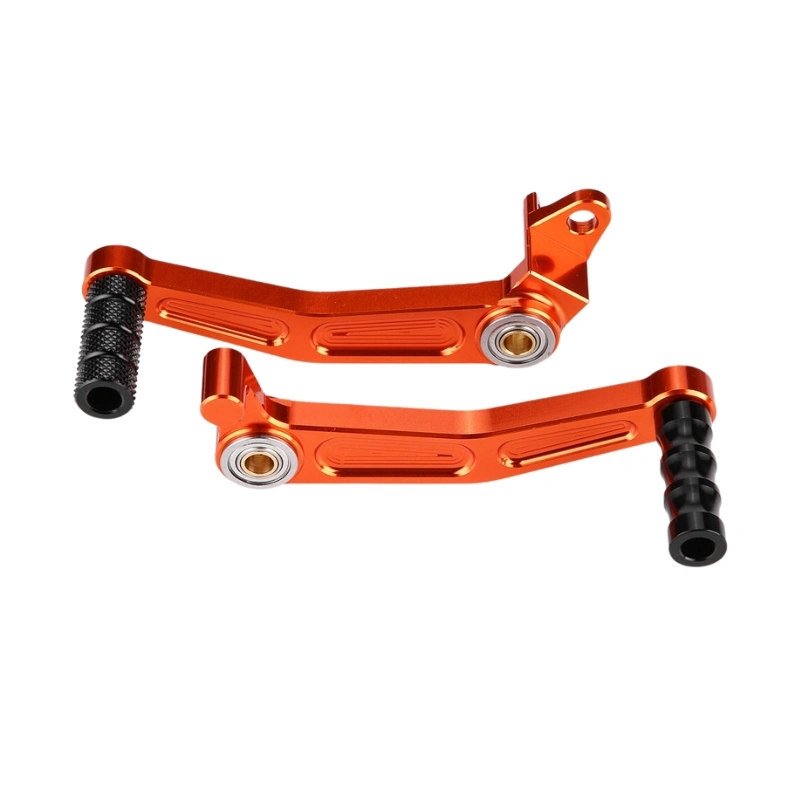
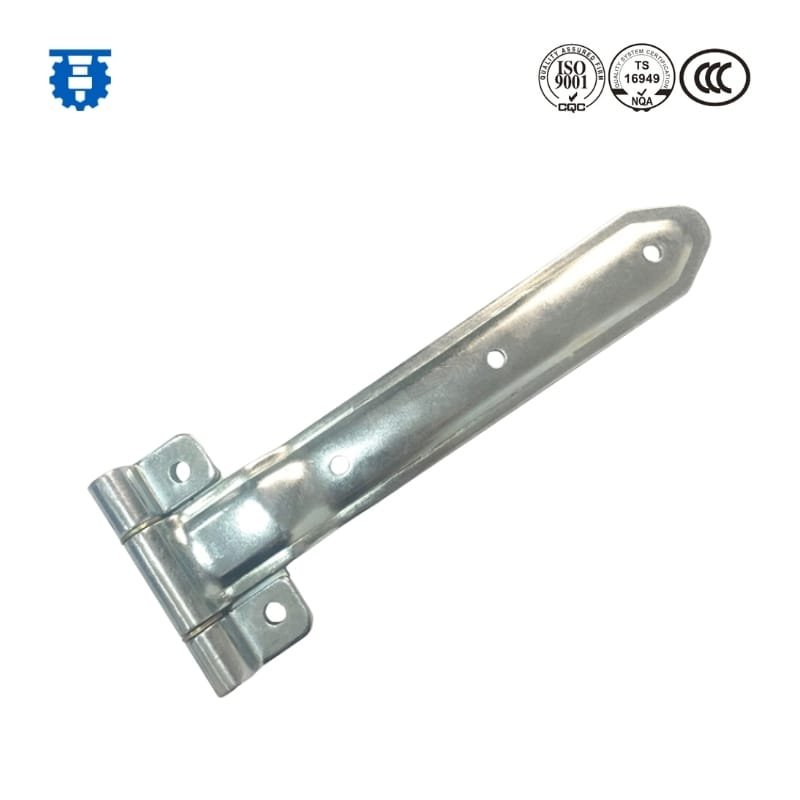
تتمتع شركة HDC Manufacturing بخبرة تزيد عن عشر سنوات في مجال تصنيع المكونات المعدنية حسب الطلب. نمتلك معدات دقيقة رباعية المحاور و 5 محاور أدوات آلية ومراكز تصنيع CNC آلية وفريق تصميم وإنتاج محترف. يمكننا أن نوفر لك عمليات تصنيع مختلفة، بما في ذلك الطحن باستخدام الحاسب الآلي, تحويل CNC, القطع بالليزر, صب المعادن، والمزيد، لصنع مكوناتك من الدرجة الثانية من التيتانيوم إلى الكمال، والمصممة خصيصًا لتلبية متطلباتك المحددة.
What is Titanium Grade 2?
التيتانيوم من الدرجة 2، هو التيتانيوم غير المخلوط. وهو مشابه بشكل خاص لـ التيتانيوم الدرجة 1يطلق عليه الناس "قوة العمل" للتيتانيوم النقي الصناعي. وبالمقارنة مع الدرجة 1، يتمتع بقوة أعلى وأداء تشكيل بارد رائع. إنه الخيار الأول في العديد من مجالات التطبيق، مثل صناعة الطيران، وتوليد الكهرباء، والتصنيع الكيميائي، والمزيد.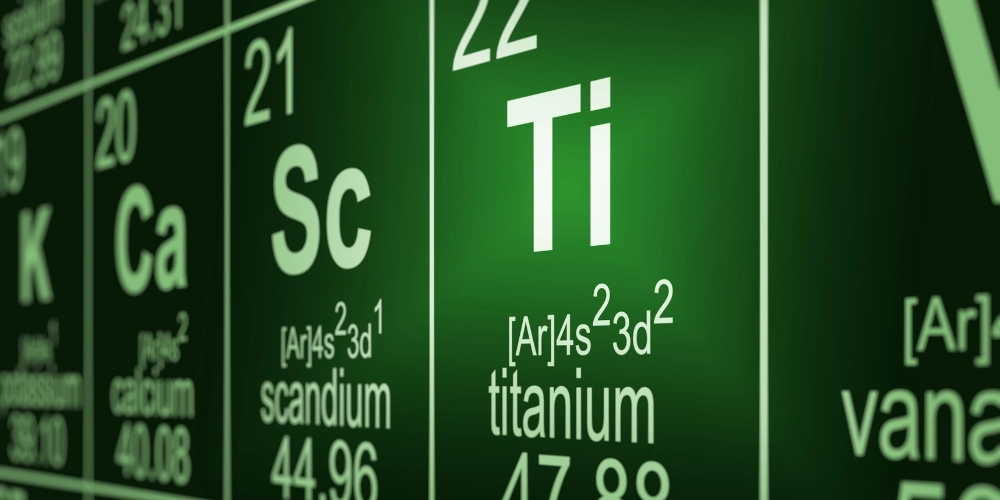
الفرق بين التيتانيوم من الدرجة الأولى والدرجة الثانية
Grade 1 and 2 are majorly identical titanium grades but Grade 1 typically has a bit higher oxygen content and therefore shows slightly different properties. Grade 1 titanium has lower oxygen content offering slightly higher ductility and formability where as the Grade 2 titanium has slightly higher strength owing to its slightly higher oxygen content. Grade 1 has better ductility and weldability as well as an advantage with chemical processing; while grade 2 has better strength and is preferred in aerospace, medical, and automotive applications. In sum, select one between the two qualities relies on the exact application formability, tensile strength and other mechanical performance.
ما هي عيوب التيتانيوم الدرجة 2؟
Though Titanium Grade 2 can also be considered in many ways a better choice, its disadvantages still exist. The drawback is that it is considerably weaker compared to titanium alloys like Grade 5, which mean limited use in cases that require high strength-to-weight ratios. Secondly, it can be more expensive than the other materials such as stainless steel or aluminum entities, and this might affect budget when constructing. Besides, Titanium Grade 2 can be difficult to machine due to a thermal conductivity and potential for work hardening, which results in prominent tool wear and machining costs. Again, while weldable, it needs stringent welding processes so as to prevent embrittlement or contamination which eventually can lead to impairment of its mechanical properties and corrosion resistance. Furthermore, its cold workability is rather limited, making cold-forming as well as shaping both difficult jobs and possible to lose the strength of the material by producing a crack. Despite the seamless nature of these joins, titanium grade 2 still comes with its share of limitations; yet, it remains very effective as far as corrosion resistance, biocompatibility, and lightweight usage are concerned in myriad of applications.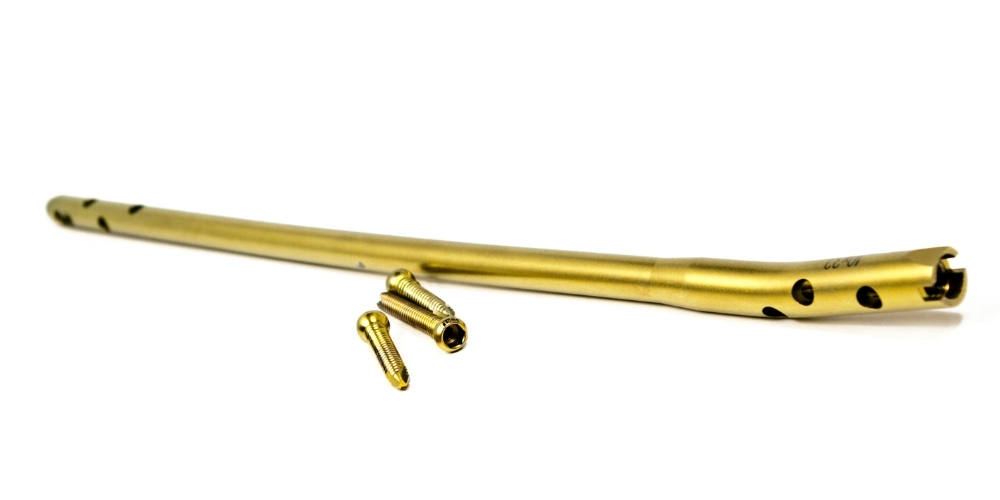
التركيب الكيميائي للتيتانيوم الدرجة 2
| العنصر الكيميائي | المحتوى (%) |
| التيتانيوم، تي | ≥ 98.9 |
| الحديد، Fe | 0- 0.30 |
| الأكسجين، O | 0-0.25 |
| الكربون، ج | 0-0.08 |
| النيتروجين، ن | 0-0.03 |
| الهيدروجين، H | 0- 0.015 |
تأثير المحتوى الأقل من العناصر الأخرى على التيتانيوم من الدرجة الثانية

(Lesser amounts of other elements only make a slight difference with Titanium Grade 2), as Grade 2 titanium is a commercial pure titanium alloy whose main component is titanium with minor amounts of other elements such as oxygen, nitrogen, hydrogen, carbon, and iron. Ti-6Al-4V is made up of these elements in a very very low concentration, and thus Ti-6Al-4V have no noticeable effects on the overall properties of Grade 2 titanium. At the same time, the metal is not pure and has foreign elements which may detrimentally affect the material’s mechanical properties, including strength, ductility, and corrosion resistance. Hence, quality control of impurities and alloying elements is fundamental in order to supply high-purity and the specifically desired properties Titanium Grade 2. It should be noted that Grade 2 titanium is normally selected for its outstanding corrosion resistance as well as its biocompatibility and low density as it is applicable in various industrial fields like aerospace, pharmaceutical, and chemical processing.
الخصائص الميكانيكية للتيتانيوم الدرجة 2
| ملكيات | متري | إمبراطوري |
| قوة الشد | 485 ميجا باسكال | 70300 رطل/بوصة مربعة |
| قوة الخضوع | 345 ميجا باسكال | 50000 رطل/بوصة مربعة |
| نسبة بواسون | 0.34-0.40 | 0.34-0.40 |
| معامل المرونة | 105 – 120 جيجا باسكال | 15200 – 17400 كيلوباسكال |
| الاستطالة عند الكسر | 28% | 28% |
| الصلابة (HV) | 160-200 | 160-200 |

الخصائص الفيزيائية للتيتانيوم الدرجة 2
| كثافة | بيتا ترانسس | نقطة الانصهار | الموصلية الحرارية | المقاومة المرنة |
| 4.51 جرام / سم مكعب | 915 °C | 1660 درجة مئوية | 21.79 واط/م-1 درجة مئوية-1 | 0.53 ميكرو أوم/م |
الخصائص الحرارية للتيتانيوم الدرجة 2
| الخصائص الحرارية | متري | إنجليزي |
| حرارة الانصهار | 325 جول/جرام | 140 وحدة حرارية بريطانية/رطل |
| CTE، خطي | 8.60 ميكرومتر/متر-درجة مئوية @درجة الحرارة 0.000 – 100 درجة مئوية | 4.78 ميكرون/بوصة-درجة فهرنهايت @درجة الحرارة 32.0 – 212 درجة فهرنهايت |
| 9.20 ميكرومتر/متر-درجة مئوية @درجة الحرارة 0.000 – 315 درجة مئوية | 5.11 ميكرون/بوصة-درجة فهرنهايت @درجة الحرارة 32.0 – 599 درجة فهرنهايت | |
| 9.70 ميكرومتر/متر-درجة مئوية @درجة الحرارة 0.000 – 540 درجة مئوية | 5.39 ميكرون/بوصة-درجة فهرنهايت @درجة الحرارة 32.0 – 1000 درجة فهرنهايت | |
| السعة الحرارية النوعية | 0.523 جول/جم-درجة مئوية @درجة الحرارة 20.0 درجة مئوية | 0.125 وحدة حرارية بريطانية/رطل-درجة فهرنهايت @درجة الحرارة 68.0 درجة فهرنهايت |
| 0.560 جول/جم-درجة مئوية @درجة الحرارة 200 درجة مئوية | 0.134 وحدة حرارية بريطانية/رطل-درجة فهرنهايت @درجة الحرارة 392 درجة فهرنهايت | |
| 0.620 جول/جم-درجة مئوية @درجة الحرارة 400 درجة مئوية | 0.148 وحدة حرارية بريطانية/رطل-درجة فهرنهايت @درجة الحرارة 752 درجة فهرنهايت | |
| 0.670 جول/جم-درجة مئوية @درجة الحرارة 540 درجة مئوية | 0.160 وحدة حرارية بريطانية/رطل-درجة فهرنهايت @درجة الحرارة 1000 درجة فهرنهايت | |
| 0.690 جول/جم-درجة مئوية @درجة الحرارة 600 درجة مئوية | 0.165 وحدة حرارية بريطانية/رطل-درجة فهرنهايت @درجة الحرارة 1110 درجة فهرنهايت | |
| الموصلية الحرارية | 16.4 واط/متر كلفن | 114 وحدة حرارية بريطانية/ساعة/قدم مربع-درجة فهرنهايت |
| نقطة الانصهار | <= 1665 درجة مئوية | <= 3029 درجة فهرنهايت |
| ليكويدوس | 1665 درجة مئوية | 3029 درجة فهرنهايت |
| بيتا ترانسس | 913 درجة مئوية | 1680 درجة فهرنهايت |
طرق مناسبة لمعالجة التيتانيوم من الدرجة 2
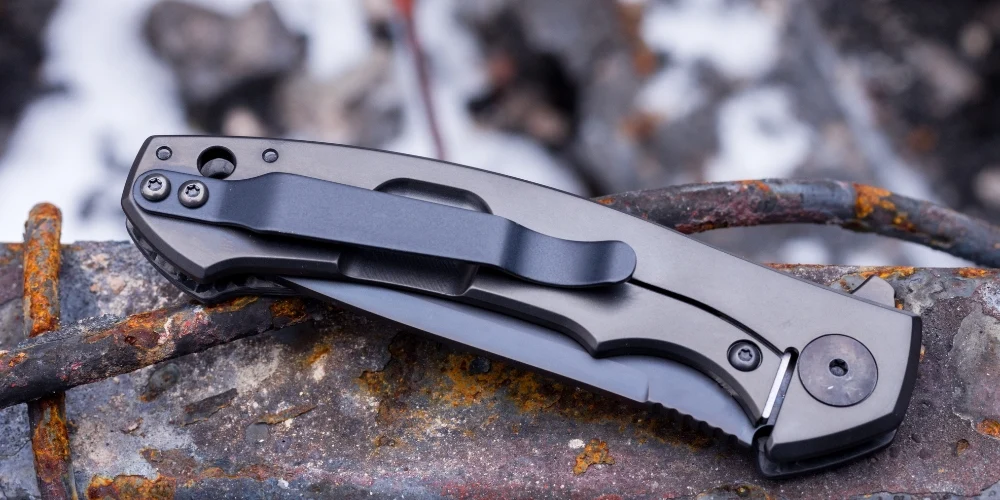
The processing of Titanium Grade 2 utilizes a set of techniques depending on its characteristics. Machining (turning and milling) is widespread but needs to take its time as the material has low thermal conductivity. Only welding technics such as GTAW or EBW lead to risks for contamination and oxidation of the material, thus, precautions have to be taken. Forming processes which can be cold and hot can be used, additional annealing might be necessary to achieve ductility. Heat treating processes (annealing and stress relief) are employed to develop desirable mechanical properties. Surface modifications, such as polishing and anodizing, provide increased corrosion resistance and appearance. By contrast, machine manufacturing techniques like SLM and EBM are very flexible with structures with complex geometries. These methods are typically used for the fabrication of parts for aerospace, medical, and chemical apparatus.
تطبيقات التيتانيوم من الدرجة الثانية
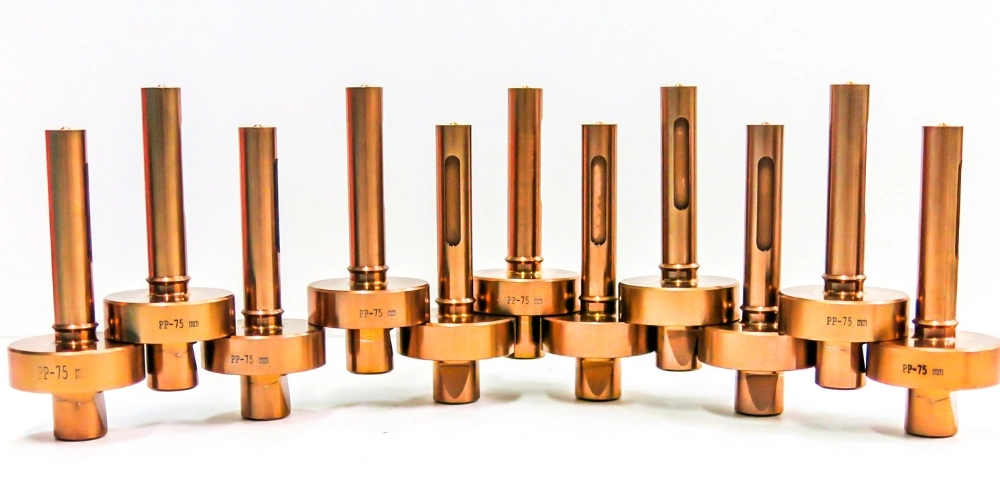
Extensive use of Titanium Grade 2 is demonstrated through its remarkable features in various industries. It has been used by the aerospace industries in airframe structures and engine parts, the healthcare sector due to its biocompatibility and chemical processes for corrosion-resistant equipment. Besides, it is also used in marine situations, construction buildings, and sports gears because it is durable and resistant to electrochemical oxidation. In general titanium alloy Grade 2 stands out as an irreplaceable material in the industries such as aerospace that need lightweight, corrosion-resistant and have high-performance materials.