ملخص
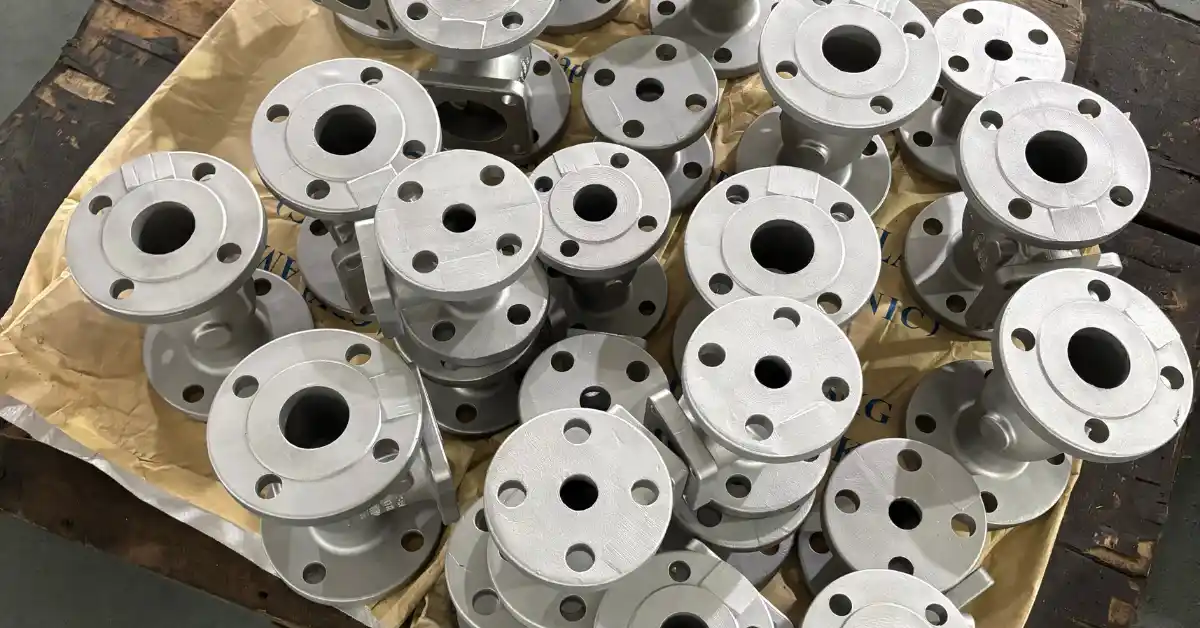
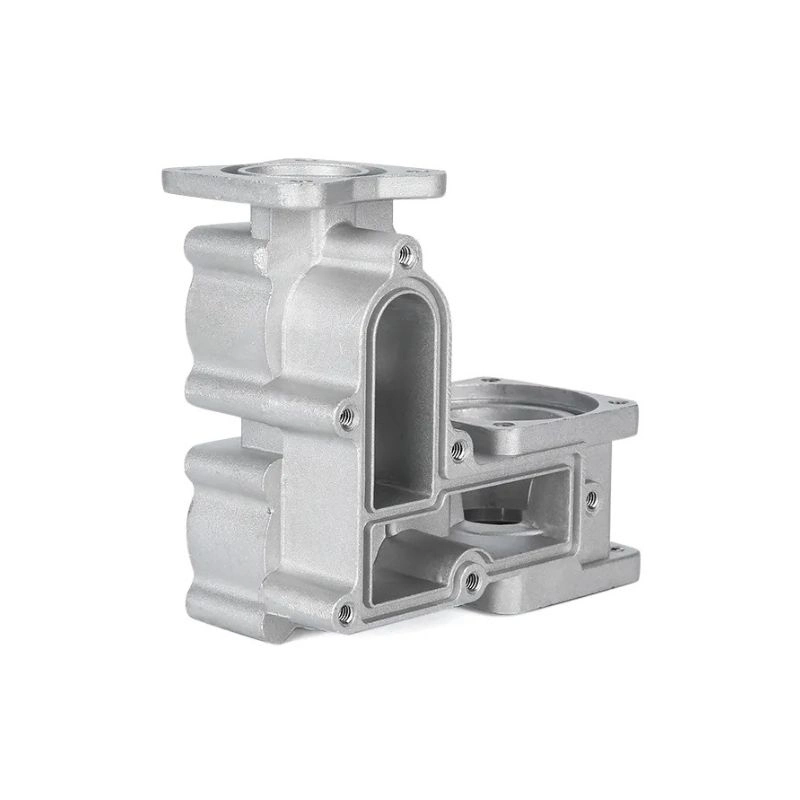
At HDC Manufacturing, we take immense pride in our extensive capabilities and prowess in the domain of 17-4 Ph stainless steel casting. Drawing upon years of expertise, our adept team excels in delivering tailor-made metal parts manufacturing services utilizing this high-performance material.
Our proficient technicians harness sophisticated casting methodologies to ensure exactitude and dependability in every 17-4 Ph stainless steel constituent we fabricate. Ranging from intricate designs to convoluted geometries, we possess the acumen to fulfill an array of customer specifications. HDC Manufacturing’s unwavering dedication to impeccable craftsmanship and meticulous attention to minutiae positions us as a dependable ally for your casting requisites.
Whether the need be prototypes or large-scale production, HDC Manufacturing’s cutting-edge facilities and dedicated professionals stand primed to yield extraordinary outcomes. Embark on an exploration of the potentials inherent in 17-4 Ph stainless steel casting with HDC Manufacturing, and encounter the seamless amalgamation of ingenuity and precision within the realm of metal manufacturing.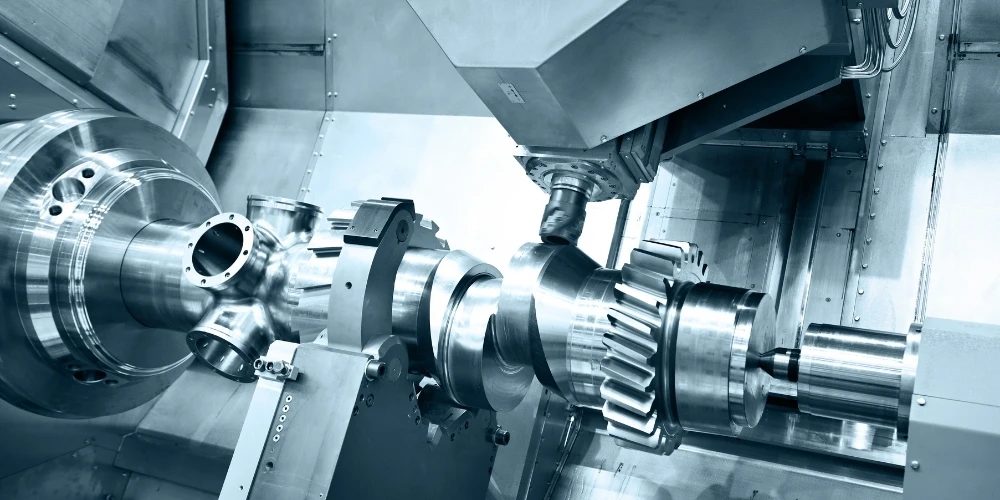
What is 17-4 Ph Stainless Steel?
17 – 4 PH martensitic precipitation-hardening stainless steel, also called the Type 630 steel, is an alloy of stainless steel. It consists of chromium, nickel, copper and niobium/columbium at a small amount and tantalum in a very small extent. The name implies that it functions via “precipitation strengthening” method (the “PH” in its name stands for “Precipitation Hardening”) with the process of heat treatment. This micro alloyed carbon steel is characterized by its excellent corrosion resistance, high strength, good toughness and ease of forming. Applications of the material can be found in the aerospace, petrochemical, food processing and marine industries where it is versatile and possesses desirable properties.
What is the Naming Rule for 17–4 Ph Stainless Steel?
The naming convention for 17-4 PH stainless steel conform industry standards with the help of which the first digit “17” stands for approximate percentage of chromium, and “4” represents approximate percentage of nickel in the alloy. The “PH” indicates the role of “precipitation hardening.” After heat treatment the steel becomes strong. Furthermore, “Type 630” is another frequently used designation for the 17-4 PH stainless steel, being one of the aliases for the alloy which is commonly used in specifications and standards.
هل الفولاذ المقاوم للصدأ 17–4 Ph له أسماء أخرى؟
17-4 PH stainless steel is a precipitation-hardening martensitic alloy, which is also called Type 630 stainless steel. It offers excellent corrosion resistance and workability by blending of a family of alloys with high strength. Its naming convention complies with the industry standard. The number is assigned to imply the approximate composition. For example, the name “17-4” means that the alloy has 17 percent chromium and 4 percent nickel. “PH” designator shows its capability for precipitation hardening after thermal treatment. Moreover, the product is known as UNS designation S17400; ASTM specification A564- Grade 630 offers standardized reference for international trade and commerce.
What are the Series of Stainless Steel?
يتم تصنيف سلسلة الفولاذ المقاوم للصدأ بشكل أساسي بناءً على تركيبها الكيميائي وبنيتها الدقيقة إلى عدة فئات رئيسية:يتم تصنيف سلسلة الفولاذ المقاوم للصدأ بشكل أساسي بناءً على تركيبها الكيميائي وبنيتها الدقيقة إلى عدة فئات رئيسية:
- الفولاذ المقاوم للصدأ الأوستنيتي: These are the three major types of stainless steel which determine the level of nickel and chromium: (1) high. They possess very properties of corrosion resistance, excellent weldability and form-ability. Some of the typical grades are 304 and 316.
- الفولاذ المقاوم للصدأ الفريتي: They contain for maximum effectiveness. Austenite steels are more weldable and formable, but they have no advantages of corrosion resistance and magnetism, compared with ferrite steels. A lot of those units are grades 430 and 446.
- الفولاذ المقاوم للصدأ المارتنسيتي: These steels have a higher level of carbon and chromium, which on heat treatment helps them to become stronger and harder. They are normally encountered in applications ranging from cutlery to high-wear applications, such as knives. Usually their grades comprise of 410 and 420.
- الفولاذ المقاوم للصدأ دوبلكس: With a combination ferritic and austentic properties, they are very strong and have good corrosion resistance. These vehicles are good under extreme environmental conditions. These degrees are 2205 and 2507.
- الفولاذ المقاوم للصدأ المتصلب بالترسيب: The tendency of which this steel undergoes solidification treatment thus increasing in mechanical properties is known as strengthening. The heat treatment therefore provides both essential mechanical properties and corrosion resistance recommended for applications such as aerospace and other high performance applications. Typical grades are 17-4PH and 15-5PH
لكل سلسلة من الفولاذ المقاوم للصدأ تطبيقات خاصة بها، لذا يجب أن يتم الاختيار وفقًا للظروف البيئية المحلية والأداء المطلوب للمنتج النهائي.
خصائص الفولاذ المقاوم للصدأ 17-4 Ph
التركيب الكيميائي للفولاذ المقاوم للصدأ 17-4 Ph
| عنصر | المحتوى (%) |
|---|---|
| الحديد، Fe | 73 |
| الكروم، الكروم | 15.0 – 17.5 |
| النيكل، ني | 3.0 – 5.0 |
| النحاس، النحاس | 3.0 – 5.0 |
| المنغنيز، المنغنيز | 1.0 |
| السيليكون | 1.0 |
| التنتالوم، تا | 0.45 |
| النيوبيوم، Nb (كولومبيوم، Cb) | 0.45 |
| نب + ت | 0.15 – 0.45 |
| الكربون، ج | 0.070 |
| الفوسفور، ف | 0.040 |
| الكبريت، س | 0.030 |
الخصائص الفيزيائية للفولاذ المقاوم للصدأ 17-4 Ph
| ملكيات | متري | إمبراطوري |
| كثافة | 7.75 جرام/سم3 | 0.280 رطل/بوصة مكعبة |
| معامل القص | 77.4 جيجا باسكال | 11200 كيلو باسكال |
| معامل المرونة | 190-210 جيجا باسكال | 27557-30458 ك.س. |
| نسبة بواسون | 0.27-0.30 | 0.27-0.30 |
| صلابة برينيل | 352 | 352 |
| الصلابة، نوب (تقدير من روكويل سي) | 363 | 363 |
| صلابة روكويل سي | 36 | 36 |
| صلابة فيكرز (تقديرية من روكويل سي) | 349 | 349 |
| معامل التمدد الحراري (عند 21-93 درجة مئوية/69.8-199 درجة فهرنهايت) | 10.8 ميكرومتر/متر درجة مئوية | 6.00 ميكرون/بوصة فهرنهايت |
| الموصلية الحرارية (لحالة H 900 عند 149 درجة مئوية. 22.6 واط/متر كلفن لـ H 900 عند 482 درجة مئوية) | 17.9 واط/متر كلفن | 124 وحدة حرارية بريطانية/ساعة.قدم².°ف |
تأثير التركيب العنصري على خصائص الفولاذ المقاوم للصدأ 17-4
The properties of 17-4 stainless steel are naturally part of its elements composition. Chromium, the main alloying element, improves the corrosion resistance properties for different media. Nickel increases the toughness, ductility, and high-temperature strength and, additionally, it does improve the corrosion resistance. Copper increases corrosion resistance, in particular in the marine environment, and it assists in precipitation hardening. Porous additions of niobium and tantalum lumenize the grains and its transformation to precipitation harden. Carbon and manganese contents are both kept low to gain corrosion resistance and surface hardening. Overall, the overall elemental composition control bestows the mechanical properties needed for major applications e.g. corrosion resistance, strength, toughness and weldability. Thus the 17-4 stainless steel is appropriately used for different purposes by many industries.
حدود الفولاذ المقاوم للصدأ 17-4
Although 17-4 martensitic stainless steel has a number of merits, it also has problems. Firstly, its price is often high, because of intricate make-up and, moreover, additional processing that include precpitation hardening. Second to the contrary, it poses a challenge because of the crack susceptibility, hence the need for preheating and post weld heat treatment. Moreover, its machinability is degraded compared to other stainless grades, thereby the wear and machining cost increases. It is excellent in corrosion resistance, yet not all premium alloys perform well in very aggressive environment. Firstly, exact heat treatment control is vital for the achievement of expected mechanical properties, thus processed products become very complex products to produce. This emphasizes the importance of great care that should be taken into account when picking the 17-4 stainless steel for specific applications.
هل يمكن صب الفولاذ المقاوم للصدأ 17–4؟
يمكن صب الفولاذ المقاوم للصدأ 17-4 PH باستخدام طرق صب مناسبة. 17-4 PH هو فولاذ مقاوم للصدأ مُصلد بالترسيب، معروف بمقاومته الممتازة للتآكل وقوته وصلابته. يُستخدم عادةً في التطبيقات التي تتطلب قوة عالية ومقاومة للتآكل، مثل صناعات الطيران، والنفط والغاز، والصناعات الطبية.
مزايا الفولاذ المقاوم للصدأ 17-4 PH
- قوة عالية: تتمتع الفولاذ المقاوم للصدأ 17-4 PH بقوة عالية ممتازة، مما يجعله مناسبًا للتطبيقات التي تتطلب مكونات قوية يمكنها تحمل الأحمال الثقيلة وظروف الضغط العالي.
- مقاومة التآكل: تتميز بمقاومة ممتازة للتآكل في مجموعة واسعة من البيئات، بما في ذلك الأجواء المعتدلة والمياه العذبة وبعض المواد الكيميائية المسببة للتآكل. هذا يجعلها مناسبة للتطبيقات في الصناعات البحرية والفضائية والكيميائية.
- قابلة للمعالجة بالحرارة: الفولاذ المقاوم للصدأ 17-4 PH قابل للتصلب بالترسيب، مما يعني أنه يمكن معالجته بالحرارة لتعزيز خصائصه الميكانيكية.
- مقاومة التآكل: تتميز بمقاومة جيدة للتآكل والتآكل، مما يجعلها مناسبة للمكونات المعرضة للانزلاق أو التآكل. هذه الخاصية مفيدة في التطبيقات التي تتضمن الآلات الثقيلة والأدوات والأجزاء المقاومة للتآكل.
- تعدد الاستخدامات: يُمكن تشغيل الفولاذ المقاوم للصدأ 17-4 PH بسهولة، ولحامه، وتشكيله، مما يُتيح مرونةً في عمليات التصنيع. يُمكن صبّه، أو تشكيله، أو تشكيله بأشكال مُتنوعة، مما يُتيح إنتاج مُكونات مُعقدة.
- ثبات التقادم: بعد المعالجة الحرارية، تحافظ الخصائص الميكانيكية للفولاذ المقاوم للصدأ 17-4 PH على ثباتها على نطاق واسع من درجات الحرارة. هذا يضمن أداءً ثابتًا وموثوقية عالية في التطبيقات الصعبة.
- فعّال من حيث التكلفة: في حين أن الفولاذ المقاوم للصدأ 17-4 PH قد يكون له تكلفة أولية أعلى مقارنة ببعض درجات الفولاذ المقاوم للصدأ الأخرى، إلا أن قوته ومتانته الفائقة يمكن أن تؤدي إلى توفير التكاليف على المدى الطويل من خلال تقليل الصيانة والاستبدال ووقت التوقف.
تجعل هذه المزايا الفولاذ المقاوم للصدأ 17-4 PH خيارًا شائعًا في الصناعات مثل الفضاء والنفط والغاز والطاقة النووية والطبية، حيث تكون هناك حاجة إلى مزيج من القوة ومقاومة التآكل والتنوع.
طرق الصب المناسبة للفولاذ المقاوم للصدأ 17-4 PH
في مجال تصنيع المكونات من الفولاذ المقاوم للصدأ 17-4 PH، تظهر مجموعة من طرق الصب الحكيمة:
- الاستثمار في الصب: تم تصميمه خصيصًا لإنشاء أجزاء معقدة ومفصلة بدقة، واستخدام الفولاذ المقاوم للصدأ 17-4 PH في الصب الاستثماري يضمن دقة متزايدة وتشطيب سطحي محسن.
- صب الرمل: تتميز هذه الطريقة بتنوعها، وتتفوق في إنتاج مكونات أكبر حجمًا وأقل تعقيدًا، وتقدم حلاً مجديًا ماليًا ومصممًا لتطبيقات محددة.
- الصب الطرد المركزي: يعتبر مناسبًا للمكونات ذات التكوينات الأسطوانية أو المتماثلة، فهو يمنح خصائص ميكانيكية جديرة بالثناء.
- صب القشرة: تتميز هذه المادة بقدرتها على منح المكونات ليس فقط دقة أبعاد جديرة بالثناء ولكن أيضًا تشطيب سطحي متطور، وهي مصممة بعناية لتطبيقات ذات متطلبات فريدة.
- صب القوالب: على الرغم من أن عملية الصب بالقالب أقل تقليدية بالنسبة للفولاذ المقاوم للصدأ، إلا أن التفكير في عملية الصب بالقالب ينشأ لتطبيقات محددة، وخاصة في مجال المعادن غير الحديدية.
Other Machining Methods for 17-4 Ph Stainless Steel
في مجال تصنيع المكونات من الفولاذ المقاوم للصدأ 17-4 PH، تظهر مجموعة من المنهجيات الحكيمة:
- التصنيع باستخدام الحاسب الآلي: من خلال احتضان مجال التحكم العددي بالكمبيوتر، تسهل هذه الطريقة التلاعب الدقيق والآلي، بما في ذلك القطع والطحن والحفر لمكونات الفولاذ المقاوم للصدأ 17-4 PH.
- معالجة الأسلاك بالتفريغ الكهربائي (EDM): من خلال الاستفادة من قوة التفريغات الكهربائية لتحقيق الدقة، أثبتت هذه التقنية فعاليتها في نحت الأشكال المعقدة وتنفيذ قطع حادة في الفولاذ المقاوم للصدأ 17-4 PH.
- القطع بالليزر: من خلال استخدام الليزر المركّز لإجراء شقوق دقيقة في الفولاذ المقاوم للصدأ 17-4 PH، تعتبر هذه الطريقة نموذجًا لتحقيق ملامح معقدة وحواف دقيقة.
ويعتمد الاختيار بين هذه المنهجيات على المتطلبات المتميزة للمشروع، بما في ذلك التسامحات، وسمات المواد، والمنتج النهائي المتوقع، حيث تتمتع كل تقنية بمزاياها الفريدة.
التطبيقات الشائعة لصب الفولاذ المقاوم للصدأ 7-4 Ph
يتم صب الفولاذ المقاوم للصدأ 17-4 PH على نطاق واسع للتطبيقات الحرجة في مختلف الصناعات:
الفضاء الجوي
- صب شفرات التوربينات وأجزاء المحرك والمكونات المهمة بسبب نسبة القوة إلى الوزن العالية ومقاومة التآكل.
النفط والغاز
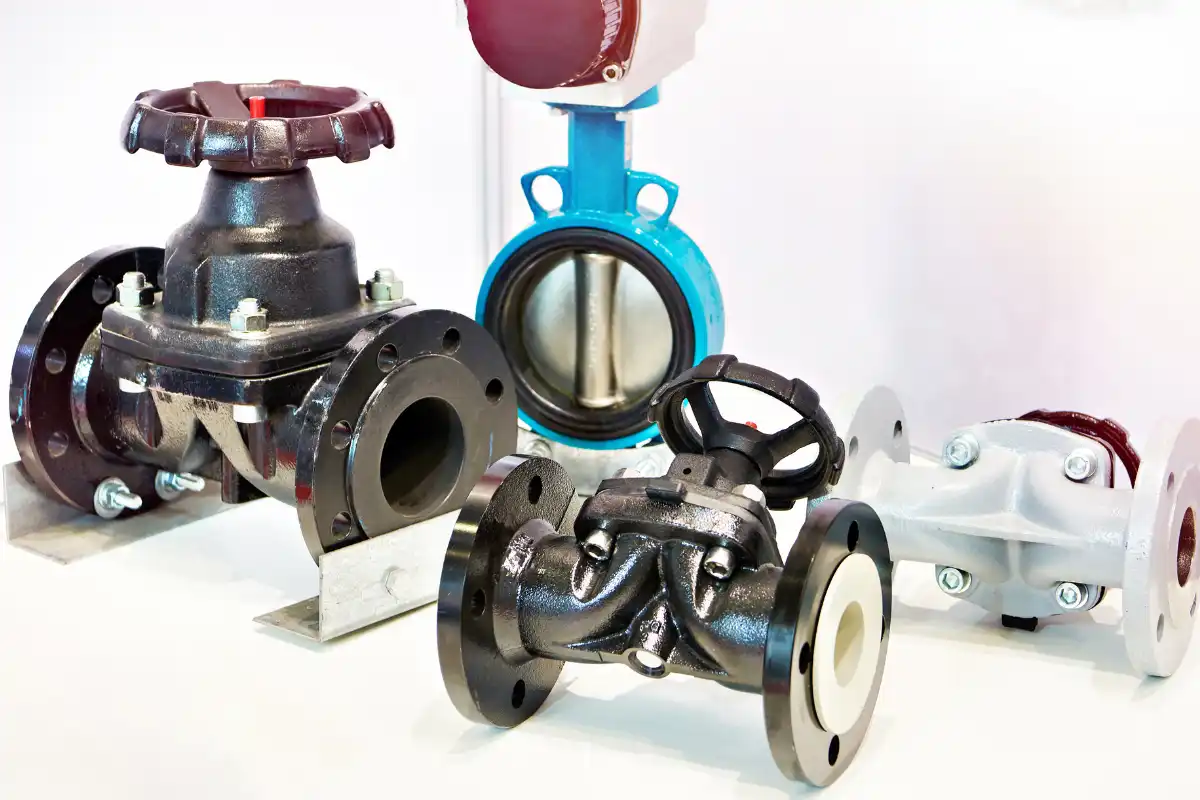
- مثالي لصب الصمامات ومكونات المضخات والمعدات، حيث يوفر مقاومة للتآكل في البيئات القاسية.
الأدوات الطبية
- يتم استخدامها في صب الأدوات الجراحية ومعدات طب الأسنان ومكونات الزرع، وتتطلب القوة ومقاومة التآكل.
Pump and Valve Components
- يلقي ل المكرهات, تركيب الأنابيب، و أجسام الصمامات، مقاومة للسوائل المسببة للتآكل وتوفر قوة عالية.
قطع غيار السيارات
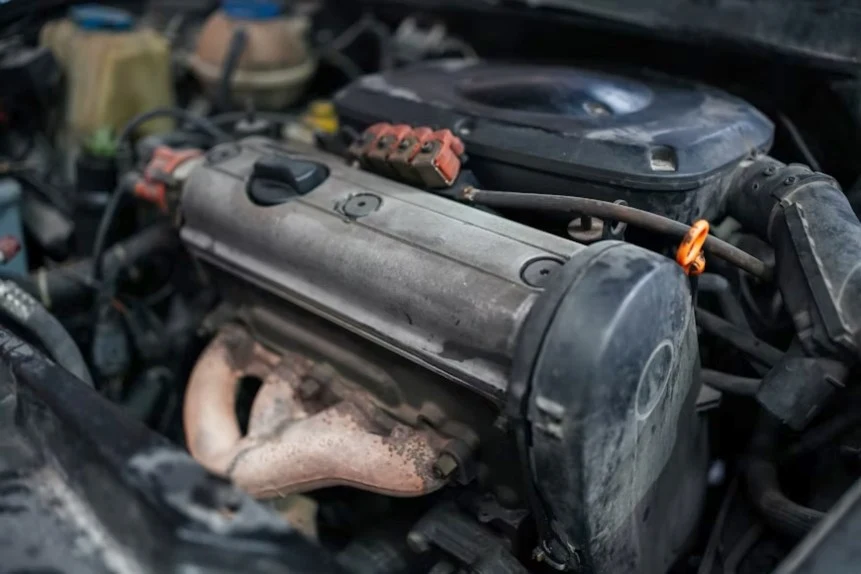
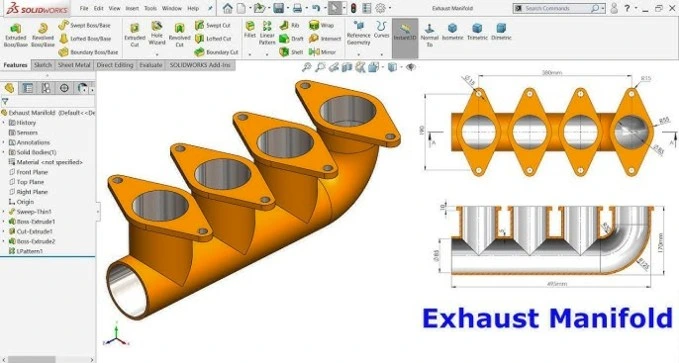
- تُستخدم في مكونات المحرك ونظام العادم، مثل مشعب العادم، توفير مزيج حاسم من القوة ومقاومة التآكل.