أهمية التحكم الرقمي بالكمبيوتر في الصناعة الطبية والدوائية
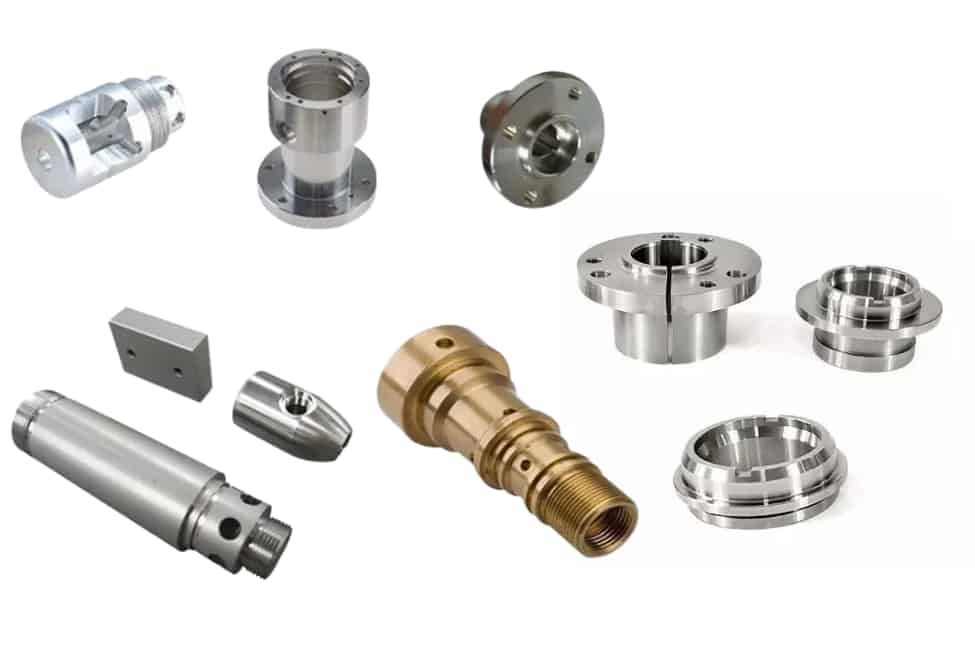
في الصناعة الطبية، هناك حاجة إلى تصنيع العديد من الأجزاء والمكونات بسرعة وبشكل عاجل، حتى بكميات صغيرة لأنها تستخدم في المستشفيات والعيادات المختلفة وغيرها من فروع التخصصات الطبية المختلفة.
بدون التصنيع باستخدام الحاسب الآلي، فإن إنتاج الأجزاء والمكونات الطبية والدوائية والصيدلانية سيستغرق وقتًا أطول، كما أنها معرضة لخطر عدم الدقة.
فهم الأجزاء الطبية الدقيقة
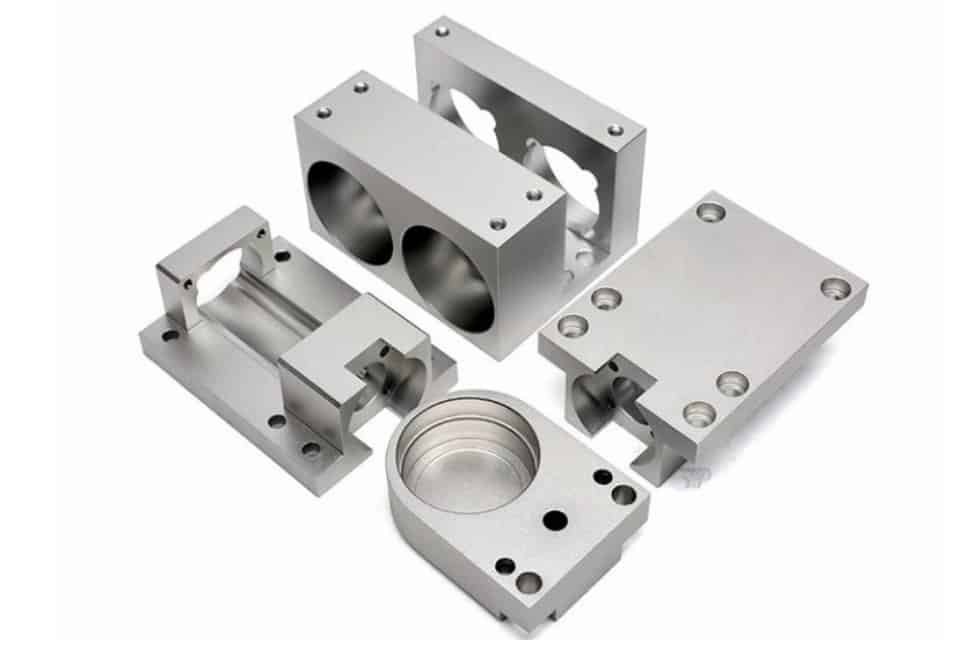
الأجزاء الطبية الدقيقة هي أي أجزاء طبية أو دوائية أو صيدلانية، وحتى أجزاء فضائية، يجب أن تكون دقيقة ومتقنة إلى درجة أن تتمتع بمستويات تحمل شبه مثالية. ويتم إنتاج هذه الأجزاء الطبية الدقيقة باستخدام مطاحن دقيقة بدلاً من آلات CNC التقليدية أو المطاحن القياسية.
في حال كنت لا تعلم، فإن الطحن الدقيق باستخدام الحاسب الآلي هو عملية تستخدم للقيام بعمليات القطع والطرح المتطورة للغاية باستخدام مطحنة CNC أو أداة القطع من أجل تحقيق الشكل والشكل والقياس والزوايا التي يرغب بها العميل.
أنواع الأجزاء الطبية الدقيقة
Medical precision parts refer to a multitude of components critical for different medical devices. These components are carefully designed to the highest standards of quality and precision, fulfilling safety requirements for medical equipment. This includes, among other surgical instruments, implantable devices such as orthopedic and cardiovascular implants com They also include microfluidic devices, respiratory equipment parts, dental equipment components prosthetics and orthotics as well as laboratory & research tools.
These high-precision parts are made of materials like stainless steel, titanium and plastics through precision manufacturing processes such as CNC machining 3D printing or injection moulding. To ensure the reliability and safety of these components in medical applications, they undergo stringent quality control measures as well as biocompatibility tests. Medical precision parts are essential in the healthcare industry, ranging from life-saving implants to sophisticated diagnostic tools used for providing quality medical care.
تقنيات التصنيع المستخدمة في إنتاج الأجزاء الطبية الدقيقة
The manufacture of medical precision components uses different machining processes in attaining the desired tolerances and meet very strict quality requirements. Relevant techniques include CNC machining, automating milling, turning and drilling; Swiss-type machining for tiny and delicate details; EDM that uses an electric spark on the materials such as titanium or stainless steel. Laser cutting and welding are used for shaping materials with low heat impact while grinding allows clear surface finishes of parts such as surgical instruments Wire EDM and electrochemical machining are deployed for complex geometries that are difficult to machine conventionally. Furthermore, 3D printing and injection molding satisfy custom needs for thermoplastic medical components while micro-machining techniques develop diminutive dull parts.
Such machining techniques are selected considering the particular needs of medical precision parts that may include material properties, tolerances, dimensional complexity and quantity to be produced. Collectively, these techniques ensure a reliable manufacturing of quality medical components that are critical to healthcare applications.
عملية إنتاج الأجزاء الطبية الدقيقة
غالبًا ما تتضمن عملية تصنيع الأجزاء الطبية الدقيقة استخدام مطحنة CNC عالية الدقة، وهي لا تختلف كثيرًا عن طريقة تصنيعها وتنفيذها باستخدام المطاحن CNC التقليدية. لمساعدتك، إليك لمحة موجزة عن كيفية تصنيعها، وشرحًا سريعًا وسهلًا لخطوات تصنيع الأجزاء الطبية الدقيقة.
- يتم الحصول على المواد وتوريدها من قبل الشركة المصنعة / المورد.
- بعد ذلك، يجب برمجة الماكينة التي سيتم استخدامها على البرنامج أو النمط المحدد المطلوب لإنشاء الجزء الدقيق.
- بعد ذلك، سيتم تحميل المواد على آلة CNC الدقيقة.
- يجب إجراء طريقة أو عملية تجريبية للاختبار لمعرفة ما إذا كانت تحتوي على البرنامج أو النمط المضمن.
- عندما تظهر نتائج إيجابية ودقيقة، تبدأ عملية الطحن الدقيق.
ملحوظة: عادةً، في نهاية تصنيع الأجزاء الطبية الدقيقة، يقوم مُقيِّم أو خبير بفحص دقيق لجودة الأجزاء والمكونات المُنتَجة للتأكد من توافقها مع مستوى التسامح المُحدَّد. وإلا، فسيتم إجراء تعديلات طفيفة على المكونات المُنتَجة.
المواد المستخدمة في الأجزاء الطبية الدقيقة
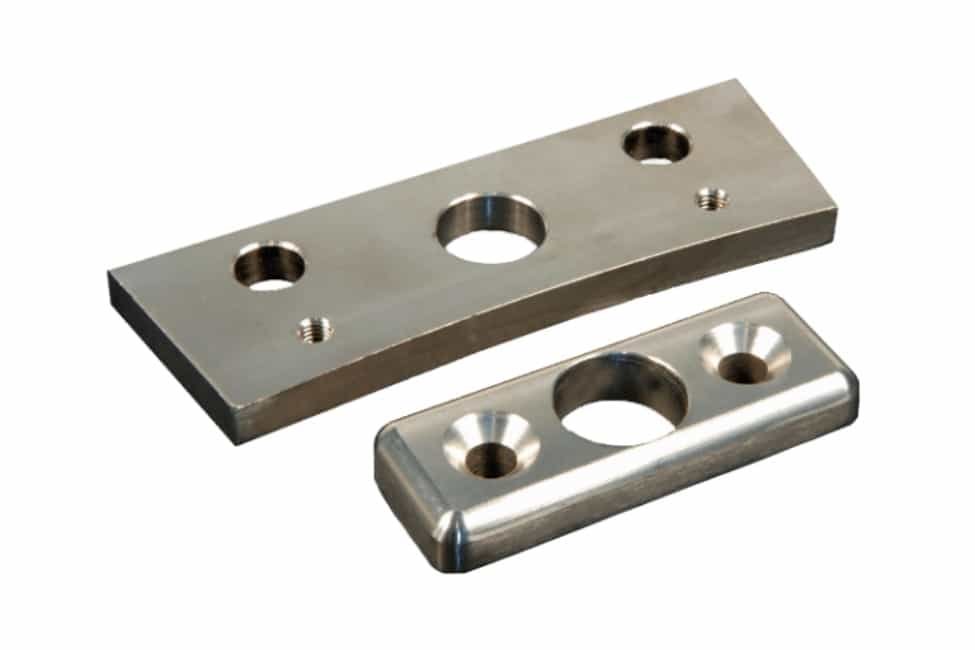
The materials used in producing and manufacturing medical precision parts depend on a few factors: (1) the type of material or part that is to be created, (2) the properties needed by the part or component.
CNC medical precision milling is a highly flexible and versatile procedure, and it usually just revolves around metal and plastics. To be more specific, these are:
- أنواع مختلفة من السبائك
- الفولاذ المقاوم للصدأ
- الفولاذ الدقيق
- التيتانيوم
- نحاس
- سبائك متخصصة
- بولي فينيل كلوريد
- الأسيتال
- نظرة خاطفة
- نايلون
- مادة البولي تترافلورو إيثيلين
- مادة البولي ميثيل ميثا أكريلات
- و المزيد الكثير!
وبالتالي، لا توجد في الواقع "مادة مثالية" تُستخدم في تصنيع الأجزاء الطبية الدقيقة.
إيجابيات وسلبيات الأجزاء الطبية الدقيقة

نظراً لمزاياها وفوائدها، تشهد الصناعة الطبية العديد من المزايا والفوائد والإيجابيات عند تصنيع الأجزاء الطبية الدقيقة باستخدام الحاسب الآلي. في الواقع، تتمثل هذه المزايا في:
- لا يتطلب أدوات ثابتة
- لا توجد قيود على الحجم
- آلات CNC مرنة وقابلة للحمل
- تتمتع آلات CNC بتسامحات محددة
These are four (4) of the primary pros and benefits of CNC medical precision milling or manufacturing. But, wait, are there drawbacks or challenges linked to it?
Well, of course, there are.
CNC medical precision manufacturing can…
- تكاليف أولية أعلى من المعتاد
- عملية التصنيع المعقدة والمعقدة
- مراقبة الجودة سيئة أو رديئة
كما هو الحال مع أي صناعة أخرى، فإن الصناعة الطبية أو الدوائية لديها أيضًا هذه العوامل التي يجب مراعاتها وإعطائها المزيد من التفكير لضمان أن تكون جودة المنتجات مناسبة تمامًا.
المعادن مقابل البلاستيك في الأجزاء الطبية الدقيقة
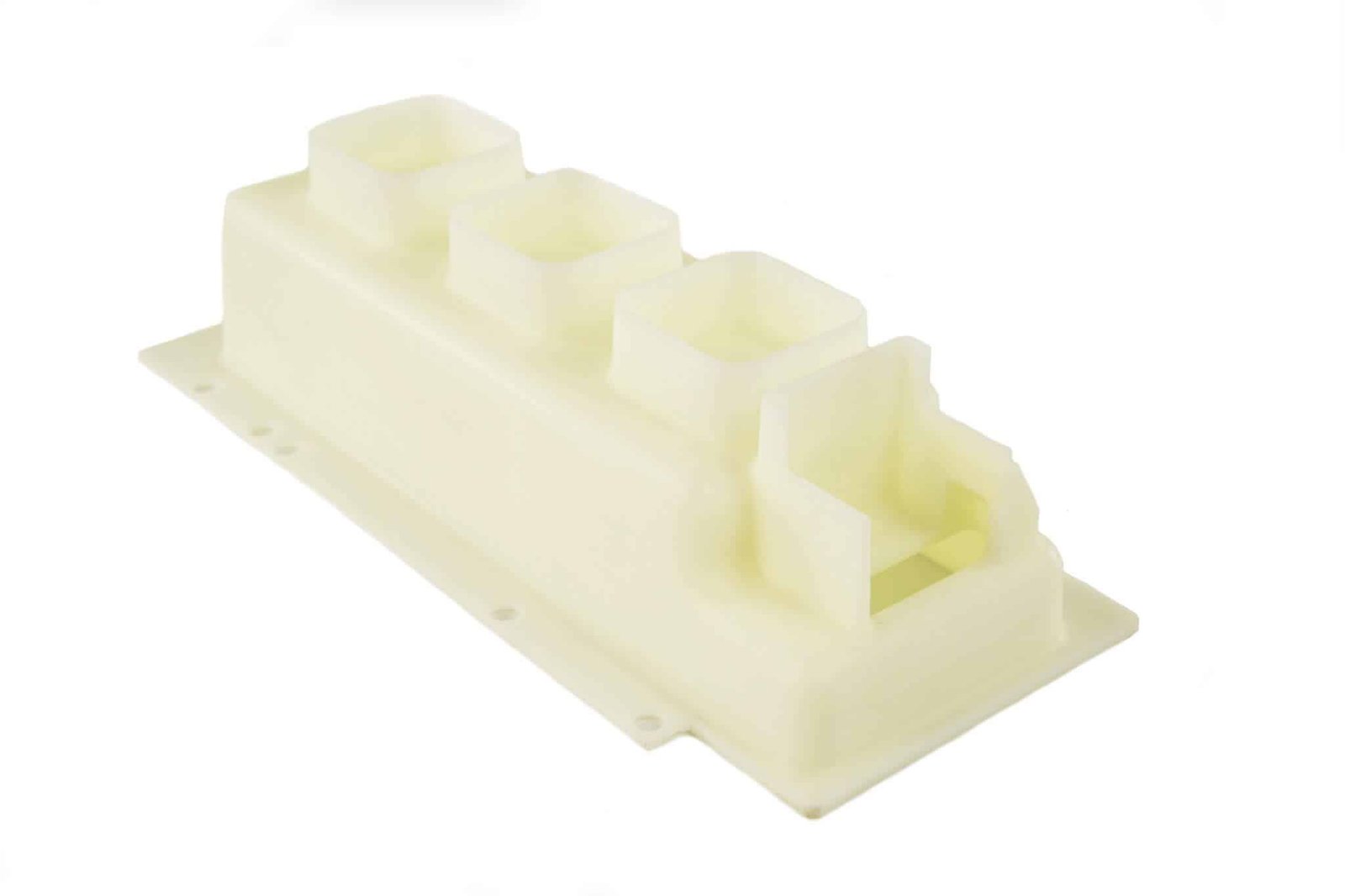 في المجال الطبي، لا يُنظر إلى استخدام البلاستيك باستياء، بل على العكس. يُعرف البلاستيك في هذا المجال على نطاق واسع بأنه أفضل وأخف وزنًا وأكثر مرونة، وذلك ببساطة بفضل تركيبته وخصائصه.
والآن، بالنسبة لبعض الآلات والمعدات، فإن المعادن هي الأكثر استحسانًا بسبب موصليتها الحرارية وقوتها ومتانتها، بالإضافة إلى خصائصها الكهرومغناطيسية أيضًا.
لذا، إذا كنت بحاجة إلى الاختيار بين البلاستيك والمعادن، فحاول أن تأخذ في الاعتبار الاستخدام أو النتيجة النهائية التي تبحث عنها.
مصنع قطع الغيار الطبية الدقيقة الذي يمكنك الوثوق به تمامًا
على الرغم من أننا لسنا أطباء، إلا أن فريق المهندسين والمتخصصين لدينا هنا في HDC Manufacturing يدركون تمامًا مخاطر التصنيع والإنتاج غير الصحيح للأجزاء والمكونات والملحقات الطبية.
تلتزم شركة HDC Manufacturing بإنتاج أجزاء طبية دقيقة عالية الجودة دون دفع سعر باهظ عادةً.
في الواقع، أنتج خبراؤنا آلاف القطع الطبية الدقيقة من الألومنيوم والنحاس والمعادن غير القياسية، بالإضافة إلى مكونات بلاستيكية تُضاف إلى المعدات. خلال مسيرتنا في هذا المجال، لم نُخيب آمال عملائنا قط، بل كان العكس هو الصحيح دائمًا.
إذا كنت بحاجة إلى مصنع قطع غيار طبية دقيقة موثوق به، فإن HDC Manufacturing ستكون دائمًا في خدمتك. إلى جانب توفيرنا لقطع الغيار الطبية الدقيقة، نحن أيضًا الأفضل في خدمات القطع بالليزر، وتصنيع الصفائح المعدنية، بالإضافة إلى إنتاج... دراجة نارية CNC, السيارات، و أجزاء الدراجة، أيضاً!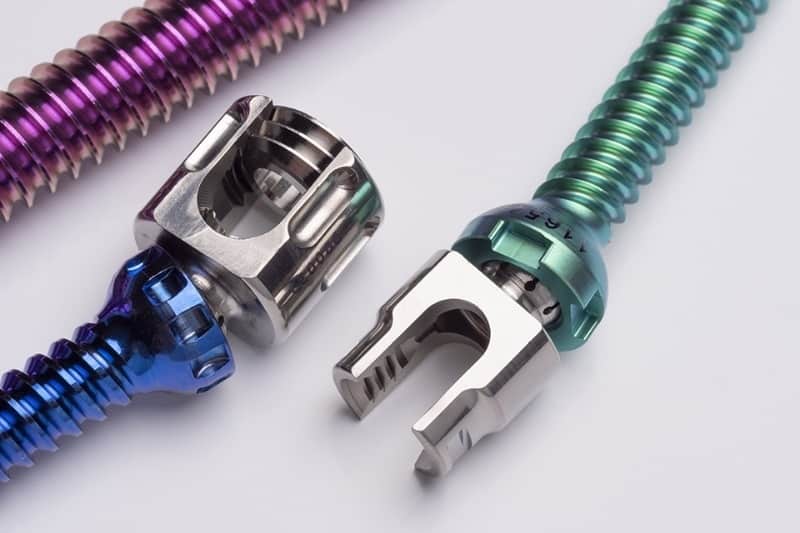
تواصل معنا اليوم واحصل على تقدير سعر مجاني لجميع طلباتك قبل الغد. تمتع بالراحة التامة مع قطع الغيار الطبية الدقيقة، دون القلق بشأن مكان العثور عليها بعد الآن!
إرشادات حول قطع الغيار الطبية الدقيقة المخصصة من الشركات المصنعة
In that order when finding custom-made medical precision parts from manufacturers, first outline your requirements and identify qualified suppliers with appropriate accreditations only then ask for competitive quotation. Evaluate proposals due to cost, lead time duration as well as performance of the manufacturer. Implement quality assurance, following industry standards and fostering clear communication between individuals involved in the project. Prototyping for validation should be considered, and regulatory compliance needs to ensure. Specify contracts; perform quality inspections at delivery time, and provide feedback for continuous improvement along with great records of documentation to be used in an audit. Using this structured approach, it ensures that the procurement of high-quality custom medical precision parts is acquired based on the specifications and regulatory standards.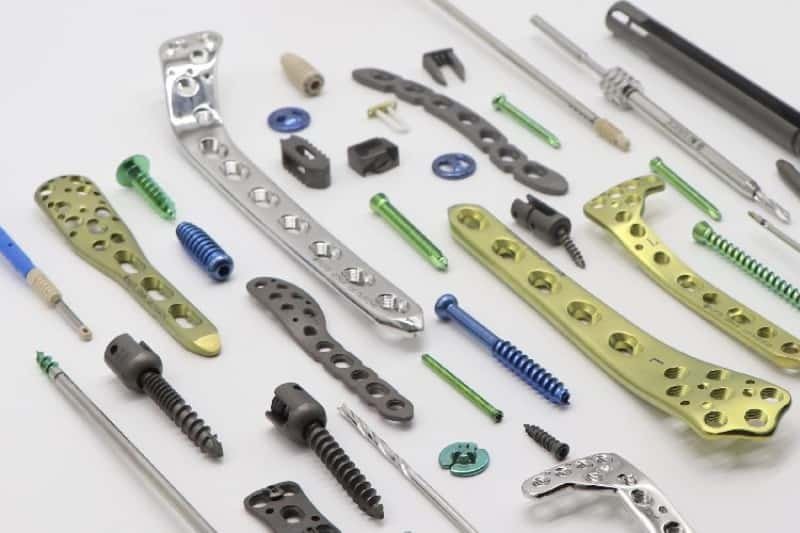
خاتمة
Throughout the medical field, such precision parts are required to significantly increase accurate handling that involves certain technologies used in CNC machining and EDM. These items, critical components of devices and implants call for strict controls concerning regulatory matters. In the process of procurement, it is critical to choose suitable materials and suppliers that would align with high-end quality standards. The establishment of a more structured form, with careful communication and documentation enables successful collaborative ventures as well the availability for delivery to hospitals quality components.