المبادئ الأساسية وسير العمل في عملية الضغط على المعادن
في الواقع، تتطلب عملية تشكيل المعادن بالضغط سلسلة من العمليات المنسقة، مما يُمكّن من تحويل المواد الخام المعدنية إلى منتجات نهائية بكفاءة عالية وبتكلفة معقولة. تبدأ العملية في هذه المرحلة باختيار المعدن المناسب بناءً على الخصائص المطلوبة للمنتج النهائي، مثل المتانة والمرونة والتكلفة. تشمل الخيارات المتاحة الفولاذ والألومنيوم والنحاس الأصفر والنحاس، ويتم تقييم كل خيار للحصول على أفضل أداء وملاءمة.
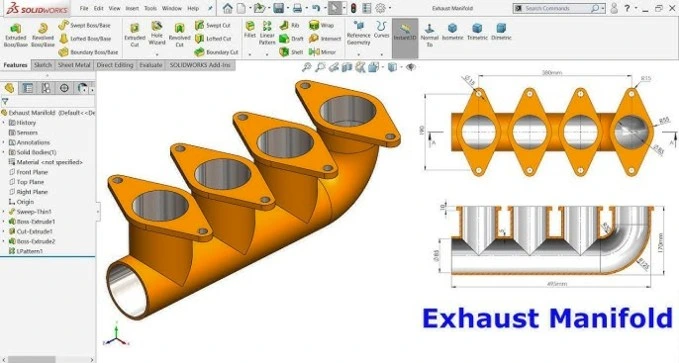
تتضمن الخطوة التالية التصميم الدقيق وهندسة الأدوات اللازمة للقالب، الذي يتكون من مثقب وتجويف القالب. باستخدام برامج التصميم بمساعدة الحاسوب (CAD)، يقوم المهندسون بتصميم القالب بحيث يُطابق شكل القطعة المطلوبة بحواف متساوية وناعمة. تُعد هذه خطوة هامة تهدف إلى تحقيق مستويات عالية من الكفاءة التشغيلية. ويُصبح تصميم القالب وهندسته أمرًا ضروريًا نظرًا لتعقيده وخصوصيته.
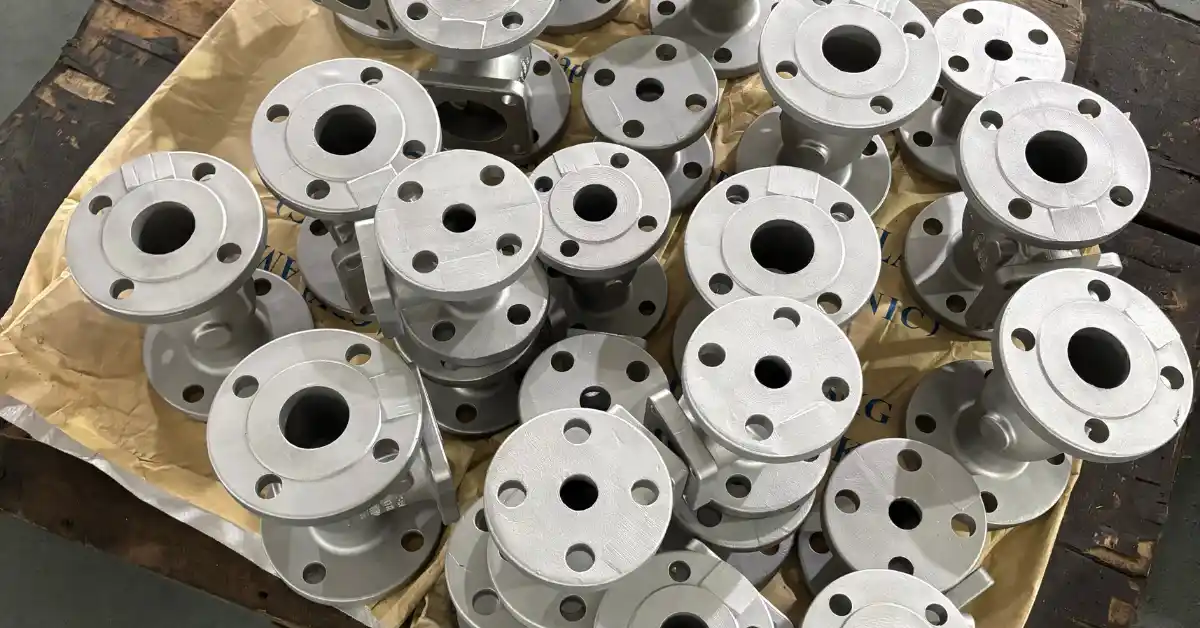
أخيرًا، تبدأ عملية التشكيل بالضغط، حيث تُوضع الصفائح أو اللفائف المعدنية المُجهزة في جهاز مزود بقالب. تعمل قوة الجهاز على ثني المعدن ليناسب التصميم المطلوب، من خلال عمليات مثل القطع، والثني، والسحب، والتشكيل البارز، وفقًا لما يحدده القالب. ونتيجة لذلك، تُطبق إجراءات مثل الفحص والاختبارات الدقيقة ومراقبة الجودة لفحص كل جزء بعناية لضمان خلوه من أي عيوب أو انحرافات عن المواصفات. غالبًا ما تمر الأجزاء بأنواع مختلفة من عمليات المعالجة اللاحقة، والتي تشمل التنظيف، والمعالجة الحرارية، أو تشطيب السطح، بهدف تحسين خصائصها أو مظهر سطحها، مما ينتج عنه الجزء النهائي المستخدم في مختلف الصناعات والتطبيقات.
تقنيات الضغط المعدنية الشائعة
تشمل عملية الضغط أو الختم المعدني مجموعة متنوعة من التقنيات لتشكيل صفائح المعدن إلى الأشكال المرغوبة، وتلبية الاحتياجات الصناعية المتنوعة.
- التقطيع والختم تعد العمليات الأساسية لقطع الأشكال وإنشاء الثقوب على التوالي، بمثابة مقدمة لأجزاء أكثر تعقيدًا.
- ثني يقوم بتحويل المعدن من خلال التشوه، مما يؤدي إلى إنشاء زوايا ومنحنيات ضرورية للمكونات الهيكلية.
- الرسم العميق يمتد المعدن إلى أشكال عميقة تشبه الكأس، وهو أمر بالغ الأهمية للأجزاء التي تتطلب عمقًا كبيرًا نسبيًا لفتحتها.
- سك النقود تقدم الدقة والتفاصيل، من خلال ضغط المعدن بين القوالب لإنتاج أجزاء ذات تفاصيل دقيقة مع حدود ضيقة، مثل العملات المعدنية والتروس الدقيقة.
- النقش يقدم أنماطًا محكمة دون قطع، مما يعزز الجمالية والسلامة البنيوية.
- ختم القالب التدريجي يعمل على تبسيط الإنتاج، ومعالجة الشرائط المعدنية بشكل متسلسل من خلال قوالب متعددة للحصول على إنتاج عالي الحجم وبتسامح ضيق.
وبشكل جماعي، توضح هذه الأساليب مدى تنوع عملية الضغط المعدني في التصنيع، مما يتيح إنشاء مكونات عبر صناعات السيارات والإلكترونيات والبناء وغيرها.
المواد الشائعة المستخدمة في الضغط المعدني ومعايير اختيارها
في عملية الضغط المعدني، يعد اختيار المواد أمرًا حيويًا لإيجاد التوازن بين الخصائص الميكانيكية ومقاومة التآكل والوزن والتوصيل والتكلفة والتوافر.
- فُولاَذ يتميز هذا المنتج بقدرة جيدة على التمدد ويشكل مزيجًا جيدًا من التكلفة والقوة. وهو مفضل في تصنيع أجزاء السيارات والهياكل.
- الألومنيوم إنه خفيف الوزن وذو قابلية تشكيل جيدة. ويُستخدم في صناعة الطائرات والإلكترونيات الاستهلاكية حيث يكون الوزن مهمًا.
- نحاس وتعتبر سبائكها، مثل النحاس، من بين المواد الأكثر طلبًا نظرًا لموصليتها الكهربائية والحرارية العالية، وتتميز بالتطبيق في المكونات الكهربائية والأشياء الزخرفية.
- التيتانيوم، هي المادة الرائدة في مجال الفضاء والطب، ويرجع ذلك أساسًا إلى نسبة القوة إلى الوزن العالية ومقاومتها للتآكل.
- النيكل سبائك تعتبر هذه السبائك من المواد الفريدة التي يمكنها تحمل درجات الحرارة العالية والتآكل. لذلك، أصبحت هذه السبائك لا غنى عنها في قطاعات المعالجة الكيميائية والطاقة.
يعتمد الاختيار على التطبيق اعتمادًا على الاحتياجات التي يتطلبها النظام لتلبية الأداء والمتانة والميزانية.
المعدات والأدوات الرئيسية المطلوبة للضغط على المعادن
تُنجز عملية تشكيل المعادن بالضغط باستخدام مجموعة واسعة من الآلات المتطورة التي تُحقق أفضل النتائج في ضغط الصفائح المعدنية لتشكيل المكونات الدقيقة. وتلعب آلات الضغط، مثل الآلات الميكانيكية والهيدروليكية وآلات المؤازرة، بالإضافة إلى القوالب والأدوات المصممة خصيصًا، دورًا هامًا في عمليات القطع والثني والتشكيل. وتُسهّل وحدات التغذية ومعدات مناولة اللفائف تدفق المواد إلى آلة الضغط، والتي تُقلل من احتكاكها بفضل أنظمة التشحيم، كما تُسهّل عملية إزالة الأجزاء. وتُستخدم أدوات الفحص ومراقبة الجودة، مثل أجهزة القياس وأنظمة الرؤية، للحفاظ على معايير الإنتاج. أما العامل الحاسم الآخر فهو أدوات مناولة المواد والأتمتة، مثل السيور الناقلة والأذرع الروبوتية، التي تُنشئ خط تجميع سلسًا يتميز بالكفاءة والأمان. وتُشكل هذه الآلات مجتمعةً معدات ضغط المعادن، وتُعدّ هذه المجموعات المتكاملة مصدرًا لتصنيع أجزاء معدنية عالية الجودة في مجموعة واسعة من الصناعات المختلفة.
عملية تصميم وتصنيع قوالب الضغط المعدنية
يتضمن تصميم وتصنيع قوالب الضغط المعدنية عملية دقيقة تبدأ بالتصور، حيث يتعاون المهندسون لتحديد مواصفات الأجزاء وإنشاء نماذج CAD ثلاثية الأبعاد مفصلة. يتبع ذلك المحاكاة باستخدام تحليل العناصر المحدودة (FEA) لتوقع وتصحيح المشكلات المحتملة في سلوك المعدن أثناء الضغط. ثم يتم إنشاء مسارات الأدوات للتصنيع باستخدام الحاسب الآلي من خلال برنامج CAM، مما يؤدي إلى التصنيع الدقيق لمكونات القالب. بعد التجميع، يخضع القالب لعمليات تجريبية لإنتاج أجزاء نموذجية للفحص والتعديلات، مما يضمن أنها تلبي الأبعاد والتسامحات المطلوبة. تتوج العملية بمرحلة ضمان الجودة الصارمة، حيث يتم ضبط القالب بدقة للموافقة النهائية قبل اعتباره جاهزًا للإنتاج على نطاق واسع. يدمج هذا النهج الشامل الهندسة المتقدمة والتصنيع الدقيق ومراقبة الجودة الصارمة لتصنيع قوالب قادرة على إنتاج أجزاء معدنية عالية الجودة.
درجات الدقة ونطاقات التسامح التي يمكن تحقيقها في الضغط على المعادن
في مجال تشكيل المعادن بالضغط، يعتمد الوصول إلى مستويات التفاوت والدقة المطلوبة بشكل كبير على عوامل متعددة، مثل نوع المعدن، ودقة المعدات، وتعقيد القطعة، وطريقة الضغط، ومهارة المشغل، وإجراءات مراقبة الجودة. فمن جهة، توفر معادن مثل الألومنيوم تفاوتات أدق، ولكن أدوات القياس الدقيقة والآلات التي تعمل بنظام التحكم الرقمي الحاسوبي (CNC) هي التي تتحكم في هذه التفاوتات الدقيقة.
عادةً ما تُضغط الأجزاء الأبسط بدقة أكبر من الأجزاء المعقدة، لذا يُعدّ ضبط الجودة الدقيق في هذه العملية أمرًا بالغ الأهمية. تصل حدود الدقة هذه إلى ± 0.127 مم (± 0.005 بوصة) أو حتى أدق؛ إلا أنها تعتمد على المتطلبات المطبقة والتحسينات الممكنة في العملية. يُمكّن العمل الجماعي المستمر بين المهندسين وصنّاع الأدوات والمشغلين، إلى جانب تطبيق أساليب التحسين المستمر والتطورات التكنولوجية، من الوصول إلى دقة شبه كاملة في ضغط المعادن.
استخدامات الأجزاء المعدنية المضغوطة في مجالات مختلفة
تتمتع المكونات المعدنية المضغوطة بمجموعة واسعة من الاستخدامات في الصناعات نظرًا لقدرتها على التواجد في أشكال متعددة ودقتها العالية.
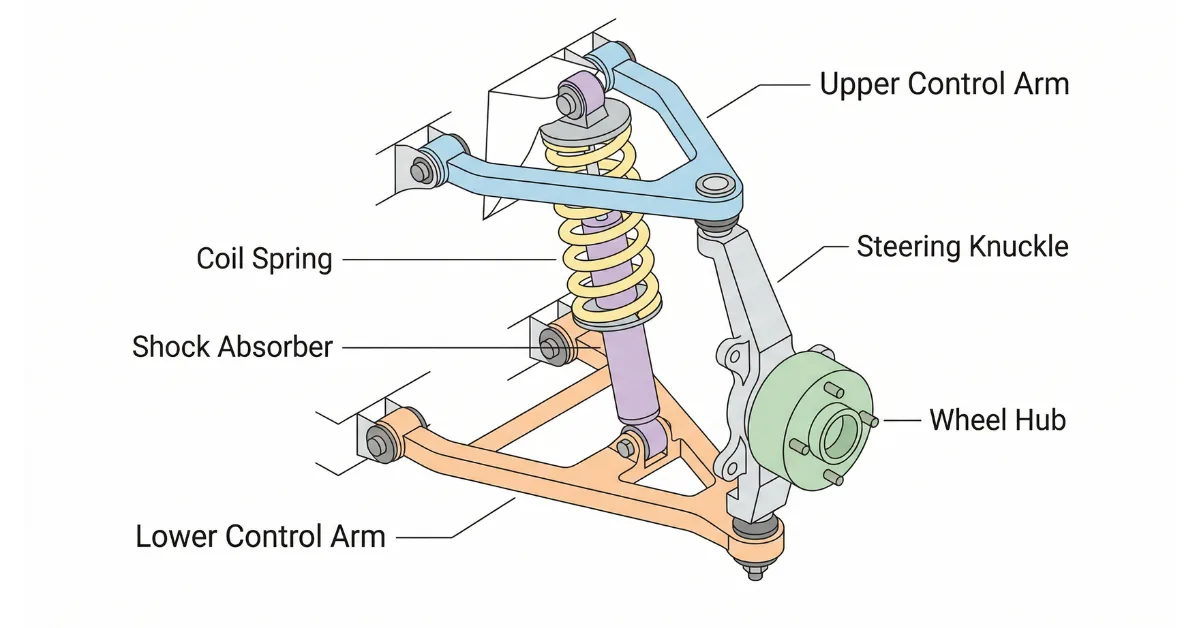
- تصنيع السيارات:بناء الهيكل، مكونات المحرك، ألواح الهيكل
- تطبيقات الفضاء الجوي:هياكل الطائرات، مكونات المحرك، التركيبات الداخلية
- صناعة الالكترونيات:الدوائر الكهربائية، الموصلات، العلب
- قطاع البناء:التجهيزات، التركيبات، العناصر الهيكلية
- تصنيع السلع الاستهلاكية:الأجهزة والأثاث
تعتبر الأجزاء المضغوطة عالية الجودة في كل من هذه الصناعات سمة بالغة الأهمية تحظى بتقدير كبير بسبب متانتها ودقتها وتنوعها. تلعب دورًا مهمًا في أداء المنتج وموثوقيته.
التطبيقات المبتكرة للضغط المعدني في التقنيات الناشئة
تُستخدم تقنية الضغط المعدني بشكل متزايد في التقنيات الحديثة التي تشمل مجالات متنوعة. ففي التصنيع الإضافي، يُدمج الضغط كعملية ضمن خطوات المعالجة اللاحقة، مما يُحسّن بدوره دقة وجودة المكونات المعدنية المطبوعة ثلاثية الأبعاد. علاوة على ذلك، في مجال التصنيع الدقيق وتقنية النانو، يُتيح الضغط المعدني إنشاء هياكل دقيقة للغاية تُستخدم في الإلكترونيات الدقيقة والأجهزة الطبية الحيوية بدقة فائقة. وبالمثل، يُعد الضغط المعدني عنصرًا أساسيًا في الإلكترونيات المرنة، إذ يسمح بتضمين مسارات موصلة في ركائز مرنة، مما يُتيح تطوير أجهزة إلكترونية قابلة للثني والتمدد لتطبيقات التكنولوجيا القابلة للارتداء والرعاية الصحية.
علاوة على ذلك، يُسهم ضغط المعادن في تطوير أنظمة تخزين الطاقة وتحويلها من خلال تصنيع الأقطاب الكهربائية وجامعات التيار للبطاريات والمكثفات الفائقة وخلايا الوقود، مما يجعلها أكثر كفاءة وإنتاجية. وفي مجال المواد الذكية وأجهزة الاستشعار، تُمكّن تقنيات الضغط من تصنيع أجزاء معدنية دقيقة ذات خصائص ميكانيكية أو كهربائية أو مغناطيسية محددة، ضرورية لتطبيقاتها في الروبوتات وأجهزة إنترنت الأشياء ومراقبة سلامة الهياكل. كما يُمكن لقطاعي السيارات والفضاء تصنيع مكونات خفيفة الوزن ومتينة باستخدام ضغط المعادن للمركبات الكهربائية وخلايا وقود الهيدروجين والمركبات الفضائية والأقمار الصناعية، مما يُسهم في تطوير وسائل النقل المتقدمة واستكشاف الفضاء. تُظهر هذه التطبيقات المتنوعة فائدة وأهمية ضغط المعادن في ابتكار تقنيات جديدة في المجالات الناشئة.
إجراءات مراقبة الجودة للضغط المعدني
يُعدّ ضمان الجودة في عمليات تشكيل المعادن بالضغط خطوة أساسية للحفاظ على دقة وسلامة المنتجات النهائية. وتُجرى فحوصات أولية للمواد الخام للتحقق من مطابقتها لمتطلبات محددة، بما في ذلك التركيب الأمثل والأبعاد والتشطيب السطحي. كما يُعدّ الرصد والصيانة الدورية لأدوات الضغط أمرًا بالغ الأهمية لتحقيق قيم التفاوت المطلوبة ومنع التآكل والتلف وعدم المحاذاة ومخاطر الضرر. ويتيح الرصد المستمر لمعايير العملية الرئيسية، مثل الضغط ودرجة الحرارة، في الوقت الفعلي، الكشف السريع عن أي انحرافات. وبهذه الطريقة، تُتخذ الإجراءات التصحيحية في أسرع وقت ممكن، مما يُحسّن من التحكم في العملية.
تُعدّ عمليات الفحص أثناء التصنيع للتأكد من دقة الأبعاد وجودة السطح في عمليات الكبس ضرورية، مما يُسهم في التشخيص المبكر ومعالجة المشكلات. بعد اكتمال الإنتاج، تُجرى عمليات فحص نهائية تتضمن تقييمًا دقيقًا للأجزاء المُصنّعة للتأكد من استيفاء جميع المتطلبات المحددة، بما في ذلك التفاوتات المسموح بها في الأبعاد، وجودة السطح، وخصائص المواد. يُعدّ التحكم الإحصائي في العمليات أسلوبًا للتحقق من تباين العملية وتحديد المشكلات المحتملة، وبالتالي، يتم الحفاظ على التجانس والاستقرار في الإنتاج على المدى الطويل.
علاوة على ذلك، يُساعد التحليل المُعمّق للأسباب الجذرية للأجزاء غير المطابقة على تحديد الأسباب الجذرية لهذه المشاكل والتدابير الوقائية التي يُمكن اتخاذها لمنع تكرارها. ويُعدّ تدريب الموظفين مسألةً أساسيةً لتحقيق الكفاءة في إجراءات مراقبة الجودة. ويتم تمكين المشغلين وموظفي مراقبة الجودة من إجراء عمليات الفحص بدقة واستخدام معدات القياس بكفاءة. ويُساعد هذا النظام من إجراءات مراقبة الجودة المُحدّدة جيدًا المصنّعين على الحفاظ على معايير الدقة والضبط، وإنتاج أجزاء تُلبّي حتى أكثر متطلبات العملاء صرامةً.
التحديات الرئيسية التي تواجه عمليات الضغط المعدني
يُعدّ تآكل الأدوات وصيانتها، وتفاوت المواد، والأشكال الهندسية المعقدة، والتفاوتات الدقيقة، ومشكلة الارتداد المرن، وتشطيب السطح، وإدارة الحرارة والمواد، من أبرز التحديات في عملية تشكيل المعادن بالضغط. ويُعتبر تآكل الأدوات وصيانتها من العوامل المهمة نظرًا للضغوط الهائلة المُطبقة، بينما قد يؤدي اختلاف المواد إلى عدم تجانس المنتجات. ومن الصعوبات الأخرى، إلى جانب الحفاظ على تشطيبات السطح المطلوبة والتخلص من العيوب، تحقيق التفاوتات المطلوبة ومعالجة الارتداد المرن. وتُعدّ إدارة الحرارة بالغة الأهمية لضمان تجنب تشوه المواد، بينما يهدف تقليل الخردة وهدر المواد إلى تحسين الربحية والاستدامة. إنها عملية معقدة تتطلب مزيجًا من التكنولوجيا المتطورة، وتحسين العمليات، والتطوير المستمر لضمان كفاءة عمليات تشكيل المعادن وكفاءتها العالية.
معالجة قضايا هدر المواد والكفاءة من خلال التقدم التكنولوجي في الضغط المعدني
يتحقق التحسين في مجال تشكيل المعادن بالضغط، الذي يستهدف الحد من هدر المواد وتحسين الكفاءة، من خلال توظيف استراتيجيات مثل برامج المحاكاة المتقدمة لتحسين العمليات، وأنظمة المراقبة الآنية لإجراء تعديلات فورية، ومكابس عالية السرعة لزيادة الإنتاجية. يتيح دمج تقنيات الثورة الصناعية الرابعة وإنترنت الأشياء اتخاذ قرارات قائمة على البيانات والصيانة التنبؤية، وفي الوقت نفسه، يوفر التصنيع الإضافي إنتاج أجزاء قريبة من الشكل النهائي كتقنية للحد من الهدر. مع تطوير مواد وتصاميم الأدوات، يطول عمر الأدوات ويقل التآكل، وتجعل مبادرات إعادة التدوير خردة المعادن قابلة لإعادة الاستخدام. من خلال الاستفادة من التطورات المذكورة أعلاه، يمكن للمصنعين الحد من الهدر، وزيادة الكفاءة، وجعل عمليات تشكيل المعادن بالضغط أكثر استدامة.
كيف يؤثر التقدم في علم المواد على تكنولوجيا الضغط المعدني؟
تؤثر التطورات في علم المواد بشكل عميق على تكنولوجيا الضغط المعدني من خلال تسهيل تطوير سبائك ومركبات جديدة ذات خصائص محسنة. تعمل هذه التطورات على تحسين الأدوات والآلات، مما يؤدي إلى تحسين مقاومة التآكل وكفاءة أكبر في عمليات الضغط. علاوة على ذلك، تعمل الابتكارات في علم المواد على دفع التقدم في تقنيات التشكيل، مما يتيح إنتاج مكونات معقدة ذات تحمّلات أكثر صرامة. بشكل عام، تعمل هذه التطورات باستمرار على دفع حدود ما يمكن تحقيقه في الضغط المعدني، مما يعزز الأداء والكفاءة والتنوع في تصنيع المكونات.
دور الرقمنة والأتمتة في صناعة الضغط المعدني
تُحدث الرقمنة والأتمتة نقلة نوعية في سوق تشكيل المعادن بالضغط، مما يعزز القدرة التنافسية من خلال زيادة الإنتاجية والدقة. تُمكّن الرقمنة المصممين من إنجاز مهام تشمل المحاكاة، وتخطيط الإنتاج، وتطوير المنتجات، مما يُسرّع عملية التطوير ويرفع من كفاءتها. كما يُساعد استخدام البرامج الحديثة في إجراء عمليات التشكيل بالضغط والمحاكاة افتراضياً، دون الحاجة إلى نماذج أولية مادية، مما يُقلل من تكاليف التجربة والخطأ.
علاوة على ذلك، مع إدخال التقنيات الآلية مثل الروبوتات والآلات التي يتم التحكم فيها بواسطة الحاسوب (CNC)، تزداد قدرة أنظمة الإنتاج على أداء المهام المتكررة بكفاءة وثبات أكبر من خلال أتمتة هذه المهام وتقليل الأخطاء البشرية. يمكن للأنظمة الروبوتية أن تتولى مسؤولية مناولة المواد وتغيير الأدوات وفحص الجودة، بينما توفر مكابس CNC تحكمًا دقيقًا في معايير الكبس، مما ينتج عنه مكونات عالية الجودة وتقليل الفاقد. وبشكل عام، تُمكّن الرقمنة والأتمتة مكابس المعادن من تحقيق أهدافها في ظل التغيرات الصناعية المختلفة، وزيادة الإنتاجية، والحفاظ على ميزة تنافسية في السوق.
مقارنة فعالية التكلفة لعملية ضغط المعادن مع عمليات التصنيع الأخرى
تعتبر عملية الضغط على المعادن (الختم) أكثر فعالية من حيث التكلفة للإنتاج عالي الحجم، حيث توفر أوقات دورة سريعة وتكاليف منخفضة لكل وحدة، خاصة عند مقارنتها بعمليات التصنيع الأخرى:
- الصب: أفضل للأشكال المعقدة ذات الأحجام الصغيرة إلى المتوسطة، ولكن فيما يتعلق بالوحدات والتكلفة، فهي أبطأ وأكثر تكلفة من الختم.
- التصنيع: يوفر دقة عالية بدون قيود الحجم ولكنه يتطلب عمالة عالية وتكلفة مادية عالية، مما يجعله مكلفًا حتى على نطاق واسع.
- التصنيع (اللحام والانحناء): تصبح الطريقة المرنة لتعهيد الإنتاج على أساس المشروع أو للكميات المنخفضة كثيفة العمالة ومكلفة للغاية عندما تكون الأحجام أعلى.
- الطباعة ثلاثية الأبعاد: جيدة للنماذج الأولية والأجزاء المعقدة التي تنتج القليل من النفايات، ولكنها بطيئة ومكلفة بشكل عام للتصنيع على نطاق واسع.
أخيرًا، تكون عملية الضغط على المعادن أكثر إنتاجية عندما يتعلق الأمر بكميات كبيرة، لأنها يمكن أن تتم بشكل أسرع مع قوة عمل أقل، على الرغم من ارتفاع تكاليف الأدوات والإعداد. بالنسبة للأجزاء ذات الحجم المنخفض أو المعقدة للغاية أو المخصصة، قد تكون البدائل الأخرى ذات أساس أكثر اقتصادا على الرغم من حقيقة أن تكلفة الوحدة لكل جزء مرتفعة.
خاتمة
باختصار، لا يمكن إغفال إسهام عملية تشكيل المعادن بالضغط في قطاع التصنيع الحديث، لما تتميز به من كفاءة ومرونة ودقة لا مثيل لها في مجالات متعددة. وتُدمج هذه العملية باستمرار مواد متطورة وتقنيات رائدة، فضلاً عن تدابير الاستدامة، مما يُتيح تطوير إنتاج المكونات المعدنية. ومع التطلع إلى المستقبل، ستزداد الأمور إثارةً مع تزايد التوجه نحو الرقمنة والأتمتة، مما يُعزز نطاق وأهمية عملية تشكيل المعادن، ويضمن بقاءها في صميم الابتكار والتصنيع المستدام والنمو الاقتصادي. وفي سعينا الدؤوب نحو جودة أفضل، تُعد تقنية تشكيل المعادن بالضغط أسلوبًا إنتاجيًا وعنصرًا أساسيًا في ابتكار الجيل القادم من المنتجات والتقنيات.