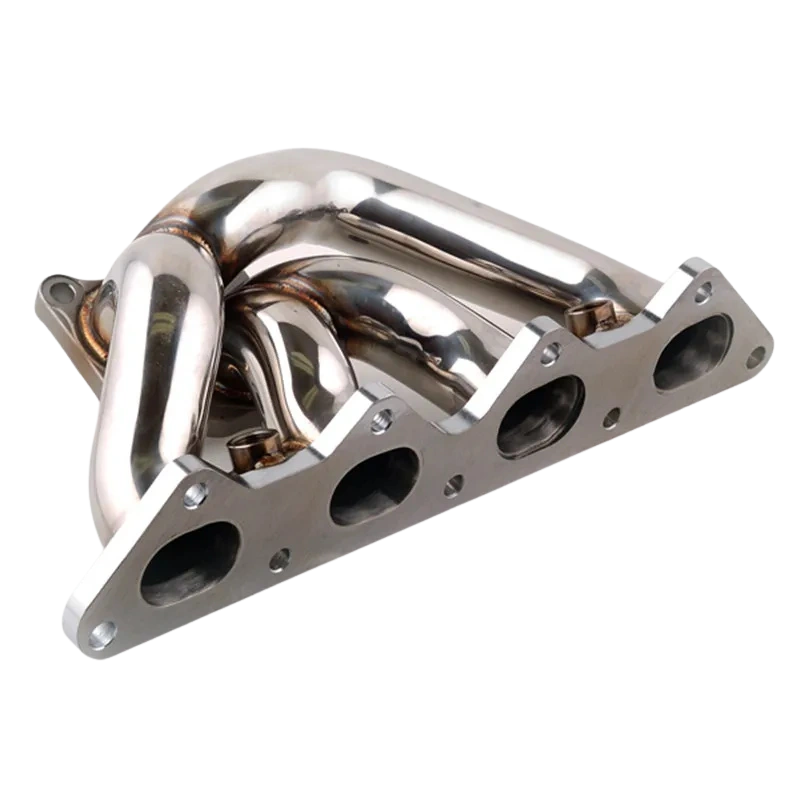
لا يقتصر اختيار المعدن المناسب لمشروعك في عام 2026 على اختيار مادة قوية فحسب، بل يشمل أيضًا وزن المعدن، وتكاليف معالجته بالحرارة، ومقاومته للصدأ. لم تكن إمكانيات الصب الاستثماري أو عملية الشمع المفقود متاحةً كما هي الآن، بفضل التقنيات الحديثة كالذكاء الاصطناعي والطباعة ثلاثية الأبعاد التي أحدثت نقلة نوعية في هذا المجال.
سواء كان الأمر يتعلق بمركبة فضائية أو معدات طبية أو سيارة فائقة السرعة، يمكن لهذا الدليل أن يرشدك إلى استخدام مواد الصب الاستثماري المناسبة لتحقيق طموحاتك لعام 2026.
مواد الصب الاستثماري: جدول مقارنة سريع
يساعدك جدول المقارنة السريع هذا في تحديد الصب الاستثماري المواد التي سيتم استخدامها بناءً على المشروع من حيث القوة، ومقاومة التآكل، ومقاومة الحرارة، والوزن، والتكلفة الإجمالية.
| نوع المادة | مستوى القوة | مقاومة التآكل | مقاومة الحرارة | وزن | مستوى التكلفة | أفضل التطبيقات |
| الفولاذ المقاوم للصدأ | عالي | عالي | متوسط-عالي | واسطة | واسطة | معدات طبية، بحرية، غذائية |
| الفولاذ الكربوني | عالي | منخفض متوسط | واسطة | واسطة | قليل | الأجزاء الهيكلية، الآلات |
| سبائك الفولاذ | عالية جداً | واسطة | عالي | واسطة | واسطة | المعدات الثقيلة، السيارات |
| سبائك الألومنيوم | واسطة | عالي | واسطة | خفيف الوزن | واسطة | صناعة السيارات والفضاء |
| سبائك أساسها النيكل | مرتفع للغاية،, | عالية جدًا | أقصى | واسطة | عالي | التوربينات، صناعة الطيران والفضاء |
| سبائك التيتانيوم | عالية جداً | عالية جداً | عالي | خفيف جداً | عالي | الفضاء الجوي، الغرسات الطبية. |
| البرونز والنحاس الأصفر | واسطة | عالي | واسطة | واسطة | واسطة | الأدوات البحرية والديكورية والأدوات المعدنية |
مقدمة: لماذا يُعد اختيار مادة الصب الاستثماري المناسبة أمرًا مهمًا؟
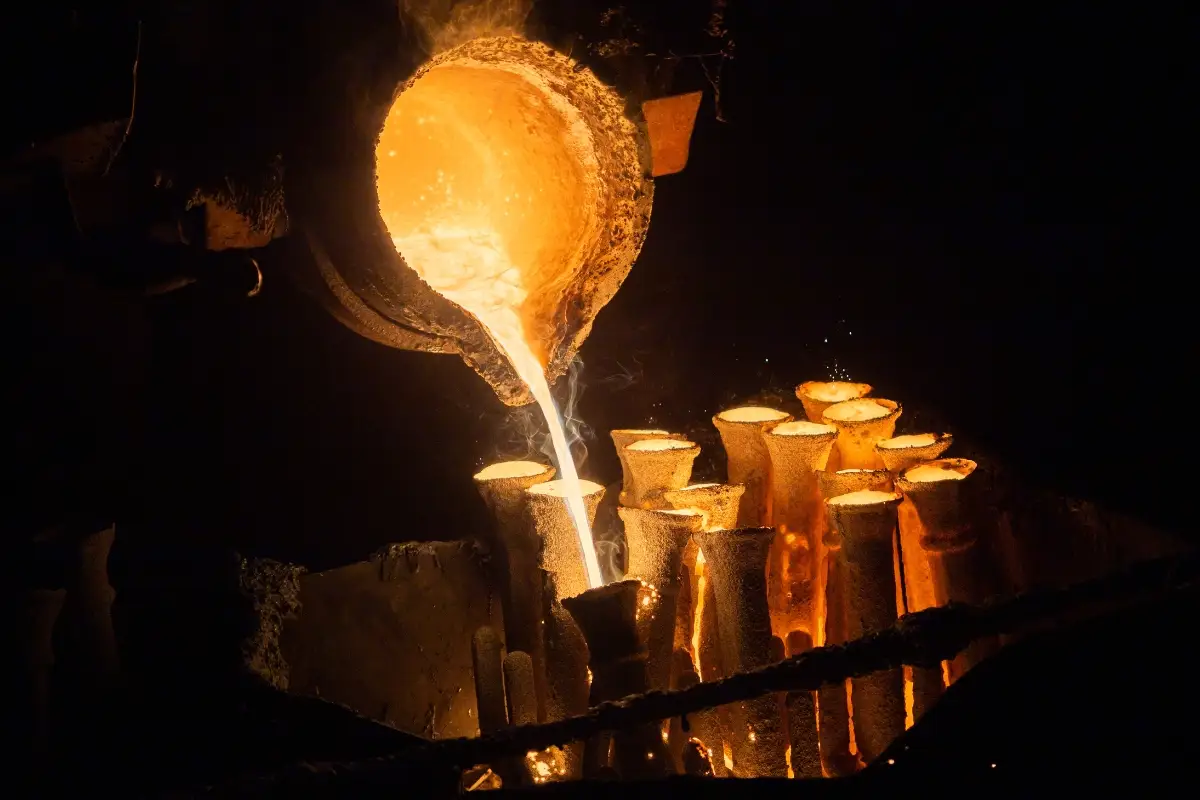
الصب الاستثماري, تقنية الشمع المفقود، أو ما يُعرف أيضاً بالتصنيع بالشمع، هي طريقة تصنيع عريقة تعود لآلاف السنين. ومع ذلك، أصبحت في عام 2026 أكثر دقة وتطوراً من أي وقت مضى. تتم هذه التقنية بصنع نموذج شمعي للقطعة المطلوبة، ثم صبه في قالب خزفي، وبعد ذلك صب المعدن المنصهر في القالب.
لماذا يؤثر اختيار المواد على كل شيء
لا يمكنك ببساطة اختيار معدن في عام 2026 لمجرد أنه رخيص. فنوع المادة المستخدمة يؤثر على ذلك.
- يكلف: هناك معادن يصعب صهرها أو تحتاج إلى قوالب خاصة.
- القوة والمتانة: هل سينكسر عند الضغط عليه أم سيستغرق الأمر عقوداً؟
- أداء: هل يجب أن تكون الطائرة بدون طيار خفيفة الوزن أم أن تكون أداة البناء ثقيلة؟
تزايد الطلب في القطاعات الرئيسية
نشهد زيادة هائلة في الطلب على عمليات الصب الدقيق في قطاعات الطيران والفضاء، والسيارات (وخاصة السيارات الكهربائية)، والطب، والطاقة. وتساهم هذه القطاعات في توسيع آفاق استخدام المعادن.
خفيف الوزن وصديق للبيئة
تُعدّ السبائك خفيفة الوزن والاستدامة من أبرز التوجهات هذا العام. وتسعى الشركات إلى إيجاد طرق لتقليل البصمة الكربونية، ولذلك أصبحت السبائك القابلة لإعادة التدوير وطرق صب السبائك الموفرة للطاقة من الأولويات.
ما هو صب الاستثمار؟
صب الاستثمار (يسمى أيضًا صب الشمع المفقود) هي عملية تصنيع المعادن الدقيقة المستخدمة لإنتاج أجزاء معقدة ذات تفاوتات ضيقة وتشطيب سطحي ممتاز.
تتم العملية عن طريق إنشاء نموذج شمعي, وتغطيتها بـ غلاف خزفي, ، ثم إذابة الشمع، وسكب المعدن المنصهر في التجويف.
بمجرد أن يتصلب المعدن، يتم كسر الغلاف الخزفي للكشف عن المسبوك النهائي.
تُستخدم عملية الصب الاستثماري على نطاق واسع عندما تتطلب الأجزاء ما يلي:
- هندسة معقدة
- الممرات الداخلية
- التفاوتات الأبعادية الضيقة
- تشطيب سطح جيد
- مواد يصعب تشكيلها
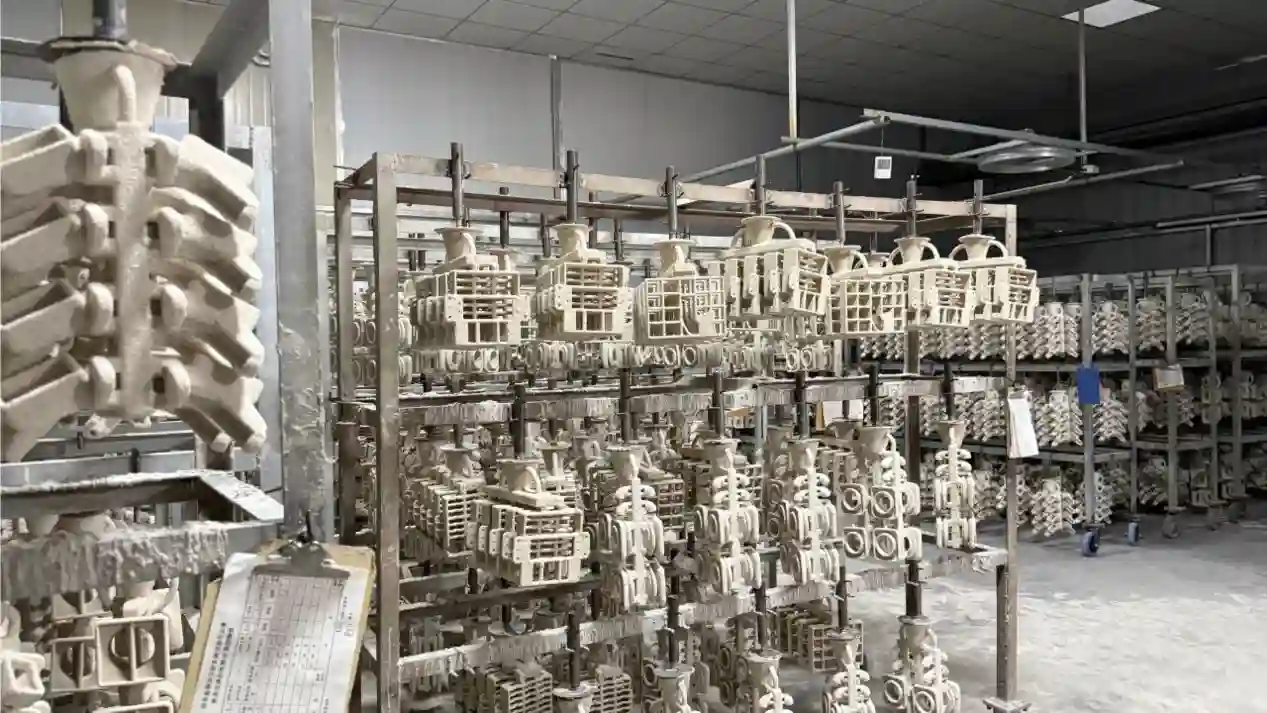 تتيح هذه العملية دقة عالية (قياسات دقيقة للغاية) وأشكال هندسية معقدة، وهو ما لا تستطيع الطرق الأخرى تحمله ببساطة.
العوامل الرئيسية التي يجب مراعاتها عند اختيار مواد الصب الاستثماري
أول شيء يجب فعله قبل اختيار المعدن هو طرح بعض الأسئلة المتعلقة ببيئة مشروعك.
متطلبات القوة الميكانيكية
- قوة الشد: إلى أي مدى يمكنك سحب المعدن حتى ينكسر؟
- قوة الخضوع: ما هي درجة الحرارة التي يبدأ عندها المعدن بالتشكل بشكل دائم؟
- مقاومة الصدمات والإجهاد: هل يستجيب للضربات القوية أم لملايين الاهتزازات الدقيقة للزمن؟
مقاومة التآكل والحرارة
عندما تُرسل قطعة غيارك إلى المحيط، يجب أن تكون قادرة على تحمل الملح (التآكل). وعندما تدخل في محرك سيارة، يجب أن تكون قادرة على تحمل درجات الحرارة العالية دون أن تنصهر أو تتشوه (مقاومة الأكسدة).
اعتبارات الوزن والكثافة
كل غرام له أهمية بالغة في صناعة الطيران والفضاء والطائرات بدون طيار. ويُعتبر المعيار الذهبي لعام 2026 هو السبائك خفيفة الوزن، التي تتميز بنسبة عالية من القوة إلى الوزن.
التكلفة وحجم الإنتاج
تتفاوت أسعار المواد الخام. يُعدّ الفولاذ الكربوني خيارًا اقتصاديًا، لكن بعض المعادن النادرة، كالتيتانيوم، قد تكون باهظة الثمن. يجب أيضًا مراعاة سهولة تشكيل القطعة. ما مقدار العمل المطلوب بعد صبّها؟
الاستدامة والأثر البيئي
في عام 2026، أصبح تبني الممارسات الصديقة للبيئة ضرورة حتمية للشركات. ويركز عدد كبير من المشاريع المعاصرة حالياً على استخدام السبائك القابلة لإعادة التدوير، بالإضافة إلى العمليات التي تستهلك طاقة أقل.
أفضل مواد الصب الاستثماري لمشروعك
فيما يلي تركيبة أفضل المعادن المستخدمة في الصناعة اليوم.
الفولاذ المقاوم للصدأ
الفولاذ المقاوم للصدأ هو المادة متعددة الأغراض لعام 2026. وهو يحظى بشعبية كبيرة لأنه لا يصدأ بسهولة وهو متين للغاية.
- الفولاذ المقاوم للصدأ 304: يمكن استخدامه في الصناعات العامة وفي معالجة الأغذية.
- الفولاذ المقاوم للصدأ 316: "الدرجة البحرية". هذه المنتجات مثالية للاستخدام في المياه المالحة والمواد الكيميائية.
- 17-4 PH الفولاذ المقاوم للصدأ: هذه سبيكة قوية تُستخدم بشكل شائع في الصناعات الطبية والفضاء.
 الفولاذ الكربوني
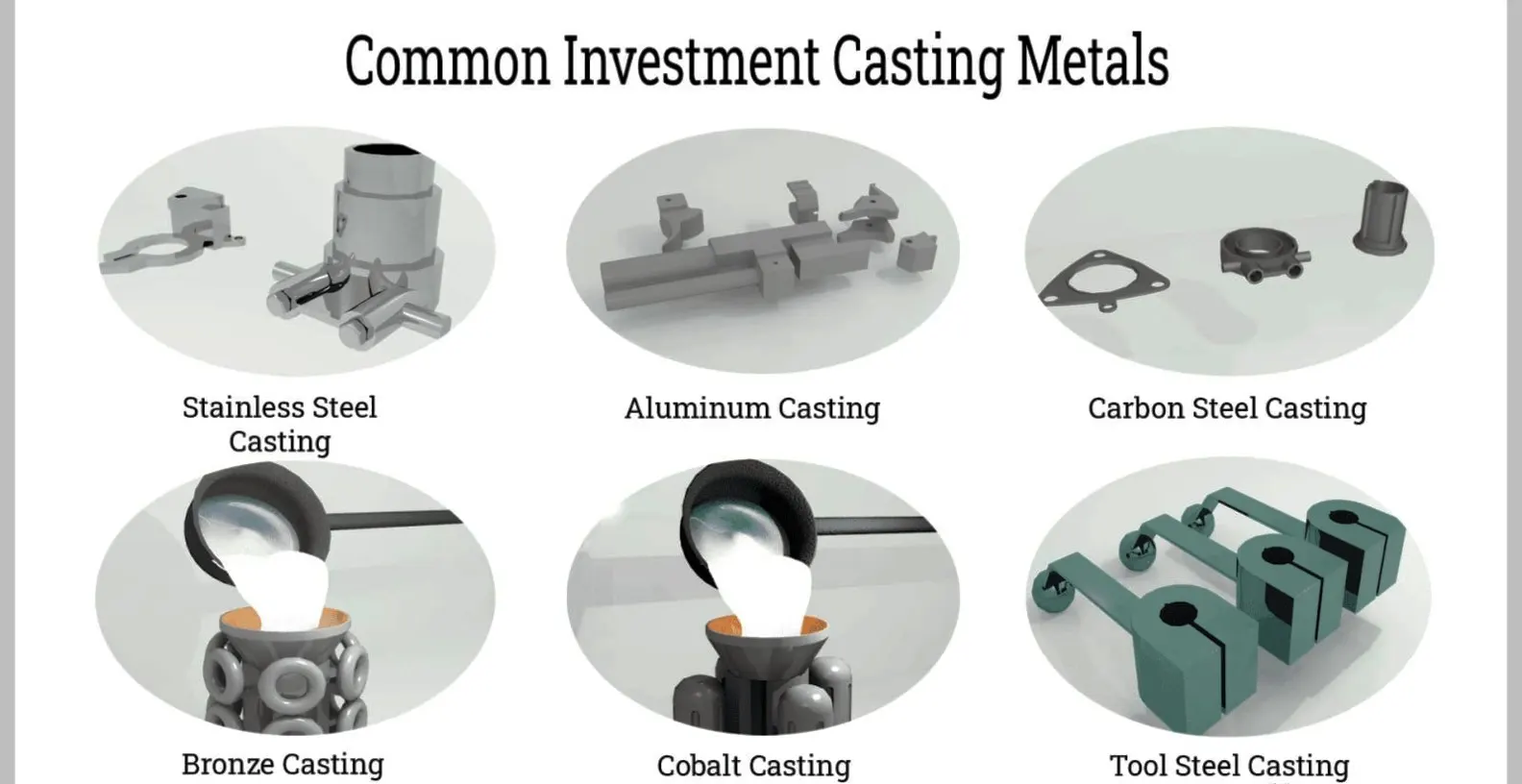
يُعدّ الفولاذ الكربوني خيارًا مثاليًا لمن يبحث عن قوة عالية وسعر اقتصادي. ويُستخدم على نطاق واسع في البناء والتشييد، فضلًا عن استخدامه في الآلات الثقيلة. كما يُمكن معالجته حراريًا لزيادة صلابته.
سبائك الفولاذ
يشبه الفولاذ السبائكي الفولاذ الكربوني، ولكنه يحتوي على عناصر معززة مثل الكروم أو النيكل، مما يمنحه مقاومة فائقة للتآكل. وهو مناسب تمامًا لمكونات السيارات التي تتعرض لظروف قاسية.
سبائك الألومنيوم
يُعتبر الألومنيوم سيد عمليات الصب خفيفة الوزن. فهو قابل للتشكيل، ويوصل الحرارة بسهولة.
- A356: شائع جداً في جميع الأجزاء الهيكلية.
- 6061: إنها مادة قوية وسهلة التشكيل.
سبائك أساسها النيكل (سبائك فائقة)
تحتاج إلى النيكل عندما يكون الجو حارًا، حارًا جدًا. تُستخدم معادن مثل الإنكونيل في محركات الطائرات النفاثة وتوربينات الطاقة لأنها لا تفقد قوتها في درجات الحرارة العالية.
سبائك الكوبالت
بطريقة ما، تُعدّ هذه المعادن أكثر صعوبة من النيكل. فهي صعبة التآكل والتآكل الناتج عن احتكاك المعادن ببعضها البعض. وتُستخدم هذه المعادن في الغرسات الطبية مثل مفاصل الورك الاصطناعية.
سبائك التيتانيوم
أما النوع الفاخر فهو التيتانيوم. فهو أصلب من الفولاذ ولكنه أخف وزناً بكثير. كما أنه متوافق حيوياً؛ أي أن الجسم البشري لا يرفضه، وبالتالي فهو مناسب للأجهزة الطبية.
سبائك البرونز والنحاس الأصفر
تُستخدم هذه المواد في الغالب في صناعة الأشياء الزخرفية أو المعدات البحرية. وهي أنيقة ومقاومة للغاية للتآكل الناتج عن الماء.
مواد أخرى مستخدمة في عملية الصب الاستثماري
بالإضافة إلى الأساسيات، كان هناك زيادة في المواد المتخصصة في عام 2026 لاستخدامها في الأداء الفائق.
دوبلكس من الفولاذ المقاوم للصدأ
هذان هيكلان متماثلان. إن قدرتهما على مزج نوعين مختلفين من الفولاذ تُنتج معدنًا أقوى بمرتين من الفولاذ المقاوم للصدأ العادي. وهو مطلوب في أنابيب النفط والغاز في أعماق البحار.
سبائك المغنيسيوم
هذه أخف المعادن الهيكلية، حتى أنها أخف من الألومنيوم. كما تُستخدم في سيارات السباق عالية الأداء وفي الأدوات الكهربائية اليدوية، حيث يُحدث كل رطل من الوزن فرقًا كبيرًا.
فولاذ الأدوات
هذه سبائك خاصة تُستخدم في صناعة القوالب وأدوات القطع التي تُشكل بقية العالم. وهي تحافظ على حدتها وصلابتها حتى عند تسخينها.
السبائك الفائقة المتقدمة
أحدث الاختراعات هي سبائك فائقة متطورة لعام 2026، والتي تستهدف بشكل خاص الجيل القادم من محطات الطاقة النووية والشمسية، حيث من المفترض أن تدوم الأجزاء لمدة 30 عامًا أو أكثر دون صيانة.
مواد السيراميك والقوالب في صب الاستثمار
المعدن ليس المادة الوحيدة المهمة. فالغلاف الخزفي هو الذي يشكل هذا المعدن.
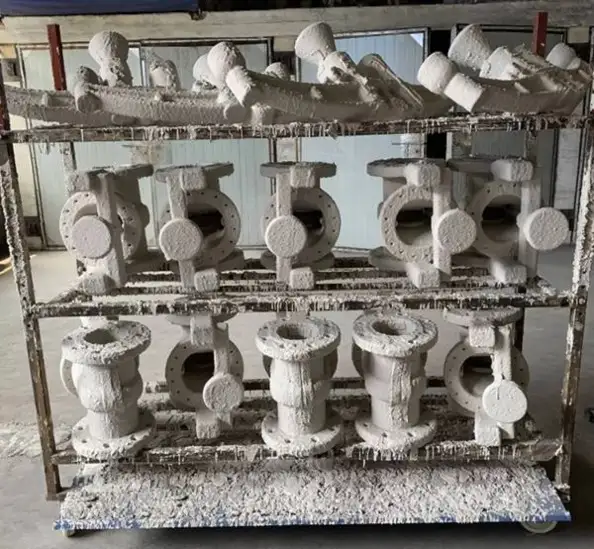
السيليكا والزركون
يتم استخدام طلاء الزركون عالي الجودة لأنه لا ينكسر عند تعرضه لدرجة الحرارة العالية للفولاذ المنصهر.
الاستقرار الحراري
لا تنكمش هذه الأنواع من القوالب أو تتمدد عند تسخينها، وتمنح القطعة الحجم المثالي بدقة تصل إلى المليمتر.
النفاذية وإزالة الغازات
تتميز القوالب الحديثة بأنها تسمح بمرور الهواء والغازات عبر الجدران الخزفية، مما يمنع ظهور فقاعات صغيرة في المعدن.
القوة الميكانيكية مقابل الضربة القاضية
هذا قالب قوي يمكنه الاحتفاظ بالمعدن السائل الثقيل تقريبًا، ولكنه ينفصل بسهولة عند تبريد القطعة.
مواد خاصة بالصناعة توصيات لعام 2026
| صناعة | لماذا هذه المواد؟ | المعادن الموصى بها |
| الفضاء الجوي | التركيز على الوزن والحرارة | سبائك النيكل الفائقة، والألومنيوم، والتيتانيوم. |
| السيارات | التركيز على الوقت والإنتاج على نطاق واسع. | سبائك الألومنيوم، والفولاذ السبائكي، والمغنيسيوم،, |
| طبي | اهتم بصحتك وعافيتك. | الفولاذ المقاوم للصدأ 316، كروم الكوبالت، التيتانيوم |
| الطاقة/النفط | التركيز على الضغط والمواد الكيميائية. | إنكونيل، فولاذ مقاوم للصدأ مزدوج |
| بحري | حصر الخيارات في مقاومة الماء المالح. | الفولاذ المقاوم للصدأ، البرونز، النحاس الأصفر |
كيفية Select the Best Investment Casting Material for Your Material
To make sure that you do not spend time or money in vain, follow these steps:
- Define the Load: Does the part carry weight or does it not? This is what allows analyzing whether you require high-tensile steel or light aluminum.
- Check the Heat: Will it come from fire or friction? Above 500°C requires a superalloy.
- Environment: Will it be external? In case of rain or salt, then you have to select a metal that is not corroded, such as 316 stainless.
- Weight Budget: When your product is fast-moving or flying, you need to choose Titanium or Magnesium.
- Financial Budget: There is high-performance metallurgy such as Titanium that is 5 to 10 times more costly than steel. Ensure it is a worthwhile performance.
- Talk to Experts: Casting engineers are frequently aware of so-called shortcut alloys that will save you money as they do the same work.
Common Mistakes When Choosing Investment Casting Materials
- Picking by Price Only: It may only cost you less to buy a boat part out of chep Carbon steel today but when it rusts out in six months, you will be spending twice as much to get it repaired.
- Over-Specifying: We find people putting on Aerospace grade Titanium on simple inside brackets. Stainless steel is generally sufficient unless it requires being ultra-light.
- Ignoring Machining: There are metals that are so hard that they are extremely stubborn when drilled or cut later, such as Cobalt. Always consider ways of completing the part.
Emerging Investment Casting Trends in 2026
- Hybrid Casting: 3D printers have been used to print wax patterns in hours where it took weeks before. This reduces prototyping to a large extent.
- AI-Driven Selection: We apply AI to computer simulation of the flowing of liquid metal into the mold. This removes air bubbles and low spots ever prior to pouring the metal.
- الاستدامة: 2026 is the year of green casting. We are reusing more scrap recycled metals and renewable energy to drive our furnaces and reduce carbon footprints on each part.
Final Thoughts: Choose HDC Manufacturing For Your Best Investment Casting Material
The products you use today will be the things that will make your products perform brilliantly after several years. It is the opportunity to make an informed choice on whether to use an extreme heat resistance nickel superalloy or the cost-effective strength of carbon steel that is the first step toward a successful project.
في تصنيع HDC, we do not only describe ourselves as manufacturers but also as your practical partners. Our modern plant and our strong understanding of the trends of our material in 2026 will help you to identify the ideal balance of price and performance.
Would you not like us to look over your design and advise you as to the most suitable material to use in your particular application? Contact us now and we will create something amazing!
FAQs About Investment Casting Material
1. What is the strongest investment casting material?
Titanium alloys are best to use in case of a pure strength-to-weight ratio. To be very tough and resistant to heat, Nickel based superalloys such as Inconel are regarded as the strongest ones in adverse conditions.
2. Which casting alloy is best for high temperatures?
The best are nickel-based and cobalt-based alloys. They are made in a way that ensures they do not melt or lose their shape and strength in conditions such as the jet engines, where the temperature can reach up to 1000°C.
3. Is aluminum good for precision casting?
Yes, Aluminum is very fine to be cast precisely; this is because it possesses high fluidity, i.e., it is highly capable of flowing into small and delicate shapes of the mold with minimal difficulty. It is also light and does not rust.
4. What is the most cost-effective casting metal?
Carbon steel is normally the most economical. It is very strong and easy to locate, only that it needs a coating or paint to stop rust.
5. How do i choose the right alloy for aerospace projects?
Aerospace projects are typically centered on Titanium (in order to save on weight) and stainless steel 17-4 PH (cost-strength balance). This decision will be based on whether it is a part in the cold section or hot section of the aircraft.