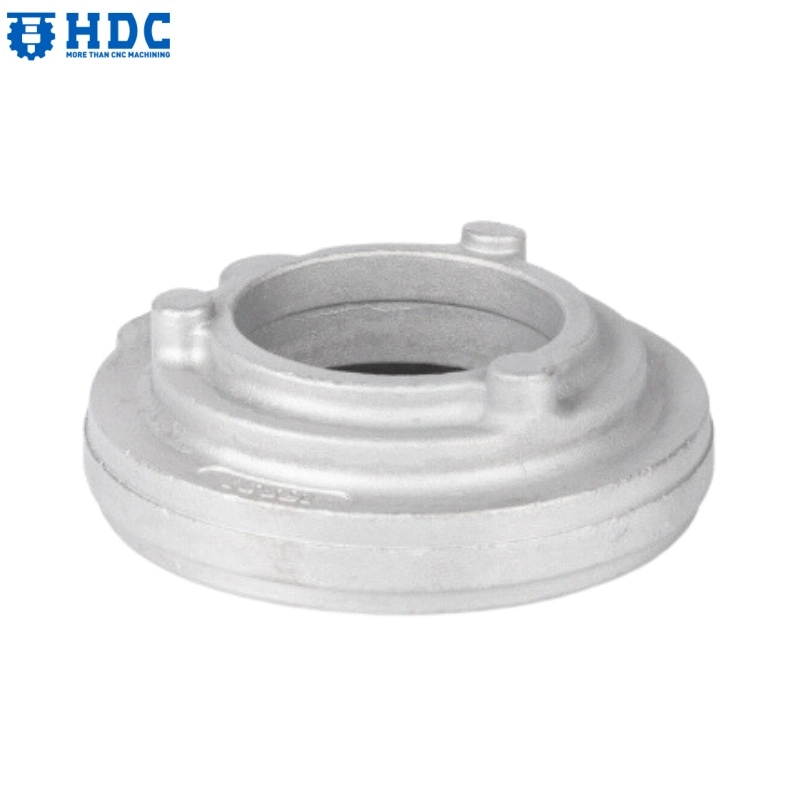
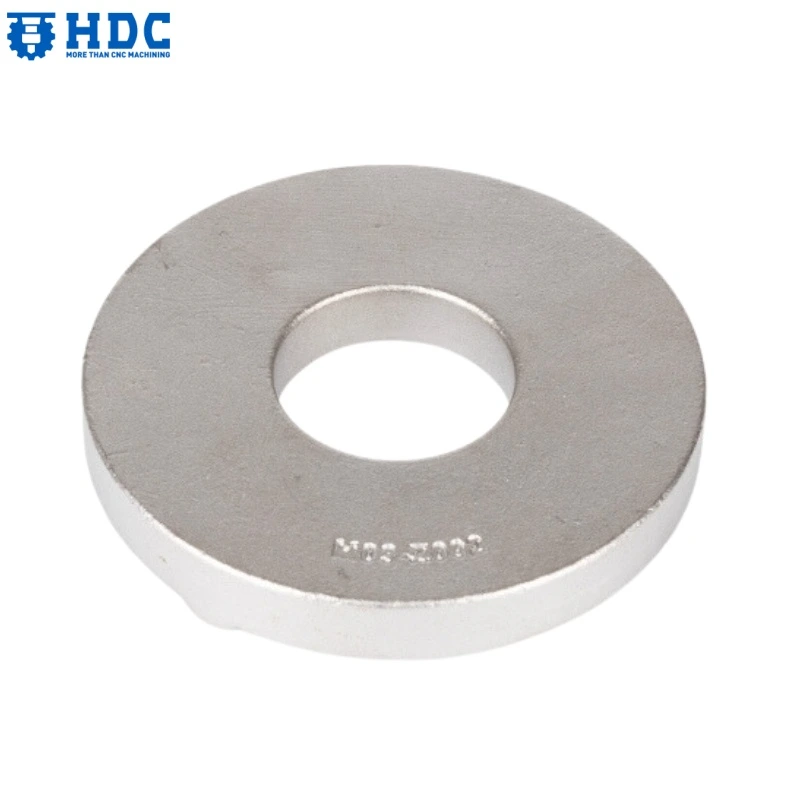
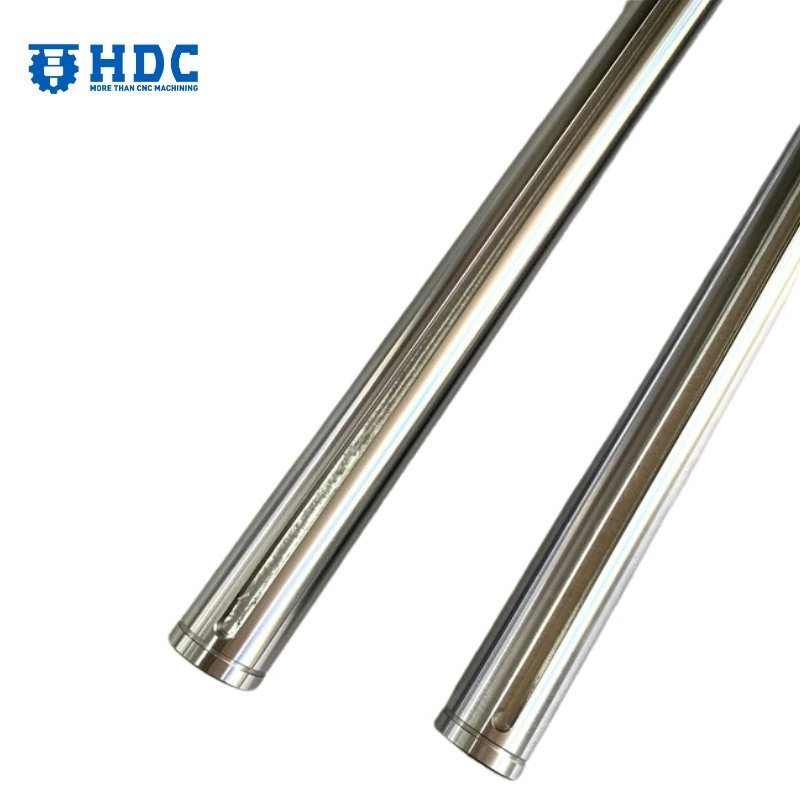
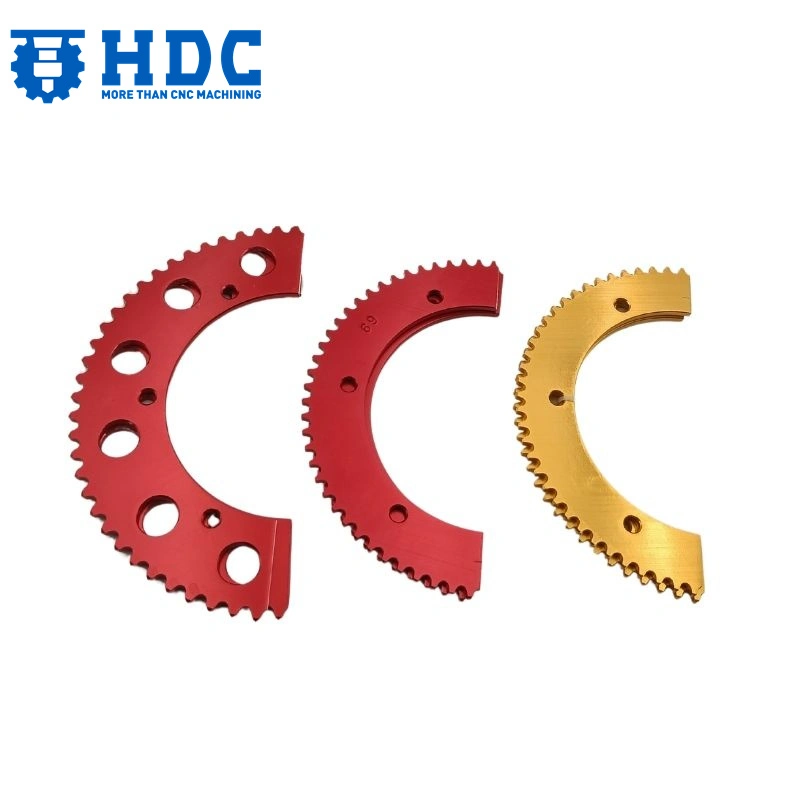
تؤثر أنواع الفولاذ المقاوم للصدأ المختلفة على مقاومة المنتج للتآكل، وعمره الافتراضي، وتكلفته. إذا كنت مترددًا بشأن اختيار نوع الفولاذ المقاوم للصدأ الأنسب لمنتجاتك المعدنية المصممة حسب الطلب، فستساعدك هذه المدونة على اتخاذ القرار الصحيح من خلال مناقشة خصائص واستخدامات أنواع الفولاذ المقاوم للصدأ الشائعة.
5 Types of Stainless Steel
وفقًا للبنية المعدنية للفولاذ المقاوم للصدأ، نقوم بتصنيف عائلات الفولاذ المقاوم للصدأ إلى 5 أنواع: الفولاذ المقاوم للصدأ الأوستنيتي، والفولاذ المقاوم للصدأ الفريتي، والفولاذ المقاوم للصدأ المارتنسيتي، والفولاذ المقاوم للصدأ المزدوج، والفولاذ المقاوم للصدأ المتصلب بالترسيب (PH).
الفولاذ المقاوم للصدأ الأوستنيتي
ما هوالفولاذ المقاوم للصدأ الأوستنيتي هو نوع من الفولاذ المقاوم للصدأ يُضاف إليه مستويات عالية من الكروم والنيكل إلى سبائك الحديد، ويمكن إضافة عناصر أخرى إليه مثل الموليبدينوم والنيتروجين، مما يُشكّل ويُحافظ على بنية مكعبة مركزية الوجوه (FCC) عند درجة حرارة الغرفة. وهو التصنيف الأكثر شيوعًا للفولاذ المقاوم للصدأ.
المكونات الكيميائية: يحتوي على 16-26% من الكروم (Cr)، و6-22% من النيكل (Ni)، وأقل من 0.08% من الكربون (C)، وبعض الدرجات تحتوي على 2-3% من الموليبدينوم (Mo)، و0.1-0.3% من النيتروجين (N).
مقاومة التآكليضمن المحتوى العالي من الكروم مقاومة عالية للغاية للتآكل في الفولاذ المقاوم للصدأ الأوستنيتي، بينما يعزز وجود الموليبدينوم مقاومته للتنقر والتآكل بين الحبيبات.
الخصائص الفيزيائية:
- متانة عالية
- قوة وصلابة عاليتان (بعد التشكيل على البارد)
- مقاومة معتدلة لدرجات الحرارة
مغناطيسي: عادةً ما يكون غير مغناطيسي، وقد يكتسب مغناطيسية ضعيفة بعد عملية التشكيل على البارد، مثل: تحويل CNC, الانحناء، أو ختم.
قابلية التصنيع: إن قابلية تشكيل الفولاذ المقاوم للصدأ الأوستنيتي متوسطة، ولكنه يتمتع بقابلية لحام ممتازة.
طلب:
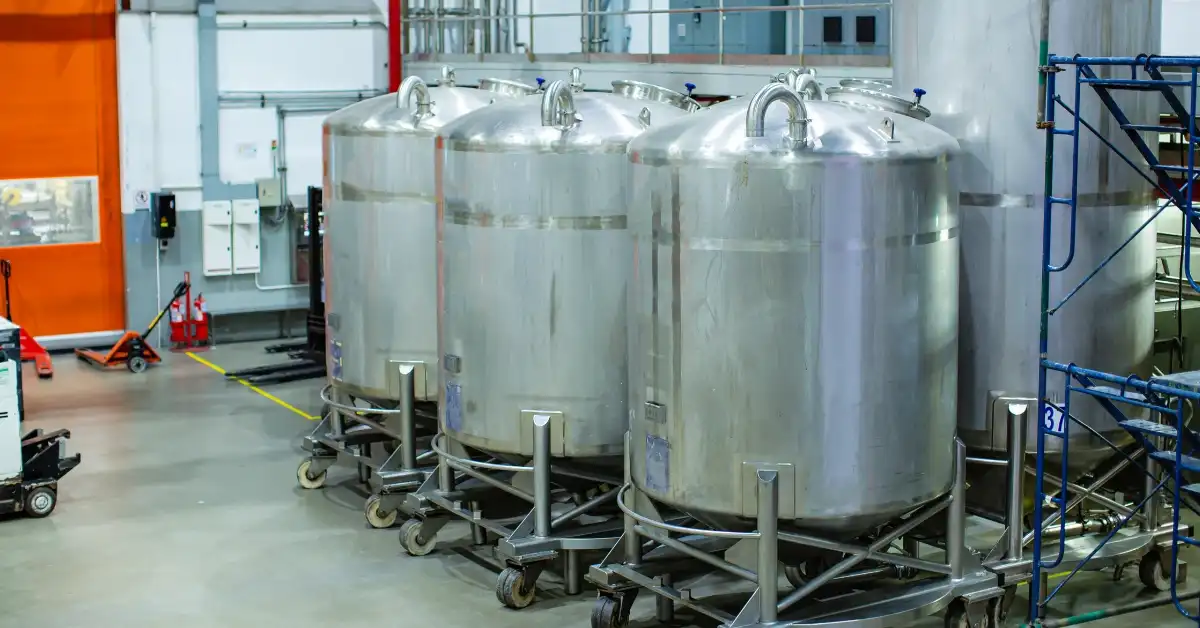
- معدات تجهيز الأغذية: غلاف المضخة،, صمام, ، صناعة الخزائن…
- معدات كيميائية: خزان تخزين المواد الكيميائية،, مضخة, جزء الضاغط...
- الصناعات البحرية: نظام أنابيب مياه البحر، الدرابزين، هياكل المباني الساحلية...

الدرجات الشائعة:
الفولاذ المقاوم للصدأ الفريتي
ما هو؟ الفولاذ المقاوم للصدأ الفريتي هو نوع من الفولاذ المقاوم للصدأ يتكون أساسه من الحديد (Fe)، ويتميز بمحتوى عالٍ من الكروم (Cr) وقليل من النيكل (Ni)، ويحافظ على بنية مكعبة مركزية الجسم (BCC) في كل من درجة حرارة الغرفة ودرجات الحرارة العالية (حوالي 900-950 درجة مئوية).
المكونات الكيميائية: يحتوي على 10.5-30% من الكروم، وأقل من 2% أو حتى لا يحتوي على النيكل، وأقل من 0.08% من الكربون، وبعض الدرجات تحتوي على الموليبدينوم أو التيتانيوم أو النيوبيوم.
الخصائص الفيزيائية:
- مقاومة جيدة للأكسدة في درجات الحرارة العالية
- موصلية حرارية ممتازة
- ضعف المتانة في درجات الحرارة المنخفضة
مقاومة التآكل: يضمن محتوى الكروم مقاومة جيدة للتآكل في الفولاذ المقاوم للصدأ الفريتي، كما تتمتع بعض الأنواع المحتوية على الموليبدينوم بمقاومة جيدة للتآكل النُقري. بالإضافة إلى ذلك، تتمتع الأنواع المحتوية على عنصري التيتانيوم والنيوبيوم بمقاومة عالية للتآكل بين الحبيبات.
مغناطيسي: إنه مغناطيسي وهذه الخاصية لا تتغير مع أي عملية معالجة.
قابلية التصنيع: يتميز بسهولة تشكيله ولحامه.
التطبيقات:
- السيارات: مشعب العادم, غطاء خزان الوقود، حساس قوس…
- الأجهزة المنزلية: هيكل فرن الميكروويف، هيكل السخان، الزخارف الزخرفية...
الدرجات الشائعة:
- 430
- 409
- 443
الفولاذ المقاوم للصدأ المارتنسيتي
ما هو؟ الفولاذ المقاوم للصدأ المارتنسيتي هو نوع من الفولاذ المقاوم للصدأ الذي يشكل بنية مارتنسيتية من خلال التبريد السريع ويحقق توازنًا جيدًا بين القوة والصلابة والمتانة بعد ذلك. التلطيف.
المكونات الكيميائية: يحتوي على 11-18% من الكروم، و0.1-1.2% من الكربون، وبعض الدرجات تحتوي على كميات صغيرة من النيكل والموليبدينوم والفاناديوم والنيوبيوم.
الخصائص الفيزيائية:
- قوة وصلابة عاليتان
- مقاومة جيدة للتآكل والإجهاد
مقاومة التآكل: تتميز مقاومة الفولاذ المقاوم للصدأ المارتنسيتي للتآكل بأنها معتدلة بشكل عام.
قابلية التصنيع: يتميز بقابلية جيدة للتشكيل في التلدينحالة جيدة، لكن قابلية اللحام ضعيفة للغاية.
مغناطيسي: إنه مغناطيسي.
طلب:
- الهندسة الميكانيكية والعامة: عمود المضخة،, جسم الصمام, قفل, جلبة...
- الأجهزة الطبية: مقص جراحي وسكين، مسمار عظمي، مفصل بديل...
الدرجات الشائعة:
دوبلكس من الفولاذ المقاوم للصدأ
ما هو؟ الفولاذ المقاوم للصدأ المزدوج هو نوع من الفولاذ المقاوم للصدأ الذي يشكل ويحافظ على بنية مجهرية مختلطة من الأوستنيت (FCC) والفريت (BCC) في درجة حرارة الغرفة من خلال المعالجة الحرارية للسبائك ذات التركيبات الكيميائية المصممة بدقة.
المكونات الكيميائية: يحتوي على 19-28% من الكروم، و4.5-8.5% من النيكل، وما يصل إلى 5% من الموليبدينوم، و0.1-0.3% من النيتروجين، وأقل من 0.03% من الكربون.
الخصائص الفيزيائية:
- قوة شد عالية وقوة خضوع عالية
- متانة وليونة جيدتان
مقاومة التآكل: يتميز بمقاومة ممتازة للتآكل، ومقاومة قوية للتنقر والتآكل الشقوقي. علاوة على ذلك، يتمتع بمقاومة ممتازة للتآكل الناتج عن الإجهاد.
قابلية التصنيع: يتميز بقابلية جيدة للتشكيل الآلي ولكن قابلية متوسطة للحام.
مغناطيسي: إنه مغناطيسي.
التطبيقات:
- النفط والغاز: خزانات التخزين، أنابيب العمليات، أوعية الضغط...
- البتروكيماويات والكيماويات: غلاف المضخة، ممتص الضغط العالي...
- الهندسة البحرية: نظام مكافحة الحرائق…
الدرجات الشائعة:
- 2304
- 2205
- 2507
- 2707
الفولاذ المقاوم للصدأ المُقسّى بالترسيب (PH)
ما هو؟ الفولاذ المقاوم للصدأ المُقسّى بالترسيب هو سبيكة قابلة للتخصيص بدرجة عالية، تُبنى على أساس الفولاذ المقاوم للصدأ بإضافة عناصر محددة مثل النحاس والألومنيوم والنيوبيوم. ثم تخضع لمعالجة حرارية مُوجّهة (معالجة محلولية + تقادم) لتحسين الخواص الميكانيكية للمادة، وخاصةً مقاومة الخضوع، ومقاومة الشد، والصلابة.
المكونات الكيميائية: يحتوي الفولاذ المقاوم للصدأ PH على 15-17% من الكروم، و3-8% من النيكل، وكميات ضئيلة من الكربون، وعناصر الترسيب النموذجية مثل النحاس والألومنيوم والنيوبيوم.
الخصائص الفيزيائية:
- قوة وصلابة عاليتان
- الاستقرار البعدي
- متانة عالية
- مقاومة جيدة للتآكل
مقاومة التآكل: يمنحها محتوى الكروم الكافي ومحتوى الكربون الأدنى مقاومة جيدة للتآكل.
مغناطيسي: عادةً ما تكون مغناطيسية.
قابلية التصنيع: يتميز بقابلية جيدة للتشكيل ويمكن معالجته في حالته الصلبة، متبوعًا بمعالجة تقوية بالتقادم للحصول على منتجات عالية الدقة.
طلب:
- مكونات صناعة الطيران والفضاء: شفرة التوربين, مثبت المحرك…
- التوربينات
الدرجات الشائعة:
- 17-4
- 15-5
- 17-7
مقارنة بين أنواع الفولاذ المقاوم للصدأ الشائعة
لتمكينكم من فهم مزايا وعيوب المواد، وسيناريوهات استخدامها، وفعاليتها من حيث التكلفة بشكل أفضل، سنجري مقارنة متعمقة لبعض الدرجات المختلفة الشائعة الاستخدام من الفولاذ المقاوم للصدأ، على أمل توفير أساس أفضل لاتخاذ القرارات لمشاريعكم المخصصة:
SUS304 مقابل SUS316
يعتبر 304 و 316 أكثر مستويين شيوعًا من الفولاذ المقاوم للصدأ في عائلة الفولاذ المقاوم للصدأ الأوستنيتي، لذا فإن مقاومتهما للتآكل أمر بديهي.
مع ذلك، يحتوي الفولاذ 316 على عنصر الموليبدينوم 2-3%، وهو عنصر يفتقر إليه الفولاذ 304. يُعزز وجود الموليبدينوم مقاومة الفولاذ 316 للتنقر والتآكل الشقوقي. لذا، في البيئات ذات المحتوى العالي من أيونات الكلوريد (Cl⁻)، مثل البيئات الكيميائية أو البحرية، تبرز مزايا الفولاذ 316 بشكلٍ أكبر.
إذا كانت مشاريعك المخصصة حساسة للتكلفة ولا تتطلب مقاومة شديدة للتآكل، كما هو الحال بالنسبة للمنتجات الغذائية أو المعدات الصناعية، فإن 304 هو المستوى الأنسب.
إذا كانت منتجاتك بحاجة إلى التعرض لمياه البحر أو المواد الكيميائية لفترات طويلة، فإن 316 سيوفر لك قيمة ممتازة مقابل المال.
304 مقابل 430
يحتوي الفولاذ المقاوم للصدأ 304 على نسبة نيكل تتراوح بين 8 و10.51%، بينما لا يحتوي الفولاذ المقاوم للصدأ 430 على النيكل، وهذا هو السبب الرئيسي لاختلاف مقاومة التآكل والسعر بين النوعين. على الرغم من أن مقاومة التآكل في الفولاذ 430 ليست بمستوى الفولاذ 304، إلا أنه يُعد خيارًا اقتصاديًا للاستخدام في البيئات الجافة والمعتدلة والداخلية. إضافةً إلى ذلك، يتميز الفولاذ 430، كونه فولاذًا حديديًا مقاومًا للصدأ، بخاصية المغناطيسية، بينما الفولاذ 304 غير مغناطيسي في حالته الطبيعية.
إذا كان منتجك يعطي الأولوية للتكلفة ويستخدم فقط في بيئة داخلية جافة، فإن جهاز 430 يفي بالغرض.
316 مقابل 316 لتر
كلاهما من الفولاذ المقاوم للصدأ الأوستنيتي، 316L هو النسخة منخفضة الكربون من 316. محتوى الكربون في 316 أقل من 0.08%، بينما في 316L فهو أقل من 0.03%.
يؤثر محتوى الكربون على اللحام أداء الفولاذ المقاوم للصدأ، و316L لديه خطر أقل للتآكل بين الحبيبات بعد اللحام مقارنة بـ 316.
لذا، إذا كان منتجك يتطلب لحامًا مكثفًا ولا يحتاج إلى قوة عالية للغاية، فإن الفولاذ 316L هو الأنسب لاحتياجاتك. في المقابل، يُعد الفولاذ 316 هو الأنسب.
ما هي أنواع الفولاذ المقاوم للصدأ المناسبة للمعالجة؟
لكل نوع من أنواع الفولاذ المقاوم للصدأ طرق معالجة مناسبة. بعض الأنواع أنسب للصب الاستثماري، وبعضها الآخر يمكن تعزيز مزاياه بعد التشكيل على الساخن، بينما أنواع أخرى أنسب للتصنيع باستخدام الحاسوب (CNC).
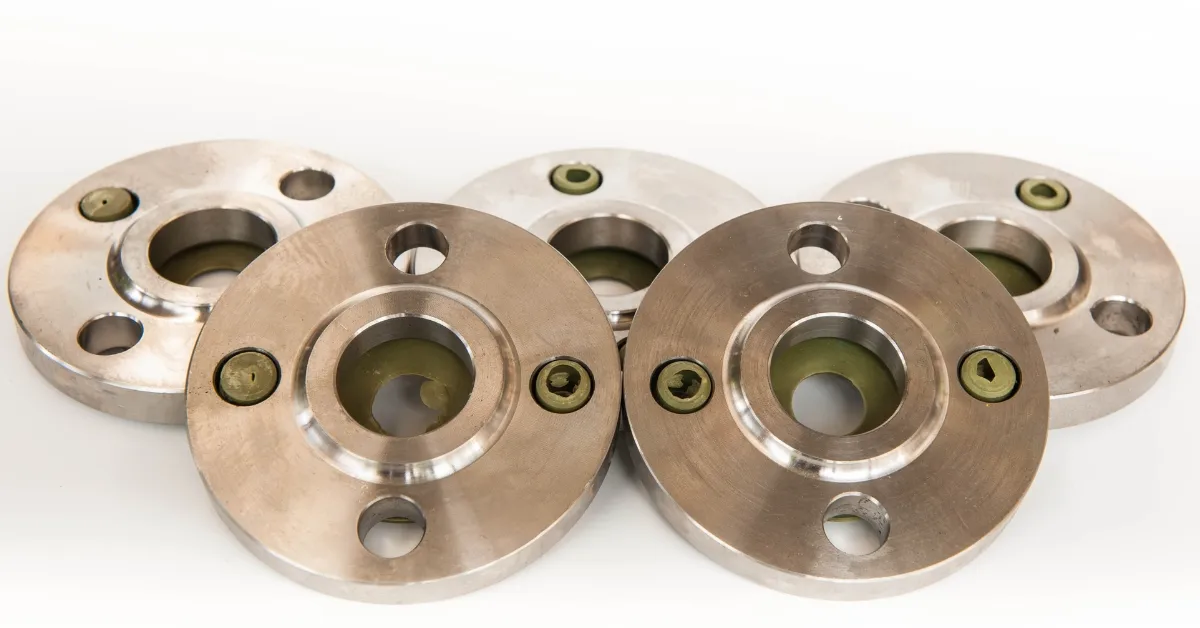
سنساعدك في اختيار مادة الفولاذ المقاوم للصدأ المناسبة وفقًا لمشروع منتجك المعدني المخصص، وسنقدم أفضل حلول المعالجة ومعالجة الأسطح.
| أساليب المعالجة | الفولاذ المقاوم للصدأ | المزايا |
| الاستثمار في الصب | الفولاذ المقاوم للصدأ الأوستنيتي (304/304L/316/316L)/الفولاذ المقاوم للصدأ المزدوج | تتيح عملية الصب الاستثماري إنتاج قطع من الفولاذ المقاوم للصدأ ذات هياكل معقدة وأشكال فريدة. نقدم خدمات الصب الدقيق، والتي تشمل التشغيل الآلي باستخدام الحاسوب (CNC) بعد الصب لتحسين الدقة. |
| التشكيل الساخن | الفولاذ المقاوم للصدأ الأوستنيتي/الفولاذ المقاوم للصدأ المارتنسيتي/الفولاذ المقاوم للصدأ المزدوج | تتميز منتجات الفولاذ المقاوم للصدأ المشكّلة على الساخن ببنية داخلية كثيفة، وقوة عالية، وقدرة تحمل عالية، مما يجعلها مناسبة لإنتاج مكونات تحمل الأحمال، مثل حواف, تركيبات، و تجهيزات الأنابيب. |
| التصنيع باستخدام الحاسب الآلي | الفولاذ المقاوم للصدأ الأوستنيتي (304/316/316L) الفولاذ المقاوم للصدأ المارتنسيتي (410/420) الفولاذ المقاوم للصدأ الفريتي (430) / الفولاذ المقاوم للصدأ PH | يمكننا تعديل معايير الطحن والخراطة وفقًا لنوع وخصائص الفولاذ المقاوم للصدأ لتلبية متطلبات الأبعاد والدقة وجودة السطح. وهذا مفيد بشكل خاص في المشاريع المخصصة ذات الكميات الصغيرة والمتوسطة. |
| تصنيع المعادن | الفولاذ المقاوم للصدأ الأوستنيتي (304/304L/316/316L) | بإمكاننا تقديم القطع بالليزر, وتشمل خدماتنا الثني والختم، وخاصة خدمات اللحام، ويمكننا الجمع بين هذه الخدمات والتصنيع باستخدام الحاسوب (CNC) لإكمال المكونات الهيكلية. |
مقارنة المعايير الرئيسية لأنواع الفولاذ المقاوم للصدأ الشائعة
يُصنّف الفولاذ المقاوم للصدأ نفسه إلى درجات مختلفة وفقًا لأنظمة المعايير المختلفة. يوضح الجدول أدناه الدرجات المقابلة لأنواع الفولاذ المقاوم للصدأ الشائعة في بلدك أو على الصعيد الدولي، مما يُسهّل عليك التواصل عند اتخاذ القرارات.
| الاسم التجاري | نحن. | أوروبا/دولي | اليابان | الصين |
| AISI/ASTM | جامعة الأمم المتحدة | EN(الرقم) | جيس | |
| 304 | 304 | S30400 | 1.4301 | إس يو إس 304 |
| 304 لتر | 304 لتر | S30403 | 1.4307/1.4306 | SUS 304L |
| 316 | 316 | S31600 | 1.4401 | SUS 316 |
| 316 لتر | 316 لتر | S31603 | 1.4404 | SUS 316L |
| 430 | 430 | S43000 | 1.4016 | إس يو إس 430 |
| 443 | – | S43300 | 1.4512 | SUS 443 |
| 410 | 410 | S41000 | 1.4006 | إس يو إس 410 |
| 440 درجة مئوية | 440 درجة مئوية | S44004 | 1.4125 | SUS 440C |
| 2205 | S32205 | S32205 | 1.4462 | SUS 329J3L |
| 2507 | S32750 | S32750 | 1.4410 | – |
| 17-4PH | 630 | S17400 | 1.4542 | SUS 630 |
كيفية اختيار النوع المناسب من الفولاذ المقاوم للصدأ لقطعك المعدنية المصممة حسب الطلب
بالنسبة لمشروعك المخصص، تحتاج إلى مراعاة مستويات متعددة للعثور على أفضل نوع محدد من عائلات الفولاذ المقاوم للصدأ.
- بيئة الاستخدام: إذا كان منتجك يُستخدم بشكل أساسي في الأماكن المغلقة، في بيئة جافة ومعتدلة الحرارة، فإن المواد ذات المقاومة المتوسطة للتآكل، مثل 430 أو 409، كافية. أما إذا كان منتجك بحاجة إلى تحمل بيئات رطبة أو كيميائية أو بحرية، فيجب عليك التركيز على الفولاذ المقاوم للصدأ ذي المقاومة العالية للتآكل، مثل 316 أو 2205.
- متطلبات الأداء الميكانيكي: إذا كان منتجك يتطلب استخدامًا متكررًا طويل الأمد، فإن مادة الفولاذ المقاوم للصدأ التي تختارها يجب أن تلبي مزايا القوة العالية ومقاومة التآكل، مثل 410، 17-4PH.
- عملية التصنيع: بالنسبة للمنتجات التي تتطلب دقة عالية في الأبعاد والتفاوتات، يُنصح باختيار الفولاذ المقاوم للصدأ المناسب للتصنيع باستخدام الحاسوب (CNC). أما إذا كان المنتج يتطلب كثافة وقوة عاليتين، فإن الفولاذ المقاوم للصدأ المناسب للتشكيل على الساخن يُحقق قيمته على نحو أفضل. وفي حال كان المنتج ذا بنية معقدة وشكل فريد، يُنصح باستخدام الفولاذ المقاوم للصدأ المناسب للصب الاستثماري.
- متطلبات السطح والمظهر: تؤثر المعالجات السطحية المختلفة أيضًا على وظائف وجماليات منتجات الفولاذ المقاوم للصدأ. على سبيل المثال،, المعالجة الحرارية يمكن أن تزيد أيضًا من صلابة الفولاذ المقاوم للصدأ المارتنسيتي؛ التلميع المرآوي، والتنظيف بالفرشاة،, النفخ الرملي, ويمكن لطلاء PVD أن يحسن مظهر الفولاذ المقاوم للصدأ الأوستنيتي، من بين تأثيرات أخرى.
- متطلبات المعايير الصناعية: تتطلب صناعات محددة أيضًا أن تلبي منتجات الفولاذ المقاوم للصدأ معايير الصناعة، على سبيل المثال، عندما يتعلق الأمر بالجوانب الغذائية والطبية، يجب عليك اختيار الفولاذ المقاوم للصدأ المخصص للأغذية، والفولاذ المقاوم للصدأ المخصص للأغراض الطبية، وما إلى ذلك.
- التكلفة: إذا كان فريقك حساسًا لتكلفة المنتج، فإن معظم أنواع الفولاذ المقاوم للصدأ الفريتي توفر لك توازنًا بين التكلفة والأداء.
Choose HDC Manufacturing, and we will recommend suitable stainless steel materials for you with professional experience, provide the most appropriate and efficient production methods and surface treatment options, reducing your costs, waiting time, and communication barriers.
التعليمات
1. ما هي الأنواع الرئيسية للفولاذ المقاوم للصدأ؟
هناك خمسة أنواع من الفولاذ المقاوم للصدأ، بما في ذلك الفولاذ المقاوم للصدأ الأوستنيتي، والفولاذ المقاوم للصدأ المارتنسيتي، والفولاذ المقاوم للصدأ الفريتي، والفولاذ المقاوم للصدأ المزدوج، والفولاذ المقاوم للصدأ PH.
2. Which stainless steel is best for chemical or marine environments?
الفولاذ المقاوم للصدأ الأوستنيتي، وخاصة الفولاذ المقاوم للصدأ 316 والفولاذ المقاوم للصدأ المزدوج.
3. ما هي المعالجات السطحية التي يمكن إجراؤها على الفولاذ المقاوم للصدأ؟
التلميع، والتخليل، والتخميل، والتلميع الكهربائي، وطلاء الترسيب الفيزيائي للبخار، والتنظيف بالفرشاة، وغير ذلك.
4. هل يمكن أن يكون الفولاذ المقاوم للصدأ مؤكسد?
لا يمكن معالجة الفولاذ المقاوم للصدأ بالأكسدة، فقط الألومنيوم يمكن معالجتها بالأكسدة.
5. ما هو أرخص أنواع الفولاذ المقاوم للصدأ؟
الفولاذ المقاوم للصدأ الفريتي، مثل 430 و439، لأن تركيبه الكيميائي لا يحتوي على معدن النيكل الثمين وعملية تصنيعه بسيطة للغاية.
6. ما أنواع الفولاذ المقاوم للصدأ التي يمكنك توفيرها؟
بإمكاننا توفير مجموعة متنوعة من الفولاذ المقاوم للصدأ للمعالجة حسب الطلب، مثل 304، 304L، 316، 316L، 17-4، 2205، 410، 430...
7. هل تقدمون شهادات المواد/إمكانية التتبع؟
نعم. يمكننا تقديم شهادات المواد وإمكانية التتبع بعد تأكيد الطلب، حيث يتم إصدارها لكل دفعة إنتاج.
خاتمة
نأمل أن تقدم هذه المدونة مساعدة بالغة الأهمية في اختيار مواد منتجك.
HDC Manufacturing provides custom stainless steel processing services, including precision casting, hot forging, CNC machining, and sheet metal fabrication services, as well as surface treatment services.
إذا كنت تبحث عن مورد موثوق لمشاريع منتجاتك المعدنية المصممة حسب الطلب، فنحن نقدم خدمة متكاملة تشمل الإنتاج والشحن. تواصل معنا للحصول على عرض سعر.