تُعدّ المعادن المقاومة للحرارة العالية من أبرز الابتكارات في عام 2026، والتي لا تحظى بالاهتمام الكافي. تتميز هذه المواد بقدرتها على تحمّل درجات حرارة عالية لا تستطيع مواد أخرى تحمّلها، مثل تلك المستخدمة في الطائرات فائقة السرعة وبطاريات السيارات الكهربائية المتطورة. سيتناول هذا الدليل السبائك المتميزة، مثل سبائك النيكل الفائقة وسبائك التيتانيوم المستخدمة في صناعة الطيران والطاقة النظيفة، والتي تضمن مقاومة تصاميمك الأكثر جرأةً للحرارة الشديدة.
نظرة عامة سريعة: أفضل المعادن المقاومة للحرارة العالية في عام 2026
| معدن | نطاق درجة الحرارة القصوى | قوة | مقاومة التآكل | الأفضل لـ |
| سبائك النيكل الفائقة | $1,200^\circ C+$ | عالية جداً | ممتاز | محركات الطائرات النفاثة والتوربينات |
| سبائك التيتانيوم | حتى $600 درجة مئوية C$ | عالي | ممتاز | هياكل الطائرات والمركبات الكهربائية |
| التنغستن | $3,400^\circ C+$ | متوسط (هش) | جيد | فوهات الصواريخ |
| إنكونيل | $1,000^\circ C+$ | عالي | استثنائي | عوادم ومصانع المواد الكيميائية |
| الموليبدينوم | $2,600^\circ C+$ | واسطة | معتدل | الأفران الصناعية |
يوضح هذا التشبيه أن المعادن المختلفة ذات درجات الحرارة العالية تُستخدم في متطلبات الأداء المتفاوتة.
ما هي المعادن ذات درجات الحرارة العالية؟
المعادن المقاومة للحرارة العالية (المعروفة أيضًا باسم السبائك المقاومة للحرارة) هي مواد مصممة لتبقى متينة ومتماسكة عند تعرضها لدرجات حرارة عالية جدًا. ويمكن أن تكون علبة صودا ألومنيوم عادية مثالًا على ذلك. انصهر عند درجة حرارة تقارب $660 درجة مئوية C$،, لكن المعادن التي نتعامل معها الآن هي قادر على العمل في درجات حرارة تتجاوز 1000 درجة مئوية وعدم فقدان شكلها.
الخصائص الرئيسية
يجب أن يتمتع المعدن بشيء أهم من مجرد نقطة انصهار عالية ليصبح خيارًا رئيسيًا في عام 2026. ويتطلب ذلك القوى الخارقة الخمس التالية:
- نقطة الانصهار العالية: الظاهر. ولا ينبغي أن يتحول إلى سائل عندما يكون ساخناً.
- مقاومة الأكسدة: في درجات الحرارة المرتفعة، يميل الأكسجين إلى التهام المعادن (تخيل الصدأ بسرعة الضوء). ويتم منع ذلك بواسطة الطبقة الواقية التي توفرها هذه السبائك.
- المعادن الحرارية: قم بتكوين طبقات أكسيد واقية تقضي على التآكل السريع.
- مقاومة الزحف: عندما يتمدد المعدن أو يتشوه بمرور الوقت تحت تأثير الضغط والحرارة، يُشار إلى ذلك باسم “"زحف"”. تبقى السبائك الجيدة صلبة.
- الاستقرار الحراري: يجب ألا يكون المعدن هشاً ويتشقق كلما أصبح بارداً ثم ساخناً والعكس صحيح.
لماذا تُعدّ المعادن ذات درجات الحرارة العالية مهمة في عام 2026؟
شهدت المعادن ذات درجات الحرارة العالية طلباً كبيراً في عام 2026 مع قيام الصناعات بوضع حدود للأداء.
- المركبات الكهربائية (EVs): تُنتج البطاريات الحديثة للسيارات الكهربائية وأنظمة الشحن السريع حرارة عالية جدًا. ولضمان سلامتها وكفاءتها، تُستخدم معادن مثل سبائك النحاس الخاصة وأنواع جديدة من الفولاذ، لقدرتها على تحمل كثافة عالية من الطاقة الحرارية وعدم تعرضها للتشوه.
- الطاقة المتجددة: الجيل القادم “"الجيل الرابع"” تستخدم المفاعلات النووية (مثل مفاعلات الملح المنصهر) درجات حرارة بين $700^\circ C$ و $1,000^\circ C$. لن ينجح الفولاذ المستخدم تقليديًا في هذه الحالة؛ بدلاً من ذلك، ستكون المعادن عالية الحرارة في العصر الجديد هي الوحيدة القادرة على استخلاص كل طاقة الوقود دون أي خطر.
- الابتكار في مجال الطيران والفضاء: المحركات وهياكل الطائرات المعرضة للسفر الفضائي التجاري والطائرات النفاثة فائقة السرعة (التي تصل سرعتها إلى 5 ماخ وما فوق). تجربة التسخين الهوائي الذي قد يتجاوز $2,000 درجة مئوية C$.
- الاستدامة: كلما ارتفعت درجة حرارة الآلة، زادت كفاءتها الحرارية. محركات ذات تصميمات مبتكرة ستتيح المعادن المقاومة لدرجات الحرارة العالية توفيراً في الوقود بنسبة تتراوح بين 10 و 15 بالمائة. في عام 2026، الأمر الذي سيؤدي إلى خفض الانبعاثات بشكل جذري.
أهم العقارات التي يجب البحث عنها في عام 2026
عند اختيار مادة تُستخدم في مشروع هذا العام، تذكر هذه المصطلحات الخاصة بالمواد المستخدمة في درجات الحرارة القصوى:
- نسبة القوة إلى الوزن: لا يوجد وزن مجاني في صناعة الطيران. نسعى إلى إيجاد سبائك (تعمل بنظام التشغيل/الإيقاف) توفر قوة الفولاذ ولكن بوزن الألومنيوم.
- مقاومة الإجهاد الحراري: في حال كان لدواءك دورة متكررة، يتمدد المعدن وينكمش. تتميز سبائك 2026 عالية الجودة بقدرتها على تحمل هذا التمدد والانكماش دون ظهور تشققات مجهرية.
- مقاومة التآكل والكبرتة: يُعدّ الكبريت والأملاح من العناصر الشائعة في البيئات ذات درجات الحرارة العالية، وخاصة في صناعة النفط والغاز. لذا، يحتاج المعدن إلى طبقة واقية كيميائية لحمايته من التفحم.
يعتمد اختيار المعادن ذات درجات الحرارة العالية على الحاجة إلى الاستقرار والوظائف على المدى الطويل في ظل الظروف القاسية.
أفضل المعادن المقاومة للحرارة العالية في عام 2026
فيما يلي أحدث المعادن المقاومة للحرارة العالية التي ستدخل التطبيقات الصناعية في عام 2026:
السبائك الفائقة القائمة على النيكل: المعيار الذهبي في المعادن ذات درجات الحرارة العالية
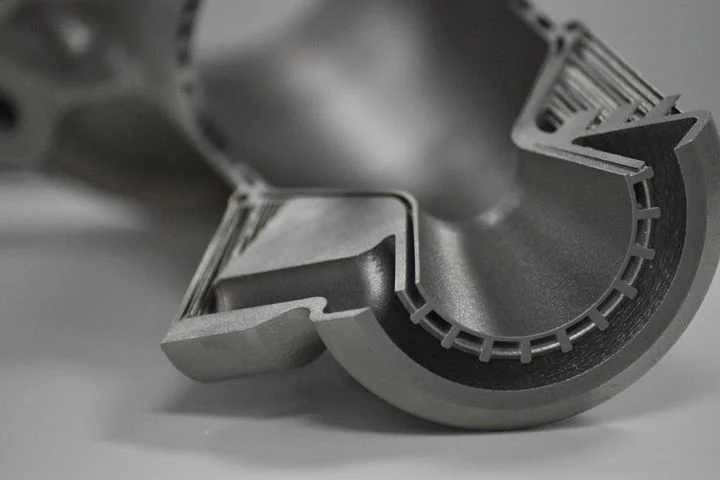
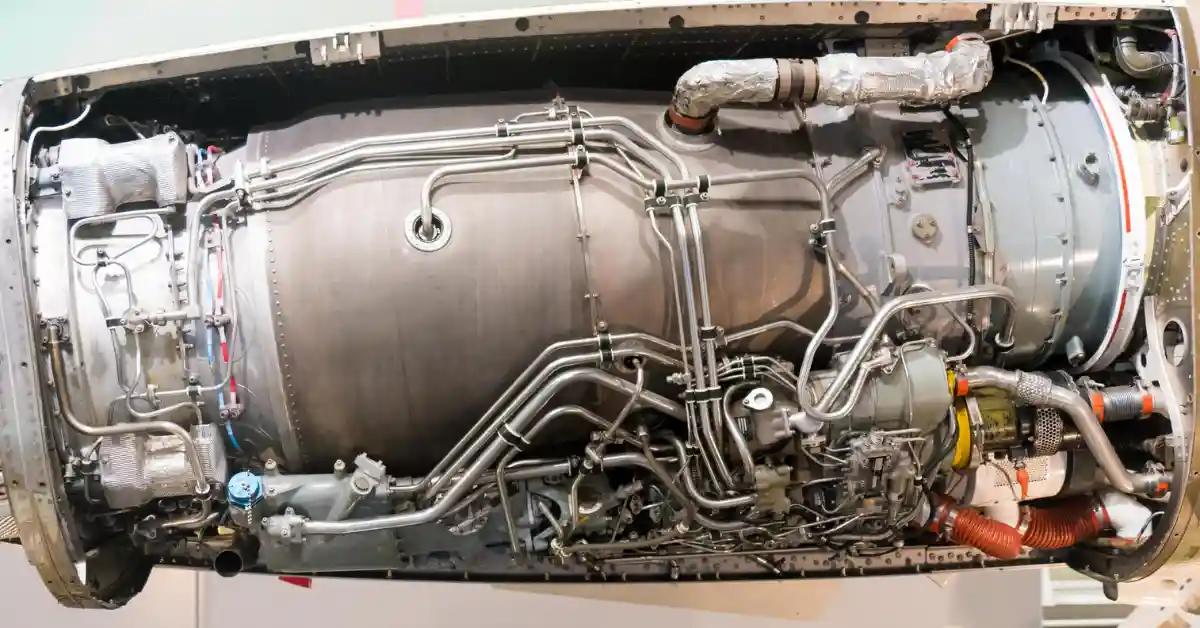
هذا هو "المعيار الذهبي" لمحركات الطائرات النفاثة والتوربينات الغازية. العمل في درجات حرارة تتجاوز 1200 درجة مئوية ويواجه أحمالاً هائلة.
- سر "SX": لقد تبنت الصناعة تكنولوجيا بلورة مفردة (SX) في عام 2026. لا تُصنع هذه الأجزاء من عدد كبير من الحبيبات الدقيقة، بل من بلورة واحدة. هذا يُلغي حدود الحبيبات، والشقوق المجهرية التي تبدأ عندها الشقوق عادةً، ويجعل أجزاء المحرك تدوم ضعف المدة.
- التفاصيل الفنية: تتخذ هذه السبائك بنية خاصة من $\gamma – \gamma'$ (جاما برايم). تخيل أن هذا عبارة عن بنية نانوية حيث تعمل الجسيمات الدقيقة كقوى ربط داخلية بحيث لا يتمدد المعدن أو يزحف تحت تأثير الحرارة.
الإيجابيات والسلبيات: مستوى مقاومة الزحف مذهل، لكنها مكلفة وضخمة وتحتوي على نسبة كبيرة من النيكل والكوبالت.
سبائك التيتانيوم: خفيفة الوزن
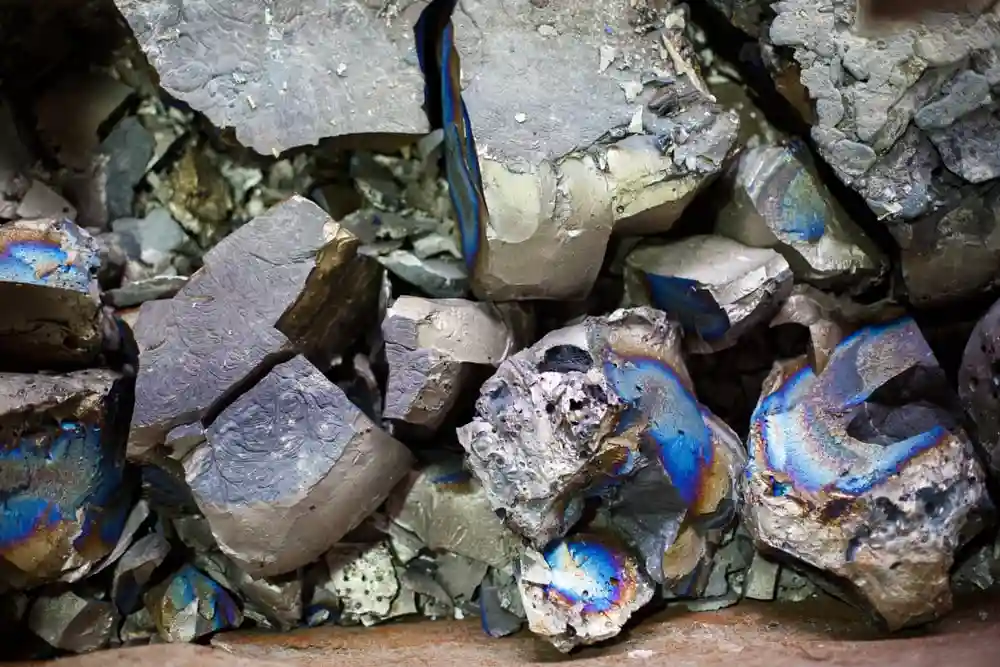
لا يزال التيتانيوم سيد فئة المعادن الخفيفة والقوية، وخاصة في من 400 درجة مئوية إلى 600 درجة مئوية.
- التيتانيوم بيتا: سبائك التيتانيوم بيتا (مثل Ti-5553) ستكون هذه المواد رائجة في عام 2026. يمكن تشكيلها بسهولة، ولكن بمجرد تسخينها، تصبح شديدة الصلابة. فهي صلبة كالفولاذ ولكن بنصف وزنه تقريبًا.
- الاستخدام الحديث: هذا هو العمود الفقري لأحدث هياكل الطائرات فائقة السرعة في عام 2026 و أغلفة بطاريات المركبات الكهربائية فائقة الأداء (EVs)،, والتي تتطلب تبديد الحرارة بسرعة دون أن تصبح كبيرة الحجم.
وتُعد هذه المعادن مطلوبة أيضاً في هياكل الطائرات الفضائية وأغلفة بطاريات السيارات الكهربائية عالية الأداء.
التنجستن: المعدن الأمثل لتحمل درجات الحرارة العالية
تستخدم التنجستن عندما تحتاج إلى غلي أكبر قدر من الحرارة.
- قوة حرارية نقية: هذا هو أنقى أنواع جميع المعادن ذات أعلى نقطة انصهار تبلغ 3422 درجة مئوية.
- دور 2026: أنايُستخدم كمادة بالغة الأهمية بسبب فوهات الصواريخ، وأهداف الأشعة السينية، وبطانة مواجهة البلازما مفاعلات طاقة الاندماج.
- القيود: بسبب وزنه الشديد وطبيعته الهشة، لا يُستخدم في نقل الأجزاء، على الرغم من أنه يمكن التغلب عليه عند استخدامه كدروع حرارية على الأجسام الثابتة وقواطع الدروع؛ يتم فتحها حركيًا.
الموليبدينوم: معدن عالي الكفاءة في التعامل مع الحرارة ودرجات الحرارة العالية
يُعد الموليبدينوم موصلاً ممتازاً للحرارة، وبالتالي فهو من بين أفضل المعادن ذات درجات الحرارة العالية في إدارة الحرارة.
- إدارة الحرارة: يتمتع الموليبدينوم بموصلية حرارية مذهلة. فهو ينقل حرارة الأجزاء الحساسة بسرعة أكبر من أي معدن آخر تقريبًا يتعرض لدرجات حرارة عالية، كما أنه قوي جدًا حتى عندما يكون محمرًا.
- الذكاء الاصطناعي والأقمار الصناعية: يتم استخدام الذكاء الاصطناعي كـ “"مشتت حراري" في أقمار الجيل الخامس/السادس عالية الطاقة ورقائق مراكز بيانات الذكاء الاصطناعي في عام 2026 التي سيصبح فيها النحاس القياسي ليناً ويتكسر.
إنكونيل (625 و718)
إنكونيل هو نوع خاص من السبائك الفائقة من النيكل والكروم والتي كانت المعدن البطل للنيكل في سباق الفضاء الخاص.
- الشاشة الواقية: يشكّل معدن الإنكونيل طبقة واقية مستقرة، أشبه بقشرة أكسيدية، عند تسخينه. تعمل هذه الطبقة كحماية ضد فقدان الأكسجين من المعدن، وهو ما يحدث في بيئات الغاز الحامض شديدة التآكل.
- رائد الطباعة ثلاثية الأبعاد: أصبح معدن إنكونيل 718 المعدن الأكثر شيوعًا في التصنيع الإضافي. يُتيح لنا استقراره الكيميائي في عملية الصهر بالليزر إمكانية طباعة مشعبات محركات الصواريخ المعقدة ثلاثية الأبعاد، والتي لم يكن من الممكن تصنيعها قبل عقد من الزمن.
سبائك أساسها الكوبالت: معادن مقاومة للتآكل وعالية الحرارة
يتطلب الأمر معالجة حرارية عالية واحتكاكًا وتآكلًا عاليين؛ سبائك الكوبالت هي الحل.
- الصلابة عند درجة الحرارة الحمراء: تتميز سبائك الكوبالت بصلابة فائقة، على عكس العديد من العناصر المعدنية التي تلين عند تسخينها. وهذا ما يجعلها مثالية للأسطح الحقيقية مثل ريش التوربينات التي تتعرض باستمرار لتدفق الغازات الساخنة والحطام عالي السرعة.
- الطب والطاقة: سيثبت أنه مهم في عمليات الزرع الطبية (استبدال مفصل الورك والركبة) في عام 2026 لأنه متوافق حيويًا ولن يتآكل داخل جسم الإنسان.
الاتجاهات الناشئة في المعادن ذات درجات الحرارة العالية
إنها تُغير أساليبنا في صنع هذه المعادن كما تُغير المعادن نفسها.
معادن مقاومة للحرارة مطبوعة بتقنية الطباعة ثلاثية الأبعاد
لن يقتصر استخدام التصنيع الإضافي (AM) في عام 2026 على إنشاء نماذج أولية بلاستيكية فحسب، بل أصبحنا الآن نطبع ثلاثي الأبعاد مكونات معقدة من الإنكونيل والتيتانيوم مزودة بقنوات تبريد داخلية، والتي لم يكن من الممكن صبها قبل خمس سنوات. يُخفّض هذا التصميم المبتكر الوزن بشكل كبير، ويُقلّل من هدر المواد الخام بنسبة تصل إلى 60%، مما يجعل السفر إلى الفضاء وسباقات السيارات عالية الأداء في متناول الجميع.
المواد النانوية التركيبية
هذا هو عام الهندسة الذرية. يقوم العلماء من خلال دمج جزيئات دقيقة، غير متناهية الصغر، من السيراميك أو الأكاسيد في المعادن العادية مثل النحاس أو الفولاذ، بدمجها في المعادن العادية مثل النحاس أو الفولاذ. مُعزز بتشتيت الأكاسيد (ODS) السبائك. تعمل هذه الجسيمات كالمكابح المجهرية، التي تمنع انزلاق البنية الداخلية للمعدن عند تعرضه للحرارة. والنتيجة؟ مادة تؤدي وظيفة مشابهة للسبائك الفائقة باهظة الثمن، ولكن بتكلفة أقل بكثير.
الإنتاج المستدام
2026 صباح صهر اللون الأخضر. بدأت الشركات الرائدة في تصنيع المعدات بالتخلي عن محطات توليد الطاقة التي تعمل بالفحم لصالح الشركات التي تحقق معايير الحوكمة البيئية والاجتماعية والمؤسسية (ESG) لعام 2026، مما يُمكّنها من صنع ما يسمى بالنيكل الخالي من الكربون حقيقة واقعة.
كيفية اختيار المعدن المناسب
لا تكتفِ باختيار النوع ذي درجة الانصهار العالية. لتحديد التوازن الأمثل بين الأداء والسعر في عام 2026، اسأل نفسك:
- ما هي درجة حرارة التشغيل الفعلية؟ عندما يكون دورك فقط الوصول إلى $500^\circ C$. التيتانيوم خيارٌ ممتاز؛ فهو أخف وزنًا وأسهل تشكيلًا مقارنةً بالتنغستن. لذا، ما لم تكن بحاجة ماسة إلى مقاومة الحرارة، فلا داعي لدفع ثمنها.
- هل هي "بيئة فوضوية"؟ الحرارة نادراً ما تكون العدو الوحيد. ستحتاج إلى مادة إنكونيل، في حال كان مشروعك رذاذ الملح (بحري)، أو الغازات البركانية (حرارية أرضية)، أو المواد الكيميائية الحمضية (النفط والغاز). يمنع غلافه الخارجي من الأكسيد الواقي المعدن الموجود في الخارج من التآكل إلى الداخل.
- كم ستكون التكلفة الإجمالية لدورة الحياة؟ يُعدّ النيكل والكوبالت مكلفين على المدى القصير. ولكن عندما تتعطل سبيكة فولاذية أرخص وتتسبب في إغلاق مصنع ثلاث مرات سنويًا، فإنها تصبح الخيار الأكثر تكلفة. في عام 2026، يُؤخذ في الاعتبار تكلفة الساعة التشغيلية، وليس سعر الشراء.
أخطاء شائعة عند اختيار المعادن المقاومة للحرارة
قد يتعرض الخبراء أيضاً للخسارة، بشرط ألا يأخذوا في الاعتبار العوامل المهمة التالية:
- تجاهل المتطفلين: هذا هو القاتل الصامت. قد لا ينصهر نوع آخر؛ بل قد يميل، تحت تأثير الحرارة والضغط المستمرين، إلى التمدد أو الترهل قليلاً. في الآلات عالية الدقة مثل التوربينات النفاثة، قد يؤدي تمدد بمقدار 1 مم إلى كارثة في المحرك. لا تغفل أبدًا عن قوة تمزق الزحف التي تعمل بها.
- عمى الوزن: في عالم السيارات الكهربائية والفضاء عام 2026، يتمحور كل شيء حول الوزن. وقد تم اتخاذ قرار باستخدام مكون ثقيل من التنجستن بدلاً من... استخدام التيتانيوم الخفيف أو مادة الإينونيل المطبوعة ثلاثية الأبعاد سيؤدي إلى هدر الطاقة والوقود. كل كيلوغرام إضافي يستهلك طاقة أكبر للحركة.
- الأكسدة مقابل نقطة الانصهار: هناك معادن، مثل الموليبدينوم، لها درجة انصهار عالية للغاية، ومع ذلك يمكنها حرفيًا تتحول إلى سحابة من الدخان (أكسيد) عند وجود الأكسجين في درجات حرارة عالية بدون فراغ أو طلاء واقٍ. لا تخلط بين ارتفاع درجة الانصهار وارتفاع مقاومة الأكسدة!
الخاتمة
حقيقة أننا في عام 2026 سيتمكن من الطيران بشكل أسرع, استمر في القيادة، و إنتاج طاقة أنظف يعود ذلك إلى المعادن ذات درجات الحرارة العالية. فبين مقاومة التنجستن المذهلة للحرارة وقوة التيتانيوم الخفيفة، يمكن أن يكون الاختيار الصحيح للمادة هو الفرق بين مشروع ناجح وبوتقة انصهار.
نحن شركة HDC للتصنيع، والتي تركز على التصنيع والإنتاج عالي التقنية القائم على هذه المواد. أنت بحاجة إلى مجموعة إنكونيل يكون تم إنشاؤه في توربين أو أنت بحاجة إلى قطعة من التيتانيوم سيتم إنشاؤها في سيارة كهربائية جديدة؛; لدينا المعرفة و لدينا التكنولوجيا اللازمة لتحقيق ذلك. وما عليك فعله هو التأكد من أن خطؤك القادم قادر على تحمل الحرارة، اتصل بفريقنا اليوم لتحصل على عرض أسعار خاص، فنحن على أتم الاستعداد لمساعدتك على البدء في بناء مستقبلك!
هل تريد مني إعداد ورقة مواصفات فنية لسبيكة معينة تمت مناقشتها أعلاه؟
الأسئلة الشائعة
ما هو المعدن الذي يتحمل أعلى درجة حرارة؟
التنجستن هو أنقى المعادن مع أعلى نقطة انصهار ($3,422 درجة مئوية), ولهذا السبب فهو المعدن النقي الذي نجا من الحرارة.
هل التيتانيوم أقوى من الإنكونيل عند درجات الحرارة العالية؟
لا. ومع ذلك، فإن التيتانيوم أخف وزنًا من الإنكونيل وهو أبعد بكثير أقوى فوق $600^\circ C$.
ما هي أفضل المعادن ذات درجات الحرارة العالية لتطبيقات الأفران؟
يُعدّ كلٌّ من الموليبدينوم والتنغستن من المعادن الشائعة. وذلك بسبب عناصر التسخين الموجودة في الأفران، حيث يمكنها تحمل درجات حرارة عالية وثابتة دون أن تنصهر.
هل سبائك درجات الحرارة العالية باهظة الثمن؟
نعم، بشكل عام. عناصر مثل يُعد النيكل والكوبالت والتيتانيوم أكثر صعوبة للمعالجة مقارنة بالحديد أو الألومنيوم العادي.