يُعدّ الاطلاع على التطورات المستمرة في البيئة التنظيمية أمرًا أساسيًا لنجاح عمليات التوريد العالمية. ويُتوقع صدور تحديث هام: فابتداءً من يناير 2026، ستتطلب بعض المواد الخام الفولاذية المستوردة من الصين ترخيصًا للتصدير.
مع ذلك، من المهم التمييز بين سلع الصلب الخام والمنتجات المعدنية عالية الدقة والمصنعة حسب الطلب. في هذا التحديث، نحلل سياسة وزارة التجارة الصينية الجديدة ونسلط الضوء على الأسباب التي تجعل حلولنا المعدنية المتخصصة توفر مسارًا واضحًا ومتواصلًا لسلسلة التوريد العالمية الخاصة بكم.
نظرة عامة على سياسة ترخيص التصدير الجديدة
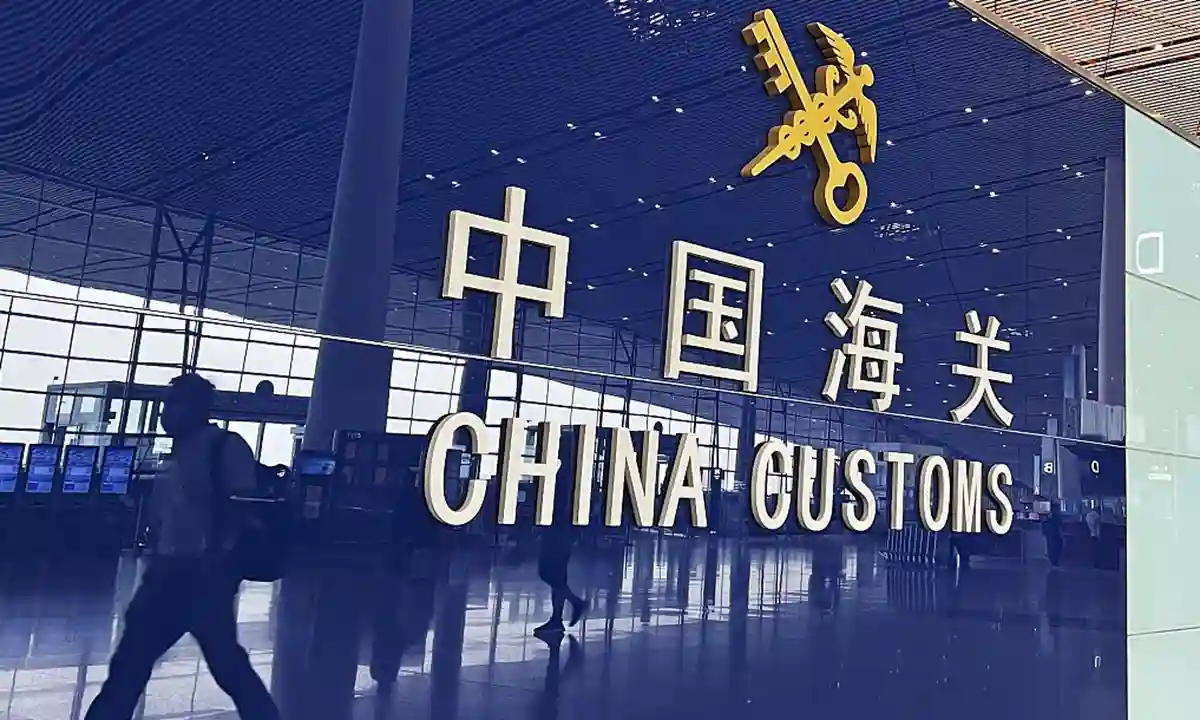
بعد 16 عاماً، أعادت الصين تطبيق نظام إدارة تراخيص تصدير الصلب. وفقاً لمسؤول الإعلان رقم 79 (2025) بموجب مرسوم مشترك صادر عن وزارة التجارة الصينية والإدارة العامة للجمارك، سيتم دمج مجموعة محددة (حوالي 300 نوع) من منتجات الصلب في كتالوج السلع لإدارة تراخيص التصدير (2025). فعال 1 يناير 2026, تنص هذه السياسة على وجوب حصول جميع مصدري سلع الصلب المحددة على ترخيص تصدير رسمي من السلطات التجارية المختصة على مستوى المقاطعة أو الولاية. وللحصول على هذا الترخيص، يُطلب من المصدرين تقديم وثيقة سارية المفعول. عقد تصدير و أ شهادة فحص جودة المنتج صادر عن الشركة المصنعة، مما يضمن تداول مواد الصلب عالية الجودة والمتوافقة فقط في السوق العالمية.
الأساس المنطقي الاستراتيجي: لماذا الآن؟
يمثل استئناف العمل بنظام تراخيص تصدير الصلب بعد توقف دام 16 عاماً تحولاً محورياً من النمو القائم على الكمية إلى النمو القائم على الجودة. ووفقاً لتحليلات القطاع وتقارير وزارة التجارة الصينية، فإن هذه السياسة تعالج عدة أهداف استراتيجية طويلة الأجل.
- تخفيف الاحتكاكات التجارية: في عام 2024، واجهت صناعة الصلب الصينية أكثر من 50 قضية مكافحة إغراق على مستوى العالم، وهو رقم قياسي. وتهدف الحكومة، من خلال تطبيق نظام الترخيص، إلى تنظيم طلبات التصدير، وكبح "حروب الأسعار"، وتخفيف حدة التوترات التجارية الدولية الناجمة عن الارتفاع الكبير في صادرات الصلب الأولي منخفض السعر.
- تطبيق معايير الجودة: يُعدّ الإلزام حجر الزاوية في الإعلان رقم 79 شهادة فحص جودة المنتج. من خلال جعل الجودة شرطًا أساسيًا للتصدير، تعمل السياسة على تصفية المواد منخفضة الجودة بشكل فعال، مما يضمن أن المنتجات التي تفي بالمعايير الصارمة فقط هي التي تمثل علامة "صنع في الصين" في السوق العالمية.
- تسريع التحول "الأخضر": مع اقتراب تطبيق آلية تعديل الكربون الحدودية للاتحاد الأوروبي، وأهداف الصين الخاصة بـ"الكربون المزدوج"، تُثني هذه السياسة عن تصدير المنتجات الأولية ذات الاستهلاك العالي للطاقة والقيمة المضافة المنخفضة. وتشجع الصناعة على التحول نحو "الصلب الأخضر" والمكونات عالية الدقة والمعالجة بعمق، والتي توفر بصمة كربونية أقل وقيمة تقنية أعلى.
ما هي المنتجات والشركات المتأثرة؟
يتضمن الملحق الخاص بالإعلان رقم 79 قائمة شاملة تضم أكثر من 300 رمز من رموز النظام المنسق (HS). وتمثل هذه القائمة استراتيجية مراقبة "كاملة السلسلة"، تركز بشكل أساسي على المواد الأولية وسلع الصلب القياسية.
الفئات الرئيسية الخاضعة لإدارة الترخيص:
- المواد الأولية والسلع نصف المصنعة: يشمل ذلك الحديد الزهر، والسبائك الحديدية، وخردة الصلب المعاد تدويرها، والمنتجات شبه المصنعة مثل سبائك الصلب والقضبان (على سبيل المثال، المقاطع العرضية المستطيلة أو المربعة).
- السلع الفولاذية القياسية: يشمل جزء كبير من القائمة العناصر المنتجة بكميات كبيرة مثل اللفائف المدرفلة على الساخن والبارد، والصفائح المدرفلة المسطحة (بما في ذلك الفولاذ المجلفن أو المطلي بالألوان)، وقضبان أو قضبان الفولاذ المقاوم للصدأ.
- الأنابيب والأجزاء الصناعية الشائعة: كما تم تصنيف العديد من الأنابيب الملحومة وغير الملحومة، بالإضافة إلى المقاطع الهيكلية (مقاطع U و I و H)، ضمن هذا الشرط الجديد.
| الرقم التسلسلي | رمز النظام المنسق | اسم المنتج | وحدة |
| 1 | 7201100000 | حديد خام غير مخلوط، يحتوي على نسبة فسفور تبلغ 0.5% أو أقل بالوزن | كجم |
| 2 | 7201200000 | حديد خام غير مخلوط، يحتوي على نسبة فسفور تزيد عن 0.5% بالوزن | كجم |
| 3 | 7201500010 | حديد الزهر المصنوع من السبائك | كجم |
| 4 | 7201500090 | حديد مطاوع | كجم |
| 5 | 7203100000 | منتجات الحديد المختزلة مباشرة من خام الحديد (كرات، حبيبات، وأشكال مماثلة) | كجم |
| 6 | 7203900000 | منتجات الحديد الإسفنجية الأخرى أو الحديد بنقاوة 99.94% وما فوق (بما في ذلك الكتل والكرات والحبيبات والأشكال المماثلة) | كجم |
| 7 | 7204100010 | مواد خام من الصلب المعاد تدويره مطابقة لمتطلبات المعيار GB/T 39733-2020 | كجم |
| 8 | 7204100090 | خردة حديد الزهر الأخرى | كجم |
| 9 | 7204210010 | مواد خام من الفولاذ المقاوم للصدأ المعاد تدويره قابلة للاستيراد | كجم |
| 10 | 7204210090 | خردة أخرى من الفولاذ المقاوم للصدأ | كجم |
للاطلاع على مراجعة فنية شاملة لجميع الفئات المتأثرة التي يزيد عددها عن 300 فئة، يمكنكم تحميل الملحق الرسمي أدناه. وقد قمنا بترجمة الوثيقة الأصلية الصادرة رسميًا إلى اللغة الإنجليزية لتسهيل قراءتها.
[تحميل: القائمة الكاملة لمنتجات الصلب الخاضعة لإدارة تراخيص التصدير (2026)]
من سيواجه التحديات؟
يؤدي تطبيق هذه السياسة إلى إنشاء "عتبة امتثال" ستؤثر بشكل أساسي على مجموعتين:
- مصدرو السلع منخفضة الجودة: ستواجه الشركات التي اعتمدت تقليديًا على المنافسة القائمة على حجم الإنتاج وصادرات الصلب الأساسي ذات الهوامش الربحية المنخفضة أعباءً إدارية أعلى بكثير. أما الشركات غير القادرة على توفير شهادة فحص جودة المنتج سيتم منع المنتجات المصنعة من قبل الشركة المصنعة الأصلية فعلياً من دخول سوق التصدير.
- المستوردون الذين يعتمدون على الشراء الفوري: بالنسبة للمشترين الدوليين الذين يشترون مواد الصلب القياسية (مثل اللفائف أو الأنابيب) من تجار صغار أو من السوق الفورية، قد يزداد عدم اليقين. قد تؤدي عملية الترخيص الجديدة إلى تمديد فترات التسليم من أسبوع إلى أسبوعين، وقد يؤدي اشتراط تقديم وثائق مباشرة من المصنّع إلى توحيد قاعدة الموردين لصالح مصانع أكبر وأكثر شفافية.
بالنسبة للقارئ العادي، السؤال الأساسي هو: “"هل سيؤثر هذا على أعمالي؟"” إذا كانت مشترياتك تتضمن الفولاذ الخام الأساسي أو مواد البناء القياسية أو المواد الخام الصناعية الأولية، فيجب أن تتوقع بيئة أكثر تنظيماً بدءاً من عام 2026. في حين أن هذا يضمن جودة أعلى للمنتجات وترتيب السوق، إلا أنه يتطلب تخطيطاً أكثر دقة وفترات زمنية أطول لإعداد الوثائق.
هل ستؤثر هذه السياسة على التعاون مع شركة HDC Manufacturing؟
الجواب المختصر هو لا. نود أن نطمئن جميع شركائنا بأن تنفيذ الإعلان رقم 79 (2025) سيتم عدم إحداث اضطراب عمليات الإنتاج والتصدير لدينا، أو جداول التسليم الزمنية.
تنبع ثقتنا من الطبيعة الأساسية لعملياتنا والنطاق المحدد للوائح الجديدة:
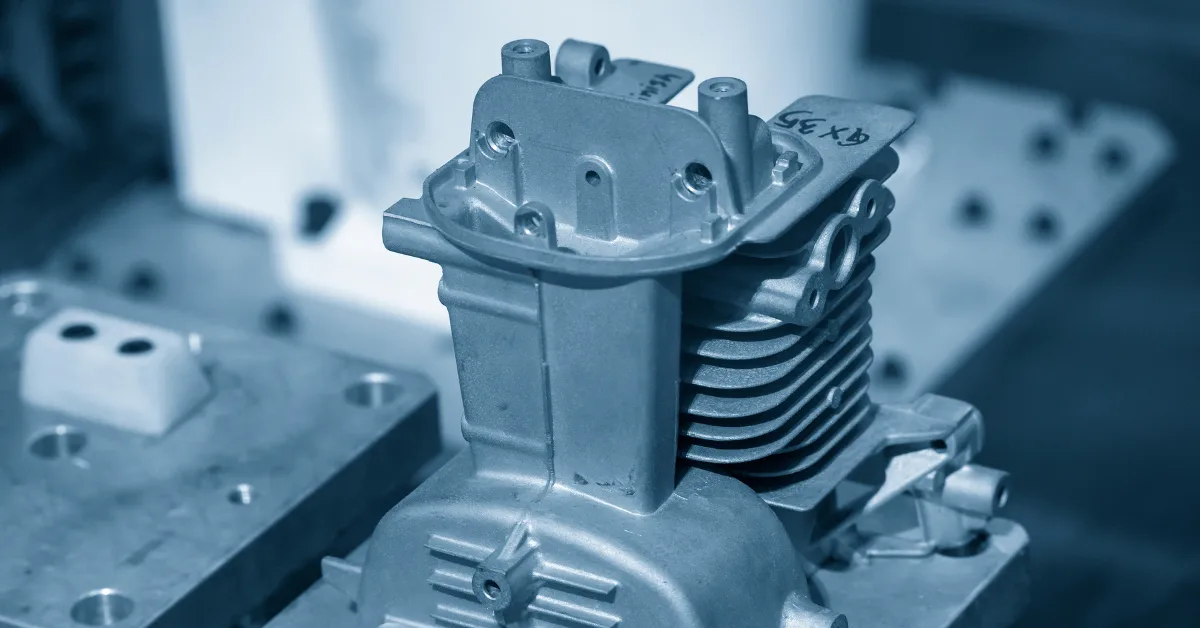
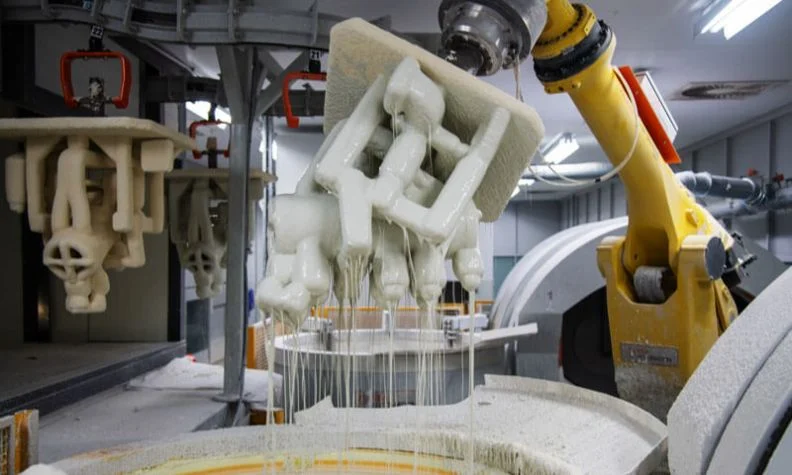
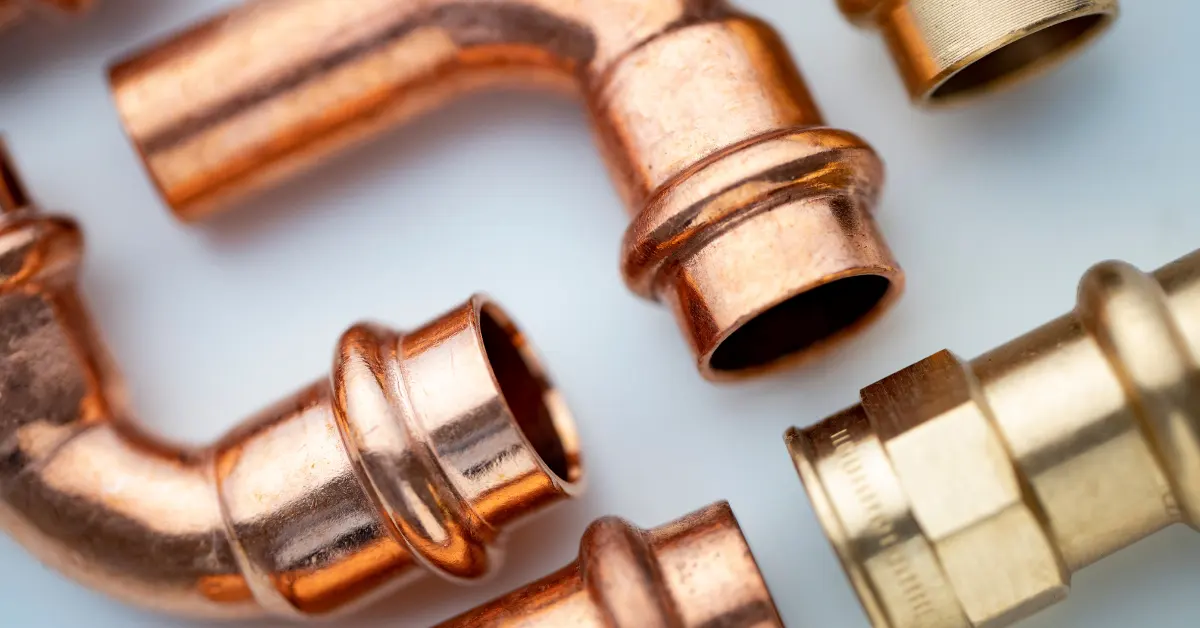
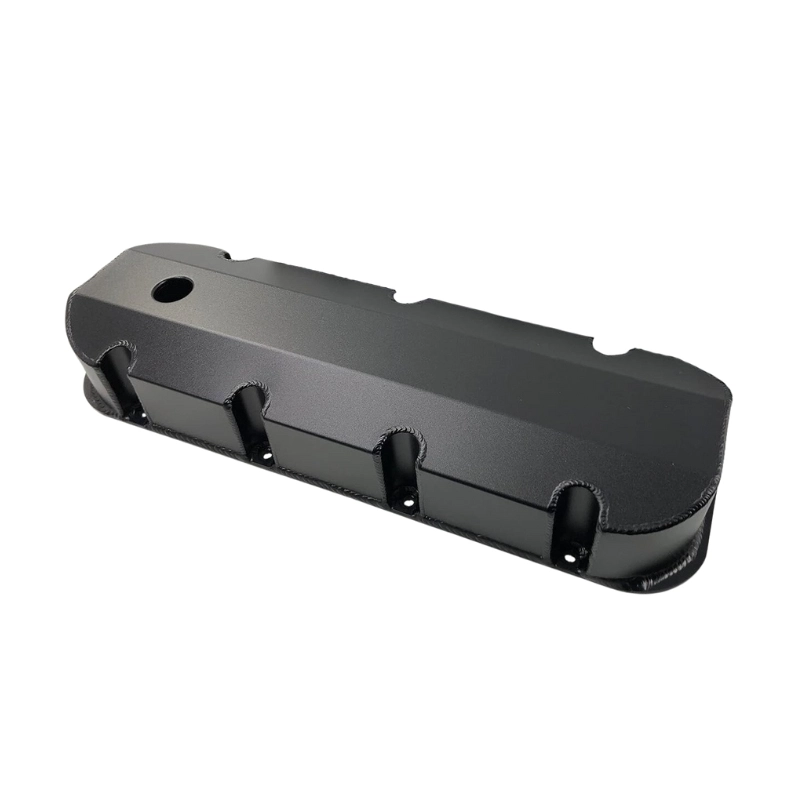
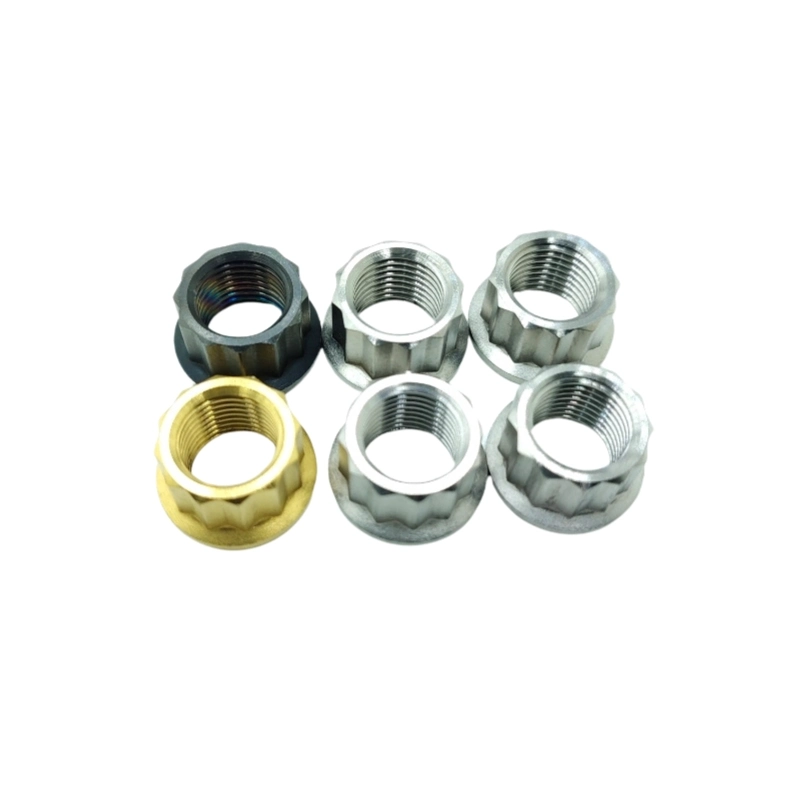
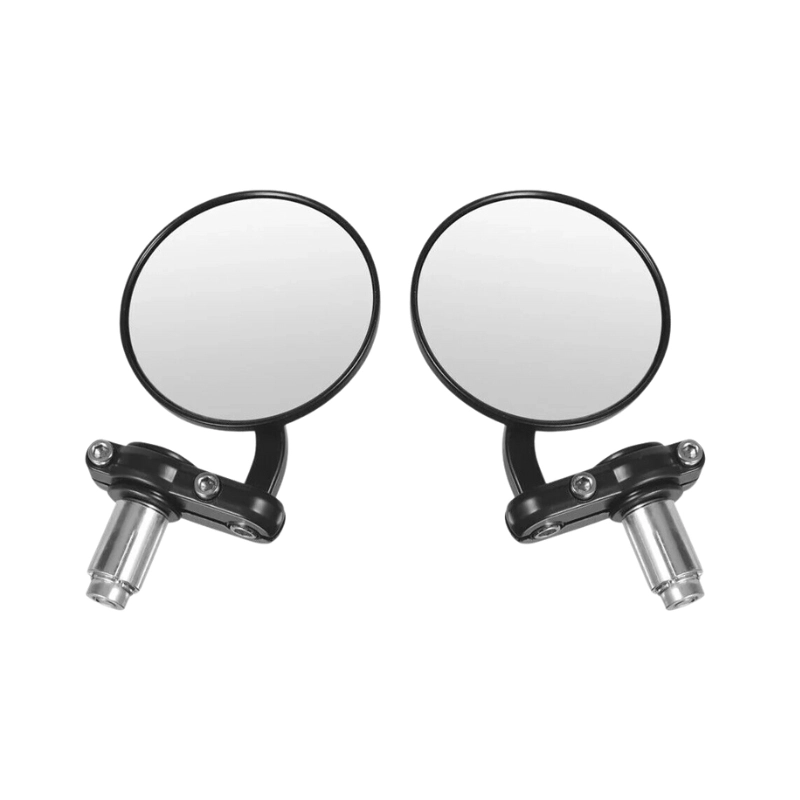
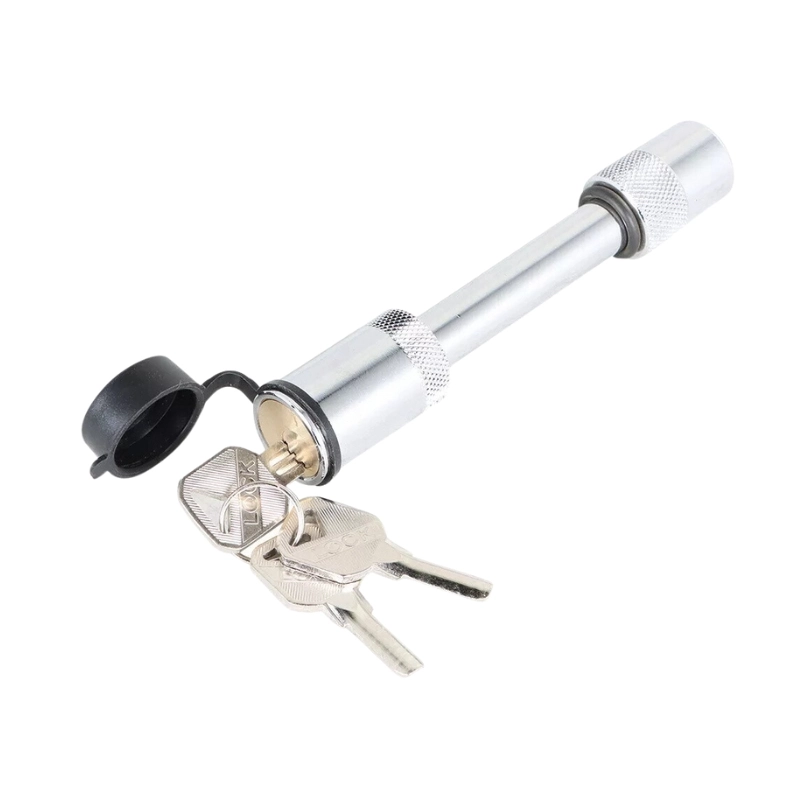
- التمييز بين رموز النظام المنسق: الأجزاء مقابل المواد الخام تستهدف أكثر من 300 رمز من رموز النظام المنسق المقيد في السياسة الجديدة بشكل أساسي "منتجات الصلب الأساسية" و"السلع القياسية" مثل قضبان الصلب، واللفائف المدرفلة على الساخن، والمقاطع الهيكلية الأساسية (الفصل 72 وأجزاء من الفصل 73). وتتخصص شركة HDC Manufacturing في قطع معدنية مخصصة عالية الدقة. تندرج منتجاتنا - بما في ذلك المكونات المصنعة باستخدام آلات CNC، وأجزاء المحركات المطروقة، والمسابك الاستثمارية - تحت تصنيفات مختلفة من قانون النظام المنسق (غالبًا في الفصول 84 أو 85 أو 87) والتي غير مشمول في القائمة المحظورة.
- استراتيجية ذات قيمة مضافة عالية يتمثل الهدف الأساسي للسياسة الجديدة في الحد من تصدير المواد الخام منخفضة القيمة المضافة وكثيفة استهلاك الطاقة. بصفتنا مُورِّدين لـ “"حلول متكاملة لقطع المعادن"،” يتضمن عملنا عمليات معالجة متعمقة وتكاملاً تقنياً. وهذه الصادرات ذات القيمة المضافة العالية هي تحديداً ما تشجعه الحكومة الصينية للحفاظ على توازن تجاري سليم ومستدام.
- الامتثال السلس للوثائق من أهم متطلبات السياسة الجديدة تقديم "شهادة فحص جودة المنتج". في شركة HDC للتصنيع، يُعدّ ضبط الجودة الصارم جزءًا لا يتجزأ من هويتنا. نحن نقدم تقارير اختبار المواد (MTRs) و شهادات فحص الجودة كجزء أساسي من وثائق الشحن لدينا. في حال خضعت أي من موادنا المحددة للوائح تنظيمية مستقبلية، فإن أنظمة الإدارة الرقمية الحالية لدينا جاهزة تمامًا للتعامل مع أوراق الترخيص اللازمة دون أي تأخير في وقت التسليم.
وختاماً، فإن طلباتكم مع شركة HDC Manufacturing لا تزال تسير على مسار "العمل كالمعتاد". لقد أكمل فريق الخدمات اللوجستية لدينا بالفعل تدقيقًا شاملاً لكتالوج عام 2026 لضمان مرور كل شحنة عبر الجمارك بنفس الكفاءة والشفافية التي اعتدتم عليها منا.
الخلاصة: الالتزام بالجودة وسلاسل التوريد السلسة

تُعدّ إعادة العمل بنظام إدارة تراخيص تصدير الصلب في الصين خطوةً حاسمةً نحو بيئة تصنيعية أكثر تنظيماً، وقائمة على الجودة، ومراعية للبيئة. ورغم أنها قد تُضيف طبقاتٍ جديدةً من الوثائق لمصدّري سلع الصلب الأساسية، إلا أنها في نهاية المطاف تُسهم في حماية سمعة علامة "صُنع في الصين" التجارية، وتضمن حصول المشترين الدوليين على منتجاتٍ تُلبي أعلى المعايير العالمية.
لشركائنا في تصنيع HDC, يُعدّ هذا التغيير في السياسة تأكيدًا على التزامنا الراسخ بالهندسة عالية الدقة ومراقبة الجودة الشفافة. ومن خلال التركيز على التصنيع المخصص ذي القيمة المضافة العالية بدلاً من المواد الخام المُستخدمة في السوق الشامل، نحافظ على موقعنا الاستراتيجي لتقديم خدمة متواصلة بغض النظر عن التغيرات في البيئة التنظيمية.
سنواصل متابعة جميع مستجدات التجارة والحفاظ على تواصلنا الاستباقي لضمان استمرارية سلسلة التوريد الخاصة بكم. فريقنا على أتم الاستعداد للتعامل مع تعقيدات التجارة الدولية لكي تتمكنوا من التركيز على ما يهمكم حقًا - مشاريعكم ونموكم.
الخطوات التالية والتواصل
إذا كانت لديك أسئلة محددة بخصوص رموز النظام المنسق لأوامرك الحالية أو كيف يمكن أن تؤثر هذه السياسة على تخطيط المشتريات المستقبلية، فإن فرقنا الفنية واللوجستية موجودة هنا للمساعدة.
استعرض الكتالوج الكامل: حمّل ملف PDF من هنا (رابط إلى الملف المترجم)
استشر خبراءنا: اتصل بنا لإجراء فحص فني لأجزائك