لنفترض، مع ذلك، أنك تعمل مع الآلات أو الأنابيب أو حتى أنظمة المياه؛ فأنت على اتصال يومي بالصمامات - سواء أدركت ذلك أم لا. قد يكون الصمام صغيرًا، لكنه يشارك في تدفق شيء بالغ الأهمية: السوائل والغازات.
فكّر في الأمر بهذه الطريقة. عندما تفتح صنبورًا في المنزل، فأنت تتحكم في تدفق الماء. هذا الصنبور هو نوع من الصمامات. هل يمكنك أن تتخيل الأمر نفسه في الصناعات الكبيرة مثل مصافي النفط ومحطات توليد الطاقة والمصانع؟ يتم توسيع هذا النظام بشكل كبير، وتُحسّن الصمامات.
ستتعرف هنا على كل ما يتعلق بأنواع الصمامات، ووظائفها، وأماكن استخدامها، وكيفية اختيار الصمام المناسب. سنقدم لك شرحاً بسيطاً وعملياً وسهل الفهم.
ما هو الصمام؟
الصمام هو جهاز ميكانيكي ينظم أو يوجه أو يمنع تدفق السوائل أو الغازات أو المواد اللزجة عن طريق فتح أو إغلاق أو سد جزئي لمسارات مختلفة.
الأجزاء الرئيسية للصمام
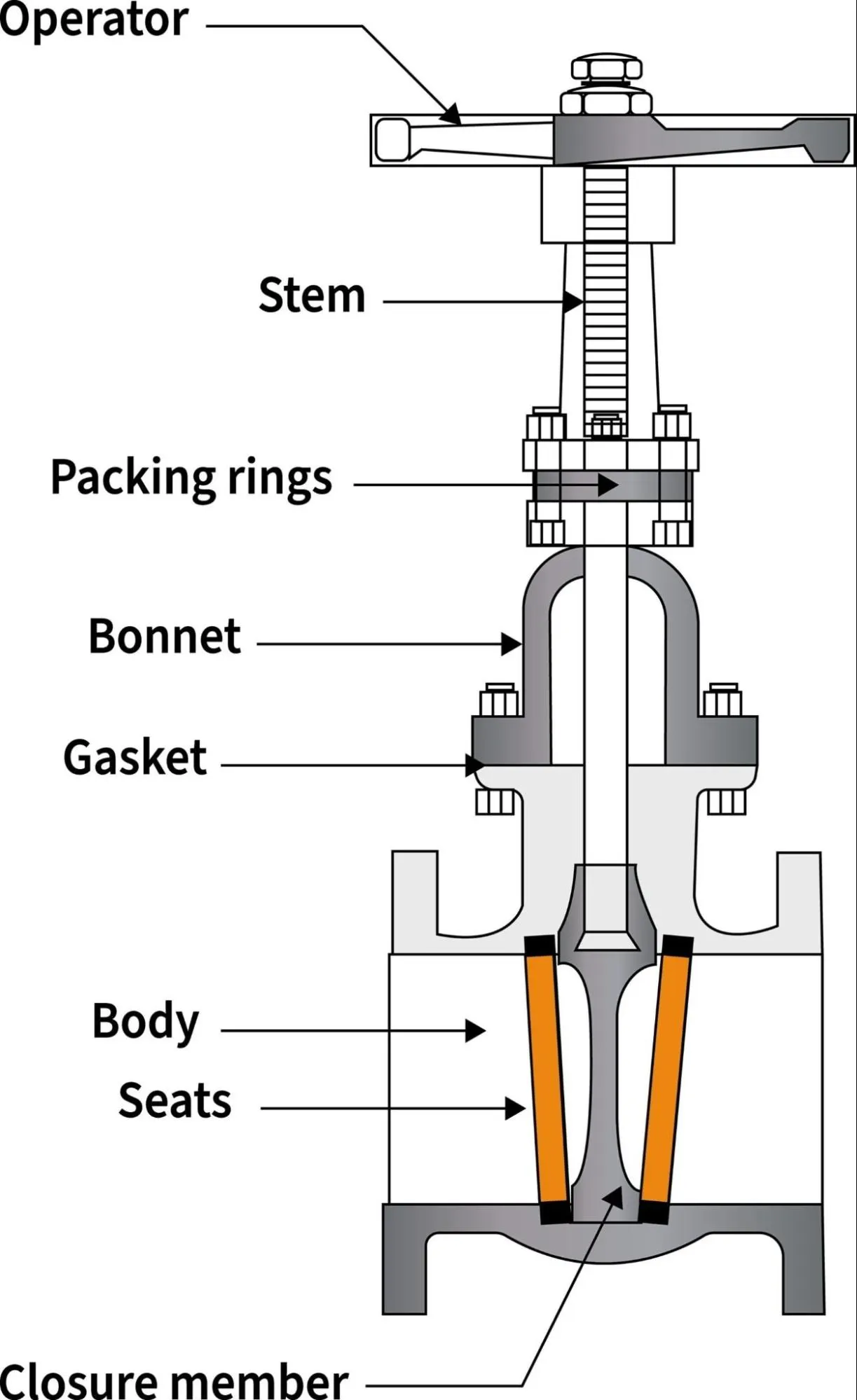
- جسم: إنه الحد الرئيسي للضغط، ويحتوي على المكونات الداخلية؛ ويتصل بالأنابيب.
- غطاء محرك السيارة: المادة المستخدمة لتغطية الجسم، والتي تشمل في معظم الحالات صندوق الحشو والتغليف لتجنب أي تسربات على طول الساق.
- النوع: Tهذا مصطلح جماعي لوصف الجزء الداخلي من العناصر (الساق والقرص والمقعد) التي تلامس السائل.
- قرص (أو سدادة/كرة): هذا هو "حارس البوابة" الذي يغلق أو يفتح لمنع أو السماح بالتدفق.
- مقعد: إنها المنطقة التي يلامسها القرص لتشكيل ختم مانع للتسرب.
- المشغل: أناهو الجهاز (عجلة يدوية، محرك، أو مكبس) الذي يمارس القوة اللازمة لإحداث حركة الجذع.
كيف تعمل الصمامات?
تعمل الصمامات عن طريق تغيير موقع أحد المكونات داخل الأنبوب (مثل القرص أو الكرة أو البوابة) لتقييد أو التحكم في تدفق السوائل أو الغازات.
تخيل فتح باب أو إغلاقه. عند فتح الباب، قد يمرّ أشخاص من خلاله. وعند إغلاقه، يتوقف المرور. يحدث الشيء نفسه مع السوائل التي تمر عبر صمام.
إليكم شرحاً بسيطاً:
- عند فتح الصمام، يتدفق السائل بحرية على طول الأنبوب.
- عند إغلاق الصمام، يتوقف التدفق تمامًا.
- يؤدي استخدام التدفق المفتوح جزئياً إلى انخفاض التدفق ويصبح منظماً.
هذه حركة أساسية تقوم فيها الصناعات بتنظيم الضغط والاتجاه وسرعة التدفق.
وظيفتان رئيسيتان
أ: مفتاح التشغيل/الإيقاف
- يتم إبقاء الصمام مفتوحًا أو إغلاقه تمامًا.
- لا يقع ذلك في منتصف التحكم في التدفق.
- وإلا فهو مناسب في الحالات التي تحتاج فيها فقط إلى تشغيل أو إيقاف التدفق.
مثال: صمام البوابة.
ب: الخنق (التحكم في التدفق)
- ينظم الصمام التدفق ببطء.
- يمكن زيادة التدفق أو تقليله عند الضرورة.
- ينطبق في حالة التحكم الدقيق.
مثال: صمام كروي.
أنواع العمليات
أ: الصمامات اليدوية
- يتم تشغيلها يدوياً بواسطة مقبض أو عجلة.
- بسيط وفعال من حيث التكلفة.
- شائع في الأنظمة الصغيرة.
ب: الصمامات الأوتوماتيكية
- كلاهما آلي وغير مراقب.
- استخدم الكهرباء أو ضغط الهواء أو ضغط السوائل.
- مثالي عند الحاجة إلى أنظمة صناعية كبيرة ومؤتمتة.
أنواع الصمامات بناءً على الوظيفة
لا تؤدي جميع الصمامات نفس الوظيفة. لكل نظام غرضٌ يُستخدم فيه كل نوع.
صمامات العزل
- تم التبديل بين تشغيل أو إيقاف التدفق.
- لا تقم بالتنظيم ببطء.
- أغلق عند الإغلاق المحكم.
مثال: صمام البوابة.
صمامات التحكم
- التحكم في معدل التدفق أو الضغط أو درجة الحرارة.
- المساعدة في تحقيق توازن النظام.
- في الأنظمة الآلية، هذا الأمر بالغ الأهمية.
مثال: صمام كروي.
صمامات الفحص
- لا يُسمح إلا بالتدفق في اتجاه واحد.
- قم بحظر التدفق العكسي تلقائيًا.
- حماية المضخات والمعدات.
صمامات الأمان
- عندما يكون الضغط tمرتفع جدًا، أطلق بعضًا منه.
- تحديد الانفجارات أو الأضرار التي لحقت بالأنظمة.
- السلامة تعني العمل بشكل تلقائي.
أنواع الصمامات شرح
سنتناول الآن أهم أنواع الصمامات المستخدمة في الصناعات الفعلية. كل نوع مصمم بشكل مختلف ويهدف إلى غرض مختلف.
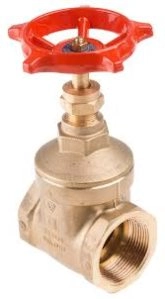
صمام البوابة
صمام البوابة هو صمام تكون بوابته على شكل مسطح أو إسفين، ويتم دفعها لأعلى ولأسفل في جسم الصمام.
كيف يعمل
يُتيح عمر البوابة الكامل مسارًا مستقيمًا وسلسًا للتدفق بسهولة. أما مع تناقص عمرها، فإنها تعيق هذا المسار.
الاستخدامات الشائعة
- أنظمة إمداد المياه.
- خطوط أنابيب النفط والغاز.
المزايا
- مقاومة منخفضة جداً للتدفق.
- الأنسب لإكمال القضايا المفتوحة أو المغلقة تماماً.
- تصميم بسيط وقوي.
العيوب
- غير مناسب في إدارة التدفق.
- يستغرق فتحه أو إغلاقه بعض الوقت.
صمام كروي
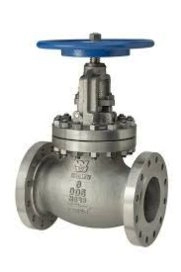
يحتوي صمام الكرة الأرضية على قرص متحرك ومقعد ثابت يحد من التدفق.
كيف يعمل
يرتفع القرص وينخفض مع المقعد ليسمح لك بتنظيم كمية التدفق بدقة.
الاستخدامات الشائعة
- أنظمة التبريد.
- أنظمة الوقود والبخار.
المزايا
- مفيد جداً في التحكم في التدفق.
- قدرة عالية على الإحكام.
- أداء موثوق.
العيوب
- يؤدي إلى انخفاض أكبر في الضغط.
- يتطلب العمل جهداً أكبر.
صمام الكرة
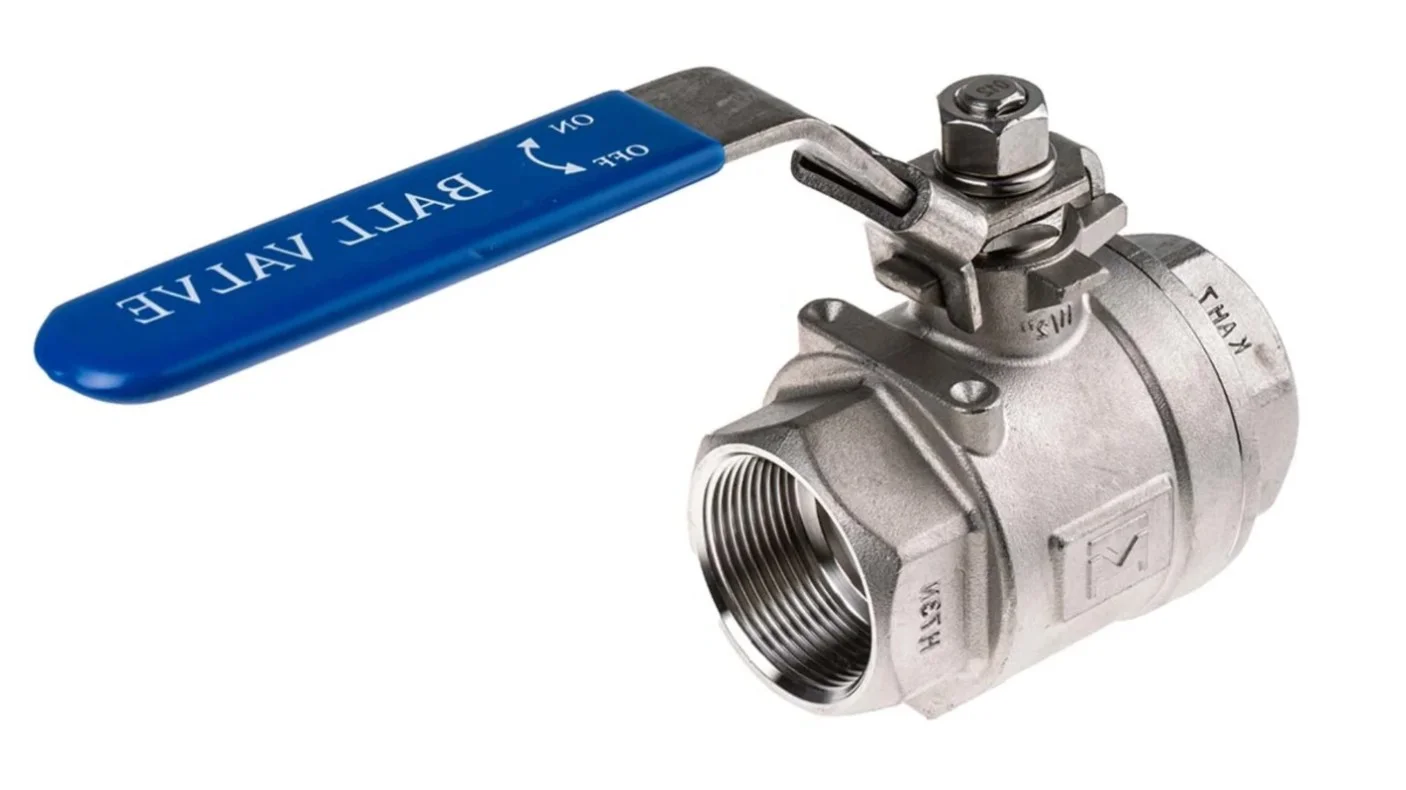
يتم تركيب صمام كروي بكرة مجوفة بها فتحة (منفذ) في مركزها.
كيف يعمل
عندما تتطابق الفتحة مع الأنبوب، يكون تدفق السائل بسيطًا. أما تدوير الكرة فيؤدي إلى تحريك الفتحة بعيدًا عن مسار التدفق وإعاقته.
الاستخدامات الشائعة
- خطوط أنابيب الغاز.
- مصانع المعالجة الكيميائية.
المزايا
- حركة جزئية سريعة للغاية (ربع دورة).
- إحكام غلق محكم ومقاوم للتسرب.
- عمر خدمة طويل.
العيوب
- غير مناسب للتحكم في التدفق الدقيق.
صمام الفراشة
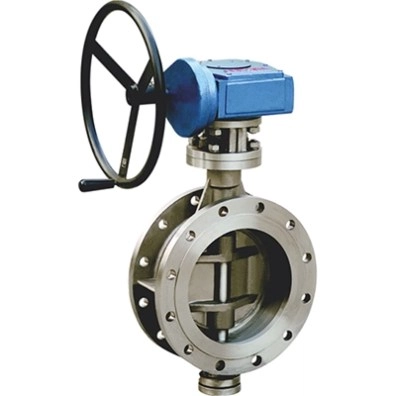
صمام الفراشة هو صمام عبارة عن قرص دوار على عمود.
كيف يعمل
يدور الدوار داخل الأنبوب. يتدفق السائل عندما يصبح عمودياً على اتجاه التدفق. عند نقطة التعامد، يتوقف التدفق.
الاستخدامات الشائعة
- أنظمة توزيع المياه.
- أنظمة التدفئة والتهوية وتكييف الهواء.
المزايا
- خفيف الوزن وصغير الحجم.
- يتطلب مساحة أقل.
- اقتصادي مع الأنابيب ذات الأحجام الكبيرة.
العيوب
- لا يكون الإحكام بنفس دقة صمامات الكرة.
صمام الفحص
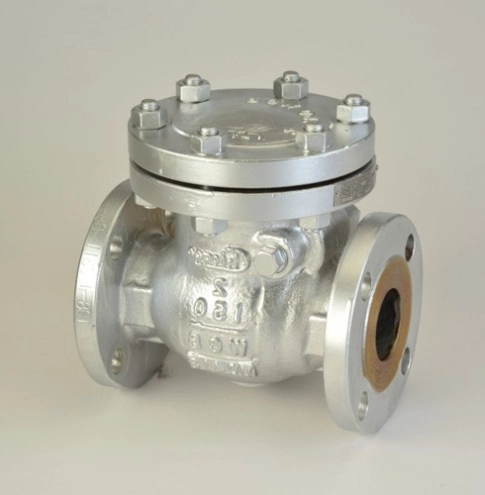
صمام الفحص أوتوماتيكي ولا يسمح إلا بتدفق السائل في اتجاه واحد.
كيف يعمل
عندما يتحرك السائل للأمام، سيفتح الصمام، وعندما يحاول العودة للخلف، سيغلق الصمام.
الاستخدامات الشائعة
- أنظمة الضخ.
- أنابيب المياه.
المزايا
- يمنع التدفق العكسي.
- مضخات وأنابيب كوتس.
- لا حاجة للتحكم اليدوي.
العيوب
- قد يؤدي ذلك إلى انخفاض طفيف في الضغط.
- قد يتسبب ذلك في حدوث ضوضاء داخل بعض الأنظمة.
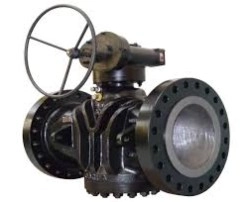
صمام التوصيل
في صمام السدادة، يتم استخدام فتحة مع سدادة أسطوانية أو مخروطية.
كيف يعمل
ستدور السدادة داخل جسم الصمام إما للسماح بالتدفق أو لمنعه.
الاستخدامات الشائعة
- الصناعات الكيميائية.
- أنظمة الزيت.
المزايا
- بناء بسيط.
- فتح وإغلاق سريع.
- سهل الاستخدام.
العيوب
- يريد أن يُدهن ليتحرك بسهولة.
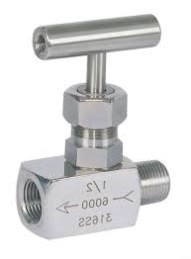
صمام إبرة
كما تم تصميم صمام إبرة للتحكم في التدفق بأقصى قدر من الدقة.
كيف يعمل
يتم ضبط التدفق الدقيق بواسطة إبرة حادة تُدفع ببطء في المقعد.
الاستخدامات الشائعة
- معدات المختبر.
- أنظمة القياس.
المزايا
- تحكم دقيق للغاية.
- مثالي لمعدلات التدفق الصغيرة.
- عملية سلسة.
العيوب
- غير مناسب لأنظمة التدفق الكبيرة.
- أبطأ في التشغيل.
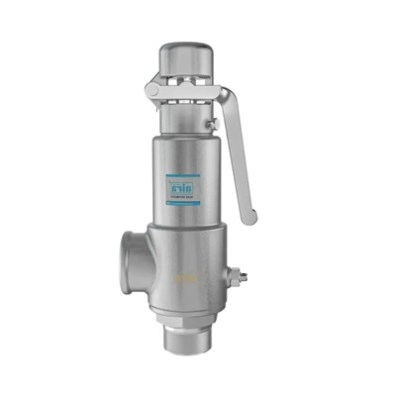
صمام تخفيف الضغط
صمام تخفيف الضغط يمنع الضغط الزائد على الأنظمة.
كيف يعمل
يبقى مغلقًا أثناء التشغيل العادي. وعندما يصل الضغط إلى عتبة ضغط محددة، يفتح تلقائيًا لتخفيف الضغط.
الاستخدامات الشائعة
- الغلايات.
- أوعية الضغط.
المزايا
- يمنع تعطل النظام.
- يحسن السلامة.
- يعمل تلقائياً.
العيوب
- يجب فحصها واختبارها بشكل متكرر.
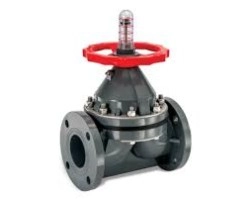
صمام غشائي
يستخدم صمام الحجاب الحاجز غشاءً مطاطياً أو بلاستيكياً مرناً.
كيف يعمل
ينضغط الغشاء على المقعد لمنع التدفق ويرتفع للسماح بالتدفق.
الاستخدامات الشائعة
- معالجة الأغذية.
- الصناعات الكيميائية.
المزايا
- تصميم مانع للتسرب
- فعال عند التعامل مع السوائل المسببة للتآكل.
- سهل التنظيف.
العيوب
- مقيد بسبب ارتفاع درجة الحرارة.
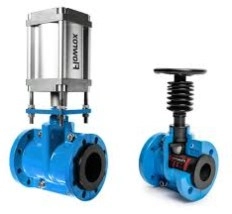
صمام الضغط
صمام الضغط عبارة عن أنبوب ناعم ومرن يتم من خلاله التحكم في التدفق.
كيف يعمل
يقوم الصمام بتضييق الأنبوب لمنع التدفق ثم يرتخي للسماح بالتدفق.
الاستخدامات الشائعة
- عمليات التعدين.
- محطات معالجة مياه الصرف الصحي.
المزايا
- جيد في التعامل مع المواد الطينية والمواد الصلبة.
- ممنوع الاتصال بـ أجزاء معدنية.
- سهولة الصيانة.
العيوب
- غير متوافق مع أنظمة الضغط العالي.
أنواع الصمامات حسب طريقة التشغيل
| نوع العملية | الآلية | تفاصيل رئيسية | الأفضل لـ... |
| صمامات يدوية | عجلة يدوية أو رافعة أو ترس | تصميم بسيط ولا يتطلب أي قوة خارجية. | في الأنظمة غير الآلية، قد يحدث العزل. |
| الصمامات الكهربائية | محرك كهربائي وعلبة تروس. | يمكن التحكم بدقة ممتازة من خلال جهاز كمبيوتر (PLC). | الوجهات البعيدة والتحكم في التدفق. |
| الصمامات الهوائية | هواء مضغوط. | إن أسرع عملية هي الأكثر أماناً في المناطق القابلة للانفجار. | المنشآت الكيميائية وإمكانية الإغلاق السريع في حالات الطوارئ. |
| الصمامات الهيدروليكية | سائل عالي الضغط. | يزيد من عزم الدوران والقوة. | آبار النفط تحت سطح البحر والآلات الضخمة. |
أنواع الصمامات حسب المادة
| نوع المادة | الملكية الأساسية | التفاصيل الفنية | تطبيق مشترك |
| النحاس الأصفر / البرونز | مقاوم للتآكل. | يمكن استخدام البرونز في صناعة الأعمال الفنية الصينية، التي تعمل في مياه البحر. | أعمال السباكة والتدفئة والتهوية وتكييف الهواء في المساكن. |
| الفولاذ المقاوم للصدأ | متانة عالية. | لا يصدأ الفولاذ من الدرجة 316 في الظروف الكيميائية القاسية. | الصناعات الغذائية والصيدلانية والكيميائية. |
| حديد الزهر / الحديد المطاوع | فعالة من حيث التكلفة | الحديد المطاوع أقوى وأكثر مرونة مقارنة بالحديد الزهر. | شبكة المياه الرئيسية للمدينة والبخار ذو الضغط المنخفض. |
| البلاستيك (PVC/CPVC) | مقاوم للمواد الكيميائية | خفيف الوزن ولا يصدأ، مهما كانت درجة الحرارة سيئة. | معالجة مياه الصرف الصحي، حمامات السباحة. |
أنواع الصمامات حسب التطبيقات الصناعية
| صناعة | أنواع الصمامات الأساسية | لماذا هذا النوع؟ |
| النفط والغاز | صمامات كروية وبوابية | يُعدّ إحكام الفقاعة والضغط العالي من الأمور المهمة. |
| أنظمة المياه | صمامات الفراشة وصمامات عدم الرجوع | يساهم صغر حجم تصميم الأنبوب الكبير في منع التدفق العكسي. |
| الصناعة الكيميائية | صمامات غشائية وصمامات سدادة | يمنع ملامسة السوائل المسببة للتآكل للجسم المعدني. |
| محطات توليد الطاقة | صمامات كروية وصمامات أمان | يتعامل مع البخار عالي الضغط ونظام الأمان ذي الضغط العالي للغاية. |
| أنظمة التدفئة والتهوية وتكييف الهواء | صمامات الفراشة والتحكم | يوازن تدفق المياه الساخنة والباردة في المباني بطريقة فعالة. |
مزايا وعيوب أنواع الصمامات المختلفة
المزايا
- يمكن للصمامات أن تساعد في تحسين التحكم في النظام من خلال تمكينك من بدء أو إيقاف أو التحكم في تدفق السوائل عند الضرورة.
- إنها تجعل العملية أكثر أمانًا من خلال تجنب الضغط الزائد أو التدفق العكسي أو التسرب الذي قد يتسبب في تلف المعدات أو التسبب في مخاطر.
- تعتبر الصمامات فعالة لأنها تضمن وجود تدفق وضغط مناسبين في الأنظمة، مما يجعل الأنظمة تعمل بشكل جيد ويوفر الطاقة المهدرة.
العيوب
- يجب فحص حالة الصمامات بشكل متكرر لأن الأجزاء المتحركة قد تتآكل بمرور الوقت؛ وبالتالي، يتأثر الأداء سلبًا.
- قد تكون الصمامات باهظة الثمن، وتختلف كثيراً من حيث النوع والمادة والحجم، مما يؤثر بالتالي على ميزانيتك.
- قد يؤدي استخدام صمام غير صحيح في نظامك إلى مشاكل خطيرة مثل التسرب أو انخفاض الضغط أو تعطل النظام.
كيفية الاختيار الصمام الصحيح
يطبق المهندسون تقنية STAMPEED عند البحث عن مصادر للمشاريع الصناعية.
- المقاس: Tقطر الأنبوب.
- درجة حرارة: السائل والوسط المحيط.
- طلب: هل هو تشغيل/إيقاف، أم تقييد السرعة، أم أمان؟
- وسائط: هل السائل أكّال، أو كاشط (مادة لزجة)، أو نظيف؟
- ضغط: ذروة ضغط التشغيل وضغط الاندفاع.
- النهاية: نوع الوصلة (ذات حواف، ملولبة، وملحومة).
- توصيل: شهادات المطابقة (مثل API 6D أو ASME أو ISO).
خاتمة
لقد تعرفت للتو على أنواع الصمامات، وكيفية عملها، واستخداماتها. تختلف الصمامات في وظائفها للحفاظ على التدفق والسلامة والكفاءة في النظام. اختيار الصمام المناسب يحمي معداتك، ويقلل من وقت التعطل، ويضمن استمرار عمليات أي نظام تصنيع.
نحن شركة HDC للتصنيع هي شركة تصنيع موثوقة لأجسام الصمامات المصبوبة حسب الطلب، والتي يتم تصنيعها لتوفير صمامات عالية الجودة مصممة لتدوم طويلاً، وتتميز بالكفاءة في الأداء والمتانة.
لا يهم ما إذا كنت بحاجة إلى جسم صمام مصبوب بالاستثمار, ، أ صمام إغلاق مطروق أو كتلة صمام دقيقة؛; نقدم لكم حلولاً عالية الجودة تلبي احتياجاتكم. اتصلوا بنا الآن ودعوا خبرائنا يختارون الصمام الأمثل لنظامكم، ويضمنون لكم أنه آمن وفعال ومتين.
الأسئلة الشائعة: أنواع الصمامات
ما هي أكثر أنواع الصمامات شيوعاً المستخدمة في الصناعات؟
أكثر أنواع الصمامات استخداماً هي صمامات البوابة، والصمامات الكروية، والصمامات الكروية، وصمامات الفراشة، وصمامات عدم الرجوع. وتُستخدم هذه الصمامات لأغراض مختلفة.
أي صمام هو الأفضل لأنظمة الضغط العالي؟
تُعد صمامات الكرة وصمامات البوابة مثالية في أنظمة الضغط العالي لأنها توفر إحكامًا جيدًا وعمرًا طويلًا.
ما الفرق بين صمام البوابة وصمام الكرة الأرضية؟
يُستخدم صمام البوابة للتحكم في التدفق عن طريق فتح بوابة، وهو مناسب عندما يكون التدفق متقطعًا. أما صمام الكرة الأرضية فينظم التدفق ويتميز بدقة أكبر في الاستخدام.
كيف أختار الصمام المناسب لتطبيقي؟
قبل اختيار الصمام، يجب مراعاة نوع التدفق والضغط ودرجة الحرارة وتوافق المواد والغرض.
ما هو العمر الافتراضي للصمام الصناعي؟
يعتمد عمر الصمامات الصناعية علينا وعلى رضاؤنا واهتمامنا. يتراوح عمرها الافتراضي بين 5 و20 عامًا عند صيانتها بشكل صحيح.