في عملية الصب، تُستخدم القوالب الداخلية لتشكيل تجاويف في الأجزاء المعدنية أثناء عملية الصب. عند صب المعدن المنصهر في القالب، يسد القالب بعض المناطق، مما يؤدي إلى تكوين تجاويف أو ثقوب أو ممرات داخلية معقدة. بعد تصلب المعدن، يُزال القالب أو يُذاب، تاركًا الشكل الداخلي المطلوب.
تختلف أنواع القوالب المستخدمة في الصب باختلاف المادة والاستخدام، مثل القوالب الرملية والقوالب الخزفية وقوالب الشمع القابل للذوبان. ولكل نوع منها قوة ومقاومة للحرارة ودقة متفاوتة بناءً على متطلبات التصنيع والتطبيق الصناعي.
2. ما هي النوى في عملية الصب؟
النوى في الصب يتم تشكيلها كحشوات توضع داخل القوالب لتشكيل تجاويف داخلية في المسبوكات المعدنية.
عند صب المعدن المنصهر في قالب:
- يتم تشكيل الجزء الخارجي بواسطة القالب.
- يتكون الجزء الداخلي من النواة.
بعد التبريد:
- تمت إزالة العفن
- يتم استخراج المركز أو إذابته.
الفرق بين القالب واللب
| ميزة | قالب | جوهر |
| غاية | يشكل السطح الخارجي | يُنشئ أجزاءً داخلية مجوفة |
| موضع | الخارج | داخل |
| مادة | الرمل، المعدن، إلخ. | الرمل، والسيراميك، والشمع، والراتنج، إلخ. |
وبالتالي يمكنك اعتبار القوالب بمثابة الشكل الخارجي والقوالب بمثابة مُنشئي الشكل الداخلي.
3. وظائف النوى في صب
النوى ليست مجرد "حشوات". إنها بالغة الأهمية في عملية الإنتاج.
1. إنشاء تجاويف داخلية
لا يمكن حفر القنوات الداخلية العميقة والمعقدة بسهولة. تتغلب القوالب على هذه المشكلة من خلال إنشائها مباشرة في المسبوكة.
2. تقليل أعمال التشغيل الآلي
في حالة عدم وجود قوالب، سيحتاج المصنعون إلى عمليات تشغيل ثقيلة بعد الصب، وهو أمر مكلف ويستغرق وقتاً طويلاً.
3. تحسين حرية التصميم
يمكن للمهندسين تصميم مكونات معقدة مثل كتل المحركات، وهياكل التوربينات، وأجسام المضخات.
4. توفير المواد
تعمل القوالب على تقليل النفايات بدلاً من صب كتلة صلبة من المواد والتخلص منها لاحقاً.
4. تصنيف القوالب في الصب
هناك أنواع يجب أخذها في الاعتبار، ولكن أولاً، عليك أن تفهم كيف يصنف المهندسون النوى:
بناءً على الاستخدام
- نوى قابلة للاستبدال (بالية)
- نوى قابلة لإعادة الاستخدام (استُخدمت في عدة مناسبات)
استنادًا إلى المادة
- عينات رملية
- نوى سيراميكية
- النوى المعدنية
- شمع / نوى قابلة للذوبان
- لب الصدف أو الراتنج.
والآن سنرى كل نوع على حدة.
5. أنواع القوالب في الصب (القسم الرئيسي)
5.1 قوالب الرمل في الصب
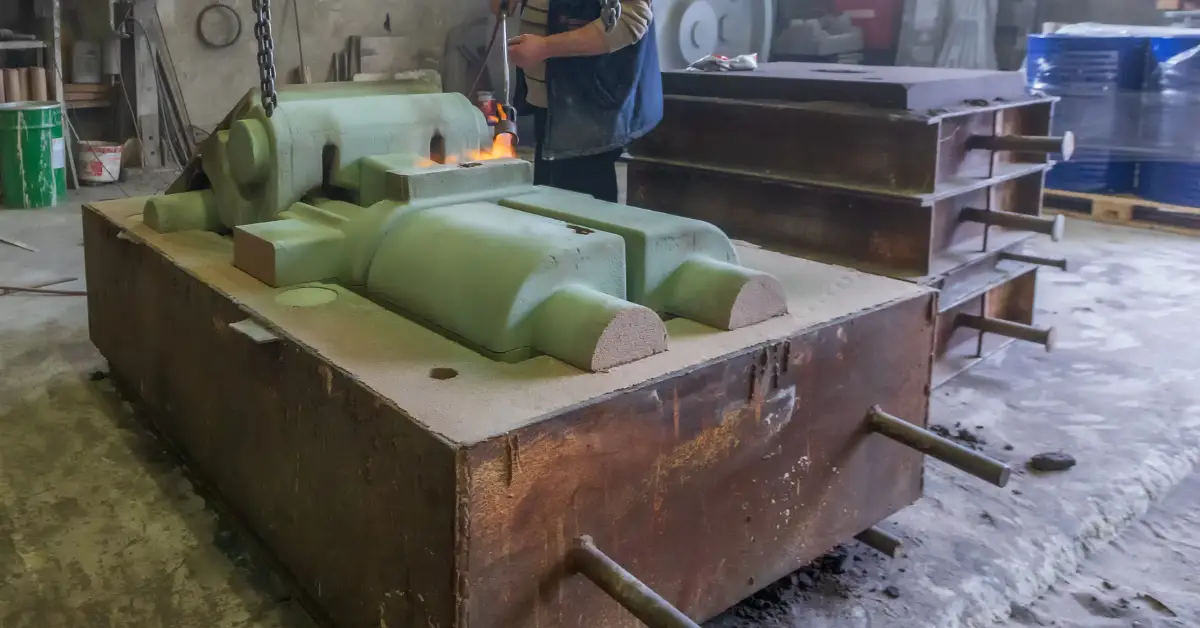
يُعدّ قالب الرمل النوع الأكثر شيوعًا في صناعة الصب.
مادة
- رمل السيليكا
- مواد رابطة من الطين أو الراتنج.
كيف تعمل؟
يُخلط الرمل بمادة رابطة ويُشكّل في قالب. وبمجرد تسخينه أو معالجته، يصبح صلباً بما يكفي ليحتفظ بشكله أثناء عملية الصب.
المزايا
- تكلفة منخفضة
- سهل الإنتاج
- مناسب للأجزاء الكبيرة
القيود
- أقل دقة من النوى المتطورة.
- يسهل كسره عند تعرضه لضغط عالٍ.
مثال حقيقي
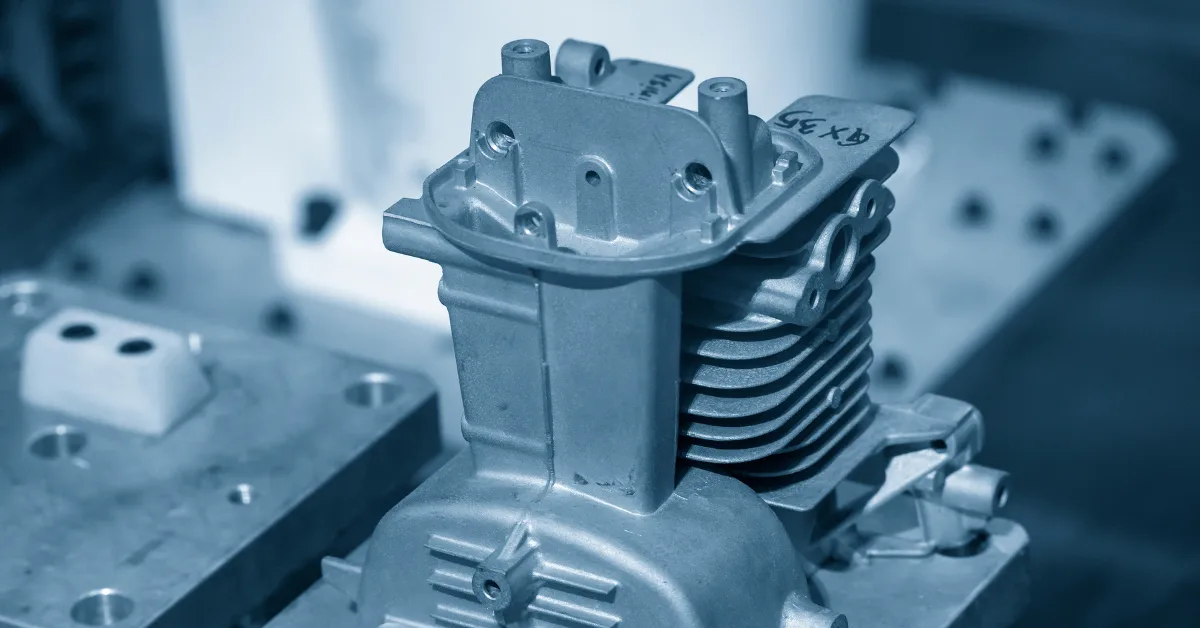
تُستخدم قوالب الرمل أيضاً بشكل شائع في كتل محركات السيارات لتشكيل قنوات سائل التبريد في الداخل.
5.2 النوى الخزفية في الصب
تُستخدم النوى الخزفية عندما تكون هناك حاجة إلى دقة عالية ومقاومة للحرارة.
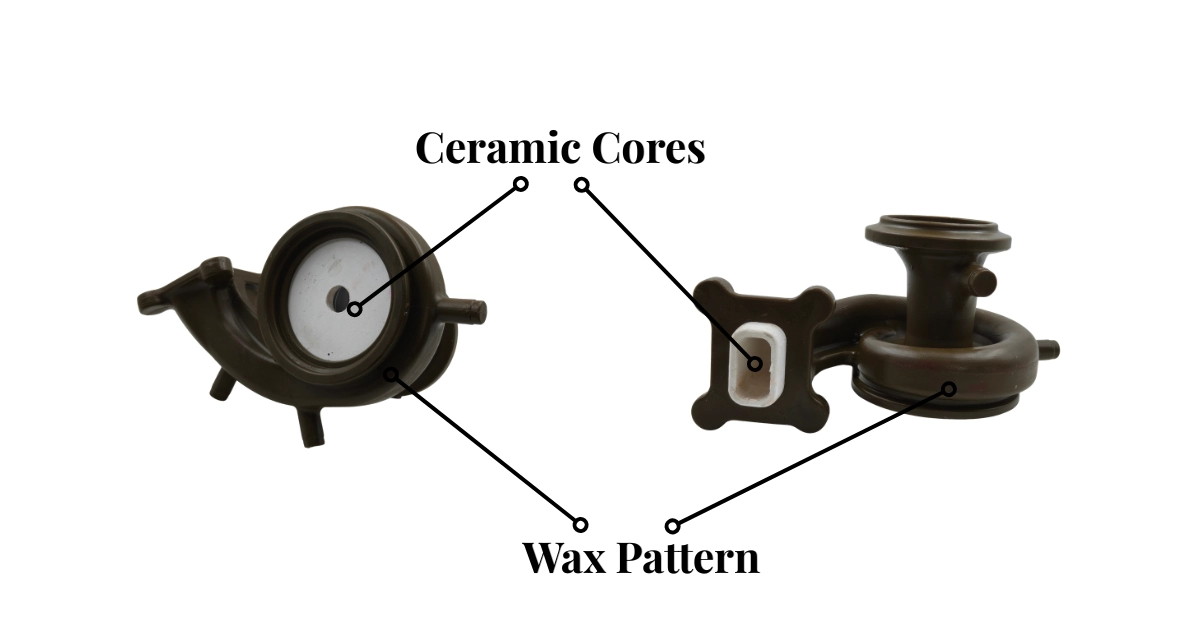
مادة
- الألومينا
- الزركونيا
- السيراميك المصنوع من السيليكون
لماذا يستخدم المهندسون النوى الخزفية
إنها قادرة على تحمل درجات حرارة عالية للغاية دون أن تتشوه.
المزايا
- دقة أبعاد ممتازة
- أداء فائق في درجات الحرارة العالية للغاية.
- سطح أملس
القيود
- غالي
- إنتاجه أكثر صعوبة
مثال حقيقي
تُصنع شفرات التوربينات في المحركات النفاثة من نوى خزفية نظراً لقنوات التبريد الداخلية الدقيقة للغاية المطلوبة.
5.3 النوى المعدنية في الصب
تُصنع النوى المعدنية من الفولاذ أو الحديد ويمكن إعادة استخدامها.
مادة
- حديد الزهر
- سبائك الصلب
كيف تعمل؟
لا يتم تدمير النوى المعدنية، بل يتم سحبها بعد عملية الصب.
المزايا
- متانة عالية
- قابلة لإعادة الاستخدام عدة مرات
- مناسب للإنتاج بكميات كبيرة.
القيود
- مرونة تصميم محدودة
- من الصعب إزالة النماذج المعقدة.
مثال حقيقي
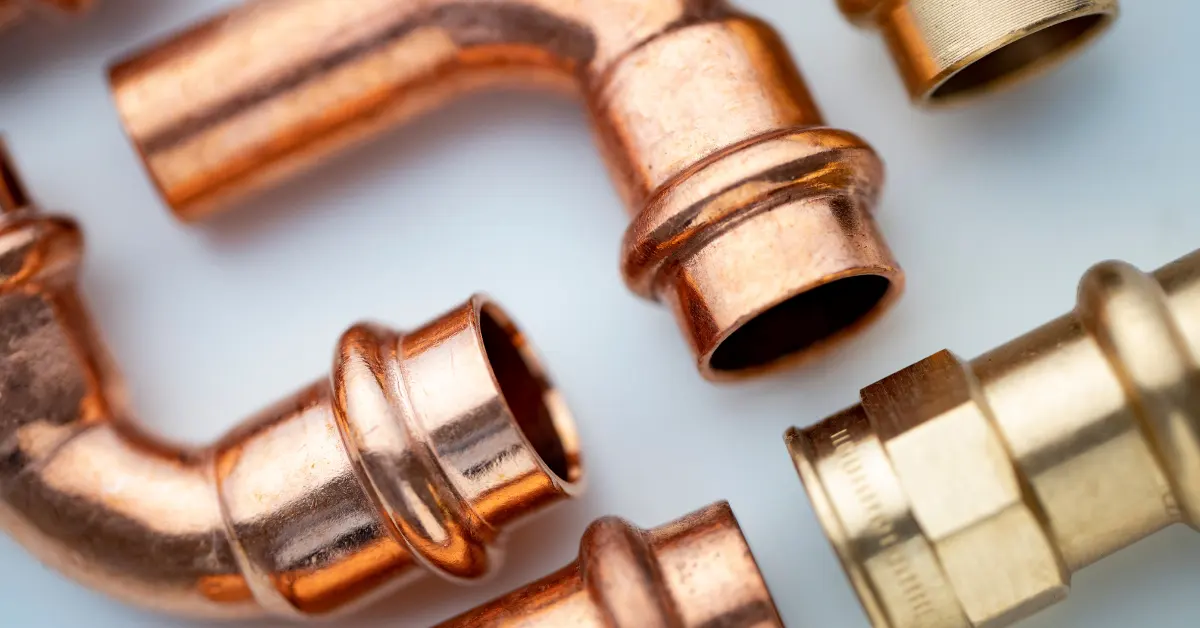
تتضمن وصلات الأنابيب التي يتم إنتاجها بكميات كبيرة عادةً نوى معدنية.
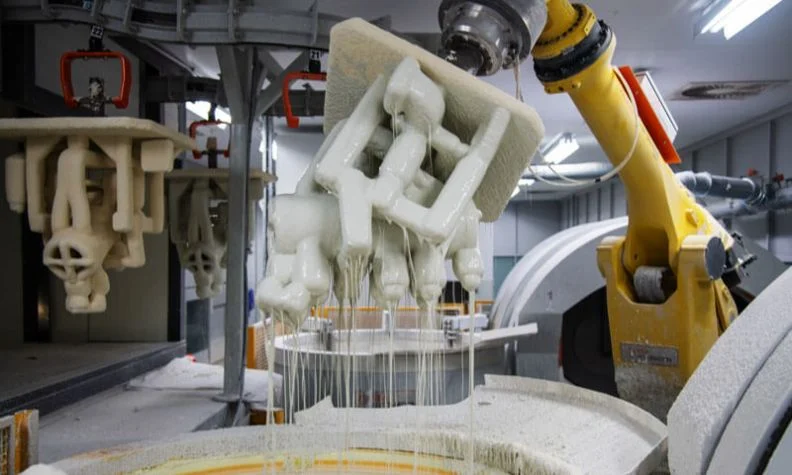
5.4 قوالب الشمع القابلة للذوبان في الصب
هذا أحد أكثر أنواع النوى إثارة للاهتمام.
مادة
- مركبات أساسها الشمع
- مواد قابلة للذوبان أساسها الملح
كيف تعمل؟
بعد صب القالب، تتم إزالة اللب بالطريقة التالية:
- ذوبان (الشمع)
- تذوب في الماء أو المواد الكيميائية (لب الملح)
المزايا
- مثالية في الأشكال الداخلية المعقدة.
- لا حاجة للاستئصال الميكانيكي.
- أسطح داخلية ناعمة للغاية
القيود
- قوة محدودة
- حساس للحرارة وقابل للتحمل الحراري.
مثال حقيقي
يتم تصنيع القنوات الداخلية المعقدة للغرسات الطبية ومكونات الفضاء الجوي باستخدام النوى القابلة للذوبان.
5.5 قوالب الصدف في الصب
تتميز النوى الصدفية بخفة وزنها ورقتها وقوتها.
مادة
- رمل مطلي بالراتنج
كيف تعمل؟
يتم صنع قالب ساخن لإنشاء طبقة رقيقة من الرمل والراتنج.
المزايا
- دقة عالية
- سطح أملس
- هيكل أساسي خفيف الوزن
القيود
- تكلفة أعلى من تكلفة عينات الرمل العادية
- مجموعة محدودة من المقاسات
مثال حقيقي
تُستخدم النوى الصدفية بشكل متكرر في أجزاء محركات السيارات مثل رؤوس الأسطوانات.
5.6 رمل مُرتبط بالراتنج / رمل زيتي النوى
تُصنع هذه النوى باستخدام مواد رابطة كيميائية لجعلها قوية.
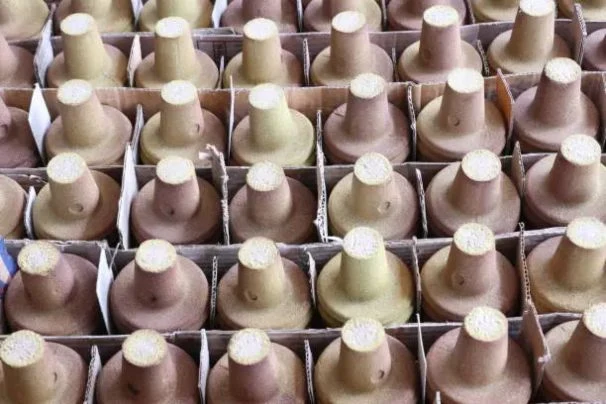
مادة
- مواد رابطة راتنجية
- مواد رابطة زيتية
المزايا
- قوة جيدة
- قابلية الانهيار البسيطة بعد الصب.
- أكثر دقة من عينات الرمل البسيطة.
القيود
- يلزم التعامل مع المواد الكيميائية
- تكلفة متوسطة
مثال حقيقي
تُستخدم النوى الراتنجية في المكونات الهيدروليكية وقطع صناعية متوسطة التعقيد.
6. الاختلافات المادية في القوالب في عملية الصب
سنقوم الآن بمقارنة المواد الأساسية بطريقة واضحة.
| النوع الأساسي | مقاومة الحرارة | دقة | يكلف | إمكانية إعادة الاستخدام |
| لب رملي | واسطة | واسطة | قليل | لا |
| قلب سيراميكي | عالية جداً | عالية جداً | عالي | لا |
| قلب معدني | عالي | واسطة | واسطة | نعم |
| قلب الشمع | قليل | عالي | واسطة | لا |
| قلب الغلاف | واسطة | عالي | متوسط-عالي | لا |
| لب راتنجي | واسطة | متوسط-عالي | واسطة | لا |
7. عملية تصنيع القوالب في الصب
دعونا نفهم كيف يتم صنع النوى خطوة بخطوة.
الخطوة الأولى: تحضير المواد
تُستخدم المواد الرابطة لتحضير الرمل أو مسحوق السيراميك أو الراتنج.
الخطوة الثانية: التشكيل
يتم استخدام صندوق أو قالب أساسي لتشكيل الخليط.
الخطوة 3: التصلب
- الخبز
- المعالجة الكيميائية
- التدفئة
الخطوة الرابعة: الفحص
يقوم المهندسون بفحص قوة المنتج ودقة حجمه.
الخطوة 5: التجميع
يتم صب المعدن بعد وضع القلب في القالب.
8. تقنيات إزالة اللب في الصب
يجب إزالة النوى بعد عملية الصب.
1. الإزالة الميكانيكية
تكسير عينات الرمل عن طريق الاهتزاز أو أدوات أخرى.
2. الإزالة الحرارية
إذابة أو حرق النوى المصنوعة من الشمع.
3. إزالة المواد الكيميائية
تذوب النوى القابلة للذوبان في الماء أو المواد الكيميائية.
تعتمد كلتا التقنيتين على المادة الأساسية.
9. تطبيقات القوالب في صناعة الصب
تستخدم جميع الصناعات الهندسية الثقيلة تقريباً القوالب.
صناعة السيارات
- كتل المحرك
- رؤوس الأسطوانات
- أجزاء ناقل الحركة
صناعة الطيران والفضاء
- شفرات التوربينات
- قنوات التبريد
الآلات الثقيلة
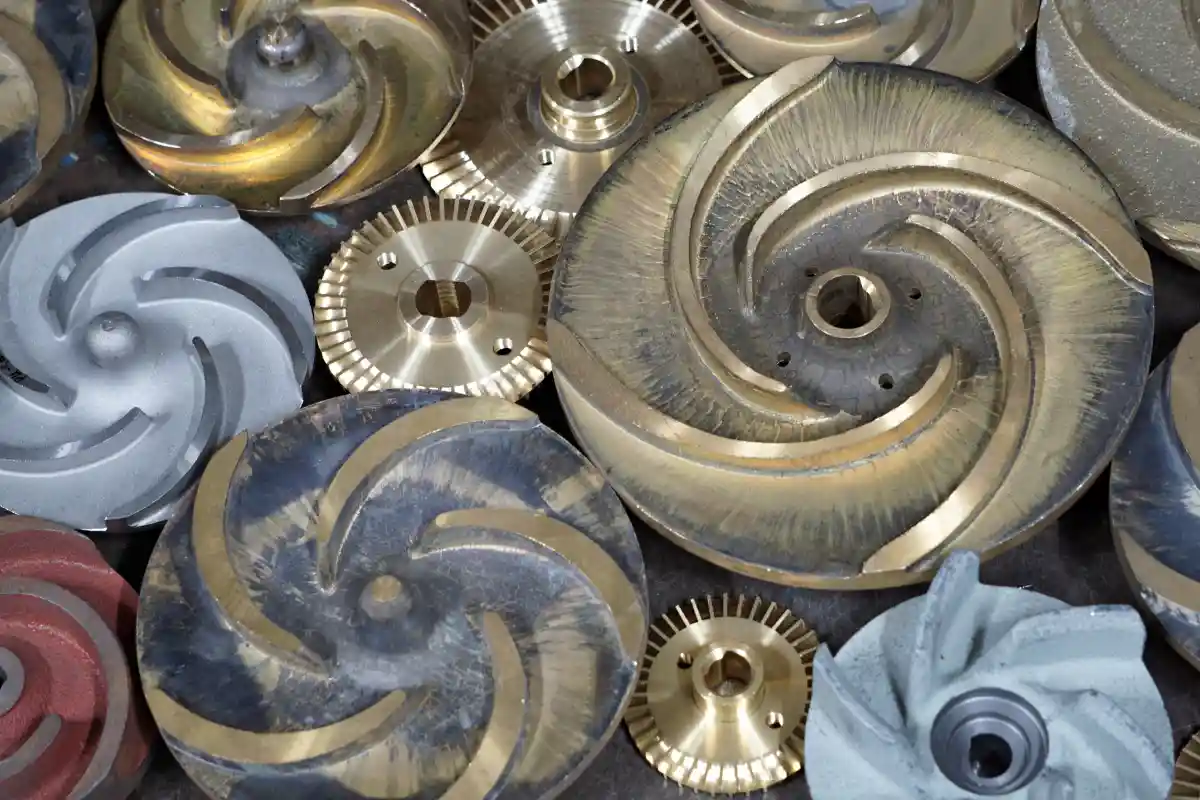
- مضخات
- أجسام الصمامات
- الأنظمة الهيدروليكية
المعدات الصناعية
- الضواغط
- علب التروس
10. مزايا استخدام القوالب في الصب
هناك العديد من المزايا لاستخدام النوى:
- من الممكن إنشاء أشكال داخلية معقدة.
- تقليل الحاجة إلى عمليات التشغيل الآلي
- انخفاض تكلفة الإنتاج في الإنتاج الضخم.
- زيادة قوة المنتج وأدائه.
- زيادة مرونة التصميم لدى المهندسين.
11. قيود القوالب في الصب
على الرغم من أن النوى مفيدة، إلا أنها تواجه صعوبات أيضاً:
- قابل للكسر أثناء النقل
- ارتفاع تكلفة النوى المتقدمة
- قد يصعب إزالة بعض التصاميم.
- تعتمد الجودة على دقة الإنتاج.
12. أحدث الابتكارات في قوالب الصب
تتطور تقنية الصب بسرعة.
1. الطباعة ثلاثية الأبعاد النوى
يقوم المهندسون الآن بطباعة قوالب الرمل مباشرة باستخدام طابعات ثلاثية الأبعاد. وهذا يتيح تشكيل أشكال معقدة للغاية.
2. مجلدات صديقة للبيئة
المواد الرابطة الجديدة تقلل من الانبعاثات الضارة في عملية الصب.
3. مركبات السيراميك المتقدمة
مقاوم للحرارة وأقوى من السيراميك التقليدي.
4. الأتمتة
تم استخدام الروبوتات للمساعدة في الإنتاج الأساسي ليكون دقيقًا وسريعًا.
13. الخاتمة
تُعدّ القوالب في عملية الصب من أهم جوانب التصنيع المعاصر. فبدونها، يكاد يكون من المستحيل صنع أشكال داخلية معقدة في المكونات المعدنية.
لقد تعلمت الآن كيفية استخدام أنواع مختلفة من النوى، وكيفية تصنيعها، وأين يتم تطبيقها في الصناعات الفعلية مثل السيارات والفضاء والآلات.
في شركة HDC للتصنيع، نستخدم تقنيات الصب المتقدمة وأنظمة أساسية دقيقة لتوفير مكونات صناعية عالية الجودة. نهتم دائمًا بالمتانة والدقة وكفاءة التكلفة لنقدم لكم حلولًا موثوقة لمشاريعكم.
في حال احتجت إلى استشارة مهنية، أو خدمات تصنيع خاصة، أو قطع مصبوبة عالية الجودة, ، يمكنك اتصل بنا اليوم. فريقنا على استعداد لمساعدتكم في تحديد عملية الصب المناسبة ونوع القالب الذي يلبي احتياجاتكم على أفضل وجه ويساعدكم على تحقيق أهدافكم الإنتاجية بالكامل.
الأسئلة الشائعة: النوى في الصب
1. ما هي استخدامات القوالب في عمليات الصب؟
يتم صنع الأشكال المجوفة أو الداخلية التي يتم تشكيلها في المسبوكات المعدنية باستخدام القوالب.
2. ما هي المادة الأساسية الأكثر شيوعًا في عمليات الصب؟
أكثرها شيوعاً هي النوى الرملية، وهي غير مكلفة وسهلة الصنع.
3. لماذا تُستخدم النوى الخزفية في صناعة الطيران والفضاء؟
وذلك بسبب درجة حرارتها العالية جداً وقدرتها على توفير أشكال داخلية دقيقة.
4. هل يمكن إعادة استخدام القوالب في عمليات الصب؟
النوى المعدنية هي النوى الوحيدة القابلة لإعادة الاستخدام. أما البقية فهي في الغالب للاستخدام لمرة واحدة.
5. ما هو اللب القابل للذوبان في عملية الصب؟
يُستخدم الشمع أو الملح لإنشاء لب قابل للذوبان تتم إزالته عن طريق الصهر أو الإذابة.
6. ما هو أفضل قلب للأشكال المعقدة؟
تُعدّ الأشكال الهندسية الداخلية المعقدة أفضل ما يمكن تحقيقه باستخدام نوى من السيراميك والشمع القابل للذوبان.
7. ما هي الصناعات التي تستخدم قوالب الصب أكثر من غيرها؟
تُستخدم هذه المنتجات على نطاق واسع في صناعات السيارات والفضاء والآلات الثقيلة والمعدات الصناعية.
8. ما هو مستقبل القوالب في صناعة الصب؟
إن مستقبل صب القوالب يتم تحديده من خلال الطباعة ثلاثية الأبعاد والمواد الصديقة للبيئة.