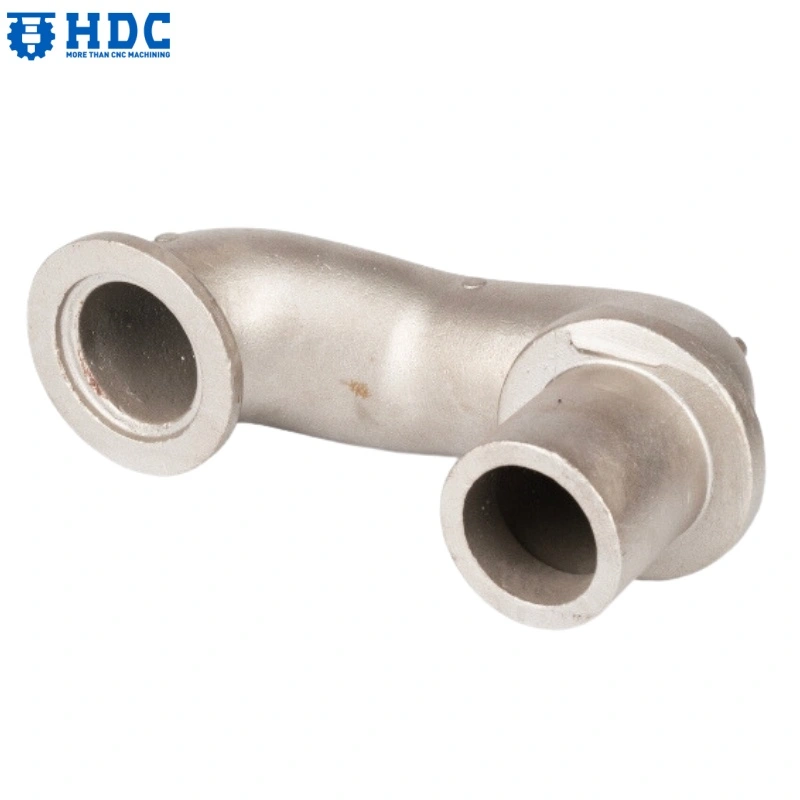
يُعدّ الفولاذ المقاوم للصدأ الفريتي، ثاني أكثر أنواع الفولاذ المقاوم للصدأ شيوعًا، مادةً شائعة الاستخدام في العديد من الصناعات نظرًا لخصائصه ومزاياه. ستقدم لكم هذه المدونة شرحًا مفصلًا للفولاذ المقاوم للصدأ الفريتي من حيث خصائصه وتطبيقاته وفوائده، مما يُساعدكم في تصميم منتجاتكم المعدنية حسب الطلب.
ما هو الفولاذ المقاوم للصدأ الفريتي؟
تعريف
الفولاذ المقاوم للصدأ الفريتي هو نوع من الفولاذ المقاوم للصدأ يتكون أساسه من الحديد، ويتميز بوجود الكروم (عادةً 10.5%-30%)، وانخفاض محتوى النيكل أو انعدامه.
يحافظ على بنية بلورية مكعبة مركزية الجسم (BCC) من درجة حرارة الغرفة وحتى درجات الحرارة العالية.
ما هو الفريت؟
الفريت هو بنية بلورية تتكون من ترتيب ذرات الحديد في نمط مكعب مركزي الجسم. هذه البنية المعدنية هي التي تحدد أن جميع أنواع الفولاذ الفريتي تمتلك خاصية المغناطيسية، وتمنحها قابلية تشكيل مميزة ومتانة عالية. 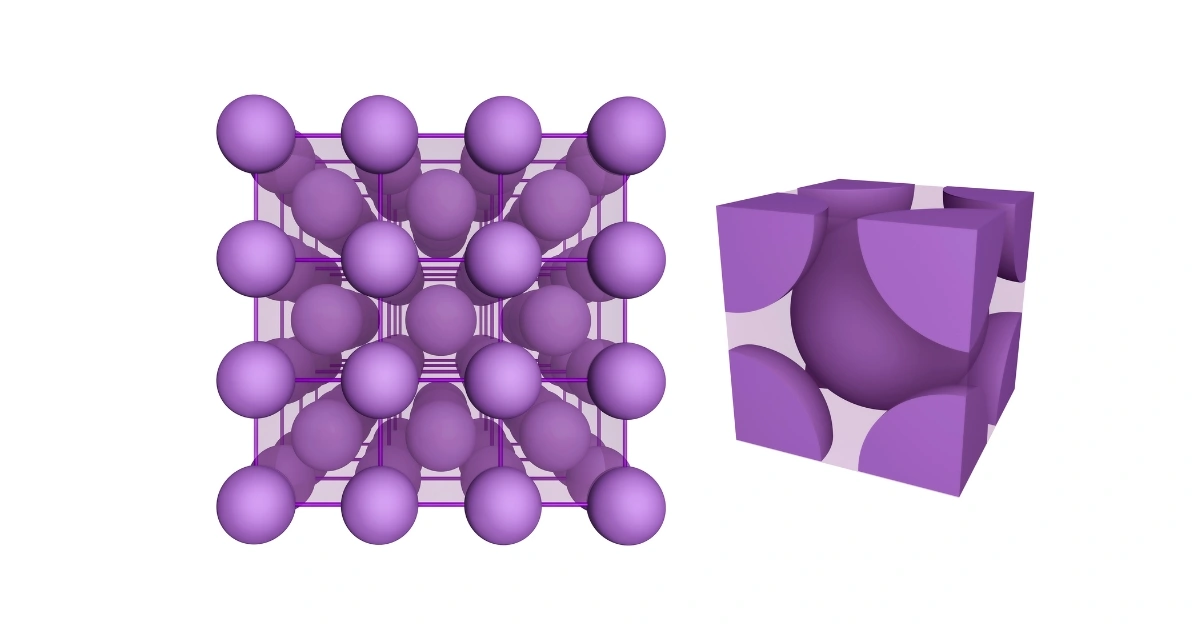
المكونات الكيميائية
| عنصر | محتوى |
| الحديد (Fe) | توازن |
| الكروم (Cr) | 10.5%-30% |
| النيكل (Ni) | ≤0.5% |
| الكربون (C) | ≤0.08% |
| المنغنيز (Mn) | ≤1.0% |
| السيلينيوم (Si) | ≤1.0% |
| الموليبدينوم (Mo) | 0.5–2.0% |
| النيوبيوم (Nb) / التيتانيوم (Ti) | كمية ضئيلة |
الخصائص الرئيسية للفولاذ المقاوم للصدأ الفريتي
الخصائص الفيزيائية
- مغناطيسي
- موصلية حرارية جيدة
- تمدد حراري منخفض
الخواص الكيميائية
- مقاومة جيدة للتآكل: خاصة في البيئات الجوية المعتدلة، وبيئات المياه العذبة، والبيئات التي تحتوي على مواد كيميائية خفيفة.
- مقاومة جيدة للأكسدة: حتى في بيئة ذات درجة حرارة عالية تتراوح بين 600-800 درجة مئوية.
الخواص الميكانيكية
- قوة شد وقوة خضوع متوسطة.
- المتانة: تتمتع بدرجة معينة من المتانة في درجة حرارة الغرفة، ولكن كلما انخفضت درجة الحرارة، كلما ساءت المتانة.
- قابلية التشكيل: عادة ما تكون لديه لدونة ضعيفة، خاصة في درجات الحرارة المنخفضة.
أنواع الفولاذ المقاوم للصدأ الفريتي الشائعة
430 الفولاذ المقاوم للصدأ
يحتوي الفولاذ المقاوم للصدأ 430 على الكروم 16-18% وهو أكثر أنواع الفولاذ المقاوم للصدأ الفريتي شيوعًا وتعددًا في الاستخدامات.
يتميز بمقاومة جيدة للتآكل في البيئات الجافة والمعتدلة.
إن قابليتها للحام ضعيفة نسبياً، مما يجعلها مناسبة لأساليب تصنيع الصفائح المعدنية مثل القطع والثني للتشكيل المتكامل.
تشمل التطبيقات الشائعة لـ 430 أغلفة أفران الميكروويف، وألواح جدران المصاعد، وأحواض المطابخ.
434 الفولاذ المقاوم للصدأ
يضيف الفولاذ المقاوم للصدأ 434 ما يقرب من 1% من الموليبدينوم إلى قاعدة 430. تعمل إضافة الموليبدينوم على تحسين مقاومة الفولاذ المقاوم للصدأ للتآكل النقطي والتآكل الشقوقي، مع زيادة طفيفة في تكلفته.
تشمل المكونات الشائعة في سيارة 434 مقابض أبواب السيارة، وأذرع المساحات، وبطانات غسالة الأطباق.
409 الفولاذ المقاوم للصدأ
يحتوي الفولاذ المقاوم للصدأ 409 على نسبة من الكروم تبلغ حوالي 11% ويحتوي على التيتانيوم، وهو عنصر مستقر.
تؤدي إضافة التيتانيوم إلى تحسين مقاومته للتآكل بين الحبيبات، مما يمنحه أداءً ممتازًا في اللحام.
بسبب انخفاض محتواه من الكروم، انخفضت تكلفته، لكن مقاومته للتآكل ضعفت بشكل ملحوظ.
تشمل التطبيقات الشائعة للمادة 409 أنابيب عادم السيارات، ومخمدات صوت السيارات، وأنابيب عادم المعدات الزراعية.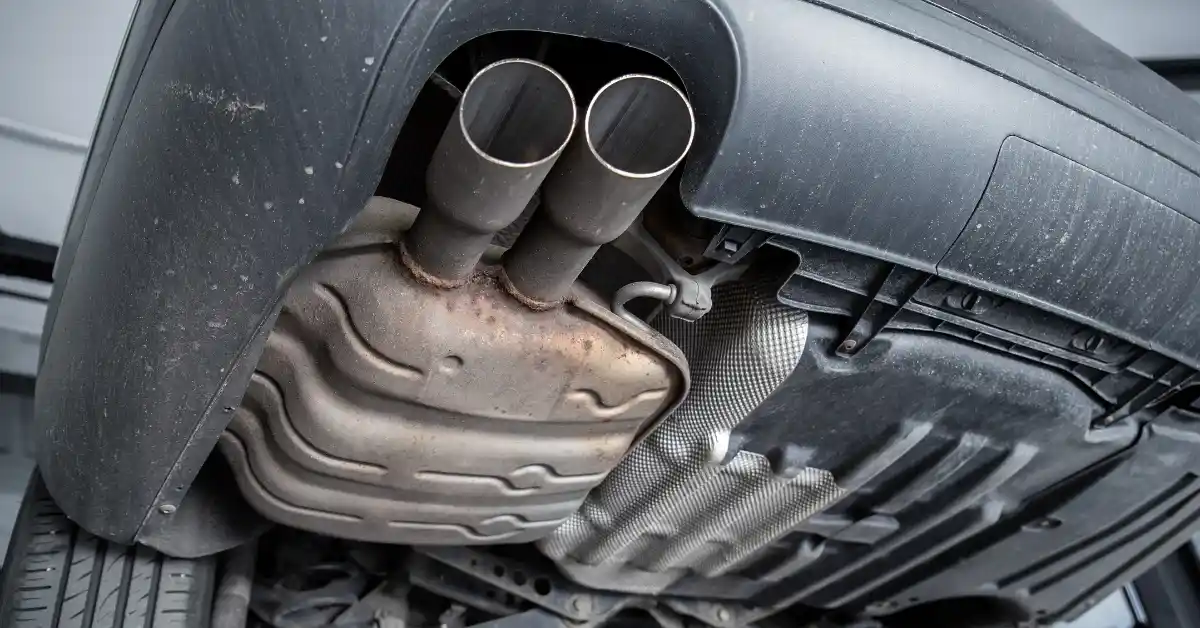
439 الفولاذ المقاوم للصدأ
يبلغ محتوى الكروم في الفولاذ المقاوم للصدأ 439 حوالي 17-19%، ويستخدم التيتانيوم كعنصر استقرار لتحسين مقاومة التآكل بين الحبيبات، لذلك يكون أداء اللحام ممتازًا.
يمكن تصنيع الأجزاء التي تتطلب أداءً عاليًا في اللحام ومقاومة جيدة للتآكل من الفولاذ 439، مثل بطانات سخانات المياه وخطوط أنابيب الغاز وما إلى ذلك.
الفولاذ المقاوم للصدأ 444
الفولاذ المقاوم للصدأ 444 هو فولاذ مقاوم للصدأ عالي الموليبدينوم يحتوي على 18-20% من الكروم، وحوالي 2% من الموليبدينوم، والنيوبيوم كعنصر استقرار - مما يمنع بشكل فعال التآكل بين الحبيبات.
إن وجود الموليبدينوم يمنحه مقاومة قوية للغاية للتآكل الناتج عن الإجهاد الكلوريدي والتآكل النقطي.
تشمل المنتجات الشائعة 444 خزانات تخزين المياه الساخنة ومواد تسقيف المباني الساحلية.
446 الفولاذ المقاوم للصدأ
الفولاذ المقاوم للصدأ 446 هو فولاذ مقاوم للصدأ حديدي عالي الكروم يحتوي على نسبة كروم تتراوح بين 23-27%، مما يمنحه مقاومة عالية للغاية للأكسدة في درجات الحرارة العالية وأقصى درجة حرارة مقاومة للحرارة تصل إلى 1100 درجة مئوية.
ومع ذلك، فإن تكلفته مرتفعة نسبياً بين أنواع الفولاذ المقاوم للصدأ الفريتي، وقابليته للتشغيل الآلي متوسطة بشكل عام.
تشمل منتجات الفولاذ المقاوم للصدأ 446 الشائعة أنابيب التلدين في الأفران الصناعية ومعدات المعالجة الحرارية.
المعايير الدولية وما يعادلها من الدرجات
| ايسي | EN (رقم المادة) | ايزو | جيس | المملكة المتحدة |
| 430 | 1.4016 | X6Cr17 | إس يو إس 430 | 10Cr17 |
| 434 | 1.4113 | X6CrMo17-1 | إس يو إس 434 | 10Cr17Mo |
| 409 | 1.4512 | X6CrTi12 | SUS409 | 06Cr11Ti |
| 439 | 1.4510 | X2CrTiNb18 | SUS439 | 022Cr18Ti |
| 444 | 1.4521 | X2CrMoTi18-2 | SUS444 | 019Cr18Mo2Ti |
| 446 | 1.4762 | X10CrMoSi25-4 | SUS446 | 16Cr25N |
مزايا وعيوب الفولاذ المقاوم للصدأ الفريتي
المزايا
- يضمن محتوى الكروم في الفولاذ المقاوم للصدأ الفريتي مقاومته الجيدة للتآكل. إذا كان منتجك المصمم خصيصًا يحتاج إلى تحمل بيئات ذات تآكل متوسط، فإن الفولاذ المقاوم للصدأ الفريتي يلبي احتياجاتك للاستخدام طويل الأمد.
- يتميز الفولاذ المقاوم للصدأ الفريتي بمقاومة جيدة للأكسدة في درجات الحرارة العالية ومعامل تمدد حراري منخفض، مما يضمن أن منتجات الفولاذ المقاوم للصدأ الفريتي لا تزال قادرة على الحفاظ على أداء جيد في بيئات الاستخدام ذات درجات الحرارة العالية.
- إن مرونة وصلابة الفولاذ المقاوم للصدأ الفريتي تجعله ممتازًا في المعالجة في درجة حرارة الغرفة، وإذا اخترت الفولاذ المقاوم للصدأ الفريتي كمادة إنتاج، فإن عملية الإنتاج بأكملها ستكون فعالة للغاية.
- يحتوي الفولاذ المقاوم للصدأ الفريتي على كمية قليلة جدًا من النيكل أو لا يحتوي عليه إطلاقًا، مما يؤدي إلى انخفاض تكاليف الإنتاج. إذا كان منتجك يولي أهمية قصوى لفعالية التكلفة، فإن الفولاذ المقاوم للصدأ الفريتي يُعد خيارًا مناسبًا.
العيوب
بالمقارنة مع أنواع الفولاذ المقاوم للصدأ الأخرى، فإن الفولاذ المقاوم للصدأ الفريتي له بعض العيوب في تطبيقات محددة.
- بالمقارنة مع الفولاذ المقاوم للصدأ الأوستنيتي، يتمتع الفولاذ المقاوم للصدأ الفريتي بمقاومة أقل نسبياً للتآكل، خاصة في البيئات الرطبة والكيميائية والتي تحتوي على الكلور.
- يتميز الفولاذ المقاوم للصدأ الفريتي بضعف قابلية اللحام، وبعد اللحام، يصبح هشًا، وتتكون فيه تشققات ساخنة، ويؤدي إلى تآكل بين الحبيبات، مما ينتج عنه جودة لحام رديئة بشكل عام.
- الفولاذ المقاوم للصدأ الفريتي ليس بنفس قوة الفولاذ المقاوم للصدأ الأوستنيتي والفولاذ المقاوم للصدأ PH، لذلك ليس له ميزة كبيرة في التطبيقات ذات متطلبات القوة العالية.
- في البيئات ذات درجات الحرارة المنخفضة، يتميز الفولاذ المقاوم للصدأ الفريتي بضعف اللدونة والمتانة، مما يجعله غير مناسب للتطبيقات ذات درجات الحرارة المنخفضة أو السيناريوهات التي تتطلب قوة شد عالية في المكونات.
طرق معالجة الفولاذ المقاوم للصدأ الفريتي
التصنيع باستخدام الحاسب الآلي
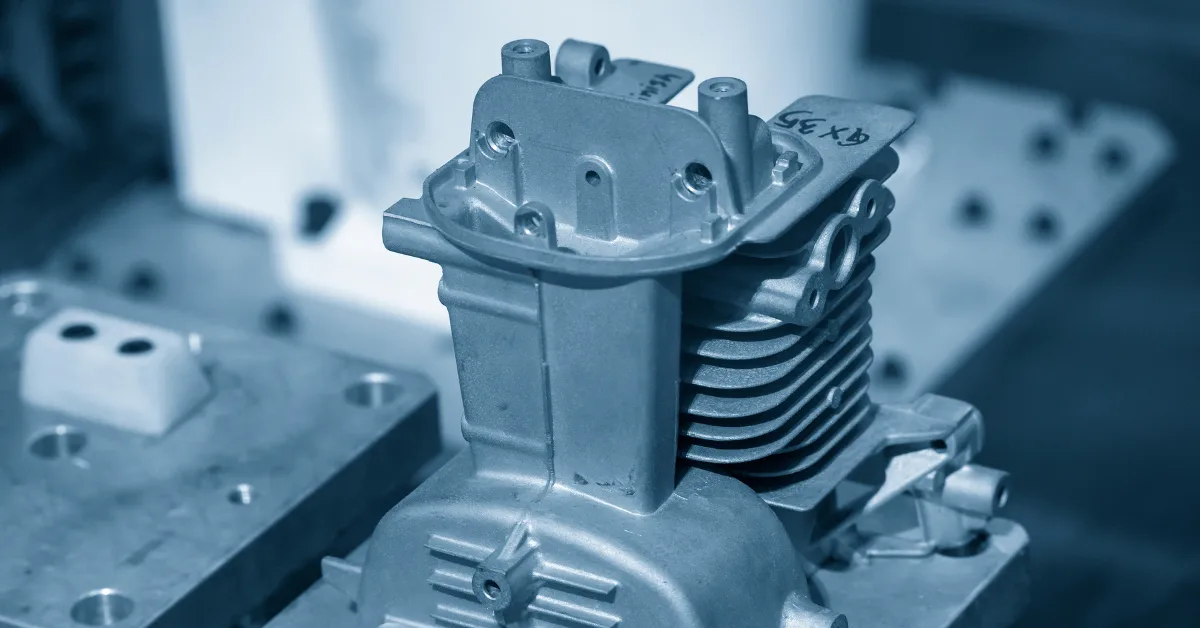
تعتبر عملية التصنيع باستخدام الحاسوب (CNC) الطريقة الأكثر شيوعًا لمعالجة الفولاذ المقاوم للصدأ الفريتي، حيث تنتج منتجات ذات دقة عالية وأسطح ناعمة وأداء ممتاز، مما يجعلها مناسبة للغاية للمشاريع المخصصة ذات الدفعات الصغيرة والمتوسطة.
ومع ذلك، من المهم ملاحظة أن ارتفاع درجة الحرارة الموضعي أثناء القطع يمكن أن يتسبب في تصلب السطح وتسريع تآكل الأداة.
يوصى باستخدام أدوات من الفولاذ عالي السرعة أو الكربيد، مع سرعات قطع متوسطة إلى منخفضة وسائل تبريد، لتحقيق نتائج تشغيل أفضل.
التشكيل الساخن
يمكن معالجة الفولاذ المقاوم للصدأ الفريتي بالحرارة، ولكن من الضروري التحكم بدقة في درجة حرارة قطعة العمل بين 950 و1250 درجة مئوية أثناء المعالجة.
ستؤدي درجة الحرارة المنخفضة جدًا إلى تصلب المادة، بينما ستؤدي درجة الحرارة المرتفعة جدًا إلى حبيبات خشنة، وانخفاض الخواص الميكانيكية ومقاومة التآكل.
لذلك، فهو أقل استخدامًا في المعالجة الحرارية ويستخدم بشكل أساسي لعدد قليل من الأجزاء ذات السماكة الكبيرة أو الأشكال الخاصة.
الاستثمار في الصب
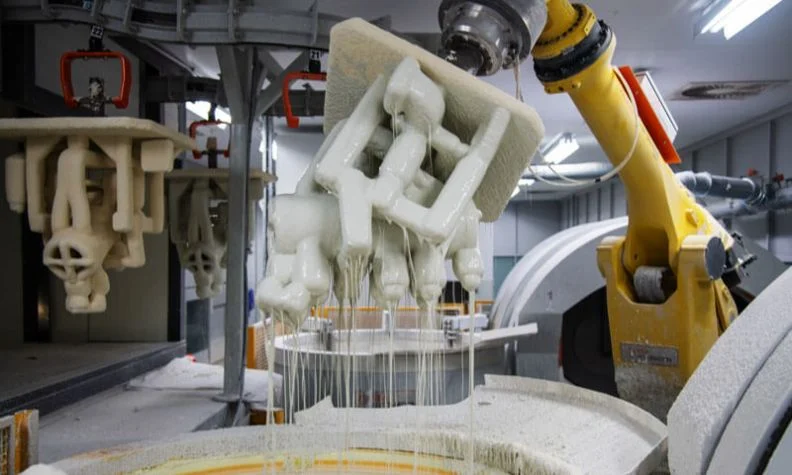
على الرغم من إمكانية استخدام الفولاذ المقاوم للصدأ الفريتي في عملية الصب الاستثماري، إلا أن سيولته الضعيفة وقابليته للتشقق البارد والتشقق بين الحبيبات أثناء التبريد السريع تحد من استخدامه.
لذلك، فإنه يستخدم عادة فقط في صب الدفعات الصغيرة من الأشكال المعقدة والأجزاء عالية الدقة.
يتطلب الأمر تحكمًا دقيقًا في درجة حرارة الانصهار وسرعة الصب وطريقة التبريد أثناء عملية الصب لمنع التشقق.
علاوة على ذلك، فإن التلدين بعد الصب ضروري لتخفيف الإجهاد وضمان الخصائص الميكانيكية ومقاومة التآكل.
القطع والثني
تُعد عمليات التشكيل على البارد، مثل الثني والختم، أكثر طرق المعالجة الصناعية شيوعًا للفولاذ المقاوم للصدأ الفريتي، وذلك بشكل رئيسي للسببين التاليين:
- انخفاض التكلفة ومقاومة جيدة للتآكل، مما يوفر مزايا من حيث التكلفة للتطبيقات واسعة النطاق.
- تستخدم عملية التشكيل على البارد صفائح رقيقة، مما يتجنب بشكل فعال عيوب اللدونة المحدودة والتصلب الناتج عن العمل للفولاذ المقاوم للصدأ الفريتي.
اللحام
تُعتبر قابلية لحام الفولاذ المقاوم للصدأ الفريتي متوسطة عمومًا. إذا لم يتم التحكم بدقة في كمية الحرارة المُدخلة للحام ودرجة الحرارة بين اللحامات أثناء عملية الإنتاج، فقد تحدث تشققات ساخنة في منطقة اللحام، مما يؤثر على أداء المنتج.
ومع ذلك، فإن اختيار الدرجات ذات قابلية اللحام الجيدة، مثل 439 و 444، يمكن أن يمنع بشكل فعال التآكل بين الحبيبات بعد اللحام.
معالجة السطح
- المعالجة الوظيفية: التخليل، التخميل، التلميع الكهربائي...
- المعالجات الزخرفية: التلميع، السفع الرملي، الطلاء...
تطبيقات الفولاذ المقاوم للصدأ الفريتي
- قطع غيار السيارات: أنابيب العادم، مشعبات العادم، كاتمات الصوت، مقابض الأبواب، أجزاء مساحات الزجاج الأمامي...
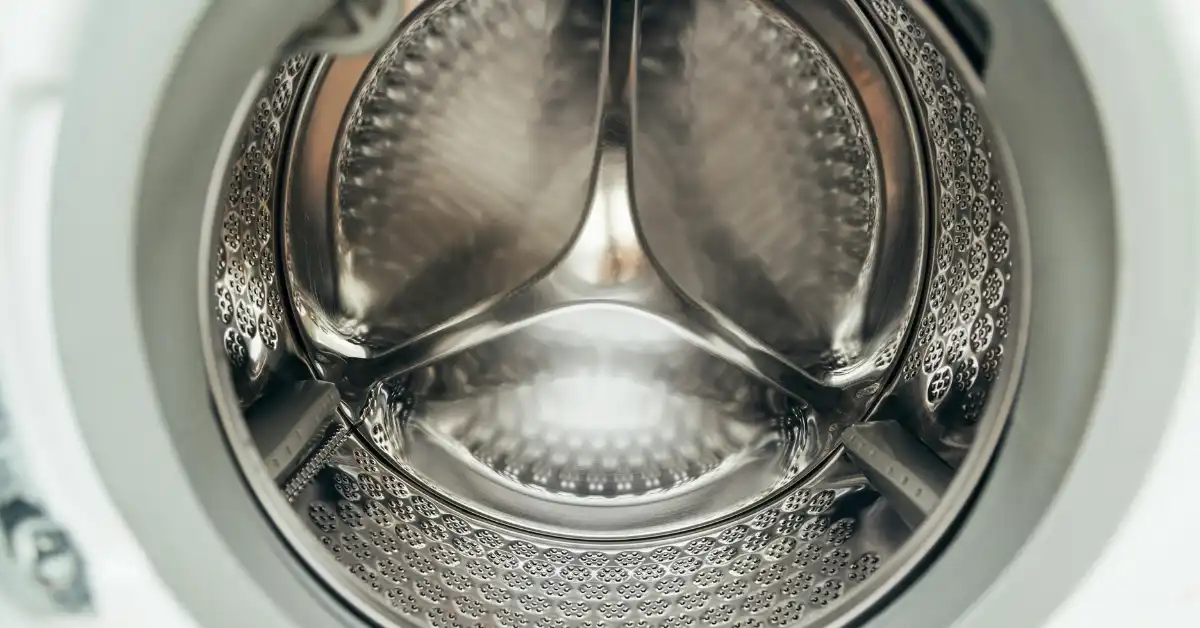
- الأجهزة المنزلية وأدوات المطبخ: بطانات سخانات المياه، وأحواض الغسالات، وأغلفة أفران الميكروويف، والأحواض، ومواقد الحث الحراري، والأواني...

- الهندسة المعمارية والديكور: ألواح أبواب المصاعد، ومفصلات الأبواب والنوافذ، والهياكل الإنشائية للمباني الساحلية...
- الصناعة والطاقة: أسطوانة الغلاية، خط أنابيب نقل المواد الكيميائية، أنبوب المبادل الحراري...
- السلع الاستهلاكية المعمرة: هياكل الدراجات النارية، أدوات التثبيت (البراغي، الصواميل)...
ملخص
لقد قدمت لكم هذه المدونة لمحة عامة عن خصائص الفولاذ المقاوم للصدأ الفريتي ومزاياه وتطبيقاته. إذا كنتم مهتمين بتخصيص منتجاتكم من الفولاذ المقاوم للصدأ الفريتي، فلا تترددوا في التواصل معنا للحصول على عرض سعر. نقدم خدمات متكاملة تشمل التشغيل الآلي، والصب الاستثماري، وتصنيع الصفائح المعدنية، ومعالجة الأسطح.
الأسئلة الشائعة
هل الفولاذ المقاوم للصدأ الفريتي مغناطيسي؟
نعم، ولن تختفي المغناطيسية تمامًا؛ فقد تضعف بسبب درجات الحرارة العالية أو المعالجة الباردة المكثفة.
ما الفرق بين الفولاذ المقاوم للصدأ الفريتي والفولاذ المقاوم للصدأ الأوستنيتي؟
الفولاذ المقاوم للصدأ الفريتي مغناطيسي، بينما الفولاذ المقاوم للصدأ الأوستنيتي غير مغناطيسي؛ مقاومة التآكل للفولاذ المقاوم للصدأ الفريتي أقل من مقاومة الفولاذ المقاوم للصدأ الأوستنيتي؛ الفولاذ المقاوم للصدأ الفريتي أرخص عموماً من الفولاذ المقاوم للصدأ الأوستنيتي.
هل الفولاذ المقاوم للصدأ الفريتي آمن للاستخدام مع الطعام؟
430 و 443 و 439 هي مواد صالحة للاستخدام مع الطعام، ولكن نظرًا لمقاومة التآكل المعتدلة للفولاذ المقاوم للصدأ الفريتي، فإن سلامتها الغذائية محدودة.
ما هو سعر الفولاذ المقاوم للصدأ الفريتي؟
بما أن الفولاذ المقاوم للصدأ الفريتي لا يحتوي على معدن النيكل الثمين، فإن سعره رخيص ومستقر نسبياً، وهو أقل بكثير من سعر الفولاذ المقاوم للصدأ الأوستنيتي.
ما هي طرق المعالجة التي يمكنكم توفيرها لقطع الفولاذ المقاوم للصدأ الفريتي المصممة حسب الطلب؟
بإمكاننا تقديم خدمات التصنيع باستخدام الحاسب الآلي، والتشكيل الساخن، والصب الاستثماري، والختم، والقطع، والثني، والتشطيب السطحي.
هل تدعمون ملفات أو عينات التصميم بمساعدة الحاسوب (CAD) التي يقدمها العملاء؟
نعم. نقوم بالتصنيع بناءً على رسومات العملاء أو ملفات CAD أو العينات المادية.