Al elegir acero inoxidable para un proyecto, se suele considerar la resistencia, la resistencia a la oxidación y el precio. Sin embargo, hay un aspecto que lo dicta todo: densidad del acero inoxidable.
La densidad del acero inoxidable indica el grado de pesadez del material en función de su tamaño. Esto influye en el coste de envío, la carga estructural, el diseño del producto e incluso la seguridad. Cualquier medida que ignore la densidad resultará en un cálculo erróneo del peso, la carga de un edificio o un gasto innecesario en el transporte.
En esta guía, comprenderá la densidad del acero inoxidable de forma sencilla. Encontrará cifras reales, ejemplos prácticos, tablas comparativas y fórmulas sencillas. Al final, comprenderá perfectamente cómo calcular el peso, comparar grados y seleccionar el material adecuado para su proyecto.
¿Qué es la densidad del acero inoxidable?
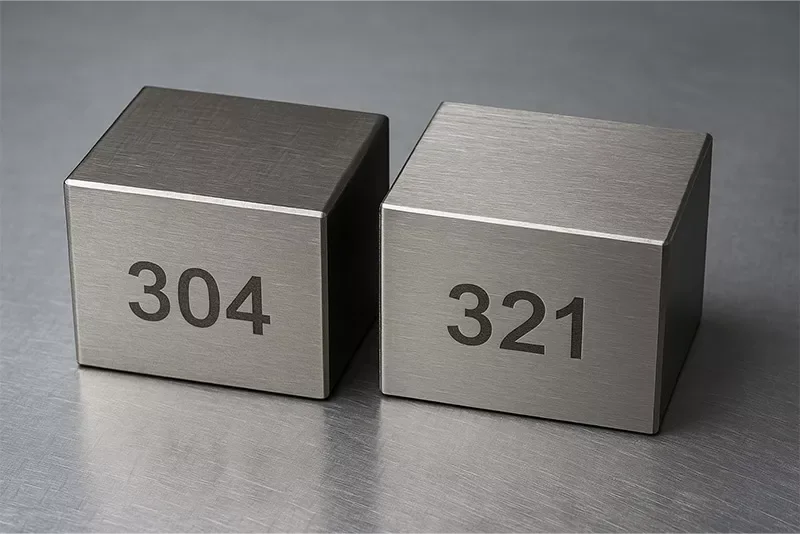
En pocas palabras, la densidad indica el grado de compacidad de los átomos contenidos en un trozo de acero. Al usar un pequeño cubo de madera del mismo tamaño, el acero se sentirá incluso más pesado, ya que tiene mayor densidad.
Por qué es importante en 2026
En la ingeniería actual, buscamos la eficiencia. El Daniel de la densidad ayuda a los ingenieros a determinar el peso exacto de un puente o de una parte de un automóvil incluso antes de construirlo. Esto evitaría el desperdicio de materiales costosos y aumentaría la seguridad de las estructuras.
Cómo afecta la densidad a su proyecto
- Peso: El aumento de densidad se traduce en un mayor peso del producto.
- Fortaleza: La densidad no es necesariamente resistencia, pero comúnmente es proporcional a la cantidad de material para soportar la fuerza.
- Costo: Los metales se pueden vender por peso. Conociendo la densidad, podrá prever su presupuesto.
¿Qué es la densidad?
Consideremos dos maletas iguales. Una está llena de palomitas y la otra, de ladrillos de oro. Ocupan el mismo volumen, pero la de oro pesa mucho más. Esa diferencia es la densidad.
La fórmula de la densidad
Esta aritmética básica dirá la densidad de cualquier objeto:
Dónde:
- ρ = densidad
- m = masa
- V = volumen
La densidad determina el peso de un material para un volumen determinado. En proyectos de fundición y mecanizado, la densidad afecta directamente el peso de la pieza, el rendimiento estructural y el coste del material.
Unidades que verás
- g/cm³: Gramos por centímetro cúbico (usualmente usado en el laboratorio).
- kg/m³: Kilogramos por metro cúbico (norma internacional).
- lb/pulgada³: Libras por pulgada cúbica (común en los EE.UU.).
Densidad del acero inoxidable en cifras
La mayoría de los grados de acero inoxidable se encuentran dentro de un rango específico. No es necesario adivinar, pero puede confiar en estos valores estándar:
- Rango promedio: 7,7 a 8,0 g/cm³.
- Métrica estándar: 7.750 a 8.050 kg/m³.
- Material estándar: 0,28 a 0,29 lb/pulg³.
Tabla de conversión de unidades
| Unidad | Valor estándar (aprox.) |
| Gramos por centímetro cúbico (g/cm³) | 7.93 |
| Kilogramos por metro cúbico (kg/m³) | 7,930 |
| Libras por pulgada cúbica (lb/in³) | 0.286 |
Densidad del acero inoxidable por grados
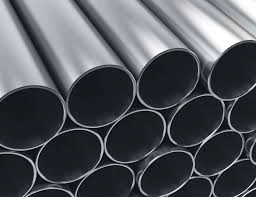
El acero inoxidable no se presenta en todas las formas. La densidad varía según las diferentes recetas (aleaciones).
Acero inoxidable 304 Densidad
Este uno es el 18/8 que también se conoce como el acero clásico, que tiene Cromo 18% y níquel 8%. Lo encontrarás en el fregadero de tu cocina, en ollas y sartenes.
- Densidad: 7,93 g/cm³ (7930 kg/m³)
- La diferencia: Dado que es el grado más extendido en el mundo, su densidad constituye el estándar global de pesos en la industria manufacturera. Cuando alguien se refiere al peso general del acero sin especificar su grado, probablemente se refiere al 304.
Acero inoxidable 316 Densidad
Se le conoce comúnmente como grado marino porque el 316 está construido para soportar condiciones adversas como las del océano y las plantas químicas.
- Densidad: 8,00 g/cm³ (8.000 kg/m³)
- La diferencia: El molibdeno es un elemento pesado. Su peso es 316, ligeramente superior al del 304, cuando se añade solo en 2%. Aunque la diferencia pueda parecer insignificante, suma cientos de libras en la construcción de grandes tanques químicos.
Densidad del acero inoxidable 430
Es un acero ferrítico, que es magnético (no el 304). Se aplica comúnmente en las molduras de automóviles y en el interior de lavavajillas.
- Densidad: 7,75 g/cm³ (7750 kg/m³)
- La diferencia: Este grado no contiene níquel. Dado que el níquel es un metal pesado, su eliminación lo hace significativamente más ligero y económico.
Acero inoxidable dúplex Densidad
El acero que combina ambos mundos se conoce como acero dúplex (como el grado 2205). Combina dos estructuras atómicas diferentes para formar un material muy resistente, como en el caso de los oleoductos y gasoductos.
- Densidad: ~7,80 g/cm³ (7.800 kg/m³)
- La diferencia: El dúplex proporciona una densidad entre el cromo y el níquel mediante un equilibrio entre ambos. Ofrece una potencia excepcional sin el peso adicional de la serie 300.
Recursos: Tabla de densidad de materiales metálicos comunes y metales de aleación
Factores que afectan la densidad
¿Por qué no una sola figura de acero? Hay varias variables de fondo que se ajustan mediante manos ocultas:
Elementos de aleación
Este es el elemento más grande. Los contenidos, como el níquel (8,90 g/cm³) y molibdeno (10,2 g/cm³), Son mucho más pesados que el hierro. Cuanto mayor sea la cantidad de estos en la receta, mayor será la densidad del extremo de la placa de acero.
La temperatura
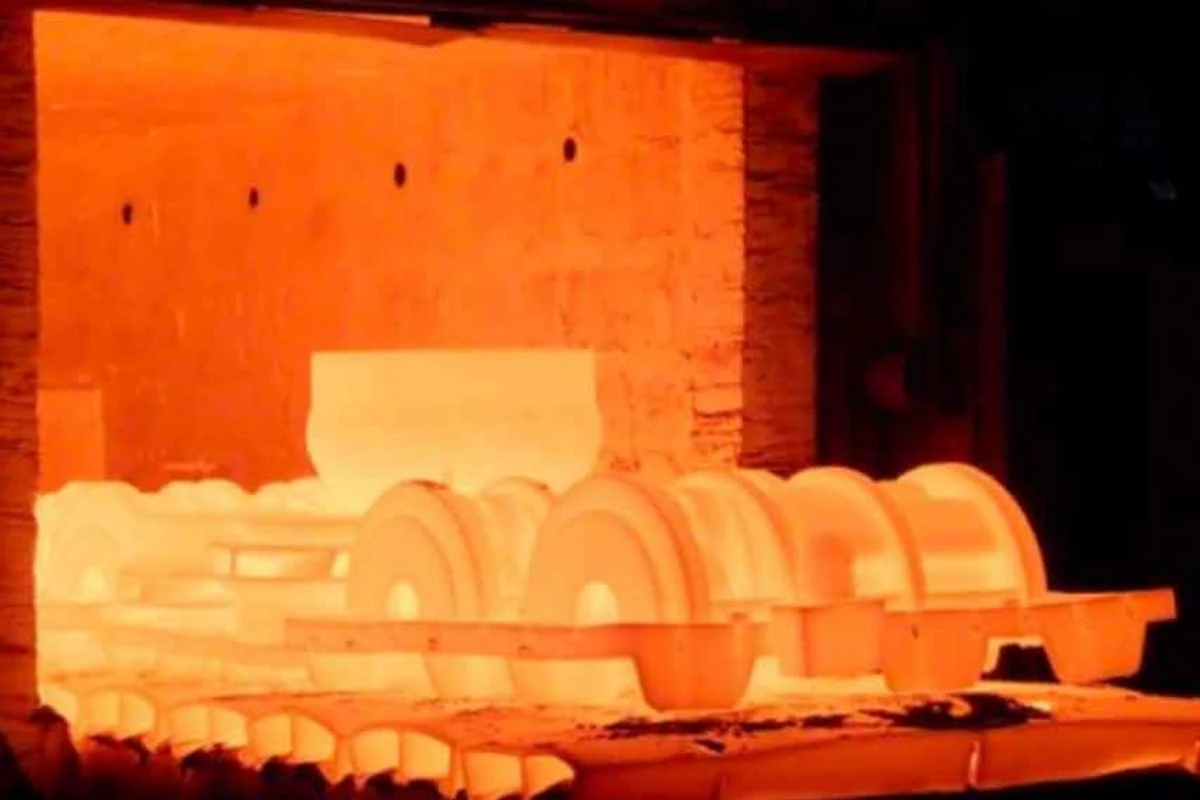
Es una ley física que los metales se expanden al calentarse. El crecimiento de la masa no altera el volumen (el espacio que ocupa). En consecuencia, la densidad disminuye al aumentar la temperatura. Por ello, el cálculo de las piezas de un motor de alta temperatura debe tener en cuenta la densidad en caliente.
Proceso de fabricación
El acero laminado en frío se prensa a alta presión a temperatura ambiente, lo que puede hacer que la estructura del grano sea bastante compacta y uniforme.
- Acero laminado en caliente se deja enfriar después de estar en un estado de alta temperatura, lo que ocasionalmente da como resultado diferencias bastante menores en la forma en que se organizan los átomos en comparación con las barras con acabado en frío.
Densidad del acero inoxidable frente a otros metales
Al seleccionar un material para un proyecto, es importante tener en cuenta la comparación entre el acero inoxidable y sus competidores. Generalmente, se trata de una lucha entre el peso y la durabilidad.
Acero inoxidable vs. acero al carbono
Estos dos son primos. El acero al carbono está compuesto principalmente de hierro y carbono, con la adición de cromo del acero inoxidable.
- El veredicto: El acero inoxidable tiene una diferencia de peso de aproximadamente 1,51 TP3T respecto al acero al carbono. Puede que tengan la misma experiencia en sus manos, pero esa diferencia de 1,51 TP3T puede costarle miles de dólares en combustible adicional mientras desarrolla una flota de contenedores de envío.
Acero inoxidable vs. aluminio
Es la comparación más común en las industrias automotriz y aeroespacial.
- El veredicto: El aluminio es el "peso pluma". Es casi tres veces más ligero que el acero inoxidable, con una densidad de 2,7 g/cm³. Sin embargo, a menudo es necesario usar una pieza de aluminio, que es muy gruesa, para que sea equivalente a una pieza muy delgada de acero.
Acero inoxidable vs. latón
El latón es hermoso y es muy bueno en plomería, pero es un peso pesado.
- El veredicto: La densidad del latón es de aproximadamente 8,5 g/cm³. Al sustituir una pieza de acero inoxidable por una de latón, su presupuesto se sentirá inmediatamente mucho más elevado y rápidamente más sofisticado, aunque eso lo encarezca.
Tabla comparativa detallada de densidades de metales
Esta tabla puede explicar no solo el peso, sino también por qué se seleccionan estos metales y la sensación de estos metales en comparación con el acero inoxidable 304, estándar de la industria.
| Metal | Densidad (g/cm³) | Densidad (lb/in3) | Comparación de peso | Mejor uso para |
| Acero inoxidable (304) | 7.93 | 0.286 | El estándar | Procesamiento de alimentos, tubos estructurales y utensilios de cocina. |
| Aluminio (6061) | 2.70 | 0.098 | Encendedor ~66% | Dónde el peso es el enemigo aeroespacial, cuadros de bicicletas y piezas. |
| Acero al carbono (A36) | 7.85 | 0.284 | Encendedor ~1% | Vigas de construcción, chasis de automóviles y maquinaria pesada. |
| Latón (C360) | 8.50 | 0.307 | ~7% Más pesado | Instrumentos musicales, tiras ornamentales y engranajes de baja fricción. |
| Cobre (puro) | 8.96 | 0.324 | ~13% Más pesado | Intercambiadores de calor, utensilios de cocina de alta gama y cableado eléctrico. |
| Titanio (Gr5) | 4.43 | 0.160 | ~44% Más pesado | Implantes médicos y motores a reacción. |
Cómo calcular el peso usando la densidad
No hace falta ser un genio de las matemáticas para calcular cuánto pesará el acero. Basta con conseguir una calculadora y seguir dos sencillos pasos:
La fórmula
Primero se necesitará el volumen para determinar el peso y luego lo multiplicarás por la densidad.
Calcular volumen:Volumen = Largo × Ancho × Grosor
Calcular peso:Peso = Volumen × Densidad
Ejemplo del mundo real
Considere el caso de una lámina grande de acero inoxidable 304 que desea pedir para usar como protector contra salpicaduras en la cocina.
Dimensiones: 200 cm de largo, 100 cm de ancho y 0,5 cm de profundidad.
Paso 1 (Volumen): 200 × 100 × 0,5 = 10.000 cm³
Paso 2 (Peso): 10.000 cm³ × 7,93 g/cm³ = 79.300 g
Conversión de unidades: 79,300 g = 79,3 kg 79,3 kg ≈ 174,8 libras
Resultado:Su sábana pesa 79,3 kg (aproximadamente 174,8 libras).
Consejo profesional para 2026
¡Nunca olvides que es difícil que tus unidades sean las mismas! Al medir tu hoja en pulgadas, debes usar la densidad en lb/pulgada³ (0,286). Cuando se utilizan centímetros, entonces g/cm³ (7,93). ¡El error más común que la gente comete al planificar materiales es mezclarlos!
Por qué la densidad del acero inoxidable es importante en la ingeniería
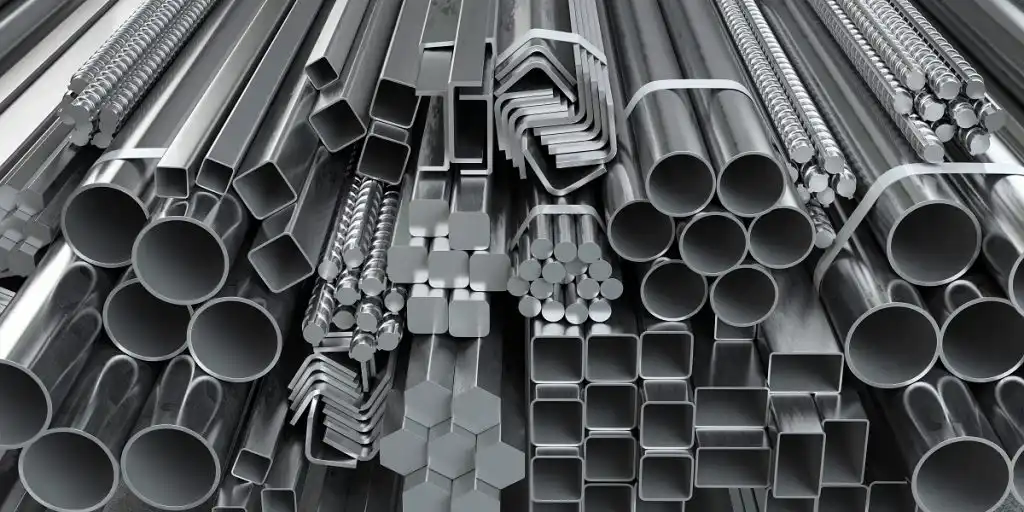
En ingeniería profesional, la densidad no es una cifra en una hoja de datos; es una variable en todos los cálculos donde es crítica. Por eso la seguimos con tanta frecuencia:
Soporte de carga estructural
Cada viga o soporte de cualquier edificio debe soportar su propio peso, así como el de los ocupantes o el equipo que alberga. Al trabajar con acero inoxidable de alta densidad, la carga muerta (peso de la propia estructura) aumenta. Los ingenieros deben determinar con precisión esta densidad para garantizar que la cimentación no se agriete bajo el peso del propio metal.
Equilibrado de precisión
En la maquinaria rotatoria, es esencial que la densidad sea perfectamente uniforme, como en el caso de los ventiladores industriales o los álabes de turbinas. Una mínima diferencia de densidad en una pieza de acero provocaría vibraciones que dañarían la máquina a alta velocidad.
Envíos y logística
Cuesta dinero cuando se trata de mover miles de tubos de acero, los fabricantes pueden saber la cantidad de unidades que cabrán en el envío sin sobrecargar el barco o pagar cargos más altos como resultado del sobrepeso.
Eficiencia de combustible en el transporte
En las industrias automotriz y aeroespacial, la reducción del peso en vacío es el objetivo clave. Si bien se selecciona el acero inoxidable por su facilidad de calentamiento, los ingenieros suelen buscar el tipo denso más reciente (como el 430) para que el vehículo sea ligero y eficiente en el consumo de combustible.
Densidad del acero inoxidable en diferentes formas
Esta es una pregunta que escuchamos con frecuencia y es de la naturaleza de “¿Tiene una lámina delgada de acero una densidad diferente a la de una barra sólida y gruesa?” Sí, no. La densidad es una propiedad intrínseca; es decir, permanece inalterada independientemente de la forma. Sin embargo, el espacio altera radicalmente los métodos de cálculo del peso total.
- Hojas y placas: Área de superficie (Largo x Ancho) x Grosor x Densidad se calculan para determinar el peso.
- Varillas y barras sólidas: Tomamos el producto del volumen de un cilindro (pi × radio^2 × Longitud) y densidad.
- Tubos y tuberías huecos: Solo se debe calcular la capa exterior. Se suma el volumen total del cilindro y el volumen total del aire extraído del centro, y se resta este último.
- La forma “Mito”: Aunque la masa del material no disminuye, la densidad aparente de un conjunto de tuberías es mucho menor que la densidad aparente de un bloque sólido debido a los poros de aire entre ellos.
Temperatura vs. densidad del acero inoxidable
El ladrón silencioso de la densidad es la temperatura. La expansión térmica aumenta a medida que el acero inoxidable se calienta.
A altas temperaturas
Los átomos del acero comienzan a vibrar a alta energía. Esto los separa aún más, y el metal ocupa más espacio (mayor volumen). Como la masa no se ha alterado, la densidad disminuye. Como se puede observar, una pieza de acero inoxidable 304 a 500 °C es aproximadamente 2% menos densa que a temperatura ambiente.
A temperaturas criogénicas
Cuando el acero se congela (se almacena en nitrógeno líquido, etc.), los átomos se acercan y el metal es ligeramente más denso y quebradizo.
Impacto industrial
Esto es esencial para calderas, motores a reacción y sistemas de escape. Un ingeniero podría no considerar el efecto del calor, es decir, la pérdida de densidad y espesor hace que la fuerza rompa la pieza.
Aplicaciones prácticas donde la densidad importa
- Industria de Alimentos y Bebidas: Los tanques de fermentación de soda o cerveza, que son de gran tamaño, están hechos de acero 304. La densidad es uniforme y, por lo tanto, pueden construirse con paredes delgadas, no muy gruesas, pero lo suficientemente resistentes como para contener miles de galones de líquido.
- Dispositivos médicos: Los instrumentos quirúrgicos requieren de elementos que sean cómodos de manipular. El acero inoxidable 316 se utiliza debido a su existencia en alta densidad, lo que proporciona a los bisturíes y fórceps un peso equilibrado, lo que les permite realizar movimientos más precisos durante una operación.
- Oleoductos y gasoductos: Estas tuberías suelen ubicarse en el fondo del océano. Los ingenieros deben estimar la densidad del acero para que la tubería sea lo suficientemente pesada como para permanecer sumergida y no flotar ni moverse cuando no hay agua en su interior.
Errores comunes sobre la densidad del acero inoxidable
Incluso los profesionales pueden fallar. Hay tres trampas que conviene evitar:
- “El acero es acero”. Supuesto: Una gran parte de la gente asumiría que todo está hecho de 7,85 g/cm³ (densidad del acero al carbono). Cuando se piden 10 toneladas de acero inoxidable 316 (8,00 g/cm³), perderás tu estimación de peso por 300 libras.
- Errores en la conversión de unidades: Es muy fácil multiplicar accidentalmente estos números juntos en g/cm³. Nunca mezcle su densidad con diferentes sistemas, por ejemplo, todos métricos o todos imperiales.
- Ignorando la “brecha de aleación”: Es bien sabido que, dado que el 304 y el 316 parecen iguales, deben pesar lo mismo. Como hemos visto, el 316 es más pesado. En la producción en masa, esta diferencia de aleación puede causar grandes retrasos en el envío cuando se recibe el camión y se descubre que la documentación era más precisa que la masa real de la carga.
Tabla de conversión de densidad de acero inoxidable
Esta es una lista de 2026 tablas de referencia rápida que permiten moverse entre sistemas de medición.
| De | A | Multiplicar por | Ejemplo | Cuándo usarlo |
|---|---|---|---|---|
| g/cm³ | kg/m³ | 1000 | 7.93 → 7930 | En el cálculo de masa en contenedores de envío de gran escala. |
| g/cm³ | lb/in³ | 0.03613 | 7.93 → 0,286 lb/pulgada³ | Al transferir una muestra de laboratorio a un taller en EE.UU. |
| lb/in³ | g/cm³ | 27.68 | 0.286 → 7,92 g/cm³ | Tienes los planos de EE.UU., pero estás obligado a pedirlos a los proveedores internacionales. |
| kg/m³ | lb/ft³ | 0.06243 | 7930 → 495 libras/pie³ | En arquitectura, carga estructural del suelo. |
| lb/ft³ | kg/m³ | 16.02 | 495 → 7930 kg/m³ | Al transformar códigos de construcción entre sistemas imperiales y métricos. |
| g/cm³ | lb/ft³ | 62.43 | 7.93 → 495 libras/pie³ | “Atajo” rápido en peso de acero arquitectónico de gran volumen. |
Conclusión
Aprender sobre el concepto de densidad puede ayudarle a seleccionar el producto adecuado, ahorrar en costos de transporte y crear productos duraderos. La densidad es la base de sus cálculos de ingeniería, ya sea que se decida por el acero 304 por su versatilidad o por el 316 por su durabilidad.
En HDC Manufacturing, somos expertos en producción de precisión y selección de materiales. Si necesita asesoramiento profesional sobre el tipo de acero inoxidable que debe utilizar según sus necesidades de peso y resistencia, nuestro personal está a su disposición. Nos gustaría que nos contactara hoy mismo para hablar sobre su próximo proyecto y cómo podemos hacerlo realidad con la mayor perfección posible.
preguntas frecuentes
¿El acero inoxidable es más pesado que el acero normal?
Sí, un poco. La mayoría de los tipos de acero inoxidable (como el 304) tienen una densidad de 7,93 g/cm³, mientras que el acero al carbono típico tiene una densidad de 7,85 g/cm³.
¿Cómo calculo el peso de una tubería de acero inoxidable?
Divida el volumen del cilindro exterior y el volumen del espacio hueco interior y multiplique la diferencia por la densidad del grado de acero.
¿Por qué se utiliza más el aluminio que el acero inoxidable en los aviones?
Debido a que la densidad del aluminio (2,7 g/cm³) es mucho menor en comparación con el acero inoxidable (7,93 g/cm³), Es considerablemente más ligero y consume menos combustible al volar.