Muchos de ustedes quizás hayan comparado el acero inoxidable con el cromo y hayan pensado que son lo mismo. Pues bien, les vamos a decir que no lo son. En muchas regiones del mundo, a menudo se usan indistintamente, pero en este blog desvelaremos la verdad sobre estos dos materiales.
Este blog se centrará en ayudarte a identificar las diferentes opciones para que sepas qué usar en cada situación. ¡Después de leerlo, no tendrás que adivinar más! ¡Consigue lo que mejor te funcione y olvídate del tema!
Comprensión de los materiales
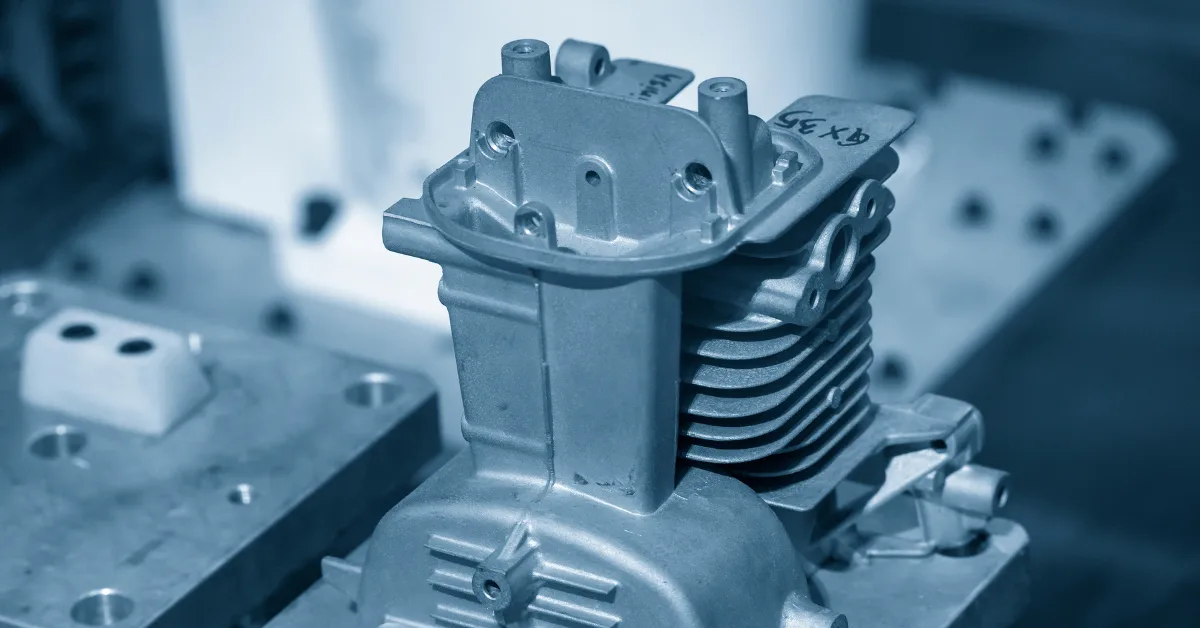
Fuente: Capitán de la ARC
Existen dos maneras distintas de abordar y comprender esto. Las preguntas clave son: ¿estamos comparando el acero inoxidable con el cromo o el recubrimiento/elemento de cromo? ¿O lo estamos comparando con el acero al cromo, que es otro tipo de acero?
Para una mejor comparación, analicémoslos de forma independiente y asegurémonos de comprenderlos por completo.
¿Qué es el acero inoxidable?
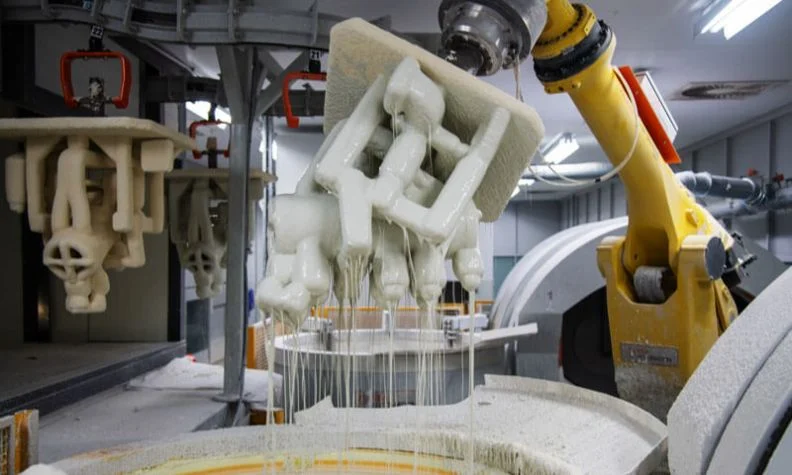
 Fuente: Metales Mead
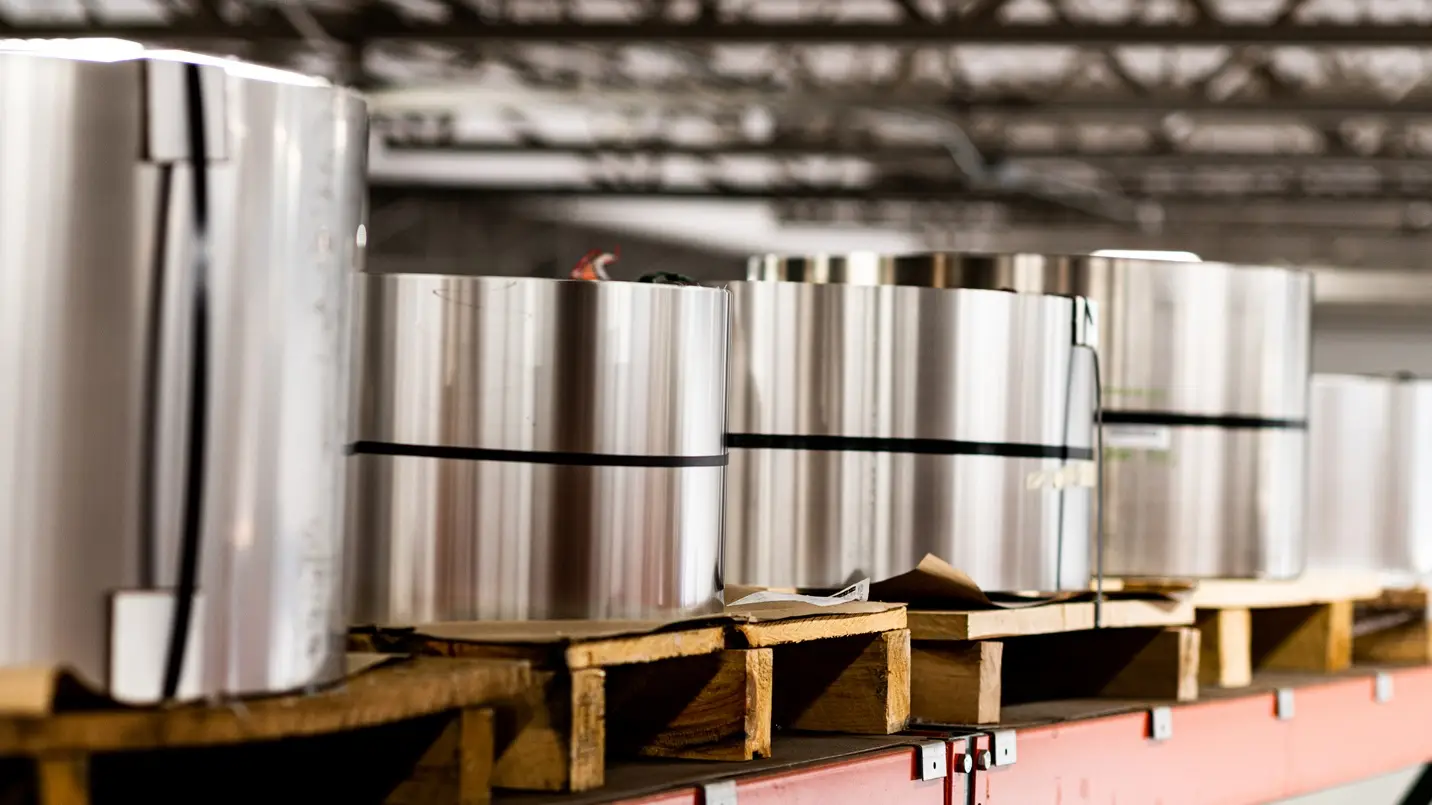
Acero inoxidable Es un metal a base de hierro que contiene al menos un 10,51% de cromo. Este cromo reacciona con el oxígeno y forma una fina capa superficial que ayuda a retardar la oxidación. Muchos grados también incluyen níquel o molibdeno para mejorar su resistencia y protección contra la corrosión.
Gracias a esta combinación, el acero inoxidable se utiliza ampliamente en cocinas, instrumental médico y construcción. Está diseñado para soportar la humedad, el calor y el desgaste diario sin deteriorarse rápidamente.
¿Qué es Chrome?
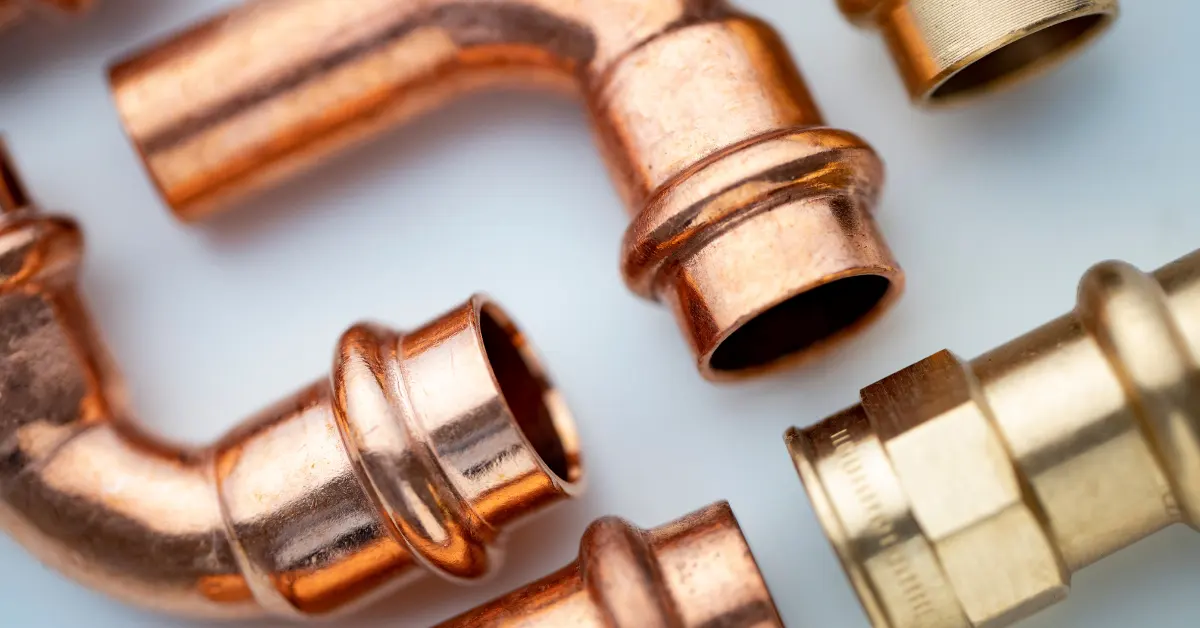
Fuente: RP principal
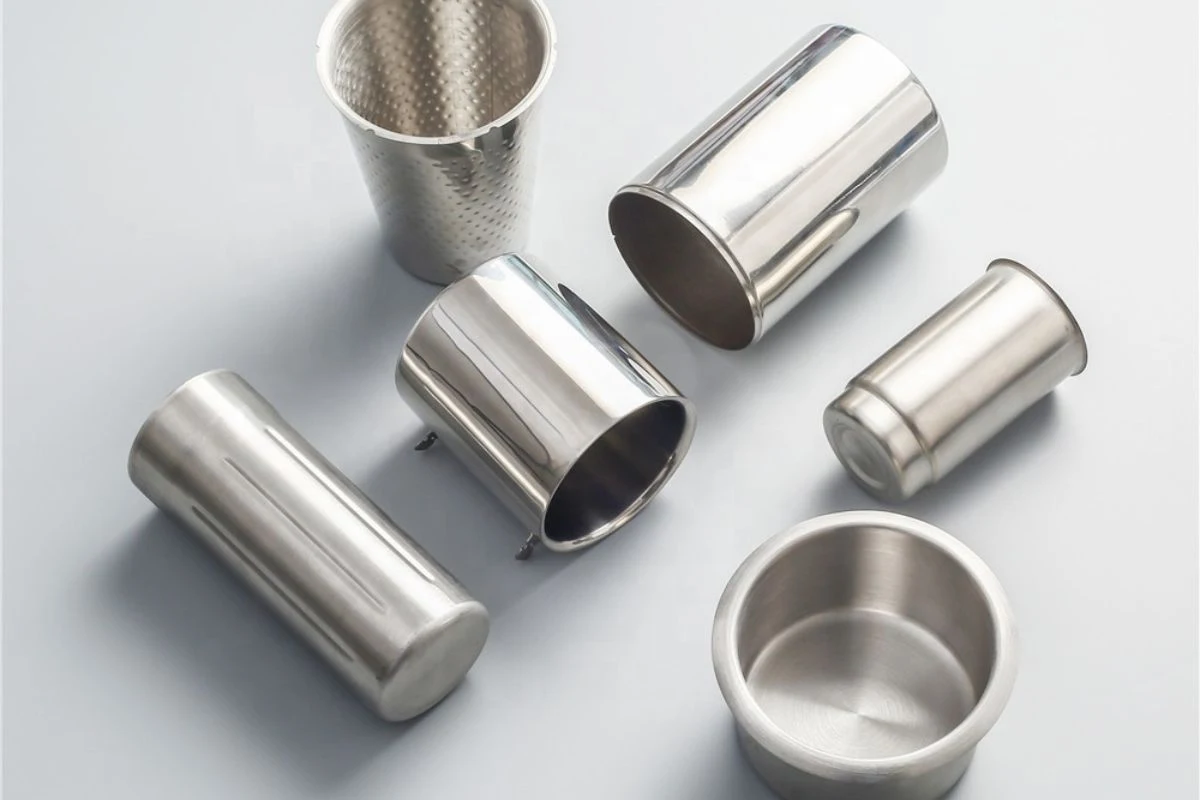
El término cromo se refiere generalmente al cromo aplicado como recubrimiento superficial. En lugar de ser una pieza metálica completa, se deposita sobre acero u otros materiales. Este recubrimiento proporciona a las piezas un acabado brillante y reflectante, además de mejorar la durabilidad de la superficie.
El cromado suele contener una capa de cromo muy fina, medida en micras. Se puede ver en molduras de automóviles, accesorios de baño y herrajes decorativos.
¿Qué es el acero cromado?
Por último, el acero al cromo es una aleación sólida que contiene cromo en toda su composición. A diferencia del recubrimiento, el cromo se integra a la composición del acero. Un acero al cromo típico puede contener alrededor de 11 TP3T de cromo junto con carbono, lo que mejora su dureza, resistencia al desgaste y durabilidad general.
Debido a su resistencia, el acero al cromo se utiliza con frecuencia en cojinetes, herramientas de corte y piezas de maquinaria. Está diseñado para ofrecer un rendimiento óptimo en entornos donde se prevén esfuerzos y fricción repetidos.
Acero inoxidable vs. cromo: ¿Qué necesitas y cuál es la diferencia?
A simple vista, el cromo y el acero inoxidable pueden parecer iguales; incluso quienes tienen experiencia suelen confundirlos. Pero si te fijas bien, notarás las diferencias.
| Propiedad | Cromado (Chapado) | Acero inoxidable |
| tipo de material | Recubrimiento delgado de cromo sobre el metal base | Aleación totalmente metálica |
| Composición | Capa de cromo ~100% (0,001–0,003 pulgadas de espesor) | Hierro + ≥10,5% cromo + elementos de aleación |
| Resistencia estructural | Depende del metal base. | Intrínsecamente fuerte |
| Protección contra la corrosión | Solo protección de barrera | Capa protectora autorreparable |
| Resistencia a los arañazos | Propenso a astillarse o descascarillarse | Más resistente a los arañazos |
| Durabilidad | Puede degradarse con el tiempo. | Larga vida útil |
| Mantenimiento | Requiere una limpieza cuidadosa. | Bajo mantenimiento |
| Resistencia al calor | Limitado por el material base | Funciona bien a altas temperaturas. |
| Ductilidad | Muy bajo (superficie frágil) | Moderado a alto |
| Resistencia al impacto | Mal resultado una vez que falla el revestimiento | Generalmente mejor |
| Conductividad térmica | Más alto | Más bajo |
| Magnetismo | no magnético | Algunos grados magnéticos |
| Fricción | Baja fricción superficial | Moderado |
| Resistencia al desgaste | Solo a nivel superficial | Resistencia a través del material |
| Modo de falla por corrosión | El óxido comienza cuando se descascara el revestimiento. | La superficie puede recuperarse |
| Fabricación | No se puede soldar ni moldear. | Fácil de fabricar |
| Costo (por adelantado) | Más bajo | Más alto |
| Costo (a largo plazo) | Puede que necesite ser recubierto de nuevo. | Suele durar más tiempo |
| Uso típico | Piezas decorativas | Partes estructurales y funcionales |
Así pues, cuando se compara el acero inoxidable con el cromo, la verdadera diferencia radica en la profundidad. El cromo solo protege la superficie. El acero inoxidable se protege desde el interior.
¿Es seguro cocinar con acero cromado?
En general, sí, las ollas y sartenes cromadas son seguras para cocinar, siempre y cuando estén intactas. Sin embargo, se consideran tóxicas si el cromado se desprende, raya o se astilla, ya que deja al descubierto el acero y puede suponer un riesgo de ingestión.
Smartech Italia Se ha publicado que las planchas y utensilios de cocina cromados, si se tratan y acaban adecuadamente, forman parte de los recubrimientos más higiénicos, seguros y estables de la industria culinaria.
En otras noticias, actualizaciones recientes de ASM Internacional Prohíbe el cromado en todos los coches nuevos porque se dice que aumenta el riesgo de cáncer de pulmón.
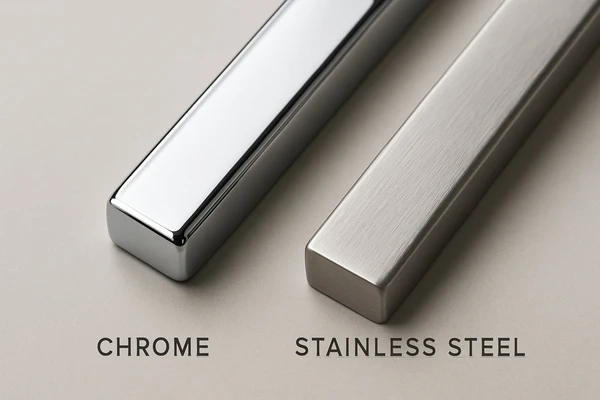
¿El acero inoxidable es tan brillante como el cromo?
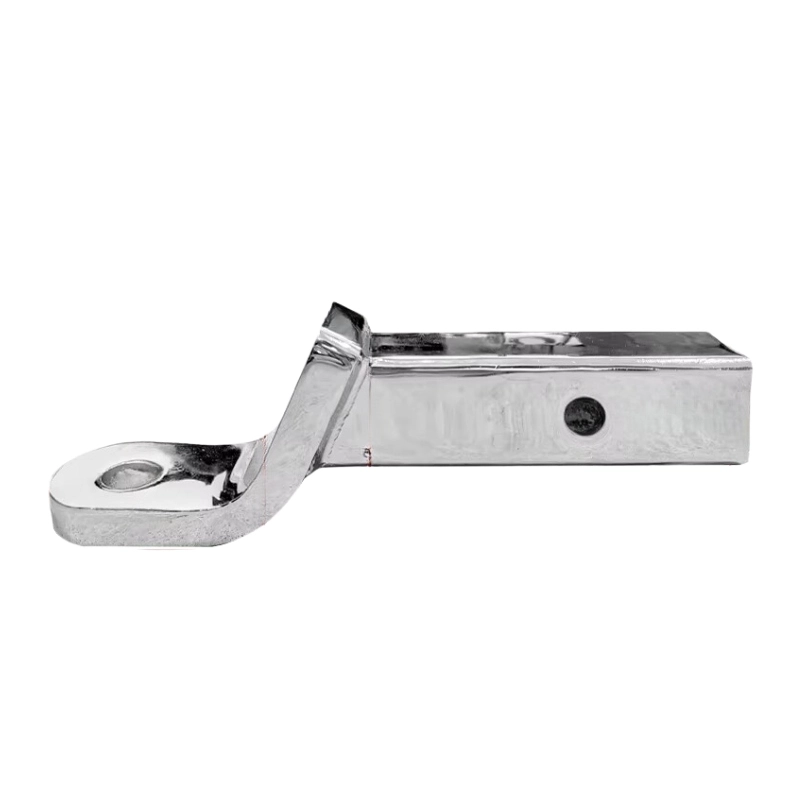
Fuente: Piezas metálicas HLC
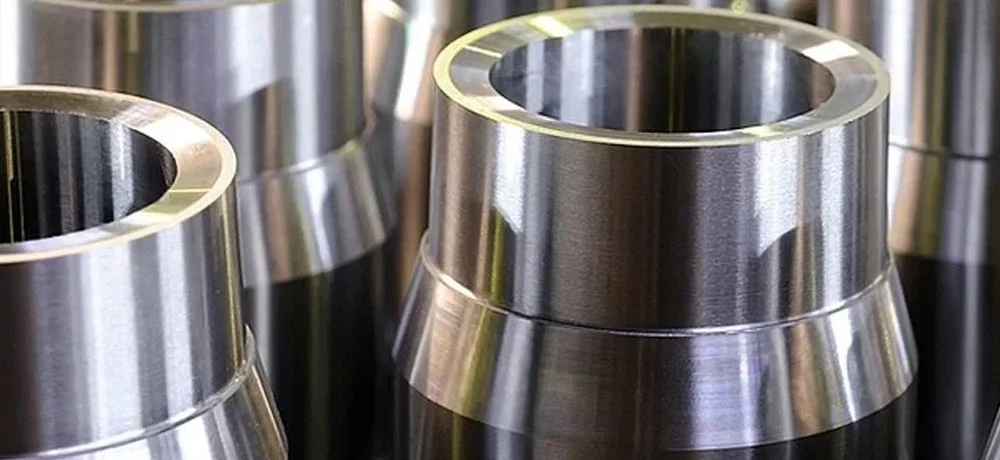
Una idea errónea común sobre el acero inoxidable y el cromo es que el acero inoxidable brilla tanto como el cromo, cuando en realidad no es así. Si bien el acero inoxidable tiene un brillo y una apariencia limpia, no tiene el mismo lustre ni el mismo acabado pulido que el cromo.
HDC, fabricante chino de aceros #1
Todos tenemos nuestras necesidades y, entre estas dos opciones, la mejor siempre será la que se ajuste a la aplicación. Para decidir entre acero inoxidable y acero cromado, es necesario reflexionar detenidamente y considerar el uso, pero para obtener el mejor acero de la más alta calidad, no busque en otro lugar: puede confiar en nosotros en HDC Mfg.
HDC Mfg ha sido la empresa de referencia en el país para todas las piezas y componentes de acero. Ya sea que necesite acero carbono, acero inoxidable, o incluso aluminio, ¡Nosotros nos encargamos! Somos expertos con más de 50 años de experiencia combinada y estaremos encantados de ayudarle con lo que necesite.
Ponte en contacto con nosotros y obtén un Presupuesto gratuito!