Supongamos, sin embargo, que trabajas con máquinas, tuberías o incluso sistemas de agua; entras en contacto diario con válvulas, lo sepas o no. Una válvula puede ser pequeña, pero interviene en el flujo de algo fundamental: líquidos y gases.
Piénsalo de esta manera. Cuando abres un grifo en casa, regulas el flujo de agua. Ese grifo es un tipo de válvula. ¿Te imaginas algo similar en grandes industrias como refinerías de petróleo, centrales eléctricas o fábricas? Este sistema se ha ampliado considerablemente y las válvulas se han perfeccionado.
Aquí encontrarás toda la información sobre los tipos de válvulas, su funcionamiento, aplicaciones y cómo elegir la válvula adecuada. Lo explicaremos de forma sencilla, práctica y fácil de comprender.
¿Qué es una válvula?
Una válvula es un dispositivo mecánico que regula, dirige o impide el flujo de un líquido, gas o lodo mediante la apertura, el cierre o el bloqueo parcial de diferentes conductos.
Partes principales de una válvula
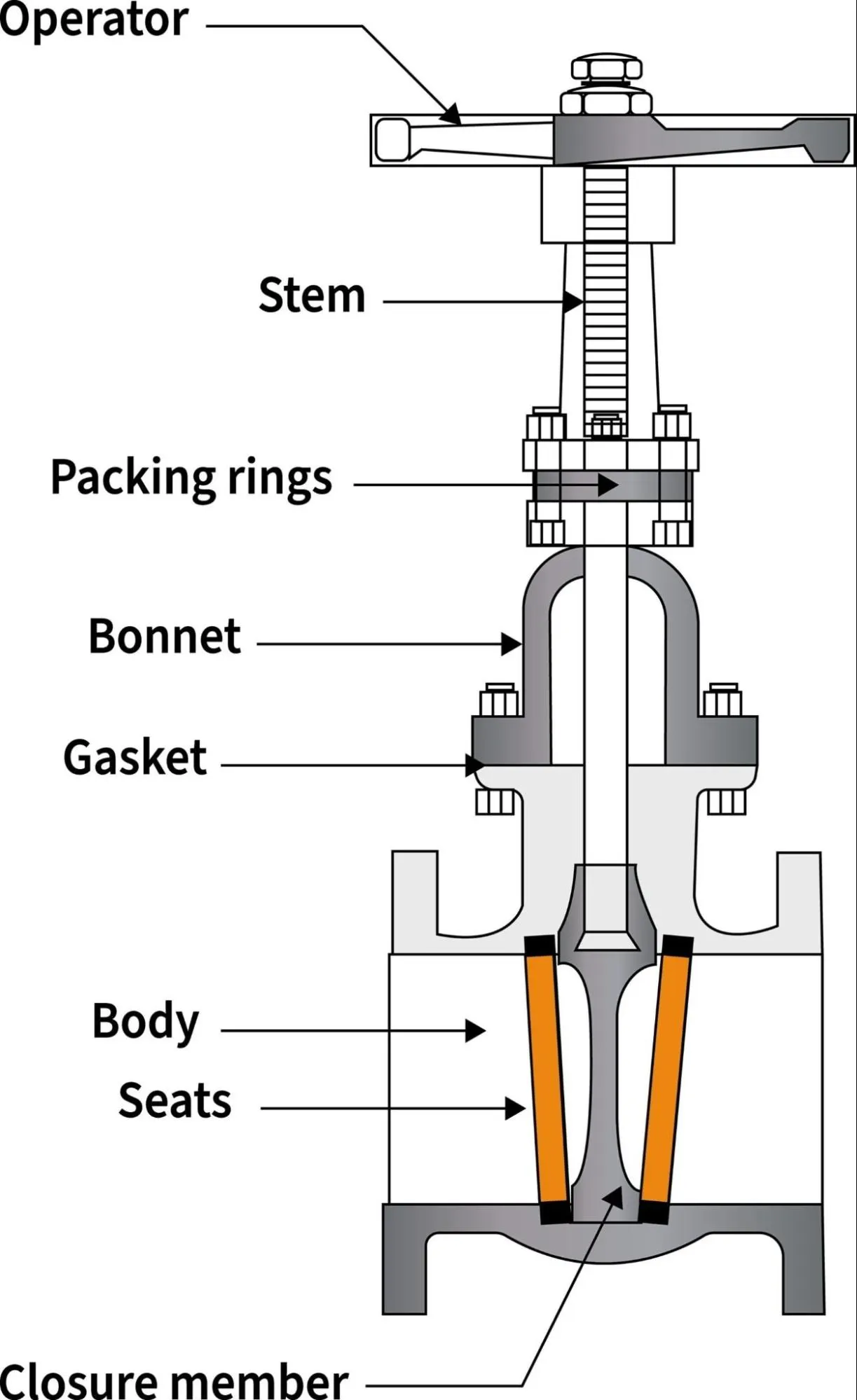
- Cuerpo: Es la principal barrera de presión y sostiene los componentes internos; además, se conecta a las tuberías.
- Capó: El material que se utiliza para cubrir el cuerpo, que en la mayoría de los casos incluye la caja de empaquetadura y el material de relleno para evitar fugas a lo largo del vástago.
- Recorte: TEste es un término colectivo para describir la parte interna de los elementos (tallo, disco y asiento) que está en contacto con el fluido.
- Disco (o tapón/bola): Este es el “guardián” que se cierra o se abre para impedir o permitir el flujo.
- Asiento: Es la zona sobre la que entra en contacto el disco para formar un sello hermético.
- Actuador: IEs el dispositivo (volante, motor o pistón) que ejerce la fuerza para provocar el movimiento del vástago.
¿Cómo lo hago? Las válvulas funcionan?
Las válvulas funcionan modificando la posición de un componente dentro de una tubería (como un disco, una bola o una compuerta) para restringir o controlar el flujo de fluido o gas.
Imagínese abrir o cerrar una puerta. Al abrirse, las personas pueden pasar. Al cerrarse, el movimiento cesa. Lo mismo ocurre con el flujo de fluidos a través de una válvula.
Aquí tienes una explicación sencilla:
- Al abrirse la válvula, el fluido fluye libremente a lo largo de la tubería.
- Al cerrarse la válvula, el flujo cesa por completo.
- El uso de un flujo parcialmente abierto disminuye y se vuelve regulado.
Se trata de un movimiento básico en el que las industrias regulan la presión, la dirección y la velocidad del flujo.
Dos funciones principales
A: Control de encendido/apagado
- La válvula se mantiene abierta o completamente cerrada.
- No se trata de un control de flujo intermedio.
- También resulta adecuado en situaciones en las que simplemente hay que activar o desactivar el flujo.
Ejemplo: Válvula de compuerta.
B: Estrangulamiento (Control de flujo)
- La válvula regula el flujo lentamente.
- El caudal puede aumentarse o reducirse según sea necesario.
- Aplicable en caso de control exacto.
Ejemplo: Válvula de globo.
Tipos de operación
A: Válvulas manuales
- Se manejan manualmente mediante una manivela o una rueda.
- Sencillo y económico.
- Común en sistemas pequeños.
B: Válvulas automáticas
- Tanto automatizado como sin supervisión.
- Utilice electricidad, presión de aire o presión de fluidos.
- Ideal cuando se requieren sistemas industriales grandes y automatizados.
Tipos de válvulas Basado en la función
No todas las válvulas cumplen la misma función. Cada tipo de válvula tiene un propósito específico dentro de un sistema.
Válvulas de aislamiento
- Se puede cambiar para activar o desactivar el flujo.
- No regule de forma lenta.
- Cierre cuando esté bien cerrado, apagado.
Ejemplo: Válvula de compuerta.
Válvulas de control
- Controla el caudal, la presión o la temperatura.
- Contribuir al equilibrio del sistema.
- En los sistemas automatizados es muy importante.
Ejemplo: Válvula de globo.
Válvulas de retención
- Solo se permite el flujo en una dirección.
- Bloquea automáticamente el flujo inverso.
- Proteja las bombas y los equipos.
Válvulas de seguridad
- Cuando la presión es toh alto, libera algo de eso.
- Determinar si se han producido explosiones o daños en los sistemas.
- Seguridad significa trabajar automáticamente.
Tipos de válvulas Explicado
Ahora vamos a analizar los tipos de válvulas más importantes que se utilizan en la industria. Cada una tiene un diseño diferente y está destinada a un propósito distinto.
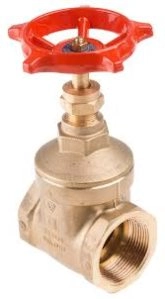
Válvula de compuerta
Una válvula de compuerta es aquella en la que la compuerta tiene forma plana o de cuña, que se empuja hacia arriba y hacia abajo en el cuerpo de válvulas.
Cómo funciona
La vida útil completa de la puerta deja un camino recto y fluido por donde se puede fluir con facilidad. A medida que disminuye, obstruye el paso.
Usos comunes
- Sistemas de suministro de agua.
- Oleoductos y gasoductos.
Ventajas
- Muy baja resistencia al flujo.
- Más adecuado para casos abiertos o completamente cerrados.
- Diseño sencillo y robusto.
Desventajas
- Inapropiado para gestionar el flujo.
- Tarda en abrirse o cerrarse.
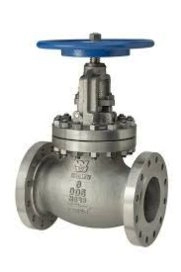
Válvula de globo
Una válvula de globo tiene un disco móvil y un asiento fijo que limita el flujo.
Cómo funciona
El disco sube y baja con el asiento para permitirle regular con precisión el caudal.
Usos comunes
- Sistemas de refrigeración.
- Sistemas de combustible y vapor.
Ventajas
- Muy útil para controlar el flujo.
- Gran capacidad de sellado.
- Rendimiento fiable.
Desventajas
- Provoca una mayor caída de presión.
- Requiere mayor esfuerzo para funcionar.
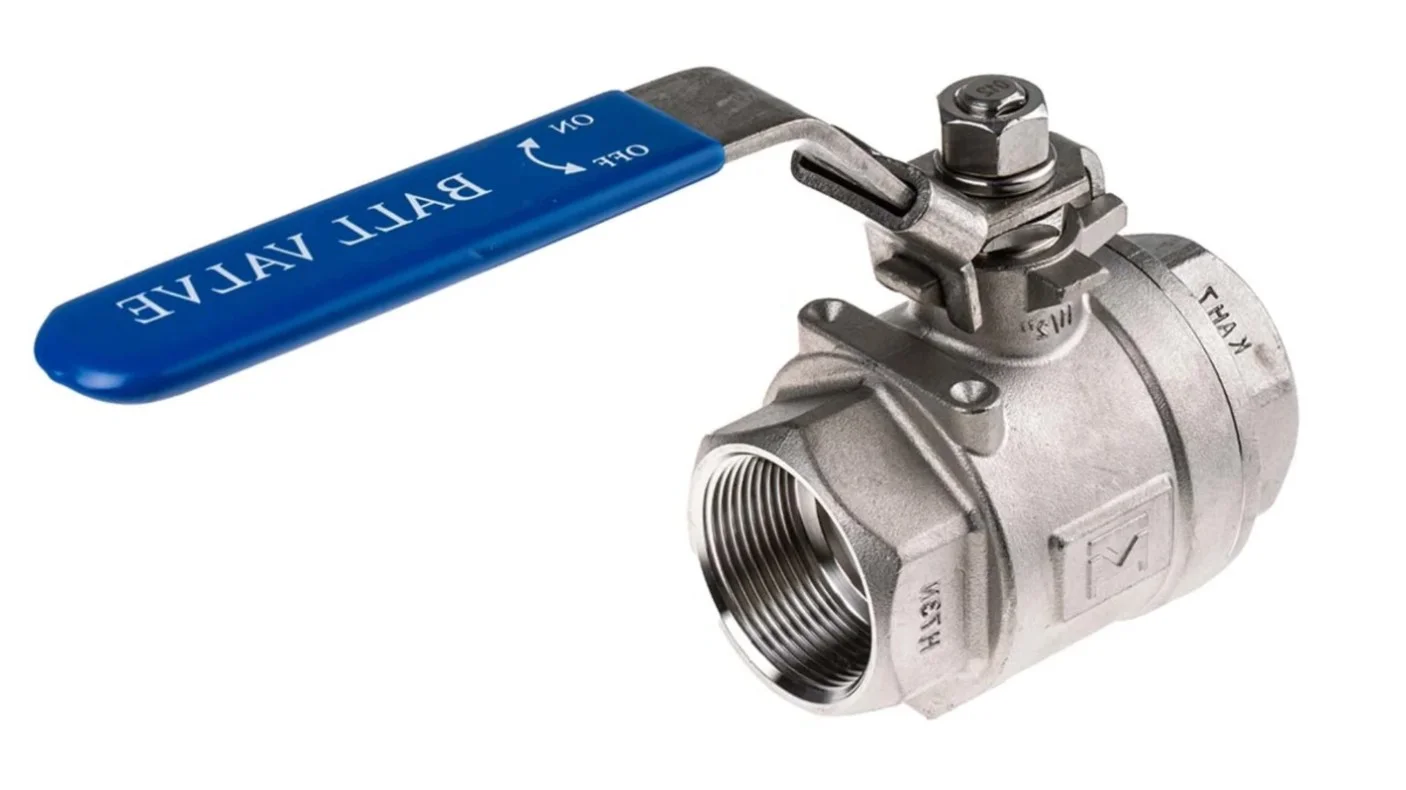
Válvula de bola
Una válvula de bola está equipada con una bola hueca que tiene un orificio (puerto) en su centro.
Cómo funciona
Cuando el orificio coincide con la tubería, el flujo del fluido es sencillo. Al girar la bola, el orificio se desplaza y obstruye el flujo.
Usos comunes
- Gasoductos.
- Plantas de procesamiento químico.
Ventajas
- Movimiento de la pieza extremadamente rápido (un cuarto de vuelta).
- Sellado hermético y a prueba de fugas.
- Larga vida útil.
Desventajas
- No es adecuado para el control preciso del flujo.
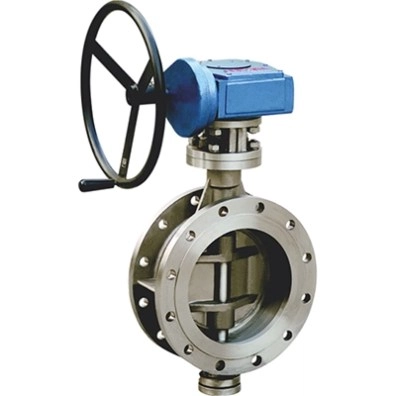
Válvula de mariposa
Una válvula de mariposa es una válvula que consiste en un disco giratorio montado sobre un eje.
Cómo funciona
El rotor gira dentro de la tubería. El fluido fluye cuando se vuelve perpendicular a la dirección del flujo. En la posición de perpendicularidad, el flujo cesa.
Usos comunes
- Sistemas de distribución de agua.
- sistemas de climatización.
Ventajas
- Ligero y compacto.
- Requiere menos espacio.
- Económico con tuberías de gran tamaño.
Desventajas
- El sellado no es tan hermético como en las válvulas de bola.
Controlador de el volumen
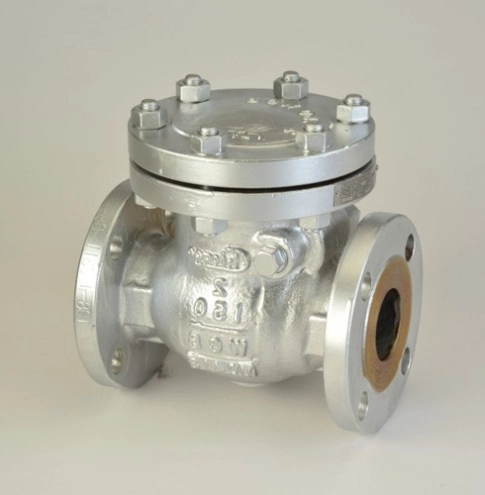
Una válvula de retención es automática y solo permite la salida de fluidos en una única dirección.
Cómo funciona
Cuando el fluido avanza, la válvula se abre, y cuando intenta retroceder, la válvula se cierra.
Usos comunes
- Sistemas de bombeo.
- Tuberías de agua.
Ventajas
- Evita el reflujo.
- Recubre bombas y tuberías.
- No requiere control manual.
Desventajas
- Puede provocar una leve alteración de la presión.
- Puede provocar ruido en determinados sistemas.
Válvula de tapón
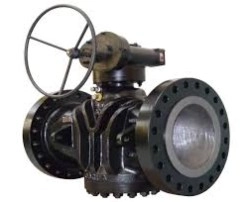
En una válvula de macho, se utiliza un orificio con un macho cilíndrico o cónico.
Cómo funciona
El tapón girará dentro del cuerpo de la válvula para permitir o impedir el flujo.
Usos comunes
- Industrias químicas.
- Sistemas de aceite.
Ventajas
- Construcción sencilla.
- Apertura y cierre rápidos.
- Fácil de usar.
Desventajas
- Necesita ser engrasado para moverse con facilidad.
Válvula de aguja
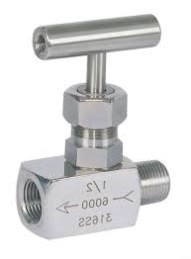
También se ha incorporado una válvula de aguja para controlar el flujo con la máxima precisión.
Cómo funciona
El flujo fino se regula introduciendo lentamente una aguja afilada en el asiento.
Usos comunes
- Equipo de laboratorio.
- Sistemas de instrumentación.
Ventajas
- Control muy preciso.
- Ideal para caudales pequeños.
- Funcionamiento sin problemas.
Desventajas
- No apto para sistemas de gran caudal.
- Su funcionamiento es más lento.
Válvula de alivio de presión
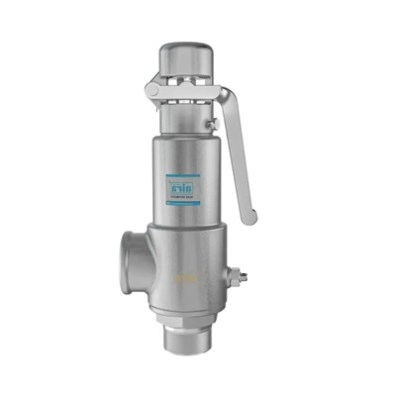
La válvula de alivio de presión evita que se ejerza una presión excesiva sobre los sistemas.
Cómo funciona
Permanece cerrada durante su funcionamiento normal. Una vez que la presión alcanza un umbral específico, se abre automáticamente para aliviarla.
Usos comunes
- Calderas.
- Recipientes a presión.
Ventajas
- Evita fallos del sistema.
- Mejora la seguridad.
- Funciona automáticamente.
Desventajas
- Es necesario revisarlo y probarlo con frecuencia.
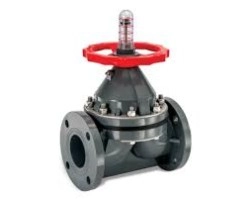
Válvula de diafragma
La válvula de diafragma emplea una membrana de caucho o plástico, que es flexible.
Cómo funciona
El diafragma se comprime contra el asiento para impedir el flujo y se eleva para permitirlo.
Usos comunes
- Procesamiento de alimentos.
- Industrias químicas.
Ventajas
- Diseño a prueba de fugas
- Eficaz en el manejo de líquidos corrosivos.
- Fácil de limpiar.
Desventajas
- Limitado debido a la alta temperatura.
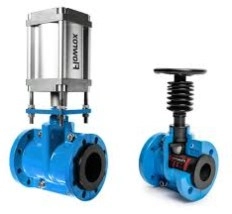
Válvula de pellizco
La válvula de pellizco es un tubo blando y flexible que permite controlar el flujo.
Cómo funciona
La válvula contrae el tubo para impedir el flujo y se relaja para permitirlo.
Usos comunes
- Operaciones mineras.
- Plantas de tratamiento de aguas residuales.
Ventajas
- Eficaz para tratar lodos y sólidos.
- No tener contacto con piezas metálicas.
- Fácil mantenimiento.
Desventajas
- Incompatible con sistemas de alta presión.
Tipos de válvulas según su funcionamiento
| Tipo de operación | Mecanismo | Detalle clave | Ideal para… |
| Válvulas manuales | Volante, palanca o engranaje | Diseño sencillo y sin necesidad de fuerza externa. | En los sistemas no automatizados, puede producirse el aislamiento. |
| Válvulas eléctricas | Motor eléctrico y caja de cambios. | Mediante un ordenador (PLC) se puede lograr una precisión excelente. | Destinos lejanos y control de flujo. |
| Válvulas neumáticas | Aire comprimido. | La operación más rápida es segura en zonas con riesgo de explosión. | Instalaciones químicas y sistema de parada de emergencia rápida. |
| Válvulas hidráulicas | Fluido a alta presión. | Maximiza el par motor y la fuerza. | Pozos petrolíferos submarinos y maquinaria pesada. |
Tipos de válvulas según el material
| tipo de material | Propiedad fundamental | Detalle técnico | Aplicación común |
| Latón / Bronce | Resistente a la corrosión. | Apto para cincelado, el bronce funciona en agua de mar. | Instalaciones de fontanería y climatización en viviendas. |
| Acero inoxidable | Alta durabilidad. | El acero de grado 316 no se oxida en condiciones químicas adversas. | Industrias alimentaria, farmacéutica y química. |
| Hierro fundido/dúctil | Económico | El hierro dúctil es más resistente y flexible en comparación con el hierro fundido. | Redes de agua potable de la ciudad y vapor a baja presión. |
| Plástico (PVC/CPVC) | A prueba de productos químicos | Ligera y sin óxido, a pesar de la baja temperatura. | Tratamiento de aguas residuales, piscinas. |
Tipos de válvulas según sus aplicaciones industriales
| Industria | Tipos de válvulas primarias | ¿Por qué este tipo? |
| Petróleo y gas | Válvulas de bola y de compuerta | La estanqueidad de la burbuja y la alta presión son importantes. |
| Sistemas de agua | Válvulas de mariposa y de retención | El reducido tamaño del diseño de la tubería grande elimina el reflujo. |
| Industria química | Válvulas de diafragma y de tapón | Elimina el contacto de fluidos corrosivos con la carcasa metálica. |
| centrales eléctricas | Válvulas de globo y de seguridad | Se ocupa del vapor a alta presión y de un sistema de alivio de seguridad extremadamente alto. |
| Sistemas HVAC | Válvulas de mariposa y de control | Equilibra de forma eficiente el flujo de agua caliente y fría en los edificios. |
Ventajas y desventajas de los diferentes tipos de válvulas
Ventajas
- Las válvulas pueden ayudar a controlar mejor el sistema, ya que permiten iniciar, detener o controlar el flujo de los fluidos cuando sea necesario.
- Hacen que el proceso sea más seguro al evitar la sobrepresión, el reflujo o las fugas que podrían dañar los equipos o causar riesgos.
- Las válvulas son eficientes porque garantizan un flujo y una presión adecuados en los sistemas, lo que permite que estos funcionen correctamente y se evite el desperdicio de energía.
Desventajas
- Es necesario comprobar con frecuencia el estado de las válvulas, ya que las piezas en movimiento pueden desgastarse con el tiempo, lo que compromete su rendimiento.
- Las válvulas pueden ser caras y varían mucho en cuanto al tipo, el material y el tamaño, lo que afecta a su presupuesto.
- El uso de una válvula incorrecta en su sistema puede ocasionar problemas graves como fugas, disminución de la presión o avería del sistema.
Como escoger la válvula derecha
Los ingenieros aplican la técnica STAMPEED a la hora de buscar proyectos industriales.
- Talla: Tel diámetro de la tubería.
- Temperatura: El fluido y el medio ambiente.
- Solicitud: ¿Es encendido/apagado, limitación de velocidad o seguridad?
- Medios de comunicación: ¿El fluido es corrosivo, abrasivo (lodo) o limpio?
- Presión: Las presiones máximas de funcionamiento y de sobretensión.
- Fin: Tipo de conexión (con brida, roscada y soldada).
- Entrega: Certificaciones de conformidad (por ejemplo, API 6D, ASME o ISO).
Conclusión
Acabas de aprender sobre los tipos de válvulas, su funcionamiento y uso. Cada válvula cumple una función diferente para mantener el flujo, la seguridad y la eficiencia del sistema. Elegir la válvula correcta puede proteger tus equipos, minimizar el tiempo de inactividad y garantizar el funcionamiento continuo de cualquier sistema de fabricación.
Nosotros Fabricación de HDC Somos un fabricante fiable de cuerpos de válvulas fundidos a medida, fabricados para proporcionar válvulas de calidad, construidas para durar, ser eficientes en su rendimiento y duraderas.
No importa si necesitas un Cuerpo de válvula de fundición de precisión, a válvula de cierre forjada o un bloque de válvulas preciso; Le ofrecemos una solución de calidad para sus necesidades. Llámenos ahora y deje que nuestros expertos seleccionen la válvula ideal para su sistema, asegurándose además de que sea segura, eficiente y duradera.
Preguntas frecuentes: Tipos de válvulas
¿Cuáles son los tipos de válvulas más comunes que se utilizan en la industria?
Las más utilizadas son las válvulas de compuerta, las válvulas de bola, las válvulas de globo y de mariposa, y las válvulas de retención. Se utilizan para diferentes propósitos.
¿Qué válvula es la más adecuada para sistemas de alta presión?
Las válvulas de bola y las válvulas de compuerta son ideales en sistemas de alta presión, ya que proporcionan un buen sellado y una larga vida útil.
¿Cuál es la diferencia entre una válvula de compuerta y una válvula de globo?
Una válvula de compuerta se utiliza para controlar el flujo abriendo una compuerta y es adecuada para regular el flujo de forma intermitente. Una válvula de globo regula el flujo y ofrece mayor precisión.
¿Cómo elijo la válvula adecuada para mi aplicación?
Antes de elegir una válvula, se deben tener en cuenta factores como el tipo de flujo, la presión, la temperatura, la compatibilidad de los materiales y la finalidad.
¿Cuál es la vida útil de una válvula industrial?
La vida dependerá de nosotros, de nuestro bienestar y de nuestros cuidados. Las válvulas industriales tienen una vida útil de entre 5 y 20 años si se les da el mantenimiento adecuado.