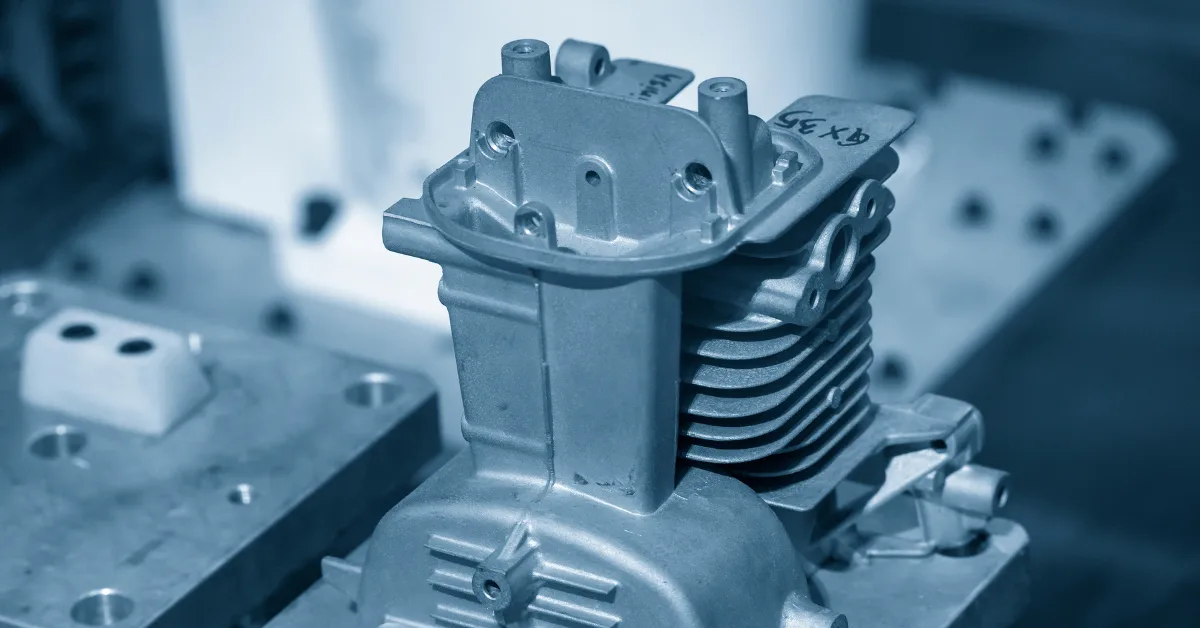
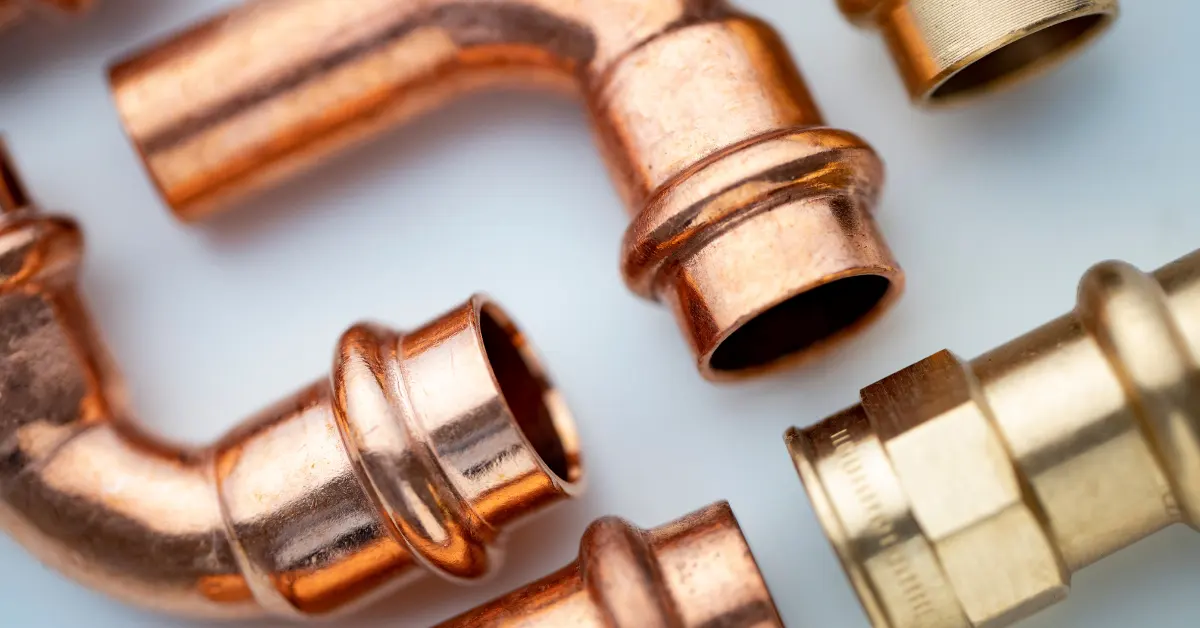
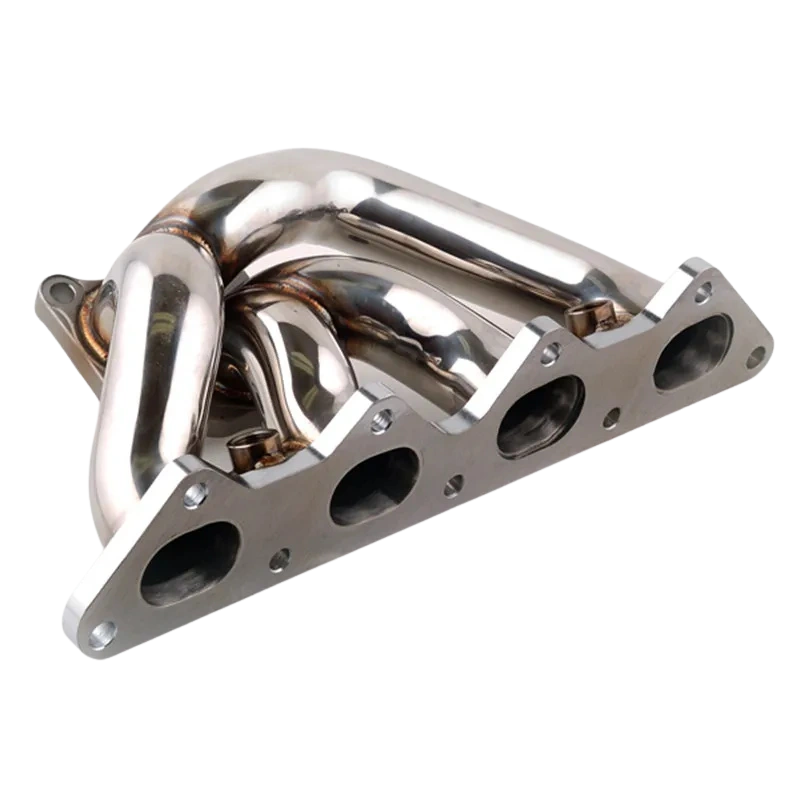
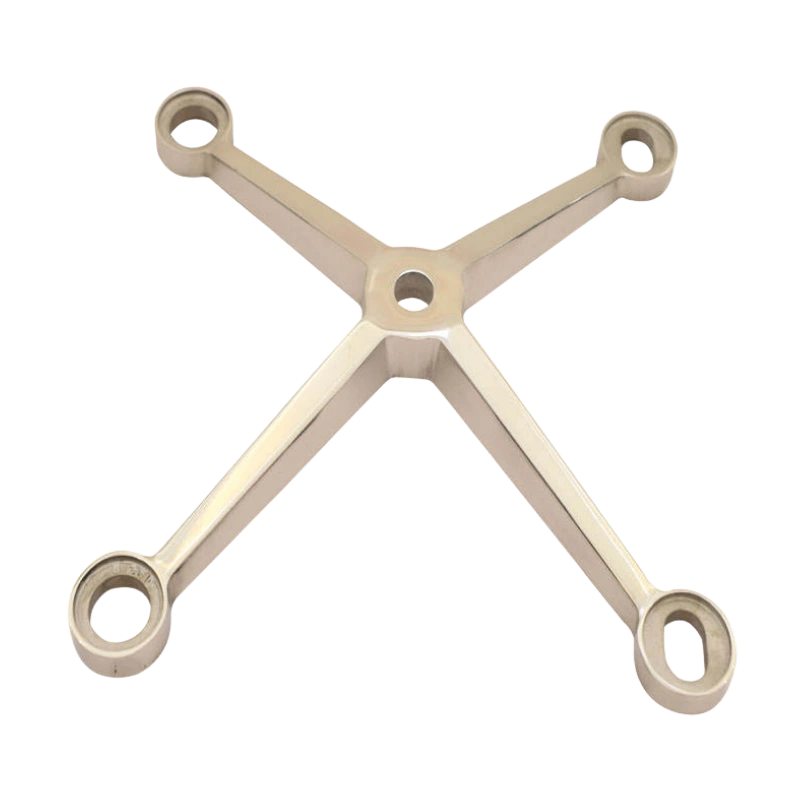
¿Alguna vez te has preguntado cómo se producen los metales con acabados muy lisos y formas intrincadas? carcasa de fundición de inversión El proceso suele ser la respuesta. Es uno de los procesos más importantes en la fabricación contemporánea, donde se elaboran piezas metálicas de alta precisión.
Básicamente, una carcasa de fundición a la cera perdida es una carcasa de cerámica dura que se construye alrededor de un modelo de cera. Tras retirar la cera, se vierte metal fundido en la carcasa hueca de cerámica para producir la pieza final.
En este blog, conocerás el procedimiento paso a paso de la fundición de cáscara cerámica El proceso, los materiales involucrados y por qué es tan esencial para las industrias en 2026.
¿Qué es una carcasa de fundición a la cera perdida?
El molde cerámico exterior que contiene la forma de la pieza metálica final es la carcasa de fundición a la cera perdida. Imagínelo como una especie de piel protectora dura, construida alrededor de una figura de cera.
Este es el concepto central.:
- Comienza con una forma de cera de un componente.
- Sobre ella se aplican capas cerámicas.
- Se retira la cera.
- Se vierte metal fundido en la cáscara.

Es ese recubrimiento cerámico el que constituye la capa exterior de la pieza fundida a la cera perdida.
Esta capa es muy esencial ya que determina lo siguiente:
- Qué tan liso será su producto final.
- La exactitud de las dimensiones.
- La resistencia de la pieza final depende de la calidad de la cáscara.
Se necesita la mejor carcasa para que el mejor metal rinda al máximo.
Qué es Fundición de cáscara cerámica en fundición a la cera perdida?
La carcasa de fundición a la cera perdida se produce mediante el método de fundición en cáscara cerámica.
En la fabricación moderna, cuando se habla de "fundición en cáscara cerámica", normalmente se hace referencia al tipo de fundición denominado "fundición a la cera perdida", ya que la cáscara cerámica es el elemento central de la operación.
Esta técnica es popular porque permite a los fabricantes
- Produjo formas con gran nivel de detalle.
- Producir superficies lisas.
- Reducir el trabajo de mecanizado.
- Fundición de componentes complejos en una sola pieza.
En el futuro, se puede considerar como la creación de un molde perfecto capa por capa, en lugar de cortar metal.
Por qué la fundición de precisión es importante en la industria moderna
La carcasa de fundición a la cera perdida no es simplemente un molde; es la base de una producción precisa.
Es preferido en las industrias debido a:
- Proporciona una precisión extremadamente alta.
- Minimiza el desperdicio de material.
- Proporciona acabados lisos sin necesidad de acabados adicionales.
- Es capaz de crear formas complejas en una sola fundición.
Un ejemplo es el sector aeroespacial, el automotriz y instrumentos médicos que requieren una precisión excepcionalmente alta en las piezas. Cualquier pequeño error puede provocar un fallo. Por eso, el proceso de fundición a la cera perdida es el más utilizado en todo el mundo.
Materiales utilizados en la fundición de precisión Haciendo
Para crear una capa cerámica resistente, se necesitan los materiales adecuados. Cada material tiene una función específica.
Polvos refractarios en moldes de fundición a la cera perdida
Los polvos refractarios son sustancias que resisten el calor para dar forma a las capas cerámicas.
Los materiales comunes incluyen:
- Polvo de circonio: Se aplica sobre la capa inicial para obtener una superficie lisa.
- Polvo de sílice: Las aplicaciones incluyen capas de respaldo para hacerlas más robustas.
El zirconio proporciona un acabado superficial limpio, mientras que la sílice proporciona soporte estructural.
Sistema aglutinante en la carcasa de fundición de precisión
Lo que lo mantiene unido es el encuadernador.
En nuestro proceso utilizamos sol de sílice como agente aglutinante.
El sol de sílice se utiliza como pegamento;
- Une todas las partículas cerámicas.
- Mejora la fuerza.
- Ayuda a que la cáscara se mantenga estable durante el secado.
La cáscara se desintegraría sin un aglutinante adecuado.
Composición de la lechada en la carcasa de fundición de precisión
La mezcla de recubrimiento es la mezcla líquida (suspensión).
Está hecho de:
- Sol de sílice (aglutinante).
- Polvos refractarios (circón o sílice)
El espesor de la lechada debe ser el adecuado;
- Demasiado grueso → superficie rugosa.
- Demasiado delgada → cáscara frágil.
Por lo tanto, el control de la calidad del lodo es fundamental.
Cómo se fabrica una carcasa de fundición de precisión (proceso paso a paso)
Ahora conoceremos todo el proceso paso a paso:
Preparación de la lechada para la carcasa de fundición de precisión
El primer paso es la preparación de la lechada cerámica, que se realiza mezclando sol de sílice con polvos refractarios finos, uno de los cuales es zirconio o sílice.
Esta es la pasta, que es el líquido base de todo el sistema de la carcasa. Debe cubrir el patrón de cera de manera uniforme, sin goteos ni huecos, ya que debe tener el espesor y la consistencia adecuados.
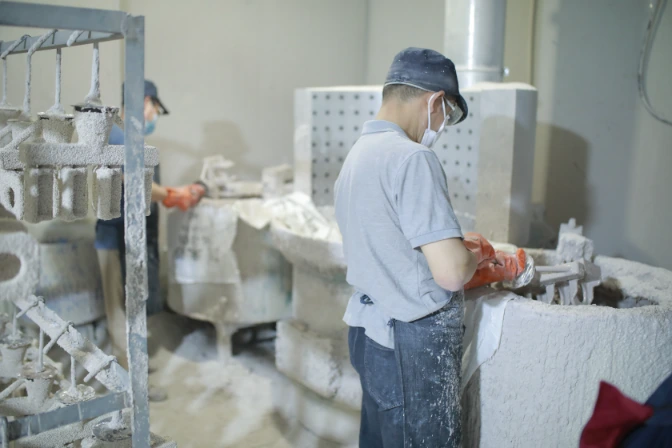
Para simplificarlo, se podría considerar como pintura, pero mucho más sofisticada. Desde entonces, la mezcla debe controlarse rigurosamente durante la producción.
- Cuando se produce en exceso, forma capas sobre las superficies.
- Cuando es demasiado delgada, la concha se debilita.
La mezcla continua también es fundamental en esta etapa para mantener una distribución uniforme de las partículas. Se utiliza una suspensión estable para lograr una mejor superficie cristalina en la pieza final.
Recubrimiento por inmersión en Fundición a la cera perdida Proceso de la cáscara
En este punto, el modelo de cera se sumerge en la pasta preparada. Este proceso se conoce como proceso de inmersión.
Al retirar el patrón de cera, se aplica una capa húmeda de cerámica sobre su superficie. Esta capa inicial, conocida como capa de acabado, es una parte fundamental de todo el proceso.
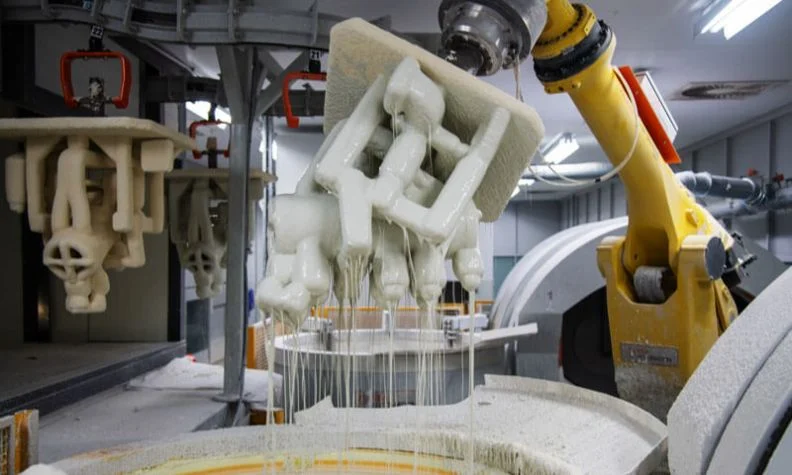
El pelaje determina
- Suavidad final de la superficie.
- Precisión en el moldeado hasta el último detalle.
- Calidad general del producto.
Por este motivo, utilizamos polvos refractarios muy finos en esta capa. Estas pequeñas partículas contribuyen a obtener una superficie lisa y con gran detalle, que al finalizar presenta un aspecto vítreo. Todos los movimientos de esta etapa deben ser lentos y controlados, ya que las burbujas de aire o un recubrimiento irregular pueden influir directamente en el resultado final.
Aplicación de estuco en moldes de fundición de precisión
Inmediatamente después de sumergir la mezcla, cuando aún está húmeda, la superficie se cubre con partículas cerámicas secas. Este proceso se conoce como estucado.
Trabajamos con materiales como
- arena de circonio
- granos de sílice
Estas partículas se depositan sobre la capa húmeda con mucho cuidado para formar estructura y resistencia.
Este es un paso muy crucial ya que
- Aumenta la resistencia de la cáscara.
- Antiagrietamiento de la superficie durante el secado.
- Aumenta de grosor capa a capa.
- Mejora la resistencia al calor durante el vertido de metales fundidos.
La capa de cerámica sería blanda y frágil sin estucar. No sería lo suficientemente resistente como para soportar los pasos posteriores o el metal fundido durante el proceso.
Proceso en seco de la carcasa de fundición de precisión
Tras aplicar el estuco, la capa exterior se deja secar de forma natural en un ambiente controlado.
El secado se realiza normalmente a temperatura ambiente, controlando adecuadamente la humedad y el flujo de aire. Esto permite que la capa cerámica se endurezca de forma gradual y uniforme.
Este es un paso muy importante ya que
- Evita la formación de grietas en la concha.
- Ayudar a cada capa a alcanzar la resistencia adecuada.
- Elimina el recubrimiento anterior y prepara la superficie para ser recubierta.
- Generalmente mantiene el mismo tamaño.
Cuando el secado es demasiado rápido, la capa exterior se endurece antes que la interior, lo que genera tensiones internas y provoca grietas. Por este motivo, es fundamental controlar el secado en la producción de moldes de fundición de precisión de alta calidad.
Formación de capas en la carcasa de fundición de precisión
Y ahora se repite lo mismo una y otra vez.
- Aderezo
- Estuco
- Seco
Este proceso se repite entre 5 y 8 veces, dependiendo de la resistencia de la cáscara y del tamaño de la pieza fundida.
El tiempo de secado de cada capa es, en promedio, de 24 horas, por lo que esta es la etapa que más tiempo consume en todo el proceso.
Cada nueva capa se añadirá.
- Más fuerza
- Mejor resistencia al calor
- Mayor durabilidad
- Mayor estabilidad estructural
Las capas interiores se centran en la calidad de la superficie, mientras que las capas exteriores ofrecen resistencia y protección.
Esta es la parte más lenta, pero también la más importante, de la fundición a la cera perdida. El resultado final depende en gran medida del cuidado con que se construye cada capa.
Una carcasa bien construida proporciona
- Flujo de metal limpio
- Forma final precisa
- Defectos mínimos
- Producto final bueno y robusto.
Importancia del recubrimiento frontal de la carcasa en la fundición de precisión
La primera capa es la capa superficial, y es la que lo determina todo.
En caso de que el abrigo facial sea bueno.
- Tendrá una superficie lisa.
- Se requerirá menos acabado en la fundición final.
- Se mejorará la calidad de los productos.
En caso de que el abrigo facial esté en mal estado.
- Los defectos serán visibles en la superficie.
- La precisión disminuirá.
Por eso en esta capa Utilizamos los mejores materiales.
Estructura multicapa de la carcasa de fundición de precisión
La carcasa de fundición a la cera perdida está construida como un sándwich;
- Capas internas → Calidad de superficie lisa
- Capas exteriores → defensa y fuerza
Las capas adicionales lo hacen más resistente.
Al final, la cáscara es lo suficientemente resistente como para soportar el metal fundido sin romperse.
Fundición de cáscara de cerámica como proceso de moldeo por inversión
Ahora vamos a hacer coincidir los términos.
Proceso de fundición de precisión en molde de cerámica = Fundición en molde de cerámica
En la fabricación moderna, son básicamente lo mismo.
¿Por qué?
Debido a que el molde principal utilizado en la fundición a la cera perdida es la carcasa de cerámica.
Cuando oyes cualquiera de estos términos, significan lo mismo: colocar un molde de cera con la forma deseada en una pieza de cerámica.
Proceso de sílice sol en la carcasa de fundición de precisión
El método más avanzado en la fundición a la cera perdida es el proceso de sol de sílice.
En este método,
- El sol de sílice se utiliza como aglutinante.
- Las capas se secan gradualmente y en un ambiente controlado.
Los beneficios incluyen:
- Alta precisión
- Acabado de superficie liso
- Estructura de capa resistente
- Mejor control de defectos
Debido a su precisión, encuentra aplicación en las industrias de alta gama.
Proceso de vidrio soluble frente a moldeo por inversión con sol de sílice
La elaboración de las conchas se realiza de dos maneras:
Proceso del vidrio soluble
Utiliza silicato de sodio (vidrio soluble).
Necesita endurecedores químicos, como CO₂ o cloruro de amonio.
Se seca rápidamente
Ventajas
- Bajo costo
- Producción rápida
Desventajas
- Menor calidad de la superficie
- Menor precisión
Proceso de sol de sílice
Se utilizó un aglutinante de sol de sílice.
Conduzca despacio y en condiciones controladas.
Ventajas
- Alta precisión
- Mejor acabado superficial
- Caparazón más resistente
Desventajas
- Requiere más tiempo
- Mayor costo.
Ventajas del proceso de moldeo por inversión
Este es un proceso popular ya que proporciona lo siguiente:
- Excelente acabado superficial
- Alta precisión dimensional
- Habilidades para crear formas avanzadas
- Menos trabajo de mecanizado
- Componentes finales robustos
Por eso es tan esencial incluirlo.
Defectos comunes en las carcasas de fundición de precisión
Cualquier error menor puede provocar problemas como los siguientes:
- Grietas durante el secado
- Resistencia débil de la concha
- Rugosidad de la superficie
- Rotura de las conchas durante el vertido.
La mayoría de los problemas ocurren debido a
- Mezcla de lodo incorrecta
- Secado rápido
- Mala calidad del material
Estos problemas pueden solucionarse mediante un control adecuado.
Aplicaciones industriales
Puedes conseguir moldes de fundición de precisión utilizados en lo siguiente:
- Piezas aeroespaciales
- Componentes automotrices
- Maquinaria industrial
- Equipos médicos
- Herramientas de precisión
Este proceso es necesario en cualquier industria que requiera precisión.
Futuro de la tecnología de moldes para fundición de precisión (Tendencias 2026)
El proceso incluso está mejorando en 2026 y en adelante:
- Automatización adicional de la estructura del edificio
- Sustancias de sol de sílice mejoradas.
- Requisitos de mayor precisión.
- Métodos de fabricación respetuosos con el medio ambiente.
Los fabricantes están en proceso de mejorar continuamente la calidad y minimizar los residuos.
Conclusión
Uno de los procesos más importantes en la fabricación moderna es el proceso de fundición a la cera perdida. Este proceso permite a las industrias producir componentes metálicos robustos, precisos y multifacéticos con una alta calidad superficial.
Fabricación de HDC Aplicamos técnicas avanzadas de moldeo por colada cerámica mediante procesos controlados y materiales de alta calidad para garantizar resultados fiables y precisos en aplicaciones industriales. Nos preocupamos por ofrecer una calidad uniforme que cumpla con los estándares de producción internacionales.
Si necesita algo confiable, soluciones de fundición de precisión, Le invitamos a ponerse en contacto con nosotros hoy mismo y a explorar cómo podemos ayudarle con sus necesidades de producción mediante ingeniería profesional y asistencia de fabricación fiable.
preguntas frecuentes
¿Para qué se utiliza un molde de fundición a la cera perdida?
Se utiliza para producir moldes cerámicos precisos para la fundición de componentes metálicos complejos.
¿Por qué es importante la fundición en molde cerámico?
Ofrece buena precisión y acabado en las piezas metálicas.
¿Cuál es la diferencia entre los procesos de sol de sílice y vidrio soluble?
La solución de sílice coloidal es superior y más precisa, mientras que el silicato de sodio es más rápido y menos costoso.
¿Cuántas capas se utilizan en una carcasa de fundición a la cera perdida?
En la mayoría de los casos, se utilizan entre 5 y 8 capas para mejorar la resistencia y la durabilidad.
¿Qué industrias utilizan moldes para fundición a la cera perdida?
Médico, industrial, aeroespacial y fabricación de automóviles.