Visión general
HDC Manufacturing tiene más de una década de experiencia en el campo de los componentes metálicos personalizados. Poseemos máquinas de precisión de 4 ejes y 5 ejes máquinas herramienta, centros de mecanizado CNC automatizados y un equipo profesional de diseño y producción. Podemos proporcionarle varios procesos de mecanizado, incluidos Fresado CNC, Torneado CNC, Corte por láser, fundición de metalesy más, para crear sus componentes de titanio de grado 2 a la perfección, adaptados a sus requisitos específicos.
¿Qué es el titanio de grado 2?
Titanio Grado 2, es titanio sin alear. Es particularmente similar a Titanio Grado 1. La gente lo llama la "fuerza laboral" del titanio puro industrial. En comparación con el grado 1, tiene mayor resistencia y un excelente rendimiento de conformado en frío. Es la primera opción en muchos campos de aplicación, como la industria aeroespacial, la generación de electricidad, el mecanizado químico y más.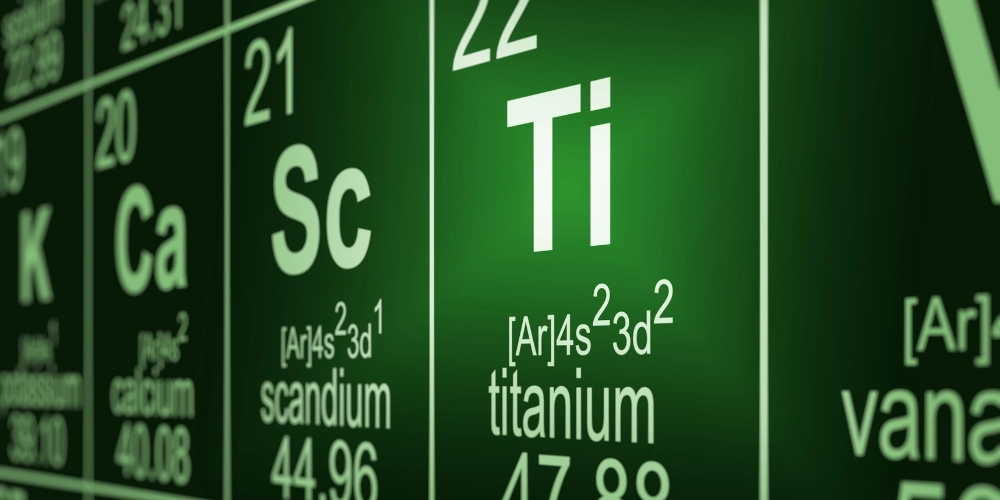
La diferencia entre titanio de grado 1 y grado 2
Los grados 1 y 2 de titanio son prácticamente idénticos, pero el grado 1 suele tener un contenido de oxígeno ligeramente superior y, por lo tanto, presenta propiedades ligeramente diferentes. El titanio de grado 1 tiene un menor contenido de oxígeno, lo que le confiere una ductilidad y conformabilidad ligeramente superiores, mientras que el titanio de grado 2 posee una resistencia ligeramente mayor debido a su mayor contenido de oxígeno. El grado 1 ofrece mejor ductilidad y soldabilidad, además de ventajas en el procesamiento químico; mientras que el grado 2 posee mayor resistencia y se prefiere en aplicaciones aeroespaciales, médicas y automotrices. En resumen, la elección entre ambas calidades depende de la conformabilidad, la resistencia a la tracción y otras características mecánicas específicas de la aplicación.
¿Cuáles son las desventajas del titanio de grado 2?
Aunque el titanio de grado 2 también puede considerarse una mejor opción en muchos sentidos, aún presenta desventajas. El inconveniente es que es considerablemente más débil en comparación con aleaciones de titanio como el grado 5, lo que significa un uso limitado en casos que requieren altas relaciones resistencia-peso. En segundo lugar, puede ser más caro que otros materiales como el acero inoxidable o el aluminio, lo que podría afectar el presupuesto de construcción. Además, el titanio de grado 2 puede ser difícil de mecanizar debido a su conductividad térmica y potencial de endurecimiento por deformación, lo que resulta en un desgaste considerable de las herramientas y mayores costos de mecanizado. Asimismo, si bien es soldable, requiere procesos de soldadura rigurosos para evitar la fragilización o la contaminación, lo que eventualmente puede provocar un deterioro de sus propiedades mecánicas y resistencia a la corrosión. Además, su trabajabilidad en frío es bastante limitada, lo que hace que el conformado en frío y el moldeado sean trabajos difíciles y es posible perder la resistencia del material al producirse una grieta. A pesar de la naturaleza sin fisuras de estas uniones, el titanio de grado 2 todavía tiene sus limitaciones. Sin embargo, sigue siendo muy eficaz en lo que respecta a la resistencia a la corrosión, la biocompatibilidad y su ligereza en multitud de aplicaciones.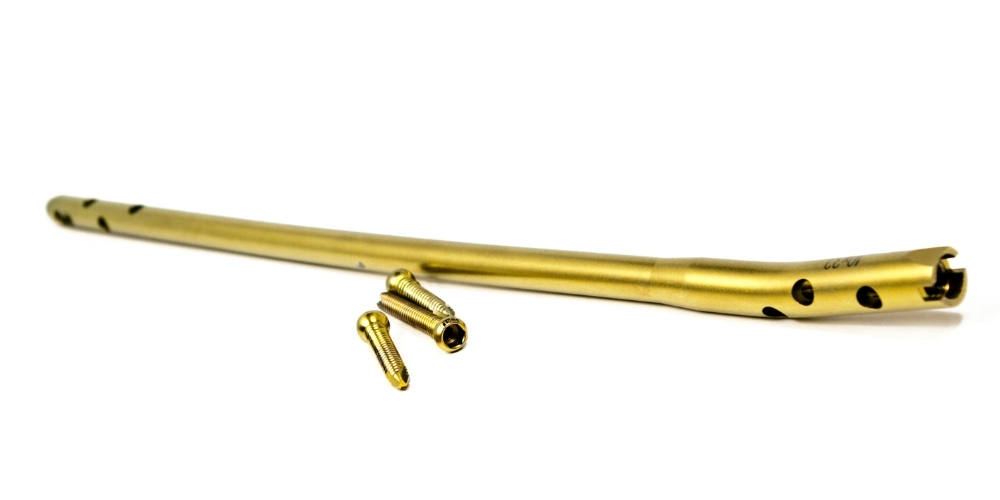
Composición química del titanio grado 2
| Elemento químico | Contenido (%) |
| Titanio, Ti | ≥ 98,9 |
| Hierro, Fe | 0- 0.30 |
| Oxígeno, O | 0-0.25 |
| Carbono, C | 0-0.08 |
| nitrógeno, N | 0-0.03 |
| Hidrógeno, H | 0- 0.015 |
La influencia de un contenido menor de otros elementos en el titanio de grado 2

(Cantidades menores de otros elementos solo marcan una ligera diferencia con el titanio de grado 2), ya que el titanio de grado 2 es una aleación de titanio comercialmente pura cuyo componente principal es el titanio con cantidades menores de otros elementos como oxígeno, nitrógeno, hidrógeno, carbono y hierro. El Ti-6Al-4V está compuesto por estos elementos en una concentración muy baja, por lo que el Ti-6Al-4V no tiene efectos notables en las propiedades generales del titanio de grado 2. Al mismo tiempo, el metal no es puro y contiene elementos extraños que pueden afectar negativamente las propiedades mecánicas del material, incluyendo la resistencia, la ductilidad y la resistencia a la corrosión. Por lo tanto, el control de calidad de las impurezas y los elementos de aleación es fundamental para suministrar titanio de grado 2 de alta pureza y con las propiedades específicas deseadas. Cabe señalar que el titanio de grado 2 se selecciona normalmente por su excelente resistencia a la corrosión, así como por su biocompatibilidad y baja densidad, ya que es aplicable en diversos campos industriales como el aeroespacial, el farmacéutico y el de procesamiento químico.
Propiedades mecánicas del titanio grado 2
| Propiedades | Métrico | Imperial |
| Resistencia a la tracción | 485 MPa | 70300 psi |
| Límite elástico | 345 MPa | 50000psi |
| el coeficiente de Poisson | 0.34-0.40 | 0.34-0.40 |
| Modulos elasticos | 105 – 120 GPa | 15200 – 17400 ksi |
| Alargamiento a la rotura | 28% | 28% |
| Dureza (HV) | 160-200 | 160-200 |

Propiedades físicas del titanio grado 2
| Densidad | Beta transus | Punto de fusion | Conductividad térmica | resistividad elástica |
| 4,51 g/cm³ | 915 °C | 1660°C | 21,79 W m-1 °C-1 | 0,53 µΩ/m |
Propiedades térmicas del titanio grado 2
| Propiedades termales | Métrico | inglés |
| Calor de fusión | 325 J/g | 140 BTU/libra |
| CTE, lineal | 8,60 µm/m-°C @Temperatura 0,000 – 100 °C | 4,78 µpulg/pulg-°F @Temperatura 32,0 – 212 °F |
| 9,20 µm/m-°C @Temperatura 0,000 – 315 °C | 5,11 µpulg/pulg-°F @Temperatura 32,0 – 599 °F | |
| 9,70 µm/m-°C @Temperatura 0,000 – 540 °C | 5,39 µpulg/pulg-°F @Temperatura 32,0 – 1000 °F | |
| Capacidad calorífica específica | 0,523 J/g-°C @Temperatura 20,0 °C | 0,125 BTU/libra-°F @Temperatura 68,0 °F |
| 0,560 J/g-°C @Temperatura 200 °C | 0,134 BTU/libra-°F @Temperatura 392 °F | |
| 0,620 J/g-°C @Temperatura 400 °C | 0,148 BTU/libra-°F @Temperatura 752 °F | |
| 0,670 J/g-°C @Temperatura 540 °C | 0,160 BTU/libra-°F @Temperatura 1000 °F | |
| 0,690 J/g-°C @Temperatura 600 °C | 0,165 BTU/libra-°F @Temperatura 1110 °F | |
| Conductividad térmica | 16,4 W/mK | 114 BTU-pulg/h-pie²-°F |
| Punto de fusion | <= 1665°C | <= 3029°F |
| Líquido | 1665ºC | 3029°F |
| Beta transus | 913ºC | 1680°F |
Métodos adecuados para procesar titanio grado 2
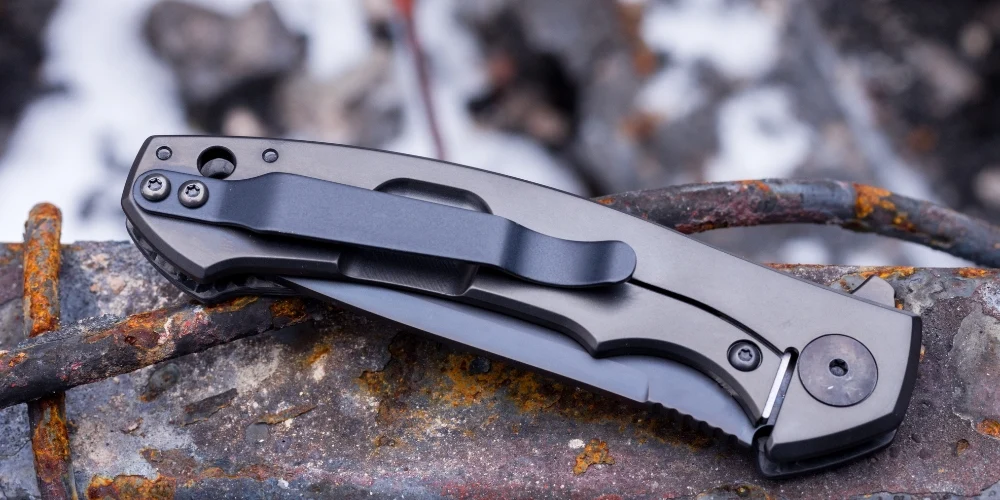
El procesamiento del titanio de grado 2 utiliza diversas técnicas según sus características. El mecanizado (torneado y fresado) es común, pero requiere tiempo debido a la baja conductividad térmica del material. Solo las técnicas de soldadura, como GTAW o EBW, conllevan riesgos de contaminación y oxidación, por lo que se deben tomar precauciones. Se pueden utilizar procesos de conformado, tanto en frío como en caliente, y puede ser necesario un recocido adicional para lograr ductilidad. Los tratamientos térmicos (recocido y alivio de tensiones) se emplean para desarrollar las propiedades mecánicas deseadas. Las modificaciones superficiales, como el pulido y el anodizado, proporcionan mayor resistencia a la corrosión y mejoran la apariencia. Por el contrario, las técnicas de fabricación mecanizada, como SLM y EBM, son muy flexibles para estructuras con geometrías complejas. Estos métodos se utilizan habitualmente para la fabricación de piezas para aparatos aeroespaciales, médicos y químicos.
Aplicaciones del titanio grado 2
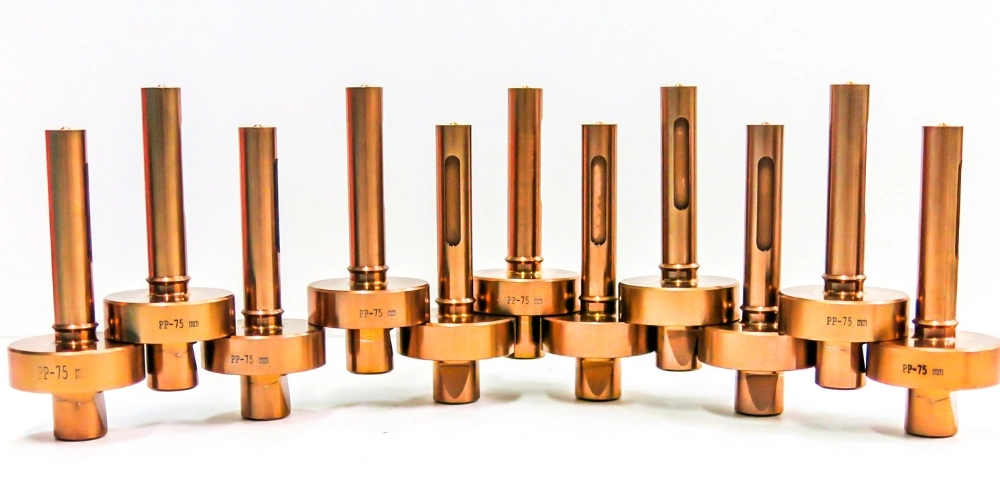
El uso extensivo del titanio de grado 2 se evidencia en sus notables propiedades en diversas industrias. Se utiliza en la industria aeroespacial para estructuras de fuselaje y componentes de motores, y en el sector sanitario debido a su biocompatibilidad y procesos químicos para equipos resistentes a la corrosión. Además, también se emplea en aplicaciones marinas, construcción y equipamiento deportivo por su durabilidad y resistencia a la oxidación electroquímica. En general, la aleación de titanio de grado 2 se destaca como un material indispensable en industrias como la aeroespacial, que requieren materiales ligeros, resistentes a la corrosión y de alto rendimiento.