Visión general
HDC Manufacturing tiene más de una década de experiencia en el campo de los componentes metálicos personalizados. Poseemos máquinas de precisión de 4 ejes y 5 ejes máquinas herramienta, centros de mecanizado CNC automatizados y un equipo profesional de diseño y producción. Podemos proporcionarle varios procesos de mecanizado, incluidos Fresado CNC, Torneado CNC, Corte por láser, fundición de metalesy más, para crear sus componentes de titanio de grado 5 a la perfección, adaptados a sus requisitos específicos.
¿Qué es el titanio de grado 5?
Titanio Grado 5, también conocido como Titanio 6Al-4V. Tiene un alto rendimiento contra la corrosión y una resistencia cercana a 6061-Aluminio T6. Por lo tanto, la aleación de grado 5 es el grado de titanio más utilizado. Generalmente es adecuado para muchas aplicaciones. Incluyendo piezas de fuselaje, tubos de condensador, cestas de fregado e implantes biomédicos, y más.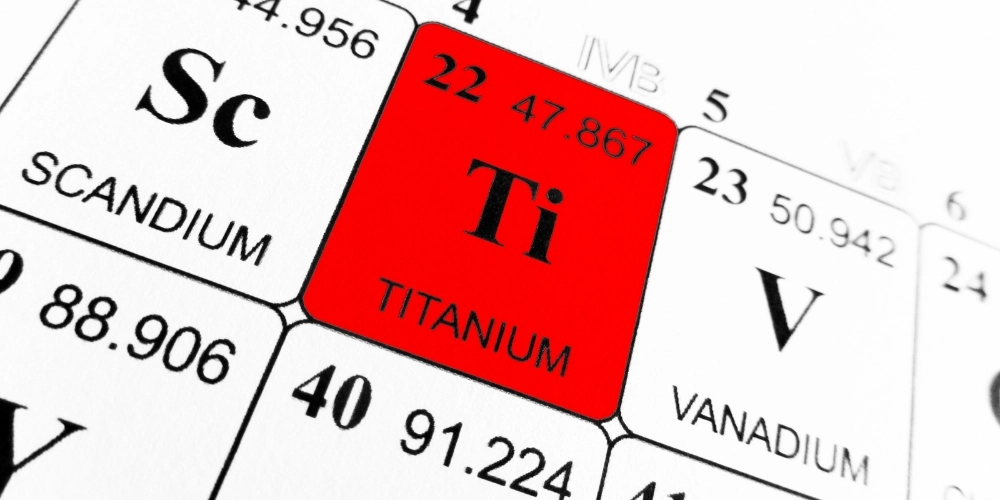
Otros nombres para titanio grado 5
El Ti-6Al-4V, comúnmente conocido como “Titanio grado 5” o simplemente Ti-6Al-4V, es una aleación de titanio compuesta principalmente por aluminio 6% y vanadio 4%. Su código es UNS R56400 y se fabrica según las normas ASTM/ASME, como ASTM B348, B381 y B367. En los sectores militar y aeroespacial, cumple con las normas AMS, como AMS 4928 y AMS 4907. Si bien puede haber diferencias en la denominación comercial, la composición y las propiedades de la fórmula son idénticas en todas las aplicaciones.
Ventajas y desventajas del titanio grado 5
El Ti-6Al-4V, considerado titanio de grado 5, posee características únicas como una excelente relación resistencia-peso, resistencia a la corrosión, biocompatibilidad, tolerancia a altas temperaturas y soldabilidad, lo que lo convierte en una opción idónea para aplicaciones aeroespaciales, médicas e industriales. Sin embargo, es costoso, difícil de mecanizar, se contamina con facilidad, no se encuentra en tamaños ni formatos suficientes y su dilatación térmica difiere de la de otros materiales, lo que dificulta su uso. A pesar de estas desventajas, su conjunto de propiedades suele ser muy versátil y compensa las limitaciones, especialmente en aplicaciones donde sus excepcionales prestaciones son cruciales.
Las diferencias entre el titanio de grado 5 y el grado 1 ~ 4
El titanio de grado 5, o Ti-6Al-4V, se distingue de los grados 1 a 4 por su composición de aleación, que contiene 6% de aluminio y 4% de vanadio, lo que proporciona compuestos de mayor resistencia y dureza, muy demandados en industrias como la aeroespacial. Esto ha convertido a todos los grados de titanio en materiales con excelente resistencia a la corrosión y biocompatibilidad; sin embargo, los elementos de aleación del grado 5 pueden mejorar sus propiedades mecánicas, aunque también encarecen el material. Además, el titanio de grado 5 presenta una soldabilidad y maquinabilidad relativamente superiores a las de otros grados, lo que lo convierte en el material ideal para aplicaciones que requieren un rendimiento mecánico extremadamente alto, incluso si su resistencia a la corrosión se ve ligeramente comprometida.
Composición química del titanio grado 5.

| Elemento | Contenido (%) |
| Titanio, Ti | 87.6 – 91 |
| Aluminio | 5,5 – 6,75 |
| Vanadio, V | 3,5 – 4,5 |
| Hierro, Fe | 0- 0.40 |
| Oxígeno, O | 0-0.20 |
| Carbono, C | 0-0.08 |
| nitrógeno, N | 0-0.05 |
| Hidrógeno, H | 0- 0.015 |
¿Cómo afecta la composición química al titanio de grado 5?

Muchas propiedades del titanio de grado 5, incluyendo su alta resistencia a la tracción y a la corrosión, provienen de la composición química de la aleación, que consta de más del 901% de titanio TP3T, el 61% de aluminio TP3T y el 41% de vanadio TP3T. La adición de aluminio y vanadio confiere a la aleación mayor resistencia, dureza y tenacidad que el titanio puro. Por otro lado, el aluminio facilita la formación de una capa de óxido estable y adherente, lo que proporciona una buena resistencia a la corrosión. El vanadio predomina en la resistencia de la aleación, especialmente a altas temperaturas, y también mejora la microestructura, lo que optimiza las propiedades mecánicas. Estos mismos elementos de aleación también influyen en otras características como la soldabilidad, la maquinabilidad y la biocompatibilidad, lo que convierte al titanio TG-5 en un material versátil con aplicaciones en los sectores aeroespacial, médico e industrial.
Propiedades térmicas del titanio grado 5
| Propiedades termales | Métrico | inglés |
| CTE, lineal 20°C | 8,6 µm/m-°C | 4,78 µpulg/pulg-°F |
| CTE, lineal 250°C | 9,2 µm/m-°C | 5,11 µpulg/pulg-°F |
| CTE, lineal 500°C | 9,7 µm/m-°C | 5,39 µpulg/pulg-°F |
| Capacidad calorífica específica | 0,5263 J/g-°C | 0,126 BTU/libra-°F |
| Conductividad térmica | 6,7 W/mK | 46,5 BTU-pulg/h-pie²-°F |
| Punto de fusion | 1604 – 1660°C | 2920 – 3020 °F |
| Solidus | 1604ºC | 2920°F |
| Líquido | 1660°C | 3020°F |
| Beta transus | 980 ºC | 1800°F |
Propiedades mecánicas del titanio grado 5
| Propiedades | Métrico | Imperial |
| Resistencia a la tracción | 895 MPa | 130000psi |
| Límite elástico | 828MPa | 120000 psi |
| el coeficiente de Poisson | 0.31 | 0.31 |
| Modulos elasticos | 105-120 GPa | 15200-17400 ksi |
| Módulo de corte | 41-45 GPa | 5950-6530 ksi |
| Alargamiento a la rotura | 10 % | 10 % |
Propiedades físicas del titanio grado 5
| Densidad | Beta transus | Punto de fusion | Conductividad térmica | Módulo de elasticidad | Módulo de corte |
| 4,43 g/cm³ | 980 ºC | 1604-1660 °C | 6,7 W/(mK) | 1,6500 Ksi | 6380 ksi |
Desafíos en el procesamiento de titanio grado 5

El procesamiento del titanio de grado 5 también conlleva ciertos problemas derivados principalmente de su estructura y características específicas. Uno de los principales desafíos es su escasa maquinabilidad en comparación con materiales metálicos convencionales como el acero, lo que puede provocar un mayor desgaste de las herramientas, velocidades de procesamiento más bajas y mayores costos de producción. Si bien el titanio de grado 5 puede endurecerse mediante el trabajo, es necesario aumentar la frecuencia de cambio de herramientas y aplicar técnicas de mecanizado con sumo cuidado para obtener dimensiones y acabados superficiales precisos. Por otro lado, reacciona fuertemente con el oxígeno, el nitrógeno o el hidrógeno a altas temperaturas, lo que puede ser una limitación durante el procesamiento, especialmente si las condiciones de procesamiento no están controladas, lo que puede provocar contaminación y, por consiguiente, afectar sus propiedades mecánicas. Además, su alto punto de fusión y baja conductividad térmica dificultan la soldadura por gas, la fundición y otros procesos de fabricación, requiriendo equipos y habilidades especializadas. A pesar de estos desafíos, los avances en las tecnologías de procesamiento, los materiales de las herramientas y las técnicas de control de procesos siguen mejorando la eficiencia y la viabilidad del trabajo con titanio de grado 5, promoviendo así su adaptabilidad en numerosas aplicaciones sensibles.
Aplicaciones del titanio grado 5

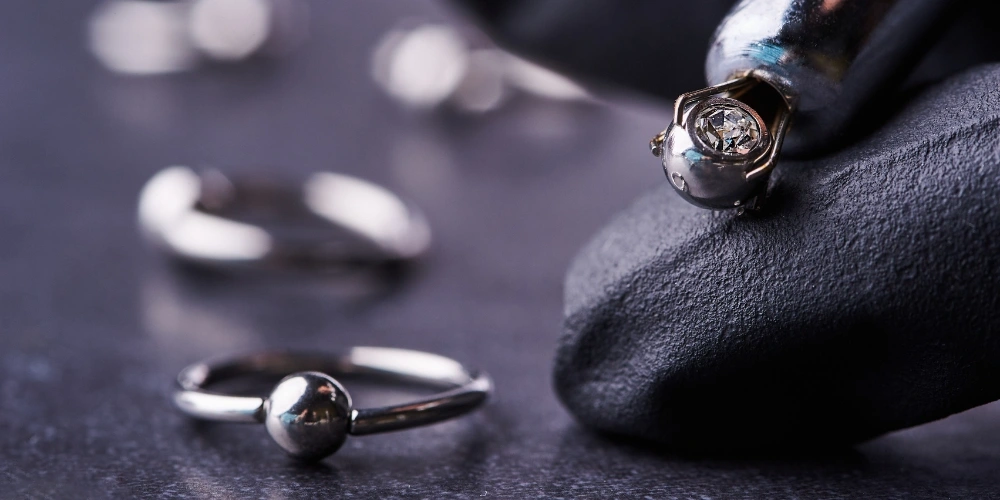
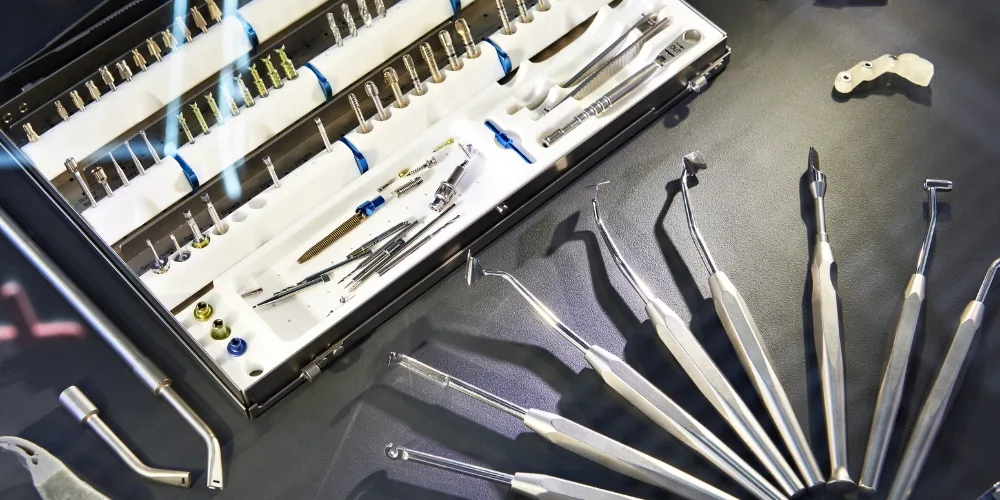
La aleación de titanio de grado 5 o Ti-6Al-4V se utiliza ampliamente en diversos sectores debido a su combinación única de propiedades. En la industria aeroespacial, se emplea en componentes estructurales de aeronaves, como fuselajes, motores, trenes de aterrizaje y elementos de fijación, gracias a su excelente relación resistencia-peso, resistencia a la corrosión y a la temperatura. En el ámbito médico, el titanio de grado 5 se utiliza en implantes médicos, dispositivos ortopédicos e implantes dentales debido a su biocompatibilidad, resistencia a los fluidos corporales y capacidad para favorecer la osteointegración. Esta aleación también se aplica ampliamente en aplicaciones marinas para componentes expuestos al agua de mar, gracias a sus extraordinarias propiedades anticorrosivas. Asimismo, se utiliza en tuberías, bombas, válvulas y racores de compresión en equipos de procesamiento químico, equipamiento deportivo, componentes de automoción y maquinaria industrial que requieren resistencia, resistencia a la corrosión y ligereza. Gracias a su versatilidad y rendimiento, el titanio de grado 5 se vuelve indispensable en aplicaciones donde la fiabilidad, durabilidad y rendimiento de los dispositivos en condiciones extremas son fundamentales.