Si alguna vez compró piezas de "hierro fundido" y luego se dio cuenta de que el proveedor entregó algo que se mecaniza de manera diferente, funciona de manera diferente o no coincide con sus expectativas, generalmente se debe a una cosa: la especificación no era lo suficientemente clara. ASTM A48 existe para eliminar esa ambigüedad. Es uno de los estándares más comunes utilizados en los mercados occidentales para piezas fundidas de hierro gris, y te ofrece una forma sencilla y ampliamente comprendida de definir lo que estás comprando.
Pero esto es lo que importa en la práctica: la norma ASTM A48 no es solo un documento que se incluye en el plano. Afecta la resistencia, la amortiguación de vibraciones, el comportamiento frente al desgaste, la maquinabilidad e incluso la consistencia de los resultados de mecanizado entre lotes. Este artículo explica la norma ASTM A48 de forma práctica: qué abarca, qué significan los números de clase, cómo elegir la clase correcta y cómo comunicarla con claridad para obtener piezas fundidas predecibles que se mecanicen correctamente.
¿Qué es realmente la norma ASTM A48?
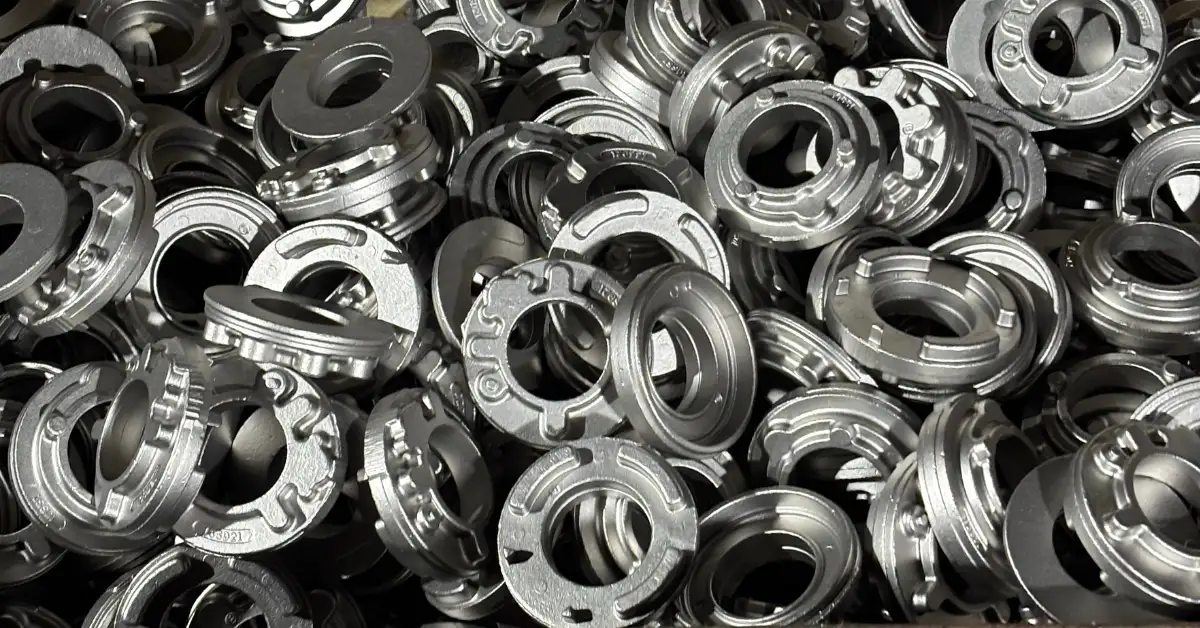
ASTM A48 es una especificación de material para fundiciones de hierro gris. El hierro gris es hierro fundido con grafito en forma de escamas, razón por la cual el hierro gris recién fracturado tiene un aspecto "gris". Este grafito en escamas también explica por qué el hierro gris tiene una excelente maquinabilidad y amortiguación de vibraciones.
La norma ASTM A48 clasifica principalmente el hierro gris por su dureza mínima. resistencia a la tracción. En otras palabras, el número de clase está vinculado a la resistencia del material a la tensión, no solo a su calidad general. Esto cobra importancia porque la fundición gris de mayor resistencia suele comportarse de forma diferente en el mecanizado y en servicio que la fundición gris de menor resistencia.
Qué significa la “clase” ASTM A48 (y por qué no es solo una etiqueta)
En la norma ASTM A48, se suelen encontrar clases como 20, 25, 30, 35, 40, 45, 50, 55 y 60. El número suele corresponder a la resistencia mínima a la tracción en ksi (mil psi). Por lo tanto, la clase 30 tiene una resistencia mínima a la tracción de 30 ksi, la clase 40 es de 40 ksi, y así sucesivamente.
Parece sencillo, pero la conclusión práctica es la siguiente: a medida que se avanza en la clase, generalmente se busca una estructura que soporte una mayor resistencia a la tracción. Esto suele estar correlacionado con cambios en la dureza y la microestructura, y estos cambios influyen en el funcionamiento de las máquinas de fundición y su comportamiento bajo carga.
Cómo elegir la clase ASTM A48 adecuada para su pieza
La mayoría de los errores de abastecimiento ocurren cuando una pieza simplemente se etiqueta como "hierro gris" sin una clase, o cuando la clase se elige en función del hábito en lugar de lo que necesita la pieza.
Si busca un enfoque de trabajo sencillo, considere la relación entre rendimiento y capacidad de fabricación. Las clases inferiores suelen ser más fáciles de mecanizar y pueden utilizarse donde no se requiere una resistencia extrema. Las clases intermedias son muy comunes para carcasas industriales y componentes de maquinaria en general. Las clases superiores se utilizan cuando se necesita mayor resistencia, rigidez o comportamiento frente al desgaste, pero se debe esperar un control de proceso más estricto para mantener la consistencia, especialmente en secciones de fundición más pesadas.
Un punto práctico que importa mucho: El espesor de la sección afecta los resultados. La misma práctica de fundición puede producir propiedades diferentes en secciones delgadas y gruesas debido a cambios en las velocidades de enfriamiento. Por eso, los compradores suelen experimentar la sensación de "este lote se mecaniza de forma diferente", aunque la especificación en papel no haya cambiado. Si su pieza presenta uniones gruesas, protuberancias gruesas o grandes variaciones en el espesor de la sección, conviene considerar la selección de la clase y la tolerancia de mecanizado como una decisión conjunta.
Dónde se utiliza comúnmente el hierro gris ASTM A48
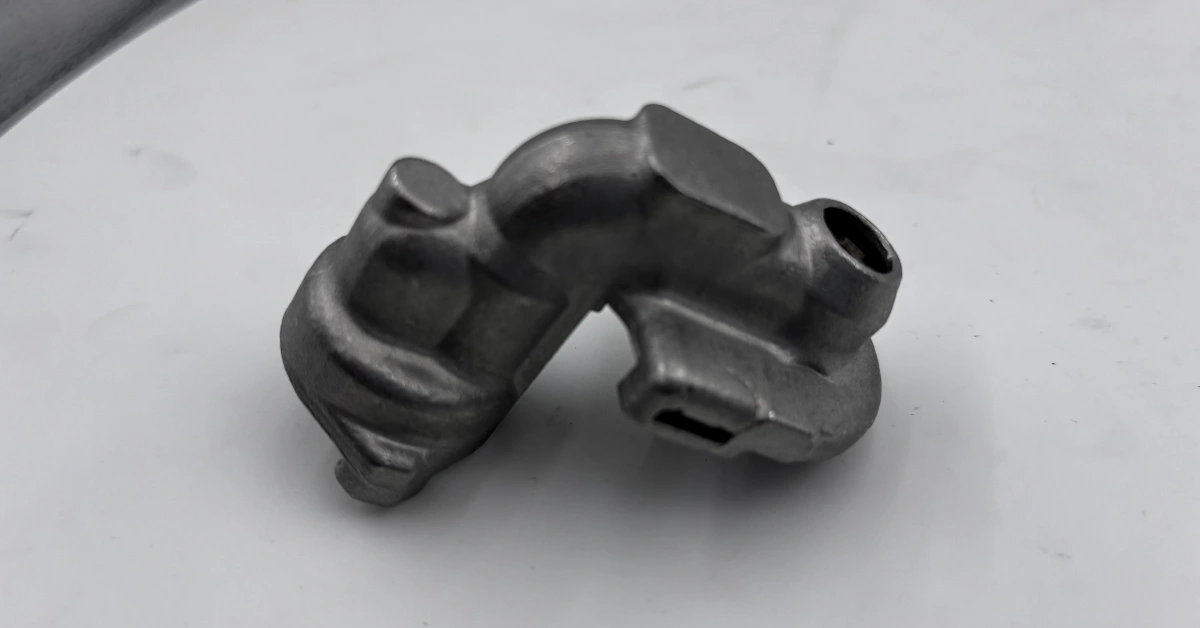
El hierro gris ASTM A48 es popular por ser un material resistente para componentes fundidos que requieren rigidez, estabilidad y buena maquinabilidad. Es común en cuerpos de bombas, cuerpos de válvulas, carcasas de engranajes, bases de máquinas, soportes, componentes de compresores y muchas piezas fundidas automotrices e industriales donde la amortiguación de vibraciones y la estabilidad térmica son cruciales.
Si su pieza necesita una excelente amortiguación o estabilidad dimensional tras el mecanizado, a menudo se elige fundición gris específicamente por ese comportamiento. En muchas aplicaciones, la fundición no compite con el acero en cuanto a resistencia a la tracción pura; se elige porque se comporta mejor para el trabajo.
ASTM A48 y mecanizado: Lo que sentirá en el taller
Una de las razones por las que a los compradores les gusta el hierro gris ASTM A48 es que normalmente máquinas previsiblemente Cuando la calidad de la fundición es estable, el grafito en escamas facilita la formación de viruta y suele reducir las fuerzas de corte, lo que puede prolongar la vida útil de la herramienta y reducir las vibraciones en muchas configuraciones.
Dicho esto, los resultados del mecanizado pueden variar entre las piezas fundidas si el proceso de fundición presenta desviaciones. Normalmente, lo notará primero como cambios en la sensación de dureza, cambios en el acabado superficial o un desgaste inesperado de la herramienta. Si el mecanizado es inconsistente, no siempre se trata de un "malo mecanizado"; puede deberse a variaciones en la piel de la pieza fundida, la microestructura local o inclusiones.
Otra nota práctica sobre mecanizado: el polvo de fundición gris es real. Muchos talleres mecanizan la fundición gris en seco con una buena extracción, mientras que otros utilizan estrategias de refrigeración controlada según la configuración y los requisitos de acabado superficial. El enfoque correcto depende de la geometría y las herramientas, pero la idea central es la siguiente: material estable = mecanizado estable.
Errores comunes al especificar la norma ASTM A48
Un problema muy común es especificar la norma ASTM A48 sin especificar claramente la clase o sin alinearla con los requisitos de las superficies funcionales. Otro problema es considerar la clase de tracción como el único requisito cuando el verdadero problema reside en otra cosa, como la porosidad cerca de las superficies de sellado, inclusiones o distorsiones que alteran los puntos de referencia.
También es frecuente la confusión entre la fundición gris y la fundición dúctil. Si una pieza requiere una ductilidad considerable, resistencia al impacto o un alto rendimiento a la fatiga, la fundición gris podría no ser la familia adecuada. En ese caso, los compradores suelen buscar las especificaciones de la fundición dúctil. La cuestión no es que una sea "mejor", sino que son materiales diferentes elegidos por razones distintas.
Finalmente, muchos problemas de abastecimiento ocurren porque el plano no separa claramente las superficies "aceptables en estado bruto de fundición" de las superficies "que deben estar limpias a máquina". Si no se define qué debe estar en buen estado después del mecanizado, especialmente las caras de sellado, los puertos y los orificios críticos, se corre el riesgo de descubrir problemas tarde, cuando el mecanizado ya ha aumentado el coste.
Cómo especificar ASTM A48 en un plano o solicitud de cotización (sin complicarlo demasiado)
Para la mayoría de los compradores, la forma más clara de especificar ASTM A48 es indicar claramente el estándar y la clase y luego agregar solo los requisitos que realmente importan para su pieza.
Si se requiere mecanizado (lo cual suele ocurrir), tenga claro qué superficies son funcionales después del mecanizado y cuáles son cosméticas o no críticas. Si la pieza retiene presión, indíquelo con antelación. Si necesita control de dureza para superficies de desgaste, puede solicitarlo explícitamente en lugar de asumir que la clase de tracción lo garantiza. Y si la consistencia es importante entre lotes, solicite un enfoque de proceso estable y pruebas prácticas, como la certificación de pruebas de materiales y comprobaciones básicas adaptadas a su nivel de riesgo.
El objetivo no es sobrecargar el paquete de cotizaciones. El objetivo es evitar la situación común en la que el proveedor adivina qué es importante y usted descubre la discrepancia más tarde.
Calidad e inspección: ¿Qué es razonable pedir?
Si compra carcasas generales, lo habitual es comprobar el cumplimiento de la clase de material y la inspección dimensional estándar de las características clave. Si su pieza es crítica (hermética, relevante para la seguridad o sensible a la tolerancia), normalmente querrá un plan más sólido que reduzca la posibilidad de detectar problemas internos después del mecanizado. No es necesario fabricar todas las piezas con un nivel aeroespacial, pero sí es importante la alineación: las piezas de mayor riesgo requieren una verificación más rigurosa antes de someterse a costosos pasos de mecanizado.
Una regla práctica: inspeccionar la pieza fundida en las zonas que se convertirán en interfaces funcionales después del mecanizado, porque es ahí donde los defectos se convierten en chatarra.
Preguntas frecuentes: ASTM A48
¿ASTM A48 es lo mismo que “hierro fundido”?
No exactamente. “Hierro fundido” es un término amplio. ASTM A48 se refiere específicamente a piezas fundidas de hierro gris, que se comportan de manera diferente al hierro dúctil y otros tipos de hierro fundido.
¿Cuál es la diferencia entre ASTM A48 Clase 30 y Clase 40?
En términos prácticos, la Clase 40 tiene un requisito de resistencia a la tracción mínima más alto que la Clase 30. Eso generalmente significa que el material puede ser más fuerte y potencialmente más duro, lo que puede influir en la sensación y el rendimiento del mecanizado dependiendo de su diseño y el espesor de la sección.
Si no especifico una clase, ¿qué obtendré?
Normalmente obtendrá lo que el proveedor asume como "estándar" para ese tipo de pieza o lo que produce su práctica habitual de fundición. Esto es arriesgado, ya que el "estándar" varía según el proveedor y la aplicación. Si le importa la consistencia, especifique siempre la clase.
¿Una clase ASTM A48 más alta siempre significa una mejor pieza?
No automáticamente. Una clase superior puede ser la opción correcta cuando se necesita mayor resistencia o rigidez, pero también puede aumentar la sensibilidad al control del proceso en secciones más gruesas. La "mejor" clase es la que se ajusta a los requisitos reales de la pieza y mantiene la previsibilidad del mecanizado.
¿Se puede soldar el hierro gris ASTM A48?
En algunos casos, se puede soldar, pero generalmente no se considera un material apto para soldar y las reparaciones pueden provocar grietas, distorsiones o nuevas tensiones. Si es probable que se requiera una reparación por soldadura, es mejor acordar una política de reparación con antelación en lugar de asumir que todo estará bien más adelante.
¿Por qué dos lotes de “ASTM A48” se mecanizan de manera diferente?
Dado que el comportamiento del mecanizado puede variar con cambios en la microestructura de la fundición, la dureza, los efectos del espesor de la sección, la piel de la fundición o la limpieza (como las inclusiones), conviene revisar la consistencia de la fundición y determinar en qué parte de la pieza se encuentra el problema.
¿Cómo debo mencionar ASTM A48 en una orden de compra?
Indique claramente la norma y la clase (por ejemplo, ASTM A48 Clase X), luego agregue cualquier requisito verdaderamente necesario como rango de dureza (si se requiere), expectativas de integridad de presión (si corresponde) y qué superficies se deben limpiar a máquina.
¿Debo utilizar hierro gris (ASTM A48) o hierro dúctil para mi aplicación?
Si la aplicación requiere ductilidad, resistencia al impacto o alto rendimiento a la fatiga, se suele considerar el hierro dúctil. Si se busca excelente maquinabilidad, amortiguación de vibraciones y estabilidad dimensional para carcasas y bases, se suele utilizar hierro gris ASTM A48. La elección correcta depende de las funciones de la pieza en servicio.
Conclusión
La norma ASTM A48 es popular porque es una forma práctica de definir calidad de fundición de hierro gris De una forma que los compradores occidentales entiendan. La clave está en usarla correctamente: especificar la clase con claridad, alinearla con las necesidades reales de rendimiento de la pieza y ser explícito sobre qué debe ser sólido y limpio para la máquina en las superficies funcionales. Cuando se logra esta alineación, se obtienen piezas fundidas predecibles, un mecanizado más suave y menos sorpresas en la última etapa, justo lo que la mayoría de los proyectos de abastecimiento realmente necesitan.