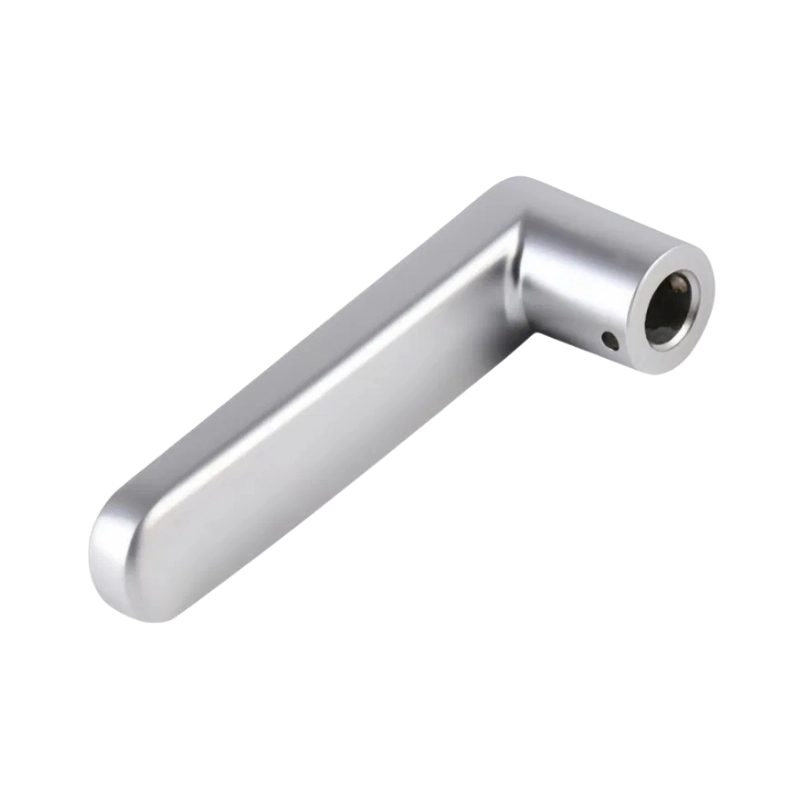
When buyers compare forged vs cast valves, the real question is not which one sounds stronger on paper. The useful question is which manufacturing route gives the valve the right combination of pressure capability, geometry, reliability, lead time, and total cost for the service it will actually see.
That matters because a valve is not just a flow-control device. It is also a pressure-containing component. The manufacturing route for the body and bonnet directly affects what shapes can be made easily, what sizes are practical, how the material behaves under load, and how much machining and inspection are needed before the valve is ready for service. Standards such as ASME B16.34 explicitly cover cast, forged, and fabricated valves, along with pressure-temperature ratings, materials, dimensions, testing, and marking requirements.
This article keeps the comparison practical. If you are trying to place the right order, evaluate a quote, or understand why one supplier is recommending a forged valve while another is recommending a cast one, the goal here is to make that decision easier.
What “forged valve” and “cast valve” usually mean
In most industrial valve discussions, “forged” and “cast” refer mainly to the pressure-containing body and bonnet components rather than every internal part. A forged valve typically starts from forged stock or a forged near-net blank, then the pressure-containing components are machined to final dimensions. A cast valve starts from a poured casting, which is then heat treated, machined, and finished in the functional areas.
That distinction matters because the manufacturing route shapes what the valve is naturally good at. Forging tends to suit compact, high-integrity parts where strength, density, and consistency are priorities. Casting tends to suit more complex external and internal shapes, larger sizes, and valve bodies where forming the shape directly is more efficient than removing large amounts of material by machining.
How forged valves are made
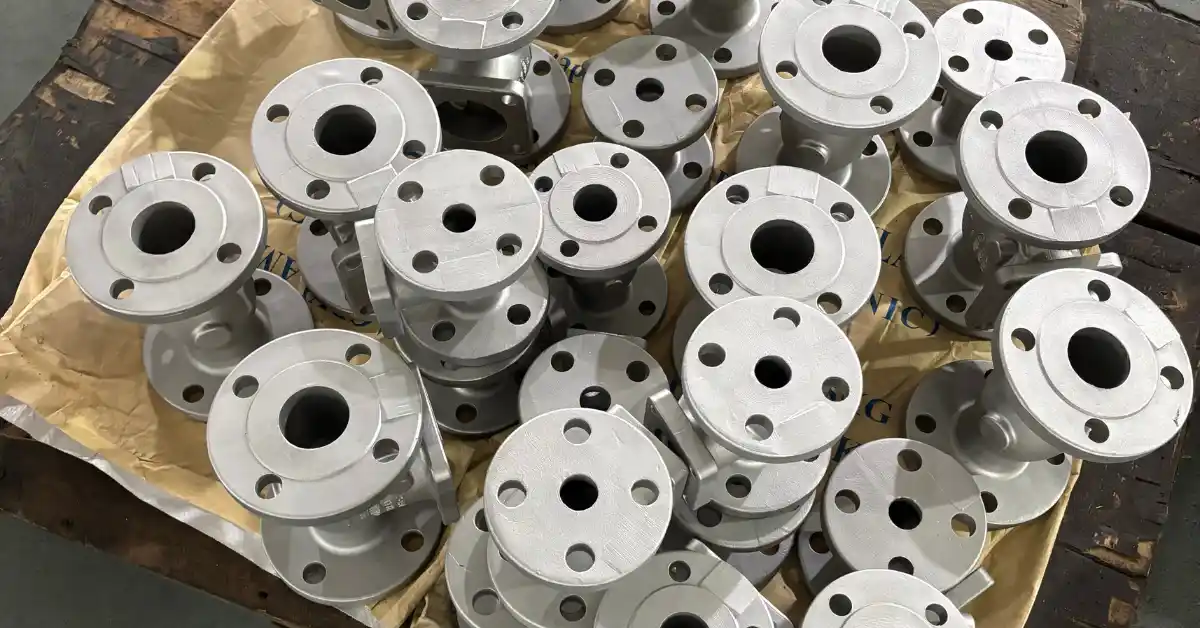
A forged valve body is produced by plastically deforming heated metal under compressive force until it takes the required general form. After forging, the part goes through machining so the bores, sealing faces, threaded or socket ends, flange details, and other critical features meet dimensional requirements. For carbon steel pressure components, ASTM A105 covers forged carbon steel piping components including valves, while ASTM A182 covers forged or rolled alloy and stainless steel flanges, fittings, valves, and valve parts for high-temperature service. (ASTM International | ASTM)
In practical terms, forged valves are usually chosen when the body geometry is relatively compact and the service demands are high enough that buyers want the extra confidence that comes from a forged pressure-containing part.
How cast valves are made
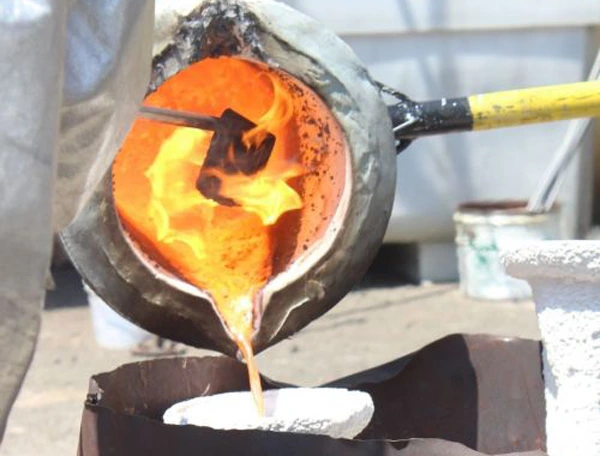
A cast valve body is made by pouring molten metal into a mold shaped like the valve body, then allowing it to solidify before cleaning, heat treating, machining, and inspecting it. The big advantage is geometric freedom. Casting is simply better suited to making bodies with more complicated contours, larger flow passages, and shapes that would be wasteful or difficult to forge and machine from solid.
For carbon steel cast valves, ASTM A216 covers carbon steel castings for valves, flanges, fittings, and other pressure-containing parts for high-temperature service. For austenitic and duplex stainless cast valve bodies, ASTM A351 covers castings for valves, flanges, fittings, and other pressure-containing parts. Alloy steel and martensitic stainless castings for pressure-containing parts are covered under ASTM A217.
In valve manufacturing, this is why cast bodies are so common in larger flanged valves and in designs where body geometry is more complex.
Common materials used in forged and cast valves
The material families often overlap, but the specific standards usually differ because the manufacturing route is different.
For forged valves, common carbon steel and stainless choices include ASTM A105 for forged carbon steel and ASTM A182 grades for forged alloy and stainless steels used in valves and valve parts. Those forged specifications are built around pressure-system use and include heat-treatment requirements appropriate to forged products.
For cast valves, common carbon steel choices include ASTM A216 grades such as WCA, WCB, and WCC, while cast stainless and duplex grades are commonly selected from ASTM A351. For higher-temperature alloy cast valve bodies, ASTM A217 is often relevant.
In plain language, forged valve materials are usually selected when the part will be made by forging and machining, while cast valve materials are selected when the body shape is best produced as a casting and then machined.
The biggest performance differences in real service
The practical strength of a forged valve is usually its material continuity and structural integrity in a compact pressure-containing form. Forging generally refines the material structure and is commonly associated with valves used in high-pressure and high-temperature service, especially in smaller sizes and socket-weld or threaded configurations. Cast valves, by contrast, are often preferred when the valve body is larger or more complex and the geometry itself is a major part of the cost equation.
That does not mean cast valves are “low quality.” Many cast valves are entirely appropriate and industry-standard for demanding service. What it means is that forged and cast valves solve different manufacturing problems. Forging is often the right answer when body geometry is simpler and pressure/service severity is high. Casting is often the right answer when body geometry is more complex, valve sizes are larger, and producing the shape efficiently matters just as much as raw strength.
Where forged valves are usually used
Forged valves are often found in smaller-bore, higher-pressure applications, particularly in refinery, petrochemical, steam, utility, and process piping where compact body designs and strong pressure-containing parts are preferred. Socket-weld and threaded forged valves are a familiar example, and that is one reason standards for forged fittings and valves are so closely tied to that part of the piping world.
If your application is small-to-medium size, high class, and the body shape is relatively straightforward, forged valves are commonly the natural candidate.
Where cast valves are usually used
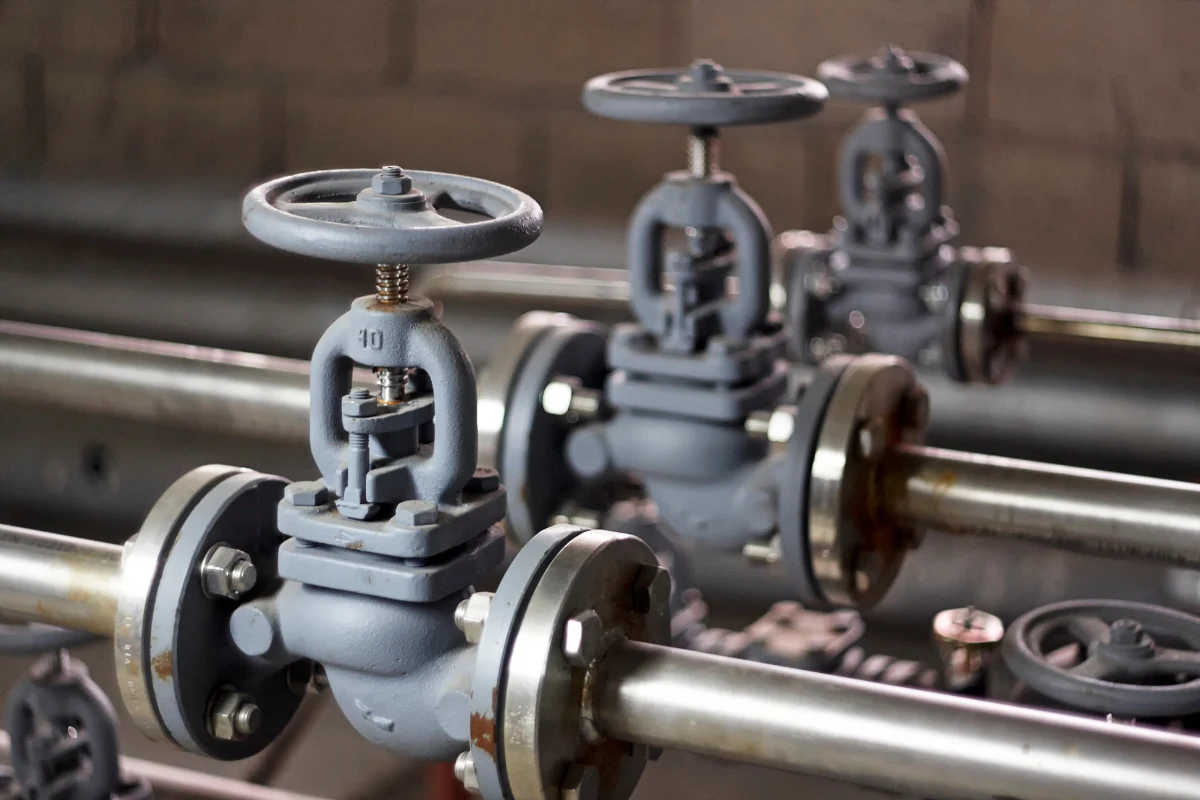
Cast valves are common in larger diameters, flanged-end valves, and body designs with more complex passage geometry. Globe, gate, check, and ball valve bodies in larger sizes are often cast because casting is a practical way to create the shape without extreme machining waste. Cast stainless valve bodies are also widely used where corrosion resistance and body geometry both matter.
If your application needs a larger valve body, more complex form, or a casting-friendly stainless body with substantial geometry, cast construction is often the practical direction.
Advantages of forged valves
Forged valves are often chosen because they provide confidence in demanding service. They are usually compact, structurally robust, and well suited to high-pressure service where body integrity is critical. They also tend to machine predictably because the starting material is controlled and dense. For smaller, pressure-intensive applications, forging can be a very efficient route from both a quality and life-cycle standpoint.
The tradeoff is that forging is less naturally suited to large, highly complex body shapes, and once size and geometry become more demanding, the manufacturing advantage often shifts toward casting.
Advantages of cast valves
Cast valves offer more shape freedom and are often the most practical way to produce larger or more geometrically involved bodies. Casting can reduce material waste compared with machining a large body from forged stock, and it can make valve body features more economical to produce when the design is casting-friendly. Cast bodies are also common across major valve categories, so buyers can often find cast routes that are very mature and commercially efficient.
The tradeoff is that casting quality control becomes more important, especially if pressure-containing zones, sealing surfaces, or heavily machined areas are involved. This is why the quality of the foundry, process control, and inspection plan matters so much for cast valve bodies.
The real disadvantages buyers should think about
The biggest mistake in forged-vs-cast comparisons is turning the question into “which is stronger?” and stopping there.
Forged valves can cost more upfront for certain body sizes and may be less efficient when the valve body geometry becomes large or complicated. Cast valves can be extremely effective, but they ask for more attention to casting soundness and quality control in the zones that matter. In both cases, the finished valve still depends heavily on machining quality at seats, bores, flange faces, threads, and stem-related interfaces. The body route matters, but it does not replace finishing, assembly discipline, and testing.
How to choose between forged and cast valves
A useful decision shortcut is this: if the valve is smaller, higher-pressure, and structurally compact, forged construction often makes more sense. If the valve is larger, more complex in body form, or more casting-friendly by geometry, cast construction often makes more sense.
Then ask what actually creates risk in your application. If the risk is extreme pressure in a compact body, forged often moves to the front. If the risk is cost, large size, or complex body geometry, cast often becomes the sensible option. If the valve will be heavily machined in certain areas, the smarter question may be: which route gives the cleanest, most stable starting point for those critical machined features?
A practical note on custom valve parts
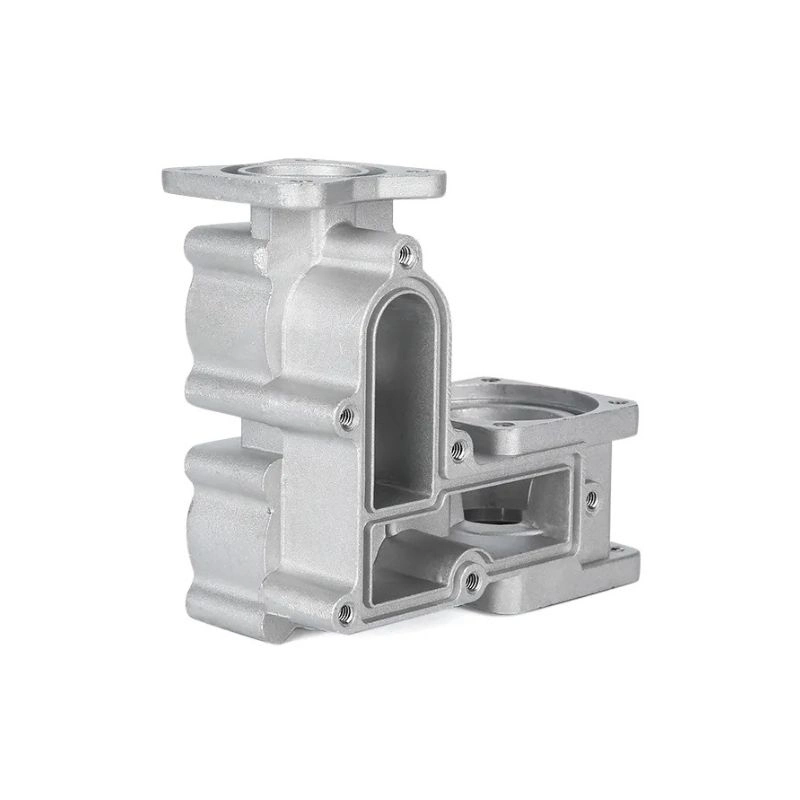
Many projects do not require a complete finished valve from a single source. Sometimes the real requirement is a custom valve body or pressure-containing valve component that will later be machined, assembled, or integrated into a larger valve program. In those situations, casting can be especially attractive because it allows the body geometry to be customized efficiently and then finished where it matters.
En Fabricación de HDC, this is where we fit naturally. We support custom casting valve parts, especially valve-body-style components, using casting followed by CNC finishing on the critical functional areas. If your project is in that category, our investment-cast valve body capability is the most relevant place to start.
FAQ: Forged vs cast valves
Is a forged valve always better than a cast valve?
No. A forged valve is often better for smaller, high-pressure, structurally compact service, but a cast valve is often the better choice for larger or more complex valve bodies. The better route is the one that matches the size, pressure class, geometry, and cost target.
Why are forged valves often smaller?
Because forging is especially practical for compact pressure-containing parts. As valve bodies get larger and more complex, casting usually becomes the more efficient way to make the shape.
Are cast stainless valves common?
Yes. Cast stainless valve bodies are widely used, particularly under ASTM A351 material families for pressure-containing parts. They are common when corrosion resistance and body geometry both matter. (htpipe.com)
If I only need a custom valve body, should I still think about forged vs cast?
Absolutely. In many custom projects, the body route is the key cost and manufacturability decision. If the geometry is complex and the body will be machined afterward, a cast route is often the most practical starting point.
What should I include in an RFQ for a valve body or valve part?
Include the valve type, pressure class, material expectation, size range, end connection style, any standards you need to meet, and which surfaces or bores will be machined or sealing-critical. That usually makes the forged-vs-cast recommendation much more accurate.
Conclusión
The difference between forged and cast valves is not just about process—it is about fit for purpose. Forged valves are often the stronger choice for smaller, high-pressure, compact applications where body integrity is the priority. Cast valves are often the smarter choice for larger or more complex bodies where shape efficiency, material flexibility, and practical manufacturability matter more. The best choice comes from matching the route to the service, the geometry, and the finishing requirements. And if what you really need is a custom cast valve body or valve component rather than a full off-the-shelf valve, a casting-first route with CNC finishing is often the most useful place to start.