When you have ever touched the galvanized steel, you could have thought, Is galvanized steel magnetic? It is one of the frequent inquiries of constructors and home builders, as well as engineers. Magnetism is important in steel because it influences the way you use it and what tools can be used, and it determines whether it can be used with magnetic fasteners or industrial machines.
In this guide, we are going to deconstruct the science of the metal and provide you with the answer that is obvious.
¿Qué es el acero galvanizado?
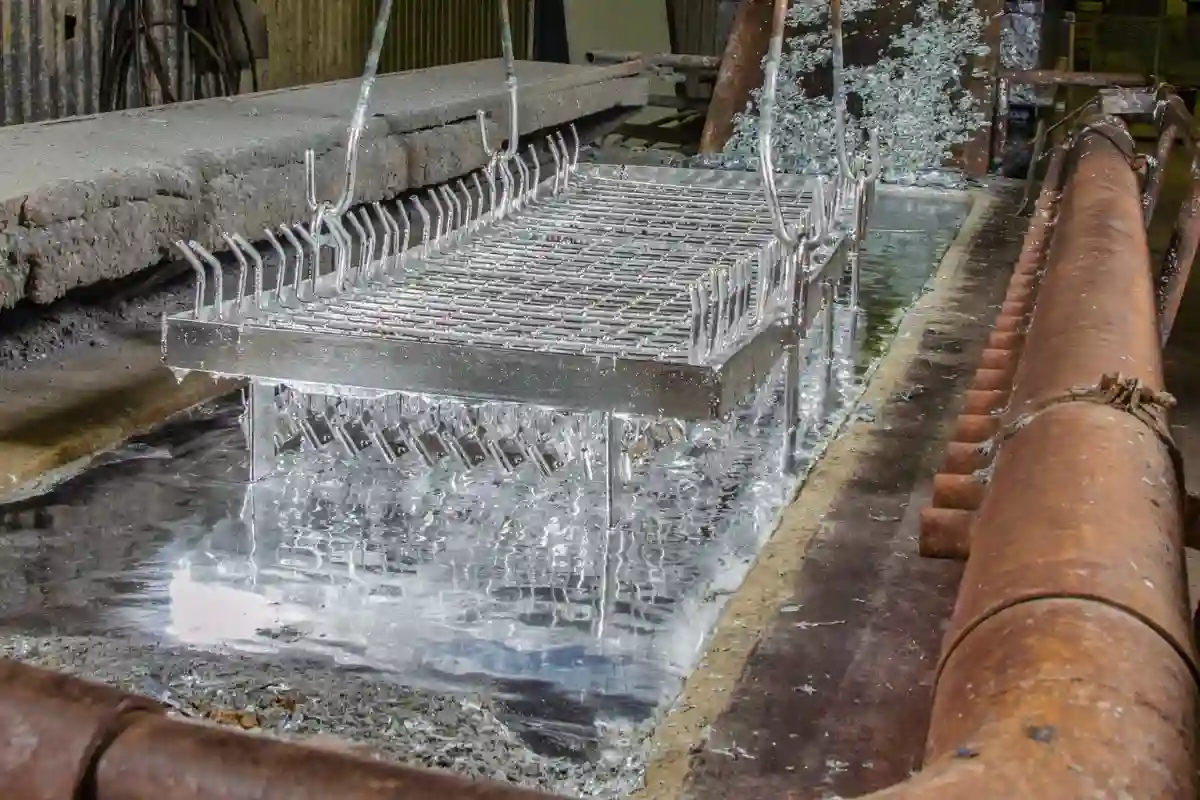
Galvanized steel is just a type of steel that has a thin coat of zinc so as to guard against rust and corrosion. Just imagine it to be steel with a shield. This zinc coating prevents moisture and oxygen access to the underlying metal, which increases the metal’s life.
Two types of galvanized steel include:
- Galvanizado en caliente: The steel is immersed in the molten zinc. This forms a coating that is thick and tough.
- Electro Galvanizing: It is zinc that is affixed with an electric current. This provides a finer and smoother coating, which may be decorative or light duty.
Galvanized steel in every place. You can see it in construction (roofs, frames, and fences), auto parts, appliances, and even self-help shelving.
Is Galvanized Steel Magnetic?
The answer to this is simple: yes, in most cases galvanized steel is magnetic.
Why? The zinc coating is on the basis of metal. Galvanized steel is normally composed of either carbon steel or iron, which are naturally magnetic. The zinc coating does not render it nonmagnetic; it is merely a surface film that coats it.
Therefore, when you attempt to put a magnet on galvanized steel, it tends to adhere. The only exceptions are in a few instances where the base steel is modified or changed with nonmagnetic metal.
Factors Affecting Galvanized Steel Magnetism
Not all galvanized steel acts in the same manner in regard to magnetism. Here are some key factors:
- Steel Alloy Composition: The magnetic response of some alloys is low.
- Thickness of Zinc Coating: The thicker the zinc, the less strong the grip of the magnet can be.
- Heat Treatment, Bending, or Welding: These operations may alter the structure of the steel and may influence magnetism.
- Environmental Factors: Magnetic pull can be worn out or very much affected by environmental factors like rust and corrosion or the magnetic pull may be weakened by these factors.
When Galvanized Steel May Not Be Magnetic
There are times when you will find that there is a pull of a weak magnet or no pull at all. This usually happens if:
- It is made of nonferrous metal (non-iron-based).
- The steel core is either alloyed or very thin.
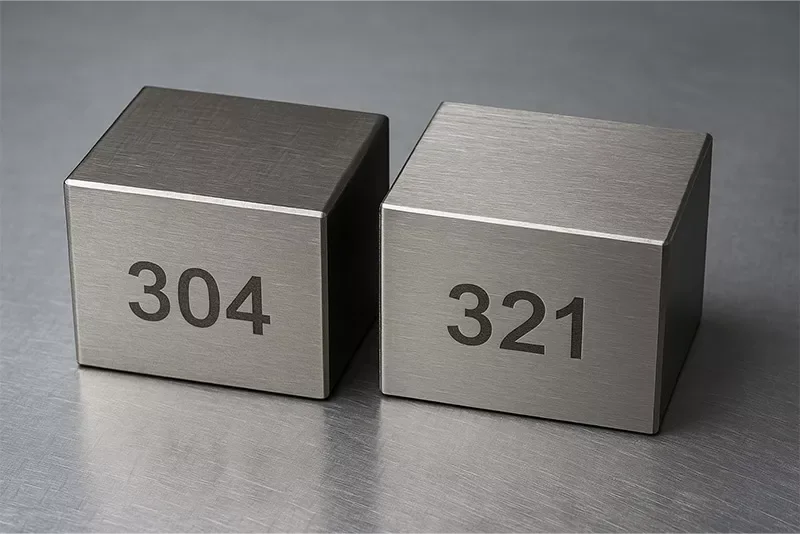
- There is a misunderstanding of stainless steel and galvanized steel.
Tip: It is always prudent to have a look at the base metal before concluding on the magnetic strength of the material.
Galvanized Steel vs. Stainless Steel: Which is More Magnetic?
| Propiedad | Acero galvanizado | Acero inoxidable |
| Contenido de hierro | High (Mostly steel) | Varies (Usually cheaper, has nickel/chromium) |
| Magnetismo | Strongly Magnetic | Weakly magnetic or nonmagnetic (Grade dependent) |
| Resistencia a la corrosión | Very Good (Zinc coating) | Superb (Stainless steel) |
| Usos comunes | Construction, Hobby work, and the Motor industry. | Kitchenware, Chemical, Medical industries. |
| Magnet Friendly? | Yes, it attracts magnets easily. | There are guards who are weakly attractive, and there are those who are not attractive. |
How to Test if Galvanized Steel is Magnetic
The test is easy and it can be performed at home
- Magnet Test: Place a magnet on the surface. When it is firmly stuck, then it is amagnetic steel.
- Compass or Metal Detector: A magnetic field will cause a movement on a needle of a compass.
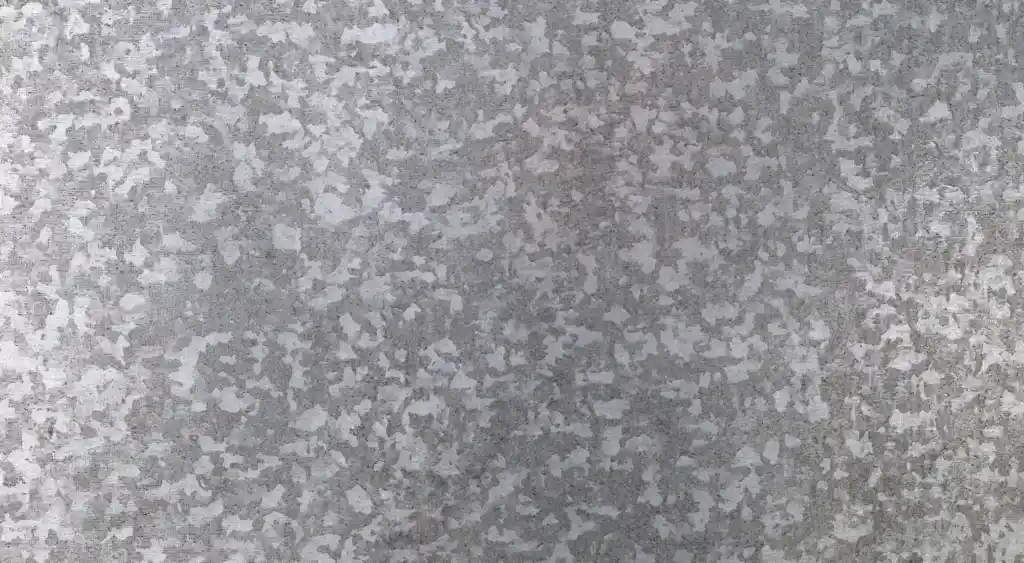
- Avoid Mistakes: It is not sufficient to trust the appearance of the zinc coating. Zinc is not a magnetic element and appears shiny.
Practical Applications Where Magnetism Matters
The galvanized steel is not only magnetic but also does have practical uses
- Construction and Building Projects: Magnetic steel panels may be used in terms of the fastener placement and fitting.
- DIY Projects, Shelving, and Tools: Magnetics are used to install easily and within a shorter time.
- Automotive and Appliance Manufacturing: Magnetic steel is used with automated machines and sensors.
Benefits of Magnetic Properties in Galvanized Steel
So who cares whether galvanized steel is magnetic or not? Here are some advantages:
- Easier to Handle and Install with Magnets: There is no need to hold the steel with hands in awkward positions.
- Compatibility with Magnetic Fasteners and Tools: Makes work faster and safer.
- Useful in Industrial Machinery: There are numerous machines that depend on magnetic steel either as sensors, for sorting, or as assemblies.
Limitations of Galvanized Steel Magnetism
Magnetism has limits. In some situations:
- Magnetism strength can be weakened to some extent by a heavy zinc coating.
- Galvanized steel is not necessarily the best choice in the event that your application needs a high magnet response.
- The magnetism may vary with time when subject to very high temperatures or corrosive environments.
Common Myths About Galvanized Steel Magnetism
Let’s clear up some myths:
- Myth: Zinc makes steel nonmagnetic.
Truth: Zinc is not magnetic but it does not have the ability to prevent magnetism as a shield; instead, it sits on the top.
- Myth: All steel is equally magnetic.
Truth: The list of components of the steel is important. More iron equals more pull.
Knowing the truth is a way of saving time and frustrations in your projects.
Tips for Choosing Galvanized Steel for Projects Requiring Magnetism
The secret to choosing the correct materials is as follows:
- Choose the Right Alloy: Carbon steel performs well in the case of magnetism.
- Consider Zinc Thickness: The thinner the coating, the greater the magnetic pull.
- Check Tool Capability: This is to ensure that magnets and fasteners work.
Veredicto final
Overall, galvanized steel tends to be magnetic, the reason being that it is based on iron or carbon steel. The coating is made of zinc, which prevents rust but seldom significantly impacts magnetic properties.
At HDC, we offer premium quality galvanized steel that can be used in a diverse variety of projects that require magnetism. Before purchasing, we suggest that one should pay attention to the base metal and coating thickness. Today browse our range of steel and make sure you have the appropriate steel to fit your building, DIY or industrial projects.
FAQs About Galvanized Steel Magnetism
Is Galvanized steel always magnetic?
Yes, most of the time, but that is a matter of the base metal. Course of nonferrous can be nonmagnetic.
Is Galvanized steel more magnetic than regular steel?
Not necessarily. The magnetism is produced by the base steel and not by the zinc coating.
Does rust or wear affect magnetism?
Yes, it is a fact that magnetic response can be weakened by heavy corrosion or damage.
Can galvanized steel lose magnetism over time?
It is not easily affected by normal usage but it may be influenced by excessive heat or chemicals.
How can I tell if my galvanized steel is magnetic before buying?
Do a basic magnetic test or do checking with the supplier regarding the steel alloy and coating.