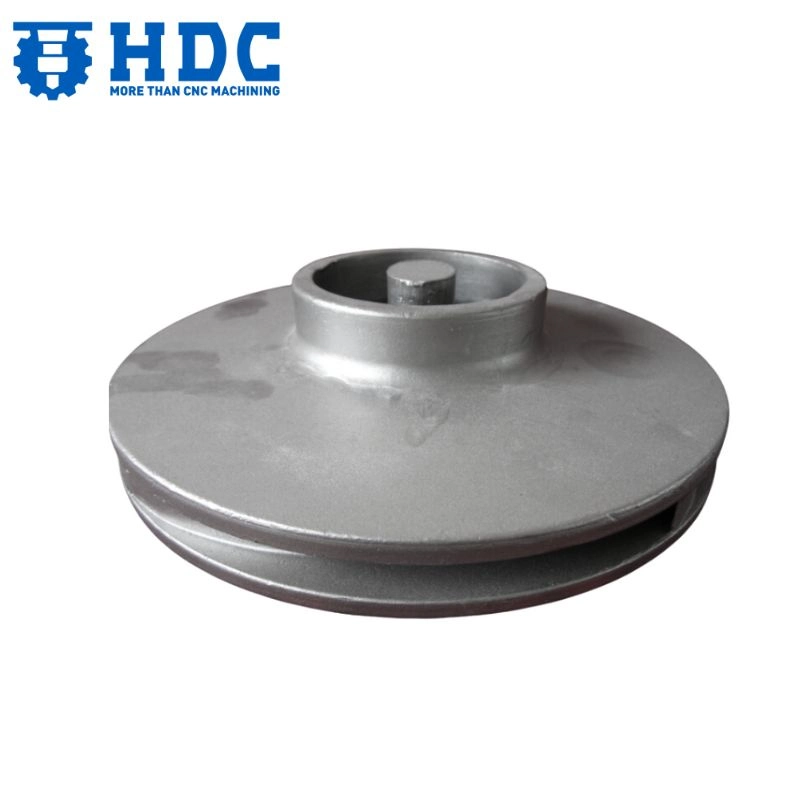
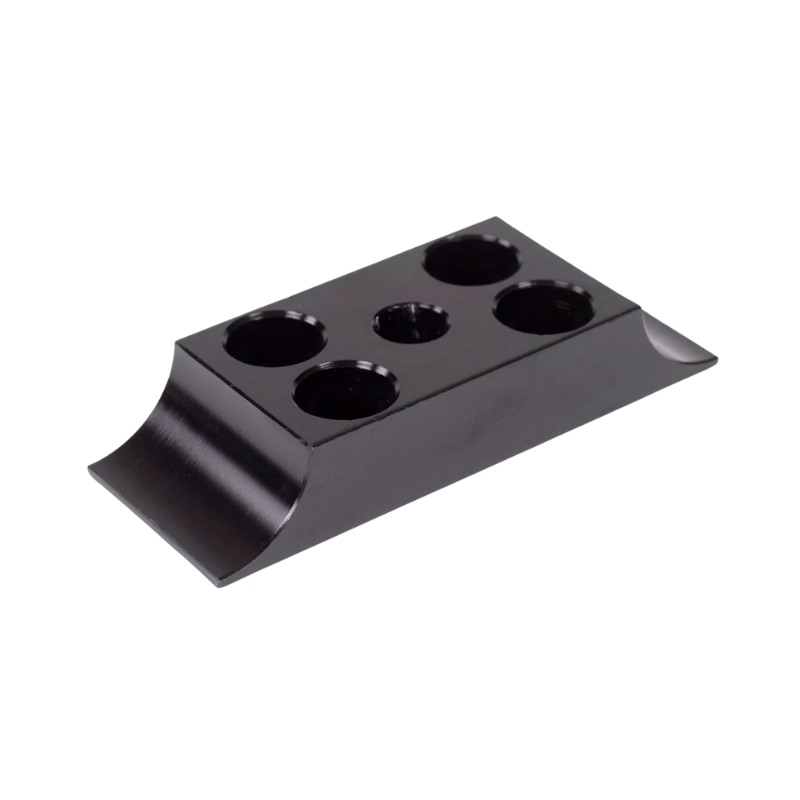
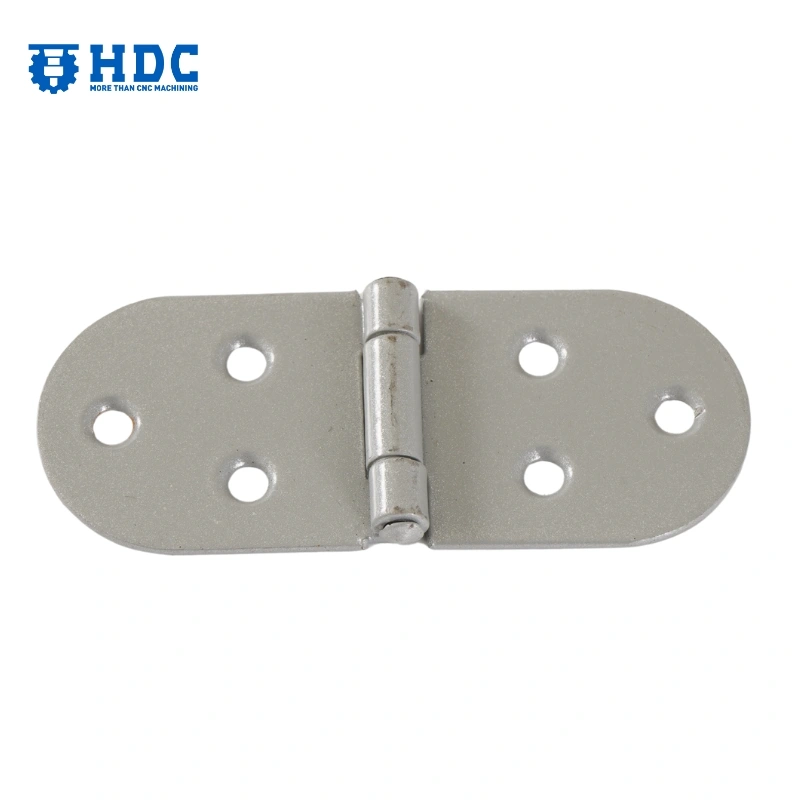
Découvrez les avantages et les applications de l'usinage CNC en petits lots, notamment la flexibilité de la production, la variabilité des produits et la rentabilité. Cet article explique comment l'usinage CNC prend en charge efficacement la production de petits lots, en s'adaptant à l'évolution rapide des demandes du marché.
Comprendre la production en petits lots
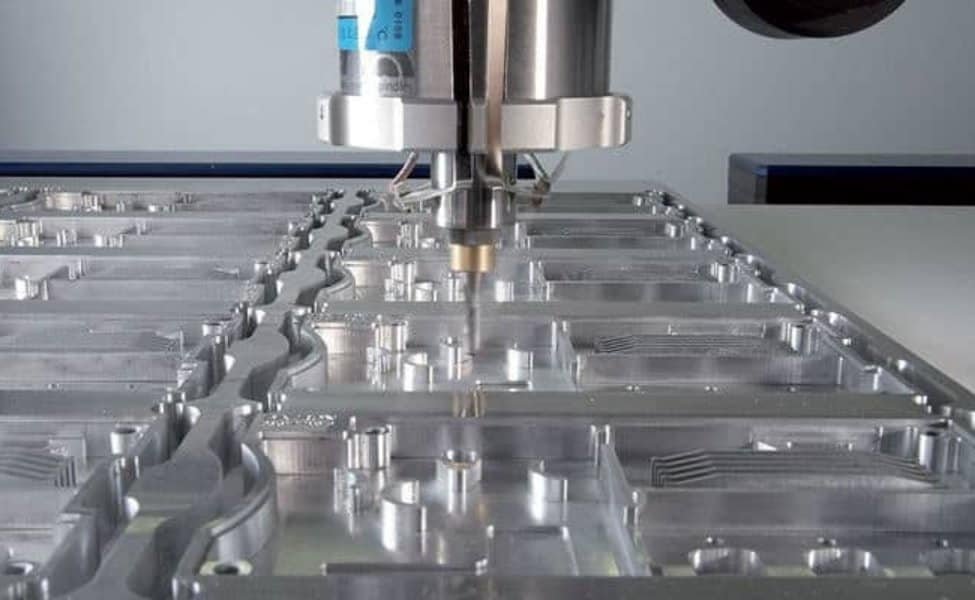
La production en petits lots est un type de production qui désigne la fabrication en grande quantité de biens et de produits, mais dont le nombre d'unités visées est inférieur à 500. Elle peut toujours être considérée comme une forme de production de masse, mais avec une quantité nettement inférieure à celle de la production de masse classique de plus de 2 000 unités.
Diverses entreprises profitent de ce style de production simplement en raison du volume promis, ainsi que de l'effet de levier du délai de mise sur le marché.
Les avantages de la CNC pour la production par lots
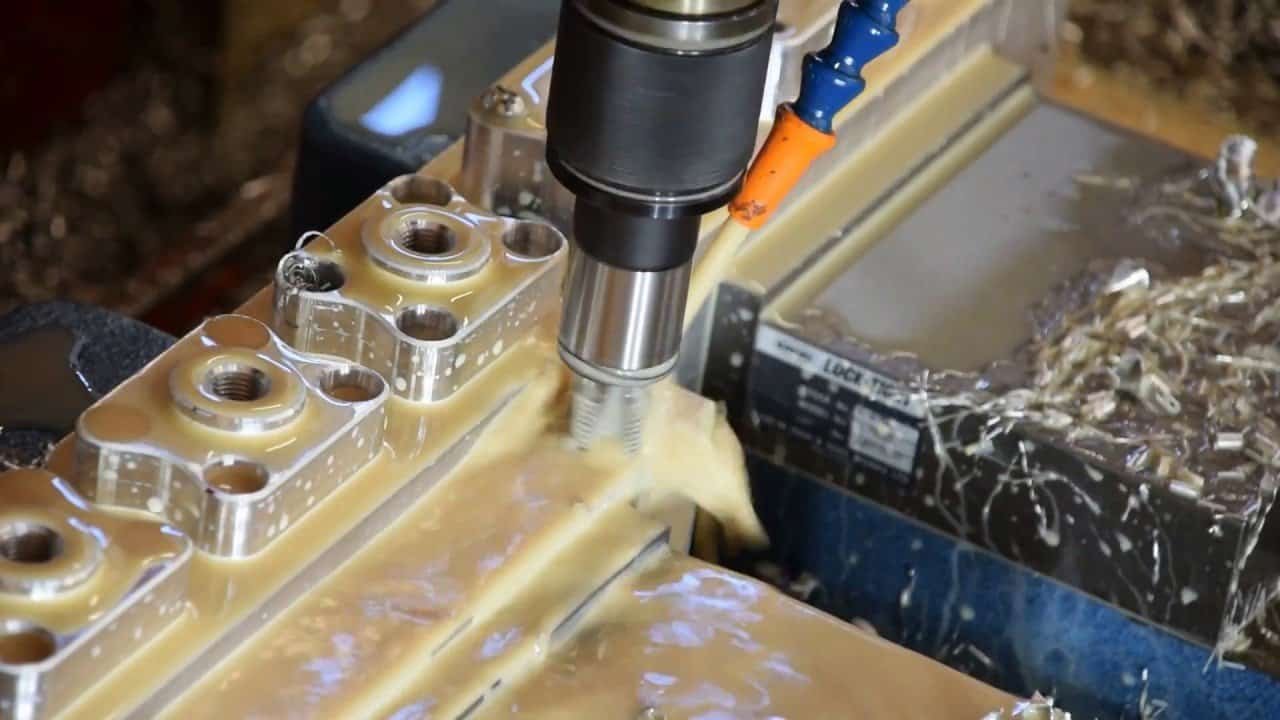
Oui, les machines et équipements CNC sont parfaitement adaptés à la production en série, et ce grâce à un seul mot : la répétabilité. La répétabilité, c’est-à-dire la capacité à reproduire la qualité d’un produit à plusieurs reprises, est essentielle à une production en série réussie.
L'utilisation de machines CNC peut s'avérer efficace pour la production en petites séries, car le flux de travail est programmé et rationalisé avec soin et rigueur.
LE SAVIEZ-VOUS: De nombreuses entreprises considèrent les machines CNC comme l'avenir non seulement de la production par lots, mais aussi de la production de masse.
Comprendre l'usinage CNC en petits lots
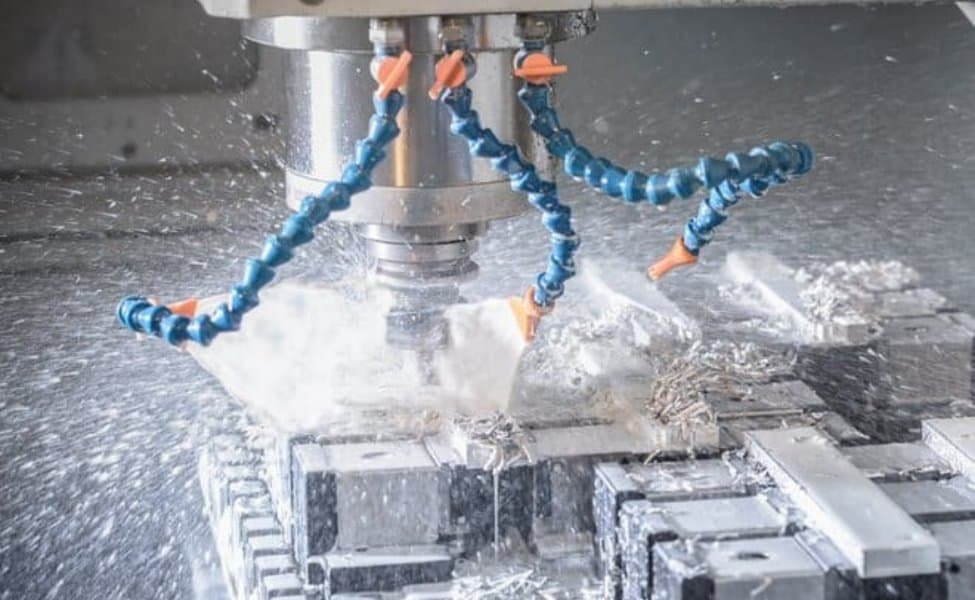
Le terme est assez explicite. C'est le processus de fabrication utilisant des machines à commande numérique par ordinateur (CNC) très avancées qui sont conçues dans le but de fabriquer et/ou de produire en petits lots (généralement moins de 500).
Il existe également ce que nous appelons la fabrication par lots traditionnelle, qui implique l'utilisation de machines et d'équipements manuels et semi-automatiques traditionnels pour produire la quantité requise par un client.
Exemples d'outils d'usinage CNC
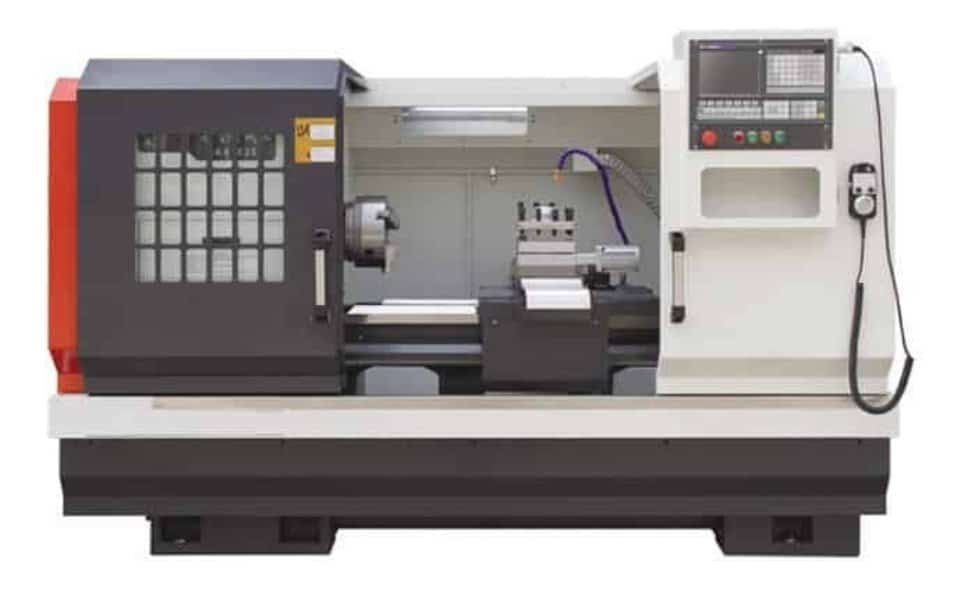
Il existe plusieurs types de machines CNC utilisées pour la fabrication et la production de petits lots. Chez HDC Manufacturing, nous profitons de nos connaissances, de nos compétences et de notre expérience dans le domaine de la fabrication industrielle.
Les outils d'usinage CNC les plus courants que vous souhaitez connaître sont :
Tours CNC
Les tours CNC ou à commande numérique par ordinateur sont des machines ou des équipements soustractifs où le matériau ou la pièce est monté et est tourné par la broche. Un outil de coupe travaillera sur le matériau pour atteindre la taille, la forme et la forme nécessaires ou idéales.
Au lieu que les travailleurs ajustent l'outil de coupe, il sera automatiquement contrôlé par le programme de la machine qui a été défini.
Machines laser CNC
Ce sont des machines utilisées pour la fabrication soustractive au moyen de lasers de grande puissance. Leur but est de couper, enlever ou réduire le matériau d'un matériau ou d'une pièce donnée.
Ces têtes laser n'ont pas besoin d'être contrôlées manuellement, elles se déplaceront automatiquement.
Découpeurs plasma CNC
Il s'agit de machines et/ou d'équipements permettant de découper des matériaux conducteurs d'électricité sans risque de blessure pour les employés ou les travailleurs. Ils peuvent découper sans effort le cuivre, l'acier doux, le titane, le bronze, le plomb, etc.
Routeurs CNC
Également utilisées pour la découpe, les fraiseuses CNC sont des machines automatiques servant au perçage, à la découpe ou au fraisage. Contrairement aux défonceuses classiques, elles ne nécessitent aucune intervention humaine pour contrôler leur fonctionnement.
Rectifieuses CNC
Enfin, les rectifieuses CNC sont des machines qui utilisent une meule rotative pour réaliser un enlèvement de matière efficace sur des pièces difficiles à usiner. Alors que les rectifieuses classiques nécessitent environ deux personnes, les rectifieuses CNC ne requièrent qu'un seul opérateur, et uniquement lors de la mise en route !
Avantages de la production en petits lots
La production en petits lots présente quelques avantages et avantages, notamment, mais sans s'y limiter :
Flexibilité de production
La flexibilité de production est primordiale dans le secteur manufacturier. La production en petites séries permet aux entreprises de fabriquer des biens avec la même machine, même avec des personnalisations !
Variantes de produit
La production par petits lots peut engendrer une grande variation sur les différents aspects des produits. Concrètement, cela signifie qu'il peut y avoir des différences de couleur, de taille, ainsi que de design et de forme.
Meilleur contrôle qualité
Un autre avantage serait le fait que la production en petits lots facilitera et facilitera le contrôle de la qualité. Contrairement à la production de masse, les évaluateurs et les inspecteurs seront en mesure de vérifier la qualité des produits de manière plus efficace et plus efficiente.
Réduction des coûts
Le fait que les unités seront achetées en gros signifie déjà que les coûts sont inférieurs pour le produit ou le service. Ces coûts inférieurs peuvent aider beaucoup à gérer les finances et à les diriger vers d'autres facteurs et installations plus importants de l'entreprise.
Tests de marché efficaces
Semblables à un meilleur contrôle de la qualité, les tests de marché seront beaucoup plus simples, plus faciles et plus pratiques pour l'entreprise. Ils n'auraient pas besoin de passer d'innombrables heures à le tester sur le marché, car ils peuvent recevoir plusieurs résultats simultanément.
Durabilité
Enfin, la production par petits lots peut favoriser une croissance durable pour l'entreprise grâce à la minimisation des risques et des erreurs dès le départ. Le nombre de produits susceptibles d'être altérés serait important, contrairement à la production de masse.
Inconvénients de la production par lots
Ce ne sont pas toujours des arcs-en-ciel et des papillons - la production en petits lots a aussi ses inconvénients et ses inconvénients ! Ils comprennent: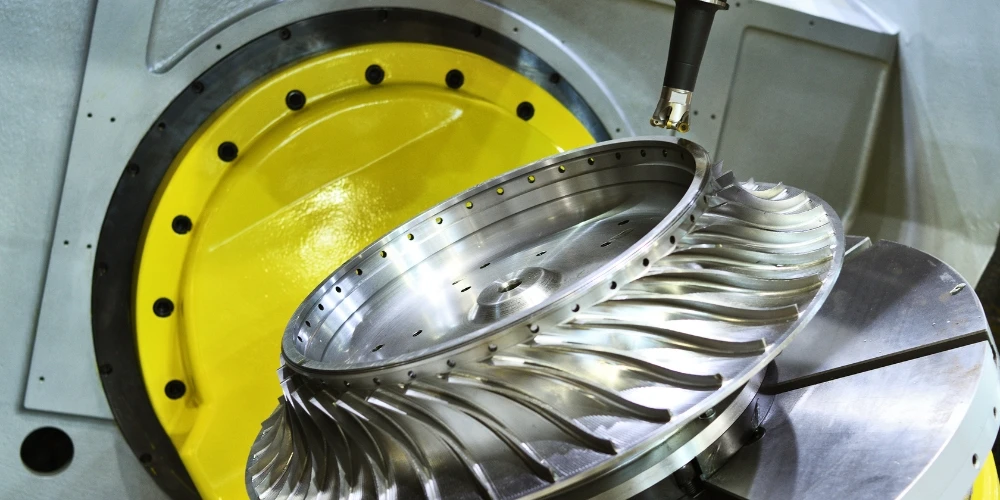
Erreurs coûteuses
Comparativement à une production à plus petite échelle, le traitement par petits lots est sujet à des erreurs coûteuses. Même s'il s'agit de moins de 500 unités au départ, cela représente tout de même plus d'une centaine d'unités – que se passe-t-il si vous traitez des composants d'une valeur de $100 ?
Plus de temps d'arrêt/temps d'inactivité
Un changement majeur dans le style ou la conception signifie qu'il y aura un temps d'arrêt ou un temps d'inactivité extrêmement long. Pourquoi? – Parce que vous devrez changer toute la chaîne de fabrication pour pouvoir poursuivre ces changements.
Le besoin d'une attention constante
Plus le nombre de lots produits, même petits, augmente, plus la surveillance doit être constante. Même les machines CNC ne peuvent garantir qu'un produit sera identique à un autre (101%) : leur répétabilité est conçue pour la précision et l'exactitude, et non pour des imitations parfaites.
Ce sont les avantages et les inconvénients de l'utilisation du traitement CNC en petits lots ! Comme vous pouvez le voir, les avantages l'emportent largement sur les inconvénients !
Le coût d'un petit tour CNC
Un petit tour CNC peut vous coûter entre $5 000 et $100 000, selon la complexité et l'étendue de l'équipement que vous recherchez.
Les entreprises de fabrication à forte charge se situent généralement autour de la gamme $20,000 et $40,000, tandis que les fabricants et usines à part entière vont jusqu'à $100,00.
Produits que l'usinage CNC en petits lots peut produire
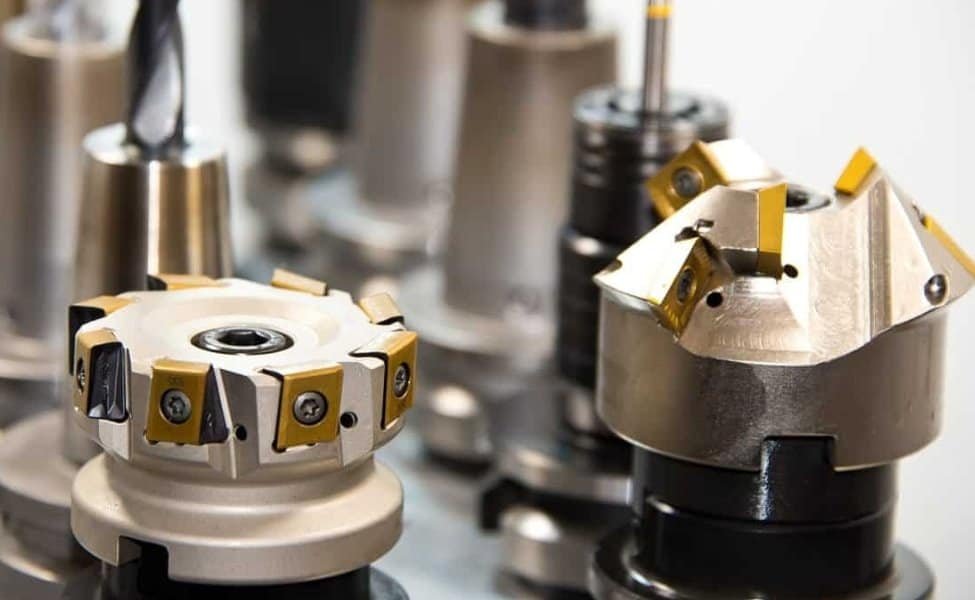
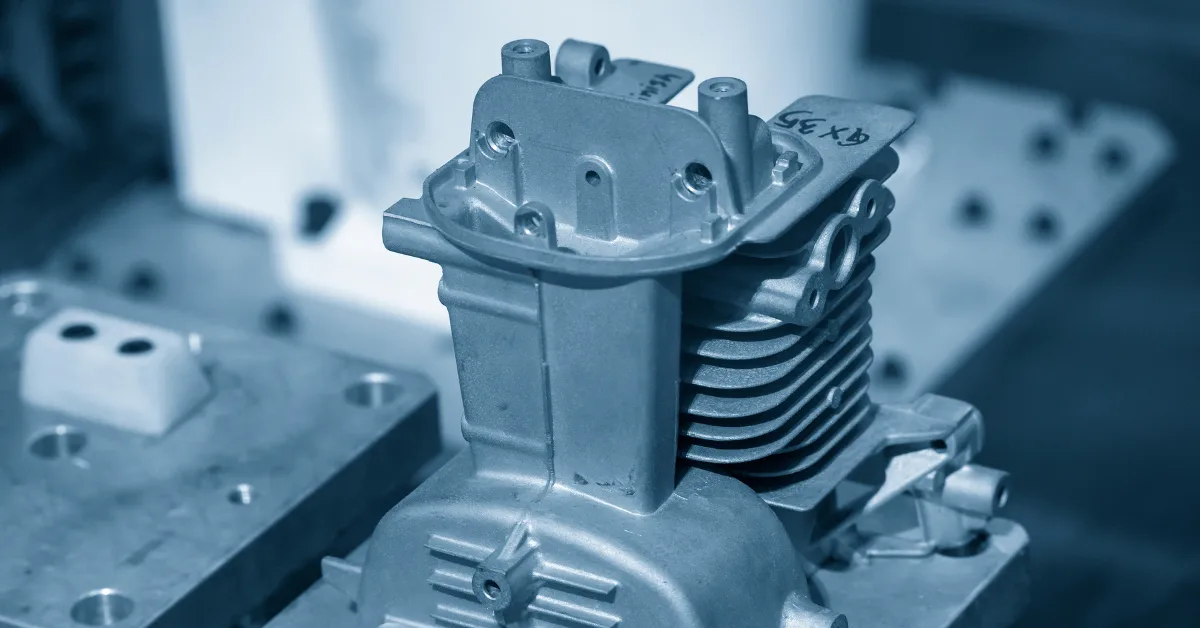
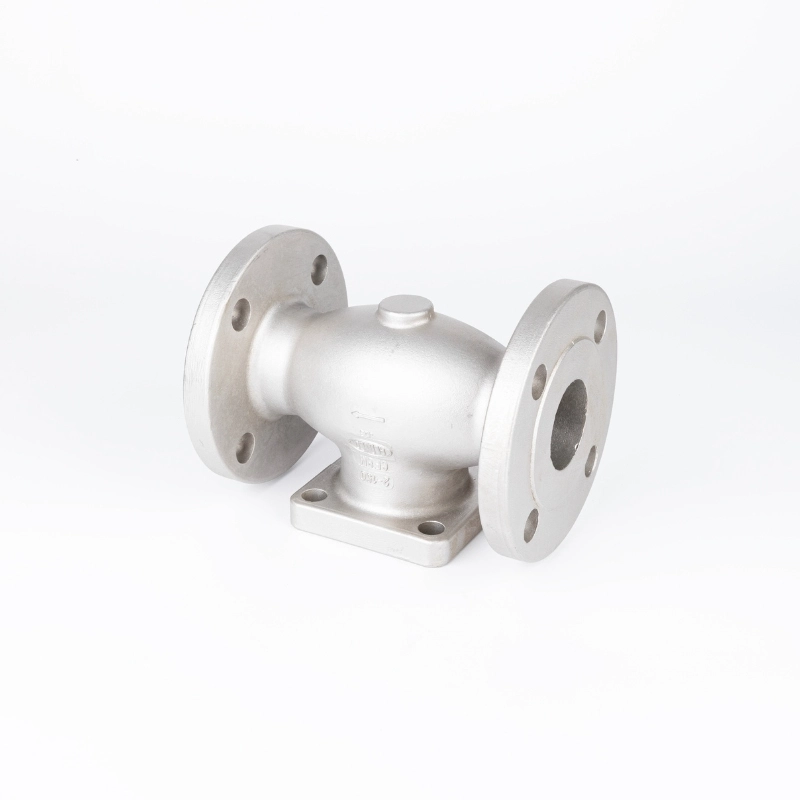
L'usinage CNC en petites séries est un procédé conçu pour produire en grande quantité ou en grande quantité des produits sur une seule ligne. Autrement dit, tous les produits et matériaux utilisés en production courante peuvent être fabriqués par usinage CNC en petites séries.
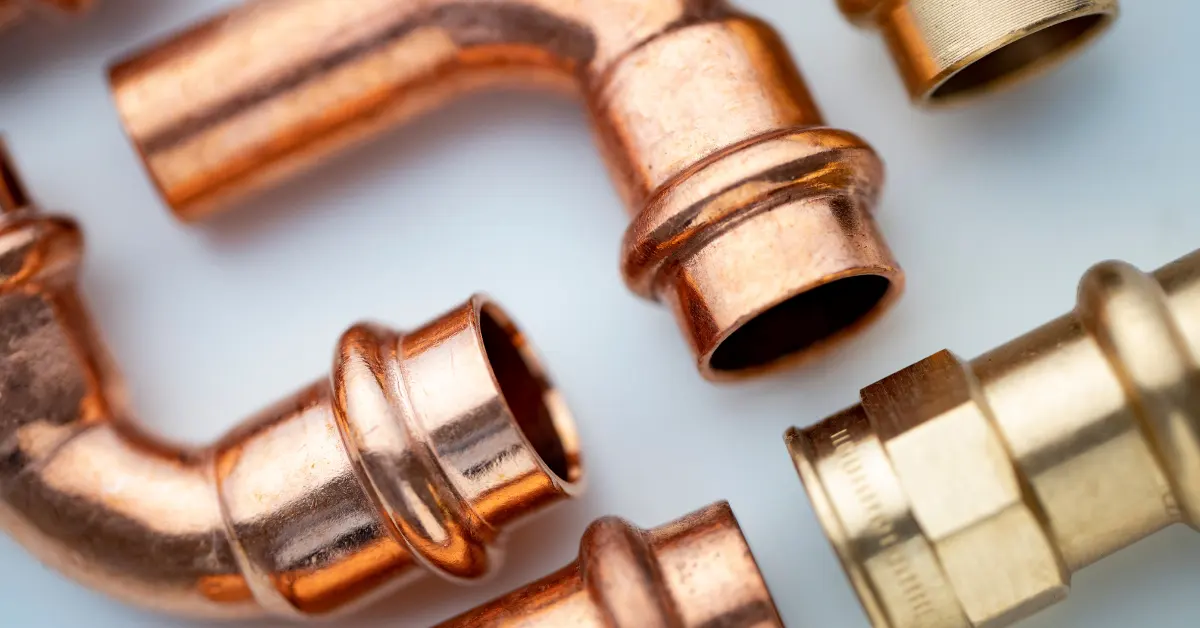
Chez HDC Manufacturing, cependant, nos spécialités dans l'usinage CNC en petits lots incluent :
- Pièces en aluminium et composants
- Test de l'Équipement
- Des noisettes, Boulons, fils de discussion et autres outils
- Pièces prothétiques
- Matériaux de quincaillerie
- Composants personnalisés
- Et beaucoup plus!
Production par lots comparée à la production en flux continu

La production en flux continu (ou production à l'unité) est beaucoup plus lente et moins efficace que la production par petits lots. Son principal avantage réside toutefois dans le gain d'espace, ainsi que dans la réduction des coûts et des risques liés à la ligne de production.
Processus régulier d'usinage CNC en petits lots
Le processus habituel d'usinage CNC en petites séries implique quelques personnes et davantage de matériaux. Pour vous aider à le comprendre, voici comment il se déroule généralement :
- Le matériau est alimenté et monté sur la machine CNC.
- Après cela, un opérateur programmera la machine (géométriquement et directionnellement).
- Tout le reste, comme la température, la vitesse, la quantité, etc., sera paramétré et programmé.
- Une fois cette étape terminée, les analystes et inspecteurs qualité examineront une dernière fois le produit afin de vérifier s'il est conforme aux spécifications du client.
- Enfin, il sera étiqueté et emballé conformément à la commande.
Fabricant d'usinage CNC en petits lots auquel vous pouvez faire confiance
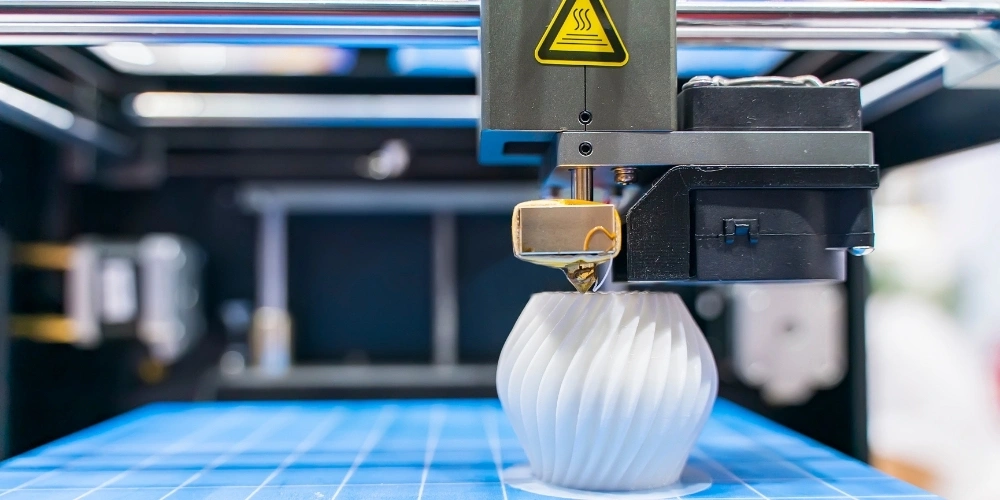
Depuis plus de 13 ans, chez HDC Manufacturing, nous fabriquons en continu des produits de haute qualité grâce à nos procédés d'usinage CNC en petites séries. Composée d'ingénieurs parmi les plus fiables, expérimentés et reconnus du secteur, notre équipe est fière de produire des pièces et des composants de qualité supérieure pour divers types de machines et d'équipements.
Nous sommes flexibles dans la sélection des produits – vous pouvez même demander des unités et des composants personnalisés en petites séries dont vous avez besoin pour votre entreprise !
Vous pouvez nous faire confiance pour tous les matériaux dont vous avez besoin, qu'il s'agisse d'acier inoxydable, d'aluminium, de polycarbonate, de thermoplastiques, de laiton, ou même d'usinage de petites séries pour les fabricants d'équipement d'origine (OEM) !
Outre l'usinage de petits lots, chez HDC Manufacturing, nous pouvons vous aider avec pièces de fabrication métallique, pièces d'emboutissage en métal, forgeage d'aluminium, Pièces de prototypage rapide CNC, etc.
Contactez-nous et obtenez un devis gratuit pour les commandes que vous envisagez d'obtenir !
Pièces d'usinage CNC personnalisées en petits lots provenant des fabricants
Les petites entreprises d'usinage CNC produisent des pièces sur mesure, fabriquées en petites séries, avec une grande précision. Ce processus inclut des échanges approfondis sur les détails techniques, la création de prototypes et le choix des matériaux, grâce à l'utilisation de machines CNC de pointe pour le tournage de haute précision. Des procédures de contrôle qualité rigoureuses garantissent l'absence d'écarts et le respect des normes industrielles, tandis qu'une production économique minimise les pertes et le gaspillage. Pour les petites séries, les délais de livraison sont souvent très courts afin de répondre aux exigences les plus strictes. Les clients peuvent opter pour des composants personnalisés, allant des prototypes aux produits spéciaux et aux pièces de rechange, dans le respect de normes d'assurance qualité rigoureuses et grâce à une communication étroite avec l'entreprise cliente.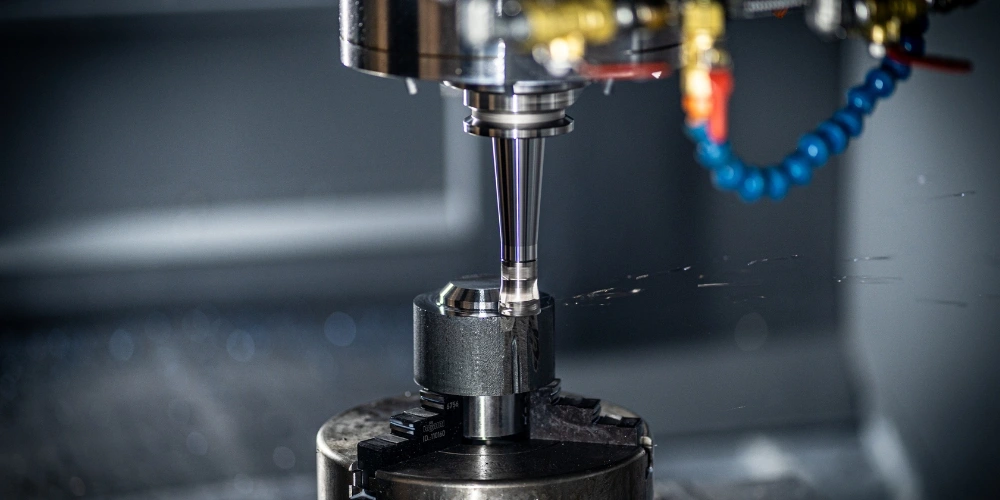
Conclusion
L'usinage CNC en petites séries représente une excellente opportunité pour les entreprises comme pour les particuliers. Sa flexibilité permet de produire des articles sur mesure, aux designs, dimensions et niveaux de personnalisation très variés. Ce procédé garantit un contrôle qualité renforcé et des solutions économiques, ce qui en fait une option viable pour des études de marché efficaces. Bien qu'il présente certains défis, tels que des erreurs coûteuses et la nécessité d'une surveillance constante, les avantages d'une flexibilité de production accrue, associés à une démarche durable, surpassent largement les inconvénients. En collaboration avec des fabricants fiables comme HDC Manufacturing, l'usinage CNC en petites séries assure la précision et la qualité de chaque composant fabriqué, garantissant ainsi la fiabilité des produits pour divers secteurs d'activité.