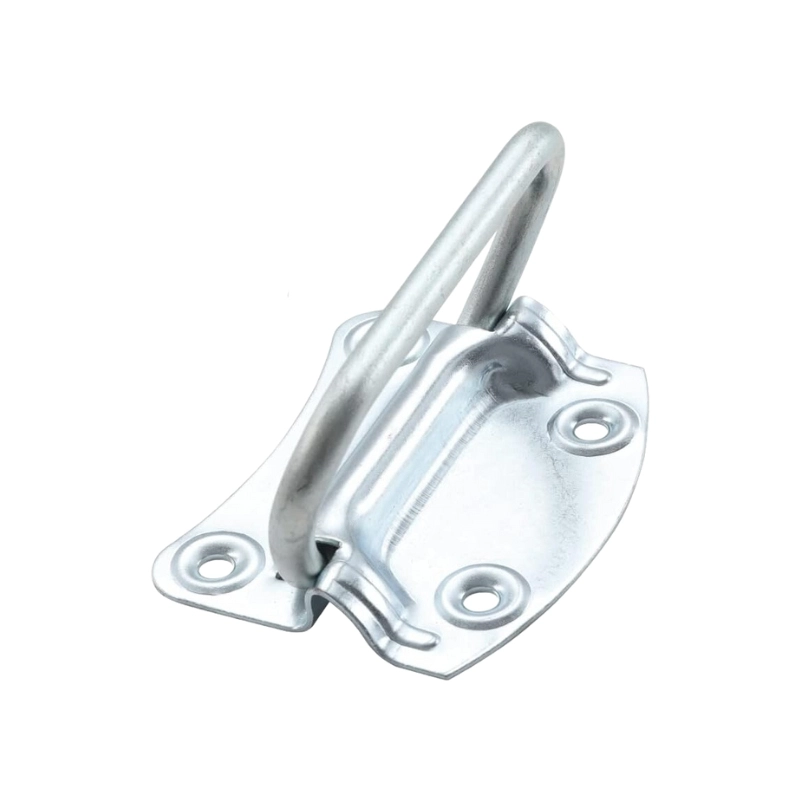
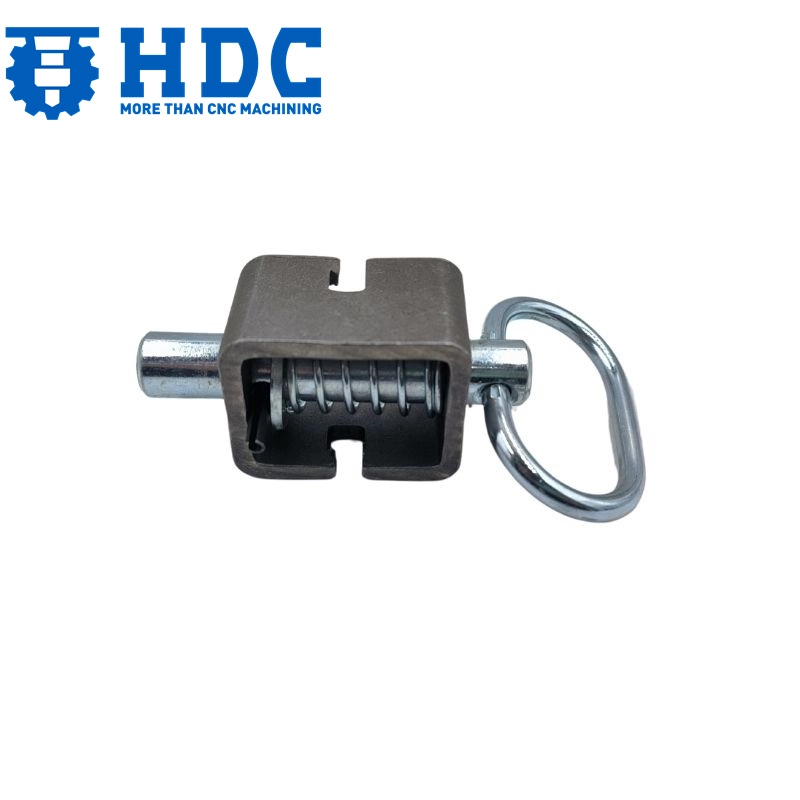
Panoramica
Coltivando un'abilità specializzata nella meticolosa fusione dell'acciaio inossidabile 303, sottolineiamo il nostro costante impegno per l'eccellenza nel regno della fabbricazione dei metalli. Impiegando tecnologie all'avanguardia e una forza lavoro competente, ci distinguiamo nelle complesse procedure implicate nella fusione di componenti in acciaio inossidabile 303.
Le nostre competenze nella fusione dell'acciaio inossidabile 303 comprendono un'ampia gamma di metodologie, che abbracciano lo stampaggio, la colata e la finalizzazione. Questo vasto acume ci consente di affrontare le particolari tribolazioni presentate da questo tipo di acciaio inossidabile, garantendo risultati superlativi sia in termini di qualità che di efficienza.
Sostenendo una devozione incrollabile alla garanzia della qualità, aderiamo fermamente a parametri di riferimento rigorosi durante tutto il continuum del casting. Questo impegno garantisce la precisione, l'uniformità e l'affidabilità previste dalla nostra clientela. Scegliete i nostri servizi per i vostri requisiti di fusione in acciaio inossidabile 303 e testimoniate l'impatto trasformativo che la nostra competenza e la nostra incrollabile dedizione all'eccellenza possono conferire alle vostre iniziative.
Cos'è l'acciaio inossidabile 303?
L'acciaio inossidabile 303 è, di fatto, una variante a lavorabilità migliorata del comune acciaio inossidabile austenitico 18/8 (ovvero, acciaio inossidabile 304). Questa variante presenta l'aggiunta di zolfo o selenio per migliorarne la lavorabilità, rendendolo più adatto al taglio, alla foratura e a tutte le altre operazioni di lavorazione rispetto all'acciaio inossidabile 304 standard. La modifica con zolfo o selenio provoca la formazione di trucioli come punti di rottura interni, migliorando così il processo di formazione del truciolo e riducendo la durata dell'utensile. La lavorabilità dell'acciaio inossidabile 303 è buona. Tuttavia, l'acciaio inossidabile 303 ha una minore resistenza alla corrosione e saldabilità rispetto all'acciaio inossidabile 304. Questo materiale è spesso utilizzato in lavorazioni meccaniche che prevedono numerose procedure, come tornitura, maschiatura e fresatura.
Quali sono le caratteristiche dell'acciaio inossidabile della serie 300?

Gli acciai inossidabili della serie 300, che includono le qualità 304 e 316, sono caratterizzati da una buona resistenza alla corrosione, proprietà non magnetiche allo stato ricotto ed elevata duttilità, resistenza e formabilità, caratteristiche che li rendono materiali adatti a diverse applicazioni. Questa proprietà è dovuta alla presenza di cromo e, di conseguenza, alla resistenza ai cloruri presenti nell'acqua di mare o salmastra. Grazie alla loro eccellente formabilità e resistenza alle alte temperature, sono perfetti per la produzione di prodotti complessi e per applicazioni esigenti in cui i componenti sono soggetti ad alte temperature, come scambiatori di calore e sistemi di scarico. Questi cosiddetti acciai inossidabili sono ampiamente utilizzati nei settori automobilistico, aerospaziale, alimentare, chimico, edile e medicale, grazie alla combinazione di proprietà che offrono, che consente loro di operare in situazioni che richiedono tale combinazione.
Quali sono le differenze tra l'acciaio inossidabile delle serie 200, 300 e 400?
Le serie 200, 300 e 400 di acciaio inossidabile presentano differenze di composizione, resistenza alla corrosione, proprietà magnetiche e applicazioni. La serie 200 è composta da cromo, nichel e manganese, che offrono una discreta resistenza alla corrosione, pur essendo non magnetiche. La serie 300, invece, nota per la sua composizione a base di cromo e nichel, si distingue per l'eccellente resistenza alla corrosione, le proprietà non magnetiche e la versatilità in diversi settori industriali. La serie 400, con il cromo come principale elemento di lega, mostra una minore resistenza alla corrosione ed è magnetica, pertanto è comunemente utilizzata per posate e finiture decorative. In generale, la serie 200 è impiegata per pentole e padelle, mentre la serie 300 si distingue per l'elevata resistenza alla corrosione e l'ampia disponibilità; la serie 400, infine, è destinata ad applicazioni magnetiche che richiedono una moderata resistenza alla corrosione.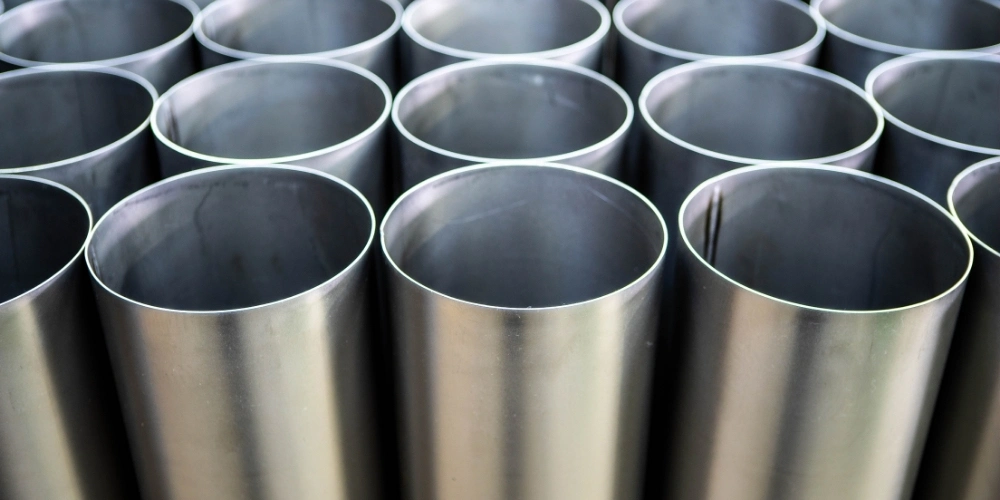
Composizione chimica dell'acciaio inossidabile 303
| Componente | Peso % |
| Carbonio (C) | 0,0 – 0,15 % |
| Cromo (Cr) | 18.0 % |
| Ferro (Fe) | 69.0 % |
| Manganese (Mn) | 0,0 – 2,0 % |
| Molibdeno (Mo) | 0 – 0,6 % |
| Nichel (Ni) | 9.0 % |
| Fosforo (P) | 0,0 – 0,2 % |
| Silicio (Si) | 0,0 – 1,0 % |
| Zolfo (S) | 0.15 % |
L'influenza della composizione elementare sulle proprietà dell'acciaio inossidabile 303
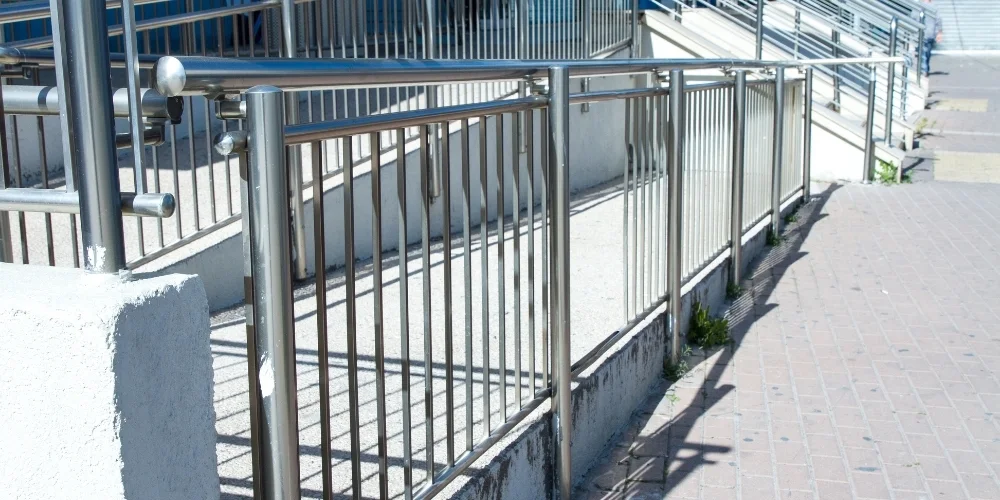
Essendo la composizione elementare un fattore chiave, le proprietà dell'acciaio inossidabile 303 dipendono in larga misura dal tipo di materiale. A differenza dell'acciaio per utensili 18-8 (304), che è una versione a lavorabilità migliorata dell'acciaio inossidabile austenitico 18-8 di base, questo grado contiene zolfo o selenio aggiunti per migliorarne la lavorabilità. Le inclusioni di zolfo e selenio sono presenti e tali caratteristiche agiscono come rompitrucioli, favorendo la formazione del truciolo e riducendo l'usura dell'utensile. Sebbene questa lega sia leggermente meno resistente alla corrosione e saldabile rispetto al normale acciaio inossidabile 304, l'acciaio inossidabile 303 possiede comunque un'eccellente resistenza generale alla corrosione, proprietà meccaniche e formabilità, che lo rendono adatto a numerose applicazioni, tra cui la lavorazione di viti, raccordi, alberi, valvole e elementi di fissaggio che richiedono operazioni di lavorazione complesse. Pertanto, quando il componente ha la giusta composizione di lega e distribuzione atomica, la lavorabilità è ottimizzata, ma la conservazione di altre importanti proprietà, come la resistenza alla corrosione, diventa una sfida.
Proprietà meccaniche dell'acciaio inossidabile 303
| Proprietà meccaniche | metrico | inglese |
| Carico di rottura | 690 MPa | 100000 psi |
| Resistenza allo snervamento a trazione | 415 MPa | 60200 psi |
| Allungamento a rottura | 40 % | 40 % |
| Durezza, Rockwell B | 96 | 96 |
| Durezza, Brinell | 228 | 228 |
| Durezza, Knoop | 251 | 251 |
| Durezza, Vickers | 240 | 240 |
| Modulo di elasticità | 193 GPa | 28000 ksi |
| Modulo di taglio | 77.2 GPa | 11200 ksi |
Proprietà fisiche dell'acciaio inossidabile 303
| Proprietà fisiche | metrico | inglese | Commenti |
| Densità | 8,0 g/cc | 0,289 libbre/pollice² | |
Proprietà elettriche | |||
| Resistività elettrica | 7.2e-005 ohm-cm | 7.2e-005 ohm-cm | |
| Permeabilità magnetica | 1.008 | 1.008 | a RT |
Proprietà termali | |||
| CET, lineare 20°C | 17,2 µm/m-°C | 9,56 µin/in-°F | da 0-100°C |
| CET, lineare 250°C | 17,8 µm/m-°C | 9,89 µin/in-°F | a 0-315°C (32-600°F) |
| CET, lineare 500°C | 18,4 µm/m-°C | 10,2 µin/in-°F | a 0-540°C, 18,7 µm/mC a 0-650°C |
| Capacità termica | 0,5 J/g-°C | 0,12 BTU/lb-°F | da 0-100°C (32-212°F) |
| Conduttività termica | 16,2 W/mK | 112 BTU-in/h-ft²-°F | a 100°C (212°F), 21,5 W/mK a 500°C (930°F) |
| Punto di fusione | 1400 – 1420 °C | 2550 – 2590 °C | |
| Solido | 1400°C | 2550 °C | |
| Liquido | 1420°C | 2590 °C | |
Materiali equivalenti all'acciaio inossidabile 303

| Unione Europea | Stati Uniti d'America | Giappone | Francia | Inghilterra | Svezia |
| IT | – | JIS | AFNOR | BS | SS |
| X8CrNiS18-9 (1.4305) | 303 | SUS303 | Z8CNF18-09 | 303S31 | 2346 |
Il prezzo dell'acciaio inossidabile 303
Il prezzo dell'acciaio inossidabile 303 è determinato da diversi fattori, come la domanda di mercato, la disponibilità di materie prime, i costi di produzione e le condizioni economiche. In genere, l'acciaio inossidabile 303 è più economico rispetto ad altri acciai inossidabili di alta qualità come il 304 o il 316, grazie alla sua composizione più semplice e al minore contenuto di nichel. Tuttavia, i prezzi tendono a variare in risposta alle fluttuazioni del mercato. Per ottenere informazioni aggiornate e precise sui prezzi, è possibile consultare i fornitori di acciaio inossidabile o le pubblicazioni di settore, che monitorano regolarmente i prezzi dei metalli.
Quali sono le sfide che si incontrano nella lavorazione dell'acciaio inossidabile 303?
L'acciaio inossidabile 303, pur essendo lavorabile, è di gran lunga superiore agli acciai inossidabili austenitici standard, ma richiede comunque particolare attenzione. I problemi attuali possono includere gli effetti negativi dell'indurimento indotto dal processo di lavorazione, l'abrasione sotto carichi elevati e la presenza di inclusioni di zolfo che influiscono negativamente sulla finitura superficiale e sulle proprietà meccaniche. Inoltre, le difficoltà di saldabilità si presentano dopo la sensibilizzazione dei giunti saldati e richiedono trattamenti termici post-saldatura o l'utilizzo di materiale d'apporto a basso tenore di carbonio. Il raggiungimento di una finitura superficiale liscia è talvolta difficile a causa dell'indurimento e delle inclusioni di zolfo, che richiedono utensili e processi adeguati. Una corretta gestione dei trucioli è fondamentale per prevenire l'agglomerazione dei trucioli e l'inceppamento degli utensili durante la lavorazione. Nel complesso, questi problemi richiedono un buon controllo dei parametri di lavorazione, una selezione ottimale degli utensili e un'efficiente ottimizzazione del processo per ottenere la qualità del pezzo e i livelli di produttività desiderati.
Applicazioni dell'acciaio inossidabile 303
L'acciaio inossidabile 303, rinomato per la sua resistenza alla corrosione e lavorabilità, svolge un ruolo fondamentale in diversi settori: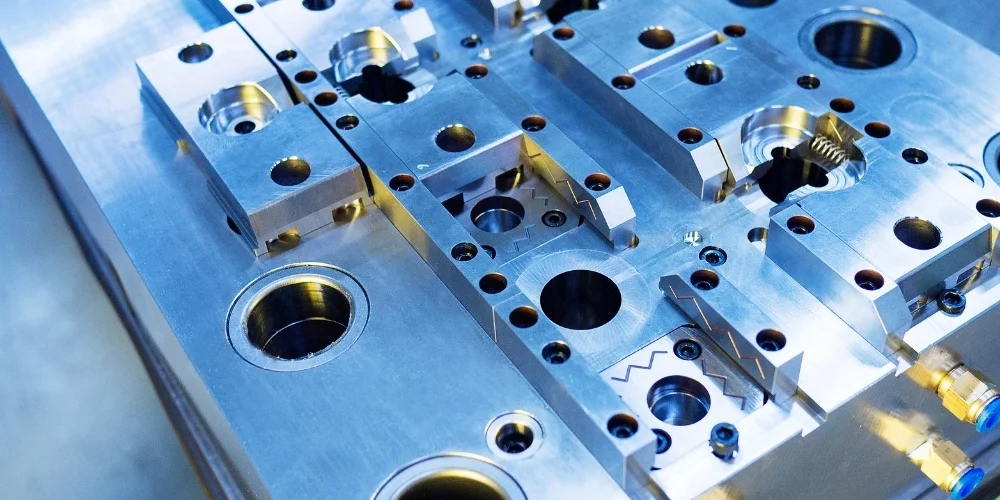
- Settore automobilistico: Componenti di precisione come distanziali delle ruote, protezioni del blocco, coperchi delle valvole, e flange di aspirazione trovano un uso frequente nel settore automobilistico grazie alla versatilità della lavorazione dell'acciaio inossidabile 303.
- Aerospaziale: Migliorare le applicazioni aerospaziali, collettori di scarico, giranti, raccordi per tubi, e corpi valvola beneficiano dell'eccellenza della lavorazione dell'acciaio inossidabile 303, garantendo durata e precisione.
- Medico: In campo medico, l'acciaio inossidabile 303 presta le sue proprietà per creare componenti cruciali, tra cui alloggiamenti per alimentatori di sensori medicali, elementi di precisione, e protesico componenti, garantendo affidabilità e biocompatibilità.
- Motociclo: Per rilanciare l'industria motociclistica, l'acciaio inossidabile 303 viene scelto per la lavorazione artigianale protezioni del radiatore, tappi terminali di scarico, coperchi frizione, e pedane, offrendo durata con una finitura elegante.
- Trailer: Nel settore della produzione di rimorchi, la natura robusta dell'acciaio inossidabile 303 viene sfruttata per creare supporti a sfera del gancio di traino, parentesi del canale, accoppiatori, e ganci a cardine, garantendo longevità e resistenza.
- Bicicletta: Pedalando nel settore della bicicletta, componenti in acciaio inossidabile 303 come steli della bicicletta, corone, mozzi di bicicletta, e guarniture contribuire a soluzioni ciclistiche leggere e durevoli.
- Kart: All'avanguardia nel settore dei kart, componenti in acciaio inossidabile 303 come pignoni, cerchioni, distanziali delle ruote, e mozzi delle ruote migliorano le prestazioni grazie alle loro proprietà di resistenza alla corrosione e lavorabilità.
In ogni applicazione, la lavorazione dell'acciaio inossidabile 303 si rivela vantaggiosa, offrendo una miscela armoniosa di resistenza alla corrosione e facilità di lavorazione, rendendolo il materiale di scelta per parti intricate e complesse.