Panoramica
HDC Manufacturing vanta oltre un decennio di esperienza nel settore dei componenti metallici personalizzati. Possediamo macchine di precisione a 4 assi e 5 assi macchine utensili, centri di lavoro CNC automatizzati e un team di progettazione e produzione professionale. Possiamo fornirvi vari processi di lavorazione, tra cui Fresatura CNC, Tornitura CNC, taglio laser, colata di metalloe altro ancora, per realizzare alla perfezione i tuoi componenti in titanio di grado 2, su misura per le tue esigenze specifiche.
Che cos'è il titanio di grado 2?
Titanio Grado 2, è titanio non legato. È particolarmente simile a Titanio grado 1. La gente la chiama la “forza lavoro” del titanio puro industriale. Rispetto al grado 1, ha una resistenza maggiore e prestazioni eccezionali nella formatura a freddo. È la prima scelta in molti campi di applicazione, come l'industria aerospaziale, la generazione di elettricità, la lavorazione chimica e altro ancora.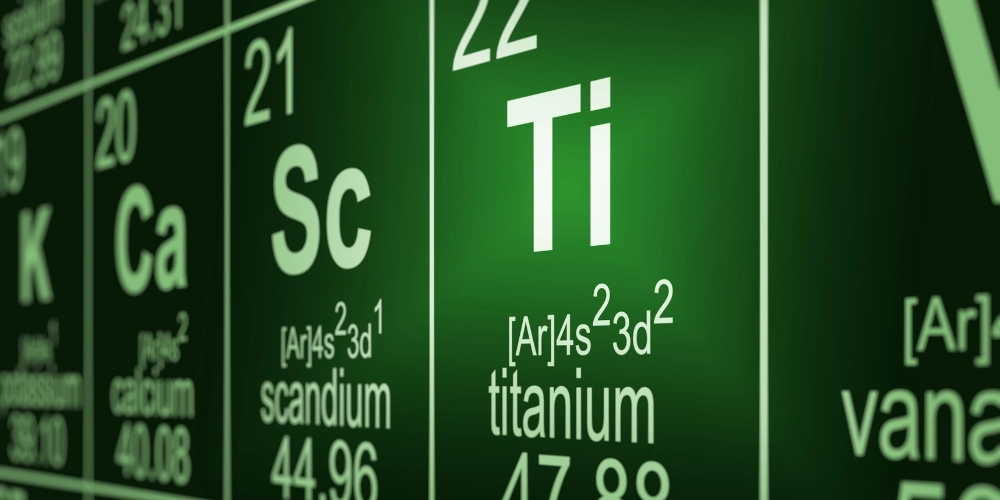
La differenza tra titanio grado 1 e grado 2
Il titanio di grado 1 e di grado 2 sono sostanzialmente identici, ma il grado 1 presenta in genere un contenuto di ossigeno leggermente superiore e, di conseguenza, mostra proprietà leggermente diverse. Il titanio di grado 1 ha un contenuto di ossigeno inferiore che offre una duttilità e una formabilità leggermente superiori, mentre il titanio di grado 2 ha una resistenza leggermente superiore grazie al suo contenuto di ossigeno leggermente più elevato. Il grado 1 offre una migliore duttilità e saldabilità, oltre a un vantaggio nei processi chimici; il grado 2, invece, ha una maggiore resistenza ed è preferito nelle applicazioni aerospaziali, mediche e automobilistiche. In sintesi, la scelta tra le due qualità dipende dall'applicazione specifica, dalla formabilità, dalla resistenza alla trazione e da altre prestazioni meccaniche.
Quali sono gli svantaggi del titanio grado 2?
Sebbene il titanio di grado 2 possa essere considerato per molti aspetti una scelta migliore, presenta comunque degli svantaggi. Il principale svantaggio è la sua notevole debolezza rispetto alle leghe di titanio come il grado 5, il che ne limita l'utilizzo in applicazioni che richiedono un elevato rapporto resistenza/peso. In secondo luogo, può risultare più costoso rispetto ad altri materiali come l'acciaio inossidabile o l'alluminio, con possibili ripercussioni sul budget di costruzione. Inoltre, il titanio di grado 2 può essere difficile da lavorare a causa della sua conducibilità termica e della potenziale tendenza all'incrudimento, con conseguente usura degli utensili e aumento dei costi di lavorazione. Infine, pur essendo saldabile, richiede processi di saldatura rigorosi per prevenire infragilimento o contaminazione, che potrebbero compromettere le sue proprietà meccaniche e la resistenza alla corrosione. La sua lavorabilità a freddo è piuttosto limitata, il che rende la formatura e la sagomatura a freddo operazioni complesse e aumenta il rischio di perdita di resistenza del materiale a causa della formazione di crepe. Nonostante la natura senza soluzione di continuità di queste giunzioni, il titanio di grado 2 presenta comunque alcune limitazioni. Tuttavia, rimane molto efficace in termini di resistenza alla corrosione, biocompatibilità e leggerezza in una miriade di applicazioni.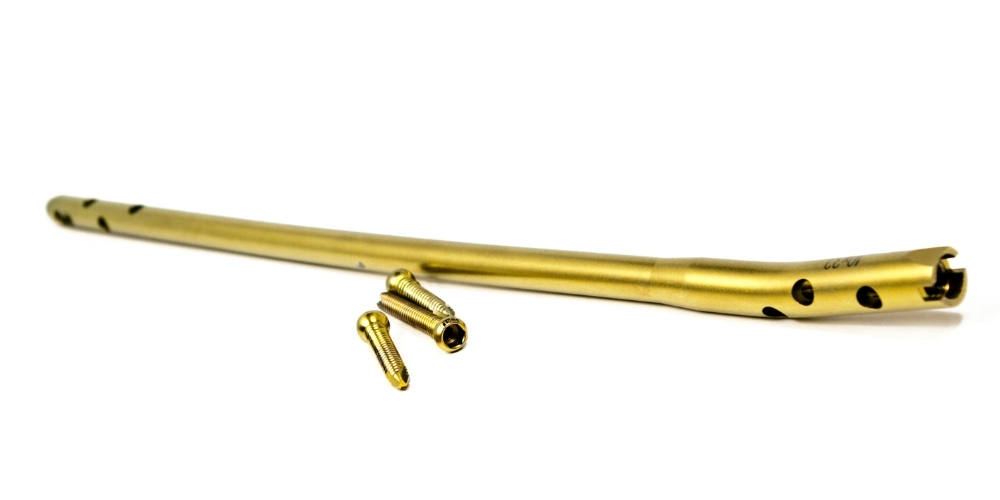
Composizione chimica del titanio grado 2
| Elemento chimico | Contenuto (%) |
| Titanio, Ti | ≥ 98,9 |
| Ferro, Fe | 0- 0.30 |
| ossigeno, O | 0-0.25 |
| Carbonio, C | 0-0.08 |
| Azoto, N | 0-0.03 |
| Idrogeno, H | 0- 0.015 |
L'influenza del minor contenuto di altri elementi sul titanio di grado 2

(Quantità minori di altri elementi fanno solo una leggera differenza con il titanio di grado 2), poiché il titanio di grado 2 è una lega di titanio puro commerciale il cui componente principale è il titanio con piccole quantità di altri elementi come ossigeno, azoto, idrogeno, carbonio e ferro. Il Ti-6Al-4V è composto da questi elementi in una concentrazione molto bassa e quindi il Ti-6Al-4V non ha effetti apprezzabili sulle proprietà complessive del titanio di grado 2. Allo stesso tempo, il metallo non è puro e contiene elementi estranei che possono influenzare negativamente le proprietà meccaniche del materiale, tra cui resistenza, duttilità e resistenza alla corrosione. Pertanto, il controllo di qualità delle impurità e degli elementi di lega è fondamentale per fornire titanio di grado 2 ad elevata purezza e con le proprietà specifiche desiderate. Va notato che il titanio di grado 2 viene normalmente scelto per la sua eccezionale resistenza alla corrosione, nonché per la sua biocompatibilità e bassa densità, che lo rendono applicabile in vari settori industriali come quello aerospaziale, farmaceutico e chimico.
Proprietà meccaniche del titanio grado 2
| Proprietà | metrico | Imperiale |
| Resistenza alla trazione | 485 MPa | 70300 psi |
| Forza di snervamento | 345 MPa | 50000 psi |
| rapporto di Poisson | 0.34-0.40 | 0.34-0.40 |
| Modulo elastico | 105 – 120 GPa | 15200 – 17400 ksi |
| Allungamento a rottura | 28% | 28% |
| Durezza (HV) | 160-200 | 160-200 |

Proprietà fisiche del titanio grado 2
| Densità | Beta Transus | Punto di fusione | Conduttività termica | Resistività elastica |
| 4,51 g/cm³ | 915 °C | 1660°C | 21,79 W m-1 °C-1 | 0,53 µΩ/m2 |
Proprietà termiche del titanio grado 2
| Proprietà termali | metrico | inglese |
| Calore di fusione | 325 J/g | 140 BTU/libbra |
| CTE, lineare | 8,60 µm/m-°C @Temperatura 0,000 – 100 °C | 4,78 µpollici/pollici-°F @Temperatura 32,0 – 212 °F |
| 9,20 µm/m-°C @Temperatura 0,000 – 315 °C | 5,11 µpollici/pollici-°F @Temperatura 32,0 – 599 °F | |
| 9,70 µm/m-°C @Temperatura 0,000 – 540 °C | 5,39 µpollici/pollici-°F @Temperatura 32,0 – 1000 °F | |
| Capacità termica specifica | 0,523 J/g-°C @Temperatura 20,0 °C | 0,125 BTU/lb-°F @Temperatura 68,0 °F |
| 0,560 J/g-°C @Temperatura 200 °C | 0,134 BTU/lb-°F @Temperatura 392 °F | |
| 0,620 J/g-°C @Temperatura 400 °C | 0,148 BTU/lb-°F @Temperatura 752 °F | |
| 0,670 J/g-°C @Temperatura 540 °C | 0,160 BTU/lb-°F @Temperatura 1000 °F | |
| 0,690 J/g-°C @Temperatura 600 °C | 0,165 BTU/lb-°F @Temperatura 1110 °F | |
| Conduttività termica | 16,4 W/mK | 114 BTU-pollici/ora-piedi²-°F |
| Punto di fusione | <= 1665 °C | <= 3029 °F |
| Liquido | 1665°C | 3029 °F |
| Beta Transus | 913°C | 1680 °F |
Metodi adatti alla lavorazione del titanio grado 2

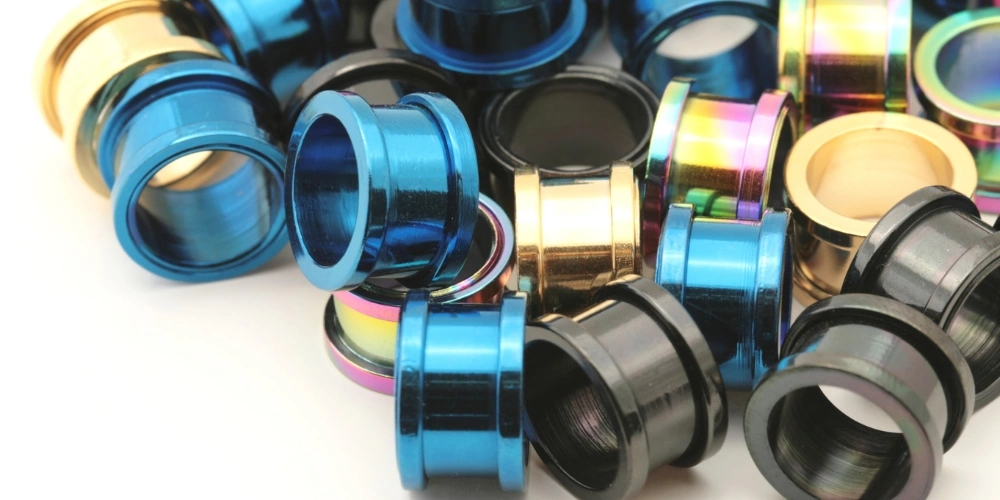
La lavorazione del titanio di grado 2 si avvale di una serie di tecniche a seconda delle sue caratteristiche. La lavorazione meccanica (tornitura e fresatura) è ampiamente diffusa, ma richiede tempo poiché il materiale ha una bassa conducibilità termica. Solo le tecniche di saldatura come GTAW o EBW comportano rischi di contaminazione e ossidazione del materiale, pertanto è necessario adottare precauzioni. Si possono utilizzare processi di formatura a caldo e a freddo; potrebbe essere necessario un ulteriore trattamento termico di ricottura per ottenere la duttilità. I trattamenti termici (ricottura e distensione) vengono impiegati per sviluppare proprietà meccaniche desiderabili. Modifiche superficiali, come la lucidatura e l'anodizzazione, offrono maggiore resistenza alla corrosione e un aspetto migliore. Al contrario, le tecniche di produzione meccanica come SLM ed EBM sono molto flessibili e consentono la realizzazione di strutture con geometrie complesse. Questi metodi sono tipicamente utilizzati per la fabbricazione di componenti per apparecchiature aerospaziali, mediche e chimiche.
Applicazioni del titanio grado 2
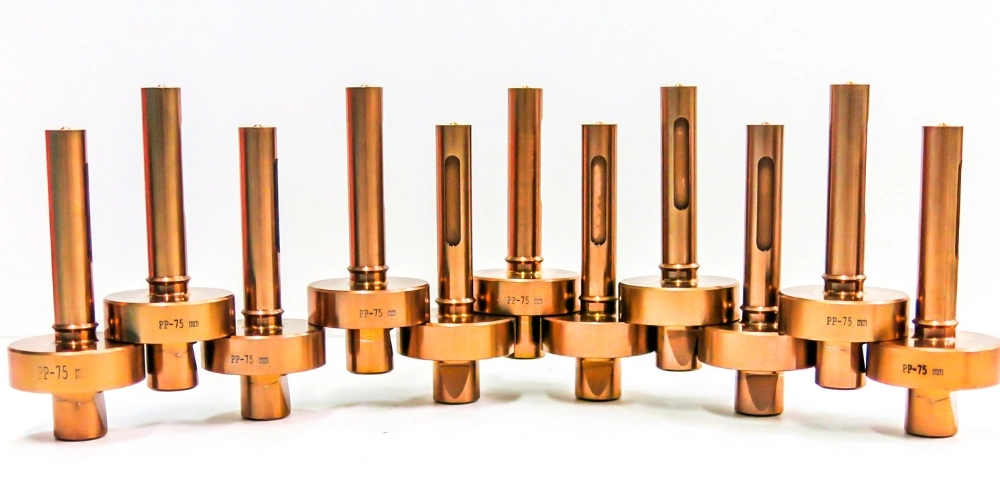
L'ampio utilizzo del titanio di grado 2 è dimostrato dalle sue notevoli caratteristiche in diversi settori industriali. Viene impiegato nell'industria aerospaziale per la realizzazione di strutture aeronautiche e componenti di motori, nel settore sanitario grazie alla sua biocompatibilità e alla resistenza ai processi chimici per la produzione di apparecchiature anticorrosione. Inoltre, trova impiego anche in ambito navale, nell'edilizia e nelle attrezzature sportive, grazie alla sua durabilità e resistenza all'ossidazione elettrochimica. In generale, la lega di titanio di grado 2 si distingue come materiale insostituibile in settori come quello aerospaziale, che richiede materiali leggeri, resistenti alla corrosione e ad alte prestazioni.