Panoramica
HDC Manufacturing vanta oltre un decennio di esperienza nel settore dei componenti metallici personalizzati. Possediamo macchine di precisione a 4 assi e 5 assi macchine utensili, centri di lavoro CNC automatizzati e un team di progettazione e produzione professionale. Possiamo fornirvi vari processi di lavorazione, tra cui Fresatura CNC, Tornitura CNC, taglio laser, colata di metalloe altro ancora, per realizzare alla perfezione i tuoi componenti in titanio grado 5, su misura per le tue esigenze specifiche.
Cos'è il titanio grado 5?
Titanio grado 5, noto anche come titanio 6Al-4V. Ha elevate prestazioni di corrosione e resistenza vicine al 6061-Alluminio T6. Pertanto, la lega di grado 5 è il grado di titanio più ampiamente utilizzato. È comunemente adatto per molte applicazioni. Comprese parti della fusoliera, tubi del condensatore, cestelli per la pulizia, impianti biomedici e altro ancora.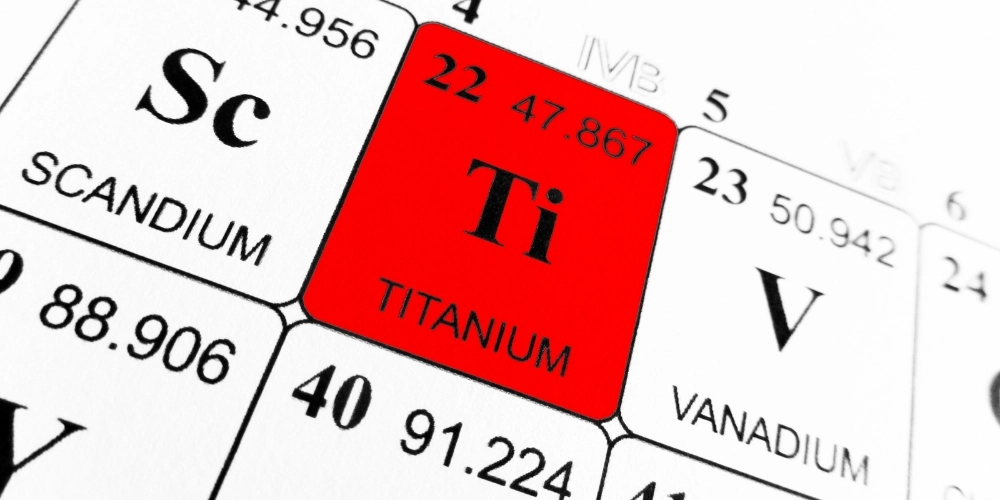
Altri nomi per titanio grado 5
La lega di titanio Ti-6Al-4V, comunemente nota come "Titanio grado 5" o Ti-6Al-4V, è una lega composta principalmente da alluminio (6%) e vanadio (4%). Il suo codice identificativo è UNS R56400 ed è prodotta secondo gli standard ASTM/ASME come ASTM B348, B381 e B367. In ambito militare e aerospaziale, rispetta anche gli standard AMS come AMS 4928 e AMS 4907. Sebbene possano esserci differenze di denominazione commerciale, la composizione e le proprietà di questa lega rimangono invariate nelle diverse applicazioni.
Vantaggi e svantaggi del titanio grado 5
La lega Ti-6Al-4V, considerata titanio di grado 5, possiede caratteristiche uniche in termini di rapporto resistenza/peso, resistenza alla corrosione, biocompatibilità, tolleranza alle alte temperature e saldabilità, che la rendono una scelta ideale per applicazioni aerospaziali, mediche e industriali. Tuttavia, è costosa, non lavorabile meccanicamente, facilmente contaminabile, non disponibile in formati e dimensioni sufficientemente vari e presenta una dilatazione termica diversa da quella di altri materiali, il che ne rende l'impiego problematico. Nonostante questi svantaggi, la sua combinazione di proprietà la rende un materiale versatile che compensa ampiamente le limitazioni, soprattutto in contesti in cui le sue eccezionali prestazioni sono fondamentali.
Le differenze tra titanio grado 5 e grado 1~4
Il titanio di grado 5, o Ti-6Al-4V, si distingue dai gradi da 1 a 4 per la sua composizione in lega, contenente 6% di alluminio e 4% di vanadio, che conferisce ai compositi maggiore resistenza e durezza, caratteristiche molto richieste in settori come quello aerospaziale. Ciò rende tutti i gradi di titanio perfettamente resistenti alla corrosione e biocompatibili; tuttavia, gli elementi di lega del grado 5 possono migliorarne ulteriormente le proprietà meccaniche, sebbene ciò comporti anche un costo maggiore. Inoltre, il titanio di grado 5 presenta una saldabilità e una lavorabilità relativamente superiori rispetto agli altri gradi, il che lo rende il materiale di riferimento nelle applicazioni in cui sono necessarie prestazioni meccaniche estremamente elevate, anche se ciò potrebbe compromettere leggermente la resistenza alla corrosione.
Composizione chimica del titanio grado 5

| Elemento | Contenuto (%) |
| Titanio, Ti | 87,6 – 91 |
| Alluminio, Al | 5,5 – 6,75 |
| Vanadio, V | 3,5 – 4,5 |
| Ferro, Fe | 0- 0.40 |
| ossigeno, O | 0-0.20 |
| Carbonio, C | 0-0.08 |
| Azoto, N | 0-0.05 |
| Idrogeno, H | 0- 0.015 |
In che modo la composizione chimica influisce sul titanio grado 5?

Molte proprietà del titanio di grado 5, tra cui l'elevata resistenza alla trazione e alla corrosione, derivano dalla composizione chimica della lega, costituita da oltre il 90% di titanio (TP3T), il 6% di alluminio (TP3T) e il 4% di vanadio (TP3T). L'aggiunta di alluminio e vanadio conferisce alla lega maggiore resistenza, durezza e tenacità rispetto al titanio puro. Inoltre, l'alluminio facilita la formazione di uno strato di ossido stabile e aderente, garantendo un'ottima resistenza alla corrosione. Il vanadio è l'elemento dominante nella composizione della lega, soprattutto ad alte temperature, e ne migliora la microstruttura, incrementandone le proprietà meccaniche. Questi elementi di lega influenzano anche altre caratteristiche, come la saldabilità, la lavorabilità e la biocompatibilità; pertanto, il titanio TG-5 è un materiale versatile, applicabile in ambito aerospaziale, medicale e industriale.
Proprietà termiche del titanio grado 5
| Proprietà termali | metrico | inglese |
| CET, lineare 20°C | 8,6 µm/m-°C | 4,78 µpollici/pollici-°F |
| CET, lineare 250°C | 9,2 µm/m-°C | 5,11 µpollici/pollici-°F |
| CET, lineare 500°C | 9,7 µm/m-°C | 5,39 µpollici/pollici-°F |
| Capacità termica specifica | 0,5263 J/g-°C | 0,126 BTU/lb-°F |
| Conduttività termica | 6,7 W/mK | 46,5 BTU pollici/ora-piedi²-°F |
| Punto di fusione | 1604 – 1660°C | 2920 – 3020 °F |
| Solido | 1604°C | 2920 °F |
| Liquido | 1660°C | 3020 °F |
| Beta Transus | 980°C | 1800 °F |
Proprietà meccaniche del titanio grado 5
| Proprietà | metrico | Imperiale |
| Resistenza alla trazione | 895 MPa | 130000 psi |
| Forza di snervamento | 828 MPa | 120000 psi |
| rapporto di Poisson | 0.31 | 0.31 |
| Modulo elastico | 105-120 GPa | 15200-17400 ksi |
| Modulo di taglio | 41-45 GPa | 5950-6530 ksi |
| Allungamento a rottura | 10 % | 10 % |
Proprietà fisiche del titanio grado 5
| Densità | Beta Transus | Punto di fusione | Conduttività termica | Modulo di elasticità | Modulo di taglio |
| 4,43 g/cm³ | 980°C | 1604-1660 °C | 6,7 W / (mK) | 1.6500 Ksi | 6380 Ksi |
Sfide nella lavorazione del titanio grado 5

La lavorazione del titanio di grado 5 presenta alcune problematiche, perlopiù derivanti dalla sua specifica struttura e dalle sue caratteristiche. Una delle principali difficoltà è la scarsa lavorabilità rispetto ai materiali metallici convenzionali come l'acciaio, che può comportare una maggiore usura degli utensili, velocità di lavorazione inferiori e costi di produzione più elevati. Sebbene il titanio di grado 5 possa indurirsi con la lavorazione, è necessario aumentare la frequenza di cambio utensile e applicare tecniche di lavorazione precise per ottenere dimensioni e finitura superficiale ottimali. Inoltre, reagisce fortemente con ossigeno, azoto e idrogeno ad alte temperature, il che può rappresentare un limite durante la lavorazione, soprattutto se le condizioni operative non sono controllate, con conseguente rischio di contaminazione e alterazione delle proprietà meccaniche. Infine, l'elevato punto di fusione e la bassa conducibilità termica rendono più difficili i processi di saldatura a gas, fusione e altre lavorazioni, richiedendo attrezzature e competenze specializzate. Nonostante queste difficoltà, i progressi nelle tecnologie di lavorazione, nei materiali per utensili e nelle tecniche di controllo di processo continuano a migliorare l'efficienza e la fattibilità della lavorazione del titanio di grado 5, promuovendone l'adattabilità in numerose applicazioni critiche.
Applicazioni del titanio grado 5

La lega di titanio di grado 5, o Ti-6Al-4V, è ampiamente utilizzata in diversi settori grazie alla sua combinazione unica di proprietà. Nel settore aerospaziale, trova impiego in componenti strutturali di aeromobili come fusoliere, parti di motori, carrelli di atterraggio e elementi di fissaggio, grazie al suo ottimo rapporto resistenza-peso, alla resistenza alla corrosione e alle alte temperature. In campo medicale, il titanio di grado 5 è utilizzato per impianti medici, dispositivi ortopedici e impianti dentali, grazie alla sua biocompatibilità, alla resistenza ai fluidi corporei e alla capacità di favorire l'osteointegrazione. La lega è inoltre ampiamente impiegata in ambito navale per le parti esposte all'acqua di mare, grazie alle sue eccellenti caratteristiche anticorrosione. Viene utilizzata anche per condotte, pompe, valvole e raccordi a compressione in apparecchiature per la lavorazione chimica, attrezzature sportive, componenti automobilistici e macchinari industriali che richiedono resistenza, resistenza alla corrosione e leggerezza. Grazie alla sua versatilità e alle sue prestazioni, il titanio di grado 5 è insostituibile in applicazioni in cui l'affidabilità, la durata e le prestazioni dei dispositivi in condizioni estreme sono imprescindibili.