ملخص
HDC Manufacturing, is your reliable ally in the personalized fabrication of metallic components, boasting an extensive decade-long mastery. Our avant-garde facilities, housing 4-axis and 5-axis machining centers, coupled with cutting-edge inspection apparatus like coordinate measuring machines, bestow upon us the ability to furnish unparalleled precision.
Within the realms of HDC Manufacturing, our focal expertise lies in 420 stainless steel machining, unveiling a reservoir of proficiency and an exhaustive array of procedural alternatives. From التصنيع باستخدام الحاسب الآلي ل صب, تشكيل, القطع بالليزر، و ختم المعادنتضمن قدراتنا المتعددة الجوانب تلبية المتطلبات المتنوعة لعملائنا المميزين. إن التزامنا الثابت بالتميز والبصيرة الإبداعية يميزنا، مما يضمن حلولاً مخصصة لمكونات الفولاذ المقاوم للصدأ 420 الخاصة بك.
Embark on an exploration of possibilities with HDC Manufacturing as we harness advanced technology and adept artisanship to breathe vitality into your conceptualizations. Whether entailing intricate blueprints or the demands of high-volume production, our devoted team stands prepared to meet and surpass your expectations in the realm of 420 stainless steel machining.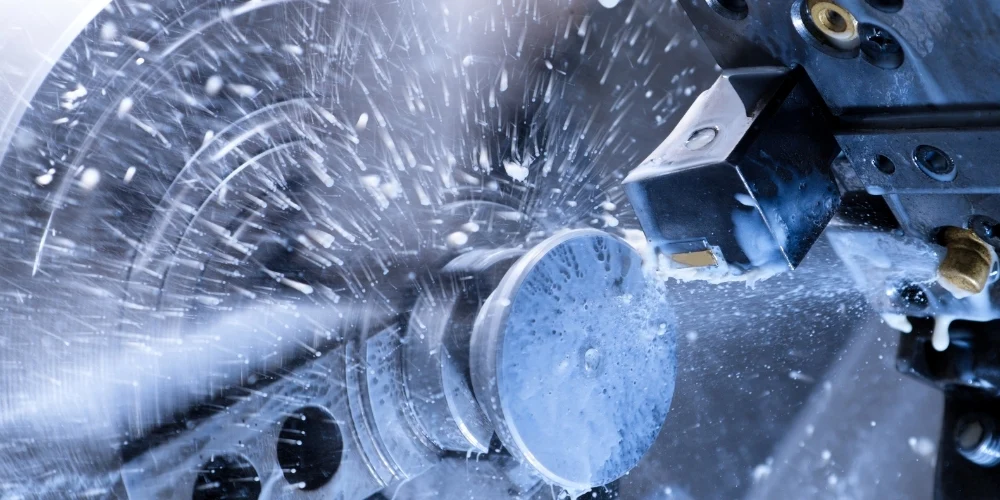
ما هو الفولاذ المقاوم للصدأ 420؟
The 420 stainless steel is among the martensitic stainless steels with the highest strength and hardness, as well as a relatively greater resistance to corrosion. The chromium content is quite abundant, ranging from 12-14% and its carbon content is usually 0.15-0.40%, thus, it offers good resistance to corrosion in a mild environment. The higher carbon content within its structure provides better hardness and wear resistance useful for applications that require strength and toughness such as forks and industrial blades. It, nevertheless, is lower in corrosion resistance when being compared to other stainless steel series, especially in chloride environments.
How is 420 Stainless Steel Named?

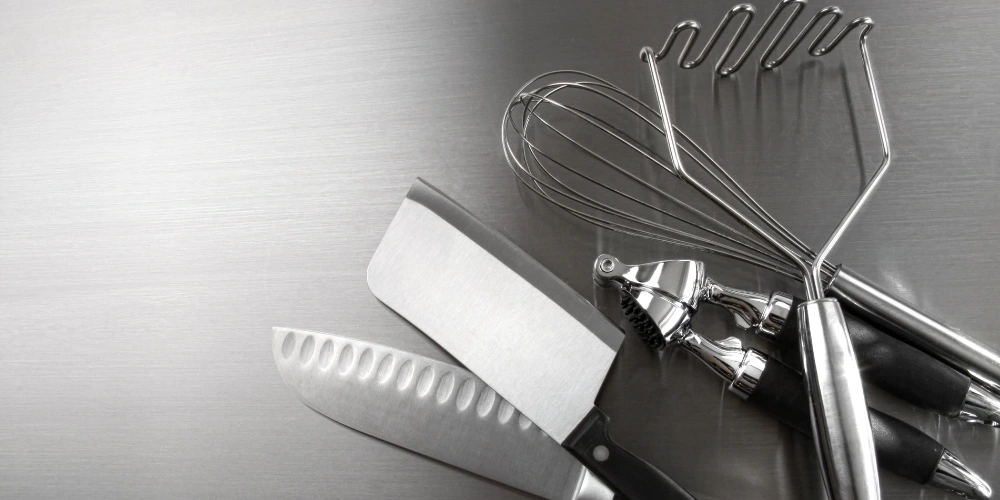
The name 420 stainless steel reflects its position as part of a 400 stainless steels series that have more carbon and are chromium-based. The “420” grade refers to a special alloy with around 12% chromium and a higher carbon content (ca. 0.15% minimum), aluminum to this parcel being distinguished by its ability to acquire hardness by heat treatment. By applying this composition, steel tends to have a higher degree of hardness which gives it a capacity to maintain a sharp edge. This property makes the steel particularly appropriate for making cutlery as well as blades. The common way the material is referred to by its average category like “420” helps to indicate its basic functionality during the selecting process for some particular purposes emphasizing on its primary characteristics like corrosion resistance and mechanical strength.
عيوب الفولاذ المقاوم للصدأ 420
420 Stainless Steel has some desirable properties but in some instances, it can have drawbacks. The corrosion resistance of 310 stainless steel compared to other grades like 304 and 316 is lower, especially in corrosive environments with chlorides or acids, which can lead quickly to pitting and crevice corrosion with inadequate maintenance. In addition, however, this property has a lower strength, making it less tough and prone to breaking at low temperatures. Welding presents several difficulties associated with the high carbon make-up of the material that necessitate preheating and post-weld heat treatment to avert cracking. The sintered metal, difficulty of which becomes manifest in producing uniform hardness across large sections, is the shortcoming of its hardenability. On the one hand, 720 stainless steel is good for its hardness and wear resistance, but on the other hand, one should be careful about the drawbacks such as corrosion, toughness and weldability and so on such that one may select another grade of stainless steel for certain applications when they are more suitable.
التركيب الكيميائي للفولاذ المقاوم للصدأ 420
Stainless steel Grade 420, martensitic stainless steel,has excellent corrosion resistance and ood ductility in the annealed condition It’s main applications of grade 420 stainless steels are surgical equipment, shear blades and needle valves
| عنصر | الوزن % |
| الكربون (C) | 0.30 – 0.40 % |
| الكروم (Cr) | 12.0 – 14.0 % |
| المنغنيز (Mn) | 0.0 – 1.0 % |
| الموليبدينوم (Mo) | 0.0 – 0.50 % |
| النيكل (Ni) | 0.0 – 0.50 % |
| الفوسفور (P) | 0.0 – 0.04 % |
| السيليكون (Si) | 0.0 – 1.0 % |
| الكبريت (S) | 0.0 – 0.03 % |
| الألومنيوم | 0.0 – 0.15 % |
| القصدير (Sn) | 0.0 – 0.05 % |
| الحديد (Fe) | توازن |
كيف تؤثر المكونات المختلفة على خصائص الفولاذ المقاوم للصدأ 420؟
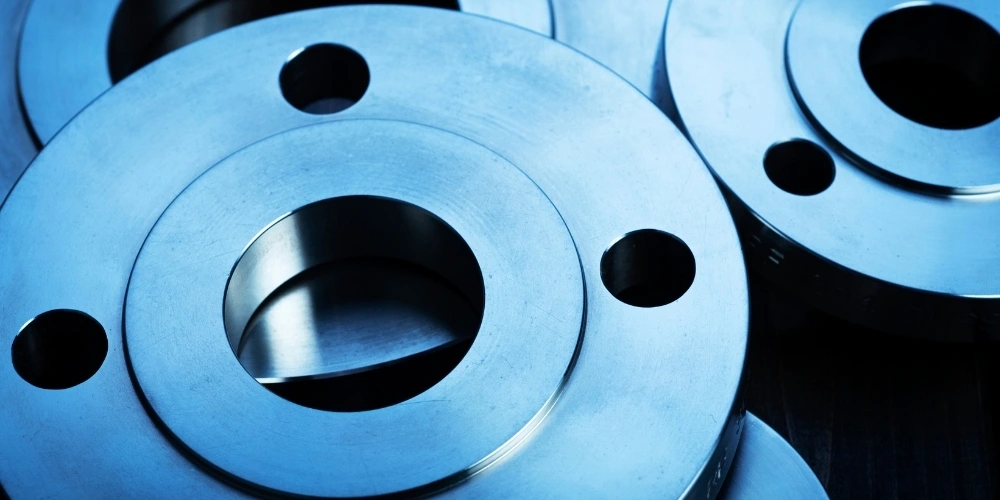
A number of elements have effect over the properties of 420 stainless steel. The carbon content dominates with respect to material hardness and strength, and the highest levels tend to make the material harder and stronger, but they might reduce the ductility and toughness of the material. It adds to the corrosion resistance by creating an oxide film on the surface. Molybdenum, which along the other alloying elements, not often added into large amounts, also improves the corrosion resistance and high-temperature strength. Proper heat-treatment processes such as annealing, quenching, and tempering are the key steps in achieving desired mechanical properties. On the other hand, a variety of processing techniques, including machining, welding, and forming, can take a toll on the microstructure and mechanical properties of the material, therefore, regulation of parameters is imperative to avoid defects. This is the aggregate of all factors that are used in the custom making of 420 grade stainless steel based on specific application requirements.
مقارنة بين الفولاذ المقاوم للصدأ 416 و 420
416 and 420 SS, martensitic alloys rich in Cr, offer acceptable corrosion resistance, but the main difference between them is the carbon content where 420 SS gets higher values, thus the hardness and wear resistance go up. To do this, 420 steel becomes more suitable for cutting applications where abrasion resistance is a priority, like on knife blades, while 416 steel, celebrated for its exceptional machinability gets used for machining tasks that need high precision : to satisfy these requirements, nuts and bolts production. Machineability and corrosion resistance are the main criteria to be considered here.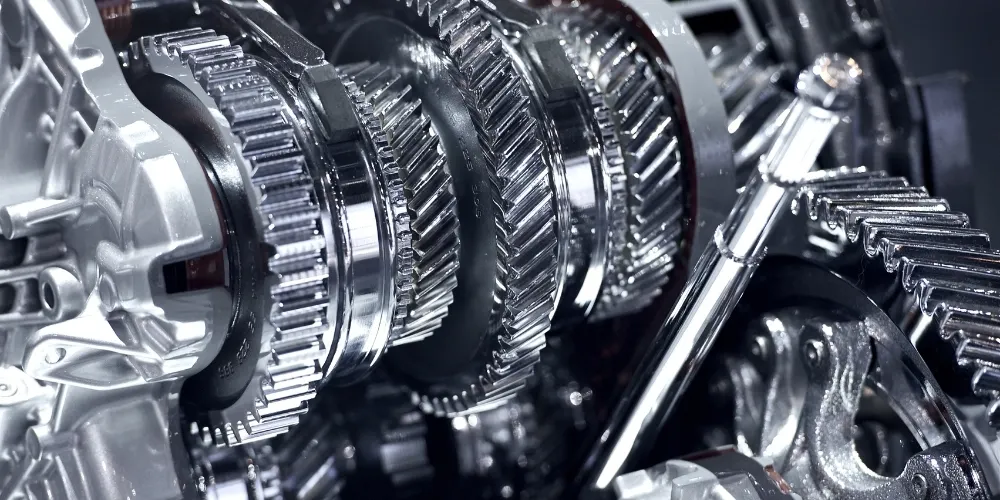
الخصائص الميكانيكية للفولاذ المقاوم للصدأ 420
| درجة حرارة التلطيف (درجة مئوية) | قوة الشد (ميجا باسكال) | قوة الخضوع 0.2% برهان (ميجا باسكال) | استطالة (% في 50 مم) | صلابة برينيل (ح ب) |
| مُلَدَّد* | 655 | 345 | 25 | 241 الحد الأقصى |
| 399 درجة فهرنهايت (204 درجة مئوية) | 1600 | 1360 | 12 | 444 |
| 600 درجة فهرنهايت (316 درجة مئوية) | 1580 | 1365 | 14 | 444 |
| 800 درجة فهرنهايت (427 درجة مئوية) | 1620 | 1420 | 10 | 461 |
| 1000 درجة فهرنهايت (538 درجة مئوية) | 1305 | 1095 | 15 | 375 |
| 1099 درجة فهرنهايت (593 درجة مئوية) | 1035 | 810 | 18 | 302 |
| 1202 درجة فهرنهايت (650 درجة مئوية) | 895 | 680 | 20 | 262 |
| *خصائص الشد الملدنة هي سمة نموذجية للحالة أ؛ صلابة الملدنة هي الحد الأقصى المحدد لقضيب الحالة أ ذو التشطيب البارد، كما هو موضح في ASTM A276-06. | ||||
| # نظرًا لمقاومته المنخفضة للصدمات، لا ينبغي تقوية هذا الفولاذ في نطاق 425- 600 درجة مئوية. | ||||
الخصائص الفيزيائية للفولاذ المقاوم للصدأ 420
كثافة كجم/م³ | الموصلية الحرارية وات/م ك | كهربائي المقاومة (ميكرو أوم/سم) | معامل مرونة | معامل التمدد الحراري ميكرومتر/متر/درجة مئوية | الحرارة النوعية (جول/كجم.كلفن) |
| 7750 | 24.9 عند 212 درجة فهرنهايت | 550 (nΩ.m) عند 68 درجة فهرنهايت | 200 جيجا باسكال | 10.3 عند 32 – 212 درجة فهرنهايت | 460 درجة فهرنهايت عند 32 درجة فهرنهايت إلى 212 درجة فهرنهايت |
| - عند 932 درجة فهرنهايت | 10.8 عند 32 – 599 درجة فهرنهايت | ||||
| 17.7 عند 32-1000 درجة فهرنهايت |
المواد المكافئة للفولاذ المقاوم للصدأ 420
| الاتحاد الأوروبي | العربية | X30Cr13 (1.4028) | |
| الولايات المتحدة الأمريكية | – | 420 | |
| ألمانيا | دين، دبليو إن آر | اكس30سي ار13 | |
| اليابان | جيس | إس يو إس 420 جيه 2 | |
| فرنسا | أفنور | زد30كروم13 ز33سي13 | |
| انجلترا | بكالوريوس | 420S45 | |
| إيطاليا | جامعة | اكس30سي ار13 | |
| الصين | المملكة المتحدة | 3كر13 | |
| السويد | اس اس | 2304 04 مارس | |
| بولندا | رقم الصنف | 3ح13 3ح14 | |
| جمهورية التشيك | رقم الهاتف المركزي | 17023 | |
| روسيا | غوست | 30كيه اتش 13 | |
التقنيات المستخدمة في معالجة الفولاذ المقاوم للصدأ 420
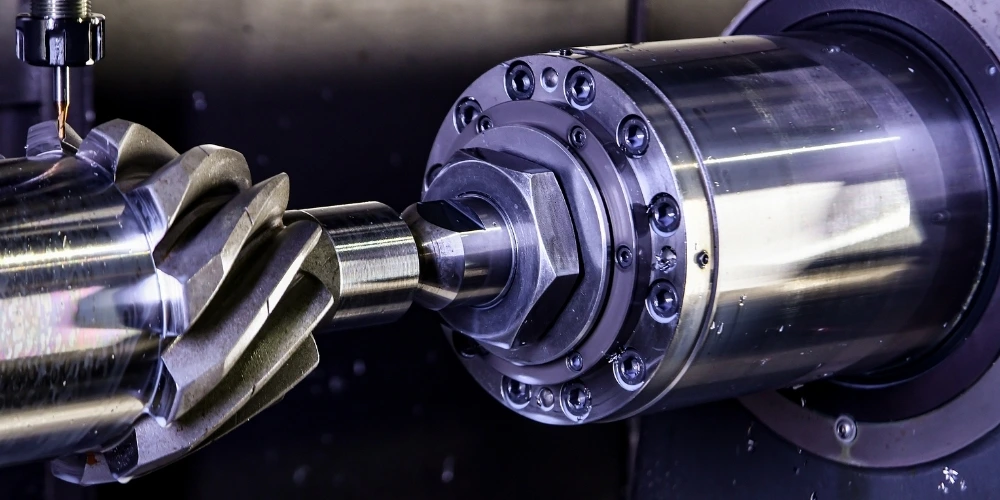
The work with 420 stainless steel commonly uses several manufacturing techniques for the production of various shapes and properties. Drilling and milling are just some of the operations carried out during machining, which are usually completed using carbide or high-speed steel tools for a quicker and more precise removal of the material. With heat treatment such as annealing and tempering, mechanical properties like hardness and toughness can be made optimal. GTAW and GMAW techniques for fusing components before and after the weld are requisite to ensure damage resulting from cracks is not incurred. Different shaping processes like bending and forging allow steel to be formed. In addition, the controlling of temperature, application of lubricants, and controlled processes all help achieve uniform products free of fractures. Surface modifications such as pickling and electroplating make metal more resistant to corrosion and more appealing to look at. In the end these techniques together allow production of selections of parts for broad applications including consideration and selection of being used only in a certain conditions in which we then can have just the required properties.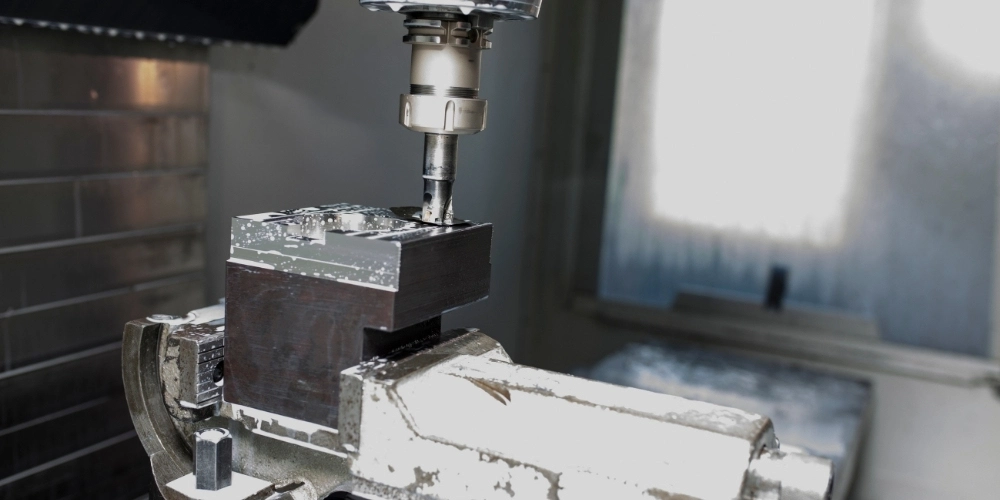
تطبيقات الفولاذ المقاوم للصدأ 420
- السيارات:
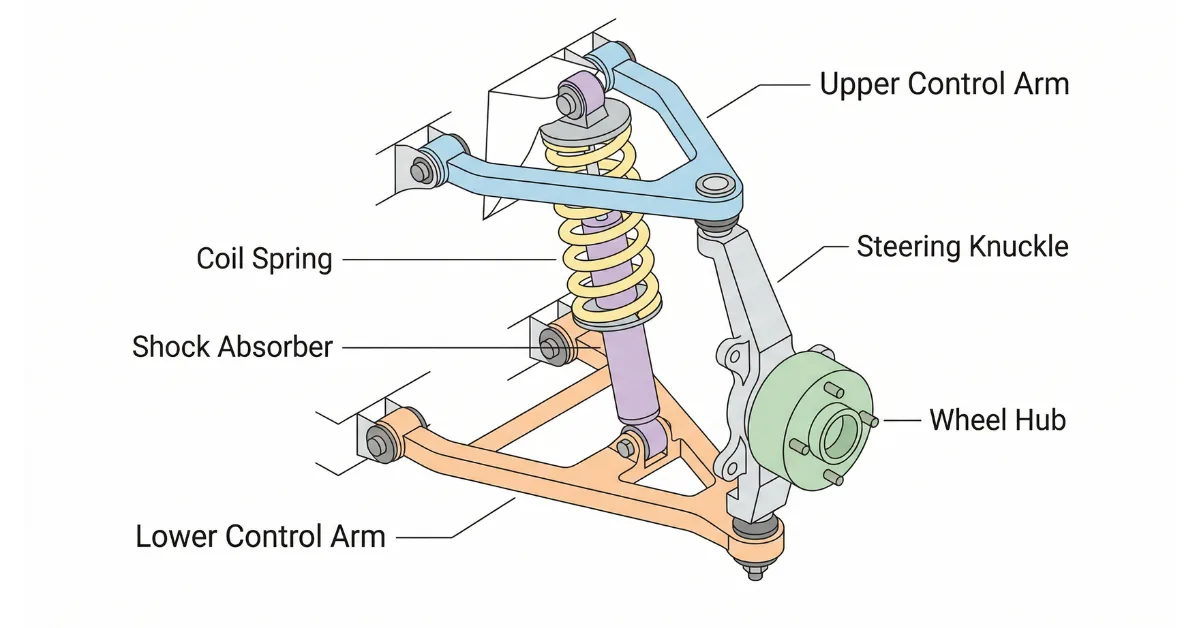
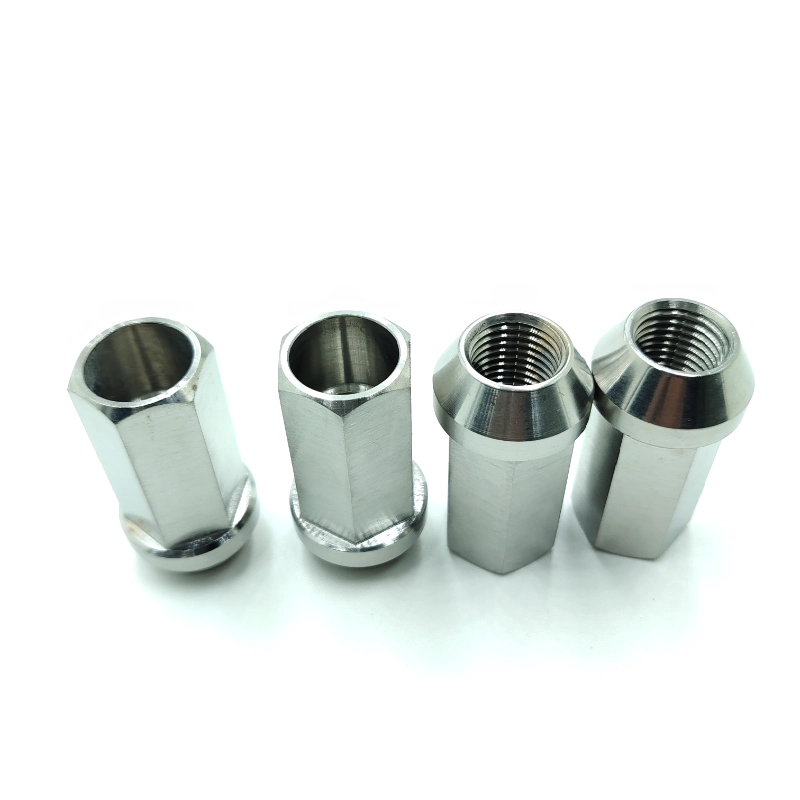
- مكونات مصنوعة بدقة من الفولاذ المقاوم للصدأ 420 مثل فواصل العجلات, صواميل العجلة, حارس الكتلة, أغطية الصمامات، و مقاييس القياس الارتقاء بتطبيقات السيارات بالمتانة والدقة.
- الفضاء:
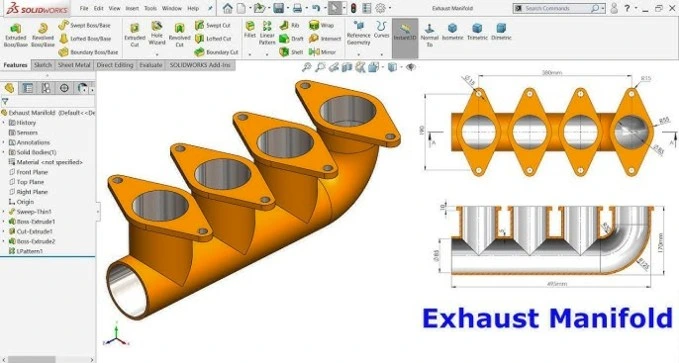
- في مجال الطيران والفضاء، يتألق الفولاذ المقاوم للصدأ 420 في صناعة الطائرات والفضاء. مشعبات العادم, المكرهات, تجهيزات الأنابيب، و أجسام الصمامات، مما يضمن الموثوقية في ظل الظروف القاسية.
- المكونات الطبية:
- لتلبية احتياجات الرعاية الصحية، يتم استخدام الفولاذ المقاوم للصدأ 420 براغي طبية, مكونات الدقة، و غلافات مصدر طاقة المستشعر، تلبية للمعايير الطبية الصارمة.
- منتجات استهلاكية مخصصة:
- تلبيةً لاحتياجات المستهلكين المتنوعة، تمتد عمليات التصنيع الدقيقة إلى التصنيع حسب الطلب دراجة جبلية و دراجة بي إم إكس الأجزاء، جنبا إلى جنب مع مفصلات ملحومة, أكمام المفصلات, مفصلات البيانو، و مفصلات رصاصية.
- دراجة نارية:
- رفع أداء الدراجات النارية وجمالياتها، يساهم تصنيع الفولاذ المقاوم للصدأ 420 في عجلات مسننة, المشابك الثلاثية, عجلات معدنية, المحاور, واقيات المبرد، و مساند الأقدام.
- جَرَّار:
- ضمان قوة المقطورة، أغطية تشغيل من الفولاذ المقاوم للصدأ 420 طقم إصلاح الوصلات, مزاليج دبوس زنبركي, مشابك الترباس على شكل حرف U, الوصلات, كرات الربط, خطافات محورية، و رافعات المقطورة.
- دراجة:
- الارتقاء بتجربة ركوب الدراجات، يشمل التصنيع الدقيق سيقان الدراجة, حلقات السلسلة, محاور الدراجات, الدواسات، و مجموعة الكرنك، مما يوفر المتانة والأداء.
- كارت:
- في رياضة الكارتينج، 420 حرفة تصنيع الفولاذ المقاوم للصدأ عجلات مسننة, الغسالات, الفواصل, محاور العجلات, المحامل, عجلات القيادة، و جنوط العجلات، مما يضمن الموثوقية والدقة على مضمار السباق.