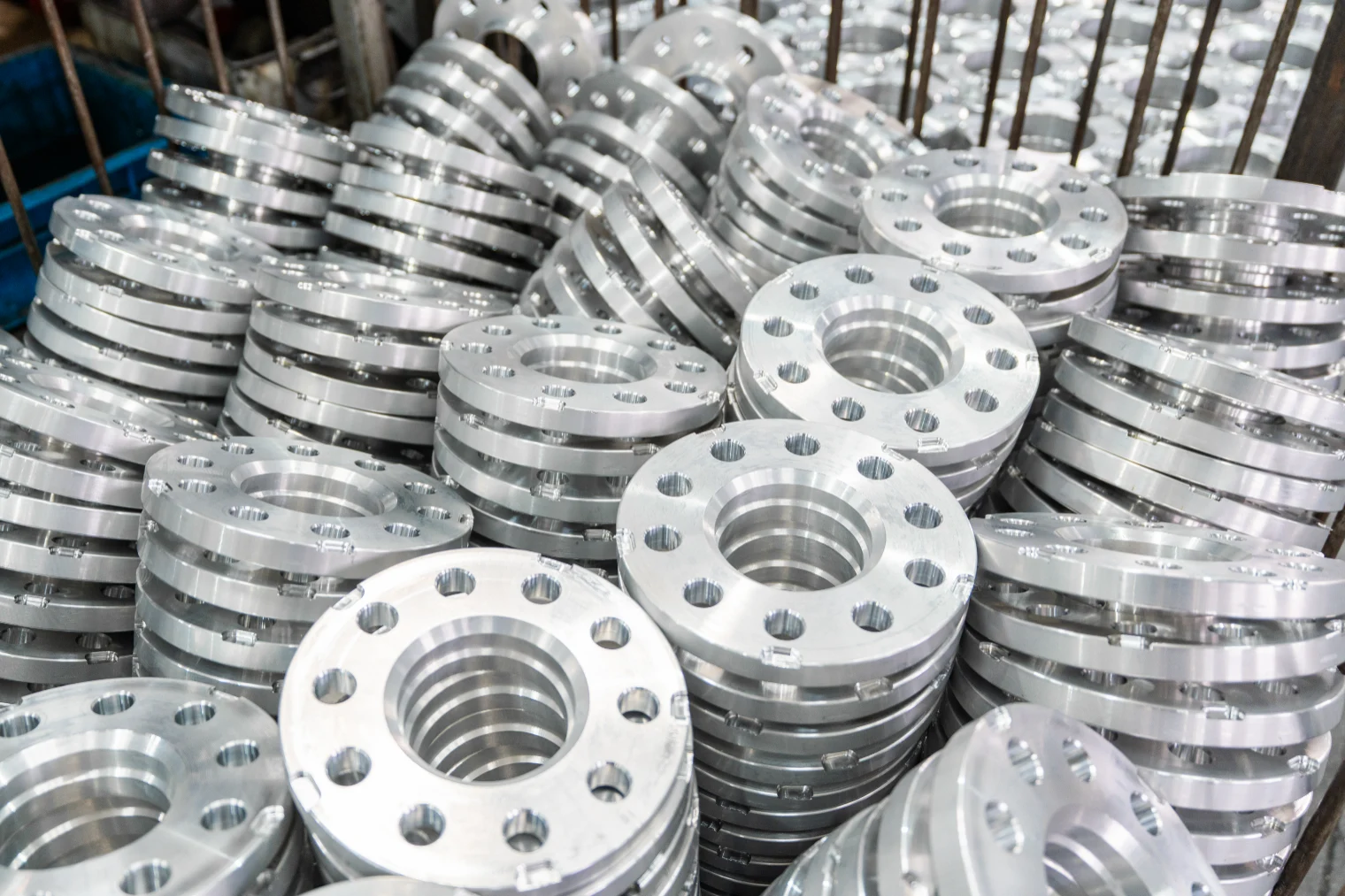
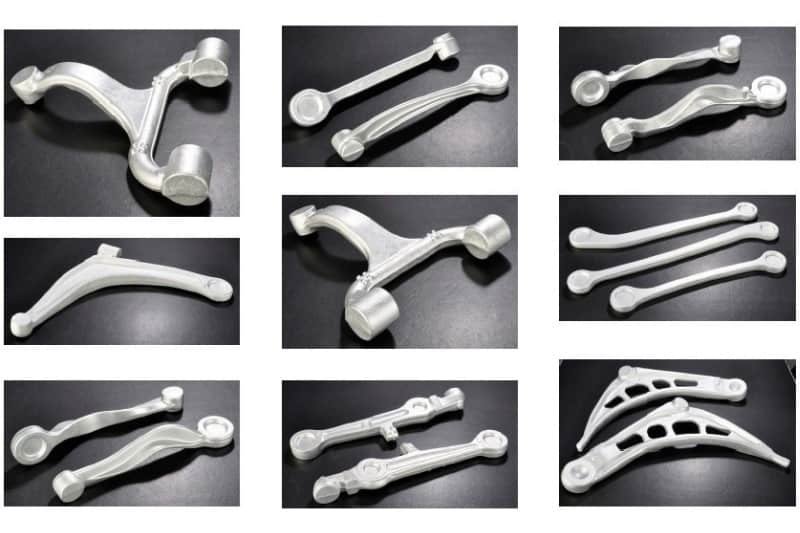
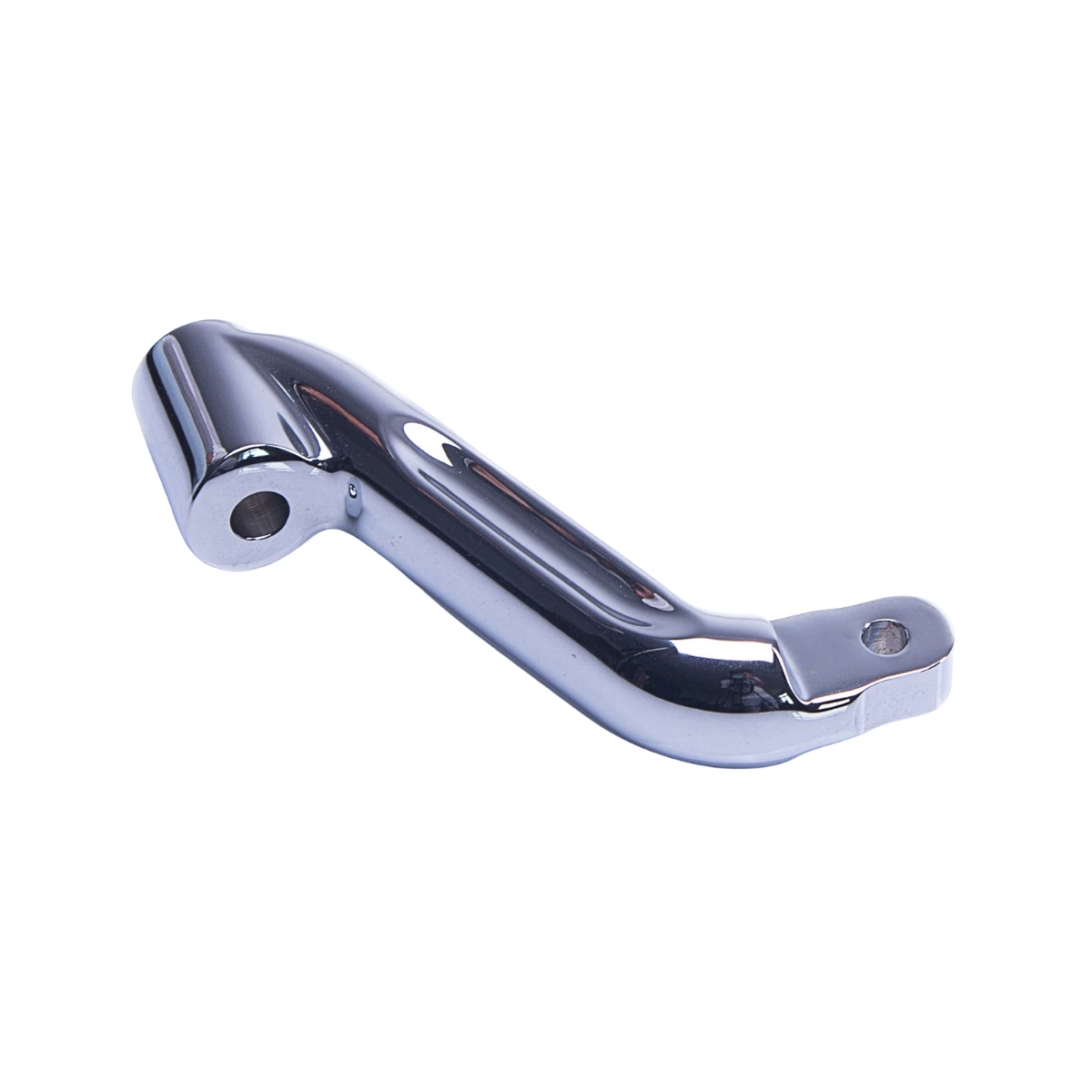
Forging remains one of the most important manufacturing routes in the automotive industry because many vehicle parts do not just need the right shape. They need to survive impact, repeated load cycles, vibration, and long service life. That is why automotive forging is still widely used for critical parts in suspension, steering, drivetrain, and engine systems. In practice, buyers do not choose forging because it sounds strong. They choose it because a forged blank often gives them a better foundation for the finished part, especially when the component sits in a real load path and failure is expensive. Common automotive forgings include axle shafts, steering arms, spindles, hubs, ball studs, and other parts used at points of shock and stress.
For a technical buyer, the useful question is not whether forging is “good.” The useful question is where forging creates the most value compared with casting, fabrication, or machining from solid. In automotive programs, that value usually shows up in four places: durability in service, more stable material behavior, lower waste in the blank, and better support for downstream heat treatment and CNC finishing.
Why forging matters so much in automotive parts
Automotive components see a harsh combination of forces. Suspension and steering parts take repeated impact and side loads. Driveline parts see torsion and fatigue. Engine and transmission parts often see both mechanical stress and thermal cycling. In those environments, the blank quality matters. Forging is used because it can produce a dense, structurally reliable starting form that supports demanding service better than many alternative routes for the same part family. This is one reason forged components remain common in wheel-end parts, steering components, shafts, rods, yokes, and selected engine or transmission parts.
Another reason is manufacturing logic. Automotive parts are often made in volumes where material waste and machining time matter. A forged blank can place material where the part needs it and reduce unnecessary stock elsewhere. That does not mean the forging is the finished part. It means the forging is a more efficient and more reliable starting point for the final part. In automotive work, that usually means forging first, then المعالجة الحرارية و التصنيع باستخدام الحاسب الآلي on the bores, faces, ball-joint seats, bearing seats, threads, or other critical interfaces. HDC’s own automotive forging pages follow exactly that logic, presenting forging together with heat treatment, inspection, and CNC finishing as one route rather than separate disconnected services.
What automotive parts are commonly forged
The shortest answer is this: parts that carry load, transfer force, or must keep working under shock are strong forging candidates. In automotive systems, that usually means components in steering, suspension, wheel ends, driveline, and some engine or transmission applications. Common examples include axle shafts, hubs, spindles, steering arms, ball studs, tie-rod-related parts, yokes, connecting rods, crankshafts, and selected أذرع التحكم or knuckles depending on the vehicle platform and material strategy.
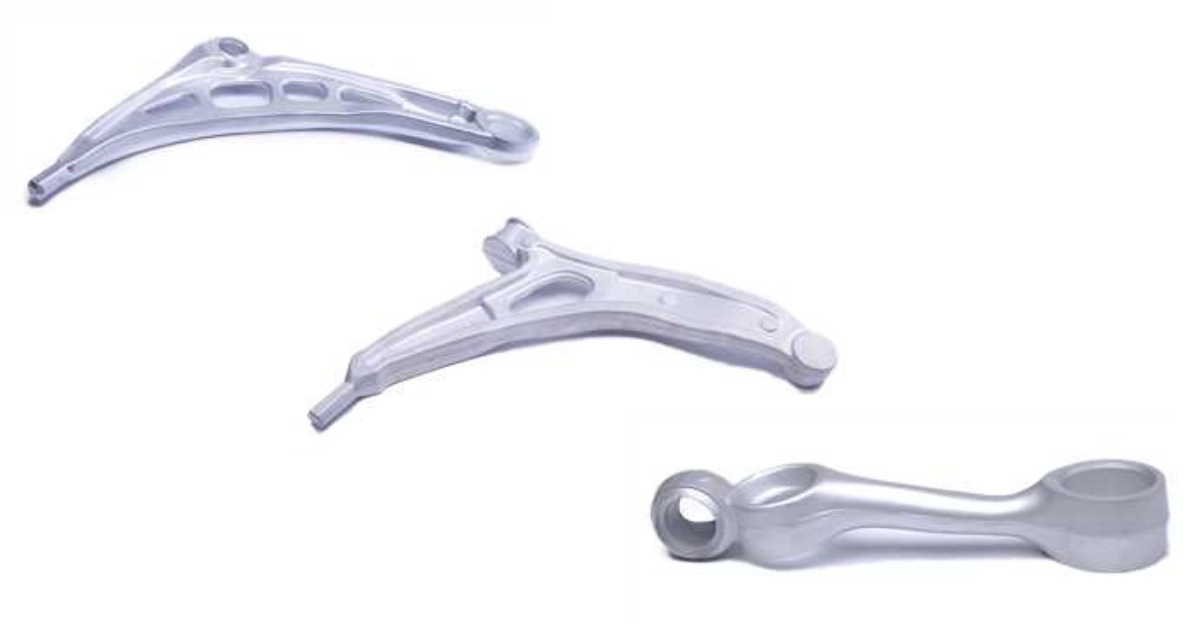
For buyers, it helps to think in systems rather than part names. If the component must transmit torque, carry impact, keep wheel geometry stable, or survive a long fatigue life, forging should be on the table early. If the component is more shape-driven than load-driven, another process may be more practical. That distinction is often more useful than comparing part names in isolation.
Suspension and steering: where forging is especially common
Suspension and steering are some of the clearest examples of why قطع غيار السيارات المطروقة remain important. These parts experience repeated loads, road shock, curb strikes, and alignment-sensitive service conditions. A forged blank helps because the part must not only fit; it must also keep working safely over a long life. This is why forged spindles, hubs, steering arms, ball studs, and control-arm-related parts are so common in demanding vehicle programs.
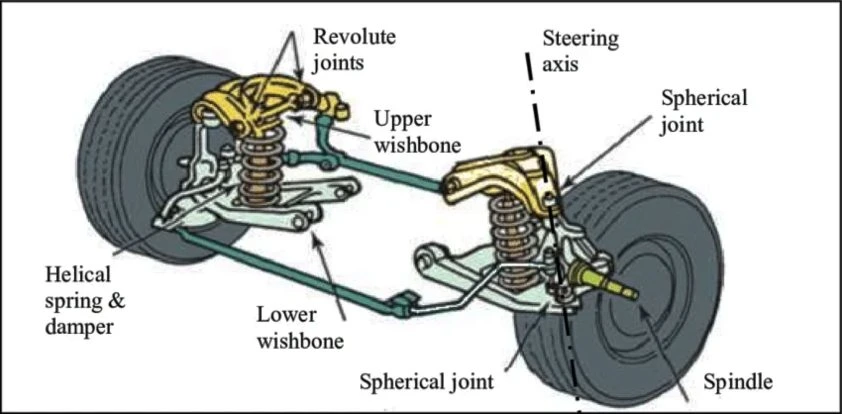
This is also where aluminum forging becomes very relevant. Automotive suspension designers often want to reduce unsprung mass without giving up too much strength or durability. Forged aluminum has become a practical route for that balance, particularly in suspension components where weight reduction brings a direct ride and handling benefit. Technical guidance on aluminum forging notes that aluminum alloy forgings, especially closed-die forgings, are commonly produced to refined final configurations and are used in applications where strength-to-weight matters.
HDC's forged control arm capability is a good example of how this plays out in real sourcing work. A control arm is not just “an automotive part.” It is a geometry-sensitive, fatigue-sensitive suspension component where forging plus CNC machining can make more sense than a weaker or less stable blank route. HDC’s control arm page also reflects the material split buyers often see in real programs: high-strength aluminum forging for weight-sensitive designs, and steel where impact resistance and long fatigue life under harsh load dominate.
Drivetrain and engine parts: where forging earns its keep
Forging is also common in drivetrain and engine-related parts because these components see repeated stress and high reliability expectations. Crankshafts, connecting rods, yokes, certain shaft forms, and similar components are typical forging candidates because they combine cyclic loading with a strong need for predictable mechanical performance. In these applications, a forged blank is often selected not because it is fashionable, but because failure risk is expensive and highly visible.
For buyers, the practical point is that drivetrain and engine forgings are rarely bought on blank price alone. They are bought on total route performance. If a forged blank improves machining consistency, heat treatment response, and field reliability, it can easily be the better commercial choice even if the forging itself is not the cheapest starting part.
The materials most often used in automotive forging
In real automotive forging programs, the two most important material directions are usually steel and aluminum.
Steel remains the default for many high-load forged parts because it offers a strong balance of strength, toughness, fatigue resistance, and cost. Low-carbon steels, low-alloy steels, and other automotive-grade steel families remain core forging materials for shafts, hubs, steering components, and many drivetrain parts. When load is high and weight is less critical than durability, steel is still the safest starting point in many programs.
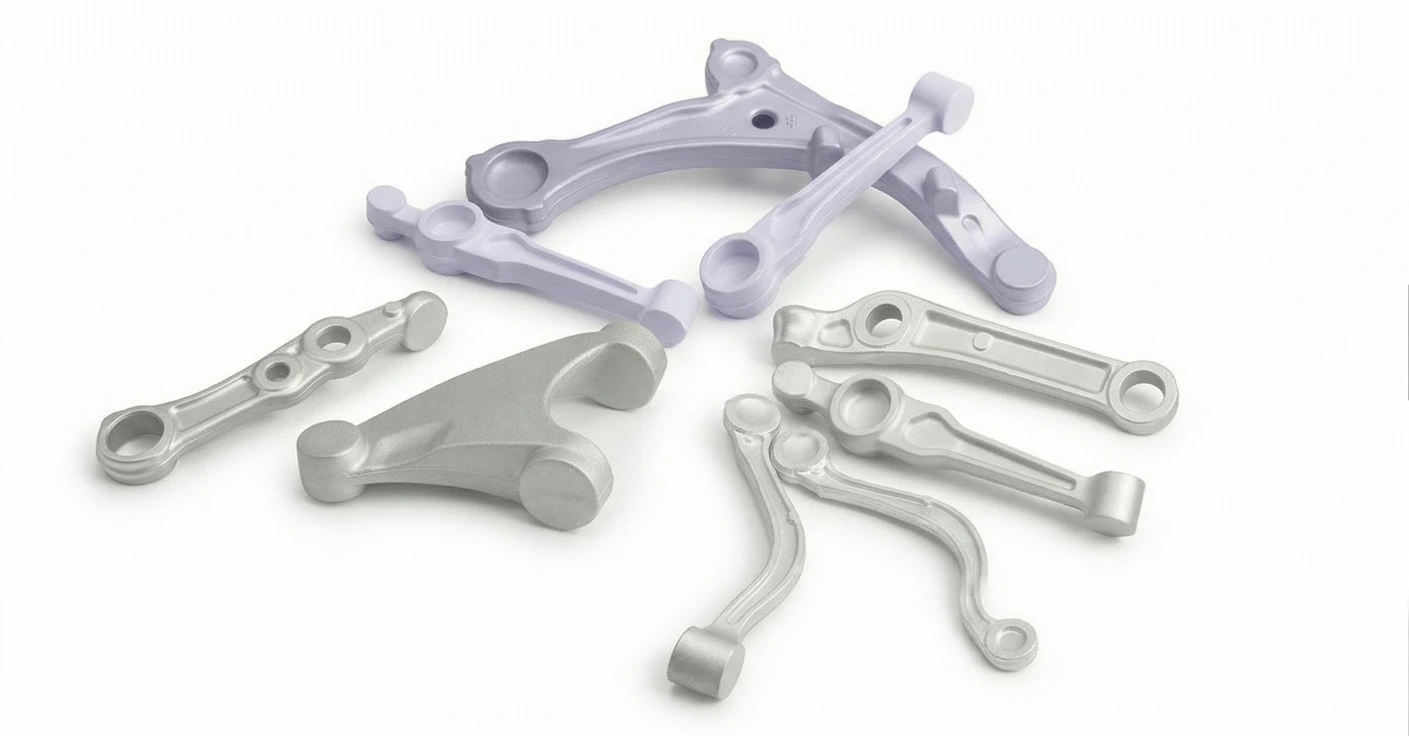
Aluminum is increasingly important where lightweighting matters. Forged aluminum is used because it can deliver a better strength-to-weight ratio than many alternative routes, especially in steering and suspension components where reduced mass improves vehicle response. Technical guidance on aluminum forging notes that most aluminum forged products are made from 2xxx, 6xxx, or 7xxx alloy families depending on the application and required properties. Suspension forgings are often made from alloys such as 6061 or higher-strength 6xxx-series or 7xxx-series materials depending on design and performance needs.
That material choice should never be treated separately from the application. Steel is often the better answer when impact tolerance and durability dominate. Aluminum is often the better answer when the vehicle program is trading mass for handling, efficiency, or EV range while still demanding a forged structural part.
Why buyers choose forged automotive parts
The first reason is structural confidence. Forged parts are widely chosen where the component is safety-relevant or durability-critical because the route supports a more dependable blank for highly stressed service. In automotive work, that matters in exactly the places you would expect: steering links, wheel-end parts, control arms, shafts, and other force-carrying components.
The second reason is process efficiency. A forged part is often closer to the final mass distribution the design needs, which reduces excessive material removal and helps stabilize machining. This becomes especially important when the finished part still needs tight bores, bearing seats, threads, or complex mounting surfaces. Buyers often see the payoff not at the forge, but on the machining line.
The third reason is quality control over the whole route. In automotive supply, the process is not just “forge and ship.” It is forge, heat treat, inspect, machine, verify, and deliver. A one-stop route can reduce handoff problems because the same supplier is thinking about the blank and the final interfaces at the same time. That matters in automotive programs where variation at one stage often becomes scrap at the next. HDC’s automotive forging page positions its service exactly that way, combining forging, CNC finishing, heat treatment, and inspection under one route for automotive parts.
Where forging is not automatically the right answer
Forging is not the default answer for every automotive component. It can be the wrong route when the design is highly shape-driven, the internal geometry is more casting-friendly, or the volume is too low to justify tooling and process development. It can also be a poor commercial choice when the part does not sit in a serious load path and the performance benefits will never be used in service.
That is why better buyers do not start with “we want forging.” They start with “this is the load case, this is the volume, this is the material direction, and these are the critical machined features.” Once those are clear, the process decision usually becomes more straightforward.
How to source automotive forging parts more effectively
A strong RFQ for automotive forging should describe both the geometry and the job the part has to do. The supplier needs the drawing or 3D model, of course, but just as important are the material direction, expected annual volume, required heat treatment, inspection level, and which features are critical after machining. If the part is a suspension or steering component, say so. If it is weight-sensitive, say so. If it will later receive bushings, bearings, or ball joints, identify those interfaces clearly. Those are the details that help a supplier recommend the right forging route rather than simply quoting the most familiar one.
This is also why a one-stop supplier can be useful. HDC’s automotive forging parts page presents forging together with CNC finishing, heat treatment, and inspection, which is a practical model for automotive buyers because it reduces process gaps between the forged blank and the final functional part. When the program includes suspension components specifically, HDC’s forged control arm page shows the same approach in a more focused form.
Where HDC fits for buyers
For buyers evaluating suppliers, HDC’s value is not only that it forges parts. The real value is that it supports the full route from forging to post-machining. Its automotive forging capability is positioned as a one-stop service for high-strength, high-precision automotive components, with heat treatment, CNC finishing, and inspection built into the project flow. That is useful because many automotive forgings do not fail at the forging stage. They fail when the blank, machining plan, and quality requirements are not aligned. A supplier that manages all three stages is often easier to work with than a chain of separate vendors.
الأسئلة الشائعة
Which automotive parts are most suitable for forging?
The strongest candidates are parts that carry load or see repeated stress, such as shafts, hubs, steering arms, spindles, ball studs, yokes, and many suspension-related parts. If the component sits in a safety-critical or fatigue-sensitive location, forging is usually worth evaluating early.
Is aluminum forging really strong enough for automotive suspension parts?
Yes, when the design and alloy are chosen correctly. Forged aluminum is widely used in suspension and steering applications because it combines weight reduction with good mechanical performance. The specific alloy and heat treatment matter, but forged aluminum is a well-established route for lightweight structural auto parts.
Why do forged automotive parts still need CNC machining?
Because forging gives you the right blank, not always the final fit. Critical features such as bores, bearing seats, threads, ball-joint locations, and mounting faces usually still need machining to meet assembly and durability requirements.
What is the biggest sourcing mistake with automotive forging parts?
Treating the forged blank as the whole product decision. The better way is to evaluate the full route: material, forging method, heat treatment, machining, and inspection together. That is usually where the real quality and cost outcome is decided.
خاتمة
Forging contributes to the automotive industry because it provides a strong, dependable starting point for parts that must handle real load, impact, and fatigue over long service life. It is especially relevant in suspension, steering, driveline, and selected engine or transmission components where the part does not just need to fit, it needs to keep working. Steel remains the default for many heavy-duty forged auto parts, while aluminum forging continues to grow where lightweighting matters. For buyers, the best decision usually comes from treating forging as part of the full manufacturing route, not as an isolated process. If that is the sourcing model you need, HDC’s قطع غيار السيارات المطروقة capability and its forged control arm service are good places to start