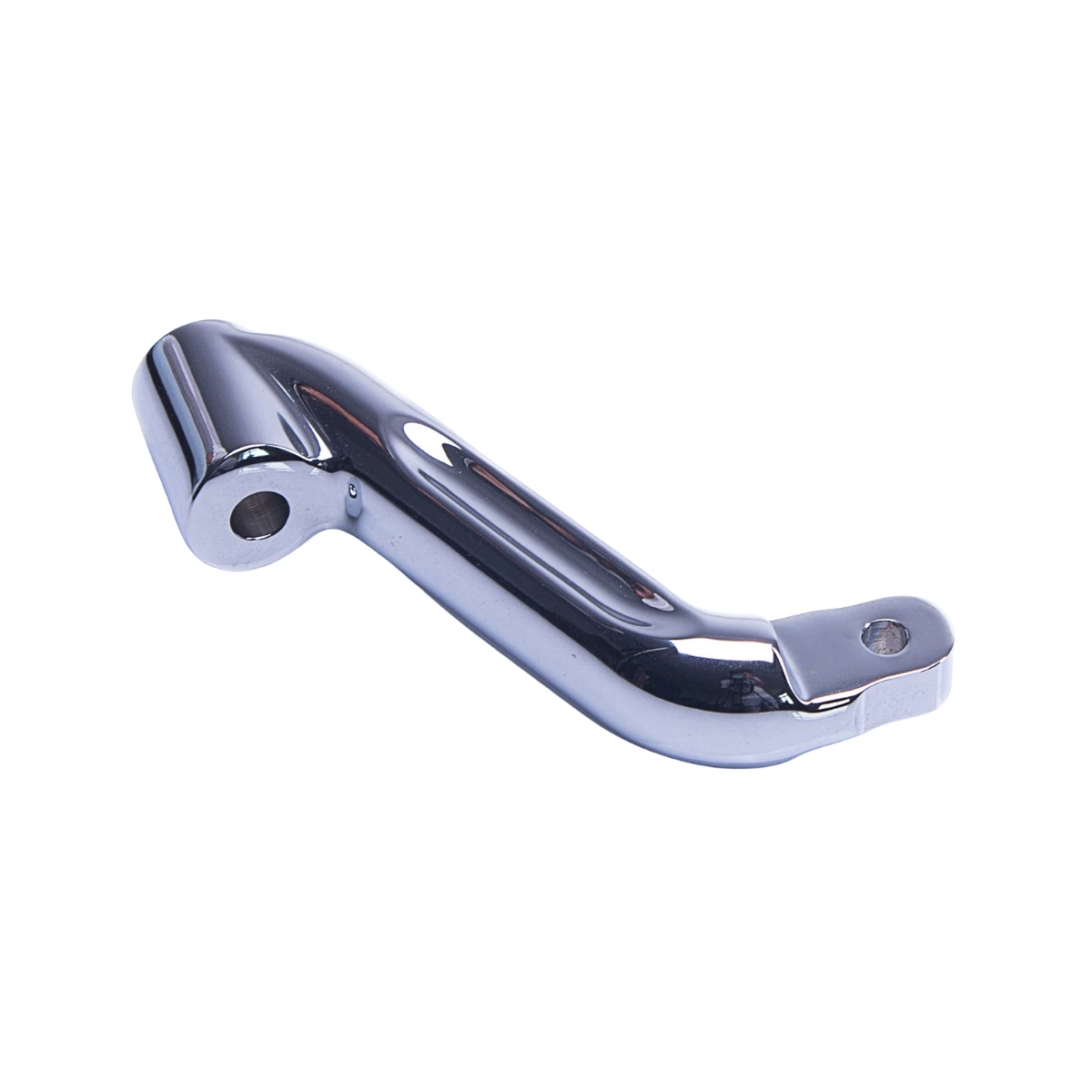
Si alguna vez has notado un golpe al pasar por baches, un desgaste irregular de los neumáticos o un coche que no mantiene la alineación, los brazos de control son uno de los primeros componentes que conviene conocer. Brazos de control inferiores y superiores Son elementos clave de la suspensión que conectan el chasis (o subchasis) del vehículo con el buje/mangueta de la rueda, guiando el movimiento de esta a medida que la suspensión se mueve hacia arriba y hacia abajo. Ayudan a mantener el neumático en contacto con el suelo, la dirección es predecible y los ángulos de alineación se mantienen estables durante el frenado, la aceleración y las curvas.
Los brazos de control son "héroes silenciosos". No se ven, pero determinan discretamente cómo se siente tu vehículo: firme y estable o suelto e inestable.
Función de un brazo de control en el sistema de suspensión
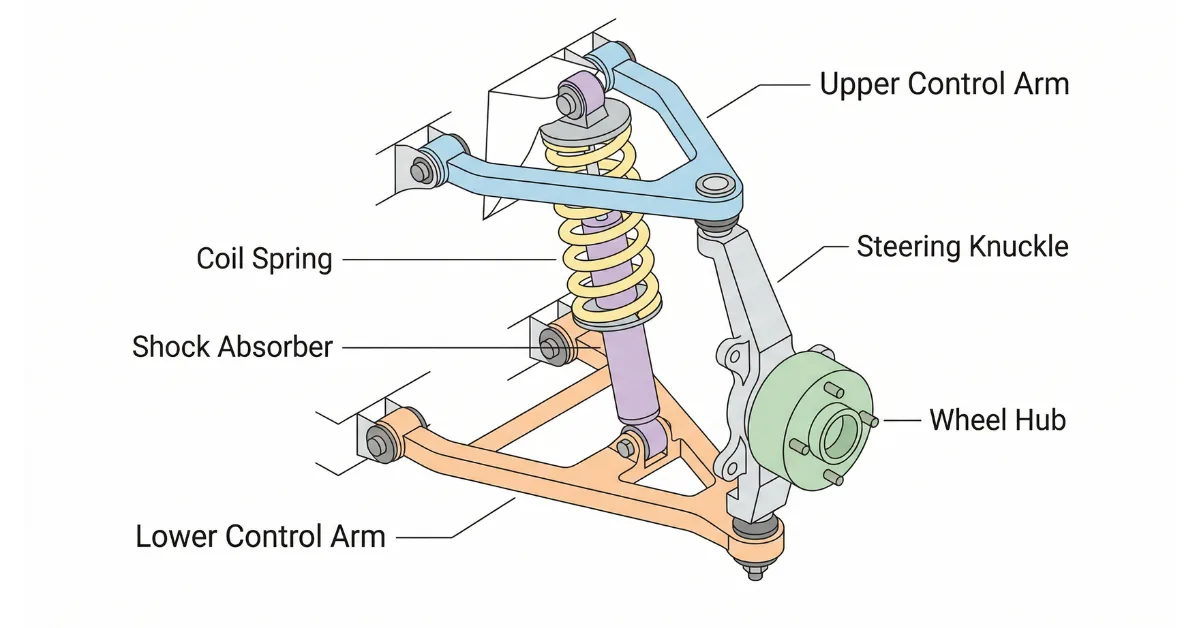
Un brazo de control es esencialmente un enlace rígido con puntos de pivote en el extremo del chasis y un articulación en el extremo de la rueda. El extremo del chasis normalmente pivota a través de bujes (caucho o elastómero en la mayoría de los diseños OEM). El extremo de la rueda normalmente utiliza un rótula (común en suspensiones delanteras) o un buje/articulación dependiendo de la configuración de la suspensión.
Funcionalmente, los brazos de control realizan tres cosas al mismo tiempo:
Ellos localice la rueda para que no se mueva hacia adelante/atrás o de lado a lado de forma impredecible. permitir el desplazamiento vertical a medida que la suspensión se comprime y rebota. Y ayudan a mantener o gestionar geometría de alineación—especialmente la inclinación y el avance— para que el manejo se mantenga constante.
¿Qué sistemas de suspensión utilizan brazos de control superiores e inferiores?
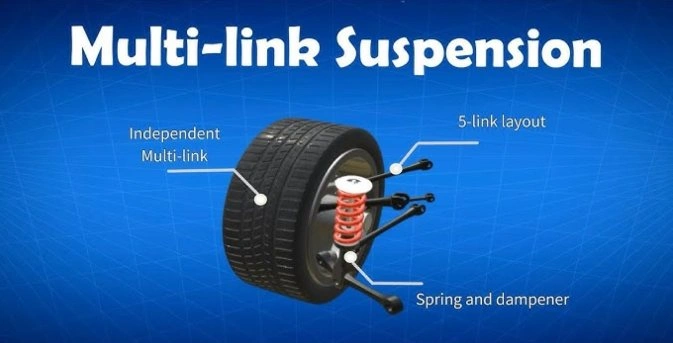
No todos los vehículos tienen brazos de control superiores e inferiores en la parte delantera.
En un puntal MacPherson suspensión delantera (muy común en los turismos), normalmente hay una brazo de control inferior y el conjunto del amortiguador actúa como elemento de posicionamiento superior. Por eso, en muchos coches modernos se suele hablar más del “brazo de control inferior”.
En un doble horquilla Suspensión (de brazo en A), normalmente tienes tanto una brazo de control superior y un brazo de control inferior. Esta configuración es común en automóviles de alto rendimiento, camionetas, SUV y muchos diseños orientados a la conducción todoterreno, ya que brinda a los ingenieros un mayor control sobre la ganancia de inclinación, el recorrido de la rueda y la geometría bajo carga.
En enlace múltiple suspensiones, Es posible que no veas ningún brazo de control en forma de "A". En su lugar, varios enlaces separados se encargan de la posición. Algunas personas todavía llaman a ciertos enlaces "brazos de control", pero el concepto es el mismo: enlaces que posicionan la mangueta con respecto al chasis.
Brazos de control inferiores vs. superiores: ¿Cuál es la diferencia?
La forma más sencilla de entender la diferencia es observar de qué es responsable cada brazo y qué cargas suele transportar.
los brazo de control inferior Suele ser el brazo principal de soporte de carga. A menudo soporta la mayor parte de las fuerzas de frenado y de giro, y en muchos diseños también transmite las cargas del muelle/amortiguador a través del buje o mediante la geometría de montaje del amortiguador. Debido a que realiza mayor trabajo, suele ser más grande y robusto.
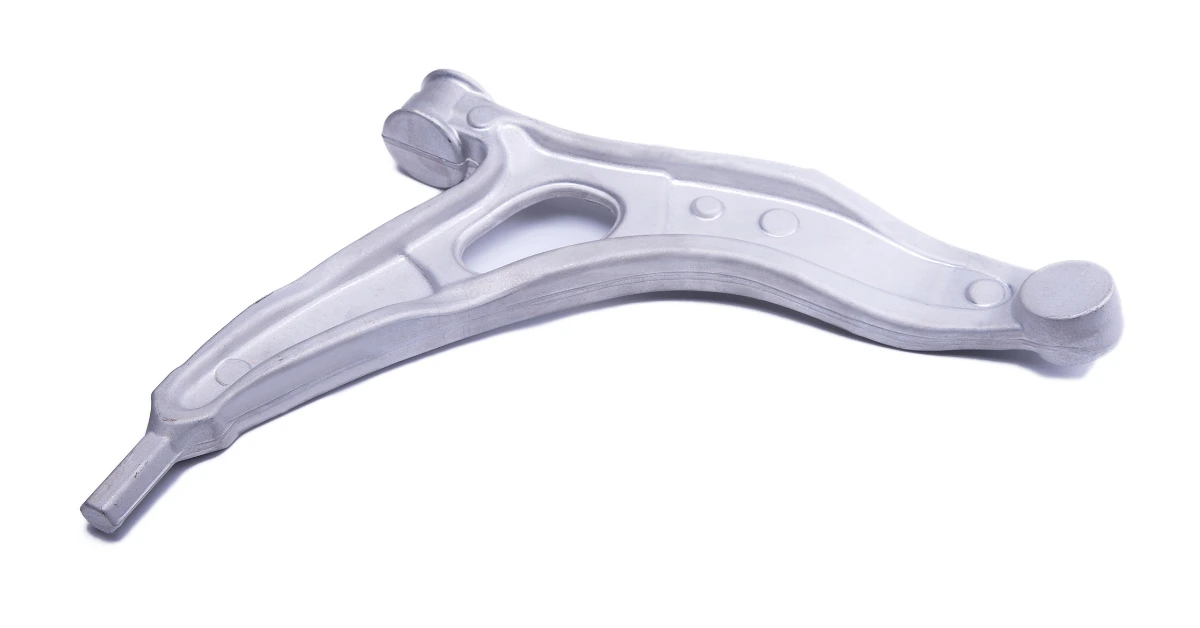
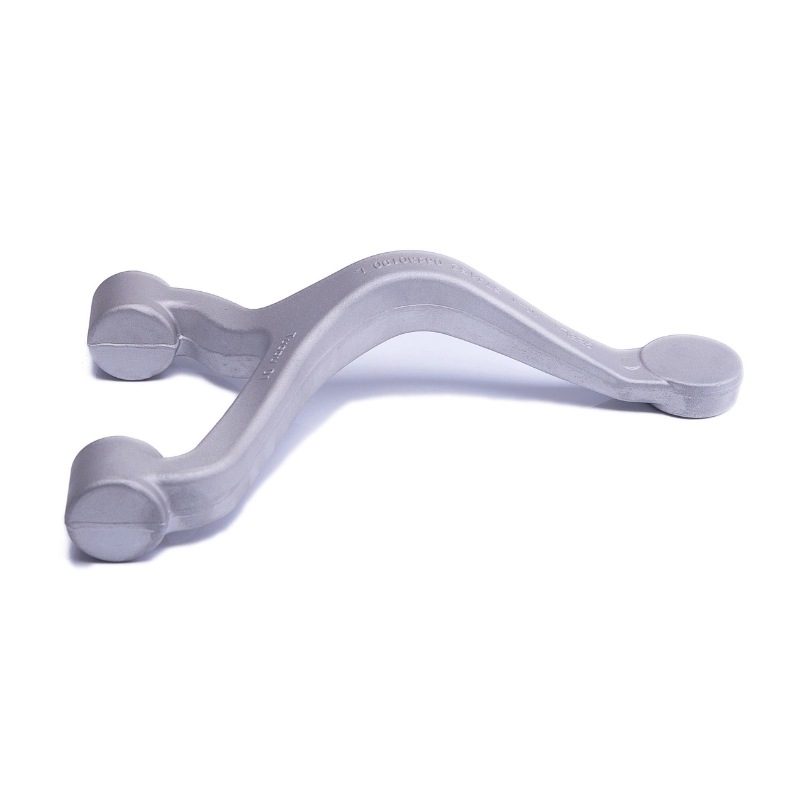
los brazo de control superior (Cuando existe) suele centrarse más en controlar la inclinación de las ruedas y guiar la parte superior del muñón durante el recorrido de la suspensión. Si bien soporta cargas importantes, especialmente en camiones y sistemas de doble horquilla, suele ser más pequeño que el brazo inferior y desempeña un papel más relevante en el control preciso de la geometría.
Aquí tienes una comparación rápida que coincide con lo que más les importa a la mayoría de los compradores e ingenieros:
| Característica | Brazo de control inferior | Brazo de control superior |
| Presencia típica | Casi siempre (frente) | Común en configuraciones de doble horquilla, algunas configuraciones traseras |
| Trabajo principal | Ubicación principal de las ruedas + manejo de la carga | Control de la geometría (comportamiento de la inclinación/avance) |
| Articulaciones comunes | Casquillos + rótula | Casquillos + rótula (o rótula/casquillo) |
| Sensación de fracaso común | Ruidos extraños, tirones, inestabilidad al frenar. | Holgura en la dirección, desgaste relacionado con la inclinación de las ruedas |
Dónde se utilizan los brazos de control
Los brazos de control se encuentran en las suspensiones delanteras de la mayoría de los turismos y casi todos los camiones y SUV, y también son comunes en las suspensiones traseras (ya sea como brazos en A o como enlaces). Es frecuente ver brazos superiores e inferiores en vehículos diseñados para ciclos de trabajo más pesados, como camionetas, vehículos comerciales y plataformas todoterreno, debido a que su geometría y durabilidad son ventajas valiosas bajo carga.
Síntomas comunes cuando los brazos de control se desgastan o fallan
Los brazos de control normalmente no “fallan todos a la vez” a menos que haya daños por impacto. Con mayor frecuencia, el desgaste proviene de bujes y rótulas.
Cuando los bujes se ablandan o se rompen, la rueda puede desplazarse ligeramente al frenar o tomar curvas, lo que provoca inestabilidad. Cuando las rótulas se desgastan, es posible que sienta holgura, escuche ruidos extraños o note una desviación en la alineación.
Los síntomas más frecuentes son un golpe seco al pasar por baches, dirección imprecisa, desviación hacia un lado, desgaste irregular de los neumáticos (especialmente en los bordes interior y exterior), vibraciones y problemas de alineación. Si estos síntomas aparecen tras un impacto (bache, bordillo, golpe fuera de la carretera), existe la posibilidad de que el brazo de suspensión se doble.
Cómo se fabrican los brazos de control inferiores y superiores
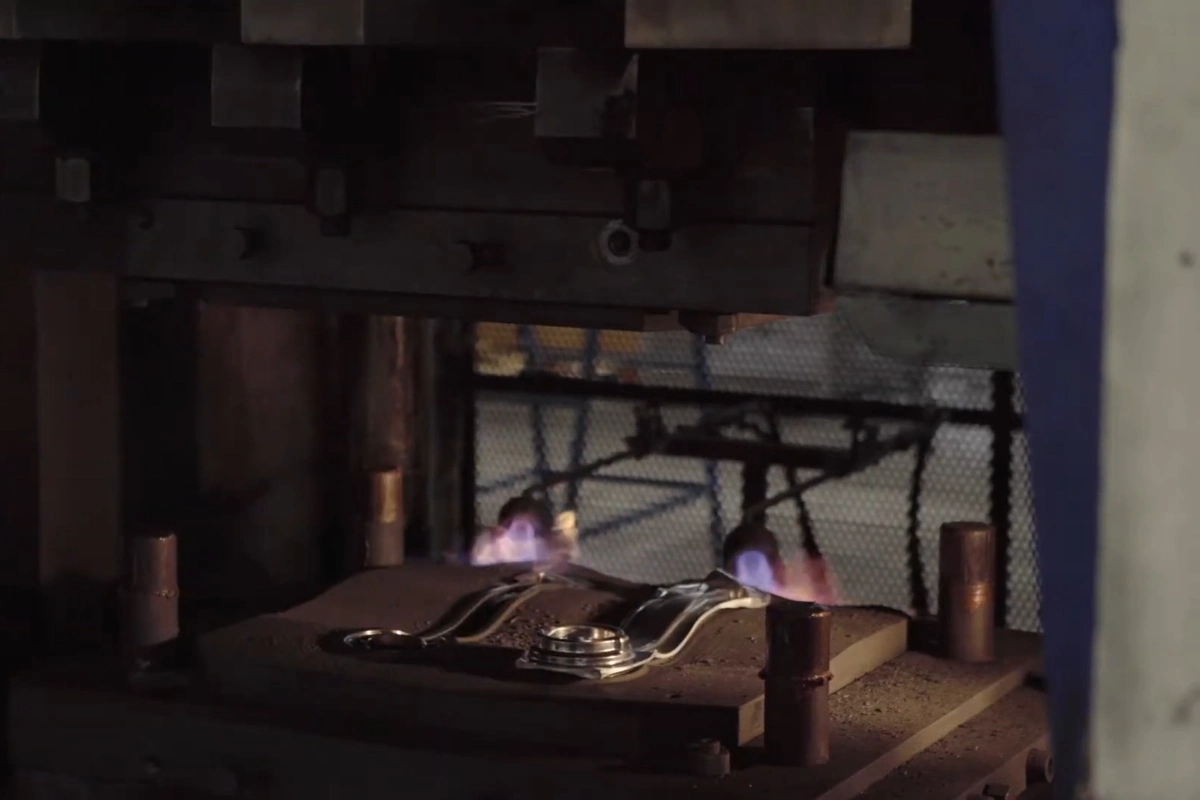
Los brazos de control se fabrican para equilibrar resistencia, rigidez, peso, coste y repetibilidad. El método “óptimo” depende de la clase de vehículo y del objetivo de rendimiento.
Muchos brazos de control en vehículos de pasajeros de gran volumen están hechos de acero estampado Componentes que se forman y sueldan para darles forma. Este método es rentable y funciona bien cuando se diseña correctamente.
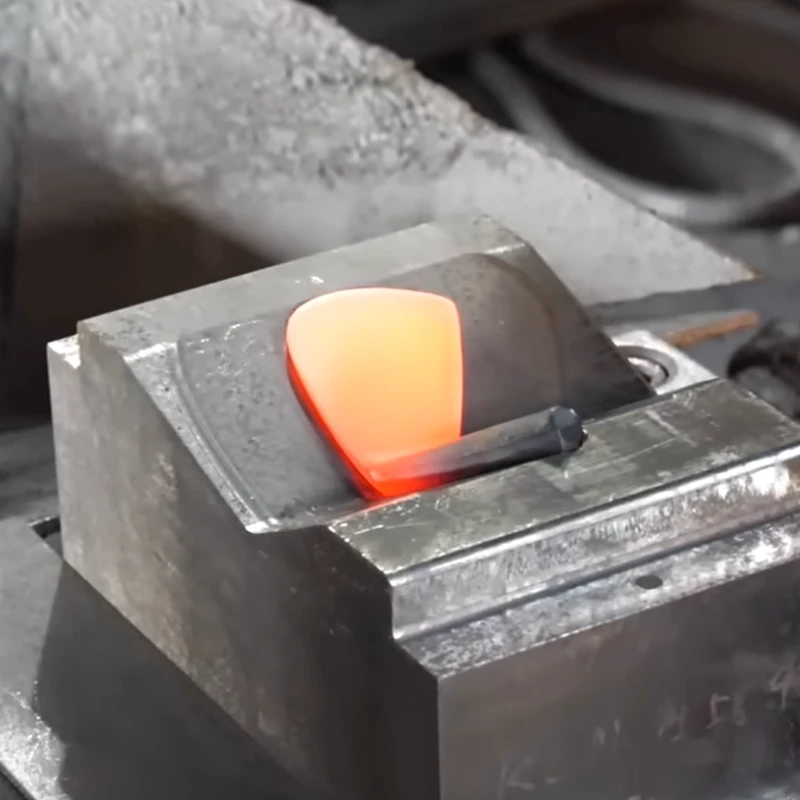
Algunos brazos de control, especialmente para cargas más altas, están hechos utilizando forjar. El forjado permite obtener una pieza en bruto muy robusta y se utiliza habitualmente cuando la durabilidad y la resistencia a la fatiga son factores importantes. El brazo forjado se termina mediante mecanizado en las interfaces críticas, como los orificios de los casquillos, los asientos de las rótulas o las superficies de montaje, para garantizar una alineación y un ajuste uniformes.
También verás brazos de control de aluminio, especialmente cuando la reducción de peso es importante. Estas piezas pueden ser fundidas o forjadas, según los objetivos de diseño. Forja de aluminio Se suele elegir cuando se busca un brazo más ligero con un rendimiento mecánico sólido, especialmente en plataformas de alto rendimiento y gama alta.
En la fabricación real, el proceso del brazo de control suele finalizar con el mecanizado CNC de las zonas funcionales, ya que estas características determinan la precisión con la que el brazo posiciona la suspensión. Incluso si la pieza se forja o se funde con una forma aproximada, el mecanizado es fundamental para garantizar un ajuste fiable.
Materiales utilizados para los brazos de control (y por qué)
El acero y el aluminio son los materiales predominantes.
- Brazos de control de acero Son populares porque el acero es resistente, tolerante y económico. Soporta bien los impactos y los entornos adversos, y suele ser el más fácil de mantener en aplicaciones de alta exigencia.
- Brazos de control de aluminio Son populares para la reducción de peso. Reducir la masa no suspendida puede mejorar la respuesta de la conducción y el manejo. El aluminio requiere un buen diseño y control de procesos para garantizar su durabilidad en entornos reales con baches y bordillos, y a menudo se beneficia del forjado cuando la aplicación es exigente.
Brazos de control forjados: Ventajas y desventajas (Perspectiva práctica)
El forjado se suele elegir cuando se busca un brazo de control que resista cargas exigentes y ciclos de tensión repetidos. Además, puede reducir la variabilidad en la pieza en bruto y garantizar resultados de mecanizado uniformes en las superficies críticas.
La desventaja es que el forjado suele requerir una mayor inversión inicial en herramientas y funciona mejor cuando el diseño es estable y las cantidades justifican este proceso. Además, no elimina la necesidad de mecanizado; los brazos de control aún requieren acabado CNC, donde los bujes, las rótulas y los puntos de montaje deben cumplir con requisitos de ajuste precisos.
Cómo elaborar la mejor solicitud de cotización para brazos de control
Si necesita brazos de control (originales, de posventa o personalizados), le resultará mucho más fácil elaborar una cotización precisa si incluye la plataforma del vehículo, el lado (izquierdo/derecho), si es delantero/trasero y si es superior o inferior. Incluya también la preferencia de material (acero o aluminio), cualquier peso objetivo y los componentes incluidos (brazo sin componentes o brazo con bujes y rótula instalados). Si el brazo debe cumplir con los requisitos de durabilidad o resistencia a la fatiga, especificar el ciclo de trabajo o el tipo de aplicación (uso diario en carretera, todoterreno, carga comercial) ayuda al fabricante a elegir la opción más adecuada.
Asimismo, conviene aclarar qué interfaces son críticas (concentricidad del orificio del casquillo, geometría del asiento de la rótula, planitud de la superficie de montaje), ya que son las áreas que suelen determinar la estrategia de mecanizado.
Dónde encaja HDC Manufacturing
HDC Manufacturing ofrece soporte para proyectos de brazos de control personalizados con forjado más mecanizado CNC, que es una combinación práctica para piezas que necesitan durabilidad y un ajuste constante. Si está explorando componentes automotrices forjados en general, puede ver nuestro alcance en el piezas de forja para automóviles página. Para trabajos específicos del brazo de control, nuestra brazo de control forjado La página de capacidades muestra la dirección que apoyamos. Y para aplicaciones ligeras, nuestra servicio de forja de aluminio Es relevante cuando el objetivo es la fuerza con menor masa.
Preguntas frecuentes: Brazos de control inferiores y superiores
¿Todos los coches tienen brazos de control superiores?
No. Muchos vehículos con suspensión delantera tipo MacPherson suelen usar un brazo de control inferior, donde el amortiguador actúa como elemento de posicionamiento superior. Los brazos de control superiores son más comunes en diseños de doble horquilla y en algunas configuraciones de suspensión trasera.
¿Puede un brazo de control defectuoso provocar un desgaste irregular de los neumáticos?
Sí. Los bujes o las rótulas desgastadas pueden provocar que la rueda se desplace y cambie de ángulo de alineación bajo carga, lo que a menudo se manifiesta como desgaste en los bordes, desgaste irregular o desgaste rápido en un lado.
¿Es un brazo de control forjado "mejor" que uno de acero estampado?
Depende de la aplicación. El forjado puede ser una excelente opción por su durabilidad y resistencia a la fatiga en usos exigentes, pero un brazo estampado o soldado bien diseñado también puede ofrecer un rendimiento óptimo en aplicaciones de transporte de pasajeros de alto volumen. La mejor opción es la que mejor se adapte a los requisitos de carga y durabilidad.
Brazo de control superior vs. inferior: ¿cuál falla con más frecuencia?
Varía según la plataforma, pero los brazos inferiores suelen soportar mayor carga y se reemplazan con más frecuencia, especialmente en vehículos donde el brazo inferior integra la rótula y los bujes como un único conjunto de servicio.
Conclusión
Los brazos de control superior e inferior son elementos fundamentales de la suspensión que guían el movimiento de las ruedas, mantienen la alineación estable y determinan la sensación de conducción del vehículo. El brazo inferior suele soportar la mayor parte de la carga y está presente en la mayoría de las suspensiones delanteras, mientras que el brazo superior es común en diseños de doble horquilla donde el control de la geometría es prioritario. El método de fabricación de los brazos de control (estampado, fundición o forjado) influye directamente en la durabilidad, el peso y la precisión del mecanizado en las interfaces críticas. Si necesita adquirir brazos de control, los mejores resultados se obtienen al alinear el proceso de fabricación con el ciclo de trabajo real y definir claramente qué articulaciones e interfaces deben controlarse, ya que esto garantiza la fiabilidad de la pieza mucho después de su instalación en el vehículo.