Visión general
Fomentando una habilidad especializada en la meticulosa fundición de acero inoxidable 303, subrayamos nuestro compromiso inquebrantable con la eminencia dentro del ámbito de la fabricación de metales. Empleando tecnología de vanguardia y una fuerza laboral competente, nos distinguimos en los complicados procedimientos que implica la fundición de componentes de acero inoxidable 303.
Nuestras competencias en la fundición de acero inoxidable 303 abarcan una amplia gama de metodologías, que abarcan el moldeado, el vertido y la finalización. Esta amplia perspicacia nos permite afrontar las distintivas tribulaciones que presenta este grado de acero inoxidable, asegurando resultados superlativos tanto en calidad como en eficiencia.
Manteniendo una devoción inquebrantable por el control de calidad, nos adherimos firmemente a estrictos puntos de referencia durante todo el proceso de fundición. Este compromiso garantiza la precisión, uniformidad y confiabilidad anticipada por nuestra clientela. Opte por nuestros servicios para sus requisitos de fundición de acero inoxidable 303 y sea testigo del impacto transformador que nuestra competencia y dedicación inquebrantable a la eminencia pueden impartir a sus empresas.
¿Qué es el acero inoxidable 303?
303 stainless steel is in fact, free-machine variant of the common austenitic 18/8 stainless steel (namely, 304 stainless steel). This form has added sulfur or selenium to increase its machinability characteristic, which makes it better to cut, drill, and do all machining operations compared to the standard 304 grade stainless steel. Sulfur or selenium modification causes the formation of chips as internal tearing points, thus, improving the chip formation process and reducing the tool life. Machinability of 303 stainless steel is good. Though 303 stainless steel has less corrosion resistance and weldability compared to 304 stainless steel. The material is often used in machining where there are many machining procedures, such as turning, tapping, and milling of parts.
¿Cuáles son las características del acero inoxidable serie 300?

The 300 series stainless steels which include 304and 316 grades are characterized by good corrosion resistance, non-magnetic properties in the annealed state and high ductility, strength, and formability, making them suitable materials for different applications. This property is due to the presence of chromium, and as such they have resistance to chlorides in the sea or in brackish water. Because of their attractive formability and high-temperature resistance, they are perfect for manufacturing complex products and demanding applications where the parts are subjected to high temperatures, like heat exchangers and exhaust systems. These so-called stainless steels are widely used throughout the automotive, aerospace, food processing, chemical, architectural, and medical industries because of the combination of properties that they offer, enabling them to operate in situations requiring that combination.
¿Cuáles son las diferencias entre el acero inoxidable de las series 200, 300 y 400?
The 200,300, 400 series of stainless steel have compositional differences, corrosion resistance, magnetic properties and applications. The 200 series is made of chromium, nickel, and manganese which present some minor corrosion resistance, being at the same time non-magnetic. On the other hand, 300 series which is known due to its composition from chromium and nickel, stands out as a material with excellent corrosion resistance property, non-magnetic property, as well as versatility for various industries. In the 400 series, with chromium as the primary alloying metal, it shows a lesser degree of corrosion resistance and is magnetic, hence, commonly used in cutlery and decorative trims. In general, the 200 series is used for the cookware and the 300 series is highly applicable for the corrosion resistance and wide availability, therefore, the 400 series is intended for the magnetic applications that require a moderate corrosion resistance.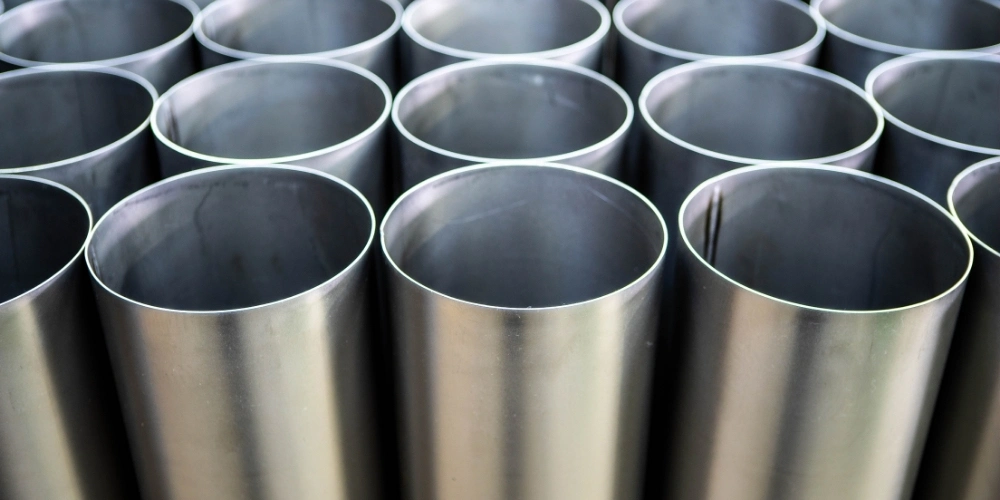
Composición química del acero inoxidable 303
| Componente | Peso % |
| Carbono (C) | 0,0 – 0,15 % |
| Cromo (Cr) | 18.0 % |
| Hierro (Fe) | 69.0 % |
| Manganeso (Mn) | 0.0 – 2.0 % |
| Molibdeno (Mo) | 0 – 0.6 % |
| Níquel (Ni) | 9.0 % |
| Fósforo (P) | 0.0 – 0.2 % |
| Silicio (Si) | 0.0 – 1.0 % |
| Azufre (S) | 0.15 % |
La influencia de la composición elemental en las propiedades del acero inoxidable 303
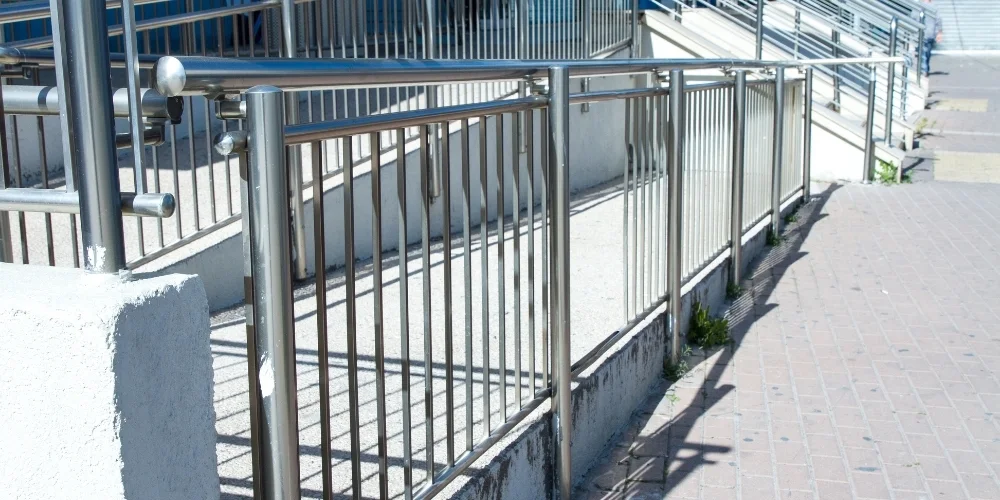
Elemental composition being a key factor, the properties of stainless steel 303 largely depend on the type of the material. Unlike the tool steel 18-8 (304) grade which is a free-machining version of the basic austenitic 18-8 stainless steel, this grade contains sulphur or selenium added to improve machinability. The sulfur and selenium inclusions are present, and such characteristics act as chip breakers that aid chip formation by diminishing tool wear. Even though this alloy is a bit less corrosion resistant and weldable than normal 304 stainless steel. Indeed it is, however, stainless steel 303 has excellent general corrosion resistance, mechanical properties, as well as formability, that make it suitable for numerous applications, including screw machining, fittings, shafts, valves, and fasteners which need extensive machining operations. Therefore, when the component has the right alloy composition and atomic distribution, machinability is optimized, but preservation of the other important properties, say, corrosion resistance, becomes a challenge.
Propiedades mecánicas del acero inoxidable 303
| Propiedades mecánicas | Métrico | inglés |
| Resistencia a la tracción | 690 MPa | 100000 psi |
| Resistencia a la tracción | 415 MPa | 60200 psi |
| Alargamiento a la rotura | 40 % | 40 % |
| Dureza, Rockwell B | 96 | 96 |
| Dureza, Brinell | 228 | 228 |
| Dureza, Nudo | 251 | 251 |
| Dureza, Vickers | 240 | 240 |
| Módulo de elasticidad | 193 GPa | 28000 ksi |
| Módulo de corte | 77,2 GPa | 11200 ksi |
Propiedades físicas del acero inoxidable 303
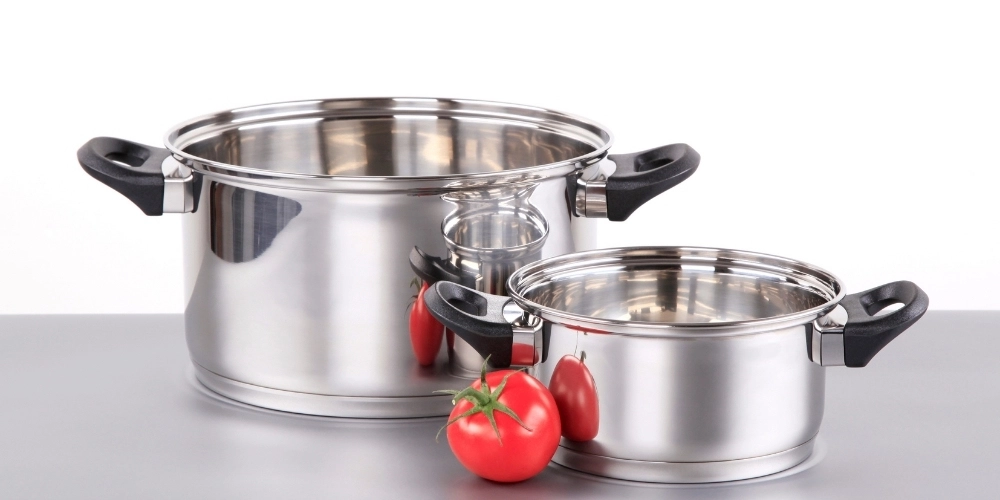
| Propiedades físicas | Métrico | inglés | Comentarios |
| Densidad | 8,0 g/cc | 0,289 libras/pulgada² | |
Propiedades electricas | |||
| Resistividad electrica | 7.2e-005 ohm-cm | 7.2e-005 ohm-cm | |
| Permeabilidad magnética | 1.008 | 1.008 | en RT |
Propiedades termales | |||
| CTE, lineal 20°C | 17,2 µm/m-°C | 9,56 µin/in-°F | de 0-100°C |
| CTE, lineal 250°C | 17,8 µm/m-°C | 9,89 µin/in-°F | a 0-315°C (32-600°F) |
| CTE, lineal 500°C | 18,4 µm/m-°C | 10,2 µin/in-°F | a 0-540 °C, 18,7 µm/mC a 0-650 °C |
| Capacidad calorífica | 0,5 J/g-°C | 0,12 BTU/lb-°F | de 0 a 100 °C (32 a 212 °F) |
| Conductividad térmica | 16,2 W/mK | 112 BTU-in/hr-ft²-°F | a 100 °C (212 °F), 21,5 W/mK a 500 °C (930 °F) |
| Punto de fusion | 1400 – 1420 °C | 2550 – 2590 °F | |
| Solidus | 1400 °C | 2550 °F | |
| Líquido | 1420 °C | 2590 °F | |
Materiales equivalentes de acero inoxidable 303

| UE | EE.UU | Japón | Francia | Inglaterra | Suecia |
| ES | – | JIS | AFNOR | licenciatura | SS |
| X8CrNiS18-9 (1.4305) | 303 | SUS303 | Z8CNF18-09 | 303S31 | 2346 |
El precio del acero inoxidable 303
The price of 303 stainless steel is determined by other things like market demand, availability of raw materials, manufacturing costs, and existing economic conditions. Normally, 303 stainless steel is cheaper relative to other high-grade stainless steels such as 304 or 316, because it is simpler in composition and its nickel content is lesser. Nevertheless, there is an on-going trend for prices to change in reaction to the fluctuations of the market. To get the most recent and accurate pricing information, stainless steel suppliers can be consulted or industry publications, which keep track of metal prices on a regular basis, can be referred to.
What Challenges are Encountered in Processing Stainless Steel 303?
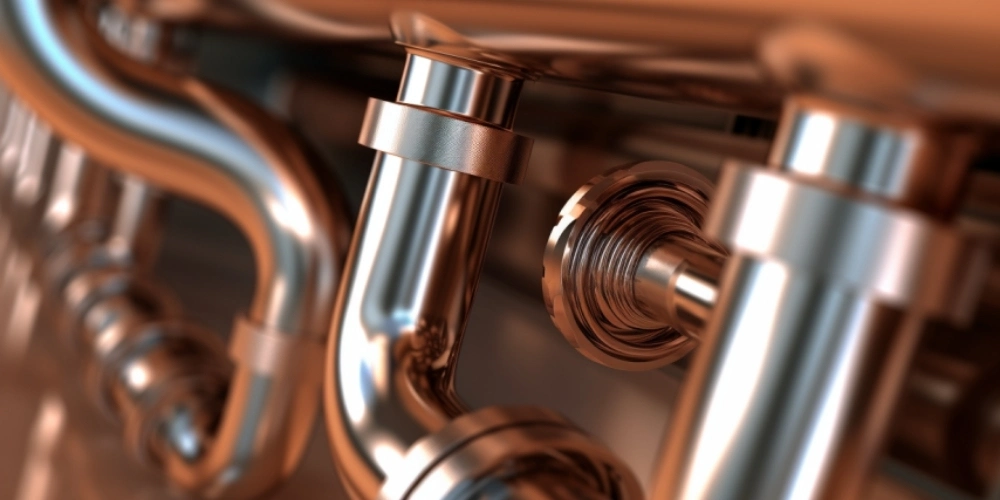
Stainless steel 303 though being machined is far better than austenitic standard stainless steels but still needs special attention. Contemporary problems may comprise the adverse effects of hardening induced by the machining process, scuffing in high loads, and the presence of sulfur inclusions that negatively affect surface finish and mechanical properties. However, weldability difficulties arise after sensitization of welded joints and need for post-weld heat treatments or low-carbon filler metal. The attainment of a smooth surface finish, is sometimes challenging due to hardening and sulfur inclusions which requires proper tooling and processing. The right chip management is a vital requirement to prevent chip agglomeration and tool jamming during the machining process. As a whole, these problems require good control of machining parameters, preferable selection of tools and efficient process optimization to gain the wished part quality and productivity levels.
Aplicaciones del acero inoxidable 303
El acero inoxidable 303, conocido por su resistencia a la corrosión y maquinabilidad, juega un papel vital en diversas industrias: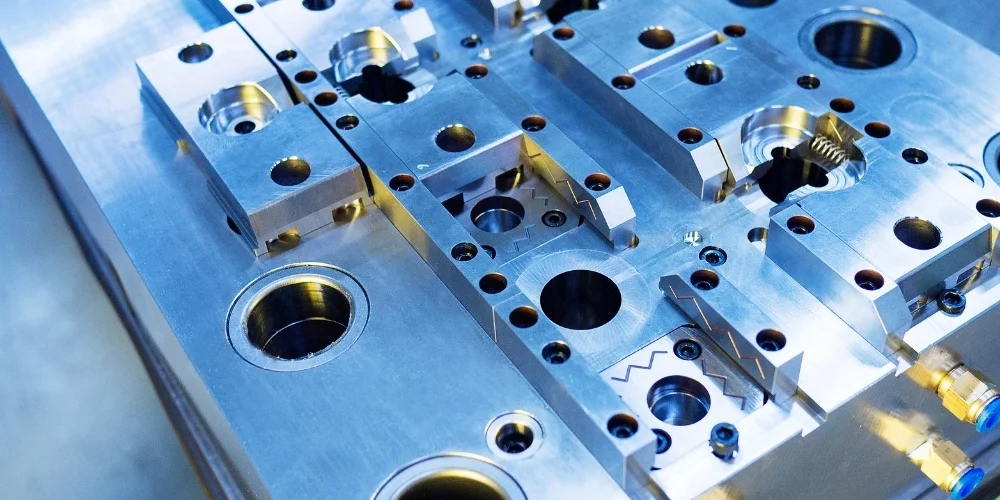
- Automotor: Componentes fabricados con precisión como espaciadores de ruedas, guardias de bloque, tapas de valvulas, y bridas de admisión encuentran un uso frecuente en el sector automotriz gracias a la versatilidad del mecanizado de acero inoxidable 303.
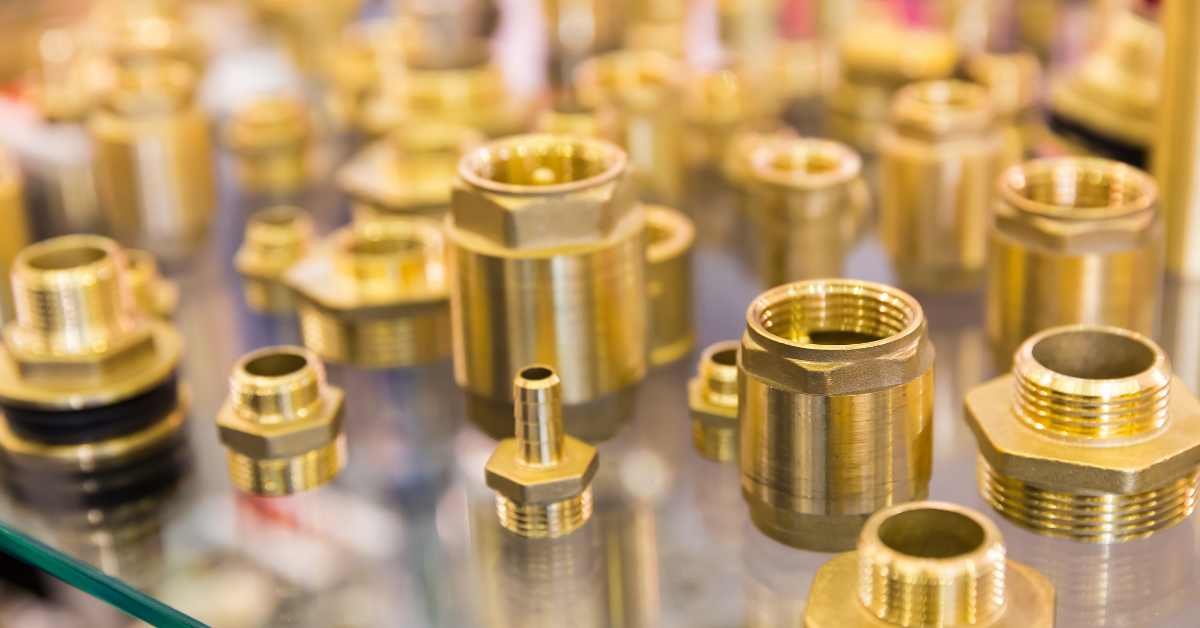
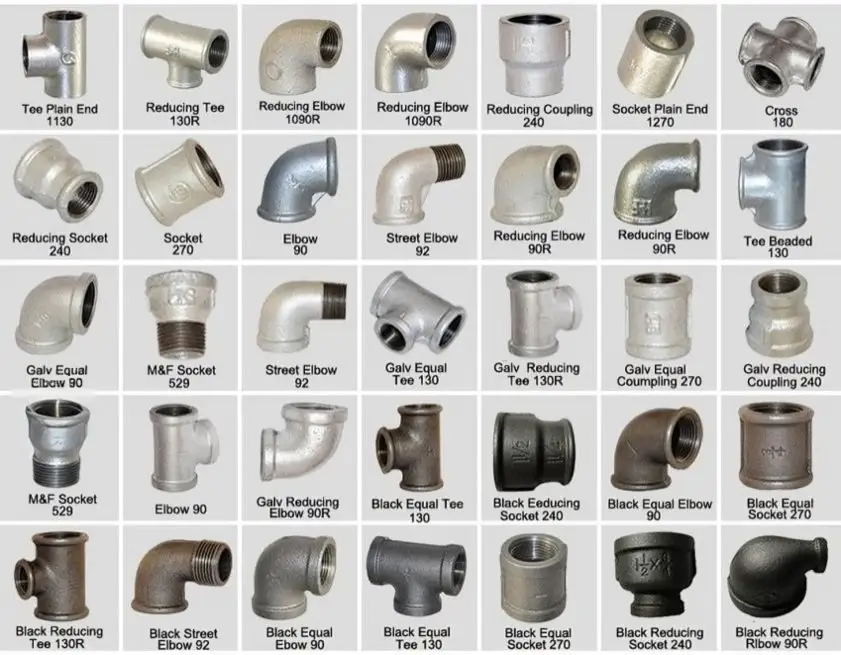
- Aeroespacial: Elevando las aplicaciones aeroespaciales, colectores de escape, impulsores, accesorios de tuberia, y cuerpos de válvulas Benefíciese de la excelencia del mecanizado de acero inoxidable 303, garantizando durabilidad y precisión.
- Médico: En el campo médico, el acero inoxidable 303 presta sus propiedades para crear componentes cruciales, incluidos carcasas de fuente de alimentación de sensores médicos, elementos de precisión, y protésico componentes, asegurando confiabilidad y biocompatibilidad.
- Motocicleta: Acelerando la industria de las motocicletas, se elige el acero inoxidable 303 para la fabricación protectores de radiador, tapas de escape, cubiertas de embrague, y estriberas, brindando durabilidad con un acabado elegante.
- Remolque: Dentro del sector de fabricación de remolques, la naturaleza robusta del acero inoxidable 303 se aprovecha para crear soportes de bola de enganche de remolque, soportes de canal, acopladores, y ganchos de pivote, asegurando longevidad y fuerza.
- Bicicleta: Pedaleando hacia la industria de la bicicleta, 303 componentes de acero inoxidable como tallos de bicicleta, platos, bujes de bicicleta, y bielas contribuir a soluciones ciclistas ligeras y duraderas.
- Kart: Avanzando en la industria de los karts, 303 componentes de acero inoxidable como piñones, llantas, espaciadores de ruedas, y cubos de rueda mejoran el rendimiento con sus propiedades mecanizables y resistentes a la corrosión.
En cada aplicación, el mecanizado de acero inoxidable 303 resulta ventajoso, ya que ofrece una combinación armoniosa de resistencia a la corrosión y facilidad de mecanizado, lo que lo convierte en el material elegido para piezas intrincadas y complejas.