Visión general
HDC Manufacturing es su aliado de confianza en la fabricación personalizada de componentes metálicos, con una amplia experiencia de una década. Nuestras instalaciones de vanguardia, que albergan centros de mecanizado de 4 y 5 ejes, junto con equipos de inspección de vanguardia como máquinas de medición por coordenadas, nos permiten ofrecer una precisión inigualable.
En el ámbito de la fabricación de HDC, nuestra experiencia principal reside en el mecanizado de acero inoxidable 420, lo que revela una reserva de competencia y una gama exhaustiva de alternativas de procedimiento. Mecanizado CNC a fundición, forjar, Corte por láser, y estampado de metal, nuestras capacidades multifacéticas garantizan el cumplimiento de los variados requisitos de nuestra exigente clientela. Nuestro compromiso inquebrantable con la excelencia y el conocimiento inventivo nos distinguen y garantizan soluciones personalizadas para sus componentes de acero inoxidable 420.
Explore nuevas posibilidades con HDC Manufacturing, donde aprovechamos tecnología avanzada y artesanía experta para revitalizar sus ideas. Ya sea que se trate de planos complejos o de las exigencias de una producción de alto volumen, nuestro dedicado equipo está preparado para satisfacer y superar sus expectativas en el ámbito del mecanizado de acero inoxidable 420.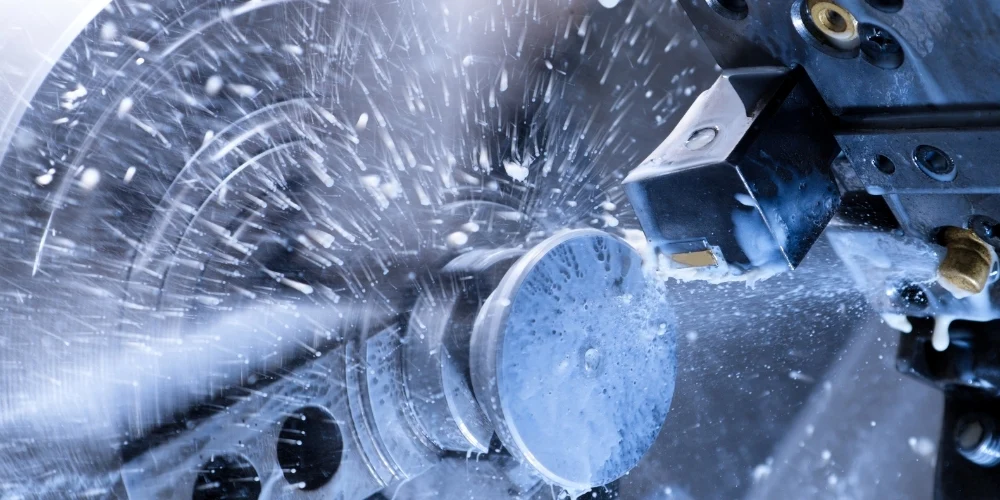
¿Qué es el acero inoxidable 420?
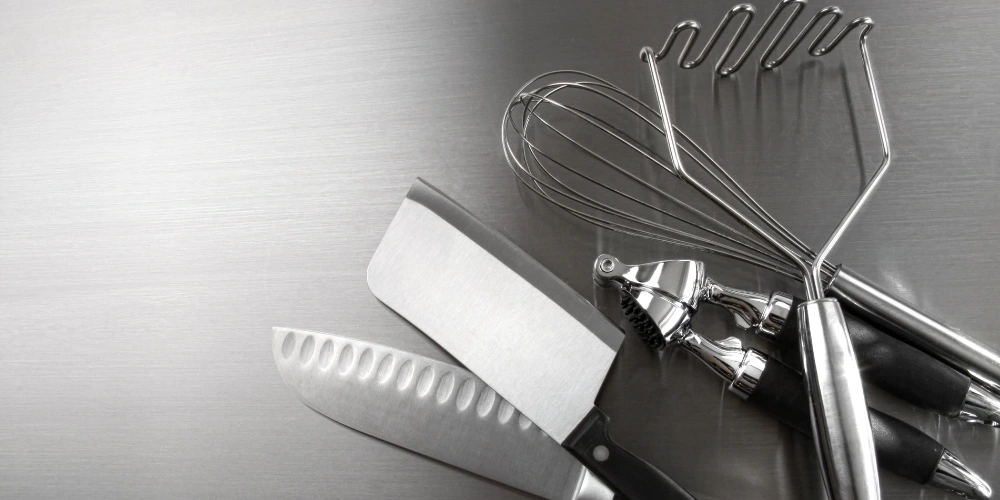
El acero inoxidable 420 se encuentra entre los aceros inoxidables martensíticos con mayor resistencia y dureza, así como una resistencia relativamente mayor a la corrosión. Su contenido de cromo es bastante abundante, oscilando entre 12 y 141 TP3T, y su contenido de carbono suele estar entre 0,15 y 0,401 TP3T, por lo que ofrece una buena resistencia a la corrosión en entornos templados. El mayor contenido de carbono en su estructura le proporciona mayor dureza y resistencia al desgaste, lo que resulta útil para aplicaciones que requieren resistencia y tenacidad, como horquillas y cuchillas industriales. Sin embargo, su resistencia a la corrosión es menor en comparación con otras series de acero inoxidable, especialmente en entornos con cloruros.
¿Cómo se llama el acero inoxidable 420?

El nombre acero inoxidable 420 refleja su posición como parte de una serie de aceros inoxidables 400 que tienen más carbono y están basados en cromo. El grado "420" se refiere a una aleación especial con alrededor de 12% de cromo y un mayor contenido de carbono (aprox. 0,15% mínimo); el aluminio en esta parcela se distingue por su capacidad de adquirir dureza mediante tratamiento térmico. Al aplicar esta composición, el acero tiende a tener un mayor grado de dureza que le da la capacidad de mantener un filo afilado. Esta propiedad hace que el acero sea particularmente apropiado para la fabricación de cuchillería, así como de hojas. La forma común en que se hace referencia al material por su categoría promedio como "420" ayuda a indicar su funcionalidad básica durante el proceso de selección para algunos propósitos particulares, enfatizando sus características principales como la resistencia a la corrosión y la resistencia mecánica.
Desventajas del acero inoxidable 420
El acero inoxidable 420 posee algunas propiedades deseables, pero en algunos casos puede presentar inconvenientes. La resistencia a la corrosión del acero inoxidable 310, en comparación con otros grados como el 304 y el 316, es menor, especialmente en entornos corrosivos con cloruros o ácidos, lo que puede provocar rápidamente corrosión por picaduras y grietas si no se mantiene adecuadamente. Además, esta propiedad implica una menor resistencia, lo que lo hace menos tenaz y propenso a la rotura a bajas temperaturas. La soldadura presenta varias dificultades asociadas con el alto contenido de carbono del material, que requiere precalentamiento y tratamiento térmico posterior para evitar el agrietamiento. El metal sinterizado, cuya dificultad para producir una dureza uniforme en secciones grandes, es la deficiencia de su templabilidad. Por un lado, el acero inoxidable 720 es bueno por su dureza y resistencia al desgaste, pero por otro lado, se deben tener en cuenta sus inconvenientes, como la corrosión, la tenacidad y la soldabilidad, para poder seleccionar otro grado de acero inoxidable para ciertas aplicaciones cuando sean más adecuadas.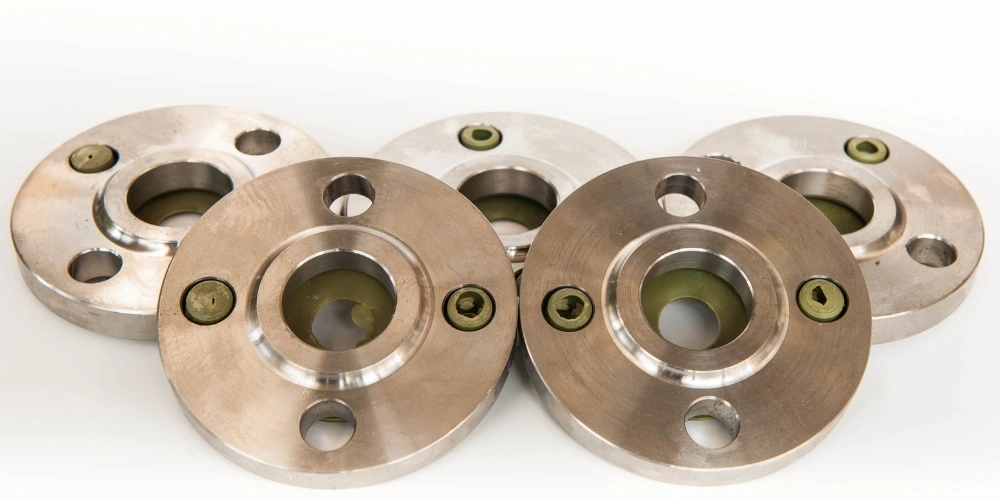
Composición química del acero inoxidable 420
El acero inoxidable de grado 420, acero inoxidable martensítico, tiene una excelente resistencia a la corrosión y buena ductilidad en estado recocido. Sus principales aplicaciones son los equipos quirúrgicos, las hojas de corte y las válvulas de aguja.
| Componente | Peso % |
| Carbono (C) | 0,30 – 0,40 % |
| Cromo (Cr) | 12.0 – 14.0 % |
| Manganeso (Mn) | 0.0 – 1.0 % |
| Molibdeno (Mo) | 0,0 – 0,50 % |
| Níquel (Ni) | 0,0 – 0,50 % |
| Fósforo (P) | 0.0 – 0.04 % |
| Silicio (Si) | 0.0 – 1.0 % |
| Azufre (S) | 0.0 – 0.03 % |
| Aluminio (Al) | 0,0 – 0,15 % |
| Estaño (Sn) | 0.0 – 0.05 % |
| Hierro (Fe) | Balance |
¿Cómo afectan los diferentes componentes a las propiedades del acero inoxidable 420?
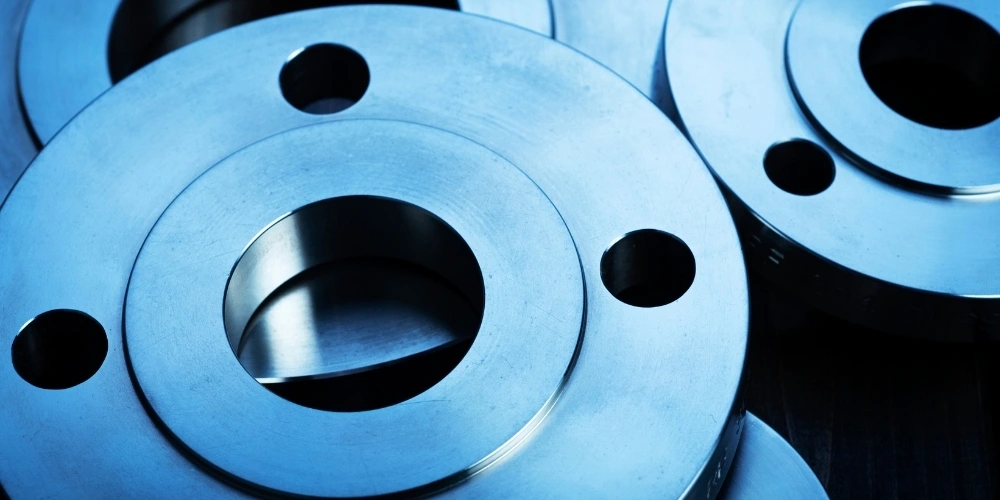
Varios elementos influyen en las propiedades del acero inoxidable 420. El contenido de carbono predomina en la dureza y resistencia del material, y los niveles más altos tienden a endurecerlo y fortalecerlo, pero pueden reducir su ductilidad y tenacidad. Aumenta la resistencia a la corrosión creando una película de óxido en la superficie. El molibdeno, que junto con otros elementos de aleación no suele añadirse en grandes cantidades, también mejora la resistencia a la corrosión y la resistencia a altas temperaturas. Los procesos de tratamiento térmico adecuados, como el recocido, el temple y el revenido, son clave para lograr las propiedades mecánicas deseadas. Por otro lado, diversas técnicas de procesamiento, como el mecanizado, la soldadura y el conformado, pueden afectar la microestructura y las propiedades mecánicas del material; por lo tanto, es fundamental regular los parámetros para evitar defectos. Este es el conjunto de factores que se utilizan en la fabricación a medida del acero inoxidable 420 según los requisitos específicos de la aplicación.
Compare el acero inoxidable 416 y 420
Los aceros inoxidables 416 y 420, aleaciones martensíticas ricas en Cr, ofrecen una resistencia a la corrosión aceptable. Sin embargo, la principal diferencia entre ambos radica en el contenido de carbono, donde el acero inoxidable 420 alcanza valores más altos, lo que aumenta la dureza y la resistencia al desgaste. Por ello, el acero 420 resulta más adecuado para aplicaciones de corte donde la resistencia a la abrasión es prioritaria, como en las hojas de cuchillos, mientras que el acero 416, reconocido por su excepcional maquinabilidad, se utiliza para tareas de mecanizado que requieren alta precisión: para satisfacer estos requisitos, se utiliza la producción de tuercas y tornillos. La maquinabilidad y la resistencia a la corrosión son los principales criterios a considerar.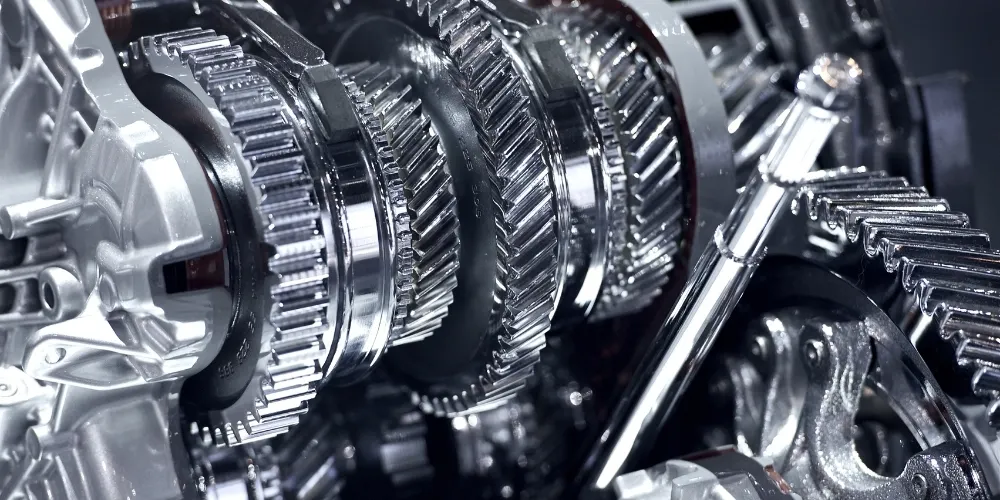
Propiedades mecánicas del acero inoxidable 420
| Temperatura de templado (°C) | Resistencia a la tracción (MPa) | Límite elástico Prueba 0.2% (MPa) | Alargamiento (% en 50 mm) | Dureza Brinell (MEDIA PENSIÓN) |
| Recocido * | 655 | 345 | 25 | 241 máx. |
| 399°F (204°C) | 1600 | 1360 | 12 | 444 |
| 600°F (316°C) | 1580 | 1365 | 14 | 444 |
| 800°F (427°C) | 1620 | 1420 | 10 | 461 |
| 1000°F (538°C) | 1305 | 1095 | 15 | 375 |
| 1099°F (593°C) | 1035 | 810 | 18 | 302 |
| 1202°F (650°C) | 895 | 680 | 20 | 262 |
| *Las propiedades de tracción recocidas son típicas para la Condición A; la dureza recocida es el máximo especificado para la barra de Condición A terminada en frío, dada en ASTM A276-06. | ||||
| # Debido a la baja resistencia al impacto asociada, este acero no debe templarse en el rango de 425 a 600 °C. | ||||
Propiedades físicas del acero inoxidable 420
Densidad kg/m3³ | Conductividad térmica W/mK | Eléctrico Resistividad (Micrahm/cm) | Módulo de Elasticidad | Coeficiente de Expansión térmica µm/m/°C | Calor especifico (J/kg.K) |
| 7750 | 24.9 a 212°F | 550 (nΩ.m) a 68°F | 200 GPa | 10.3 a 32 – 212°F | 460 a 32°F a 212°F |
| – a 932 °F | 10.8 a 32 – 599°F | ||||
| 17.7 a 32-1000°F |
Materiales equivalentes de acero inoxidable 420
| UE | ES | X30Cr13 (1.4028) | |
| EE.UU | – | 420 | |
| Alemania | DIN,WNr | X30Cr13 | |
| Japón | JIS | SUS420J2 | |
| Francia | AFNOR | Z30Cr13 Z33C13 | |
| Inglaterra | licenciatura | 420S45 | |
| Italia | UNI | X30Cr13 | |
| Porcelana | ES | 3Cr13 | |
| Suecia | SS | 2304 mar-04 | |
| Polonia | PN | 3H13 3H14 | |
| Chequia | CSN | 17023 | |
| Rusia | GOST | 30KH13 | |
Técnicas utilizadas para procesar acero inoxidable 420
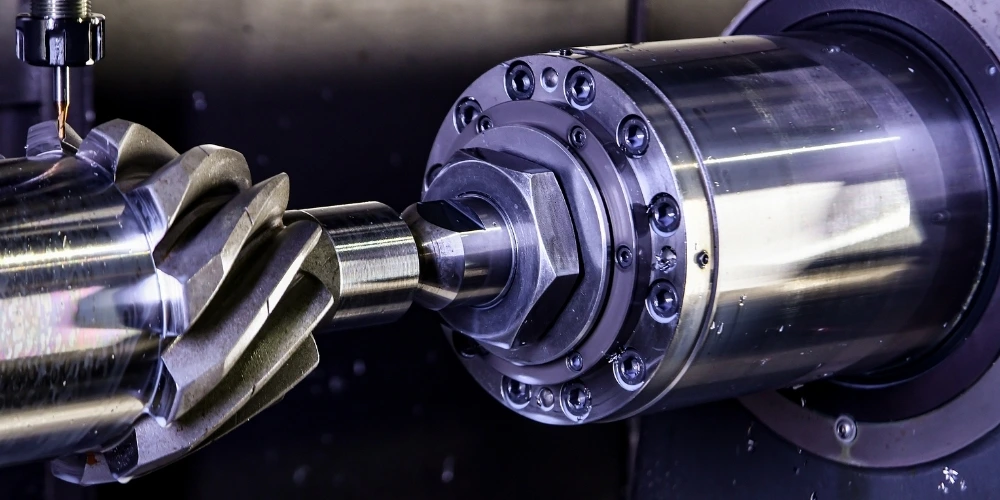
El trabajo con acero inoxidable 420 suele emplear diversas técnicas de fabricación para obtener diversas formas y propiedades. El taladrado y el fresado son solo algunas de las operaciones realizadas durante el mecanizado, que suelen realizarse con herramientas de carburo o acero de alta velocidad para una eliminación más rápida y precisa del material. Mediante tratamientos térmicos como el recocido y el revenido, se pueden optimizar propiedades mecánicas como la dureza y la tenacidad. Las técnicas GTAW y GMAW para la fusión de componentes antes y después de la soldadura son necesarias para garantizar que no se produzcan daños por grietas. Diferentes procesos de conformado, como el doblado y el forjado, permiten conformar acero. Además, el control de la temperatura, la aplicación de lubricantes y los procesos controlados contribuyen a obtener productos uniformes y sin fracturas. Las modificaciones superficiales, como el decapado y la galvanoplastia, hacen que el metal sea más resistente a la corrosión y más atractivo visualmente. En definitiva, estas técnicas permiten la producción de una selección de piezas para una amplia gama de aplicaciones, incluyendo la posibilidad de utilizarlas únicamente en condiciones específicas para obtener las propiedades requeridas.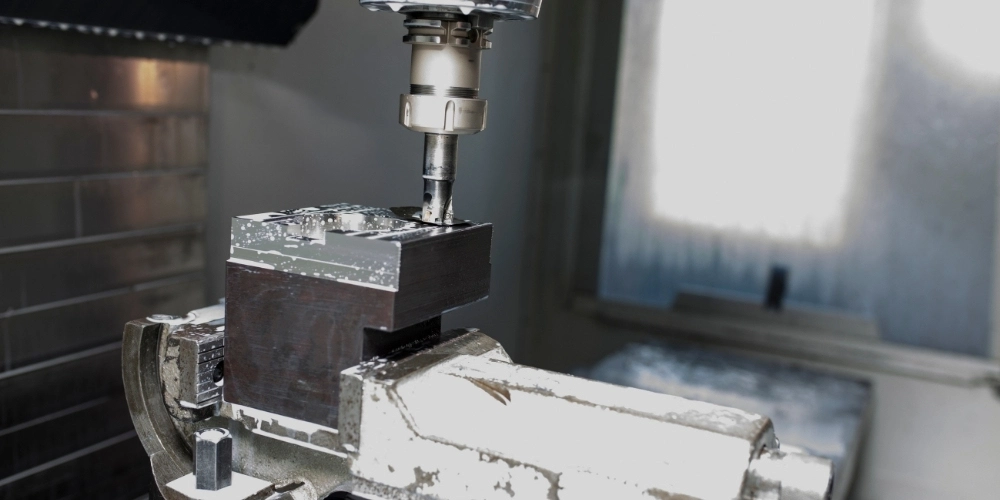
Aplicaciones del acero inoxidable 420
- Automotor:
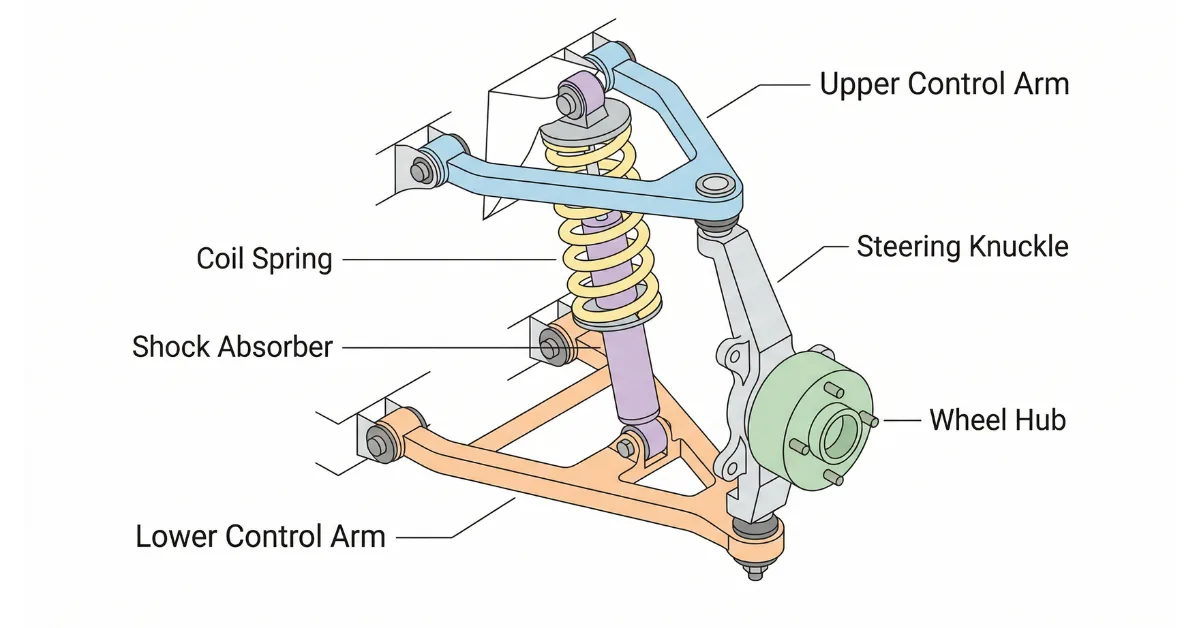
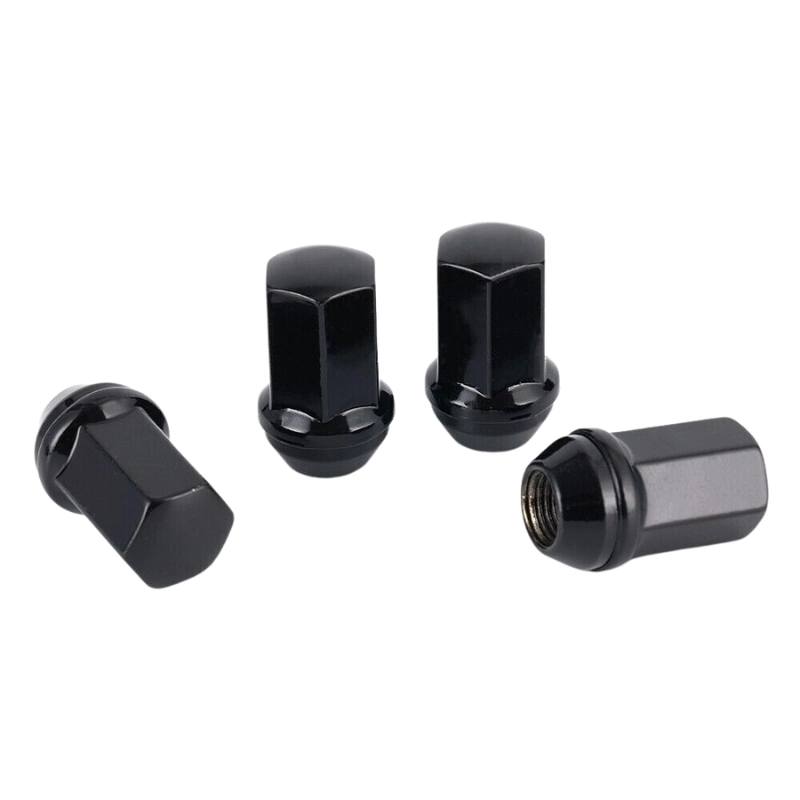
- Componentes de acero inoxidable 420 elaborados con precisión como Espaciadores de ruedas, Tuercas, Guardia de bloque, Tapas de válvulas, y Varillas de nivel Eleve las aplicaciones automotrices con durabilidad y precisión.
- Aeroespacial:
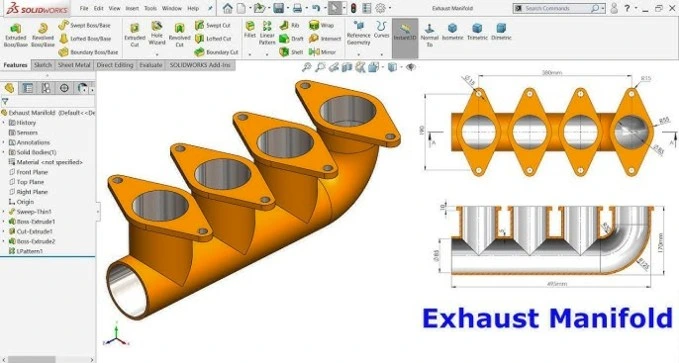
- En el sector aeroespacial, el acero inoxidable 420 brilla en la artesanía Colectores de escape, Impulsores, Accesorios de tuberia, y Cuerpos de válvulas, asegurando confiabilidad en condiciones extremas.
- Componentes médicos:
- Para abordar las necesidades de atención médica, se emplea acero inoxidable 420 para Tornillos médicos, Componentes de precisión, y Carcasas de fuente de alimentación del sensor, cumpliendo estrictos estándares médicos.
- Productos de consumo personalizados:
- Para satisfacer las diversas necesidades de los consumidores, el mecanizado de precisión se extiende a la personalización Bicicleta de montaña y bmx Partes, junto con Bisagras soldadas, Mangas de bisagra, Bisagras para piano, y Bisagras de bala.
- Motocicleta:
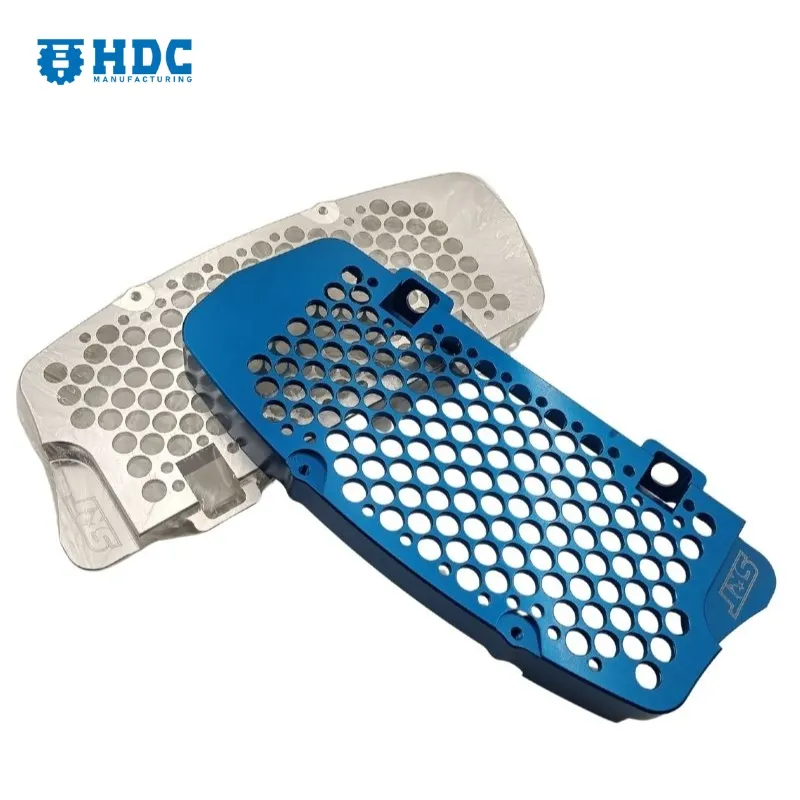
- El mecanizado de acero inoxidable 420, que eleva el rendimiento y la estética de las motocicletas, contribuye a Piñones, Abrazaderas triples, Ruedas de palanquilla, Centros, Protectores de radiador, y estribos.
- Remolque:
- Garantizando la robustez del remolque, cubiertas de mecanizado de acero inoxidable 420 Kits de reparación de acopladores, Pestillos con pasador de resorte, Abrazaderas de perno en U, Acopladores, Bolas de enganche, Ganchos de clavija, y Gatos de remolque.
- Bicicleta:
- Para mejorar la experiencia del ciclismo, el mecanizado de precisión incluye Potencias de bicicleta, Platos, Bujes de bicicleta, Pedales, y platos y bielas, ofreciendo durabilidad y rendimiento.
- Kart:
- En karting, 420 artesanías mecanizadas en acero inoxidable Piñones, Arandelas, espaciadores, Cubos de rueda, Aspectos, Volantes, y llantas de rueda, asegurando confiabilidad y precisión en la pista.