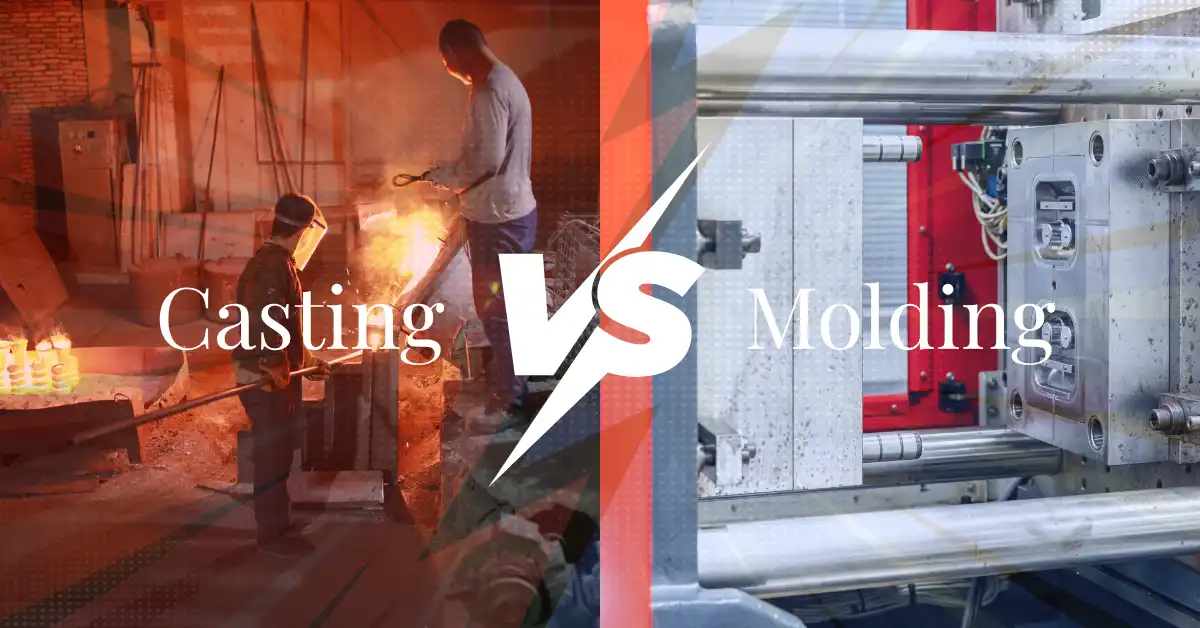
The keyword casting vs molding is more ambiguous than it looks. In manufacturing, molding is a broad family of processes. In plastics, it can mean injection molding, blow molding, compression molding, transfer molding, and more. In metal manufacturing, fundición already involves a mold, because molten metal is poured into a mold cavity and allowed to solidify. That is why, from a buyer’s point of view, this keyword usually does no mean “casting vs die casting.” Die casting is already a casting process. In most sourcing discussions, the more useful interpretation is fundición de metales vs plastic molding, especially moldeo por inyección.
This article is written around that practical interpretation. The goal is not to define every possible molding process. It is to help a technical buyer decide whether the part should be made as a casting or as a molded part, and to clarify where die casting fits so the comparison does not go in the wrong direction.
What casting is in practical manufacturing terms
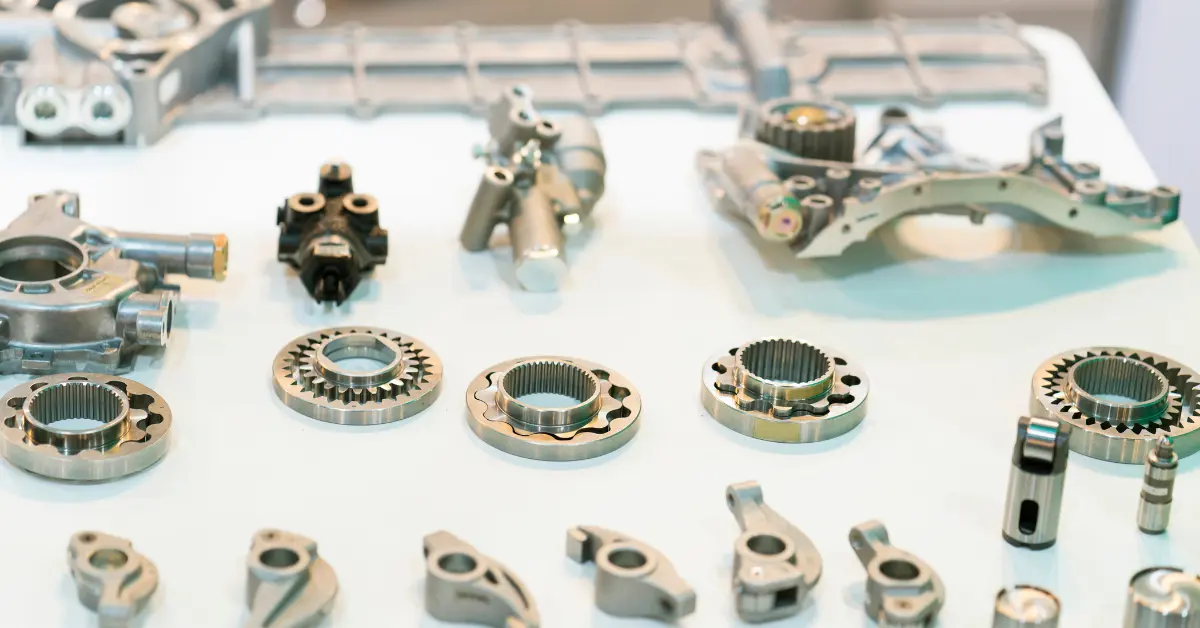
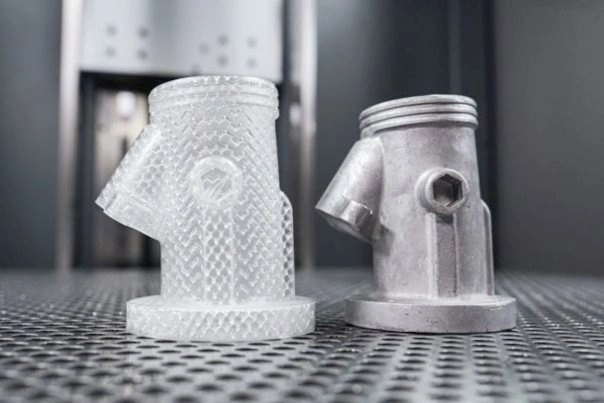
Metal casting is the process of pouring liquid metal into a mold made of sand, metal, ceramic, or similar tooling so the part solidifies into shape. The American Foundry Society defines fundición de metales in exactly those terms and notes that all major metals can be cast, including iron, aluminum, magnesium, zinc, steel, and copper-based alloys. In practical buying terms, casting is chosen when the part needs metallic properties, geometry that would be expensive to machine from solid, or a near-net shape that can later be finished where needed.
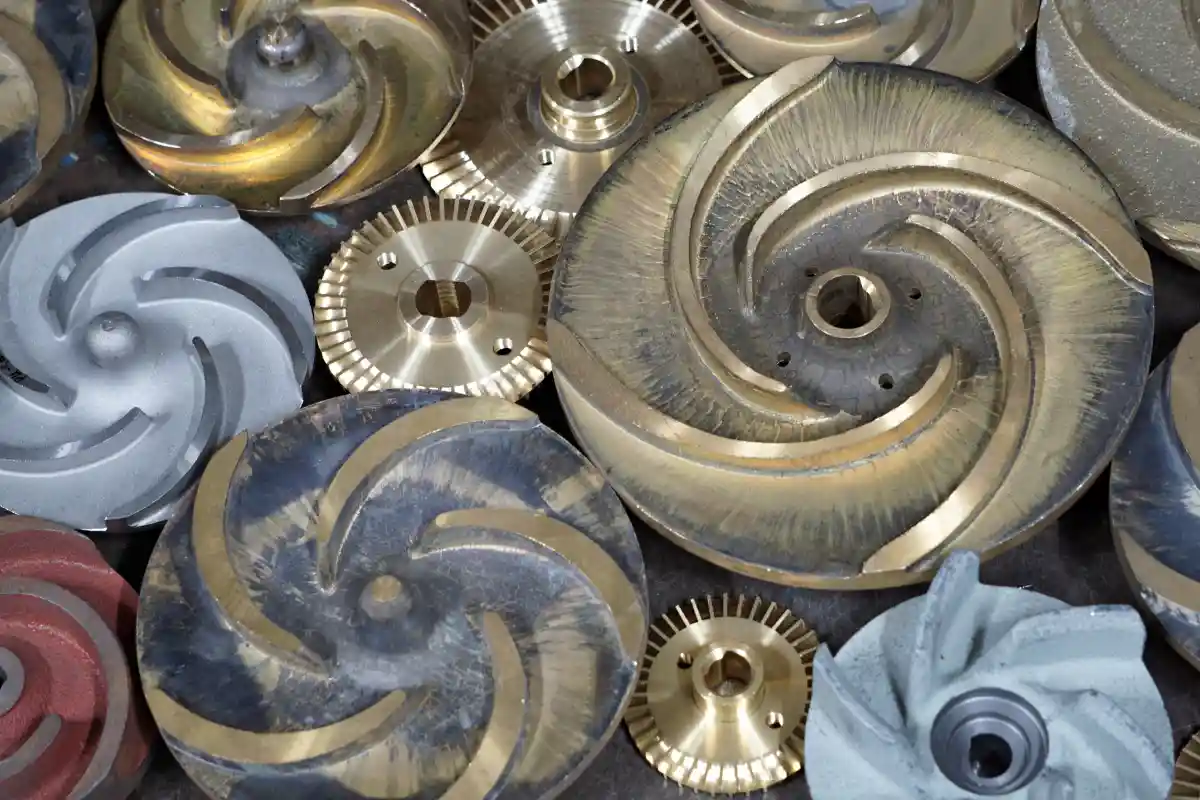
This is why casting remains so important in industrial supply chains. It can produce parts with internal passages, irregular outer forms, ribs, bosses, and weight-saving geometry without removing most of the material through CNC machining. That makes it especially useful for valve bodies, pump housings, manifolds, brackets, impellers, hardware, and many custom industrial components where both geometry and material performance matter.
What molding usually means
Molding is a broader term. In manufacturing language, it can include several process families. The Plastics Industry Association describes processors as manufacturers of plastic products through injection molding, blow molding, thermoforming, extrusion, transfer molding, compression molding, and other methods. That makes an important point for SEO and buyer intent: molding is not a single process in the same way people often use the word fundición.
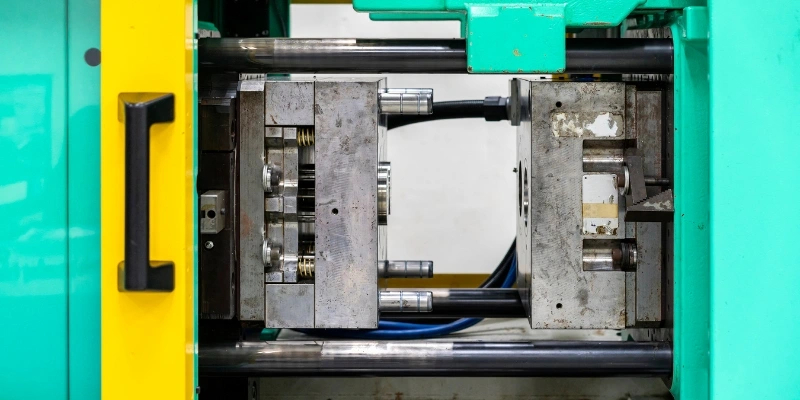
In most industrial part-buying conversations, however, when someone says “molding” without further context, they usually mean plastic molding, and more specifically moldeo por inyección. ASM describes injection molding as a process of forcing or injecting a fluid plastic material into a closed mold, and notes two important commercial advantages: it is readily automated and it permits finer part details. That is a very different process logic from metal casting, even though both use molds.
The real difference: material family comes first
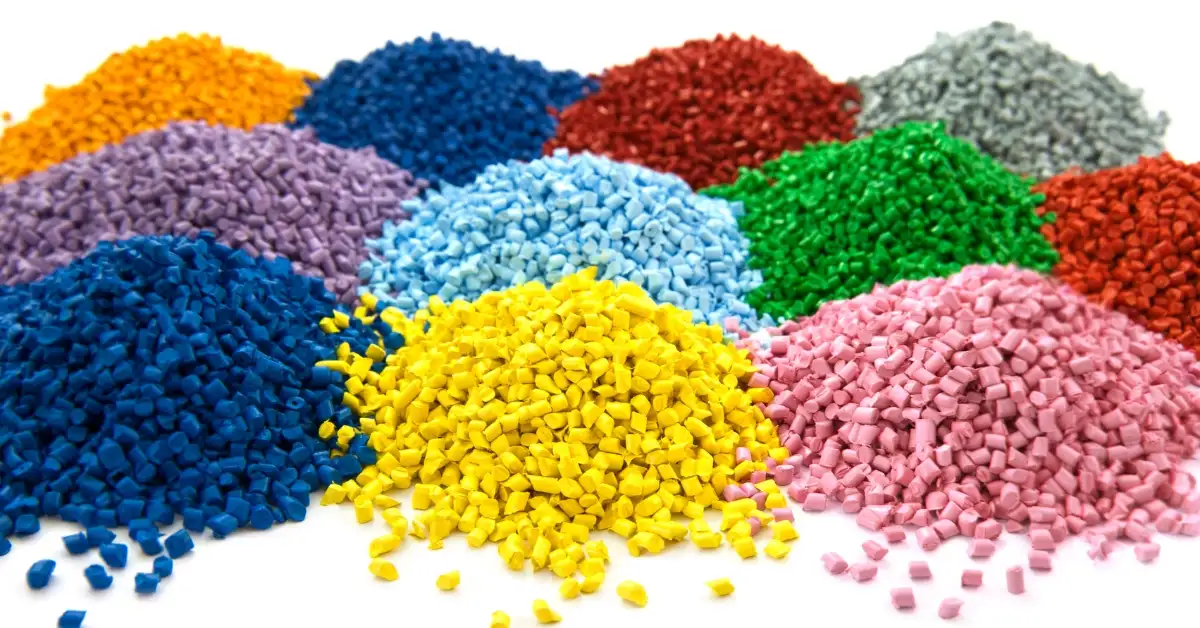
The fastest way to separate casting from molding is to start with the material. If the part must be metal because it needs heat resistance, structural rigidity, pressure containment, conductivity, or wear resistance, then the conversation usually moves into casting, forging, machining, or fabrication. If the part can be plastic and the program values lightweighting, high repeatability, high-volume automation, and lower part cost at scale, then molding becomes the more likely direction.
That sounds obvious, but it is where many projects go wrong. Buyers sometimes compare casting and molding as if they are parallel routes for the same part without first asking whether the material requirement is already fixed by the application. In many real projects, that first decision settles the process discussion before tolerances, tooling cost, or cycle time even become the main issues.
Casting vs molding in cost terms
Casting and molding have very different cost shapes. Injection molding is well known for high automation and strong economics at higher volume, but it also requires mold investment and a plastic-friendly design. ASM’s injection molding overview highlights automation and fine-detail capability, which is exactly why injection molding is so common in consumer, automotive interior, appliance, and electronics plastic components.
Casting costs behave differently. Casting is often the better route when the part must remain metal, when the shape is complex enough that machining from solid would be wasteful, or when production volumes do not justify a different metal route. HDC’s own casting capability pages reflect this practical split by offering both investment casting for smaller, more precise parts and die casting for high-volume, thin-wall non-ferrous parts. That is a useful reminder that casting itself includes different economic models depending on part geometry and volume.
Casting vs molding in design freedom
Both families offer strong design freedom, but in different ways. Injection molding is strong where fine detail, repeatability, integrated clips/bosses, and plastic-compatible geometry matter. Metal casting is strong where irregular metal geometry, internal passages, thicker sections, and metallic performance need to coexist. AFS specifically notes that metalcasting forms geometrically complex parts, while ASM notes that injection molding permits finer part details. Those are related benefits, but they support different kinds of products.
For a buyer, the more important question is not “which has better design freedom?” It is “what kind of design freedom does my part actually need?” If your part is a load-bearing metal housing with threaded interfaces, mounting pads, and heat exposure, casting is usually the more natural route. If it is a high-volume plastic enclosure with snap-fit features and tight cosmetic requirements, molding is usually the more natural route.
Casting vs molding in tolerances and finish
Injection molding is often selected where repeatability, finer detail, and cosmetic consistency are major concerns. The plastics industry also maintains buyer guides and standards around molded parts, including molding tolerances and molded-part practices, which shows how mature that supply chain is for high-volume plastic parts.
Casting can also achieve high accuracy, but the route matters. HDC’s investment casting service, for example, is positioned around precision, thin walls, and good surface finish, while its die casting service is positioned around high surface finish and high dimensional accuracy at speed. In other words, “casting” is not one tolerance answer. Sand casting, investment casting, permanent mold casting, and die casting all sit at different points on the precision and cost spectrum. That is why buyers get better results when they choose the casting subtype after deciding that metal is the right material family.
| Decision factor | Metal casting | Plastic molding (usually injection molding) |
| Material family | Metals such as iron, steel, aluminum, zinc, copper alloys | Thermoplastics, thermosets, and composites |
| Best fit | Structural, hot-side, pressure, wear, or metal-required parts | Lightweight, high-volume plastic parts with fine detail |
| Tooling logic | Depends heavily on casting method; ranges from flexible to high-volume tooling | Usually strong economics at volume, but mold investment matters |
| Finishing need | Often followed by machining on critical features | Often closer to finished form, depending on cosmetic and tolerance needs |
| Common buyer question | Which casting process fits the part? | Is plastic the right material and will volume justify the mold? |
The table is simple on purpose. In practice, once you know which column your part belongs in, most of the confusion around “casting vs molding” goes away.
Where die casting fits
Because this keyword often causes confusion, die casting deserves a separate clarification. Die casting is a casting solution, not a separate alternative to casting. It is most relevant when the part is metal, non-ferrous, and high-volume enough to justify the tooling and machine economics. NADCA’s die casting standards clearly frame die casting around process guidance, tooling, tolerances, alloy properties, and quality for conventional high-pressure die castings.
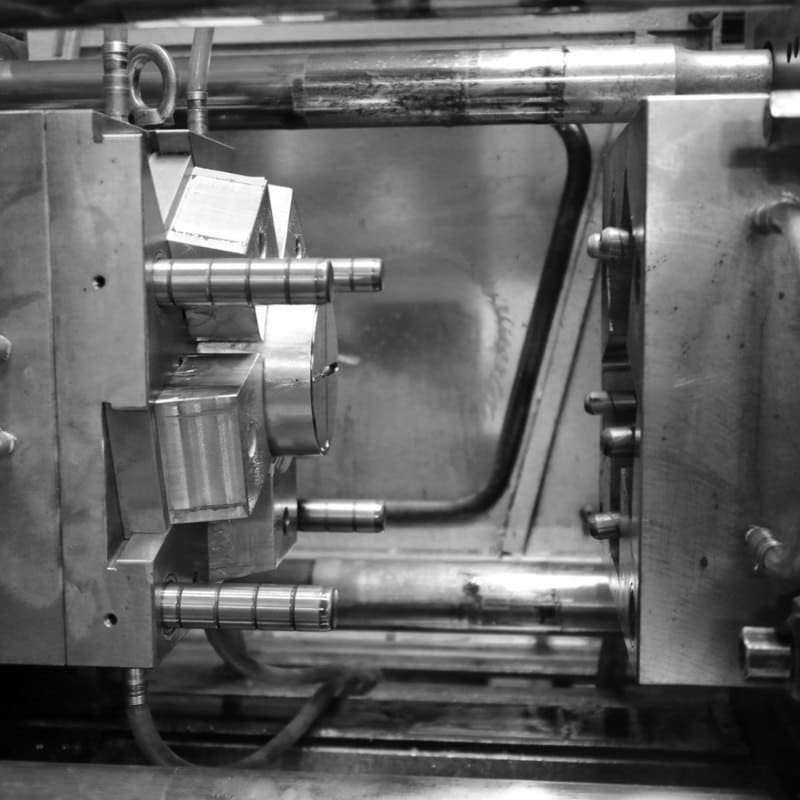
So if the real buying question is “metal or plastic,” the comparison is casting vs molding. If the real buying question is “which casting route should I choose,” then the comparison becomes sand casting vs investment casting vs die casting vs other metalcasting routes. Those are two different decisions and should not be mixed.
How technical buyers should make the decision
The best way to make this decision is to start with service conditions, not process names. Ask whether the part must be metal. Ask whether it must handle heat, load, pressure, corrosion, or sealing functions that point strongly toward a cast metal part. If yes, the next step is to choose the right casting route. If no, and the part is really a plastic component with volume-driven economics, then molding becomes the more likely answer.
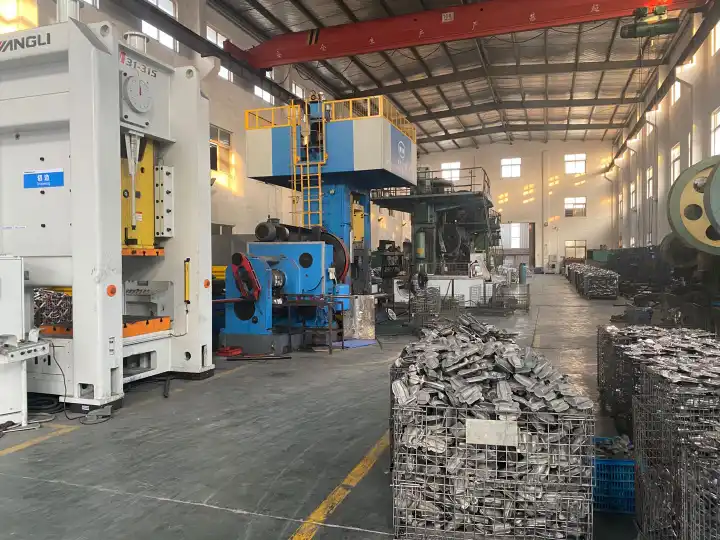
The second step is to look at production scale and downstream work. If the part will still need machining on bores, faces, threads, or sealing zones, casting may still be the right choice because it provides the near-net shape efficiently while CNC brings the critical interfaces into tolerance. If the part is expected to come out of the tool nearly complete and remain plastic, molding may be more attractive.
The third step is to be clear in the RFQ. If you are asking for a casting solution, specify which areas are function-critical after machining, what the material needs to do, and whether surface finish, pressure integrity, or heat resistance matter. If you are asking for a molded plastic part, specify the volume, cosmetic expectations, and whether the part needs buyer-guide tolerance treatment common in molded-part sourcing. That level of clarity usually produces much better supplier recommendations.
Where HDC fits as a casting solution provider
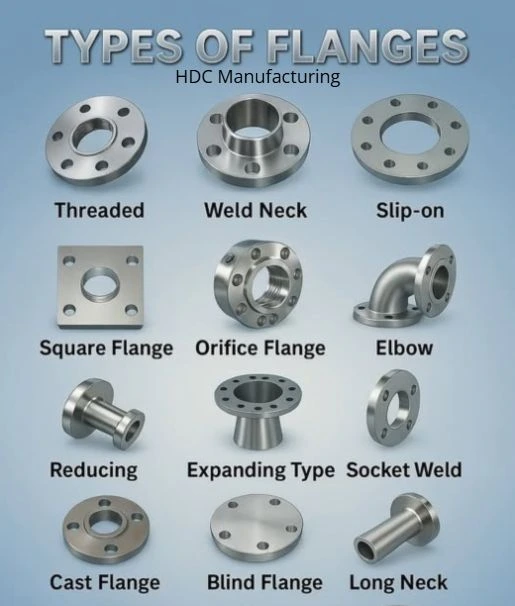
If the part belongs on the metal side of the decision, HDC fits naturally as a casting solution provider rather than just a piece-part supplier. Its custom metal casting service presents multiple casting routes under one offering, including fundición a la cera perdida for precise, complex parts and fundición a presión for higher-volume non-ferrous production. For buyers, that is useful because the process recommendation can be based on what the part actually needs instead of forcing every project into one casting method. HDC’s broader productos de fundición overview also shows the range of industrial parts that can be supported through this route.
Conclusión
For most industrial buyers, casting vs molding is best understood as metal casting vs plastic molding, usually injection molding. That is the practical meaning behind the keyword. Die casting is not the opposite of casting; it is one type of casting. So the right decision sequence is simple: first decide whether the part should be metal or plastic, then choose the right process family inside that material choice. If the application points to metal, a casting-first route is often the right place to start. And if that is the case, HDC is well positioned to support the project as a casting solution provider with multiple casting routes and CNC finishing where the part needs it most.