Comprensión del cilindro esclavo del embrague CNC
Los cilindros receptores de embrague mecanizados por CNC son componentes esenciales de los sistemas de embrague hidráulico en vehículos con transmisión manual. Su función es convertir la presión hidráulica del cilindro maestro en fuerza mecánica, permitiendo el acoplamiento y desacoplamiento del embrague. Los fabricados con precisión mediante procesos de mecanizado CNC son los preferidos por su resistencia y características de rendimiento. Garantizan un mejor funcionamiento del embrague, una buena sensación en el pedal y una mayor resistencia al desgaste. Por ello, suelen ser piezas de repuesto muy solicitadas en el mercado de accesorios para quienes desean mejorar la potencia de embrague de su vehículo.

Aplicación del cilindro esclavo del embrague
El cilindro receptor del embrague es un elemento clave en el sistema de embrague hidráulico de los vehículos con transmisión manual. Su función principal es permitir cambios de marcha suaves mediante la conversión de la presión hidráulica del cilindro maestro en fuerza mecánica. En cuanto el conductor pisa el pedal del embrague, el fluido hidráulico se dirige al cilindro receptor, empujándolo contra el cojinete de desembrague, lo que provoca el cambio de marchas. Este cilindro es fundamental para garantizar un acoplamiento del embrague eficiente y controlado, ideal para arranques en pendientes pronunciadas y maniobras a baja velocidad. Además, mejora la sensación del pedal, permitiendo al conductor determinar con mayor precisión el punto de acoplamiento. Previene el desgaste de los componentes del embrague y, por lo tanto, prolonga su vida útil. Algunos entusiastas optan por mejoras adicionales, como los cilindros receptores de embrague mecanizados por CNC, para optimizar el rendimiento y la fiabilidad en situaciones de conducción específicas.
Principio de funcionamiento de un cilindro esclavo de embrague
El funcionamiento de un cilindro esclavo de embrague es relativamente simple, pero juega un papel crucial en el funcionamiento de una transmisión manual.
Desacoplamiento del embrague
Cuando se presiona el pedal del embrague en un vehículo manual, se activa el cilindro maestro del embrague, impulsando fluido hidráulico a través de las líneas hasta el cilindro esclavo del embrague. Esto empuja el pistón del cilindro hacia adelante. En consecuencia, este proceso desacopla el embrague del motor, lo que permite cambios de marcha suaves y sin esfuerzo.
Enganche del embrague
Al soltar el pedal del embrague se produce la retracción del pistón del cilindro esclavo del embrague. Esta acción permite que el fluido hidráulico regrese al cilindro, lo que hace que el embrague se vuelva a acoplar con el motor. Como resultado, la potencia se transfiere del motor a las ruedas.
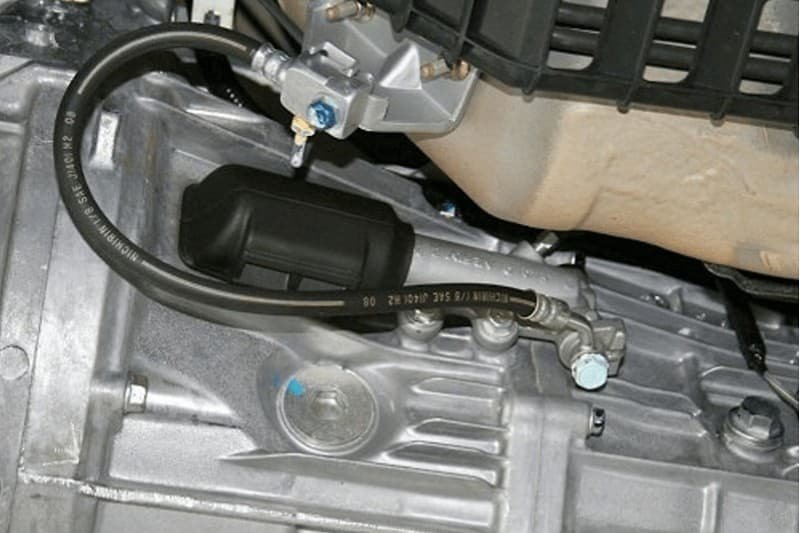
Los componentes forman un cilindro esclavo del embrague
Un cilindro receptor de embrague consta de un cuerpo que aloja los componentes clave: un pistón, juntas y anillos tóricos para el sellado hidráulico y conductos para la entrada y salida del fluido hidráulico. También incluye una varilla de empuje, conectada al pistón, que transmite fuerza al cojinete de desembrague. Algunos modelos cuentan con un guardapolvo para su protección y una brida de montaje segura para la fijación a la transmisión o a la carcasa del embrague. Estas características trabajan en conjunto para transformar la presión hidráulica en energía mecánica, permitiendo así el acoplamiento y desacoplamiento del embrague y facilitando la transmisión manual.
La mejora del rendimiento del embrague mediante el cilindro esclavo del embrague
En un vehículo con transmisión manual, el cilindro esclavo del embrague puede mejorar significativamente su rendimiento. Es un componente fundamental para lograr un acoplamiento y desacoplamiento más suaves y controlados, lo que se traduce en diversas ventajas. Gracias a cambios de marcha sin esfuerzo y a la eliminación de arranques bruscos o sacudidas, el cilindro esclavo contribuye a una conducción cómoda y un funcionamiento fluido. Además, mejora la sensación del pedal, permitiendo a los conductores percibir mejor el punto de acoplamiento del embrague. Asimismo, esta característica minimiza el desgaste del conjunto del embrague, como el disco, el plato de presión y el cojinete de desembrague, aumentando su durabilidad. Algunos usuarios pueden optar por reemplazarlo con piezas más complejas, como cilindros esclavos de embrague mecanizados por CNC, para lograr una mayor capacidad y eficiencia, lo que a su vez aumenta la sensibilidad del sistema de embrague.

Cilindro esclavo del embrague utilizado para aplicaciones de alto rendimiento
Aunque generalmente no se asocian con aplicaciones de alto rendimiento, los cilindros receptores de embrague pueden contribuir a mejorar el rendimiento del embrague incluso en estas situaciones. Optar por opciones de alta gama, como un cilindro receptor de embrague cerámico mecanizado por CNC, le permitirá notar la diferencia en la sensación del pedal, un acoplamiento más suave y un menor desgaste de los componentes del embrague. Estas ventajas son beneficiosas para vehículos de alto rendimiento, ya que permiten cambios de marcha más rápidos y precisos, lo que a su vez mejora el rendimiento general. Sin embargo, es necesario prestar atención a otros componentes del sistema de embrague, como el volante, el disco de embrague y el plato de presión, para garantizar que una actualización adecuada sea apropiada para aplicaciones de alto rendimiento.
Beneficios de fabricar un cilindro esclavo de embrague mediante CNC
La fabricación de un cilindro receptor de embrague mediante mecanizado CNC ofrece varias ventajas notables, entre ellas la máxima precisión en el diseño de componentes con geometrías complejas, una calidad constante y una alta eficiencia de fabricación. Gracias a la flexibilidad inherente del mecanizado CNC, se mejora la consistencia y adaptabilidad del material, lo que permite tanto la sustitución de piezas estándar como aplicaciones de alto rendimiento. Además, los sofisticados procesos de control de calidad y monitorización garantizan que los cilindros receptores de embrague se fabriquen conforme a las más altas especificaciones durante la etapa de producción.
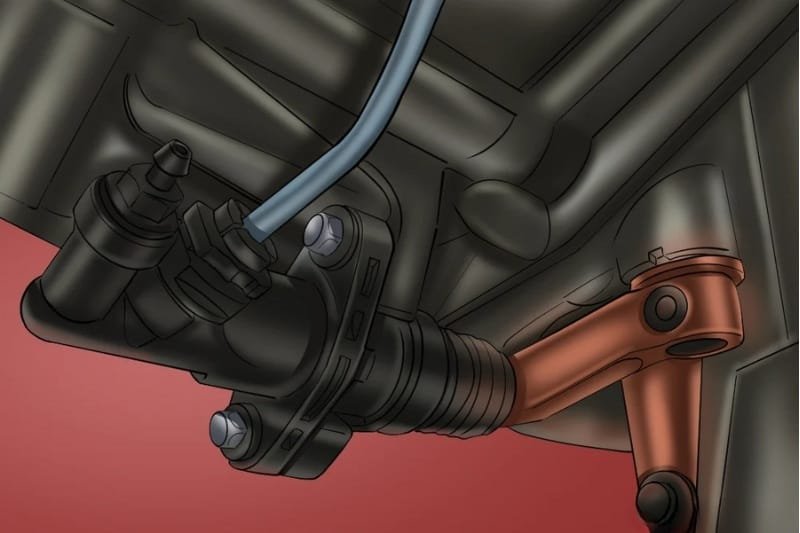
Materiales comúnmente utilizados en cilindros esclavos de embrague fabricados por CNC
Aluminio, acero, acero inoxidable y plástica En los cilindros receptores de embrague mecanizados por CNC se utilizan diversos materiales. Para aplicaciones donde la resistencia y la durabilidad son importantes, el acero puede ser más apropiado, mientras que el aluminio, por su ligereza y resistencia a la corrosión, es la opción preferida. Existen algunos cilindros especializados que utilizan plásticos o compuestos de alta calidad debido a sus propiedades, como la resistencia a la corrosión en entornos adversos, la reducción de peso y la inercia química. El material a utilizar en este caso depende del medio de transporte y su aplicación, siendo el aluminio y el acero los preferidos por su fiabilidad y resistencia.
Mantenimiento de cilindros esclavos del embrague
Los cilindros esclavos del embrague están diseñados para requerir relativamente poco mantenimiento. Sin embargo, es importante inspeccionarlos periódicamente para detectar fugas, verificar el nivel de líquido hidráulico y examinar el cilindro en busca de signos de desgaste o daños. El mantenimiento regular garantiza un rendimiento constante del embrague.

Personalización de los cilindros esclavos del embrague CNC
Los cilindros esclavos de embrague CNC a menudo se pueden personalizar para su uso tanto en motocicletas como en vehículos con transmisión manual. Los conductores pueden elegir características específicas, como el acabado del cilindro, el color o incluso la inclusión de funcionalidades adicionales. La personalización permite personalizar y optimizar el rendimiento del embrague en cualquier contexto.
Personalice un cilindro esclavo de embrague CNC
El proceso de personalización de un cilindro receptor de embrague CNC de los fabricantes es sistemático. Comience por evaluar sus necesidades específicas, considerando el tipo de vehículo, los aspectos de rendimiento, los materiales utilizados y cualquier característica de diseño especial. En segundo lugar, identifique fabricantes especializados en mecanizado CNC y componentes de embrague que puedan suministrar cilindros receptores a medida. Hable en detalle con los posibles fabricantes, proporcionando las especificaciones técnicas y los requisitos de diseño. Trabaje en estrecha colaboración con su equipo de ingeniería utilizando modelado CAD y prototipado para la optimización del diseño. La selección del material es importante en términos de resistencia y resistencia a la corrosión. Hable sobre los procedimientos de control de calidad para realizar pruebas e inspecciones rigurosas del cilindro personalizado.
Además, determine la cantidad necesaria, establezca un cronograma de producción y especifique el precio, las condiciones de pago y los costos. Si es necesario, solicite prototipos para pruebas y verificación antes de iniciar la producción a gran escala. Céntrese en el control de calidad según las especificaciones. Finalmente, analice el servicio posventa, como garantías, devoluciones y soporte continuo, para asegurar un proceso de personalización sin contratiempos y la entrega de un producto que se ajuste a sus necesidades.
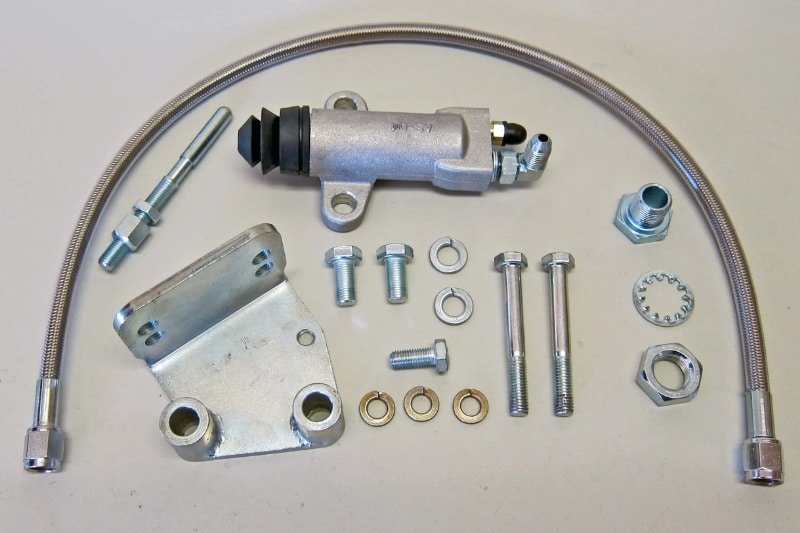
Conclusión
Los cilindros esclavos de embrague CNC son componentes vitales tanto para motocicletas como para vehículos con transmisión manual, y comprender sus funciones y beneficios puede mejorar la experiencia de conducción. Ya sea para desplazamientos diarios o aplicaciones de alto rendimiento, un cilindro esclavo de embrague personalizado y bien mantenido puede marcar una diferencia significativa en el rendimiento de estos vehículos.