Pour choisir l'acier adapté à votre projet, il est important de comprendre la différence entre acier allié et acier inoxydable. Ces deux types d'acier sont largement utilisés dans l'industrie, le bâtiment, la téléphonie mobile et même dans les foyers. Cependant, pour les néophytes en métallurgie, la terminologie technique peut paraître complexe. Rassurez-vous, nous sommes là pour vous l'expliquer clairement et simplement afin de vous aider à faire le bon choix.
Ici, vous découvrirez tout sur l'acier allié et l'acier inoxydable : leur composition, leurs types, leurs utilisations, leurs avantages et leurs inconvénients, ainsi que les tendances industrielles en 2026. À la fin, vous serez en mesure de savoir quel acier vous convient le mieux.
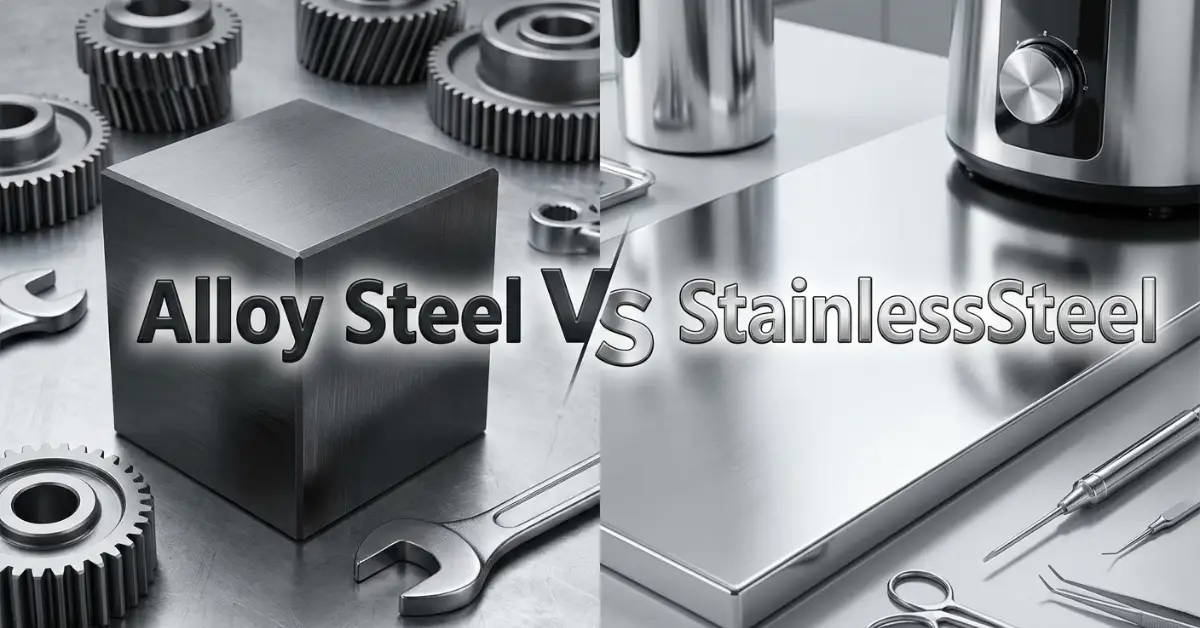
Quelle est la différence entre l'acier allié et l'acier inoxydable ?
Définition de l'acier allié
L'acier allié désigne un acier auquel on a ajouté d'autres éléments que le fer et le carbone. Il s'agit de composants supplémentaires, tels que le chrome, le nickel, le vanadium ou le molybdène, utilisés pour améliorer sa résistance, sa ténacité, sa résistance à l'usure et sa résistance à la corrosion.
L'acier allié est généralement divisé en acier faiblement allié (avec moins de 81 éléments d'alliage TP3T) et en acier fortement allié (plus de 81 éléments d'alliage TP3T).
Définition de l'acier inoxydable
Acier inoxydable Il s'agit d'une marque spéciale d'acier qui présente une résistance à la corrosion et une durabilité exceptionnelles. Ceci est principalement dû à sa teneur élevée en chrome, supérieure à 10,51 TP3T.
L'acier inoxydable est le plus souvent utilisé dans les endroits qui nécessitent un nettoyage ou lorsque la durabilité est un facteur important, comme dans les appareils de cuisine, les équipements médicaux et les équipements chimiques.
Son principal atout par rapport à l'acier allié ordinaire est qu'il ne se corrode pas facilement, contrairement à l'acier allié, et qu'il convient donc aux environnements humides ou acides.
Principaux éléments de l'acier allié par rapport à l'acier inoxydable
L’acier allié et l’acier inoxydable diffèrent principalement par leur composition chimique. Le tableau ci-dessous en donne un aperçu :
| Élément | Rôle dans l'acier allié | Rôle dans l'acier inoxydable |
| Carbone (C) | Améliore la fermeté et le tonus musculaire. | Offre dureté et ténacité en faibles quantités. |
| Chrome (Cr) | Cela le rend plus difficile à user. | Essentiel pour la résistance à la corrosion. |
| Nickel (Ni) | Améliore la fermeté et la musculature. | Améliore la résistance à la corrosion et la formabilité. |
| Manganèse (Mn) | Améliore la dureté et la résistance. | Contribue à la désoxydation et au durcissement. |
| Molybdène (Mo) | Augmente la résistance aux hautes températures | Augmenter la résistance à la corrosion, notamment en milieu acide. |
| Vanadium (V) | Ajoute force et robustesse. | Application peu fréquente de l'acier inoxydable |
| Cuivre (Cu) | Améliore la résistance à la corrosion. | Contribue à inhiber la corrosion des alliages spéciaux d'acier inoxydable. |
Ce tableau vous permettra d'observer facilement pourquoi l'acier inoxydable est le meilleur pour résister à la corrosion et pourquoi l'acier allié est le plus personnalisable en termes de résistance, d'usure et de résistance à la chaleur.
Types d'aciers alliés et d'aciers inoxydables
L'acier allié et l'acier inoxydable se déclinent en différents types selon leurs caractéristiques et leurs applications. Nous allons maintenant les examiner :
Types d'acier allié
Acier faiblement allié
- Moins de 8% d'éléments d'alliage.
- Il est fabriqué avec des matériaux robustes et durables, mais il n'est pas coûteux.
- On le retrouve généralement dans les composants structurels, les pipelines et les composants automobiles, car il représente un compromis entre coût et performance.
Acier fortement allié
- Contient plus de 8% d'alliage de chrome, de nickel et de molybdène.
- Il présente une résistance supérieure à l'usure et à la chaleur, ce qui le rend adapté à une utilisation avec une machine ou un composant soumis à de fortes contraintes et exposé à des conditions extrêmes.
Acier à outils
- Conçu spécifiquement pour couper, façonner et mouler d'autres métaux.
- Souple, résistant à l'usure et capable de conserver des bords tranchants.
- Cela comprend généralement les outils de fabrication, les matrices et les moules de production industrielle.
Gestion de l'acier
- Un acier allié spécial, extrêmement résistant et solide.
- Il contient très peu de carbone, mais est renforcé par du nickel, du cobalt et du molybdène.
- Elle est couramment utilisée dans les secteurs de l'aérospatiale, de la défense et de l'ingénierie de haute performance.
Acier à haute résistance et faiblement allié (HSLA)
- De haute qualité, léger et très résistant.
- Il est utilisé dans les poutres de construction, les ponts, les châssis automobiles et les composants de machines lourdes où le poids est un facteur important mais pas la résistance.
Types d'acier inoxydable
Acier inoxydable austénitique
- Non magnétique, très résistant à la corrosion et très solide.
- Les notes comme 304 et 316 sont courantes.
- Utilisé dans de nombreux domaines, notamment les appareils de cuisine, l'industrie agroalimentaire et l'industrie chimique, en raison de ses propriétés hygiéniques et anticorrosives.
Acier inoxydable ferritique
- Magnétiquement compétent et assez corrosif.
- Par exemple, les notes 430 et 446.
- Couramment utilisé comme gaz d'échappement automobile, équipement industriel et élément de décoration, car il se façonne facilement.
Acier inoxydable martensitique
- Dur, résistant et magnétique, avec une résistance à la corrosion moindre que les aciers austénitiques.
- Les cours de niveau 410 et 420 sont populaires.
- Idéal pour les couteaux, les instruments chirurgicaux et autres instruments nécessitant des bords tranchants et une bonne résistance.
Acier inoxydable duplex
- Il allie la dureté de l'acier ferritique et la résistance à la corrosion de l'acier austénitique.
- Très résistant et d'une grande durabilité même dans des conditions difficiles.
- Largement utilisé dans les secteurs de la chimie, du pétrole et du gaz, et du transport maritime.
Acier inoxydable à durcissement par précipitation
- Un traitement thermique peut être effectué pour augmenter la dureté et la résistance.
- Par exemple, 17-4 PH et 15-5 PH.
- Utilisé dans l'aérospatiale, le secteur militaire et d'autres applications exigeant des performances élevées en termes de résistance à la corrosion et de solidité.
Applications courantes de l'acier allié et de l'acier inoxydable
La connaissance des caractéristiques communes de ces aciers peut vous aider à prendre une décision appropriée quant au type d'acier à utiliser pour votre projet.
Applications de l'acier allié
- Composants automobiles : Il est utilisé dans les engrenages, les vilebrequins et les essieux, car il est capable de résister à des charges et des contraintes élevées.
- Matériaux de construction : Les poutres, les supports et les renforts structurels sont choisis en fonction de leur résistance et de leur durabilité.
- Pièces pour machines lourdes : Arbres, rails et canalisations. La résistance à l'usure et la robustesse sont des atouts pour les composants de machines lourdes.
- Aérospatiale et Défense : Il est utilisé sur les trains d'atterrissage des avions, les enveloppes de fusées et les véhicules militaires à moteur pour leur conférer une résistance et une fiabilité élevées.
- Outillage et matrices pour la fabrication : L'ajustement parfait concernerait les pièces soumises à des charges répétées, c'est-à-dire celles qui doivent être façonnées avec une grande précision.
Applications de l'acier inoxydable
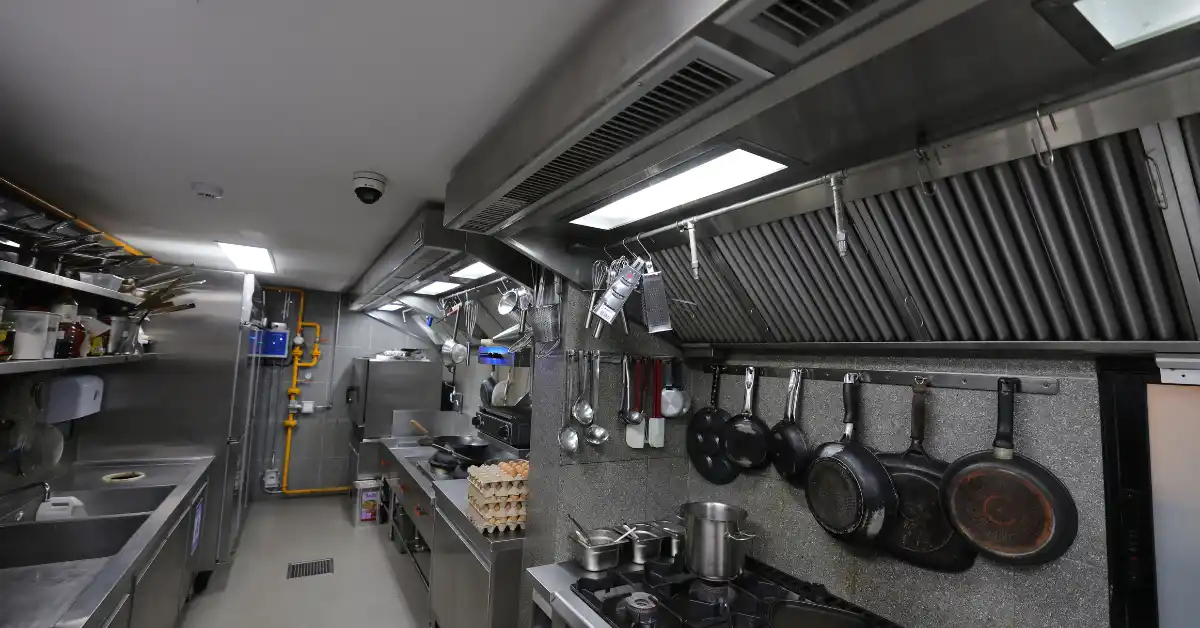
- Appareils de cuisine et ustensiles culinaires : Il est hygiénique et résistant à la corrosion, ce qui le rend idéal pour un usage quotidien.
- Instruments médicaux et chirurgicaux : Il est résistant à la rouille et se stérilise facilement ; il convient donc aux hôpitaux et aux cliniques.
- Équipements chimiques et pharmaceutiques : Traite des produits chimiques de nature corrosive.
- Structures architecturales : Le revêtement, les poutres, les escaliers et les panneaux décoratifs allient durabilité et esthétique.
- Équipements de transformation des aliments et des boissons : L'équipement doit être sans danger pour le contact alimentaire, facile à nettoyer et ne doit pas se corroder facilement en milieu humide.
Comparaison des notes populaires
L'acier allié et l'acier inoxydable possèdent des nuances standard bien connues :
nuances d'acier allié courantes
| Noter | La description | Applications |
| 4140 | Alliages difficiles. Chrome et molybdène résistants. | Engrenages, arbres et pièces d'ouvrages lourds. |
| 4340 | Alliage de nickel, de chrome et de molybdène à haute résistance. | Aérospatiale et automobile. |
| 8620 | Nickel, chrome, molybdène, cémentation. | Engrenages et machines automobiles. |
nuances courantes d'acier inoxydable
| Noter | La description | Applications |
| 304 | Austénitique, résistant à la corrosion. | Transformation alimentaire et mobilier de cuisine. |
| 316 | L'acier austénitique contient du molybdène comme supplément pour améliorer sa résistance à la corrosion. | Traitement chimique marin. |
| 410 | Martensitique, dur. | Couteaux, outils de coupe. |
| 430 | Ferritique, magnétique. | Chaque véhicule, voiture et panneau décoratif. |
Acier allié vs acier inoxydable : comparaison côte à côte
| Fonctionnalité | Acier allié | Acier inoxydable |
| Composition | Fer et carbone, plus d'autres éléments d'alliage. | Fer + Carbone + Chrome (+ autres) |
| Résistance à la corrosion | Modéré | Haute |
| Force | Très élevé | Modéré à élevé |
| Dureté | Peut être très difficile | Modéré à élevé |
| Résistance à la chaleur | Bon pour les alliages à haute teneur en alliage. | Selon le niveau, de moyen à élevé. |
| Coût | Normalement moins cher que l'inox. | Augmenté à cause du chrome. |
| Applications | Machinerie lourde, véhicules à moteur, construction. | Ustensiles de cuisine et équipements de santé et de sécurité. |
Ressources: Tableau comparatif des codes des nuances d'acier allié
Acier allié vs acier inoxydable : avantages et inconvénients
| Fonctionnalité | Acier allié | Acier inoxydable |
| Avantages | Durable, très résistant et personnalisable. | Résistant à la corrosion, hygiénique et durable. |
| Désavantages | La rouille nécessite un revêtement ; la corrosion est moins résistante. | Plus coûteux et plus difficile à obtenir dans certaines notes. |
À lire également : Types d'acier inoxydable
Quel est le meilleur choix : acier allié ou acier inoxydable ?
Le constat est le suivant : il n’existe pas de solution universelle. Tout dépend de votre projet.
- Acier allié sélectionné lorsque votre projet exige une résistance élevée, une résistance à l'usure ou une résistance à la chaleur, comme dans le cas d'une machine, d'une application automobile ou structurelle.
- Utilisez de l'acier inoxydable là où la résistance à la corrosion, l'hygiène ou l'aspect esthétique sont tout aussi importants, comme dans le domaine des équipements de cuisine, du traitement chimique ou des équipements médicaux.
L'important est de prendre en compte la résistance, la résistance à la corrosion, le coût et l'environnement avant de prendre une décision.
Acier allié versus acier inoxydable dans des industries spécifiques
Les préférences en matière d'acier varient selon les secteurs industriels et leurs spécifications. Analysons cela plus en détail :
Industrie automobile
- Acier allié : Il est largement utilisé dans les moteurs, les engrenages, les essieux et les châssis car il résiste aux fortes contraintes et aux charges importantes, ainsi qu'à l'usure. Sa robustesse et sa durabilité le rendent idéal pour les pièces soumises à des contraintes mécaniques constantes.
- Acier inoxydable: Il est également couramment utilisé dans les systèmes d'échappement, les garnitures et les éléments décoratifs où la résistance à la corrosion et l'esthétique sont importantes. Il prévient également la formation de rouille en cas d'exposition à l'humidité et au sel de la route.
Industrie de construction
- Acier allié : Ce type d'acier est particulièrement adapté aux poutres, aux armatures et aux supports structurels des bâtiments, des ponts et des ouvrages lourds, car il est très résistant et robuste.
- Acier inoxydable: Il est utilisé lorsque l'on souhaite obtenir l'aspect et la durabilité souhaités, une résistance à la corrosion et un aspect poli sur des éléments visibles comme les façades, les rampes d'escalier et les mains courantes.
Industrie agroalimentaire
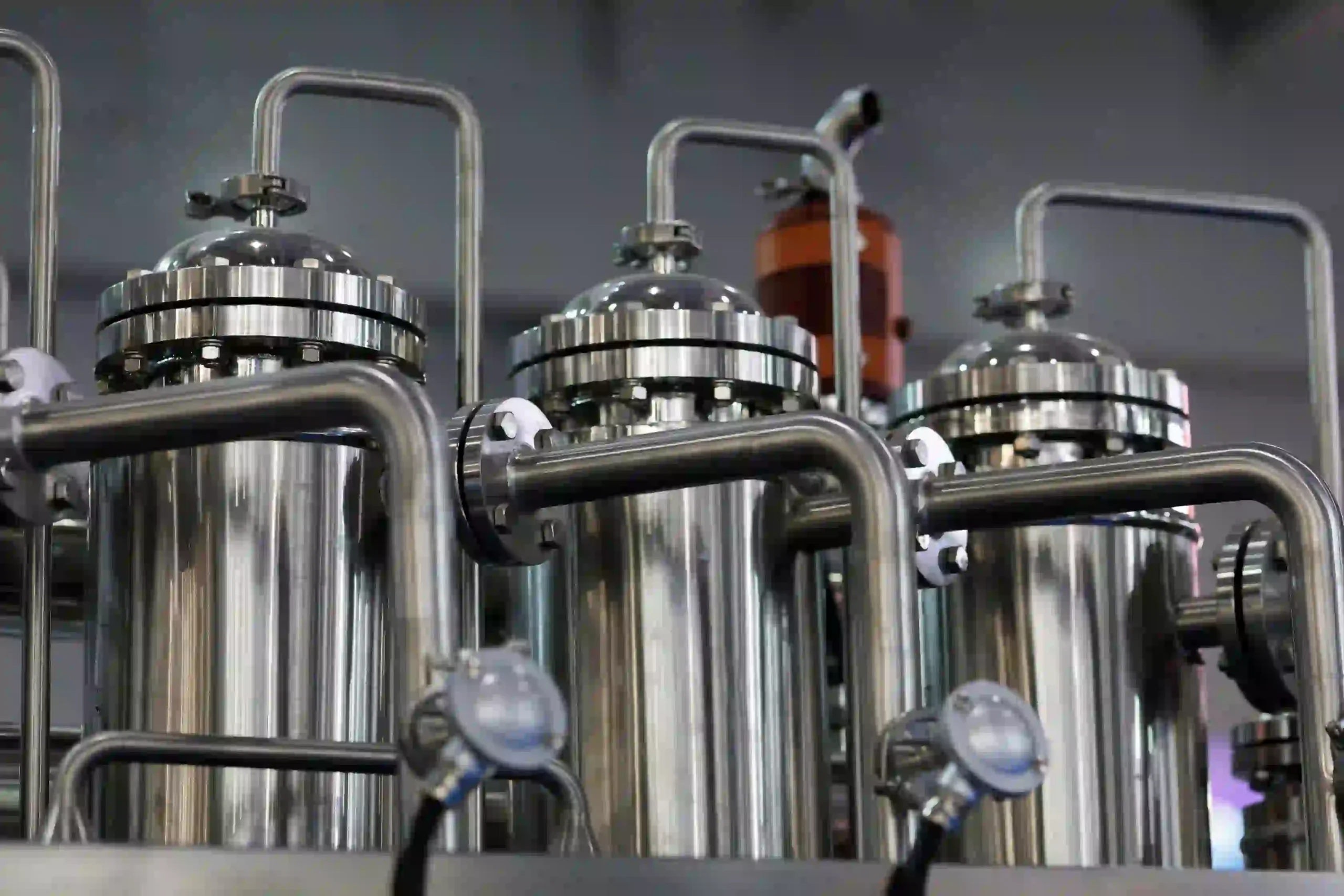
- Acier inoxydable: Ce matériau est prédominant dans ce secteur car il est non corrosif, facile à nettoyer et peut être utilisé directement en contact avec les aliments. On le retrouve dans les plans de travail de cuisine, les équipements de transformation, les cuves de stockage et les canalisations de boissons. L'acier allié, quant à lui, est rarement utilisé à des fins d'hygiène.
Industrie aérospaciale
- Acier allié : Ce type d'acier est choisi pour les composants critiques de l'avion, tels que le train d'atterrissage, les arbres de transmission et les pièces à haute résistance nécessaires pour supporter des charges extrêmes.
- Acier inoxydable: Il est utilisé dans des environnements présentant des risques élevés de corrosion ou de contact chimique, par exemple dans les carburants ou les composants extérieurs soumis à des contraintes environnementales.
Industrie médicale
- Acier inoxydable: La solution idéale pour les instruments chirurgicaux, les implants et le matériel hospitalier. Sa résistance à la corrosion, sa stérilisation et sa durabilité garantissent une utilisation sûre et fiable auprès des patients. Ce procédé limite l'emploi d'acier allié, la résistance à la corrosion étant essentielle.
Comment entretenir l'acier allié et l'acier inoxydable ?
Entretien de l'acier allié
Il est important d'entretenir votre acier pour qu'il reste solide, durable et résistant. Nous aborderons les conseils d'entretien spécifiques à l'acier allié et à l'acier inoxydable.
- Nettoyage: Essuyez la surface avec un chiffon sec ou légèrement humide pour enlever la saleté et les débris. Évitez tout contact prolongé avec l'eau.
- Protection: Enduire d'huile pour prévenir l'humidité et la corrosion ; appliquer des revêtements, de la peinture ou de l'huile antirouille.
- Inspection: Les rayures, la rouille et l'usure doivent être vérifiées régulièrement. Réglez les problèmes avant qu'ils ne s'aggravent.
- Stockage: L'acier allié doit être conservé dans un endroit sec lorsqu'il n'est pas utilisé, ce qui minimisera son exposition à l'humidité ou à d'autres environnements corrosifs.
Avec un traitement adéquat, l'acier allié donnera d'excellents résultats dans les machines, la construction et les applications lourdes.
Entretien de l'acier inoxydable
L'acier inoxydable est résistant à la rouille et à la corrosion, et il nécessite également un entretien pour rester propre et brillant :
- Nettoyage: Nettoyez avec un chiffon doux imbibé d'eau et de savon doux. Pour les surfaces polies, vous pouvez utiliser un nettoyant pour acier inoxydable afin de préserver leur éclat.
- Évitez les produits chimiques agressifs : N’utilisez pas de nettoyants à base de chlore ou contenant des substances agressives, car ils pourraient endommager la surface.
- Inspection: Vérifiez les rayures superficielles. Essuyez et polissez pour éviter leur accumulation.
- Stockage: Pour préserver leur aspect et leurs performances, rangez les composants en acier inoxydable dans un endroit sûr et sec.
Tendances récentes en matière d'utilisation de l'acier 2026
Le secteur sidérurgique est lui aussi en pleine mutation et l'année 2026 est associée à certaines tendances importantes, tant pour l'acier allié que pour l'acier inoxydable :
Acier durable
Avec un nombre croissant de fabricants qui recyclent l'acier, l'utilisation de cet acier recyclé permet de minimiser l'impact environnemental. Cette solution durable vous permettra d'obtenir un acier de haute qualité et de contribuer financièrement à des projets plus respectueux de l'environnement.
Alliages haute performance
Les alliages et l'acier inoxydable sont conçus avec des rapports résistance/poids améliorés et sont ainsi rendus plus légers mais plus résistants pour les applications automobiles, aérospatiales et de construction.
Fabrication intelligente
Les méthodes de production, telles que le revêtement et le traitement de précision de l'acier, améliorent la durabilité et les performances de l'acier dans des conditions difficiles.
Matériaux hybrides
Il est désormais de plus en plus courant de combiner des éléments en acier inoxydable et en acier allié afin d'obtenir une résistance et une protection contre la corrosion maximales.
Industrie 4.0
La fabrication de l'acier est automatisée et surveillée numériquement afin de garantir des mesures précises et une bonne uniformité, et de réduire les risques d'incidents.
Ces tendances témoignent de la manière dont l'acier devient plus résistant, plus fiable et plus respectueux de l'environnement.
Conclusion
Le choix entre acier allié et acier inoxydable n'est pas forcément un dilemme. En connaissant leurs propriétés, leurs nuances, leurs applications et leurs avantages, vous pouvez faire un choix éclairé pour votre projet.
Chez HDC Manufacturing, nous sommes experts en solutions sidérurgiques de haute qualité. Nous vous accompagnons dans le choix de l'acier le plus adapté à vos besoins en termes de fiabilité, de performance et de prix. Découvrez dès aujourd'hui notre gamme de produits et trouvez l'acier idéal pour votre projet.
Vous devez utiliser de l'acier allié ou de l'acier inoxydable, selon l'application dans des environnements difficiles ou corrosifs ? Nous sommes là pour vous accompagner à chaque étape. Appelez-nous dès aujourd'hui et faites-nous part de vos besoins afin de trouver la solution acier idéale.
FAQ
- L'acier inoxydable est-il plus résistant que l'acier allié ?
Pas toujours. L'acier allié est généralement plus résistant et plus dur, tandis que l'acier inoxydable est plus efficace en matière de résistance à la corrosion.
- L'acier allié peut-il rouiller ?
L'acier allié est sensible à la rouille, mais il ne doit pas être revêtu ni mal entretenu. L'acier inoxydable est plus résistant à la corrosion.
- Quel acier est le meilleur pour les appareils de cuisine ?
L'acier inoxydable est idéal grâce à ses propriétés hygiéniques, sa résistance à la corrosion et sa facilité de nettoyage.
- Puis-je utiliser l'acier inoxydable dans la construction extérieure ?
L'acier inoxydable est effectivement idéal pour une utilisation en extérieur, car il ne rouille pas et ne s'use pas sous l'effet des intempéries.