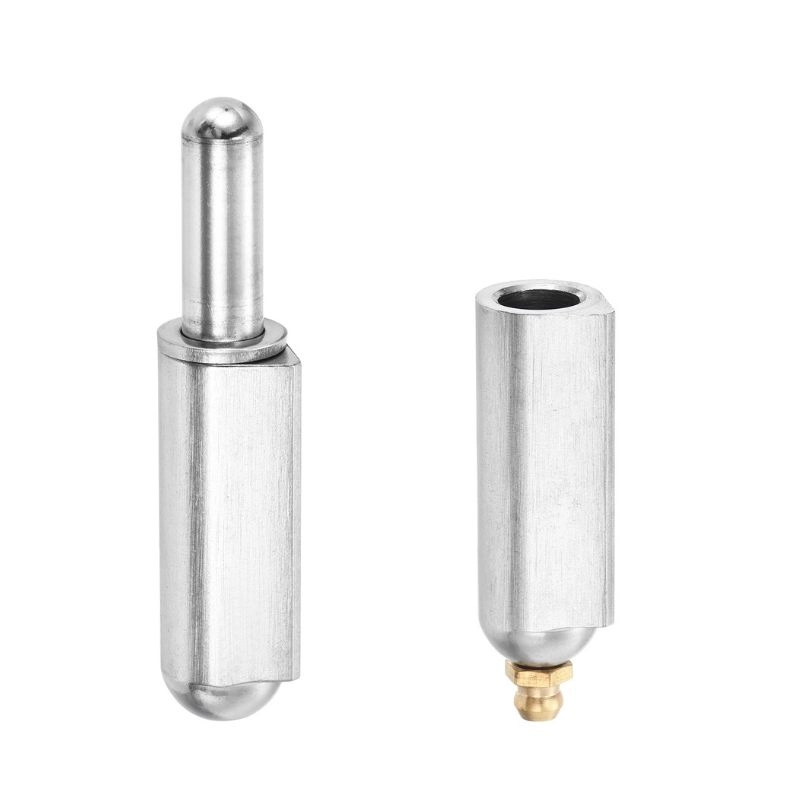
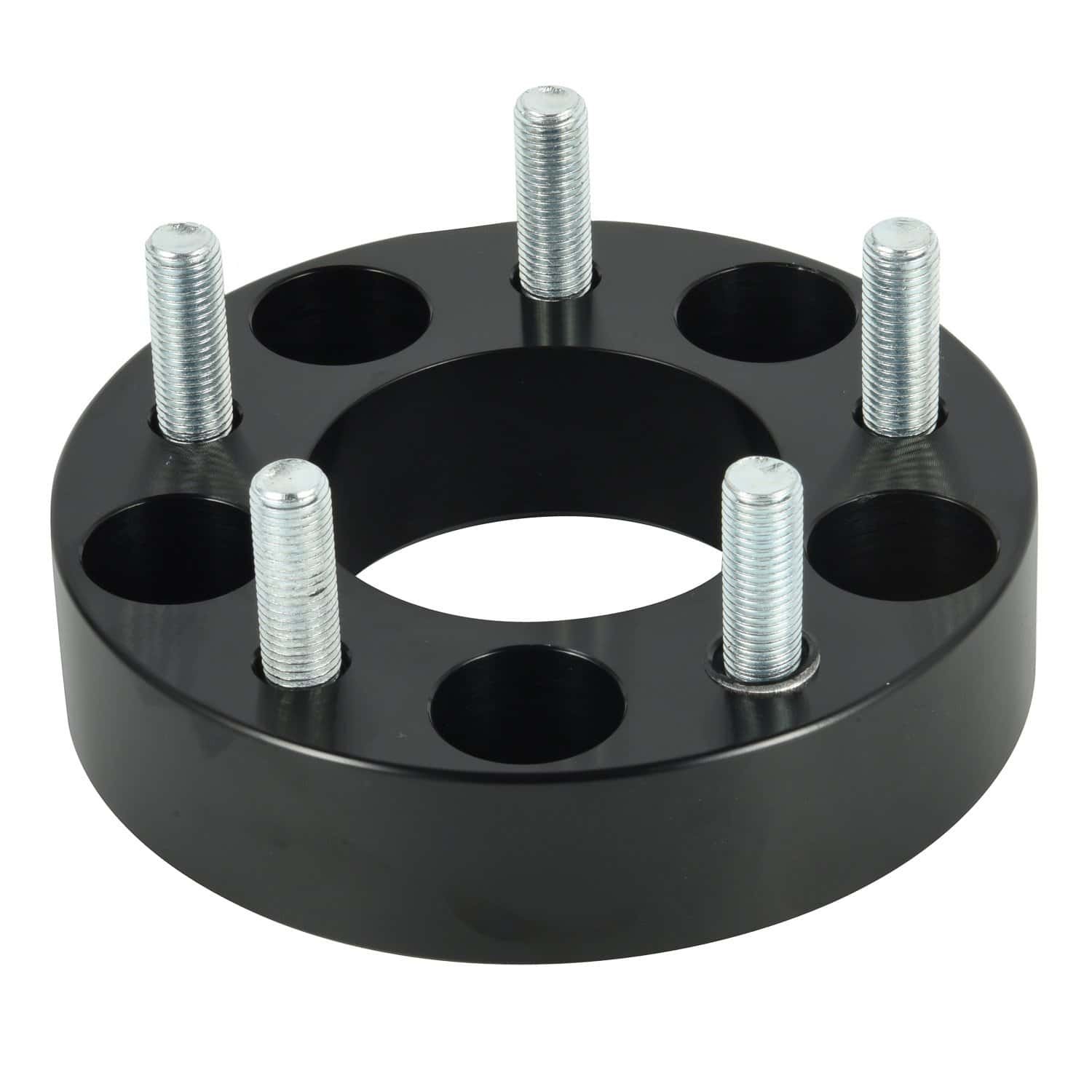
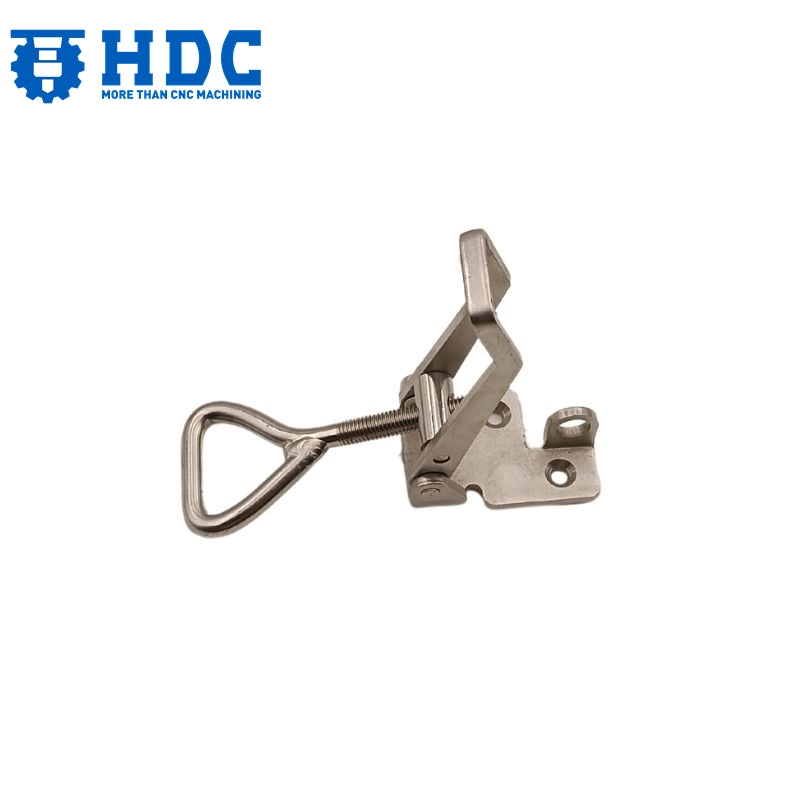
Pourquoi choisir HDC pour des produits personnalisés en acier au carbone 12L14
HDC possède plus d’une décennie d’expérience dans le domaine des composants métalliques sur mesure. Nous possédons des machines-outils de précision à 4 et 5 axes, des centres d'usinage CNC automatisés et une équipe de conception et de production professionnelle. Nous pouvons vous fournir divers processus d'usinage, notamment le fraisage CNC, le tournage CNC, la découpe laser, le moulage de métaux, etc., pour fabriquer à la perfection vos composants en acier au carbone 12L14, adaptés à vos besoins spécifiques.
Dans le domaine de l'acier au carbone 12L14, notre expertise garantit la production de composants précis et de qualité supérieure. Reconnu pour son extraordinaire maniabilité, le 12L14 constitue la sélection optimale pour les conceptions complexes. L’équipe chevronnée de HDC optimise habilement les paramètres d’usinage, garantissant une précision dimensionnelle sans faille et une finition de surface impeccable. Que votre projet implique un filetage complexe, un contour précis ou un fraisage méticuleux, nous nous engageons à l'efficacité et à un standard d'excellence.
Au-delà du domaine de l'usinage, HDC se distingue par la compréhension des attributs distinctifs de l'acier au carbone 12L14. Ces connaissances spécialisées orientent notre processus de conception coopérative, transmettant des informations inestimables et garantissant que nos composants non seulement respectent, mais dépassent les références de l'industrie. Avec HDC, attendez-vous à des composants en acier au carbone 12L14 méticuleusement façonnés avec précision, durabilité et une attention particulière portée aux détails, s'adaptant et dépassant les stipulations de votre projet.
Aperçu
12L14 est un alliage d'acier de décolletage connu pour son excellente usinabilité. L'acier au carbone 12L14 est un choix populaire pour les applications qui exigent une usinabilité et une précision exceptionnelles. Sa composition, avec ajout de soufre et de phosphore, facilite un usinage efficace, ce qui en fait un matériau précieux pour la production de petits composants complexes dans diverses industries.

Qu’est-ce que l’acier au carbone ?
Acier Carbone L'acier au carbone est un acier dont le fer et le carbone sont les éléments majoritaires, les autres éléments étant présents en moindre quantité. Sa teneur moyenne en carbone, comprise entre 0,051 TP3T et 2,01 TP3T, est produite en fonction de la nuance et de l'application. L'acier au carbone est reconnu pour sa résistance, sa dureté et sa durabilité, ce qui explique son utilisation répandue dans divers secteurs industriels tels que la construction, la fabrication, l'automobile et les infrastructures. On distingue quatre types d'acier au carbone selon sa teneur en carbone et ses caractéristiques : l'acier à faible teneur en carbone (acier doux), l'acier à moyenne teneur en carbone et l'acier à haute teneur en carbone. De plus, l'acier au carbone peut être allié à des éléments tels que le manganèse, le silicium et le soufre afin d'améliorer certaines propriétés comme la résistance, la ductilité et l'usinabilité. C'est l'un des aciers les plus résistants et les plus abordables, utilisé dans la fabrication de pièces, de composants, de pièces de machines, de tuyaux, de châssis automobiles et pour d'autres applications.
Quelles sont les caractéristiques de l’acier au carbone 12L14 ?
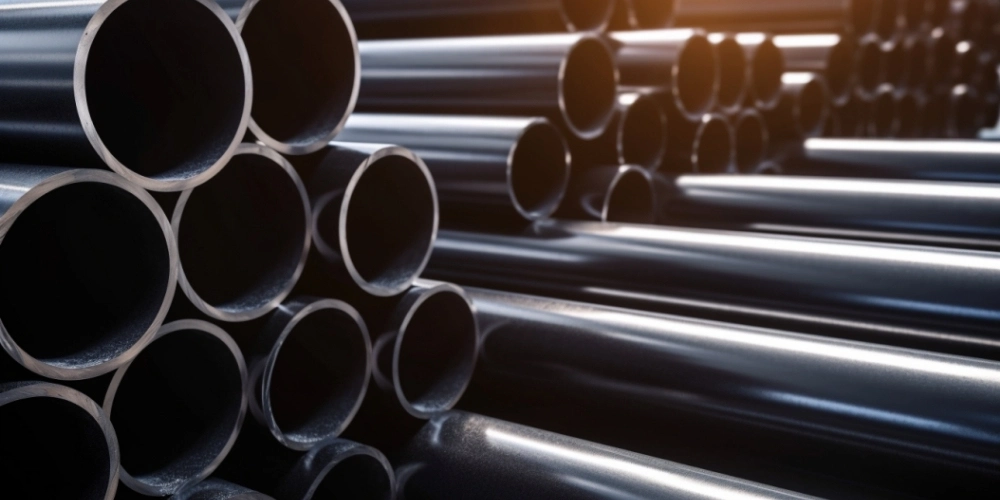
L'acier 12L14, un acier à haute teneur en soufre et en plomb, est réputé pour son usinabilité élevée. L'ajout de sulfures de manganèse à sa composition standard en fer lui confère des propriétés de brise-copeaux lors de la coupe, réduisant considérablement l'usure de l'outil et permettant d'obtenir un excellent état de surface des pièces usinées. Bien que moins résistant que certains autres aciers au carbone, cet acier offre une résistance et une ductilité remarquables, le rendant adapté à diverses applications en acier inoxydable. Soudable selon les procédures conventionnelles, il requiert toutefois certaines précautions en raison de sa teneur en soufre et en plomb. Cet acier, économique, est largement utilisé dans la fabrication de composants automobiles, de bagues, de raccords et de fixations. De ce fait, sa demande est forte, notamment pour l'usinage de précision et les capacités de production élevées qu'il requiert.
Quelle est la base de dénomination de l’acier au carbone 12L14 ?
La désignation de l'acier au carbone 12L14 repose sur sa composition et sa conformité à la norme AISI (American Iron and Steel Institute). Le “ 12 ” correspond à la teneur moyenne en carbone, soit environ 0,121 TP3T. Le “ L ” indique la présence de plomb dans l'alliage. Enfin, le chiffre « 14 » représente la teneur en soufre, soit environ 0,141 TP3T. Cette désignation alphanumérique offre une méthode standardisée d'identification et de catégorisation des aciers au carbone en fonction de leur composition et de leurs propriétés. Elle facilite ainsi la communication et la compréhension entre les acteurs du secteur.

Composition chimique de l'acier au carbone 12L14
| Élément | Contenu (%) |
| Fer, Fe | 97,91 – 98,7 |
| Manganèse, Mn | 0,85 – 1,15 |
| Soufre, S | 0,260 – 0,35 |
| Plomb, Pb | 0,15 – 0,35 |
| Carbone, C | 0.15 |
| Phosphore, P | 0,040 – 0,090 |
L'influence de la composition de l'acier au carbone 12L14 sur ses propriétés

L'acier au carbone 12L14 est largement utilisé comme matériau de base grâce à sa polyvalence. Sa teneur en carbone (environ 0,12 % Tp3T) lui confère résistance et dureté, tout en préservant sa formabilité. Le manganèse contribue à sa trempabilité et à sa résistance, tandis que le soufre (environ 0,15 % Tp3T) améliore l'usinabilité par la formation de sulfures de manganèse, réduisant ainsi les coûts de production et prolongeant la durée de vie des outils. Le plomb, ajouté comme lubrifiant, améliore encore l'usinabilité en réduisant le frottement entre l'outil de coupe et la pièce. La composition du 12L14 est rigoureusement contrôlée pour garantir une usinabilité exceptionnelle, le rendant idéal pour les applications industrielles exigeant une grande précision et des volumes de production élevés, notamment pour la fabrication de composants automobiles et de fixations.
Propriétés physiques de l'acier au carbone 12L14
| Propriétés | Métrique | Impérial |
| Densité | 7,87 g/cm3 | 0,284 lb/po³ |
Propriétés mécaniques de l'acier au carbone 12L14

| Propriétés | Métrique | Impérial |
| Résistance à la traction en acier 12L14 | 540 MPa | 78300 psi |
| Limite d'élasticité | 415 MPa | 60200 psi |
| Module de masse (typique pour l'acier) | 140 GPa | 20300 ksi |
| Module de cisaillement (typique pour l'acier) | 80,0 GPa | 11600 ksi |
| Module d'élasticité | 190-210 GPa | 27557-30458 ksi |
| Coefficient de Poisson | 0.27-0.30 | 0.27-0.30 |
| Allongement à la rupture | 10% | 10% |
| Réduction de la superficie | 35% | 35% |
| Dureté, Brinell | 163 | 163 |
| Dureté, Knoop (convertie à partir de la dureté Brinell) | 184 | 184 |
| Dureté, Rockwell B (convertie à partir de la dureté Brinell) | 84 | 84 |
| Dureté, Vickers (convertie à partir de la dureté Brinell) | 170 | 170 |
| Usinabilité (basée sur une usinabilité de 100 pour l'acier AISI 1212) | 160 | 160 |
Propriétés thermiques de l'acier au carbone 12L14
| Propriétés | Métrique | Impérial |
| Coefficient de dilatation thermique (@ 20°C/68°F, acier typique) | 11,5 µm/m°C | 6,39 µpo/po°F |
| Conductivité thermique (acier typique) | 51,9 W/mK | 360 BTU po/h.pi².°F |
Matériaux équivalents à l'acier au carbone 12L14

| Numéro UNS | G12144 |
| Nom américain | AISI 12L14, 12L13, 12L15 selon ASTM A29, ASTM A510, ASTM A519, ASTM A576, SAE J403 |
| FR nom | 11SMnPb37, 11SMnPb30, 9SMnPb28 selon BS EN 10087, BS EN 10277 ; S300Pb selon NF A35 561 |
| Numéro FR | 1.0737, 1.0718, 1.9718 |
| Nom JIS (japonais) | SUM24L à JIS G4804 |
Quelles méthodes de traitement conviennent à l’acier au carbone 12L14 ?
L'acier 12L14 est très polyvalent en usinage car il s'usine facilement et possède une résistance modérée. Il excelle notamment dans les opérations d'usinage importantes telles que le tournage, le fraisage, le perçage et le filetage, grâce à sa richesse en plomb et en soufre qui permet une bonne évacuation des copeaux et réduit l'usure des outils. De plus, il peut être mis en forme à froid par des procédés comme le pliage et l'emboutissage, sans préchauffage ni recuit. Cependant, il convient de les éviter en raison de sa teneur relativement élevée en soufre et en plomb. Les traitements thermiques, utilisés pour modifier les propriétés de l'acier, sont généralement l'exception, car le 12L14 est rarement durci par ce procédé. En conclusion, l'acier au carbone 12L14 est le matériau de choix lorsque la précision d'usinage est élevée et que la résistance est un facteur critique.
Quelles sont les limites de l’acier au carbone 12L14 ?
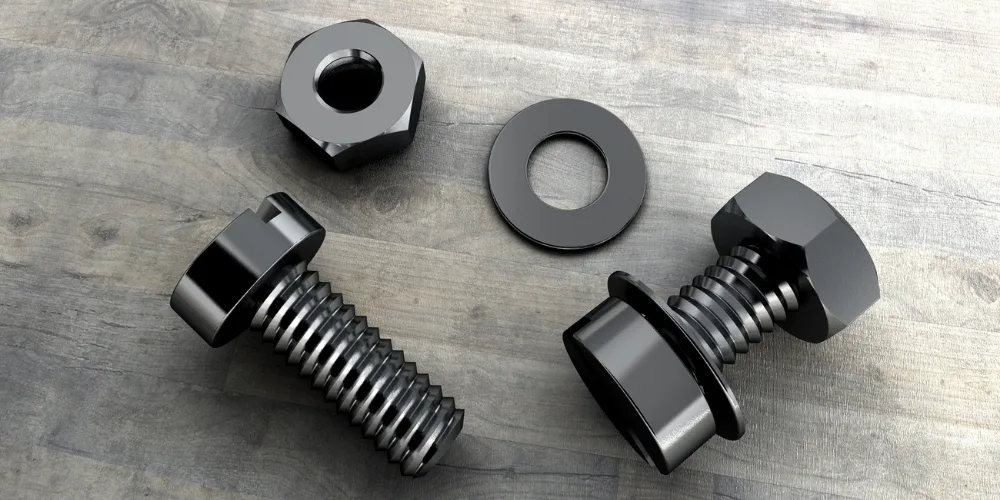
L'usinabilité extrêmement précise, combinée à une résistance modérée, confère à l'acier au carbone 12L14 certaines limitations. Caractérisé par une résistance et une ténacité relativement faibles, l'acier au carbone est peu adapté aux applications exigeant une résistance élevée ou une excellente résistance à l'usure. De plus, le soufre, utile à l'usinabilité, peut fragiliser le métal et provoquer des fissures. Sa soudabilité, supérieure à la normale en raison de sa teneur en soufre et en plomb, nécessite des techniques spécifiques pour éviter les fissures et/ou une mauvaise qualité de soudure. Par ailleurs, l'acier 12L14 présente une aptitude au traitement thermique très limitée et des mesures de protection supplémentaires sont nécessaires pour limiter la corrosion dans certains environnements spécifiques. Ainsi, les principaux avantages de cette technologie pour l'usinage de composants doivent être mis en balance avec ses limitations en matière de choix des matériaux.