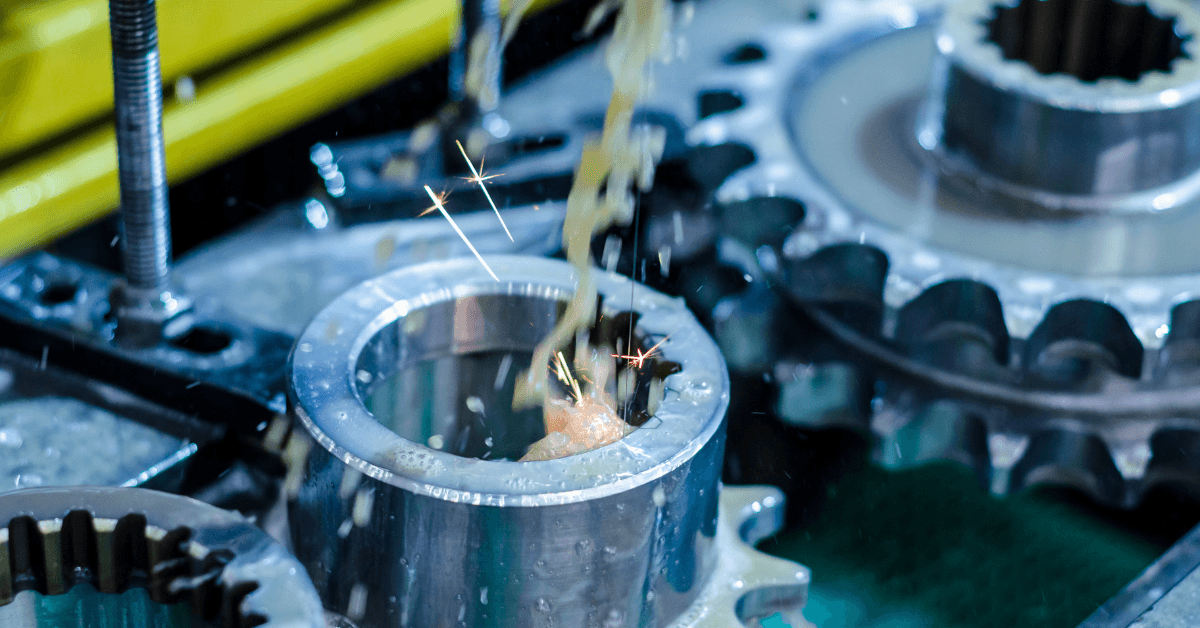
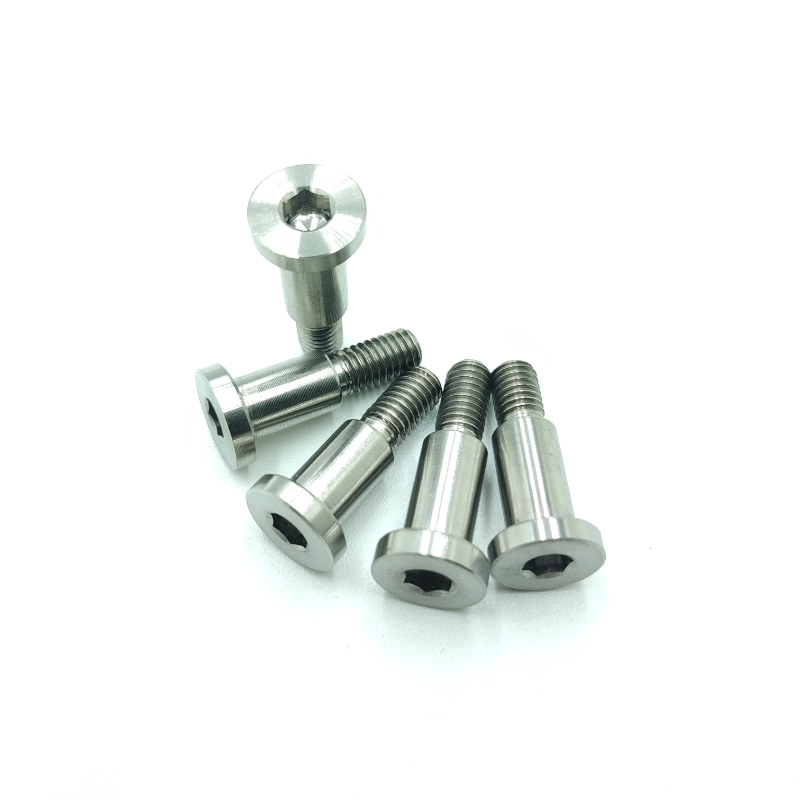
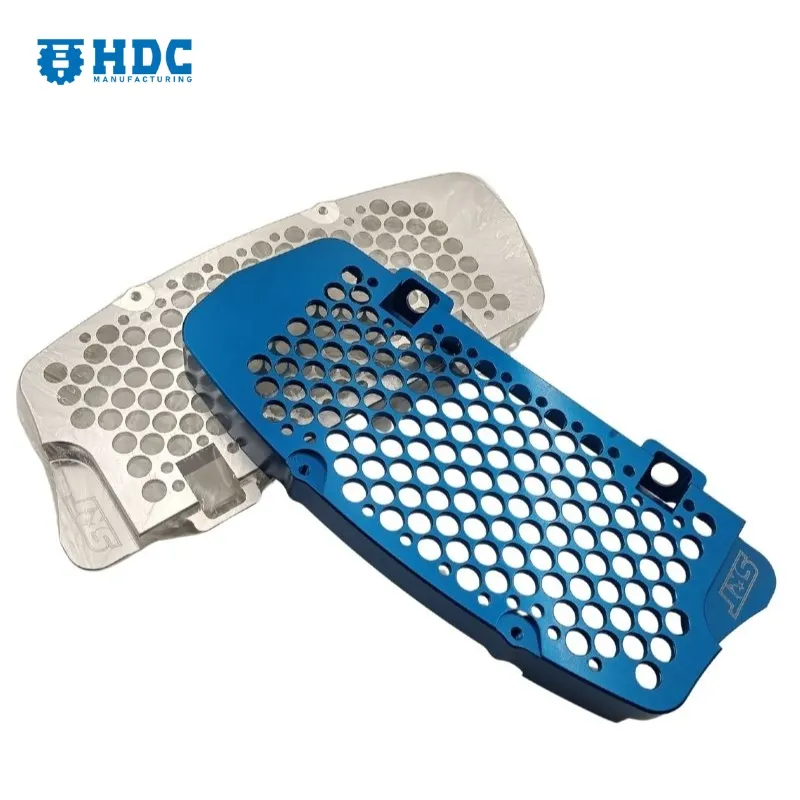
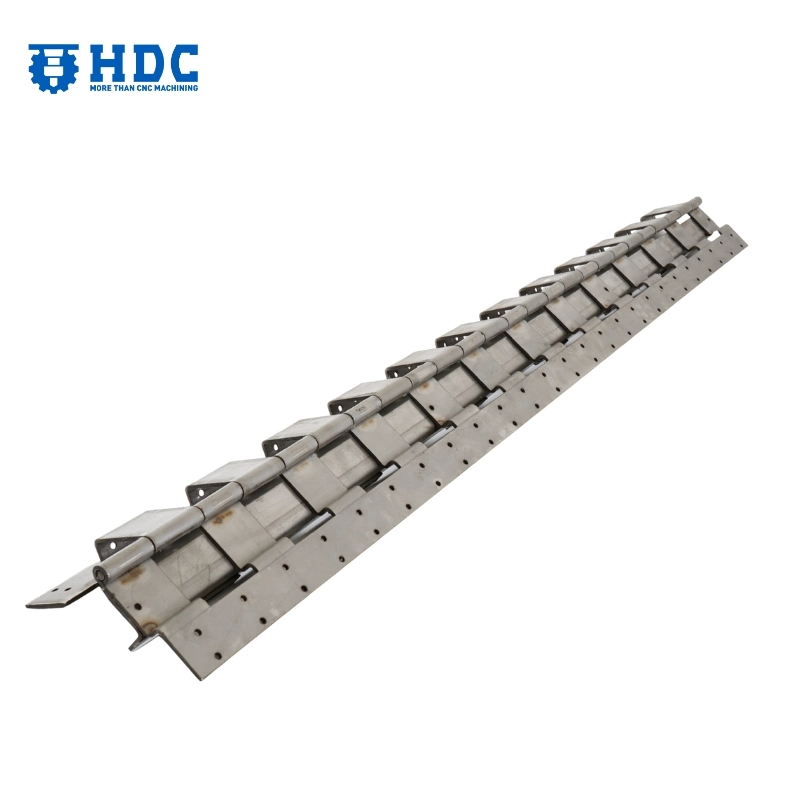
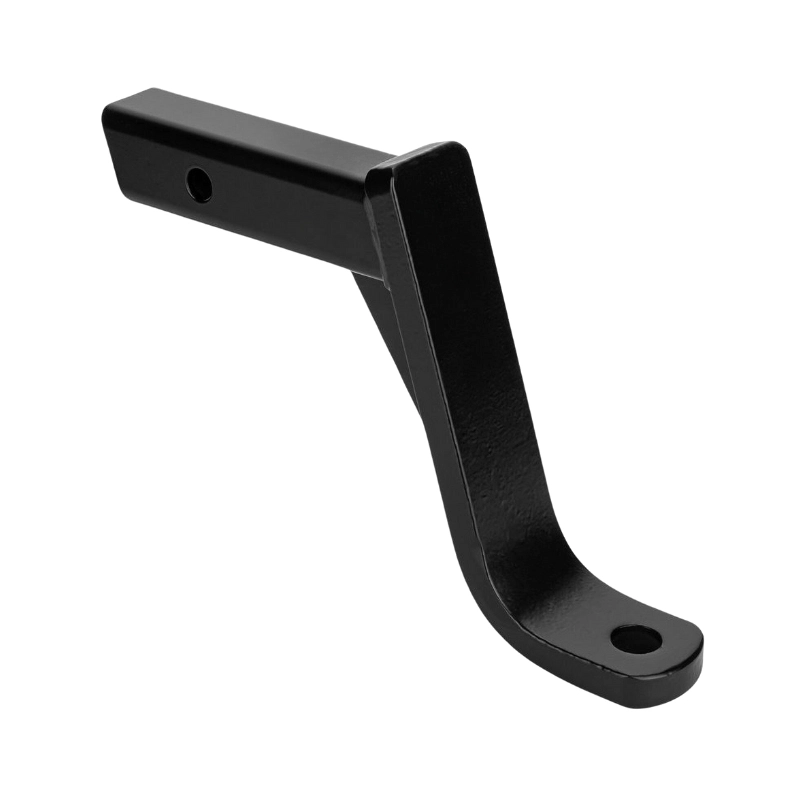
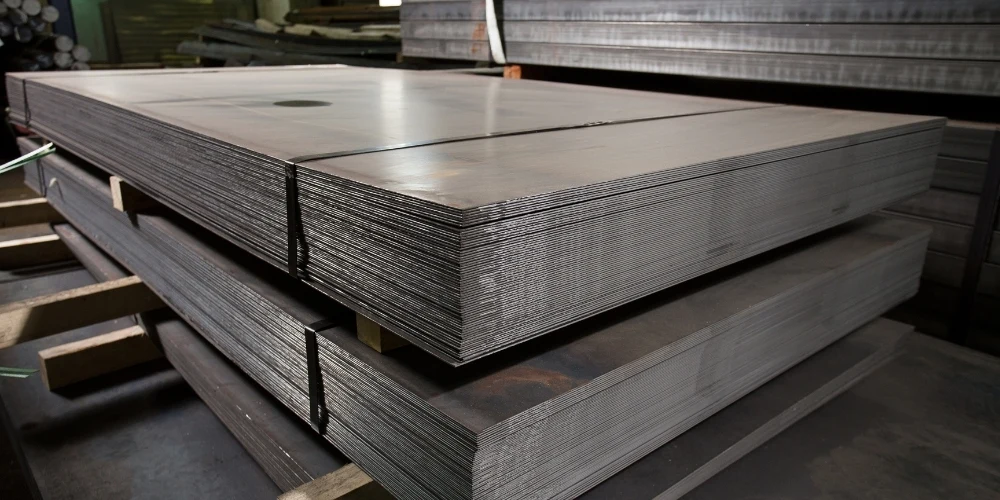
HDC Manufacturing has over a decade of experience in the custom metal components field. We possess precision 4-axis and 5-axis machine tools, automated CNC machining centers, and a professional design and production team. We can provide you with various machining processes, including CNC milling, CNC turning, laser cutting, metal casting, and more, to craft your Stainless Steel 201 material components to perfection, tailored to your specific requirements.
Aperçu
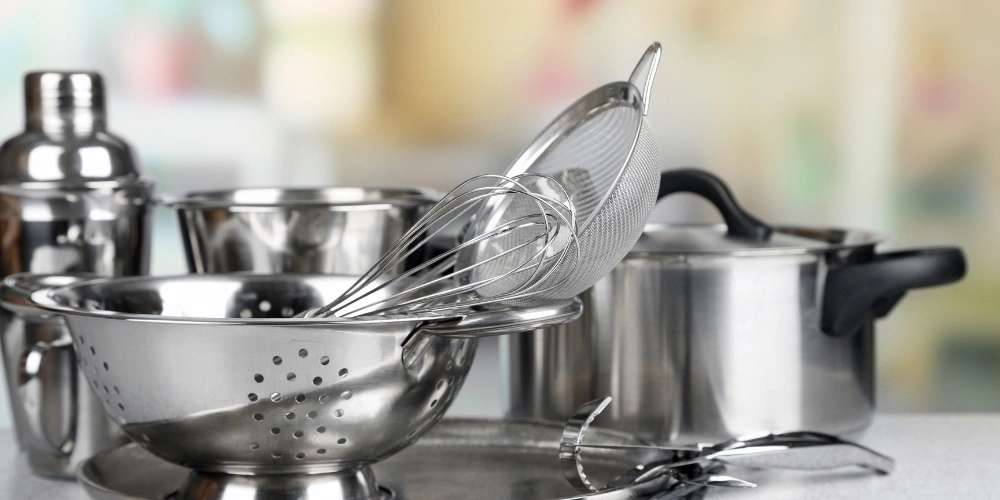
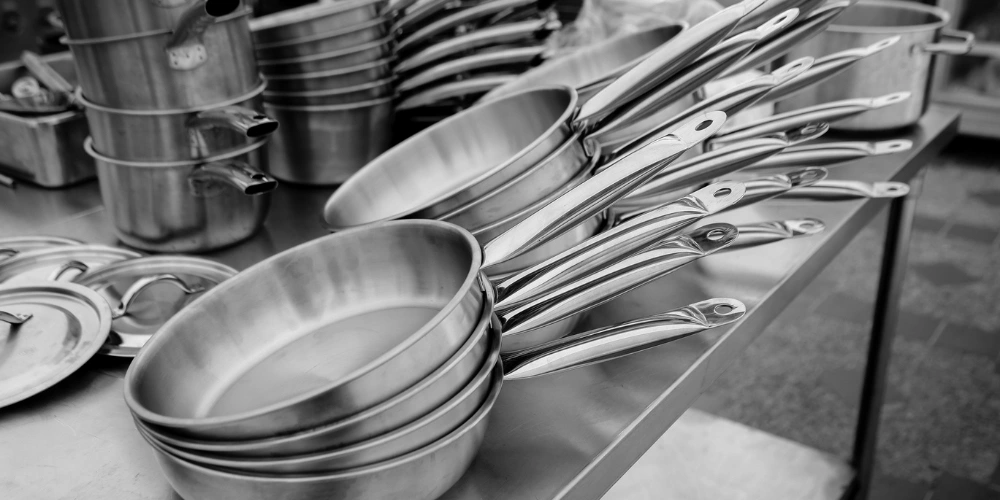
L'acier inoxydable 201 est une alternative économique avec une résistance raisonnable à la corrosion. Sa composition comprend du fer, du chrome et du nickel, mais avec des niveaux de chrome et de nickel inférieurs à ceux d'autres nuances d'acier inoxydable comme le 304, ce qui entraîne une résistance réduite à la corrosion. Cet acier est magnétique, économique et polyvalent. Il convient parfaitement aux applications intérieures, telles que les ustensiles de cuisine, les appareils électroménagers et les systèmes d'échappement automobiles, où le coût est un facteur clé. Bien qu'il ne soit pas adapté aux environnements hautement corrosifs, sa formabilité et sa soudabilité le rendent précieux pour diverses applications soucieuses des coûts.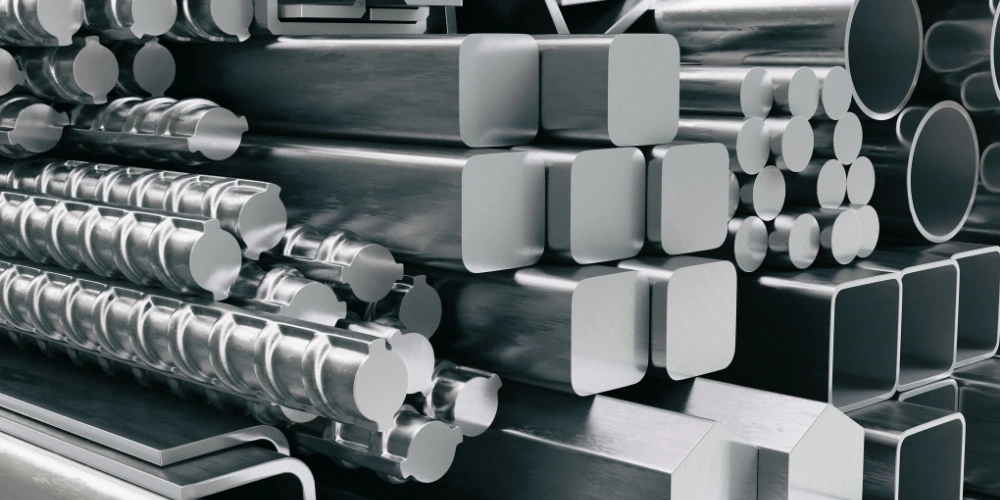
Qu'est-ce que l'acier inoxydable 201 ?
Stainless Steel 201 is an austenitic stainless steel alloy with nominal composition containing 18-20% of Cr element, and which demonstrates an acceptable corrosion resistance, good formability, as well as economic consideration. Consisting of Cr, Ni, Mn, and N, this grade has a good corrosion resistance suitable for much use, yet not as high as those in premium grades, such as 304 and 316. Its high shapeability makes it a good alternative to both welding and joinery in diverse industries including construction, automotive, kitchens and appliances manufacture. Nevertheless, duplex stainless steels are not suitable for extremely corrosive environments that calls for specialized stainless steels of higher grade.
Why is This Type of Stainless Steel Named 201?
L'acier inoxydable 201 est nommé ainsi en raison de sa classification dans le système de qualité de l'American Iron and Steel Institute (AISI). Les aciers inoxydables de la « série 200 » sont un sous-ensemble des aciers inoxydables austénitiques, et au sein de cette série, l'acier inoxydable 201 est spécifiquement identifié par le numéro « 201 ». Cette désignation numérique sert à le différencier des autres alliages d'acier inoxydable et indique sa composition chimique et ses propriétés spécifiques.
What is the Basis for Grading Stainless Steel?
L'acier inoxydable est classé en fonction de sa composition chimique, de sa microstructure et de ses propriétés physiques, avec des éléments clés tels que le chrome, le nickel, le carbone et divers éléments d'alliage comme le manganèse et le molybdène. La teneur en chrome, cruciale pour la résistance à la corrosion, doit être d'au moins 10,5% pour la désignation de l'acier inoxydable. Le nickel améliore la résistance à la corrosion et ajoute de la solidité, tandis que le carbone affecte la résistance et la dureté. Différentes séries comme la « série 200 », la « série 300 » et la « série 400 » classent les nuances d'acier inoxydable en fonction de leurs propriétés. Les organismes de normalisation internationaux comme l'ASTM et l'ISO fournissent des systèmes de classification et des spécifications normalisés pour les nuances d'acier inoxydable, facilitant ainsi leur utilisation dans diverses industries et applications.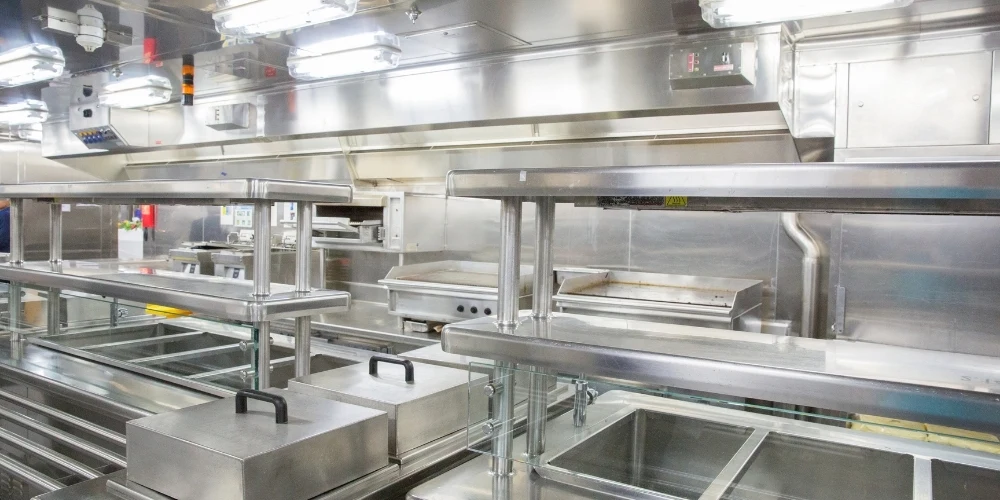
What are the Grades of Stainless Steel?
The stainless steel grades are categorized into various series such as austenitic (300 grade), ferritic (400 grade), martensitic, duplex, and precipitation hardening stainless steels. Austenitic stainless steels like 304 and 316 provide excellent corrosion resistance and formability, while the ferritic grades such as 430 have magnetism with great corrosion resistance. The martensitic steels such as 410 have enhanced strength yet lower corrosion resistance. Duplex families of stainless steels such as 2205 have strength and excellent corrosion resistance because they are a blend of different microstructures. The hardening grades of 17-4 PH type can be heat treated to achieve the high tensile strength. These different grades have a number of properties suitable for use in different industries and they are structural, corrosion resistant, wear resistant, and can be easily worked with.
Composition chimique de l'acier inoxydable 201
Élément | Contenu (%) |
Fer, Fe | 72 |
| Chrome, Cr | 16,0 – 18,0 |
Manganèse, Mn | 5,50 – 7,50 |
| Nickel, Ni | 3,50 – 5,50 |
Silicium, Si | 1.0 |
| Azote, N | 0.25 |
Carbone, C | 0.15 |
L'influence de divers éléments sur les propriétés de l'acier inoxydable 201
The characteristics of Stainless Steel 201 are dependent on the alloying elements such as chromium which confers corrosion resistance, nickel for ductility and toughness and manganese for strength. Nitrogen critical for strengthening by its presence in a material as an alloying element. Carbon, on its own, affects hardness and strength, while silicon is a scaling and oxidation resistance rising temperature ally. Yet, other minor elements like sulfur, phosphorus, and copper can be effectively used for some other purposes. 201 grade of Stainless Steel has moderate corrosion resistance, fairly good formability and mechanical properties ideally suited for different applications, where no need for more expensive stainless steels exists.
Propriétés physiques de l'acier inoxydable 201
Propriétés | Métrique | Impérial |
Densité | 7,86 g/cm3 | 0,284 lb/po³ |
Propriétés mécaniques de l'acier inoxydable 201
Propriétés | Métrique | Impérial |
| Résistance à la traction (transversale à température ambiante) | 685 MPa | 99 400 livres par pouce carré |
Résistance à la traction (longitudinale à température ambiante) | 696 MPa | 101 000 livres par pouce carré |
| Limite d'élasticité (transversale à température ambiante) | 292 MPa | 42 400 livres par pouce carré |
Limite d'élasticité (longitudinale à température ambiante) | 301 MPa | 43 700 livres par pouce carré |
| Limite d'élasticité à la compression | 365 MPa | 52900 livres par pouce carré |
Module d'élasticité | 197 GPa | 28573 ksi |
| Coefficient de Poisson | 0.27-0.30 | 0.27-0.30 |
Allongement à la rupture (longitudinal à température ambiante) | 56% | 56% |
| Allongement à la rupture (transversal à température ambiante) | 62.50% | 62.50% |
Dureté, Rockwell B (transversale à température ambiante) | 85 | 85 |
| Dureté, Rockwell B (longitudinale à température ambiante) | 85 | 85 |
Propriétés thermiques de l'acier inoxydable 201
Propriétés | Métrique | Impérial |
| Coefficient de dilatation thermique (@ 20-100°C/68-212°F) | 16,6 µm/m°C | 9,22 µpo/po°F |
Conductivité thermique (@ 100°C/212°F) | 16,3 W/mK | 113 BTU po/h.pi².°F |
Défis rencontrés dans le traitement de l'acier inoxydable 201
The processing stainless steel 201 is complicated by its lower corrosion resistance, propensity for rapid cold working induced work hardening and lower machinability compared to other stainless steels. Meeting the surface finish and the formability requirements while also maintaining the economics of the materials is another point of concern. Additionally, weldability needs a correct sequence of preheating and post-weld heat treatment. Moreover, compatibility to certain environments should be evaluated in advance. Although cheap option, consideration of material properties, processing techniques, and quality control measures affect the production and must be addressed carefully.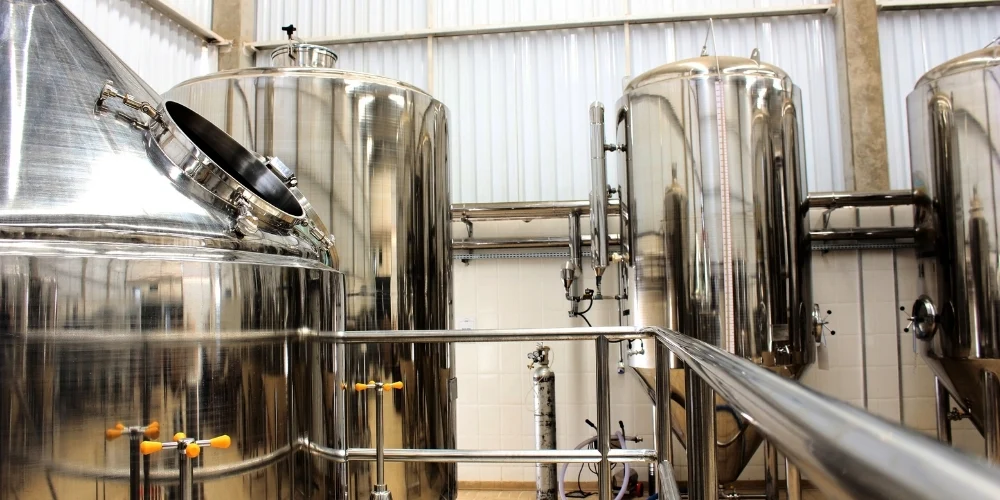
Applications de l'acier inoxydable 201
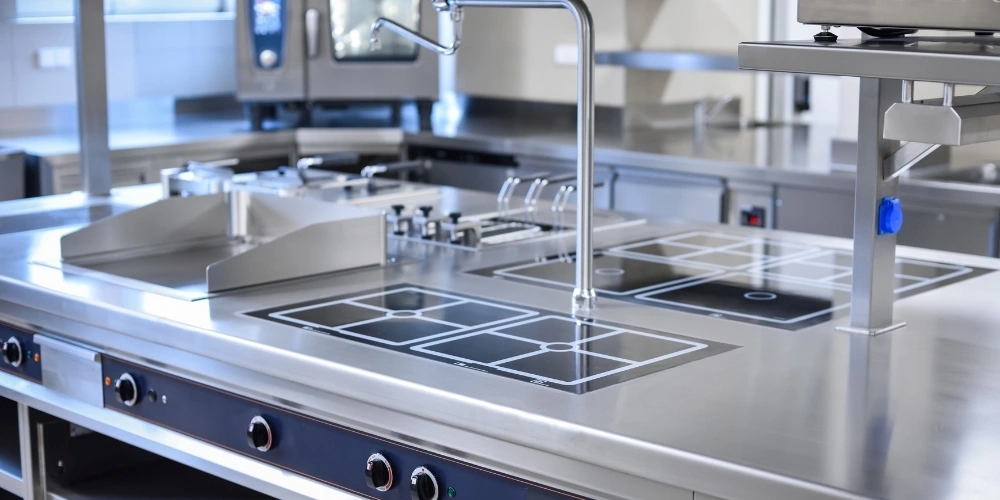
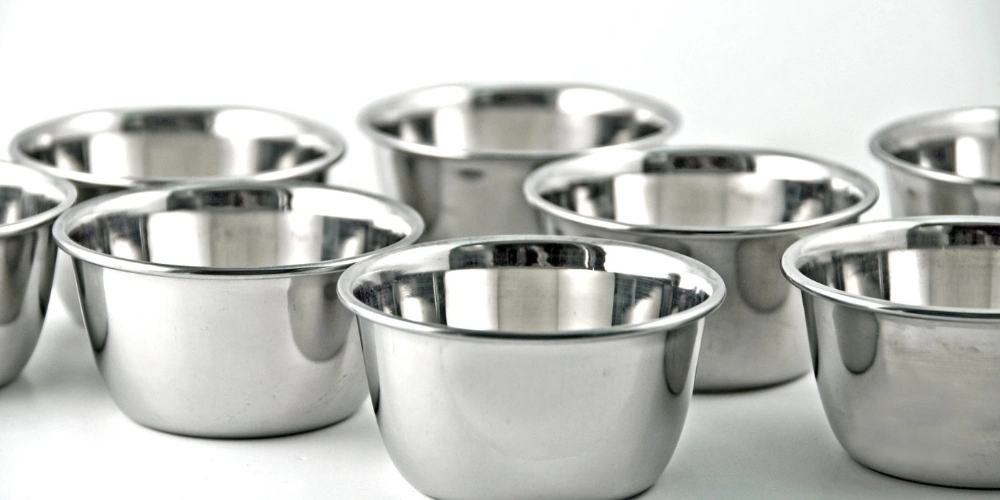
Stainless steel 201 is used in different spheres thanks to its certain properties. It is a very popular material in kitchenware and kitchen appliances because of its good corrosion resistance properties and low cost, which makes it suitable for the food preparation processes. Furthermore, it is applied in the automotive components’ manufacturing including the exhaust systems and trim where the corrosion resistance and aesthetic appearance are considered. In the construction, stainless steel 201 is applied for decorative purposes and architectural trim and for structural elements, where corrosion resistance sufficiently. Along with that, its affordability permits its versatility, i.e., multiple fabrication purposes like shelves, furniture, and signage. Nonetheless, the limited use of these materials is seen in water-based or highly caustic environments where, compared to high-grade stainless steels, their serviceability is limited.
Matériaux équivalents à l'acier inoxydable 201
EUEN | ETATS-UNIS- | JaponJIS | FranceAFNOR |
| X12CrMnNiN17-7-5 (1,4372) | 201 | SUS201 | Z12CMN17-07Az |