Aperçu
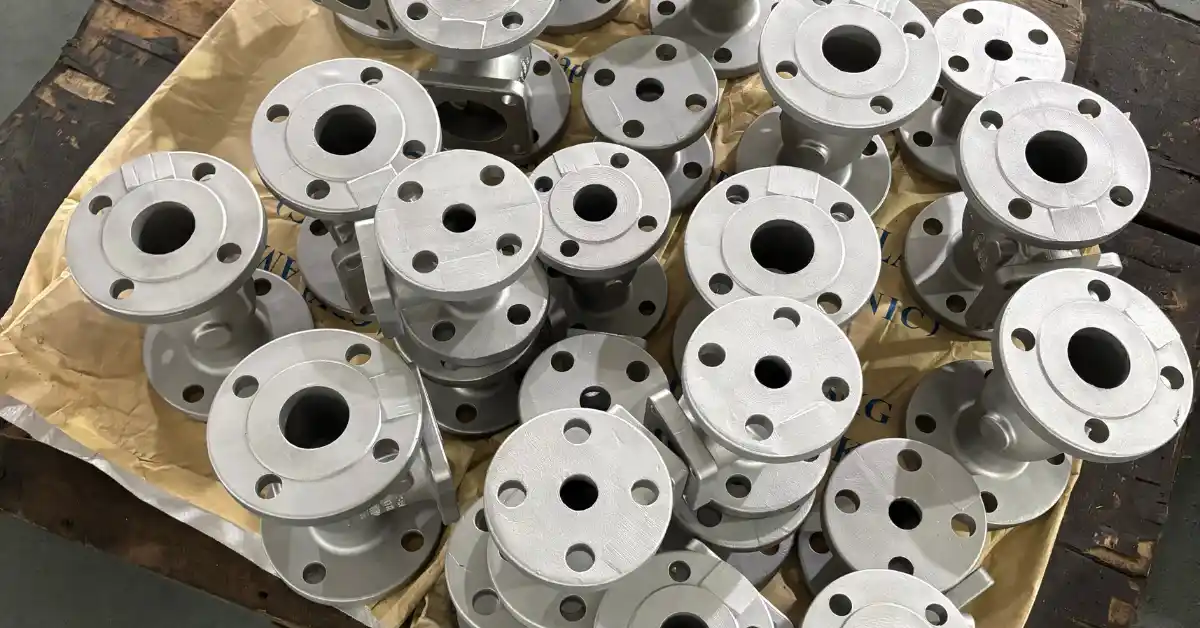
HDC Manufacturing, spécialiste des composants métalliques sur mesure, bénéficie d'un savoir-faire exceptionnel acquis depuis plus de dix ans. Notre engagement envers l'excellence se traduit par un équipement de production de pointe, comprenant des centres d'usinage 4 et 5 axes, ainsi que des instruments de contrôle de dernière génération tels que des machines à mesurer tridimensionnelles. L'expertise de HDC Manufacturing s'étend à un large éventail de techniques de fabrication, notamment : Usinage CNC, fonderie, forger, découpe au laser, et emboutissage de métal, renforçant ainsi notre position de leader en matière de solutions métalliques sur mesure.
L'aluminium 6061 offre une durabilité inégalée, une résistance exceptionnelle à la corrosion et une soudabilité hors pair. HDC Manufacturing usine l'aluminium depuis des années, et l'alliage 6061 est l'un des matériaux les plus courants et les plus utilisés que nous travaillons quotidiennement. Il est largement employé dans de nombreux secteurs, tels que l'automobile, le nautisme, l'électronique, la tuyauterie et l'aéronautique.
Au sein de HDC Manufacturing, notre équipe d'experts met à profit son savoir-faire étendu pour garantir une précision optimale dans l'usinage de l'aluminium 6061. Qu'il s'agisse de composants complexes ou de production à grande échelle, HDC Manufacturing allie harmonieusement expertise et créativité pour non seulement répondre à vos attentes, mais les surpasser. Découvrez le vaste potentiel de l'aluminium 6061 avec HDC, où compétence et ingéniosité se conjuguent pour concevoir des solutions métalliques personnalisées, parfaitement adaptées à vos besoins spécifiques.
Qu'est-ce que l'aluminium 6061 ?
L'alliage d'aluminium 6061 fait partie des alliages les plus utilisés, reconnu pour sa polyvalence, ses excellentes propriétés mécaniques et son large éventail d'applications. Il appartient à la famille des alliages d'aluminium 6000, dont les principaux éléments d'alliage sont le magnésium et le silicium. L'alliage d'aluminium 6061 contient généralement environ 11 % de magnésium et 0,61 % de silicium. Il contient également des traces d'éléments mineurs. Cet alliage offre un bon équilibre entre résistance, formabilité, soudabilité et résistance à la corrosion, ce qui en fait un matériau polyvalent pour de nombreuses applications industrielles. L'aluminium 6061 est principalement utilisé pour la fabrication de composants structuraux, d'extrusions architecturales, de pièces automobiles, de composants aérospatiaux et de produits de consommation. Il est principalement usiné, extrudé, soudé ou forgé pour obtenir les caractéristiques, formes, dimensions et fonctions requises. De manière générale, l'aluminium 6061 est apprécié pour sa flexibilité, ses performances et son prix abordable, ce qui lui vaut une excellente réputation dans de nombreux secteurs industriels.
Quels sont les avantages de l’aluminium 6061 ?
L'aluminium 6061 présente un rapport résistance/poids élevé, une excellente formabilité, une bonne soudabilité et une grande résistance à la corrosion, ce qui le rend utilisable dans de nombreuses applications. Ce matériau se prête facilement à la modification et à la mise en œuvre. Son coût de production relativement faible le rend particulièrement attractif. Ainsi, l'aluminium 6061 offre un équilibre optimal entre ses propriétés et ses performances, et est largement utilisé dans différents secteurs.
Composition chimique de l'aluminium 6061
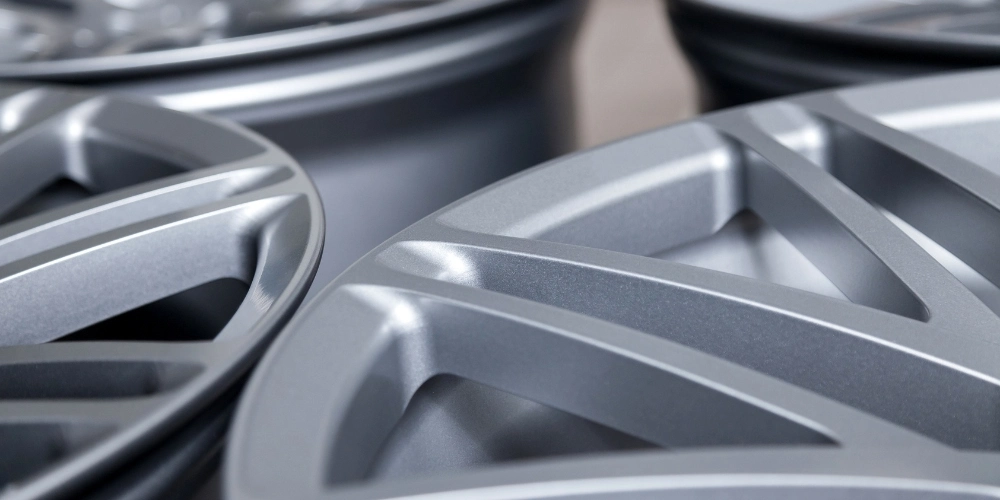
Élément chimique | % Présent |
Manganèse (Mn) | 0,0 – 0,15 |
Fer (Fe) | 0,0 – 0,70 |
Magnésium (Mg) | 0,80 – 1,20 |
Silicium (Si) | 0,40 – 0,80 |
Cuivre (Cu) | 0,15 – 0,40 |
Zinc (Zn) | 0,0 – 0,25 |
Titane (Ti) | 0,0 – 0,15 |
Chrome (Cr) | 0,04 – 0,35 |
Autre (chacun) | 0,0 – 0,05 |
Autres (Total) | 0,0 – 0,15 |
Aluminium (Al) | Solde |
L'influence de diverses compositions chimiques sur les propriétés de l'aluminium 6061
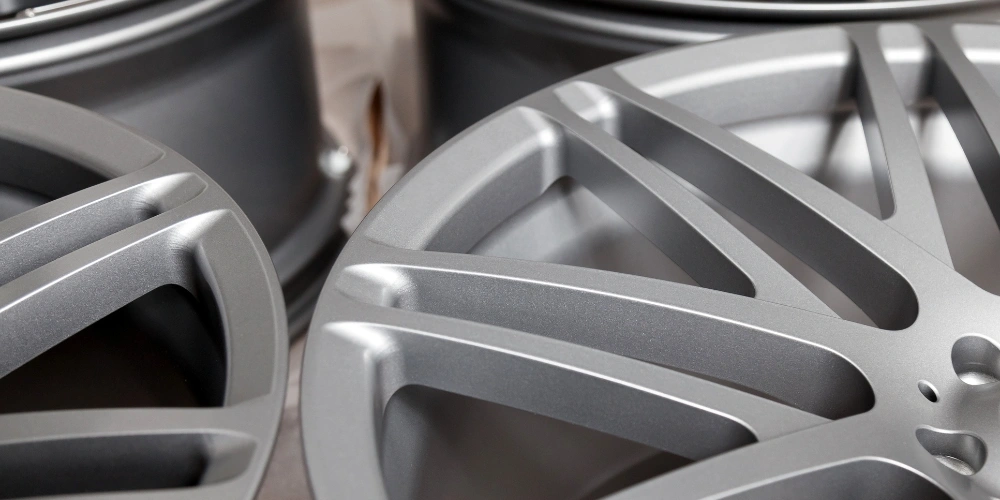
La composition chimique de l'aluminium 6061 est déterminante pour ses propriétés, principalement influencées par les teneurs en magnésium, silicium, cuivre, zinc et autres oligo-éléments. Le magnésium renforce la résistance, mais sa quantité est négligeable en ce qui concerne la formabilité et la résistance à la fissuration par corrosion sous contrainte. L'ajout de silicium améliore la résistance, la résistance à la corrosion et la coulabilité, tandis que le cuivre contribue à la résistance et à la résistance à la corrosion, bien qu'une teneur élevée diminue la ductilité et l'usinabilité de la pièce métallique. Le zinc peut renforcer la résistance, mais il peut réduire la résistance à la corrosion et provoquer des fissures importantes lors du soudage. De même, le chrome, le manganèse et le fer, présents à l'état de traces, influent sur la résistance mécanique, la résistance à la corrosion et l'usinabilité. La possibilité de contrôler précisément ces propriétés afin d'obtenir les combinaisons souhaitées pour des applications spécifiques est essentielle, notamment en ce qui concerne la résistance, la formabilité, la soudabilité et la résistance à la corrosion.
Propriétés mécaniques de l'aluminium 6061

Propriétés | Métrique | Impérial |
Résistance à la traction | 310 MPa | 45000 psi |
Limite d'élasticité | 276 MPa | 40000 psi |
Résistance au cisaillement | 207 MPa | 30000 psi |
Résistance à la fatigue | 96,5 MPa | 14000 psi |
Module d'élasticité | 68,9 GPa | 10000 ksi |
Coefficient de Poisson | 0.33 | 0.33 |
Élongation | 12-17% | 12-17% |
Dureté, Brinell | 95 | 95 |
Caractéristiques de l'aluminium 6061
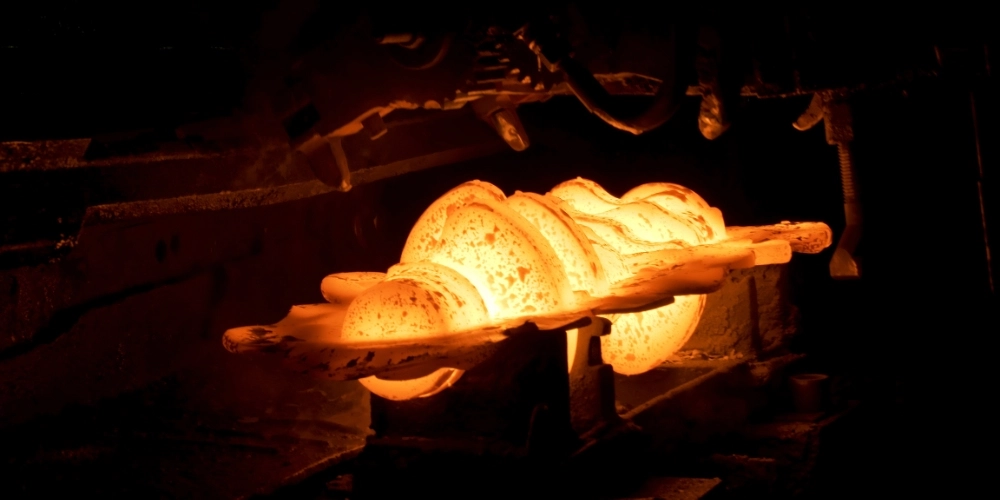
CARACTÈRE | Limite d'élasticité | Résistance à la traction ultime | Module d'élasticité | Dureté Brinell (500kg/10mm) |
Non trempé | 11 | 19 | 10,000 | 30 |
T6, T651, T6511 | 40 | 45 | 10,000 | 95 |
Propriétés physiques de l'aluminium 6061
Résistance à la corrosion | Haute |
Magnétisme | Non magnétique |
Soudabilité | Haute |
Matériaux équivalents à l'aluminium 6061

| NOUS | Union européenne | ISO | Japon | Chine | |||||||
| Standard | Grade (UNS) | Norme SAE AMS | Noter | Standard | Numérique (symboles chimiques) | Standard | Noter | Standard | Noter | Standard | Noter |
| AA;ASTM B209; ASTM B211 ; ASTM B221 ; ASTM B210 ; ASTM B308/B308M ; ASTM B241/B241M | 6061 (UNS A96061) | SAE AMS 4025 ;SAE AMS 4026 ; SAE AMS 4027 ; SAE AMS 4117 | 6061 | EN 573-3 | EN AW-6061(EN AW-AlMg1SiCu) | ISO 209 | AW-6061 | JIS H4000; JIS H4040 | 6061 | GB/T 3880.2GB/T 3190 | 6061 |
Quels alliages d'aluminium ont des propriétés similaires à l'aluminium 6061 ?
Plusieurs alliages d'aluminium possèdent des propriétés quasi identiques à celles de l'aluminium 6061, ce qui les rend adaptés à de nombreuses applications. Les alliages 6063 et 6082 présentent des aptitudes au pliage, à la soudabilité et à la corrosion presque similaires. Cependant, le 6063 est privilégié dans le secteur de la construction, tandis que le 6082 est principalement utilisé dans l'industrie automobile. L'aluminium 7075 offre un meilleur rapport résistance/poids que les autres alliages structuraux ; résistant à la corrosion et formable, il est couramment utilisé, entre autres, dans l'aérospatiale et les structures de haute performance. Les aluminiums 5052 et 5083 présentent une bonne formabilité et une bonne résistance à la corrosion. Le 5052 est plus largement utilisé dans les applications marines et de transformation, tandis que le 5083 offre une excellente résistance à la corrosion en milieu marin. Ces alliages présentent des propriétés physiques proches de celles de l'alliage 6061 ; leurs propriétés générales ne sont donc pas fixes et sont adaptées à chaque application.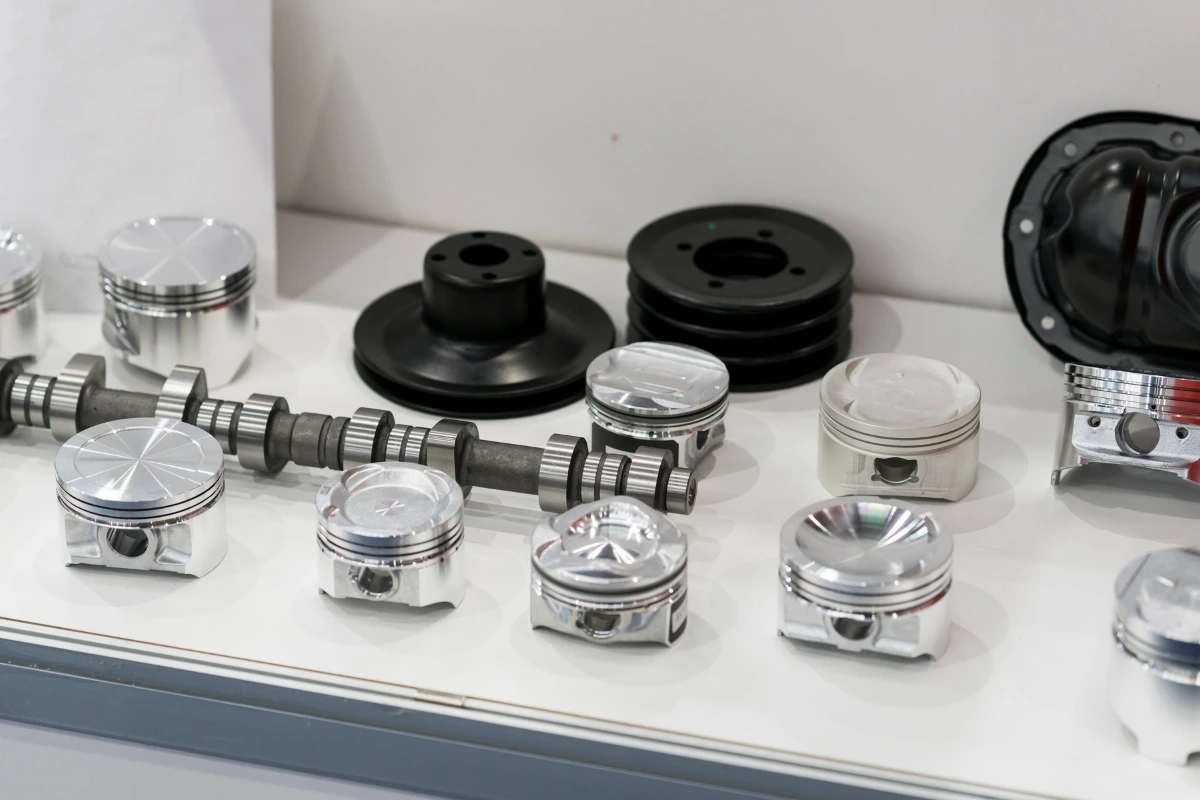
Limites de l'aluminium 6061
L'aluminium 6061 présente de nombreux avantages, tels qu'une résistance élevée, une bonne soudabilité et une bonne aptitude au traitement thermique, mais aussi des inconvénients. Sa résistance peut être inférieure à celle d'autres alliages, son aptitude au traitement thermique est moins bonne que celle de certains alliages comme l'aluminium 7075, et le soudage peut s'avérer problématique (par exemple, fissuration à chaud). L'obtention d'une finition de surface de haute qualité exige davantage d'efforts, et le coût peut, dans certains cas, justifier le choix d'autres matériaux. La connaissance de ces limitations est essentielle pour évaluer correctement l'adéquation de l'aluminium 6061 aux différentes situations, en tenant compte des exigences de résistance, de qualité de soudure, de finition de surface et de rentabilité.
Les défis du traitement de l'aluminium 6061
L'usinage de l'alliage d'aluminium 6061 présente des difficultés, notamment la fatigue du métal, qui entraîne une baisse des performances et une qualité de surface inférieure des pièces traitées. Le choix judicieux des paramètres de coupe et des méthodes de refroidissement est déterminant. Des techniques avancées de contrôle des copeaux et l'utilisation d'outils en carbure de haute qualité permettent d'éliminer les problèmes tels que les copeaux longs et les arêtes rapportées. L'abrasivité de l'aluminium 6061 provoque une usure plus fréquente des outils, ce qui nécessite leur remplacement régulier et augmente les coûts de production. Un choix judicieux des outils et des paramètres permet de réaliser des économies. Enfin, une conductivité thermique élevée et un maintien précis des pièces sont indispensables pour obtenir des pièces de haute précision. L'usinage efficace de l'alliage d'aluminium 6061 repose sur une utilisation appropriée des outils, un réglage précis de la machine, l'optimisation des paramètres et une application correcte du fluide de coupe.
Applications de l'aluminium 6061
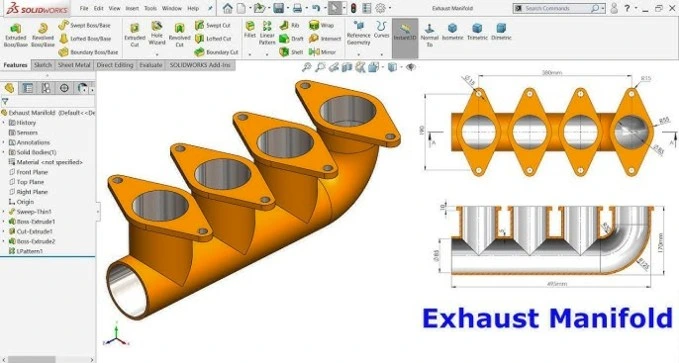
L'aluminium 6061, connu pour son excellent rapport résistance/poids et ses propriétés polyvalentes, trouve des applications répandues dans diverses industries. Des composants automobiles aux technologies aérospatiales, des dispositifs médicaux aux produits personnalisés, l’adaptabilité de l’aluminium 6061 en fait un matériau privilégié.
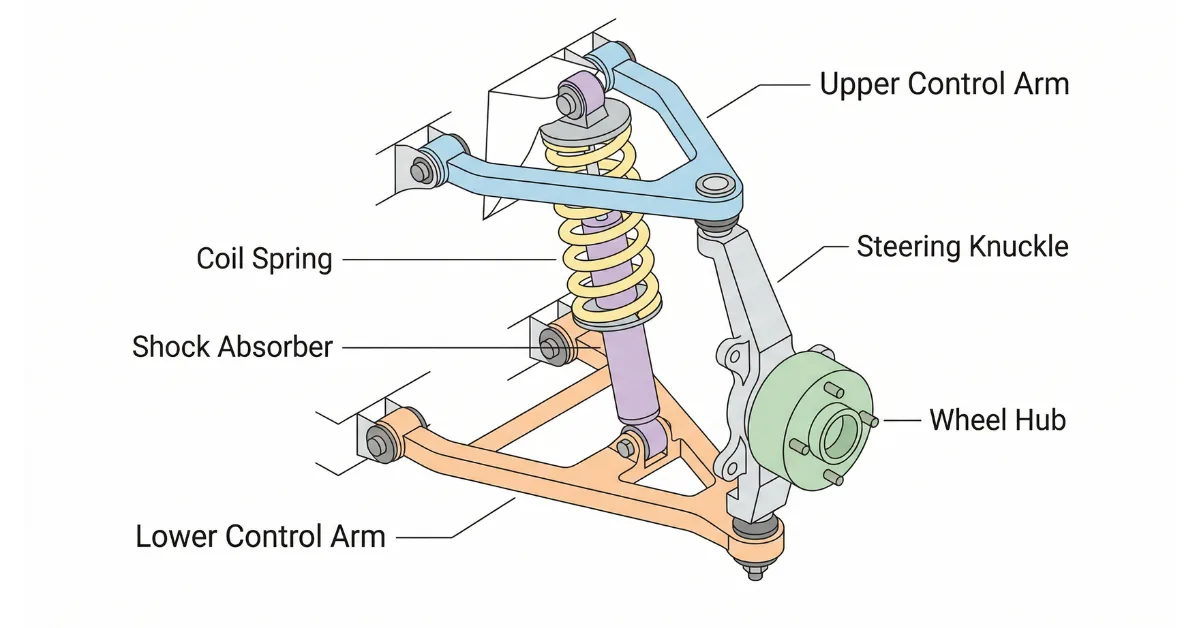
- Automobile: Bloquer la garde, Couvre-soupapes, roues, Pommeau de levier de vitesse
- Aérospatial
- Composants médicaux
- Produits personnalisés: Charnières à souder, Charnières à piano, Charnières à barillet, Charnières à puce, Pièces BMX personnalisées
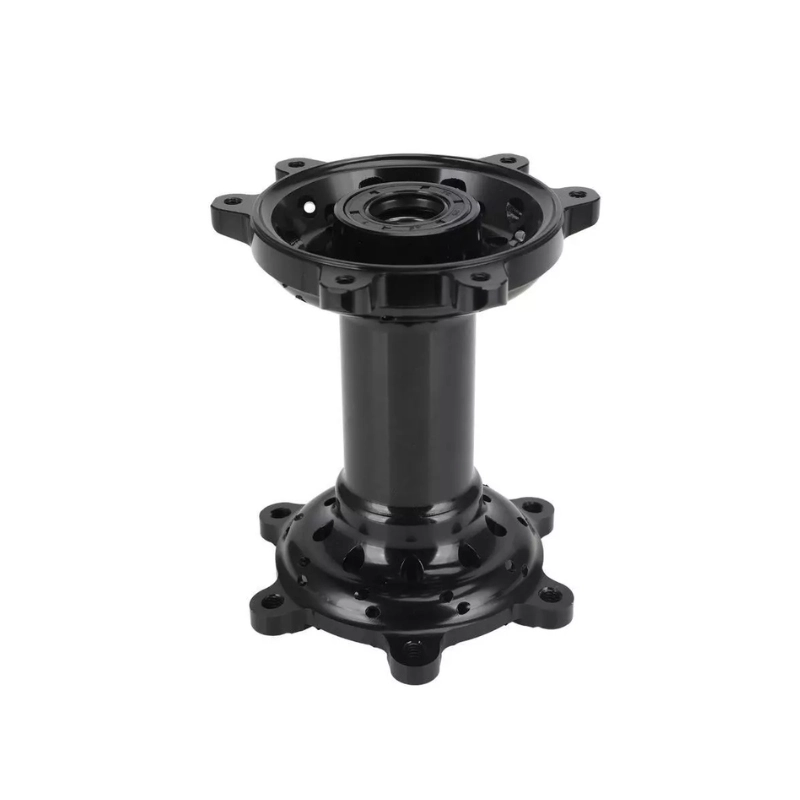
- Moto: Pince triple, Roues en billettes, Jeu de roues de motocross, Moyeux de roue
- Bande-annonce: Kit de réparation de coupleur, Loquet à goupille à ressort, Pièces d'accouplement, Cric de remorque, Rampe de remorque
- Vélo: Potence de vélo, Plateau, Moyeux de vélo, Pédales de vélo, Pédalier
- Kart: Pignons, Rondelles et entretoises, Roulements, Volants, Jantes