Your car feels comfortable and stable when you are driving on a smooth road. The vehicle will remain balanced even when you hit the bumps or potholes. This occurs due to the car suspension system.
The suspension system maintains the car weight and road shocks as well as keeps the tires attached to the road. Without it, it would be very rugged and insecure when driving.
Most automobile drivers emphasize engines, tires and brakes, yet the suspension is equally significant in this case. They enhance car handling, safety, and comfort. In case of the wearing out of these components, the car can bounce, shake or be incapable of control.
This guide will inform you about the finest car suspension parts, their functionality, and the manner in which they contribute to the overall car performance.
What is a Car Suspension System?
Definition of a Suspension System
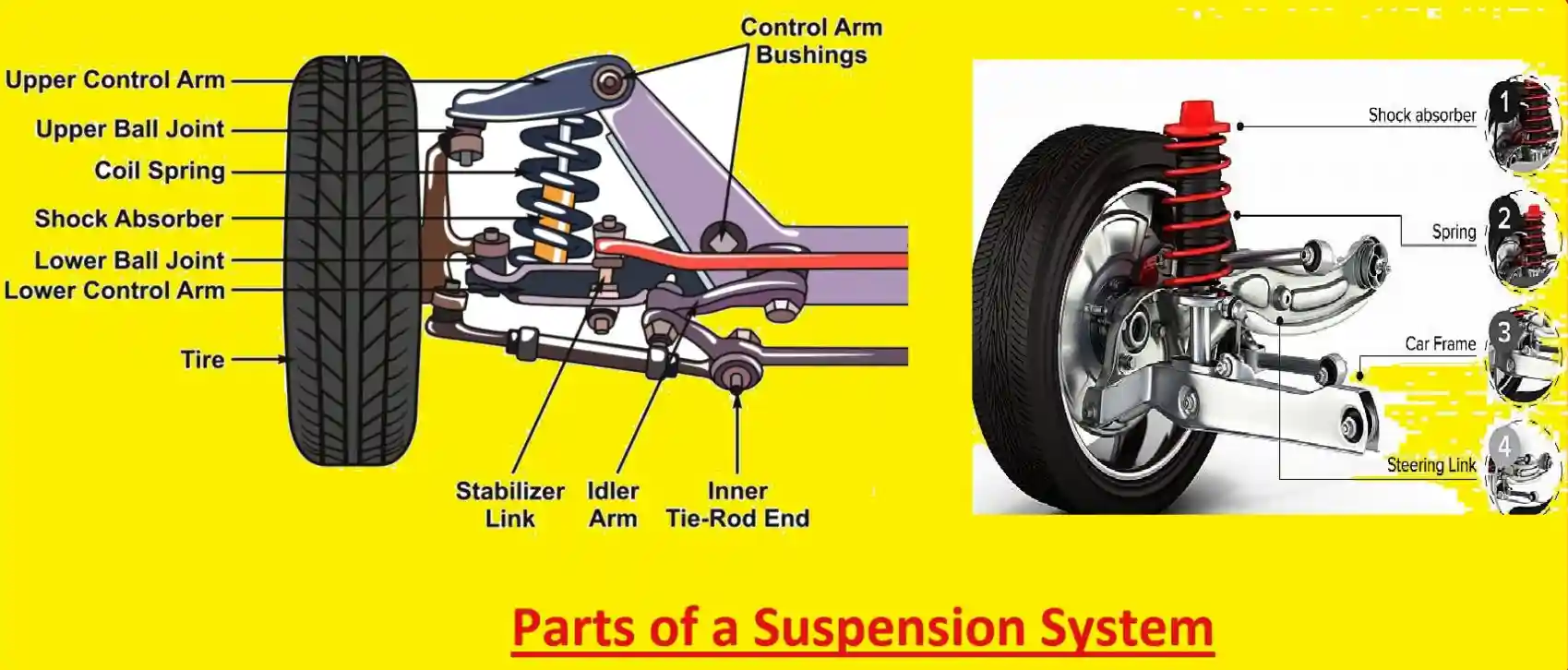
UN vehicle suspension system in its simplest form is a complex system of linkages, shocks and springs. It is the connectivity between your car’s frame and the wheels. In the absence of it, it would make your car a hard metal box welded to the axles and a very tiny pebble would seem like a rock the size of Jupiter.
How a Suspension System Works
This system operates through force control. When you pass over a bump, the suspension parts will raise up to absorb this energy before it is passed to the cabin.
- Absorbs Shocks: It helps to reduce the effect of rough roads.
- Tire Contact: Presses the wheels down so that the rubber ensures that it is well attached to the pavement.
- Balance: It maintains the level of the car, which is not overturned when you turn or nose-dives when you brake.
Why Suspension is Important for Car Performance
You need a stiff suspension in order to experience the tight and responsive feel of the car. It has a superior steering control since the wheels are not bouncing on the ground. It makes driving enjoyable since it eliminates vibrations and most importantly, it enhances safety. A predictable car is a stable car and a car that is predictable is far easier to drive safely.
Main Functions of Car Suspension les pièces
Absorbing Road Shocks
The main task is the management of energy. This is regardless of whether it is a speed bump or a gravel road; the suspension parts are compressed and expanded to absorb the energy such that the passengers do not feel it.
Improving Vehicle Stability
This is because when you round over a sharp corner, the centrifugal force would like to roll your car over. The suspension eliminates this body roll and makes the car flat and stable. This stability ensures that you can make maximum speeds when turning through turns.
Enhancing Driving Comfort
Nobody appreciates a rattling and shaking automobile. The use of suspension bushings and springs together helps to isolate the cabin from the roughness of the road. This minimizes the fatigue of the driver during long journeys.
Maintaining Tire Contact
This is the most crucial performance activity. The brakes and steering can work only when the tires are in contact with the ground. A good suspension will make sure that although on rough surfaces, the tires will be compressed as much as possible in order to be as tractional as possible.
Best Car Suspension Parts Explained
In order to have a clue on how to enhance your ride, you must be aware of the individual components in the suspension system. Each element plays a certain role. When all these components are put into place, your car remains balanced, comfortable and safe.
It is possible that a failure of any of the parts will render the whole suspension system inefficient. This is the reason why being informed about each part of the suspension will enable the drivers to know the way their car copes on the road.
It is time to discover the most significant aspects and features of car suspension parts and why they are important to the performance of a vehicle.
1. Shock Absorber
What Shock Absorber do
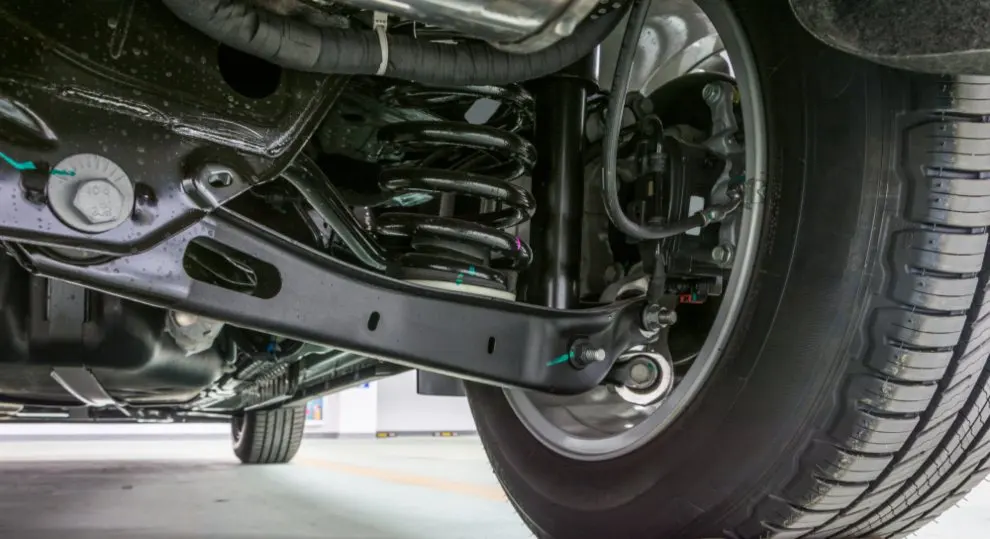
The first bump is not absorbed by the shock absorbers, as the name suggests. That is done by the springs first. The movement of the springs after the impact is controlled by the shock absorber.
There would be no shock absorbers in your car and then you would be bouncing up and down a few times after each crash. The experience would be wobbly and awkward.
Shock absorbers involve the use of hydraulic oil and pistons to decelerate the movements of the suspension and make the car stable.
How Shock Absorbers Improve Performance
Shock absorbers make your car able to control itself in various situations when driving.
The minimize unnecessary bouncing and assist in getting the tires in contact with the road. This enhances baking and steering control.
They also provide stability in the vehicle when getting past bumps on the road or when braking abruptly.
Key Features of Shock Absorbers
- Reducing bouncing after bumps.
- Improve tire grip on the road.
- Enhance the braking efficiency.
- Enhance more comfortable driving.
- Enhance high-speed stability.
Whenever possible, the signs of worm shock absorbers should be mentioned
Signs of Worn Shock Absorbers
The Bounce Test
In case you press the car hood and the car bounces more than once, the shocks could be of bad quality.
Nosediving
When you press the brakes, the front of the vehicle goes down.
Fluid Leaks
When oil leaks around the shock body, then the internal seal has been broken.
2. Suspension Springs
What Suspension Springs Are
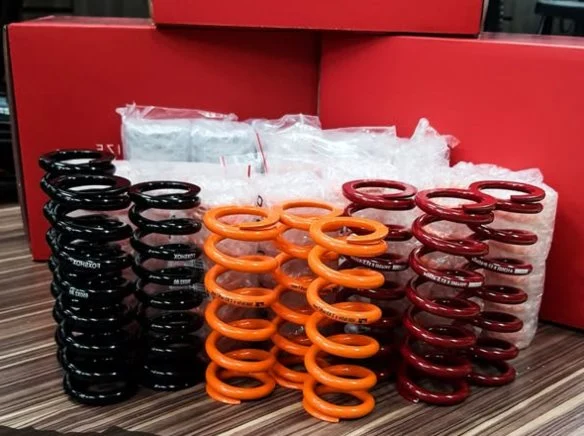
Springs are high-strength metal materials that bear the complete weight of the car. They maintain the ride height of the car and absorb the initial impact of hitting the bumps when the tires bump.
When the wheel goes up, the springs compress and when it goes back, the springs stretch so as to bring the vehicle to its normal condition.
Types of Suspension Springs
Coil Springs
These springs resemble huge coils of metal. Coil springs have been used in most of the modern passenger vehicles due to their compactness and efficiency.
Leaf Springs
A leaf spring is made of multiple layers of curved metals that are stacked to form the spring. They are used by trucks and heavy-duty vehicles for the reason that they carry heavy weight.
Torsion Springs
Torsion bars apply the twisting movement of steel bars to absorb the suspension motion. Certain SUVs as well as trucks have this system.
Air Springs
Air springs involve rubber bags that have compressed air. Air suspension is applied in many luxury cars, as it can be adjusted to the required height and provides added comfort.
Features of Suspension Springs
- Support the vehicle’s weight.
- Absorb large road impacts.
- Maintain proper ride height.
- Improve load capacity.
- Cooperate with shock absorbers to make driving easy.
How Springs Affect Car Ride Quality
The spring rigidity alters the driving experience of the car.
Soft springs will provide a smoother ride but will lower the amount of cornering. Stiff springs enhance control and make the ride stiffer.
The spring strength is selected with care by the manufacturers of cars to balance between comfort and performance.
3. Struts
What Struts Are
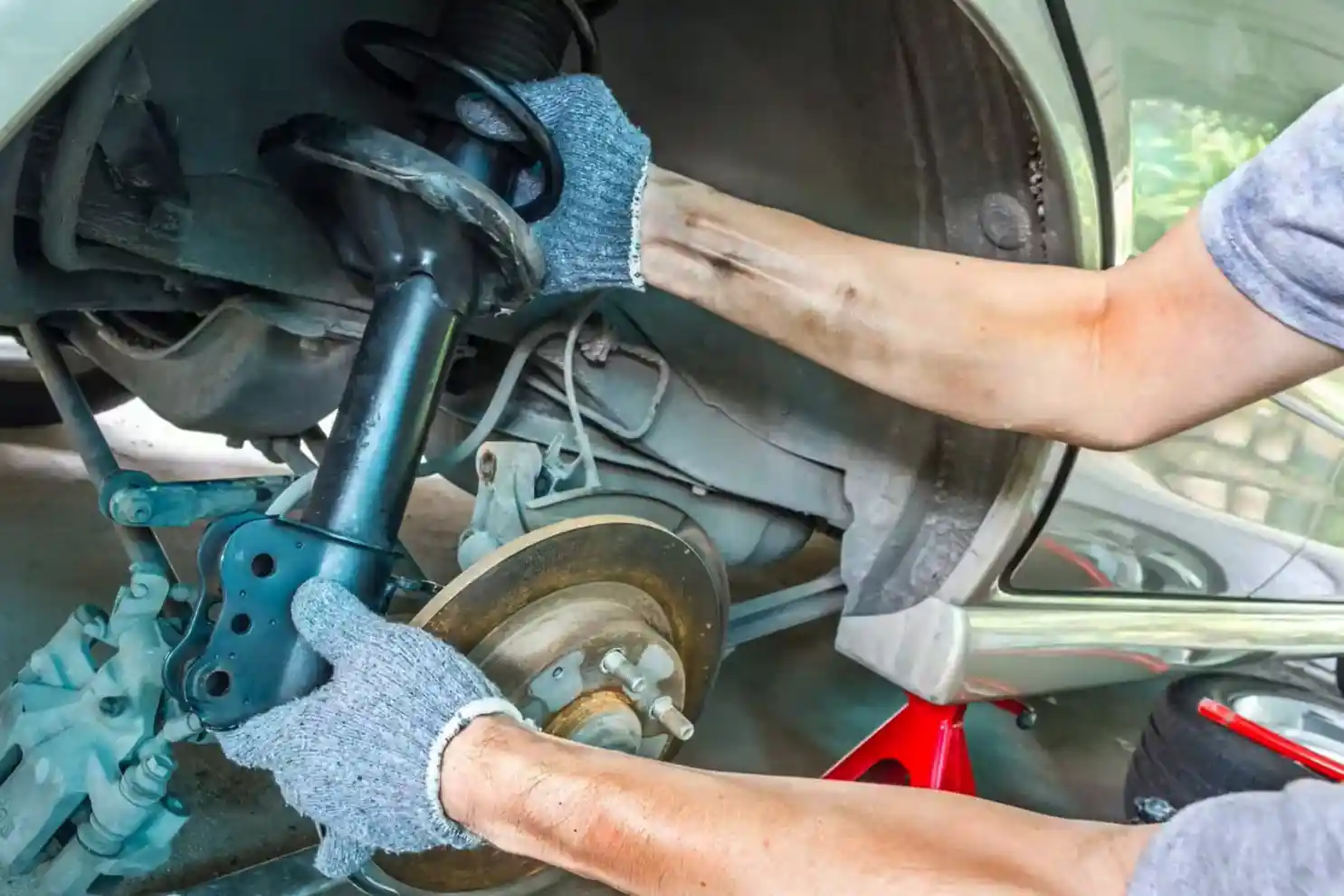
A strut is a structural support unit that has a shock absorber attached to it.
Most of the modern cars employ the use of struts rather than individual shocks and springs, as they help to save space and make the suspension design easier.
Role of Struts in Car Suspension
- Struts carry the body of the vehicle and they assist in maintaining the wheel alignment.
- They also absorb shock and restrain the motion of suspension just like shock absorbers.
- The struts, being structural elements, contribute largely to the stability of a vehicle.
Features of Struts
- Give the suspension system structural support.
- Maintain wheel alignment.
- Reduce vibration of suspension.
- Improve steering response.
- Space saving in miniature suspension.
Symptoms of Bad Struts
In case the steering is loose or the car leans heavily when turning, the struts may be deteriorated. Clunking noises may also be heard during the process of driving over rough roads.
4. Control Arms

What Control Arms Do
Control arms are used to attach the wheels and the vehicle frame. These will enable the wheels to swing up and down as well as maintaining them in the right position relative to the car body
Control arms are used as hinges, which makes wheels move freely around the bumps.
Upper vs Lower Control Arms
Several vehicles have two control arms to each wheel.
- Most of the vehicle’s weight is held on the lower control arm and it is attached to the wheel hub.
- The upper control arm aids in holding the wheel angle and contributes to the steering motion.
Features of Control Arms
- Link the suspension to the frame of the vehicle.
- Permission of controlled wheel movement.
- Maintain wheel alignment.
- Improve steering stability.
- Suspension geometry supports suspension geometry.
Signs of Worn Control Arms
A damaged control arm can give the steering some vibration or clunking noises during acceleration or braking.
5. Ball Joints
What Ball Joints Are
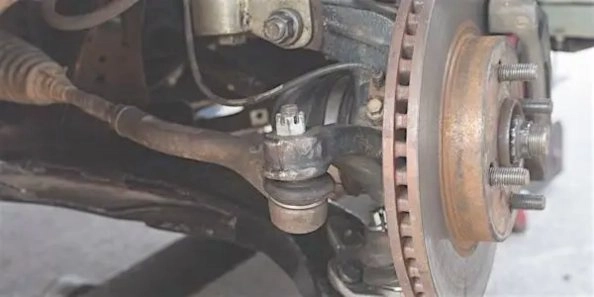
Ball joints are soft joints that permit motion of the suspension in a variety of directions.
Their shape is like a ball-and-socket joint, like the human shoulder.
Importance of Ball Joints
Control arms on the wheel hub are attached to ball joints. They enable wheels to go up and down as well as turn left and right to provide steering.
This movement assists the steering systems and the suspension systems to collaborate.
Features of Ball Joints
- Multidirectional movement of the wheels.
- Connect the steering system and suspension system.
- Enhance the ability to steer.
- Maintain wheel stability.
- Weight of support vehicles while driving.
Signs of Bad Ball Joints
Sloppy steering, clunkiness and irregular wear on tires tend to be a sign of deteriorated ball joints.
6. Sway Bars (Stabilizer Bars)
What a Sway Bars Does
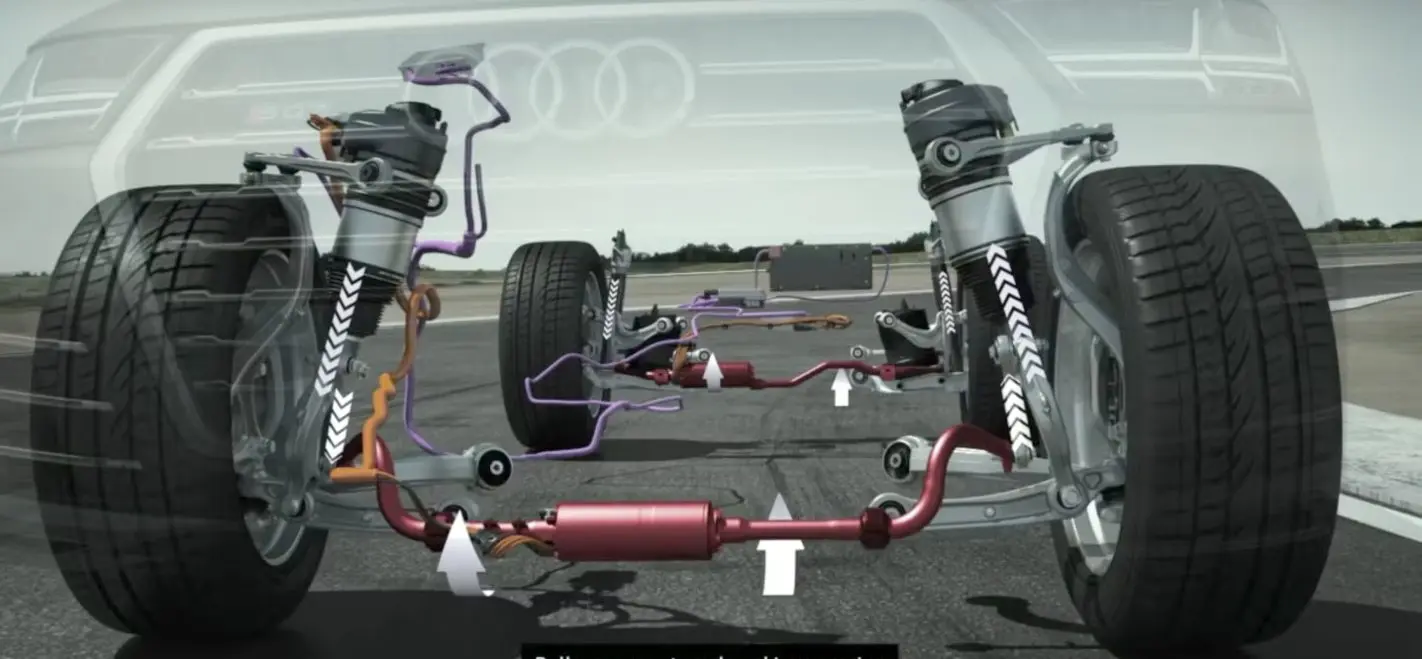
A sway bar refers to a long rod of metal, which joins the right and the left suspension.
Its primary task is to minimize the body roll when the vehicle is turning.
How it Improves Handling
When the car turns, the sway bar reallocates weight throughout the suspension.
This maintains the balance of the vehicle and eliminates overlearning.
Features of Sway Bars
- Minimize the rollabout in the turn.
- Enhance cornering stability.
- Distribution of the weight of balance.
- Improve steering response.
- Enhance general vehicle control.
Symptoms of Bad Sway Bars
Sway bar links that are worn out may produce knocking sounds when passing over minor bumps.
The car will also experience instability when changing lanes.
7. Bushings
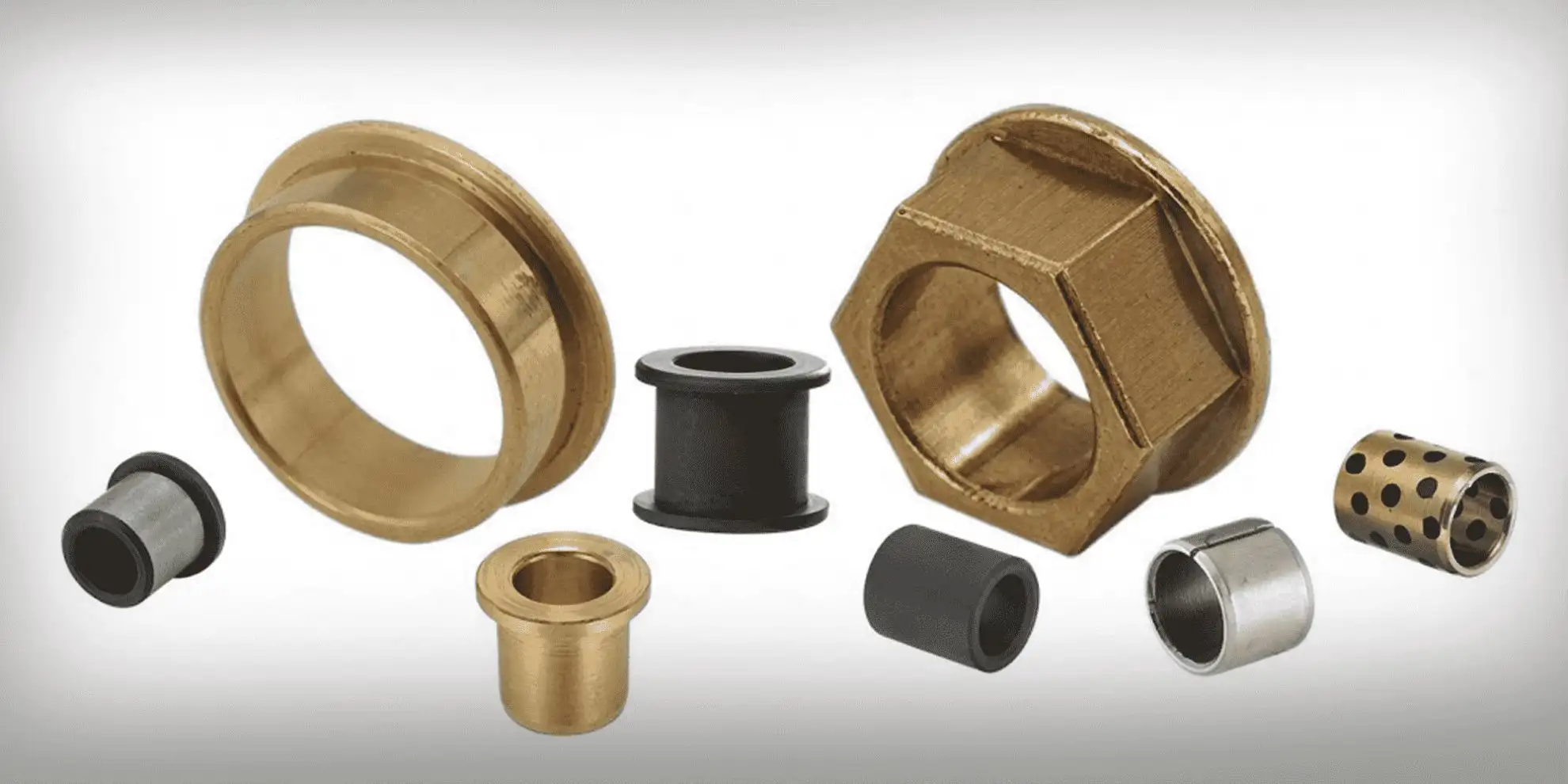
What Suspension bushings Are
Bushings are small parts made of rubber or polyurethane material that are used between suspension parts. They stop metal components from coming into physical contact.
Role of Bushings in Suspension
Bushings take in the minor vibrations and the suspension components move freely.
They also provide a damping effect in noise and prevent the damage of components by friction.
Features of Bushings
- Reduce vibration and noise.
- Avoid technical contacts between metals.
- Improve ride comfort.
- Suspension components protection.
- Facilitate easy movement through suspensions.
Signs of Worn Bushings
Worn bushings are normally characterized by squeaking, loose handling, and more vibration.
8. Tie Rods
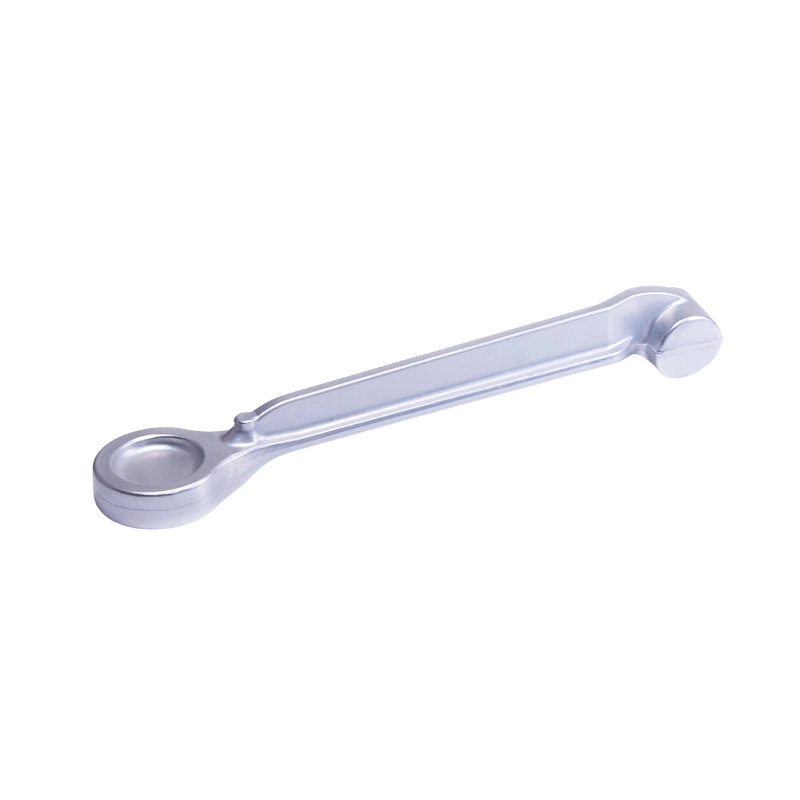
What Tie Rods Do
Tie rods are used to attach the steering rack to the wheels. They assist in the movement of the steering motion off the steering wheel to the tires.
Features of Tie Rods
- Direction of control wheel during steering.
- Maintain wheel alignment.
- Give consistent steering response.
- Connect steering and suspension systems.
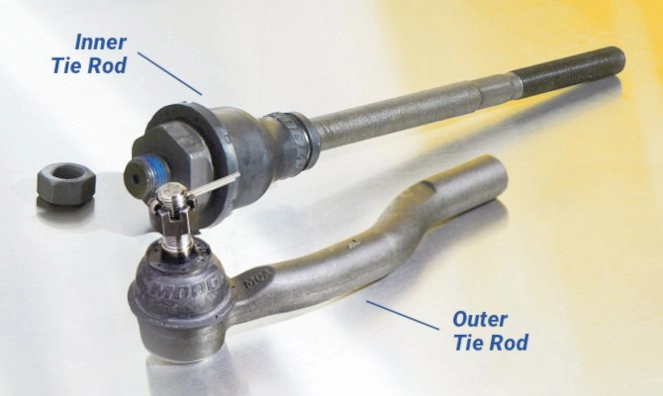
Signs of Worn Tie Rods
The steering may not be straight, the tire may wear unevenly and the steering wheel may shake, indicating worn tie rods.
9. Steering Knuckle
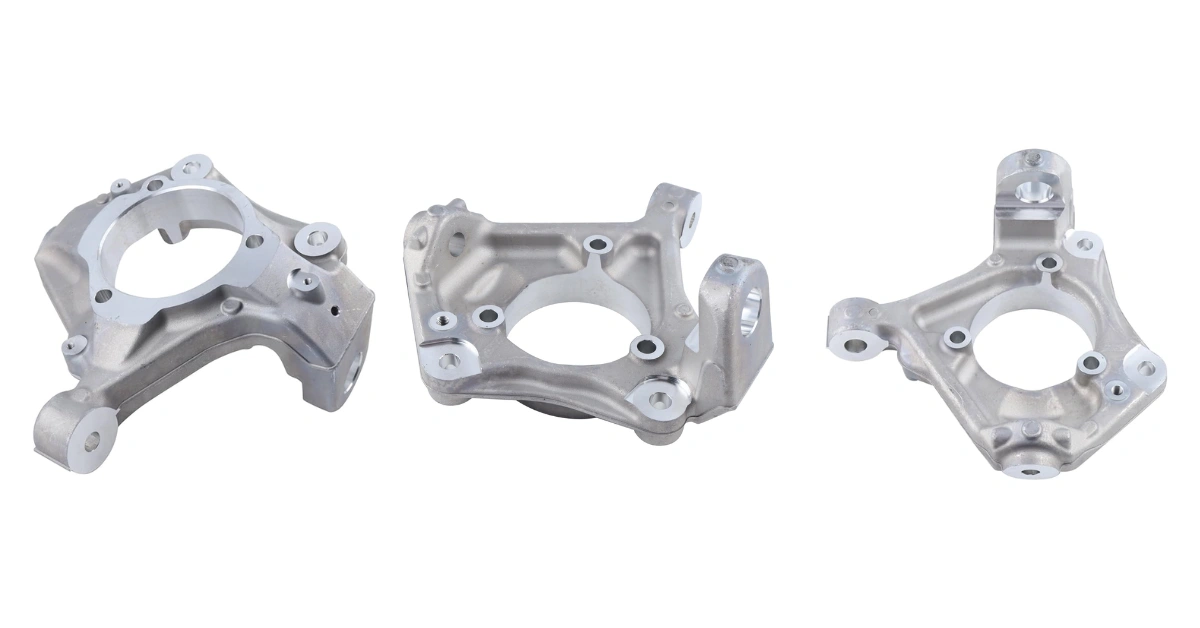
What a Steering Knucle Does
The steering knuckle has a number of suspension parts; these are control arms, ball joints and tie rods. It enables the wheels to turn about and supports the suspension system.
Features of Steering Knuckle
- Connect a series of suspension parts.
- Bearings and hubs of support wheels.
- Ensure the movement of the steering is smooth.
- Maintain wheel alignment.
10. Wheels Hubs and Bearings
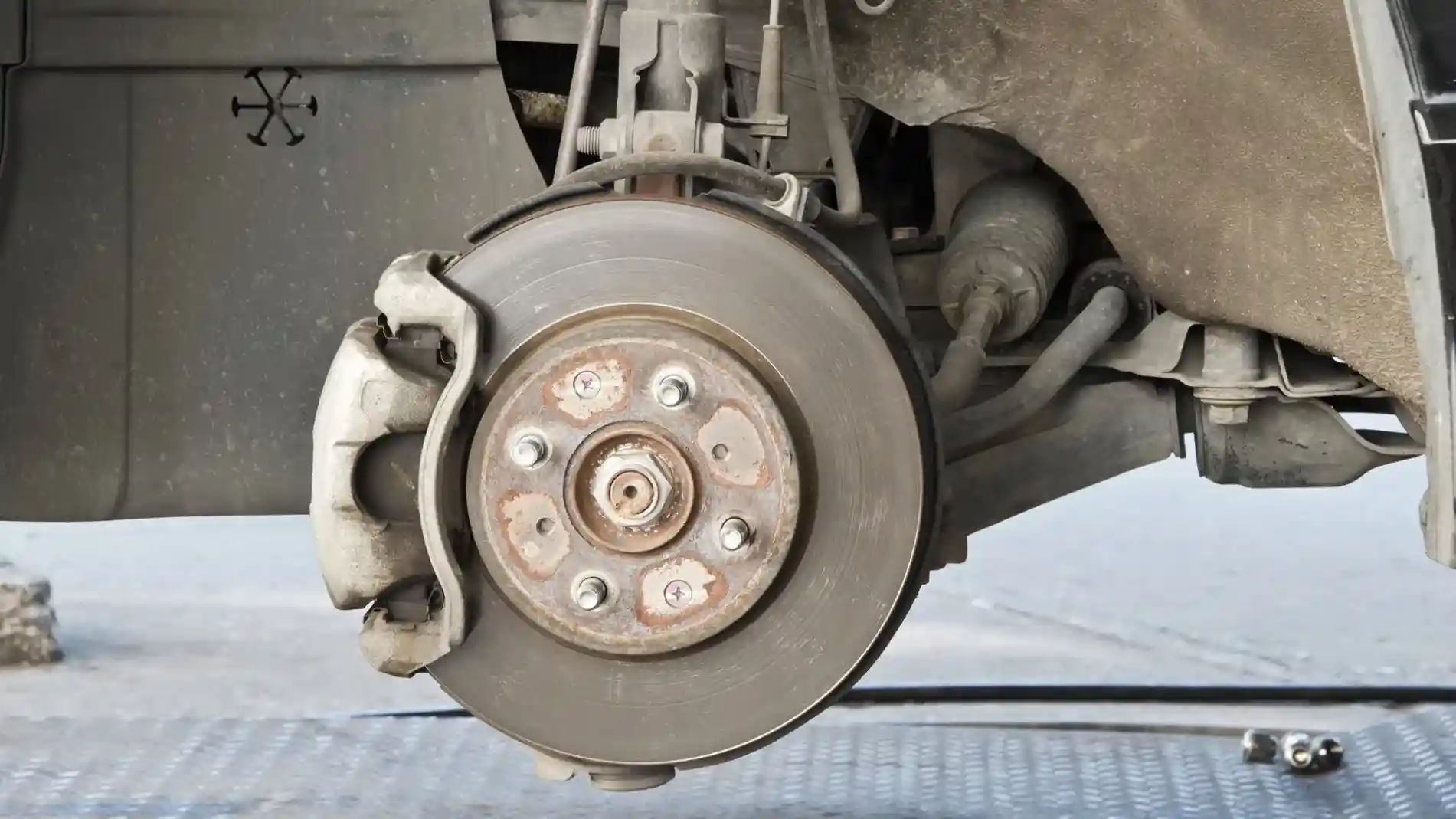
What Wheel Hubs Doe
The wheel assembly is fitted in wheel hubs, where it can freely rotate.
Features of Wheel Hubs
- Support wheel rotation.
- Less friction between moving components.
- Ensure smooth movement of vehicles.
- Assistance braking and steering capability.
Signs of Worn Wheel Bearings
The wheels should not be humming or grinding because they usually signify worn bearings.
How Suspension Parts Improve Car Performance
Better Vehicle Manutention
With the right, functioning parts, the car takes off with a quick turn of the steering wheel. No latency or spongy feeling.
Improved Ride Comfort
The roughness of the road is beaten out by quality parts. You will also be getting to your destination in a relaxed state since your body will no longer be struggling with the vibrations in the road.
Increased Driving Safety
Contact patch is influenced by suspension. Good components retain more rubber on the road and this means that you can stop many feet shorter in case of an emergency brake and those few feet can be the difference between life and death.
Better Tire Life
When the wheel is suspended in a completely straight position, the tires wear off evenly. This will save you hundreds of dollars since you will not be so forced to replace your tires.
Signs Your Car Suspension Needs Replacement
Be on the lookout (ear) for the following cause of action:
- Excessive Bouncing: The car will not hold its position upon hitting something.
- Pulling: The car pulls to the side despite having a straight steering wheel.
- Uneven Tire wear: The tire in question has a bald side and a new side.
- Oily Parts: You can see leaks of your shocks or struts.
- Loud Noises: Under the car, clunking, squeaking noises and banging.
Tips for Maintaining Car Suspension Parts
Regular Suspension Inspections
A technician should have your bushings and joints inspected each time you change your oil. When a small tear is caught in a rubber bushing, you will spare yourself the expense of changing a costly control arm in the future.
Replace Worn Components Quickly
Suspension components operate in a train. Bad shocks demand more effort on the part of your springs and this makes them wear out at an earlier time. Immediately after that part has been worn off, replace it to safeguard other parts of the system.
Avoid Rough Driving Conditions
Attempt to avoid potholes and hitting the curb. In case you need to go through bad roads, drive slowly. It is speed and a bump that break metal components.
Main Proper Tire pressure
In fact, tires are the original component of your suspension. When they are overinflated, then they are incapable of absorbing fine vibrations and strain your metal suspension on components.
Final Thoughts: Choose HDC Manufacturer for High-Quality Car Suspension Parts
The best way to be safe and comfortable on the road is to ensure that you know your car suspension. Every bit of you is important; you see the springs that support you, the bushings that hush things down, and so on. With wear and tear you can stay on top of the maintenance and you will have a car that works the way it was created to.
At HDC Manufacturer, a custom suspension parts manufacturer that specializes in making reliable suspension parts and having good expertise in forging control arms. Forged control arms are made of high quality to enhance durability, wheel alignment and desirable suspension performance.
In order to get to know more about our forged control arm solutions, please visit:
https://hdcmfg.com/product/forging/control-arm/.
FAQ
Is it Better to replace shocks or struts?
It isn’t a choice. Your automobile is made either with one or the other (or with shocks at the back and struts at the front). You will need to switch either of the types that your car uses.
How long do car suspension parts usually last?
The average deviation of shocks and struts is between 50,000 and 80,000 miles. But in case you travel on very rough roads most of the time, then you may have to check on them much earlier.
Can I drive with a broken suspension?
It is very dangerous. Suspension component failure may cause the loss of steering control or the distance of braking. In case of a component failure such as a ball joint, it may actually take off the car.
Does a bad suspension affect my gas mileage?
Surprisingly, yes. When your tires are dragged at an angle (when they are in poor alignment) by your damaged suspension, they will produce more friction. Your engine must strain to accelerate the car, consuming more fuel.
Why is my car squeaking when I go over bumps?
This is nearly always an indication of dry or cracked rubber bushings. Although this may only be annoying in the short run, it generally indicates that the components are no longer being cushioned adequately and will wear through shortly.