Metal pipe fittings look simple, but the way they’re manufactured has a direct impact on what buyers care about most: leak risk, pressure capability, dimensional consistency, lead time, and how much rework shows up during installation. Two “identical” elbows can behave very differently in service depending on whether they were formed, forged, cast, or fabricated—and whether the sealing surfaces and threads were finished correctly.
A useful way to understand fabrication de raccords de tuyauterie is to separate the conversation into two decisions. First, what connection style does the system require (butt weld, socket weld, threaded, flanged, or specialty)? Second, what manufacturing route produces that fitting with the right balance of strength, quality, and total cost?
Start with connection style, because it dictates the fitting family
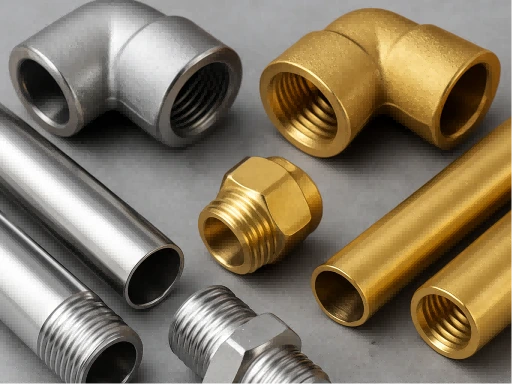
The connection style is not a small detail—it determines which standards typically apply, how the fitting is pressure-rated, and which manufacturing routes are common.
If you’re buying butt weld fittings (elbows, tees, reducers, caps), you’ll usually be in the world of factory-made wrought fittings, where dimensional control and end preparation matter for weld quality. One of the most referenced standards in this category is ASME B16.9, which covers dimensions, tolerances, testing, and marking for factory-made wrought butt-welding fittings.
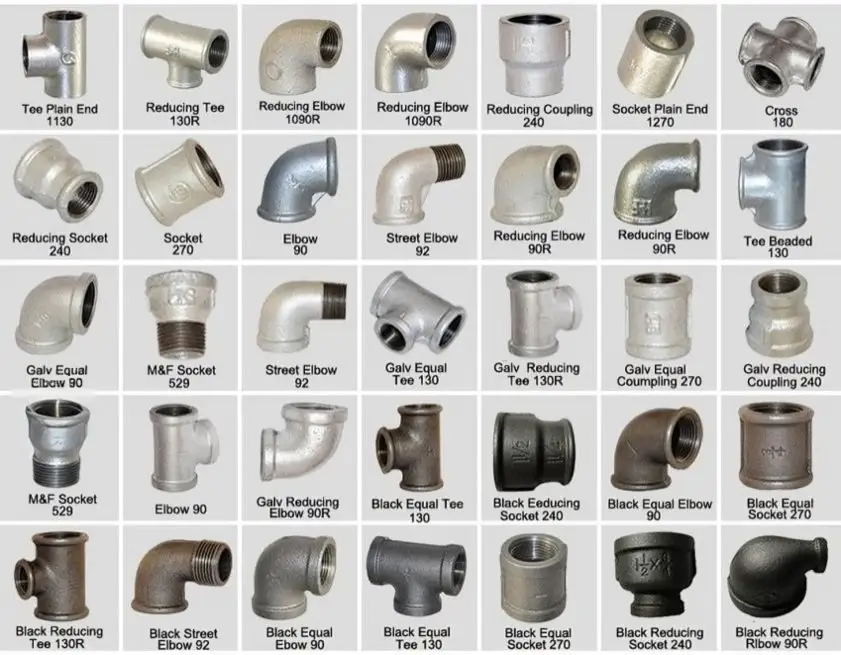
If you’re buying socket weld or threaded fittings (often used in smaller sizes and higher-pressure classes), the fitting family is commonly “forged fittings,” and a widely referenced standard is ASME B16.11, which covers ratings, dimensions, tolerances, marking, and material requirements for forged socket-welding and threaded fittings. (ASME)
Once you know which family you’re in, the manufacturing route becomes much easier to choose.
The main manufacturing routes for metal pipe fittings
1) Wrought and formed fittings (common for butt weld fittings)
For many butt weld fittings, the starting point is wrought material (pipe, plate, or forged stock) that gets shaped through forming operations. That forming might be hot forming, cold forming, pressing, or other shaping methods depending on the alloy and size. The goal is to produce the fitting geometry with controlled wall thickness, proper center-to-end dimensions, and a welding end that mates cleanly with pipe.
This route is popular because it supports a wide size range and tends to produce reliable weld ends when the process is controlled. It’s also a practical choice when you want predictable behavior in pressure piping applications. Many widely used material specifications for wrought fittings explicitly tie into the ASME fitting standards and define acceptable starting materials (forgings, bars, plates, seamless or welded tubular products) for producing fittings. (ASTM International | ASTM)
Where buyers get value from understanding this route is machining allowance and end prep. Even though many butt weld fittings are “finished” as cast/formed products, real projects often benefit from machining on specific features—especially for special end preparations, tighter dimensional requirements, or when the fitting interfaces with a machined assembly rather than just a weld joint.
2) Forged fittings (common for socket weld and threaded fittings)
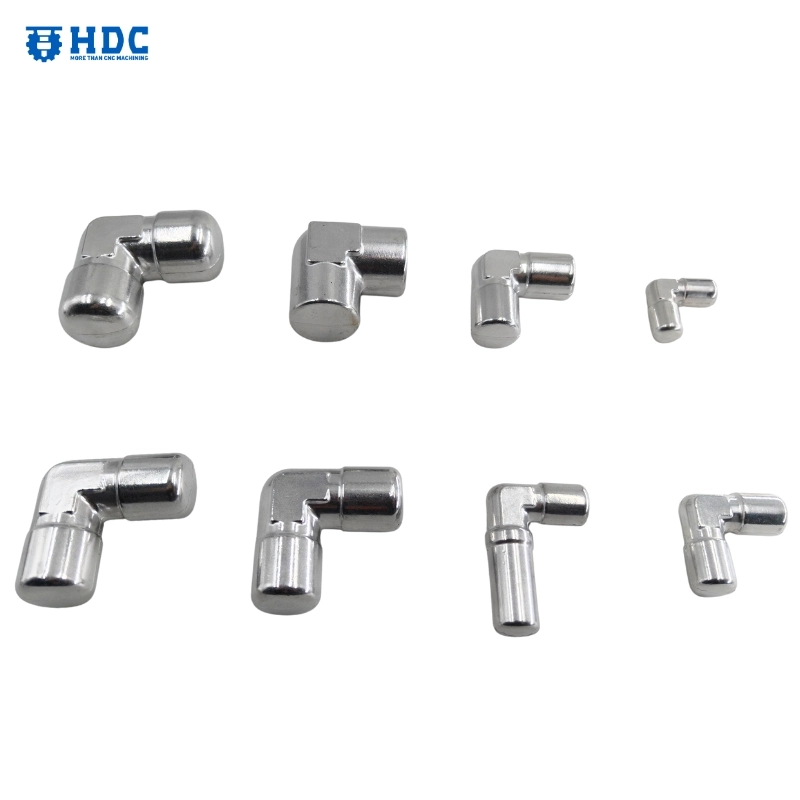
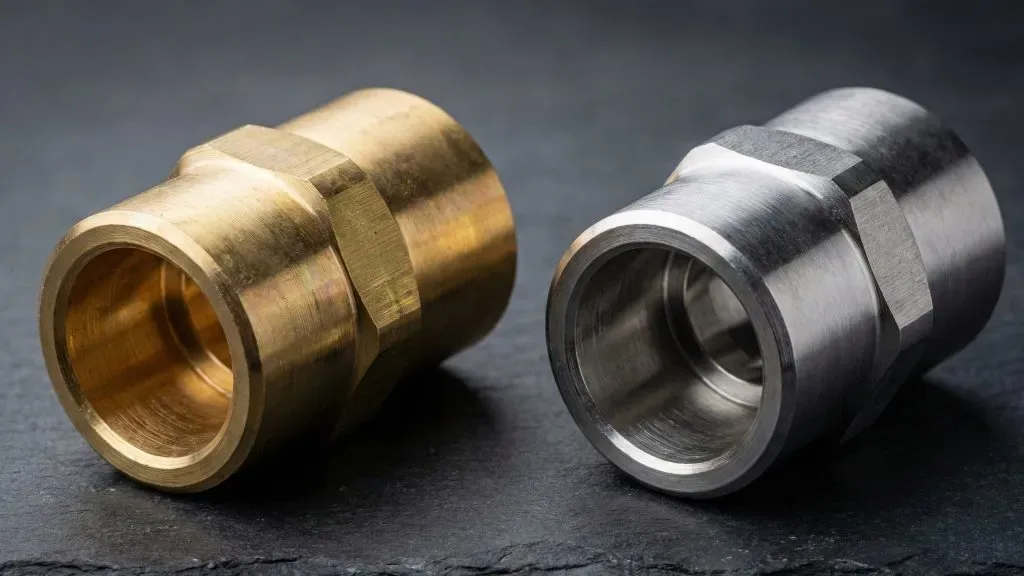
When you hear “forged pipe fittings,” think of fittings that need strong, compact geometry and reliable performance in pressure service—especially in smaller sizes where socket weld and threaded ends are common. In practice, these fittings are produced by forging the basic shape, then finishing the functional interfaces through machining. That machining is where thread quality, socket dimensions, and sealing faces are made consistent.
This route is widely used because it combines a strong starting form with precision finishing. From a buyer perspective, forged fittings can offer a very practical advantage: the final performance often depends on the thread/socket accuracy and the surface finish of sealing areas, and forging-plus-machining is a dependable way to control those outcomes. It also aligns naturally with the way fittings are classified by rating classes in standards like ASME B16.11. (ASME)
3) Cast fittings (often chosen for complex shapes or special alloys)
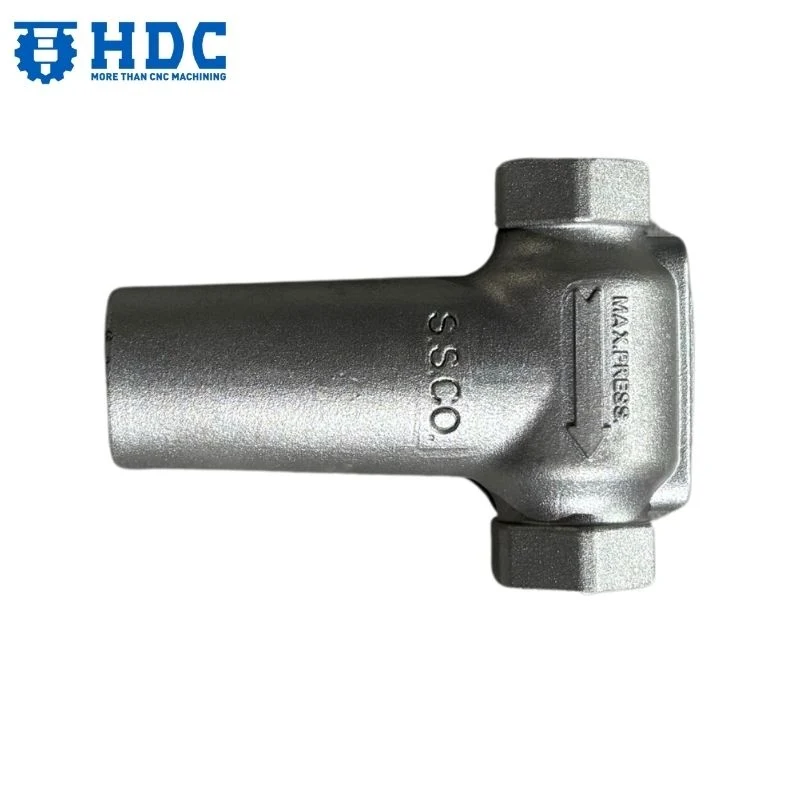
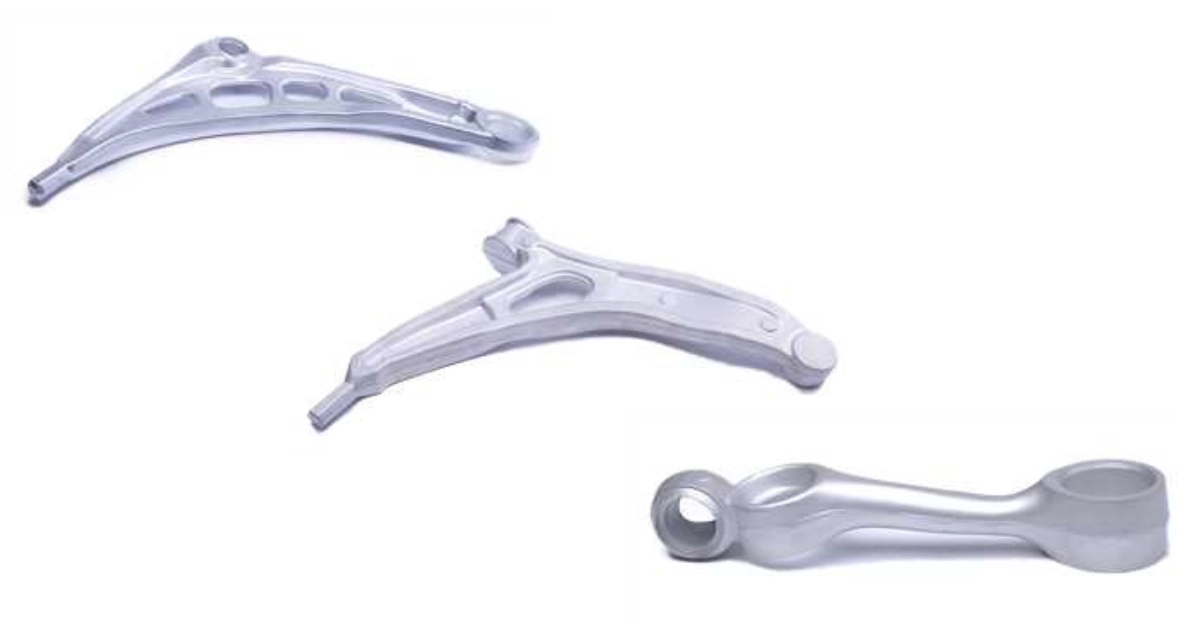
Casting becomes attractive when the fitting shape is complex, when you need geometry that would be inefficient to forge or form, or when certain alloys are more practical to cast. In real projects, casting is commonly paired with CNC machining, because many cast fittings still need machined threads, gasket faces, or precise interfaces.
The practical tradeoff is that casting demands good control over defect risk and consistency. If your fitting will be pressure-tested, or if it has machined sealing faces, the quality of the casting in those zones matters a lot—because internal discontinuities or surface issues often don’t show themselves until machining opens the material or pressure testing reveals a leak path.
Casting can be a smart route, but buyers get the best results when they clearly define which zones must be sound and which features will be machined to final spec.
4) Fabricated fittings (common for large sizes, special configurations, or fast customization)
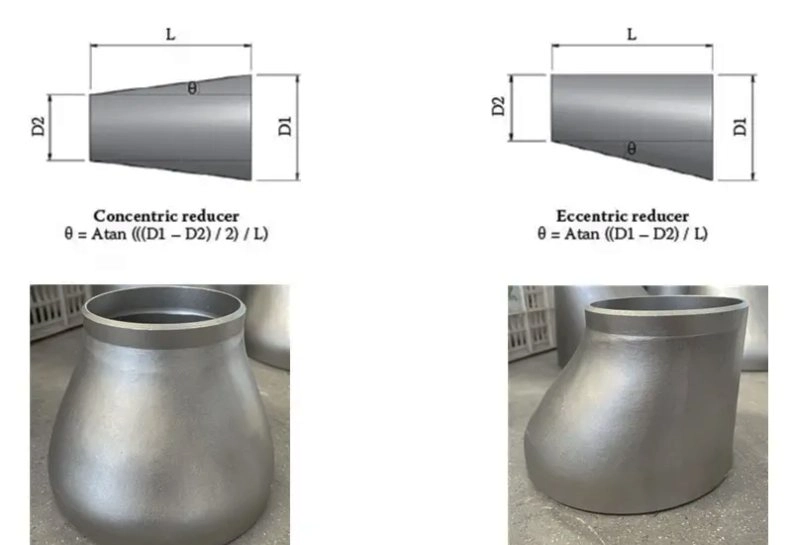
Fabricated fittings are built from pipe segments, plate, or rolled sections that are cut, formed, and welded into the final geometry. This route is often used for larger diameters, unusual dimensions, or special configurations where standard catalog fittings don’t match the job. The value of fabricated fittings is flexibility—especially when lead time or custom geometry matters.
The practical focus here is weld quality, dimensional control, and any required inspection. A fabricated fitting that looks right but isn’t controlled for roundness, end preparation, or weld integrity can create installation pain and rework costs later.
5) CNC-machined fittings (useful for prototypes, specials, or tight interfaces)
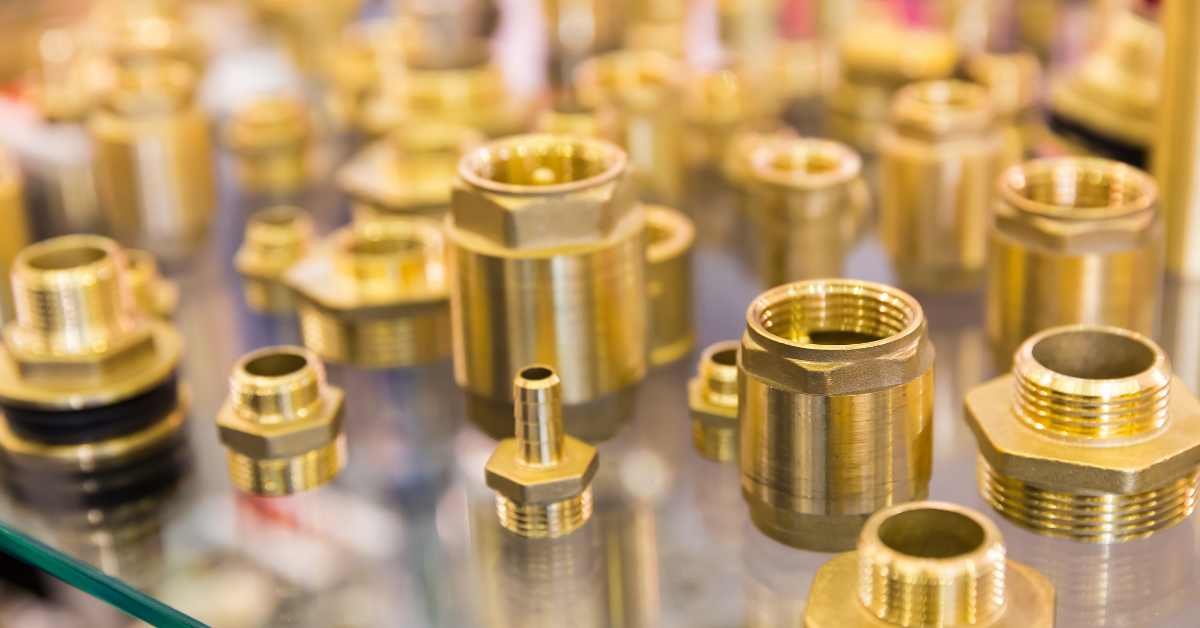
Sometimes the cleanest answer is machining from solid—especially for prototypes, special connections, unusual materials, or when the fitting must integrate into a machined assembly with tight tolerances. CNC machining can also be the finishing step that turns a near-net blank (forged or cast) into a reliable part by controlling the functional surfaces.
For buyers, the key is knowing when this route is worth it: if the fitting is small, custom, low volume, or highly tolerance-sensitive, machining can reduce overall risk even if per-piece price is higher.
How to choose the right pipe fitting manufacturing route
A practical way to decide is to ask what “failure” looks like for your application.
If failure looks like leakage at threads or sockets, you care about machining quality and dimensional control, which often pushes you toward forged fittings with CNC finishing (or machined specials). If failure looks like weld issues or misalignment in a spool, you care about center-to-end dimensions, end prep, and consistency—often pointing toward wrought/formed butt weld fittings or well-controlled fabricated fittings. If failure looks like unpredictable scrap after machining or pressure test issues, you need tighter control of casting quality and inspection in critical zones.
Size and volume matter too. For high-volume standard fittings, established routes (formed or forged depending on type) usually win. For low-volume custom fittings, the route that minimizes risk and rework often wins, even if it isn’t the cheapest-looking option at first glance.
Finishing steps that separate “fits on paper” from “fits on site”
Regardless of how a fitting is made, the final reliability often depends on finishing and verification.
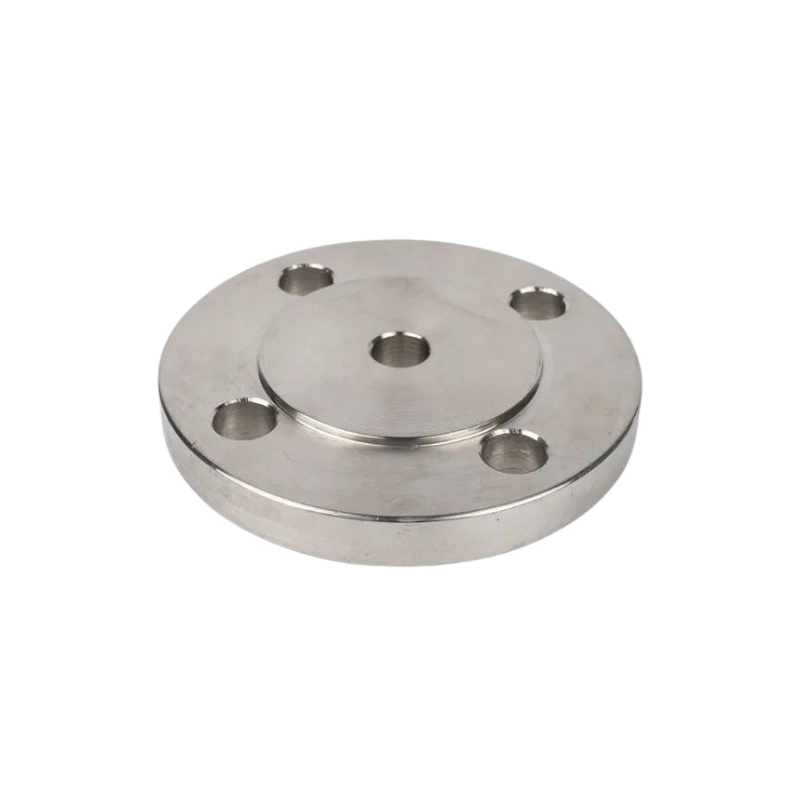
Threads are a great example. A threaded fitting is only as good as its thread form, surface finish, and concentricity to the fitting body. Socket weld fittings depend on socket dimensions and cleanliness of the weld prep zone. Butt weld fittings depend on correct end preparation and consistent wall transitions. Flanged interfaces depend on face finish and flatness. These are all areas where CNC machining and controlled finishing can add value, because they reduce variability and installation rework.
Surface treatment is also part of finishing. Coatings, passivation, painting, galvanizing, and other treatments can be critical depending on environment. The best outcomes happen when finishing is planned alongside the manufacturing route rather than added as an afterthought.
What to include in an RFQ so you get the right recommendation
If you want suppliers to recommend the best process (instead of defaulting to what they usually do), it helps to include a few practical items upfront. Mention the connection type (butt weld, socket weld, threaded, flanged), the size and schedule, the material/spec expectation, the operating pressure/temperature, and whether the fitting is part of a pressure-tested system. If the fitting is custom, describe the geometry constraints and which features are critical interfaces (threads, sealing faces, concentricity requirements, end prep details). If there are inspection expectations—such as dimensional reports, material traceability, or pressure testing—state them early so the route can be planned correctly.
This kind of input reduces back-and-forth and typically improves both quote accuracy and delivery reliability.
FAQ: Pipe fitting manufacturing (natural questions buyers search)
Are forged pipe fittings better than cast pipe fittings?
They can be, depending on the job. Forged fittings are often chosen for pressure service where compact geometry and consistent machining of threads/sockets matter. Cast fittings can be excellent for complex shapes or certain alloys, but they rely more heavily on casting quality control and inspection in critical zones.
What’s the difference between ASME B16.9 and ASME B16.11 fittings?
B16.9 is commonly associated with factory-made wrought butt-welding fittings, while B16.11 covers forged socket-welding and threaded fittings. The difference matters because it usually aligns with different fitting families and manufacturing routes.
Why do threaded fittings leak even when they look fine?
Leaks often come from poor thread form, poor surface finish, mismatch of thread standards, damage during handling, or sealing method mismatch. For critical systems, thread quality and machining control matter as much as material grade.
If my fitting will be welded, why does machining still matter?
Machining matters when you need consistent end prep, concentricity, or when the fitting interfaces with machined components (valves, pumps, manifolds). Controlled finishing reduces misalignment and fit-up issues during fabrication.
What’s the best way to reduce lead time on custom fittings?
The fastest route is usually the one that minimizes tooling and iteration. That may be CNC-machining from solid for small quantities, or forging/casting with machining when the geometry and quantity justify it. The key is to share clear requirements early so the manufacturer can choose the most direct path.
Where HDC Manufacturing fits
Many customers don’t just need “a fitting”—they need a fitting that installs smoothly, seals reliably, and matches the real interfaces in their assembly. At Fabrication HDC, we customize metal pipe fittings through casting and forging, then finish critical features with Usinage CNC so threads, sealing faces, and functional interfaces meet the requirements consistently. If you’re exploring forged fittings specifically, our capability overview is available through this page on forged pipe fitting manufacturing.