Perché scegliere HDC per i prodotti in acciaio al carbonio 12L14 personalizzati
HDC vanta oltre un decennio di esperienza nel campo della componentistica metallica personalizzata. Disponiamo di macchine utensili di precisione a 4 e 5 assi, centri di lavoro CNC automatizzati e un team di progettazione e produzione professionale. Siamo in grado di fornirvi vari processi di lavorazione, tra cui fresatura CNC, tornitura CNC, taglio laser, fusione di metalli e altro ancora, per realizzare alla perfezione i vostri componenti in acciaio al carbonio 12L14, su misura per le vostre esigenze specifiche.
Nel regno dell'acciaio al carbonio 12L14, la nostra abilità garantisce la produzione di componenti rigorosi e di qualità superiore. Riconosciuto per la sua straordinaria lavorabilità, 12L14 rappresenta la scelta ottimale per progetti complessi. Il team esperto di HDC ottimizza abilmente i parametri di lavorazione, garantendo una precisione dimensionale impeccabile e una finitura superficiale impeccabile. Che il tuo progetto implichi una filettatura complessa, una contornatura precisa o una fresatura meticolosa, ti garantiamo efficienza e uno standard di eccellenza.
Andando oltre l'ambito della lavorazione meccanica, HDC si distingue nel comprendere gli attributi distintivi dell'acciaio al carbonio 12L14. Questa conoscenza specializzata guida il nostro processo di progettazione cooperativa, fornendo informazioni preziose e garantendo che i nostri componenti non solo soddisfino ma superino i parametri di riferimento del settore. Con HDC, anticipa i componenti in acciaio al carbonio 12L14 meticolosamente modellati con precisione, durata e un'attenta attenzione ai dettagli, soddisfacendo e superando le disposizioni del tuo progetto.
Panoramica
12L14 è una lega di acciaio auto-tagliante nota per la sua eccellente lavorabilità. L'acciaio al carbonio 12L14 è una scelta popolare per applicazioni che richiedono eccezionale lavorabilità e precisione. La sua composizione, con aggiunta di zolfo e fosforo, facilita una lavorazione efficiente, rendendolo un materiale prezioso per la produzione di piccoli componenti complessi in vari settori industriali.

Cos'è l'acciaio al carbonio?
Acciaio al carbonio is a steel with iron and carbon as the most viable, while other elements are at lower quantity. Carbon steel with mean carbon content, i.e from 0.05% to 2.0%, is produced according to the grade and the application. Carbon steel is regarded for its strength, hardness, and long-term endurance, which makes it to be widely used in different industries like construction, manufacturing, automobile, and infrastructure. The steel is divided into four types based on its carbon content and characteristics, such as low carbon steel (mild steel), medium carbon steel, and high carbon steel. Besides the fact that carbon steel can be further alloyed (mixed) with elements such as manganese, silicon, and sulfur to improve certain attributes like strength, ductility and machinability. Since it is one of the strongest and most affordable types of steel used in the manufacture of parts, components, machinery parts, pipes, and auto frames and other applications.
Quali sono le caratteristiche dell'acciaio al carbonio 12L14?
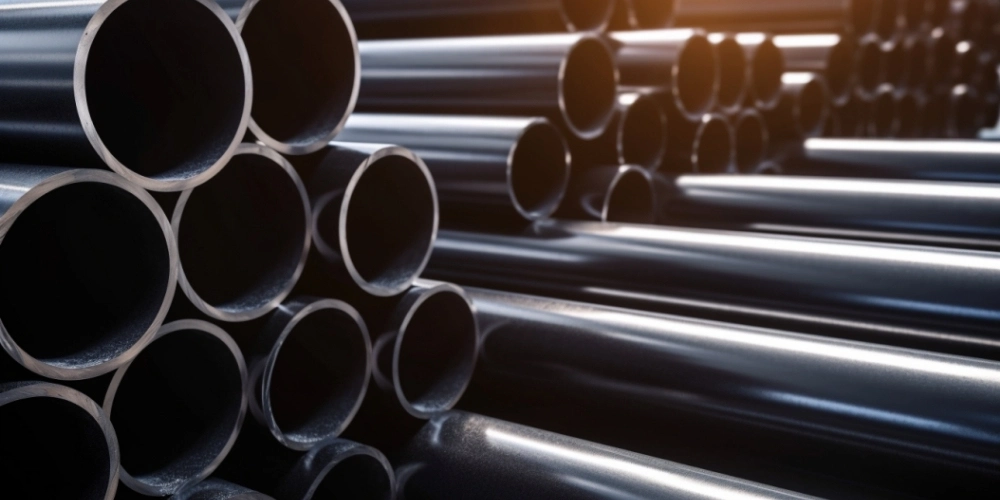
12L14 known as a high-sulfur and lead containing steel is famous for its high machinability. This addition of manganese sulfides to the standard Fe grade composition will give chip breaker characteristics during the metal cutting process and reduce the wear of the cutter drastically to produce excellent surface finish in the machined parts. This steel is not as strong as some other carbon steels but still provides excellent strength as well as ductility for use in different stainless steel applications. With the compliance to the conventional procedures it can be welded, but some precautions are required, as the element is sulfur and lead containing. This steel is cost-effective and is known for its wide use in automotive components, bushings, fittings, and fasteners. Therefore its demands are high due to the precise machining and high production capabilities.
Qual è la base di denominazione per l'acciaio al carbonio 12L14?
The naming basis for 12L14 carbon steel is derived from its composition and conformation to the standardization in AISI (American iron and steel institute) system. The “12” in 12L14 is for the average carbon content, approximately 0.12%. The ′L′ indicates that the other element which is lead is there in the alloy. To sum up, the “14” figures shows the sulphur approximately 0.14%. A numerical designation that is alpha-numeric in nature offers a standardized method of identifying and categorizing carbon steels based on their composition and properties. This enables communication and understanding to be improved amongst the industry players.

Composizione chimica dell'acciaio al carbonio 12L14
| Elemento | Contenuto (%) |
| Ferro, Fe | 97,91 – 98,7 |
| Manganese, Mn | 0,85 – 1,15 |
| Zolfo, S | 0,260 – 0,35 |
| Piombo, Pb | 0,15 – 0,35 |
| Carbonio, C | 0.15 |
| Fosforo, P | 0,040 – 0,090 |
L'influenza della composizione dell'acciaio al carbonio 12L14 sulle sue proprietà

Carbon steel that is 12L14 is widely used as base material because it can be used in variety of applications. It contains around 0.12 %, of the carbon that imparts strength and hardness to it, yet retains its moldability. Manganese contributes to the hardenability and strength of steel, while sulfur, about 0.15%, improves machinability by forming manganese sulfides reducing the production costs and prolonging service life of any tools. Lead is also added to further enhance machinability through acting as the lubricant, thus it is able to reduce friction between the cutting tool and the work piece. The composition of 12L14 is precisely controlled to yield outstanding machinability characteristics making it perfect for machining oriented applications in industry where precision is premium and production volumes are high thus suitable for automotive components and fasteners.
Proprietà fisiche dell'acciaio al carbonio 12L14
| Proprietà | metrico | Imperiale |
| Densità | 7,87 g/cm3 | 0,284 libbre/pollici³ |
Proprietà meccaniche dell'acciaio al carbonio 12L14

| Proprietà | metrico | Imperiale |
| Acciaio 12L14 Resistenza alla trazione | 540 MPa | 78300 psi |
| Forza di snervamento | 415 MPa | 60200 psi |
| Modulo di volume (tipico per l'acciaio) | 140 GPa | 20300 ksi |
| Modulo di taglio (tipico per l'acciaio) | 80,0 GPa | 11600 ksi |
| Modulo elastico | 190-210 GPa | 27557-30458 ksi |
| rapporto di Poisson | 0.27-0.30 | 0.27-0.30 |
| Allungamento a rottura | 10% | 10% |
| Riduzione dell'area | 35% | 35% |
| Durezza, Brinell | 163 | 163 |
| Durezza, Knoop (convertito da durezza Brinell) | 184 | 184 |
| Durezza, Rockwell B (convertito da durezza Brinell) | 84 | 84 |
| Durezza, Vickers (convertito da durezza Brinell) | 170 | 170 |
| Lavorabilità (basata su 100 lavorabilità per acciaio AISI 1212) | 160 | 160 |
Proprietà termiche dell'acciaio al carbonio 12L14
| Proprietà | metrico | Imperiale |
| Coefficiente di espansione termica (@ 20°C/68°F, tipico acciaio) | 11,5 µm/m°C | 6,39 µpollici/pollici°F |
| Conduttività termica (tipico acciaio) | 51,9 W/mK | 360 BTU pollici/ora.ft².°F |
Materiali equivalenti all'acciaio al carbonio 12L14

| Numero UNS | G12144 |
| Nome americano | AISI 12L14, 12L13, 12L15 secondo ASTM A29, ASTM A510, ASTM A519, ASTM A576, SAE J403 |
| IT nome | 11SMnPb37, 11SMnPb30, 9SMnPb28 secondo BS EN 10087, BS EN 10277; S300Pb secondo NF A35 561 |
| Numero EN | 1.0737, 1.0718, 1.9718 |
| Nome JIS (giapponese). | SUM24L a JIS G4804 |
Quali metodi di lavorazione sono adatti per l'acciaio al carbonio 12L14?
12L14 steels are highly versatile in manufacturing because they machine well with ease and have moderate strength. Especially, it mainly masters substantial operations including turning, milling, drilling, and threading thanks to its lead and sulfur richness which can chop chips and decrease tool wear. Furthermore, it further can be formed by cold forming processes as for example bending and stamping without preheat and annealing. However, efforts must be made to avoid it due it its relatively higher sulfur and lead content. Heat treatment processes, which are used to alter properties, are usually the exception since 12L14 is rarely hardened by this process. Overall, 12L14 carbon steel is the material of choice where high precision in machining is required and strength is also a critical factor.
Quali sono i limiti dell'acciaio al carbonio 12L14?
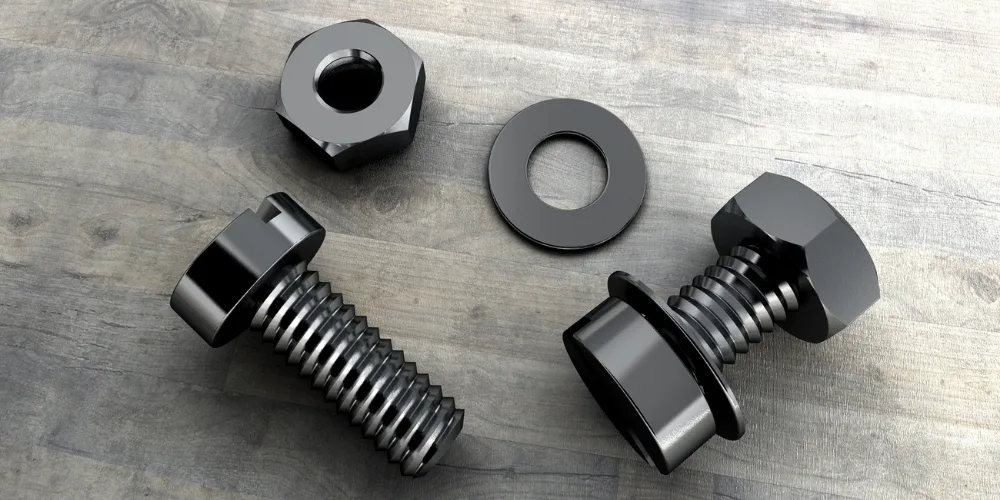
The extremely precision of machinability plus the moderate strength make 12L14 carbon steel have some limitations. Carbon steel, which is characterized by comparatively low strength and toughness, is not very suitable for applications demanding high strength or wear resistance. Furthermore, the sulphur that is useful for machinability may cause the metal to become brittle, which may result into such problems as cracking. Weldability is dealt with due to its sulfur and lead content which is higher than the usual, as it requires some particular techniques in order not to cause weld cracking and/ or poor quality. In addition, 12L14 steel has very limited heat treatability and the use of additional protection measures is needed to mitigate corrosion in some special environments. In that way, the main advantages of this technology for machining component parts should be weighed up against its limitations for materials selection.