Обзор
HDC Manufacturing, is your reliable ally in the personalized fabrication of metallic components, boasting an extensive decade-long mastery. Our avant-garde facilities, housing 4-axis and 5-axis machining centers, coupled with cutting-edge inspection apparatus like coordinate measuring machines, bestow upon us the ability to furnish unparalleled precision.
Within the realms of HDC Manufacturing, our focal expertise lies in 420 stainless steel machining, unveiling a reservoir of proficiency and an exhaustive array of procedural alternatives. From ЧПУ обработка к Кастинг, ковка, лазерная резка, а также штамповка металлаНаши многогранные возможности гарантируют выполнение разнообразных требований нашей взыскательной клиентуры. Наше непоколебимое стремление к совершенству и изобретательский подход отличают нас, гарантируя индивидуальные решения для ваших компонентов из нержавеющей стали 420.
Embark on an exploration of possibilities with HDC Manufacturing as we harness advanced technology and adept artisanship to breathe vitality into your conceptualizations. Whether entailing intricate blueprints or the demands of high-volume production, our devoted team stands prepared to meet and surpass your expectations in the realm of 420 stainless steel machining.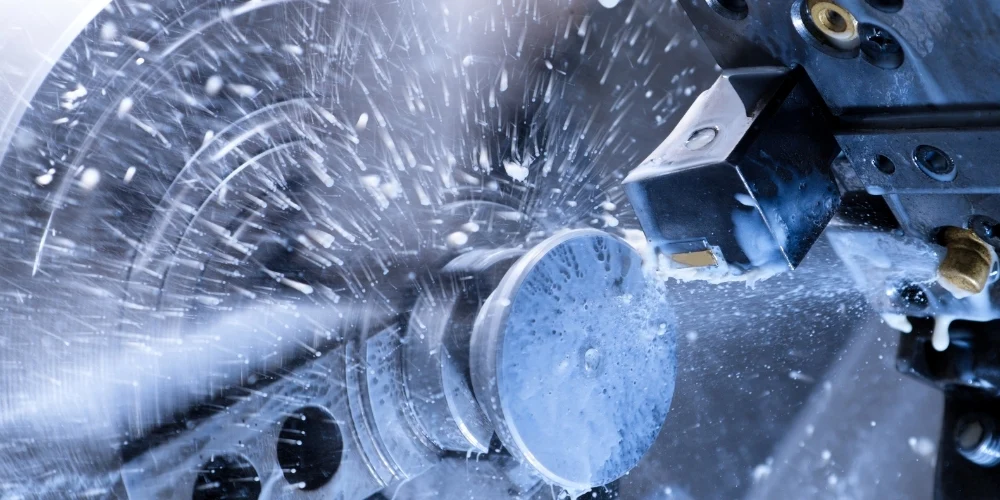
Что такое нержавеющая сталь 420?
The 420 stainless steel is among the martensitic stainless steels with the highest strength and hardness, as well as a relatively greater resistance to corrosion. The chromium content is quite abundant, ranging from 12-14% and its carbon content is usually 0.15-0.40%, thus, it offers good resistance to corrosion in a mild environment. The higher carbon content within its structure provides better hardness and wear resistance useful for applications that require strength and toughness such as forks and industrial blades. It, nevertheless, is lower in corrosion resistance when being compared to other stainless steel series, especially in chloride environments.
How is 420 Stainless Steel Named?

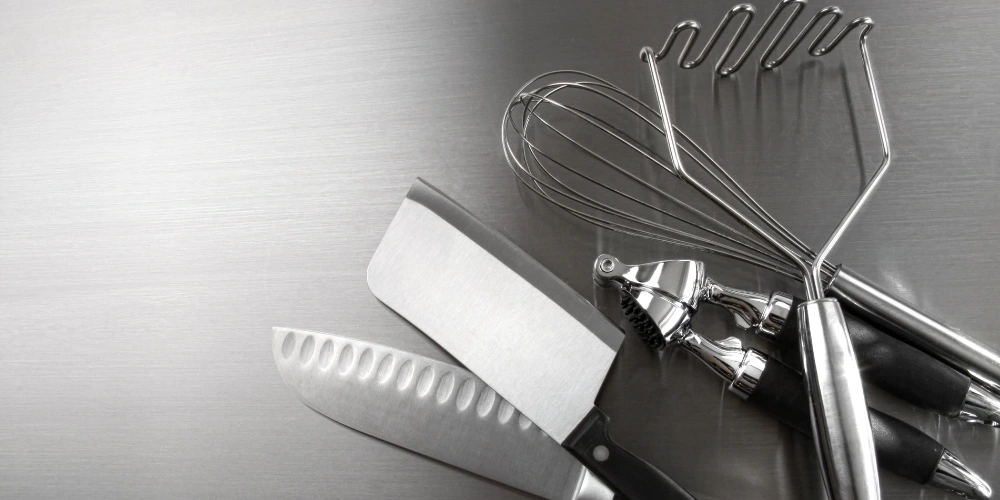
The name 420 stainless steel reflects its position as part of a 400 stainless steels series that have more carbon and are chromium-based. The “420” grade refers to a special alloy with around 12% chromium and a higher carbon content (ca. 0.15% minimum), aluminum to this parcel being distinguished by its ability to acquire hardness by heat treatment. By applying this composition, steel tends to have a higher degree of hardness which gives it a capacity to maintain a sharp edge. This property makes the steel particularly appropriate for making cutlery as well as blades. The common way the material is referred to by its average category like “420” helps to indicate its basic functionality during the selecting process for some particular purposes emphasizing on its primary characteristics like corrosion resistance and mechanical strength.
Недостатки нержавеющей стали 420
420 Stainless Steel has some desirable properties but in some instances, it can have drawbacks. The corrosion resistance of 310 stainless steel compared to other grades like 304 and 316 is lower, especially in corrosive environments with chlorides or acids, which can lead quickly to pitting and crevice corrosion with inadequate maintenance. In addition, however, this property has a lower strength, making it less tough and prone to breaking at low temperatures. Welding presents several difficulties associated with the high carbon make-up of the material that necessitate preheating and post-weld heat treatment to avert cracking. The sintered metal, difficulty of which becomes manifest in producing uniform hardness across large sections, is the shortcoming of its hardenability. On the one hand, 720 stainless steel is good for its hardness and wear resistance, but on the other hand, one should be careful about the drawbacks such as corrosion, toughness and weldability and so on such that one may select another grade of stainless steel for certain applications when they are more suitable.
Химический состав нержавеющей стали 420
Stainless steel Grade 420, martensitic stainless steel,has excellent corrosion resistance and ood ductility in the annealed condition It’s main applications of grade 420 stainless steels are surgical equipment, shear blades and needle valves
| Составная часть | Вес.% |
| Углерод (С) | 0.30 – 0.40 % |
| Хром (Cr) | 12.0 – 14.0 % |
| Марганец (Mn) | 0.0 – 1.0 % |
| Молибден (Mo) | 0.0 – 0.50 % |
| Никель (Ni) | 0.0 – 0.50 % |
| Фосфор (Р) | 0.0 – 0.04 % |
| Кремний (Si) | 0.0 – 1.0 % |
| Сера (S) | 0.0 – 0.03 % |
| Алюминий (Al) | 0.0 – 0.15 % |
| Олово (Сн) | 0.0 – 0.05 % |
| Железо (Fe) | Остаток средств |
Как различные компоненты влияют на свойства нержавеющей стали 420?
A number of elements have effect over the properties of 420 stainless steel. The carbon content dominates with respect to material hardness and strength, and the highest levels tend to make the material harder and stronger, but they might reduce the ductility and toughness of the material. It adds to the corrosion resistance by creating an oxide film on the surface. Molybdenum, which along the other alloying elements, not often added into large amounts, also improves the corrosion resistance and high-temperature strength. Proper heat-treatment processes such as annealing, quenching, and tempering are the key steps in achieving desired mechanical properties. On the other hand, a variety of processing techniques, including machining, welding, and forming, can take a toll on the microstructure and mechanical properties of the material, therefore, regulation of parameters is imperative to avoid defects. This is the aggregate of all factors that are used in the custom making of 420 grade stainless steel based on specific application requirements.
Сравните нержавеющую сталь 416 и 420
416 and 420 SS, martensitic alloys rich in Cr, offer acceptable corrosion resistance, but the main difference between them is the carbon content where 420 SS gets higher values, thus the hardness and wear resistance go up. To do this, 420 steel becomes more suitable for cutting applications where abrasion resistance is a priority, like on knife blades, while 416 steel, celebrated for its exceptional machinability gets used for machining tasks that need high precision : to satisfy these requirements, nuts and bolts production. Machineability and corrosion resistance are the main criteria to be considered here.
Механические свойства нержавеющей стали 420
| Температура отпуска (°C) | Прочность на растяжение (МПа) | Предел текучести 0,2% Доказательство (МПа) | Удлинение (% в 50 мм) | Твердость по Бринеллю (ГБ) |
| Отожженный * | 655 | 345 | 25 | 241 макс. |
| 399°F (204°C) | 1600 | 1360 | 12 | 444 |
| 600°F (316°С) | 1580 | 1365 | 14 | 444 |
| 800°F (427°С) | 1620 | 1420 | 10 | 461 |
| 1000°F (538°C) | 1305 | 1095 | 15 | 375 |
| 1099°F (593°C) | 1035 | 810 | 18 | 302 |
| 1202°F (650°С) | 895 | 680 | 20 | 262 |
| * Прочность на растяжение после отжига типична для состояния А; отожженная твердость – указанный максимум для холоднокатаного прутка в состоянии А, указанный в ASTM A276-06. | ||||
| 1ТП4Т Из-за связанной с этим низкой ударопрочности эту сталь нельзя подвергать отпуску в интервале 425-600°С. | ||||
Физические свойства нержавеющей стали 420
Плотность кг/м³ | Теплопроводность Вт/мК | Электрический Удельное сопротивление (Микром/см) | Модуль Эластичность | Коэффициент Тепловое расширение мкм/м/°C | Удельная теплоемкость (Дж/кг.К) |
| 7750 | 24,9 при 212°F | 550 (нОм·м) при 68°F | 200 ГПа | 10,3 при 32–212 °F | 460 при температуре от 32°F до 212°F |
| – при 932 °F | 10,8 при 32–599°F | ||||
| 17,7 при 32-1000°F |
Эквивалентные материалы нержавеющей стали 420
| Европа | RU | Х30Cr13 (1.4028) | |
| США | – | 420 | |
| Германия | ДИН,ШНр | X30Cr13 | |
| Япония | JIS | SUS420J2 | |
| Франция | АФНОР | Z30Cr13 Z33C13 | |
| Англия | БС | 420С45 | |
| Италия | УНИ | X30Cr13 | |
| Китай | ГБ | 3Cr13 | |
| Швеция | SS | 2304 март 04 | |
| Польша | PN | 3H13 3H14 | |
| Чехия | ДНС | 17023 | |
| Россия | ГОСТ | 30Х13 | |
Методы обработки нержавеющей стали 420
The work with 420 stainless steel commonly uses several manufacturing techniques for the production of various shapes and properties. Drilling and milling are just some of the operations carried out during machining, which are usually completed using carbide or high-speed steel tools for a quicker and more precise removal of the material. With heat treatment such as annealing and tempering, mechanical properties like hardness and toughness can be made optimal. GTAW and GMAW techniques for fusing components before and after the weld are requisite to ensure damage resulting from cracks is not incurred. Different shaping processes like bending and forging allow steel to be formed. In addition, the controlling of temperature, application of lubricants, and controlled processes all help achieve uniform products free of fractures. Surface modifications such as pickling and electroplating make metal more resistant to corrosion and more appealing to look at. In the end these techniques together allow production of selections of parts for broad applications including consideration and selection of being used only in a certain conditions in which we then can have just the required properties.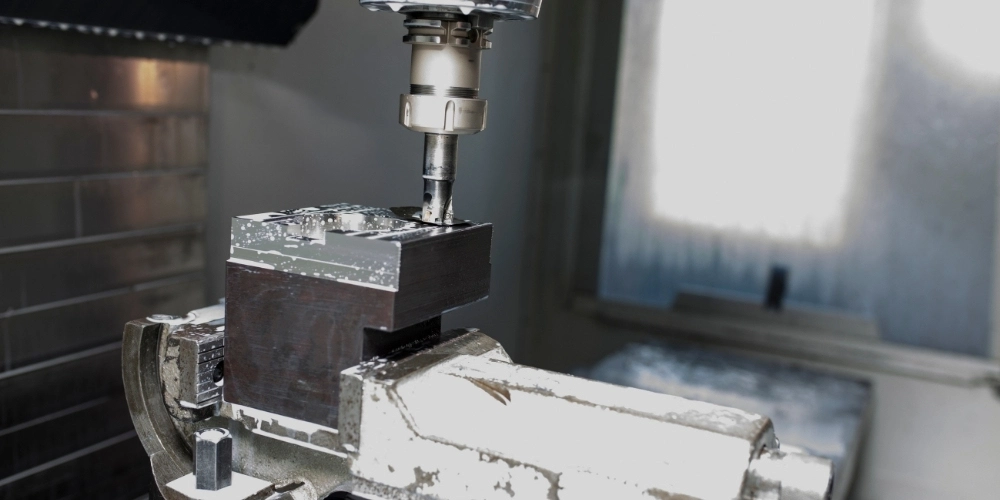
Применение нержавеющей стали 420
- Автомобильная промышленность:
- Прецизионные компоненты из нержавеющей стали 420, такие как Колесные проставки, Гайки, Блок-гард, Крышки клапанов, а также щупы повысить надежность и точность автомобильных приложений.
- Аэрокосмическая промышленность:
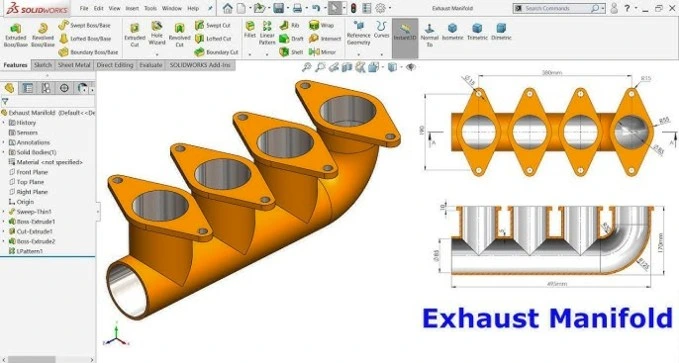
- В аэрокосмической отрасли нержавеющая сталь 420 сияет в производстве. Выпускные коллекторы, Импеллеры, Фитинги, а также Корпуса клапанов, обеспечивая надежность в экстремальных условиях.
- Медицинские компоненты:
- Для удовлетворения потребностей здравоохранения в производстве используется нержавеющая сталь 420. Медицинские винты, Прецизионные компоненты, а также Корпуса источников питания датчиков, отвечающий строгим медицинским стандартам.
- Пользовательские потребительские товары:
- Удовлетворяя разнообразные потребности потребителей, прецизионная обработка распространяется и на заказ. Горный велосипед а также БМХ Части вместе с Приварные петли, Шарнирные втулки, Петли для фортепиано, а также Пулевые петли.
- Мотоцикл:
- Обработка нержавеющей стали 420 способствует повышению производительности и эстетики мотоцикла. звездочки, Тройные зажимы, Заготовки Колеса, Хабы, Защита радиатора, а также Подножки.
- Трейлер:
- Обеспечивает надежность прицепа, обрабатывающие кожухи из нержавеющей стали 420. Ремонтные комплекты муфт, Пружинные защелки, U-образные зажимы, Муфты, Хитч-шары, Игольчатые крючки, а также Домкраты для прицепов.
- Велосипед:
- Повышая качество езды на велосипеде, прецизионная обработка включает в себя Велосипедные выносы, Звездочки, Велосипедные втулки, Педали, а также шатуны, обеспечивая долговечность и производительность.
- Карт:
- В картинге, 420 ремесел по обработке нержавеющей стали. звездочки, Шайбы, Распорки, Ступицы колес, Подшипники, Рулевые колеса, а также Колесные диски, обеспечивая надежность и точность на гоночной трассе.