Обзор
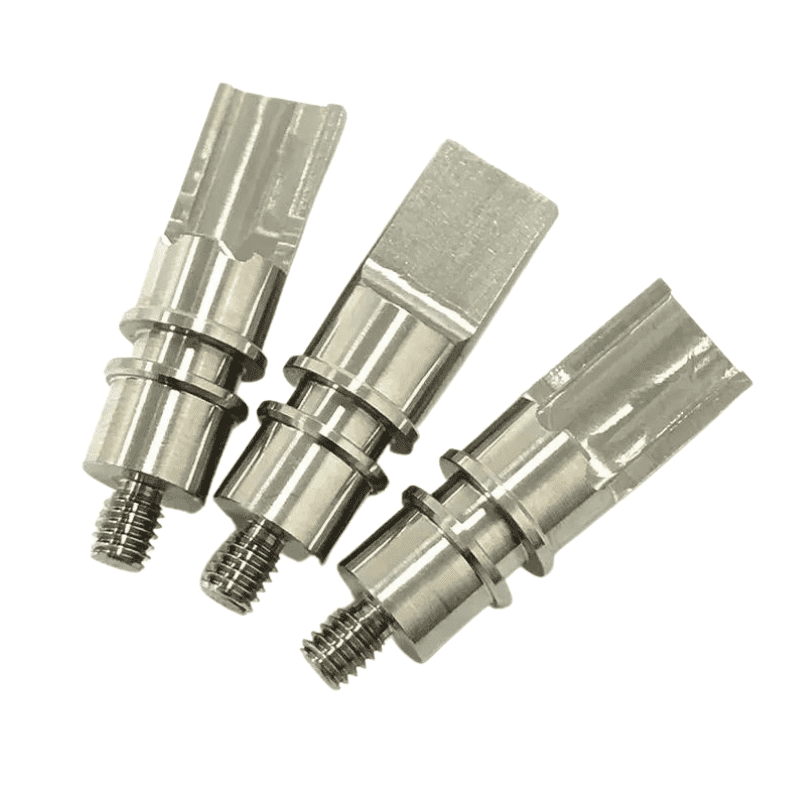
HDC имеет более чем десятилетний опыт работы в области изготовления металлических компонентов на заказ. Мы обладаем прецизионными 4-осными и 5-осевой станки, автоматизированные обрабатывающие центры с ЧПУ, а также профессиональная команда дизайнеров и производителей. Мы можем предоставить вам различные процессы обработки, в том числе фрезерование с ЧПУ, токарная обработка с ЧПУ, лазерная резка, литье металлаи многое другое, чтобы довести до совершенства компоненты из титана класса 1, соответствующие вашим конкретным требованиям.
Что такое титан класса 1?
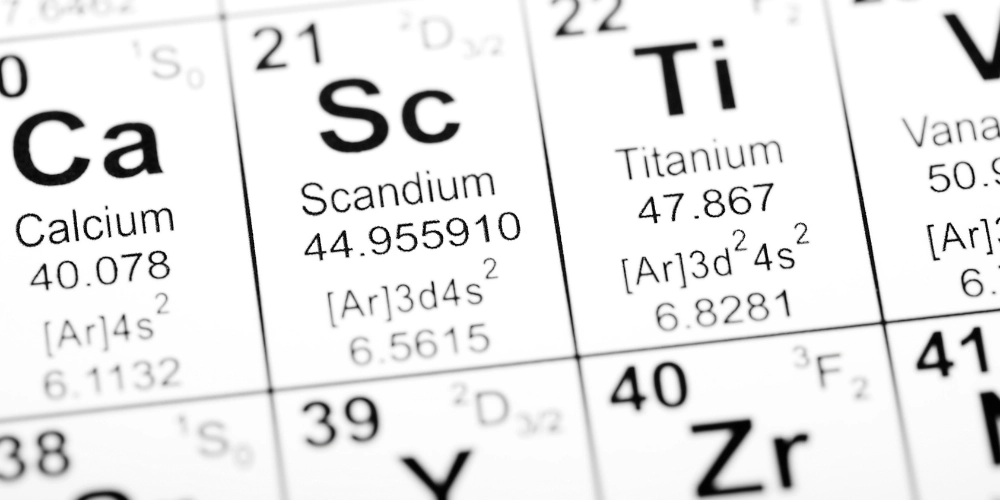
Титан марки 1, нелегированный сплав Ti («Чистый») 35А. Занимает первое место среди четырех технически чистых марок титана. Благодаря своей выдающейся коррозионной стойкости. Он имеет самый низкий уровень кислорода и железа и широко используется в различных областях. Например, теплообменники, части организмов, низкотемпературные сосуды и многое другое.
Сколько марок имеет нелегированный титан?
Промышленно чистый (CP) титан характеризуется четырьмя основными марками (CP1, CP2 и др.), которые разрабатываются для конкретных целей в зависимости от механических свойств (например, прочности, пластичности и формуемости). Марка 1 является воплощением исключительной формуемости и коррозионной стойкости, что делает ее лучшим выбором для всех применений в этой категории. Марка 2, широко известная как наиболее универсальный сплав, обеспечивает надлежащий баланс прочности, пластичности и ковкости. Марка 3 обладает преимуществом меньшей формуемости, чем марка 2; этот материал подходит для тех требований, которые требуют более высокой прочности, но не являются экстремальными по пластичности. Последняя ступень — марка 4, используемая для самых прочных материалов, где требуется высокая прочность и умеренная пластичность. Такие марки определяются различными областями применения, в которых коррозионная стойкость титана служит основной основой, и именно марки с 1 по 4 определяют основные категории нелегированного титана.
Что является основой для классификации титана?

Марка титана определяется на основе его химического состава, механических свойств, микроструктуры, коррозионной стойкости, формуемости и свариваемости. Единственное различие между коммерческим и чистым титаном заключается в процентном содержании железа и кислорода. Это, в свою очередь, влияет на прочность и эластичность материала. Легированные марки, такие как марка 5 (Ti-6Al-4V), содержат элементы, такие как алюминий и ванадий, которые делают их прочнее и улучшают другие свойства. Предел прочности на растяжение, предел текучести, пластичность и ударная вязкость, сбалансированные в реальных условиях эксплуатации, являются основой выбора марки, с учетом производственных процессов и условий окружающей среды. Такая схема позволяет точно подобрать материал в соответствии с различными требованиями применения, тем самым оптимизируя эксплуатационные характеристики и стоимость.
Какие ограничения имеет титан класса 1?
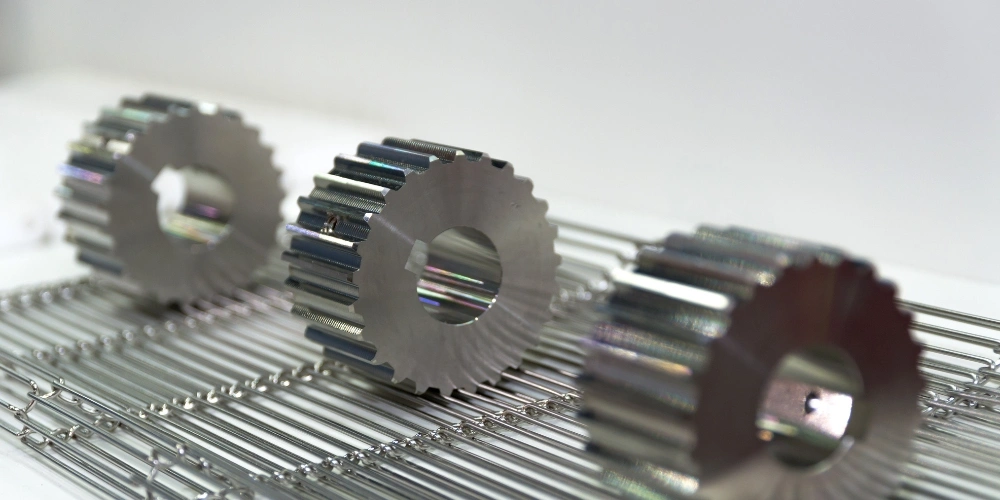
Титан марки 1, обладающий высокой пластичностью и отличной коррозионной стойкостью, имеет эти ограничения из-за низкой прочности на растяжение. Следовательно, он неприменим для применения в высокопрочных областях. Титан марки 1 также ограничен с точки зрения механизмов работы при высоких температурах и износостойкости по сравнению с высокопрочными марками титана или легированными версиями, что может ограничивать его применение в ситуациях, требующих более высоких механических свойств или высокой износостойкости. Кроме того, поскольку высокая формуемость и свариваемость титана марки 1, несомненно, являются преимуществами для некоторых применений, необходимо оценить экономическую эффективность использования специального материала там, где такие свойства не являются строго необходимыми. Поэтому титан марки 1 наиболее предпочтителен для применений, предполагающих использование его уникальных свойств, таких как коррозионная стойкость и формуемость, а не для тех, которые требуют высокой прочности.
Химический состав титана марки 1
| Химический элемент | % присутствует |
| Титан, Ti | 99.1-100 |
| Железо, Fe | 0- 0.20 |
| Кислород, О | 0-0.18 |
| Углерод, С | 0-0.01 |
| Азот, Н | 0-0.03 |
| Водород, H | 0- 0.015 |
Влияют ли другие элементы в титане марки 1 на его свойства?
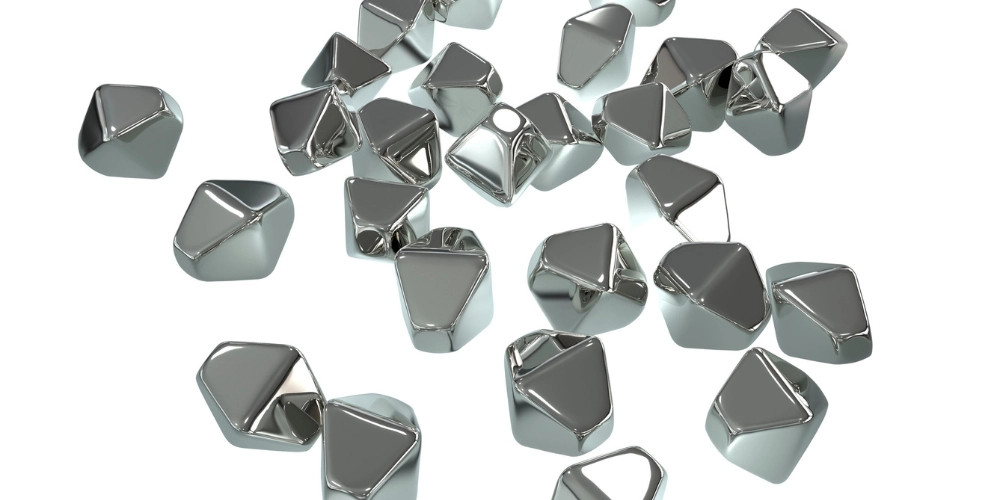
Титан марки 1, также называемый коммерчески чистым титаном, целенаправленно легируется путем добавления измеренных (т.е. контролируемых) количеств интерстициальных элементов, таких как кислород, азот, углерод и водород, а также примесей замещения, таких как железо. Действительно, эти элементы играют незначительную роль в определении свойств. Легирование кислородом и азотом повышает прочность, но поддерживает их низкое содержание для сохранения пластичности и формуемости. Содержание углерода ограничено, чтобы предотвратить образование карбидов, тем самым контролируя коррозионную стойкость и пластичность. Содержание водорода, приводящего к охрупчиванию, также сведено к минимуму, а содержание железа в объеме снижено для повышения прочности; тем не менее, его содержание поддерживается на низком уровне для сохранения мягкости и высокой формуемости. Это не означает, что все марки титана лучше, чем те, которые предназначены для использования в высококоррозионных средах; скорее, это означает, что поддерживается приемлемый баланс между превосходной коррозионной стойкостью, пластичностью и формуемостью, что делает его пригодным для применений, где эти свойства имеют первостепенное значение.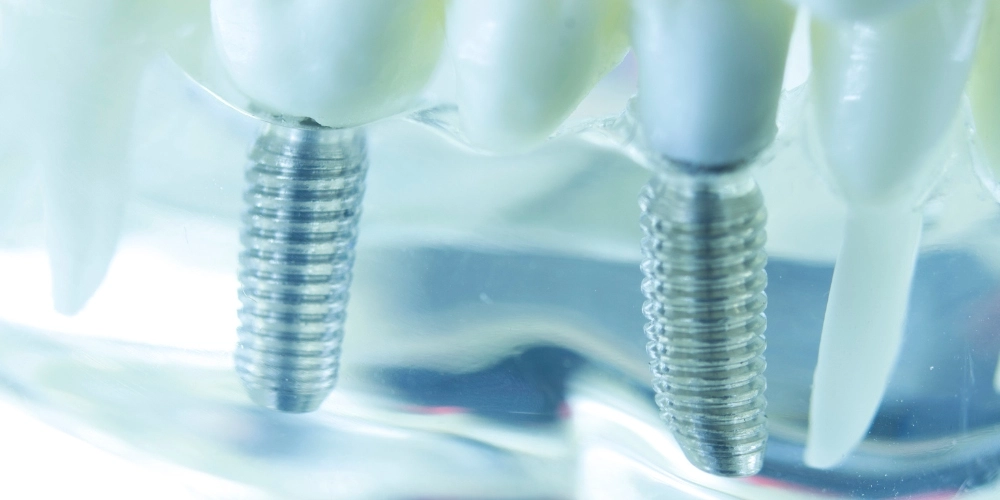
Механические свойства титана марки 1
| Характеристики | Метрика | Императорский |
| Твердость по Бринеллю | 120 | 120 |
| Твердость, Кнуп | 132 | 132 |
| Твердость по Роквеллу B | 70 | 70 |
| Твердость по Виккерсу | 122 | 122 |
| Прочность на растяжение, максимальная | 240 МПа | 34800 фунтов на квадратный дюйм |
| Прочность на растяжение, предел текучести | 170 – 310 МПа | 24700 – 45000 фунтов на квадратный дюйм |
| Относительное удлинение при разрыве | 24% | 24 % |
| Уменьшение площади | 35% | 35 % |
| Модуль упругости | 105 ГПа | 15200 фунтов на квадратный дюйм |
| Модуль сжатия | 110 ГПа | 16000 фунтов на квадратный дюйм |
| Коэффициент Пуассона | 0.37 | 0.37 |
| Шарпи Импакт | 310 Дж | 229 фут-фунт |
| Модуль сдвига | 45 ГПа | 6530 фунтов на квадратный дюйм |
| Твердость по Бринеллю | 120 | 120 |
Физические свойства титана марки 1

Плотность | Средний коэффициент теплового расширения | Температура плавления | Теплопроводность | Модуль упругости |
| 4,51 г/см³ | 4,78*10-5 мм | 1670 °C | 111Вт/(мК) | 15656 МПа |
Проблемы обработки титана марки 1
В случае обработки титана марки Grade 1 эти проблемы возникают из-за его высокой реакционной способности, которая делает его более чувствительным к любым загрязнениям, и пластичности, что усложняет как механическую обработку, так и процессы формовки. Эти высококачественные детали проектируются с учетом строгого контроля окружающей среды для минимизации ухудшения свойств, а также с учетом особенностей используемых обрабатывающих инструментов, которые могут прилипать к инструментам и вызывать износ. Крайне важно поддерживать контролируемую среду во время сварки и термообработки, а также бережно обращаться с материалом, чтобы он не терял своих целостных свойств при формовке, что в совокупности увеличивает себестоимость производства. Однако эти трудности не отменяют того факта, что титан марки Grade 1 обладает высокими коррозионными свойствами, а также биосовместимостью, поэтому он широко используется в сложных областях применения, таких как химическая промышленность, судостроение и медицина.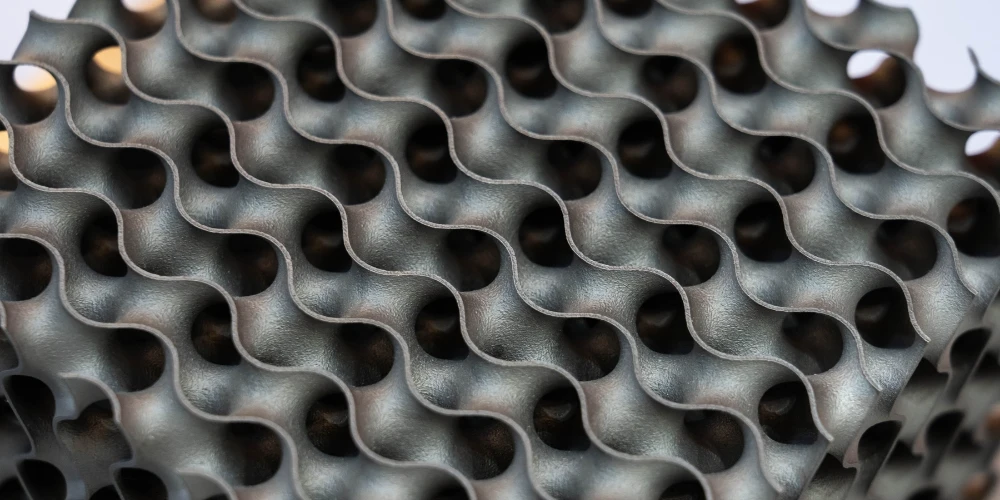
Применение титана класса 1
Титан марки 1 широко используется во многих отраслях промышленности благодаря своей высокой коррозионной стойкости, хорошей формуемости и легкости сварки. В химической промышленности он применяется для изготовления таких изделий, как теплообменники и реакторы, обладая неизменной коррозионной стойкостью к агрессивным веществам. Устойчивость к коррозии в морской воде делает его подходящим для использования в морских приложениях, таких как строительство судов и морских платформ. Хотя коррозионностойкий титан марки 1 является предпочтительным материалом для конструкционных компонентов аэрокосмической отрасли, более высококачественные марки и сплавы находят важное применение в аэрокосмической технике. Биосовместимость является ключевой характеристикой, необходимой для медицинских имплантатов, таких как ортопедические устройства. Также он используется в энергетике, в таких процессах, как геотермальная и атомная энергетика, где внутри реактора часто происходит коррозия, а также в конструкциях благодаря своей долговечности и эстетичности. Кроме того, долговечность компонентов открывает возможности применения этих мембран в областях, где важна устойчивость к воздействию окружающей среды.