Обзор
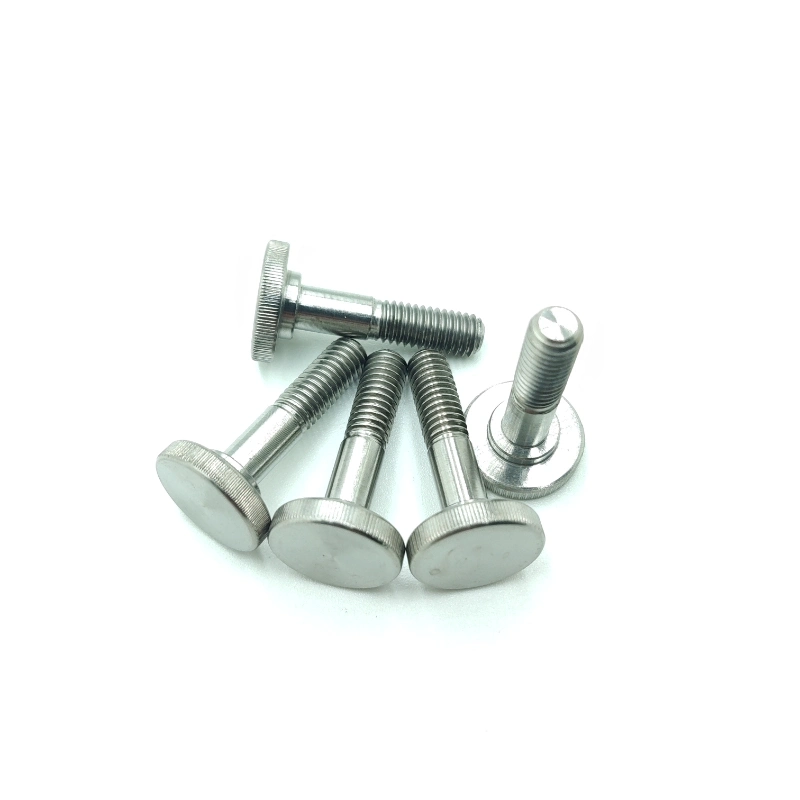
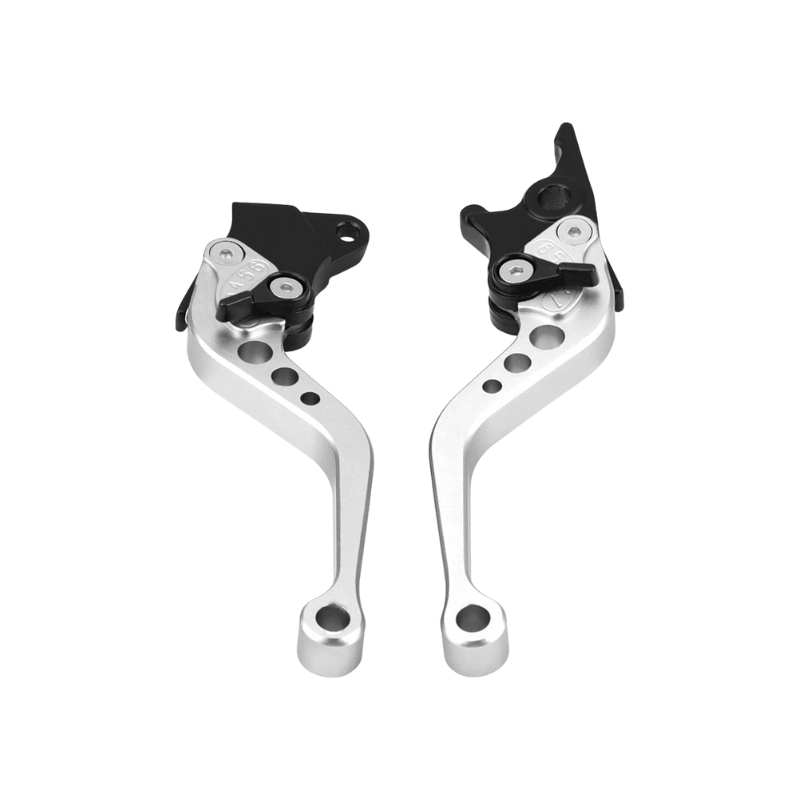
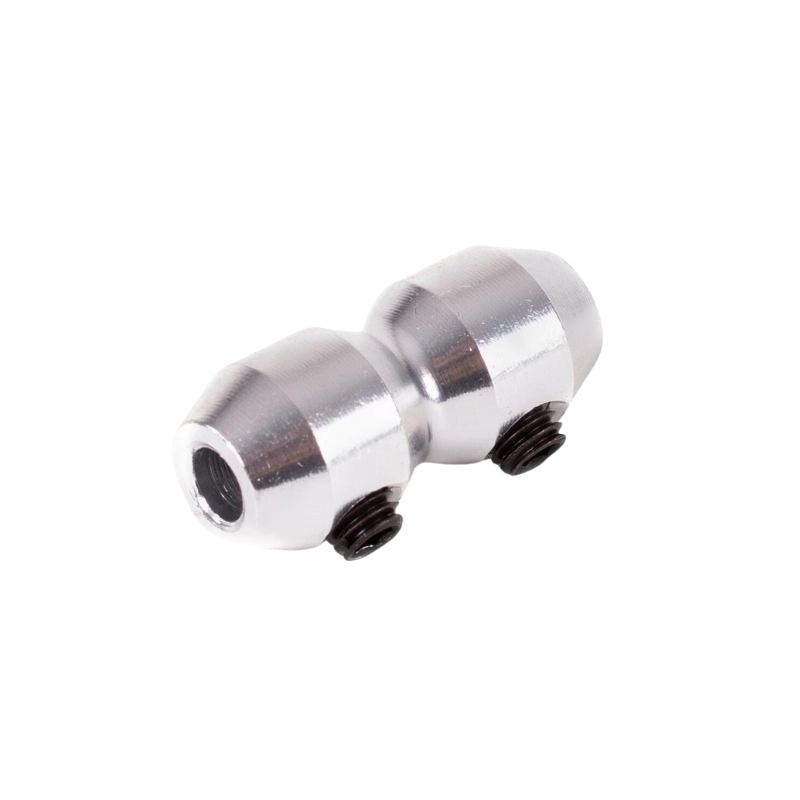
Компания HDC Manufacturing имеет более чем десятилетний опыт в области изготовления металлических компонентов на заказ. Мы располагаем высокоточным 4-осевым оборудованием и 5-осевой станки, автоматизированные обрабатывающие центры с ЧПУ, а также профессиональная команда дизайнеров и производителей. Мы можем предоставить вам различные процессы обработки, в том числе фрезерование с ЧПУ, токарная обработка с ЧПУ, лазерная резка, литье металлаи многое другое, чтобы довести до совершенства ваши компоненты из титана Grade 2 с учетом ваших конкретных требований.
Что такое титан марки 2?
Титан Grade 2 – это нелегированный титан. Это особенно похоже на Титан 1 класса. Люди называют это «рабочей силой» промышленного чистого титана. По сравнению с классом 1, он имеет более высокую прочность и превосходные характеристики холодной штамповки. Это лучший выбор во многих областях применения, таких как аэрокосмическая промышленность, производство электроэнергии, химическая обработка и т. д.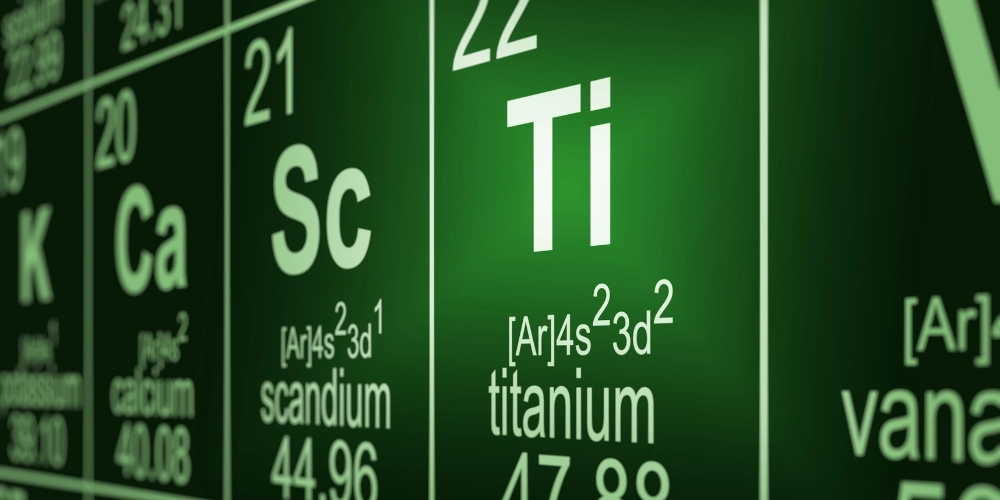
Разница между титаном 1-го и 2-го класса
Титан марок 1 и 2 в основном идентичны, но титан марки 1 обычно имеет немного более высокое содержание кислорода и, следовательно, демонстрирует несколько иные свойства. Титан марки 1 имеет более низкое содержание кислорода, что обеспечивает немного большую пластичность и формуемость, тогда как титан марки 2 обладает немного большей прочностью благодаря немного более высокому содержанию кислорода. Титан марки 1 обладает лучшей пластичностью и свариваемостью, а также преимуществом при химической обработке; в то время как титан марки 2 обладает большей прочностью и предпочтителен в аэрокосмической, медицинской и автомобильной отраслях. В целом, выбор между двумя марками зависит от конкретного применения: формуемости, прочности на растяжение и других механических характеристик.
Каковы недостатки титана Grade 2?
Хотя титан марки 2 во многом можно считать лучшим выбором, у него все же есть недостатки. Недостаток заключается в том, что он значительно слабее по сравнению с титановыми сплавами, такими как марка 5, что ограничивает его использование в случаях, требующих высокого соотношения прочности к весу. Во-вторых, он может быть дороже, чем другие материалы, такие как нержавеющая сталь или алюминий, что может повлиять на бюджет при строительстве. Кроме того, титан марки 2 может быть сложен в обработке из-за высокой теплопроводности и потенциального упрочнения при обработке, что приводит к значительному износу инструмента и увеличению затрат на обработку. Опять же, хотя он свариваем, для предотвращения охрупчивания или загрязнения требуются строгие сварочные процессы, которые в конечном итоге могут привести к ухудшению его механических свойств и коррозионной стойкости. Более того, его холодная обрабатываемость довольно ограничена, что делает холодную формовку и придание формы сложными задачами и может привести к потере прочности материала из-за образования трещин. Несмотря на бесшовность этих соединений, титан марки 2 все же имеет свои ограничения; Тем не менее, он остается очень эффективным с точки зрения коррозионной стойкости, биосовместимости и легкости в самых разных областях применения.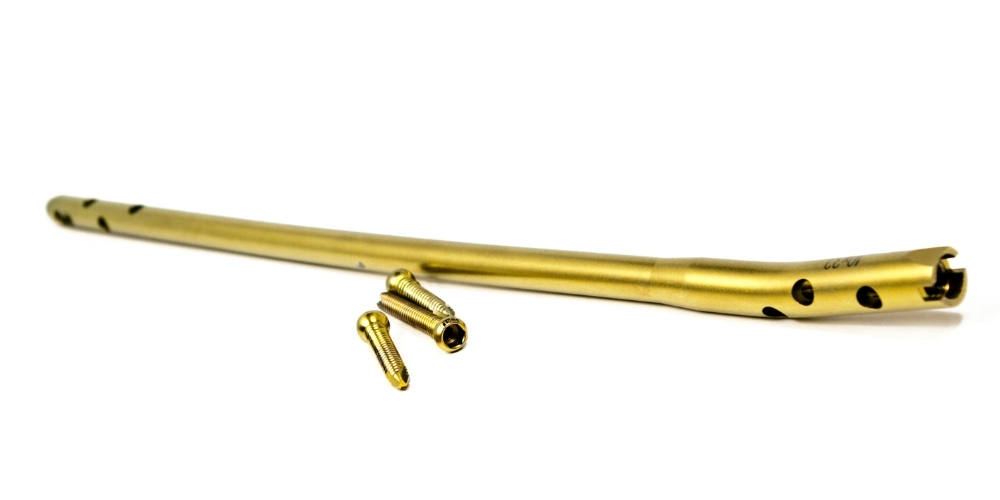
Химический состав титана марки 2
| Химический элемент | Контент (%) |
| Титан, Ti | ≥ 98,9 |
| Железо, Fe | 0- 0.30 |
| Кислород, О | 0-0.25 |
| Углерод, С | 0-0.08 |
| Азот, Н | 0-0.03 |
| Водород, H | 0- 0.015 |
Влияние меньшего содержания других элементов на титан марки 2

(Небольшие количества других элементов лишь незначительно влияют на свойства титана марки 2), поскольку титан марки 2 представляет собой коммерчески чистый титановый сплав, основным компонентом которого является титан с незначительными примесями других элементов, таких как кислород, азот, водород, углерод и железо. Сплав Ti-6Al-4V содержит эти элементы в очень низкой концентрации, поэтому Ti-6Al-4V не оказывает заметного влияния на общие свойства титана марки 2. В то же время металл не является чистым и содержит посторонние элементы, которые могут негативно повлиять на механические свойства материала, включая прочность, пластичность и коррозионную стойкость. Следовательно, контроль качества примесей и легирующих элементов имеет основополагающее значение для обеспечения высокой чистоты и желаемых свойств титана марки 2. Следует отметить, что титан марки 2 обычно выбирают за его выдающуюся коррозионную стойкость, а также биосовместимость и низкую плотность, поскольку он применяется в различных отраслях промышленности, таких как аэрокосмическая, фармацевтическая и химическая промышленность.
Механические свойства титана марки 2
| Характеристики | Метрика | Императорский |
| Предел прочности | 485 МПа | 70300 фунтов на квадратный дюйм |
| Предел текучести | 345 МПа | 50000 фунтов на квадратный дюйм |
| коэффициент Пуассона | 0.34-0.40 | 0.34-0.40 |
| Модуль упругости | 105 – 120 ГПа | 15200 – 17400 тыс.фунтов/кв.дюйм |
| Относительное удлинение при разрыве | 28% | 28% |
| Твердость (HV) | 160-200 | 160-200 |

Физические свойства титана марки 2
| Плотность | Бета Трансус | Температура плавления | Теплопроводность | Упругое сопротивление |
| 4,51 г/см³ | 915 °C | 1660 °С | 21,79 Вт м-1 °C-1 | 0,53 мкОм/м |
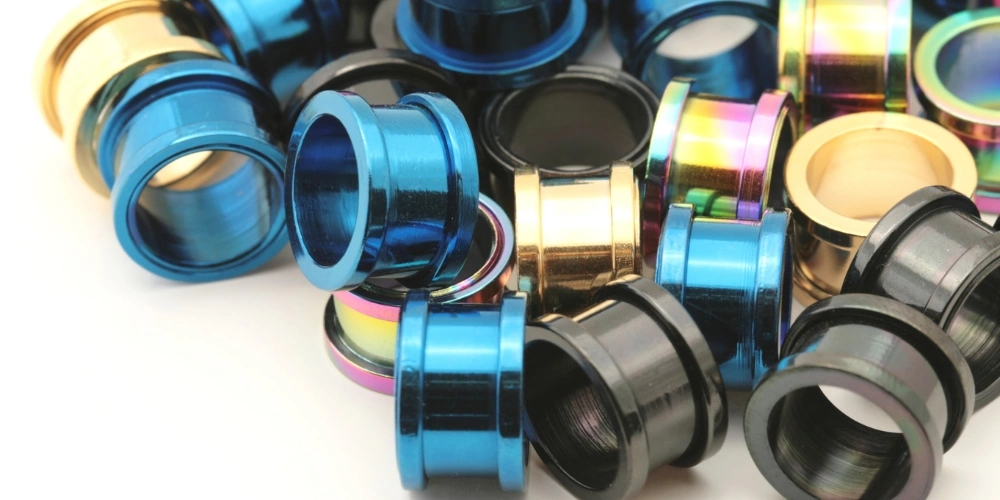
Термические свойства титана марки 2
| Тепловые свойства | Метрика | Английский |
| Теплота плавления | 325 Дж/г | 140 БТЕ/фунт |
| КТР, линейный | 8,60 мкм/м-°C @Температура 0,000–100 °C | 4,78 мкдюйм/дюйм-°F @Температура 32,0–212 °F |
| 9,20 мкм/м-°C @Температура 0,000–315 °C | 5,11 микродюйм/дюйм-°F @Температура 32,0–599 °F | |
| 9,70 мкм/м-°C @Температура 0,000–540 °C | 5,39 мкдюйм/дюйм-°F @Температура 32,0–1000 °F | |
| Удельная теплоемкость | 0,523 Дж/г-°С @Температура 20,0 °С | 0,125 БТЕ/фунт-°F @Температура 68,0 °F |
| 0,560 Дж/г-°С @Температура 200 °С | 0,134 БТЕ/фунт-°F @Температура 392 °F | |
| 0,620 Дж/г-°С @Температура 400 °С | 0,148 БТЕ/фунт-°F @Температура 752 °F | |
| 0,670 Дж/г-°С @Температура 540 °С | 0,160 БТЕ/фунт-°F @Температура 1000 °F | |
| 0,690 Дж/г-°С @Температура 600 °С | 0,165 БТЕ/фунт-°F @Температура 1110 °F | |
| Теплопроводность | 16,4 Вт/мК | 114 БТЕ-дюйм/час-фут²-°F |
| Температура плавления | <= 1665 °С | <= 3029 °Ф |
| Ликвидус | 1665 °С | 3029 °Ф |
| Бета Трансус | 913 °С | 1680 °Ф |
Методы, подходящие для обработки титана Grade 2
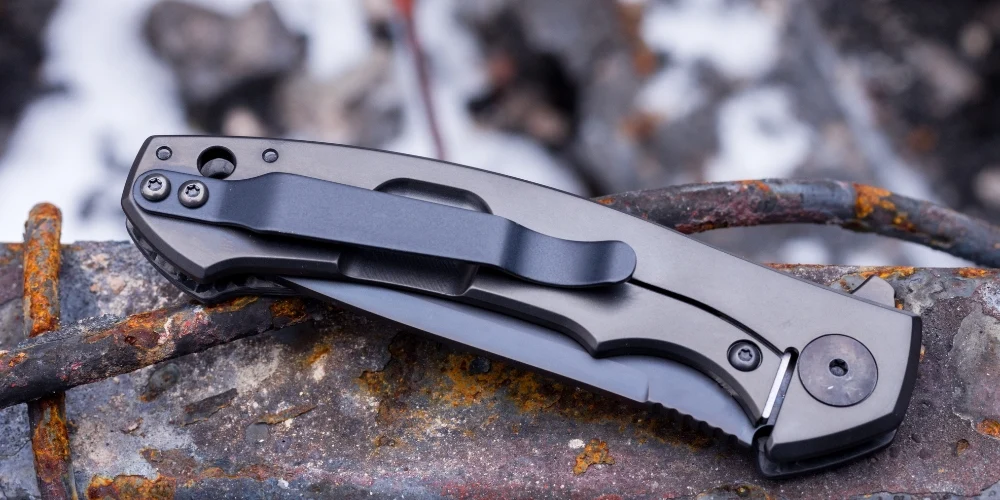
Обработка титана марки Grade 2 включает в себя ряд технологий в зависимости от его характеристик. Механическая обработка (токарная и фрезерная) широко распространена, но требует времени, поскольку материал обладает низкой теплопроводностью. Только сварочные технологии, такие как GTAW или EBW, сопряжены с риском загрязнения и окисления материала, поэтому необходимо принимать меры предосторожности. Могут использоваться процессы формования, как холодные, так и горячие; для достижения пластичности может потребоваться дополнительный отжиг. Для получения желаемых механических свойств применяются процессы термообработки (отжиг и снятие напряжений). Модификация поверхности, такая как полировка и анодирование, обеспечивает повышенную коррозионную стойкость и улучшает внешний вид. В отличие от этого, технологии машиностроения, такие как SLM и EBM, очень гибки в работе со структурами сложной геометрии. Эти методы обычно используются для изготовления деталей для аэрокосмической, медицинской и химической промышленности.
Применение титана класса 2
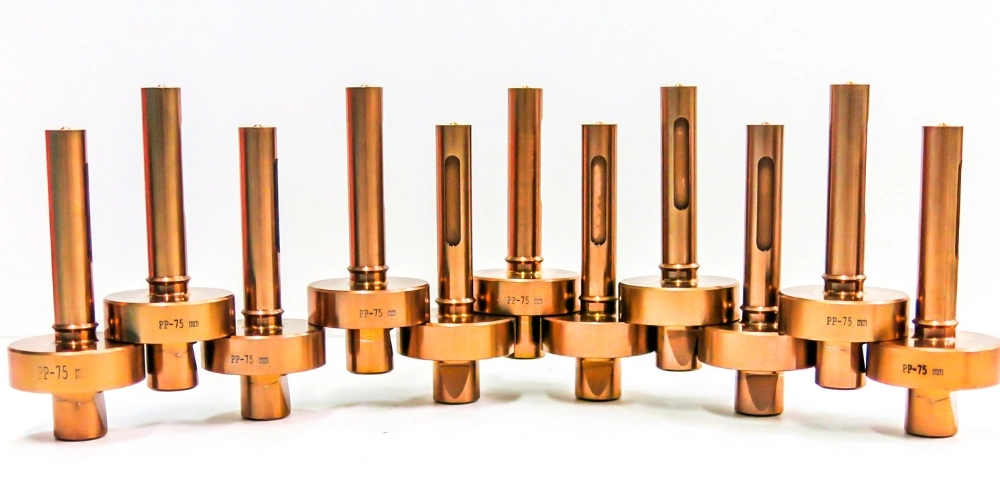
Широкое применение титана марки 2 подтверждается его замечательными характеристиками в различных отраслях промышленности. Он используется в аэрокосмической отрасли для изготовления конструкций планеров и деталей двигателей, в здравоохранении благодаря своей биосовместимости и возможности химической обработки для создания коррозионностойкого оборудования. Кроме того, он также применяется в морской отрасли, строительстве и спортивном снаряжении, поскольку отличается прочностью и устойчивостью к электрохимическому окислению. В целом, титановый сплав марки 2 выделяется как незаменимый материал в таких отраслях, как аэрокосмическая промышленность, где требуются легкие, коррозионностойкие и высокоэффективные материалы.