Основные принципы и рабочий процесс прессования металлов
Metal pressing, in fact, draws up a succession of coordinated operations, which enables the processing of metal raw materials into final products affordably and precisely. In this phase the process starts with material selection which comes with choosing the appropriate metal based on the desired properties of final product e.g. strength, flexibility and cost. The given list of options is like steel, aluminum, brass, and copper as well as the evaluation is done to get the best performance and suitability.
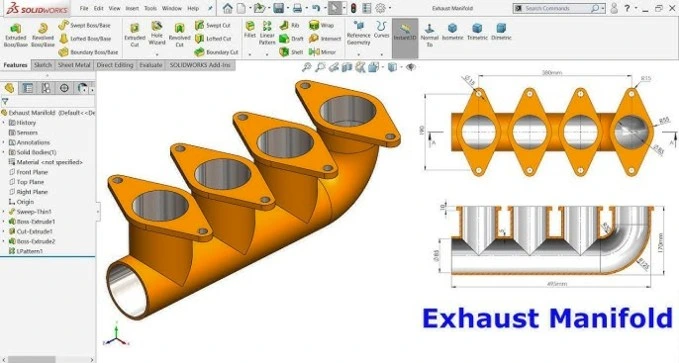
The following step involves the precise designing and tool engineered of die, that consist of a punch and die cavity. Employing CAD software to make the die, engineers build it to contour the shape of the part required with even, smooth edges. This is a significant step aimed at reaching high operational efficiency levels. The design of die and engineering become a must because of their complexity and unique.
Lastly, the forceful operation takes place, where the metal sheets or coils that have been prepared, are put into an apparatus with a die in it. The power of the machine bends the metal to fit into its needed design, through operations like cutting, bending, drawing, or embossing, that is dictated by the die. Consequently, procedures such as inspection, rigorous testing, and quality control are applied to carefully examine each of the part to guarantee that there are no imperfections or deviations from the specifications. Parts are often passed through different kinds of post-processing steps, which include cleaning, heat treatment or surface finishing that aim at the promotion of properties or surface look, resulting in the part finished production that is used in various industries and applications.
Распространенные методы прессования металлов
Прессование металла, или штамповка, включает в себя различные методы придания металлическим листам желаемой формы, отвечающей разнообразным промышленным потребностям.
- Заготовка и перфорация — это основополагающие процессы вырезания фигур и создания отверстий соответственно, служащие предшественниками для более сложных деталей.
- Изгиб преобразует металл посредством деформации, создавая углы и кривые, необходимые для структурных компонентов.
- Глубокий рисунок расширяет металл до глубоких чашеобразных форм, что крайне важно для деталей, требующих значительной глубины относительно их отверстия.
- Чеканка обеспечивает точность и детализацию, прессуя металл между штампами для изготовления деталей с высокой детализацией и жесткими допусками, таких как монеты и прецизионные шестерни.
- Тиснение представляет текстурированные узоры без разрезания, улучшая эстетику и структурную целостность.
- Прогрессивная штамповка оптимизирует производство, последовательно обрабатывая металлические полосы через несколько штампов для получения больших объемов продукции с жесткими допусками.
В совокупности эти методы иллюстрируют универсальность прессования металла в производстве, позволяя создавать компоненты, среди прочего, в автомобильной, электронной и строительной отраслях.
Распространенные материалы, используемые при прессовании металлов, и критерии их выбора
При прессовании металлов выбор материала имеет жизненно важное значение, чтобы найти баланс между механическими свойствами, коррозионной стойкостью, весом, проводимостью, стоимостью и доступностью.
- Стали обладает хорошей пластичностью и представляет собой хорошее сочетание цены и прочности. Предпочтителен при изготовлении автомобильных и конструкционных деталей.
- Алюминий легкий и с хорошей формуемостью. Он используется в аэрокосмической и бытовой электронике, где вес имеет важное значение.
- Медь и ее сплавы, такие как латунь, являются одними из самых востребованных материалов из-за их высокой электро- и теплопроводности и применяются в электрических компонентах и декоративных изделиях.
- Титан, является ведущим материалом в аэрокосмической и медицинской промышленности, главным образом из-за его высокого соотношения прочности к весу и коррозионной стойкости.
- Никель сплавы являются уникальными материалами, способными противостоять экстремальным температурам и коррозии. Поэтому эти сплавы становятся незаменимыми в химической промышленности и энергетике.
Выбор зависит от области применения, в зависимости от потребностей, в которых система должна соответствовать производительности, долговечности и бюджету.
Основное оборудование и инструменты, необходимые для прессования металлов
The metal stamping is accomplished by a wide range of sophisticated machines which give the best results of pressing metal sheets into the accurate components. Press machines, such as mechanical, hydraulic, and servo types, as well as custom-made dies and tooling, have a role in cutting, bending, and forming processes. The feeders and coil handling equipment facilitate material flow into the press, which are reduced by the lubrication systems, and part removal is facilitated. Inspection and quality control tools e.g. gauges, and vision systems, are used to maintain standards of production. The other critical factor is material handling and automation tools such as conveyors and robotic arms which create a smooth assembly line that is not only efficient but also safe. Together, these machines are the metal pressing equipment, and the whole setups are the source of the manufacturing of high-quality metal parts in a range of different industries.
Проектирование и процесс изготовления металлических пресс-форм
Проектирование и изготовление металлических пресс-форм включает в себя кропотливый процесс, который начинается с концептуализации, в ходе которого инженеры совместно определяют спецификации деталей и создают подробные 3D-модели CAD. За этим следует моделирование с использованием анализа методом конечных элементов (FEA) для прогнозирования и устранения потенциальных проблем в поведении металла во время прессования. Затем с помощью программного обеспечения CAM генерируются траектории инструмента для обработки на станках с ЧПУ, что приводит к точной обработке компонентов штампа. После сборки пресс-форма проходит пробные запуски для изготовления прототипов деталей для проверки и корректировки, гарантируя, что они соответствуют требуемым размерам и допускам. Кульминацией процесса является этап строгого обеспечения качества, на котором штамп подвергается окончательной настройке, прежде чем он будет признан готовым к полномасштабному производству. Этот комплексный подход объединяет передовые разработки, точную механическую обработку и строгий контроль качества для изготовления форм, способных производить высококачественные металлические детали.
Классы точности и диапазоны допусков, достижимые при прессовании металлов
In the case of metal pressing, getting the right tolerance levels and grades of accuracy is highly due to ongoing factors like type of metal, equipment precision, part complexity, pressing method, operator’s skill, and quality control measures. On the one hand, metals such as aluminum offer finer tolerances, but precision tooling and CNC-controlled machines are the ones that control these fine tolerances.
Simpler parts are normally more pressed accurately than the complex ones, therefore, careful quality control at the process is vital. These accuracy limits are as tight as +/- 0.005 inch (0.127 mm) or even tighter; however, they depend on the applied requirements and the achievable improvements of the process. Continuous teamwork of engineers, toolmakers, and operators, and implementation of constant improvement methods and technological developments enable reaching almost total precision in metal pressing.
Применение металлических прессованных деталей в различных областях
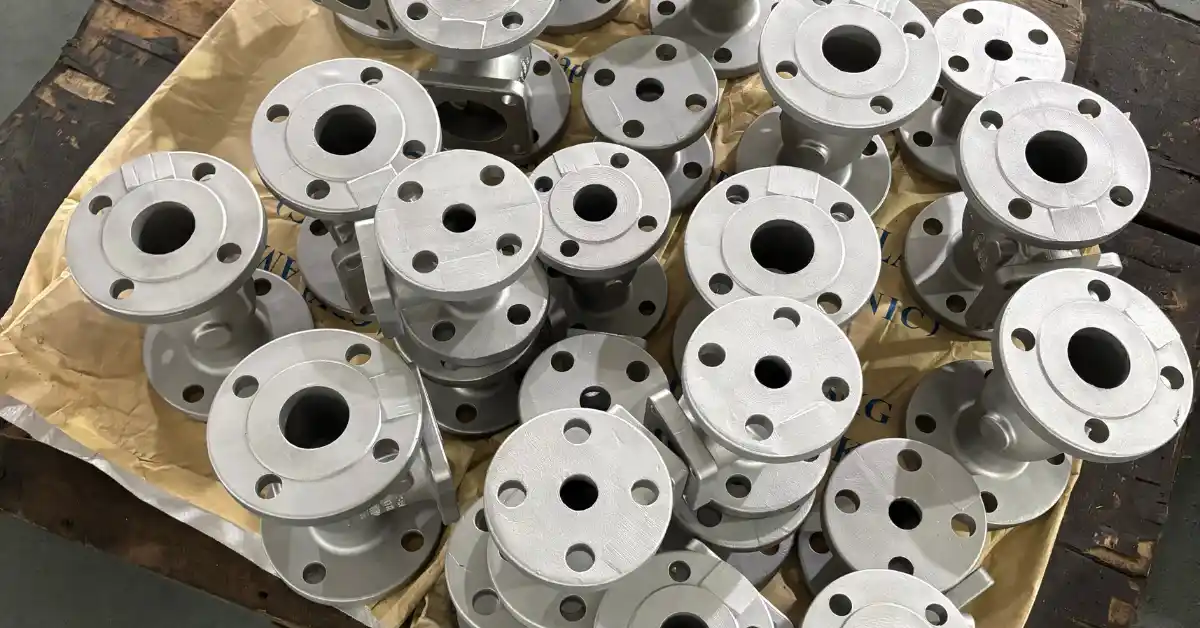
Металлические прессованные детали имеют широкий спектр применения в промышленности благодаря их способности принимать различные формы и высокой точности.
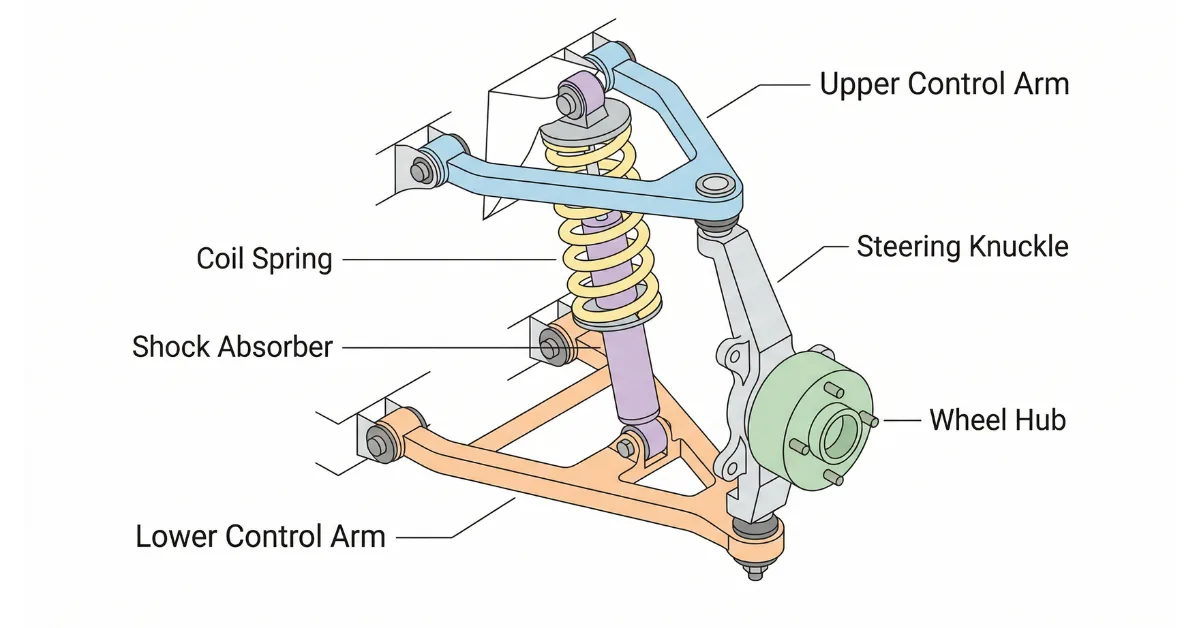
- Автомобильное производство: Конструкция шасси, Компоненты двигателя, Кузовные панели
- Аэрокосмические приложения: Корпуса самолетов, Детали двигателей, Внутреннее оборудование.
- Электронная промышленность: Схема, разъемы, корпуса
- Строительный сектор: Светильники, Фурнитура, Конструктивные элементы
- Производство потребительских товаров: Техника, Мебель
Качественные штампованные детали в каждой из этих отраслей являются важнейшим атрибутом, который высоко ценится за их долговечность, точность и универсальность. Они играют важную роль в производительности и надежности продукта.
Инновационное применение прессования металлов в новых технологиях
Metal presswork is increasingly being implemented in progressive technologies that span various domains. In additive manufacturing, pressing is integrated as a process for post processing steps, which in turn enhances the accuracy and quality of the 3D printed metal components. Beyond that, in microfabrication and nanotechnology, metal pressing allows the creation of such tiny structures used in microelectronics and biomedical devices with a very high level of accuracy. In the same vein, metal pressing is a key element in flexible electronics, as it allows embedding conductive traces into flexible substrates, thus making it possible to develop bendable and stretchable electronic devices for wearable technology and healthcare applications.
Moreover, metal pressing also helps in the advancement of energy storage and conversion systems through the manufacturing of electrodes and current collectors for batteries, supercapacitors, and fuel cells, hence, making them more efficient and productive. In smart materials and sensors, pressing techniques enable manufacture of precision metal parts having particular mechanical, electrical, or magnetic properties that are necessary for application in robotics, IoT devices, and structural health monitoring. In addition, the automotive and aerospace sectors are also able to manufacture lightweight and durable components with metal pressing for electric vehicles, hydrogen fuel cells, spacecraft, and satellites, which help and support the development of advanced transportation and space exploration. These varied applications show the usefulness and importance of metal pressing in the creation of new innovations in the emerging technologies.
Меры контроля качества при прессовании металлов
Quality assurance in metal pressing is an essential step to maintain the accuracy and integrity of the finished products. Introductory raw material inspections validate their conformance to certain requirements, including an optimal composition, dimensions, and surface finish. The constant monitoring and repair of press tooling are crucial in achieving the desired tolerance values and preventing the wear and tear, misalignment, and damage risk. Continuous monitoring of the key process parameters like pressure and temperature in real-time allows quick detection of the deviations. And in this way, the corrective actions are taken as soon as possible resulting in improved process control.
The in-process checks for the dimensional accuracy and the surface finish in pressing operations are indispensable which, in turn, help in early diagnosis and corrections. After the completion of production, final inspections are conducted which involve the rigorous assessment of finished parts to ascertain that all the specified requirements including dimensional tolerances, surface quality, and material properties are met. Statistical process control is a method of checking process variability and locating possible problems, consequently, the uniformity and stability will be maintained for the extended production.
On top of that, in-depth root cause analysis of the non-conforming parts helps to determine the root causes of these problems and the preventive measures that can be taken to eliminate the recurrence of such issues. The training of employees remains a principal issue regarding the attainment of the proficiency of quality control procedures. Operators and quality control personal staff are empowered to perform inspections perfectly and use measurement equipment competently. This system of well-defined quality control procedures helps manufacturers to maintain the standards of accuracy and precision, producing parts that can satisfy even the toughest customers’ requirements.
Ключевые проблемы, с которыми сталкиваются в процессах прессования металлов
Tool wear and maintenance, material variability, complex geometries, tight tolerances, the problem of springback, finishing surface, and the management of heat and materials are the key challenges of metal pressing process. Tool wear and maintenance are significant factors considering the extreme pressures involved, while materials difference can result in the non-uniformity of products. Attaining the required tolerances and handling springback are the difficulties aside from keeping the wanted surface finishes and doing away with defects. The issue of heat management is of importance to ensure avoidance of material distortion, while scrap and material waste reduction is aimed at improving profitability and sustainability. This is a complex process which requires a mix of sophisticated technology, process optimization, and continuous improvement to guarantee efficient and high-level metal pressing activities.
Решение проблем, связанных с отходами материалов и эффективностью посредством технологических достижений в области прессования металлов
The improvement in the area of metal pressing that targets material waste and efficiency concerns is through employing strategies such as advanced simulation software for process optimization, real-time monitoring systems for immediate adjustments, and high-speed presses for increased productivity. Integrating Industry 4.0 and IoT allows for data-driven decision making and predictive maintenance and at the same time, additive manufacturing brings near-net-shaped part production as a waste reduction technique. With the development of tooling materials and designs, the tool life is extended and the wear is reduced, and the recycling initiatives make scrap metal serviceable for reuse. Through the use of the above discussed developments, the manufacturers can curb waste, increase efficiency, and make metal pressing processes more sustainable.
Как достижения в области материаловедения влияют на технологию прессования металлов?
Достижения в области материаловедения оказывают глубокое влияние на технологию прессования металлов, способствуя разработке новых сплавов и композитов с улучшенными свойствами. Эти достижения оптимизируют инструменты и оборудование, что приводит к повышению износостойкости и повышению эффективности операций прессования. Более того, инновации в материаловедении способствуют развитию технологий формования, что позволяет производить сложные компоненты с более жесткими допусками. В целом, эти разработки постоянно расширяют границы возможностей прессования металлов, повышая производительность, эффективность и универсальность в производстве компонентов.
Роль цифровизации и автоматизации в прессовой промышленности металлов
Digitalization and automation are transforming metal pressing market into a new level, that enhances competitiveness by increasing productivity and accuracy. Digitalization enables designers to do tasks including simulation, production planning, and product development, which boosts product development time and optimalities. Employing modern software help doing a virtual pressing operation and simulation, no need of physical prototypes; this reduces the trail and error cost.
Furthermore, with the introduction of automated technologies like robots and CNC-controlled machinery, the ability of production systems to perform repetitive tasks more effectively and consistently is increased by automating these tasks and reducing human mistakes as a result. Robotic systems can be responsible for materials handling, tool changing, and quality inspection, whereas CNC presses provide precise control over pressing parameters by result of were in effect higher-quality components and minus the scrap loose. By and large, digitization and automation allow metal presses to reach their goals in the various industry changes, increase productivity and retain a competitive edge in the industrial competition.
Cost-Effectiveness Comparison of Metal Pressing With Other Manufacturing Processes
Прессование (штамповка) металла, как правило, более рентабельно для крупносерийного производства, поскольку обеспечивает сокращение времени цикла и низкие затраты на единицу продукции, особенно по сравнению с другими производственными процессами:
- Литье: лучше подходит для сложных форм малых и средних объемов, но с точки зрения единиц измерения и стоимости медленнее и дороже, чем штамповка.
- Механическая обработка: обеспечивает высокую точность без ограничений по размеру, но требует высоких трудозатрат и затрат на материалы, что делает ее даже дорогой для больших масштабов.
- Изготовление (сварка, гибка): Гибкий способ передачи производства на аутсорсинг на проектной основе или для небольших объемов становится слишком трудоемким и дорогим, когда объемы выше.
- 3D-печать: хорошо подходит для прототипов и сложных деталей, которые производят мало отходов, но, как правило, медленны и дороги для крупномасштабного производства.
Наконец, прессование металла наиболее продуктивно, когда речь идет о больших объемах, поскольку оно может происходить быстрее с меньшими затратами рабочей силы, хотя и с более высокими затратами на инструменты и настройку. Для небольших объемов, очень сложных или нестандартных деталей другие альтернативы могут иметь более экономичную основу, несмотря на то, что они имеют высокую стоимость единицы детали.
Вывод
All in all, the contribution of metal pressing to modern manufacturing sector can hardly be left undescribed, due to its unmatched efficiency, flexibility, and accuracy seen in multiple areas. Advanced materials, cutting-edge technologies, as well as sustainable measures, are being integrated by the process all the time – allowing for sophistication of the production of metal components. As we look into the future, things are going to get even more interesting with the growing trend of digitalization and automation which is poised to escalate the range and relevance of the metal forming process to ensure it is still at the center of innovation, sustainable manufacturing, and economic growth. In an ongoing quest for better quality, this technique of metal pressing serves both as a production method and as an enabling element for the innovation of the next generation of products and technologies.