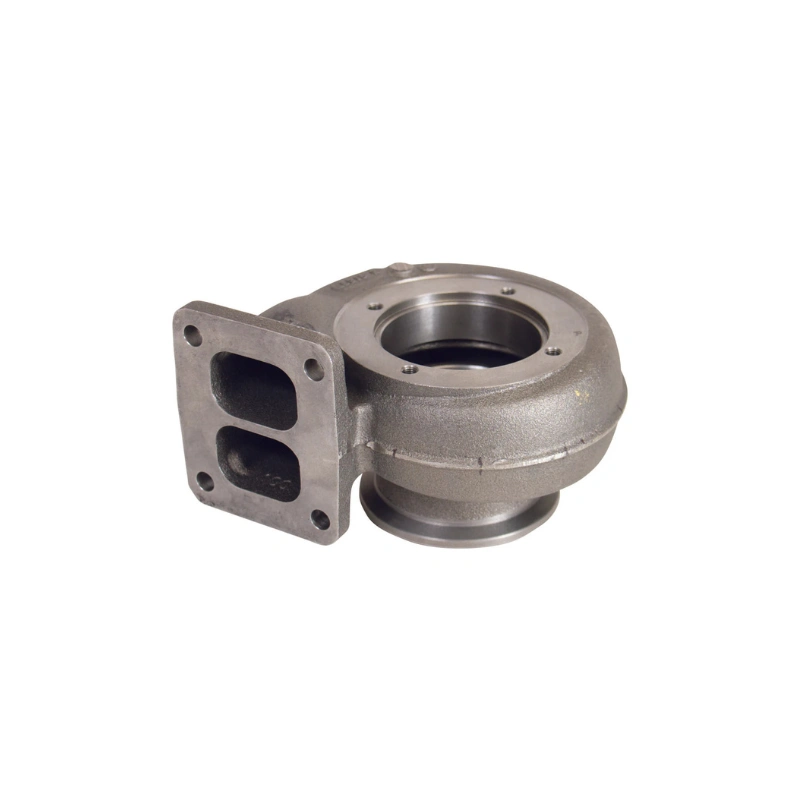
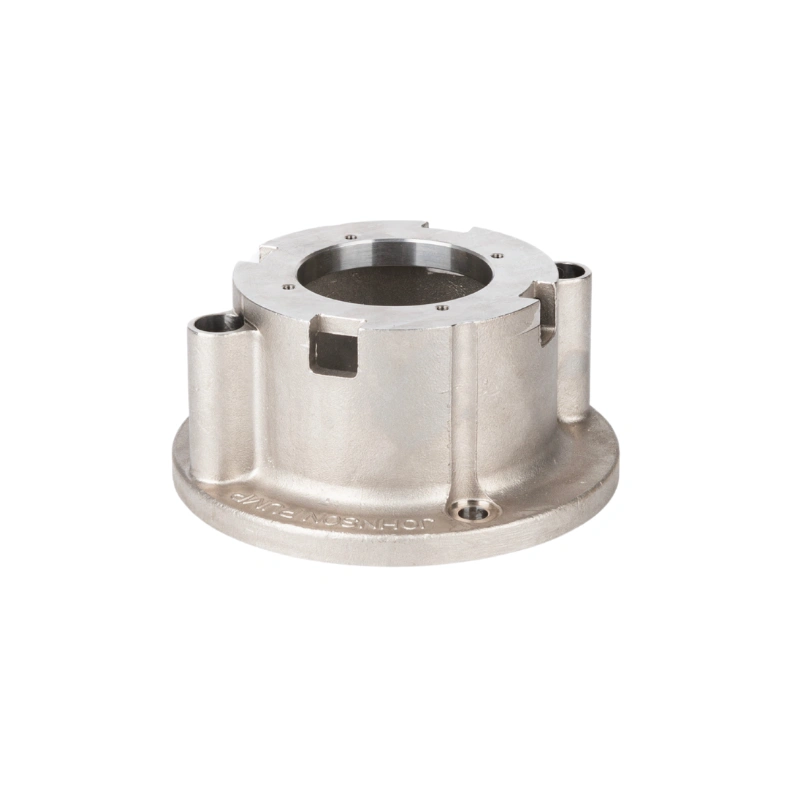
When people compare exhaust manifold vs headers, they are usually asking a practical question: which one is better for the vehicle or application they are building? The answer depends on what matters most. If the priority is durability, packaging, heat retention, cost, and OEM-style reliability, the exhaust manifold usually makes more sense. If the priority is improved exhaust flow, higher-RPM performance, and aftermarket tuning potential, headers are often the better option. Understanding the difference helps buyers, builders, and engineers choose the right route instead of assuming that one is always better than the other.
What an exhaust manifold does
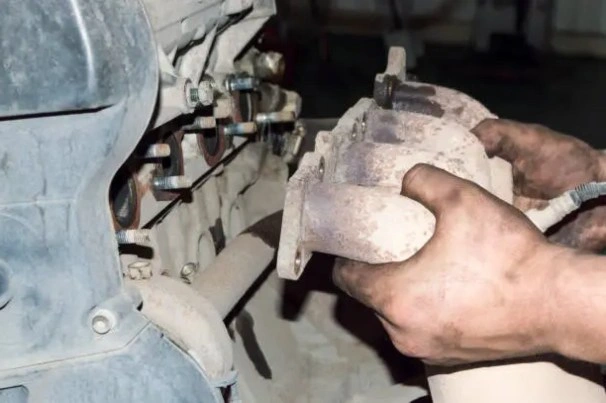
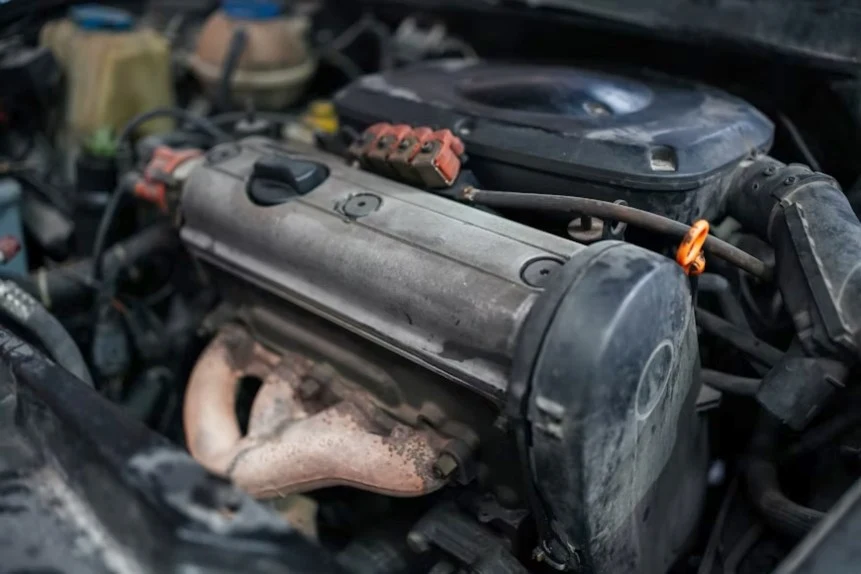
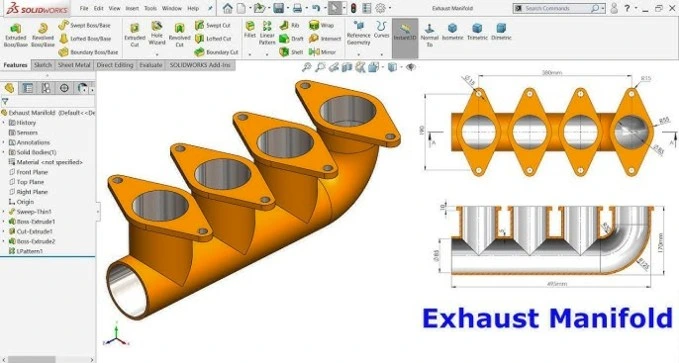
An exhaust manifold collects exhaust gases from multiple engine cylinders and channels them into a single outlet connected to the rest of the exhaust system. It is one of the first hot-side components after combustion, so it operates under repeated thermal cycling, high heat, vibration, and packaging constraints. That makes it a demanding component from both a design and manufacturing point of view.
In most production vehicles, the exhaust manifold is designed first around reliability and packaging. It has to fit tightly in the engine bay, survive thousands of heat cycles, work with catalytic converter placement, and support emissions targets. That is why manifolds are commonly compact, thick-walled, and heavily optimized for durability rather than peak flow.
What headers are
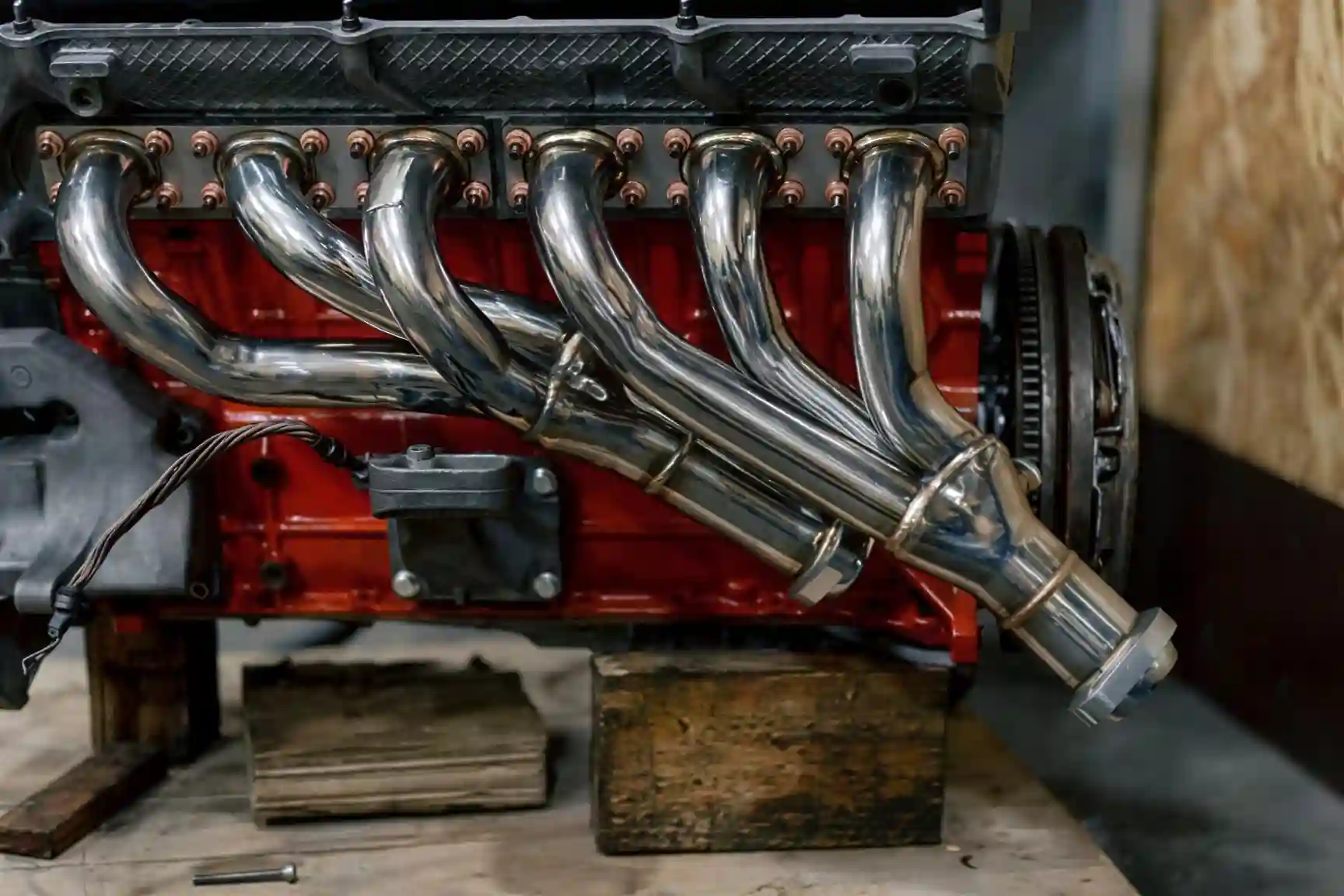
Headers do the same basic job as an exhaust manifold, but they approach it differently. Instead of a compact cast body that merges flow quickly, headers typically use separate tubes from each cylinder that merge farther downstream. The goal is to improve scavenging and reduce flow restriction so the engine can breathe more efficiently.
In practical terms, headers are usually associated with performance tuning because they are designed to improve exhaust pulse management rather than simply package the gases into one compact housing. That can increase horsepower and throttle response in the right setup, especially when the rest of the intake, exhaust, and calibration support the change.
The core difference between exhaust manifolds and headers
The simplest way to separate them is this: an выпускной коллектор is usually a compact, cast component built for packaging, durability, and mass production, while headers are usually fabricated tubular assemblies built to improve exhaust flow.
That one design difference drives most of the real-world tradeoffs. Manifolds are compact, rugged, and easier to integrate into OEM platforms. Headers are usually less restrictive and more performance-focused, but they often require more space, more installation attention, and more tolerance for heat and noise changes.
Performance: where headers usually win
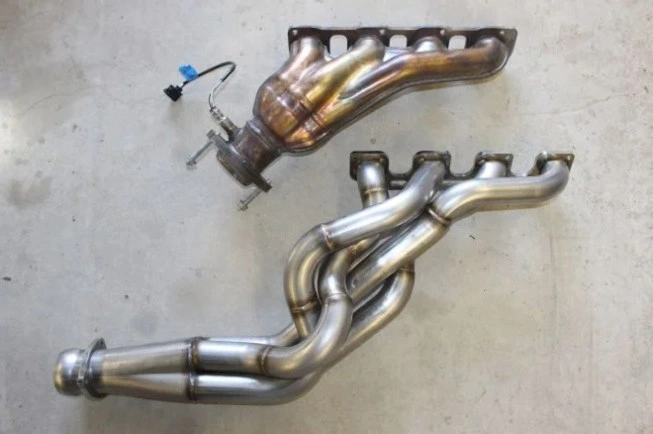
If the conversation is purely about peak performance, headers usually have the advantage. By keeping exhaust pulses separated for longer and using more deliberate runner geometry, headers can improve scavenging, which helps cylinder evacuation. That often translates to better top-end breathing and can also improve mid-range performance depending on the design.
But this needs to be understood practically. Headers do not create “free power” in every case. The gain depends on engine size, cylinder arrangement, camshaft behavior, exhaust diameter, downstream restrictions, and tuning. On some platforms, the improvement is meaningful. On others, it is modest and may not justify the extra cost, packaging difficulty, or heat management.
By contrast, exhaust manifolds usually sacrifice some flow efficiency in exchange for compactness, durability, and fast catalyst light-off. In daily-use and OEM applications, that trade often makes perfect sense.
Durability and service life: where manifolds often make more sense
For many real-world vehicles and industrial applications, durability matters more than peak dyno numbers. This is where the exhaust manifold often becomes the better choice. Because manifolds are commonly cast with thicker sections and more integrated geometry, they are generally better suited to survive long-term thermal cycling and harsh service environments.
Headers can absolutely be durable when designed and manufactured well, but they are typically more sensitive to weld quality, tube thickness, mounting stress, vibration, and heat expansion behavior. In other words, a header system has more joints, more geometry, and more opportunities for movement-related issues. That does not make headers weak by default, but it does mean the durability question depends much more on design quality and usage conditions.
Heat, packaging, and emissions
Exhaust components are not selected in isolation. They must fit in the available space, work with nearby components, and support heat management. Exhaust manifolds usually perform well here because they are compact and easier to shield. They also retain heat more effectively in a concentrated area, which can help emissions strategies and catalytic converter response in OEM layouts.
Headers often take up more space and create a broader heat footprint in the engine bay because of their tubular layout. That can make them harder to package and may require additional heat shielding or wrap, especially in tight engine compartments. For a race build or performance-focused engine bay, this is often acceptable. For a tightly packaged production platform, it can be a serious constraint.
Cost and manufacturing complexity
From a buyer’s perspective, cost is not just the piece price. It is the cost of the component, the installation implications, the finishing quality, and the long-term reliability risk.
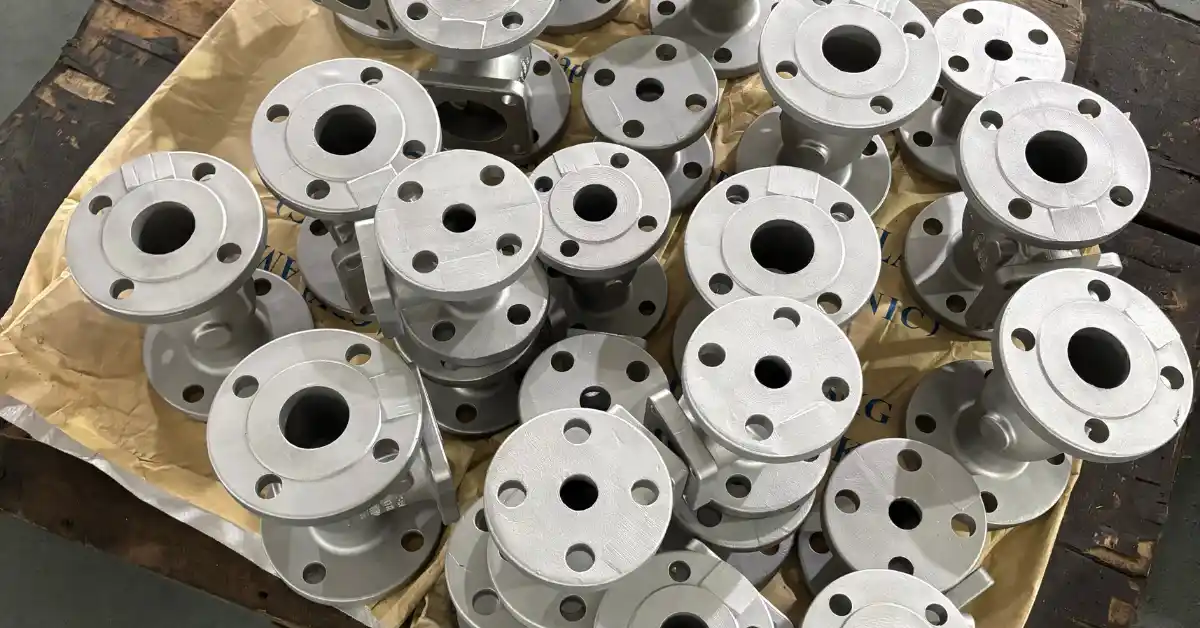
Exhaust manifolds are often cost-effective in production because casting allows complex, compact geometry to be produced repeatedly once tooling is established. Casting is especially well suited to manifold bodies because manifolds need to survive heat, fit in limited space, and often include flanges, bosses, and integrated transitions that would be inefficient to build from multiple tubes.
Headers, on the other hand, are usually more fabrication-intensive. They involve tubing, bends, collector design, flange quality, welding accuracy, and often more variation depending on engine layout. That can make them more expensive, especially when quality and consistency are priorities. Low-cost headers exist, but the manufacturing quality gap between a cheap set and a well-built set can be very significant.
Materials used for exhaust manifolds and headers
Exhaust manifolds are commonly made from cast iron or cast stainless steel because these materials handle heat and thermal cycling well and work naturally with casting processes. Cast iron manifolds in particular remain common because they are rugged, stable, and cost-effective.
Headers are usually made from steel tubing or stainless steel tubing. Mild steel headers can be cost-effective and perform well, but they may need coatings to improve corrosion resistance. Stainless steel headers are common where appearance, corrosion resistance, and longer service life matter.
From a manufacturing point of view, this is a major distinction. Cast manifolds are typically selected when a compact, heat-resistant, integrated component is required. Tubular headers are selected when tuned flow and separate runners are the design priority.
How exhaust manifolds are made
A cast exhaust manifold starts with the design of the flow passages, wall thickness, flange locations, and mounting features. The part is then produced through a casting process that creates the near-net shape. After casting, the manifold still needs finishing work, especially on the flange surfaces and other critical interfaces, to ensure sealing and dimensional accuracy.
This is where casting becomes particularly useful. Manifolds have irregular internal geometry, multiple branches, and packaging-driven shapes that are often much more efficient to produce through casting than by fabricating and welding multiple thick-wall components together.
How headers are made
Headers are usually made by cutting and bending tubing, preparing flanges and collectors, fitting the runner layout carefully, and welding the assembly. The process is more fabrication-driven than casting-driven. Accuracy matters because runner alignment, flange flatness, and collector fit influence not only performance but also sealing and durability.
Well-made headers require good control of welding distortion, tube routing, and mounting accuracy. That is why header quality varies so much across the market.
Which one is better for which application?
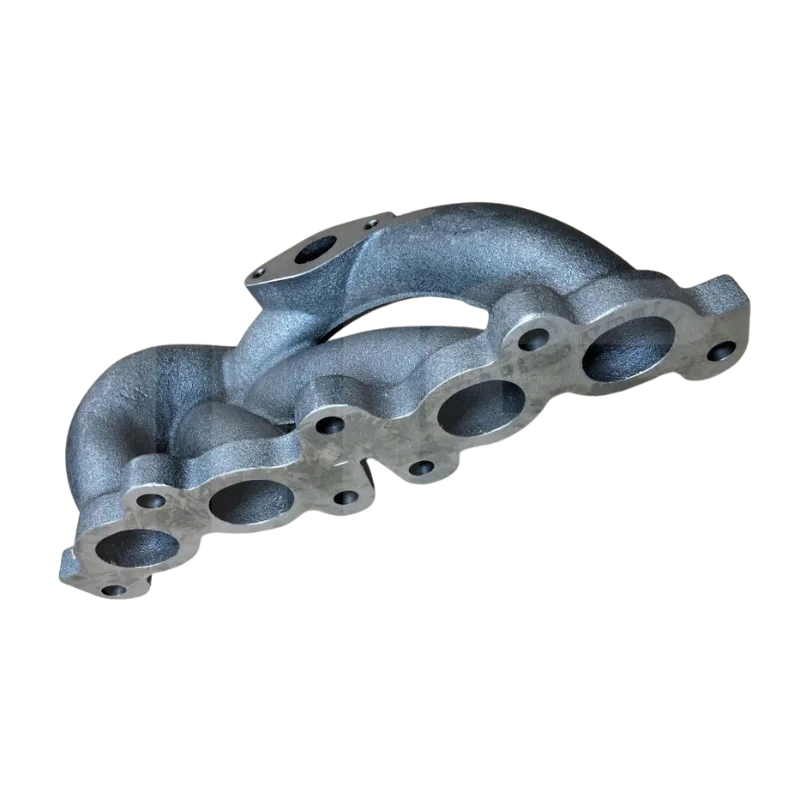
For most OEM-style, daily-use, commercial, and durability-focused applications, the exhaust manifold is usually the better answer. It is easier to package, usually quieter, more thermally stable, and often more reliable over long service intervals.
For performance builds, racing, modified engines, and applications where higher-flow exhaust design is part of the tuning strategy, headers often make more sense. But even then, the right answer depends on whether the engine combination can actually benefit from the change.
This is why the better question is not “which is better?” but “what is the engine and vehicle trying to achieve?”
Buying and sourcing perspective: what matters most
If you are sourcing exhaust-side components, the useful question is what the part must prioritize. If you need a compact, production-friendly, durable hot-side component, casting usually becomes very attractive. If you need a flow-oriented, fabricated performance component, tubular construction is usually more appropriate.
For cast exhaust manifolds specifically, the manufacturing quality of the casting, the dimensional accuracy of the machined flanges, and the material selection are what define whether the part performs reliably in service. A manifold may look simple from the outside, but it is actually a demanding hot-side part where poor manufacturing choices show up quickly as cracking, sealing problems, or installation issues.
FAQ: Exhaust manifold vs headers
Do headers always make more power than an exhaust manifold?
Not always in a meaningful way. Headers usually improve flow potential, but the actual gain depends on the engine, tuning, exhaust system, and operating range. In some setups the improvement is substantial; in others it is modest.
Why do OEMs usually use exhaust manifolds instead of headers?
Because manifolds are easier to package, generally more durable, better suited to mass production, and easier to integrate with emissions and heat-management requirements.
Are cast exhaust manifolds better for durability?
In many applications, yes. A well-made cast manifold is often better suited to repeated thermal cycling and long service life than a lower-quality tubular assembly.
Are headers only for racing?
No. Headers are used in many street-performance and aftermarket applications too. But they are most useful when performance gain matters enough to justify the tradeoffs in cost, heat management, and packaging.
What is the biggest sourcing mistake buyers make?
Treating the part as simple because it is “just exhaust.” Exhaust components see high heat and repeated stress, so manufacturing quality, material choice, and finishing accuracy matter much more than the shape alone suggests.
Где находится место компании HDC Manufacturing
If your application needs a custom cast exhaust manifold, HDC Manufacturing supports that route as a custom manufacturer with casting and finishing capability. We produce exhaust manifold components through casting and finish the critical features with machining where required for sealing and fit. Our dedicated cast exhaust manifold capability page shows the manufacturing direction more directly, and our own exhaust manifold article provides additional background on the component itself.
Вывод
Exhaust manifolds and headers do the same job, but they solve different engineering problems. Exhaust manifolds are usually the better fit when durability, compact packaging, heat control, and production practicality matter most. Headers are usually the better fit when exhaust flow and performance improvement are the main goals. The right choice depends less on trends and more on what the engine, vehicle, and service conditions actually require. If the need is a custom cast exhaust manifold rather than a fabricated header system, a casting-first route is often the most practical place to start.