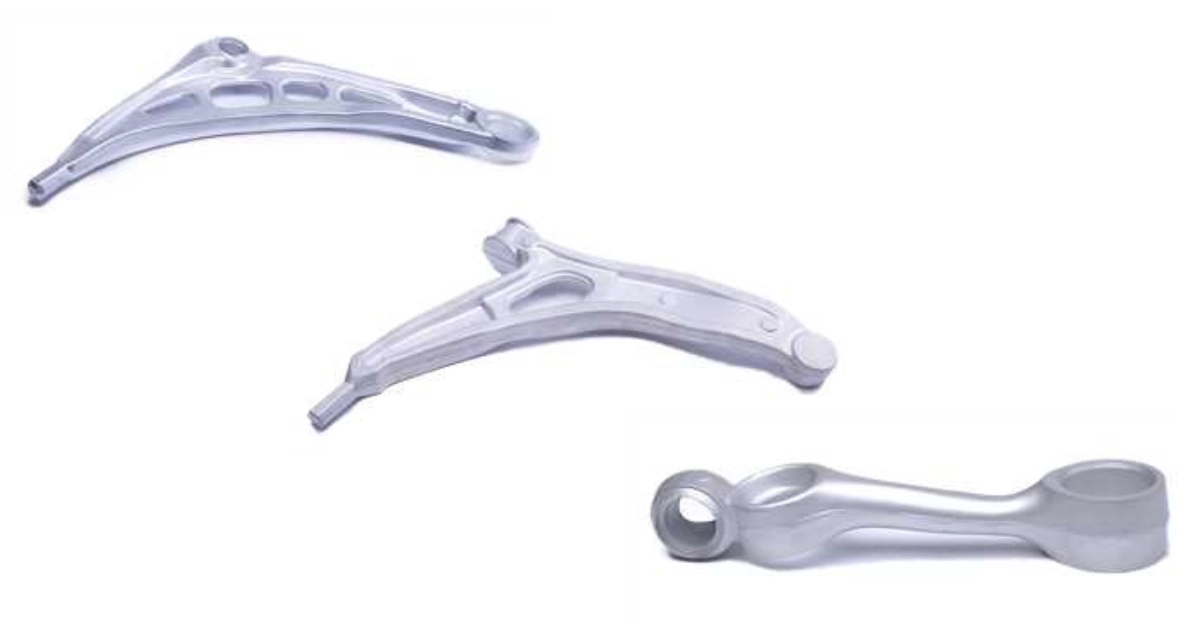
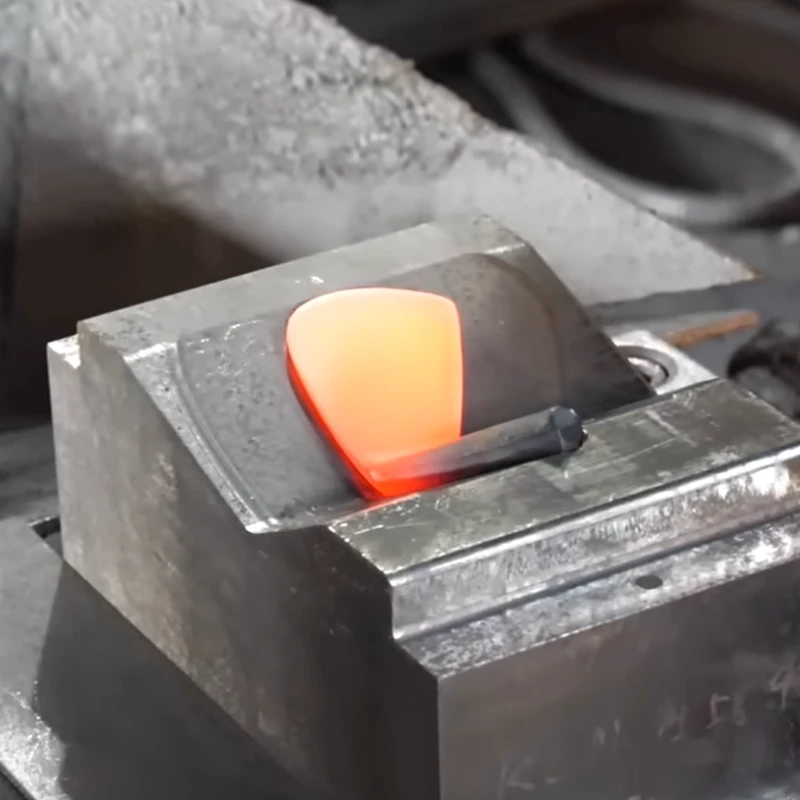
Ковка титана играет незаметную, но важную роль в современном мире. Возможно, она не видна невооруженным глазом, но используется в авиационных двигателях, медицинских имплантатах, высокопроизводительных автомобилях и промышленных изделиях. Кованый титан — это предпочтительный материал, когда важны прочность, долговечность и надежность.
Здесь вы сможете узнать, что это такое, каков его механизм действия и почему отрасли промышленности верят в него и его применение. Все объяснено простым и пошаговым языком, поэтому вы легко поймете это, даже если вы совершенно с этим не знакомы.
What is Titanium Forging?
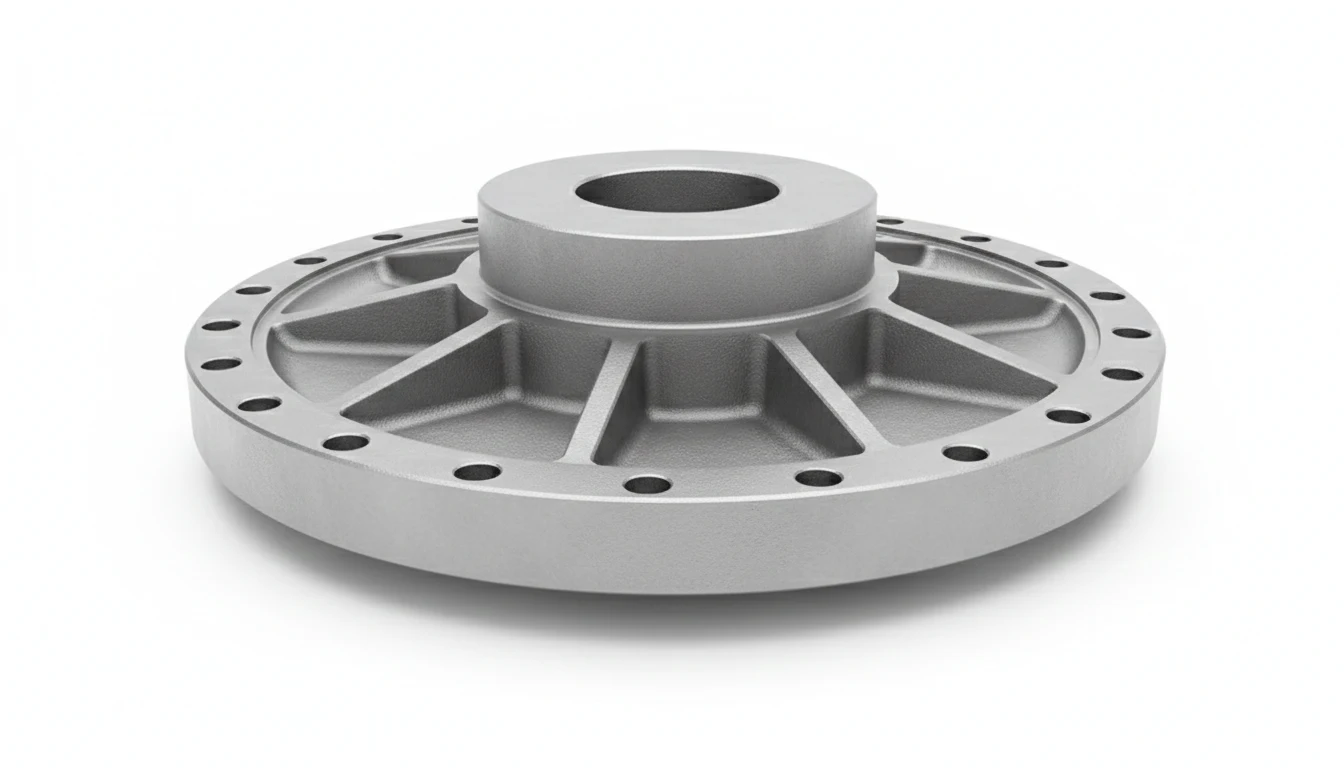
Ковка титана — это технология производства, при которой необработанный твердый титан модифицируется под высоким давлением. Металл не плавится, а нагревается и прессуется или обрабатывается для придания ему определенной формы. В этом процессе улучшается и упрочняется внутренняя структура металла.
Почему ковка предпочтительнее:
Нет ничего прочнее кованого титана. Возьмите кусок дерева и распилите его поперек волокон — он легко сломается. Ковка заставляет металл изгибаться под форму детали почти до такой степени, что его практически невозможно согнуть снова.
Пример из реальной жизни: Шасси огромных самолетов обычно изготавливаются из титановых заготовок. Они должны выдерживать ежедневные удары 200-тонного самолета о взлетно-посадочную полосу и не ломаться.
Understanding Titanium as a Forging Material
Титан отличается от железа или алюминия. Он обладает особыми свойствами, которые производители должны учитывать.
Физические и механические свойства
Титан известен высоким соотношением прочности к весу. Он так же прочен, как высокопрочная сталь, и при этом легкий. Он также очень хорошо плавится, и его температура плавления составляет приблизительно 1668 °C.
Термическое поведение и окисление
В горячем состоянии титан активно взаимодействует с кислородом. В противном случае на нем образуется твердая, хрупкая оболочка, известная как альфа-фаза. Сейчас мы применяем специальные металлические покрытия и атмосферы, чтобы предотвратить этот процесс к 2026 году и сохранить чистоту и прочность металла.
Titanium Forging vs Other Manufacturing Methods
| Особенность | Ковка | Кастинг | Обработка | Аддитивный (3D) |
| Прочность | Самый высокий | Середина | Высокая | Переменная |
| Напрасно тратить | Низкий | Очень низкий | Высокая | Минимум |
| Стоимость (в больших масштабах) | Эффективный | Самый дешевый | Дорогой | Высокая |
| Внутренние дефекты | Никто | Возможно (образование пузырьков воздуха) | Никто | Возможный |
Что лучше? Когда вам нужен компонент, который не сломается (например, сердечный клапан или лопатка реактивного двигателя), ковка — это лучший выбор.
Виды титана Процессы ковки
Различные области применения требуют различных видов ковки. Каждый из типов имеет свое предназначение.
Ковка титана в открытых штампах
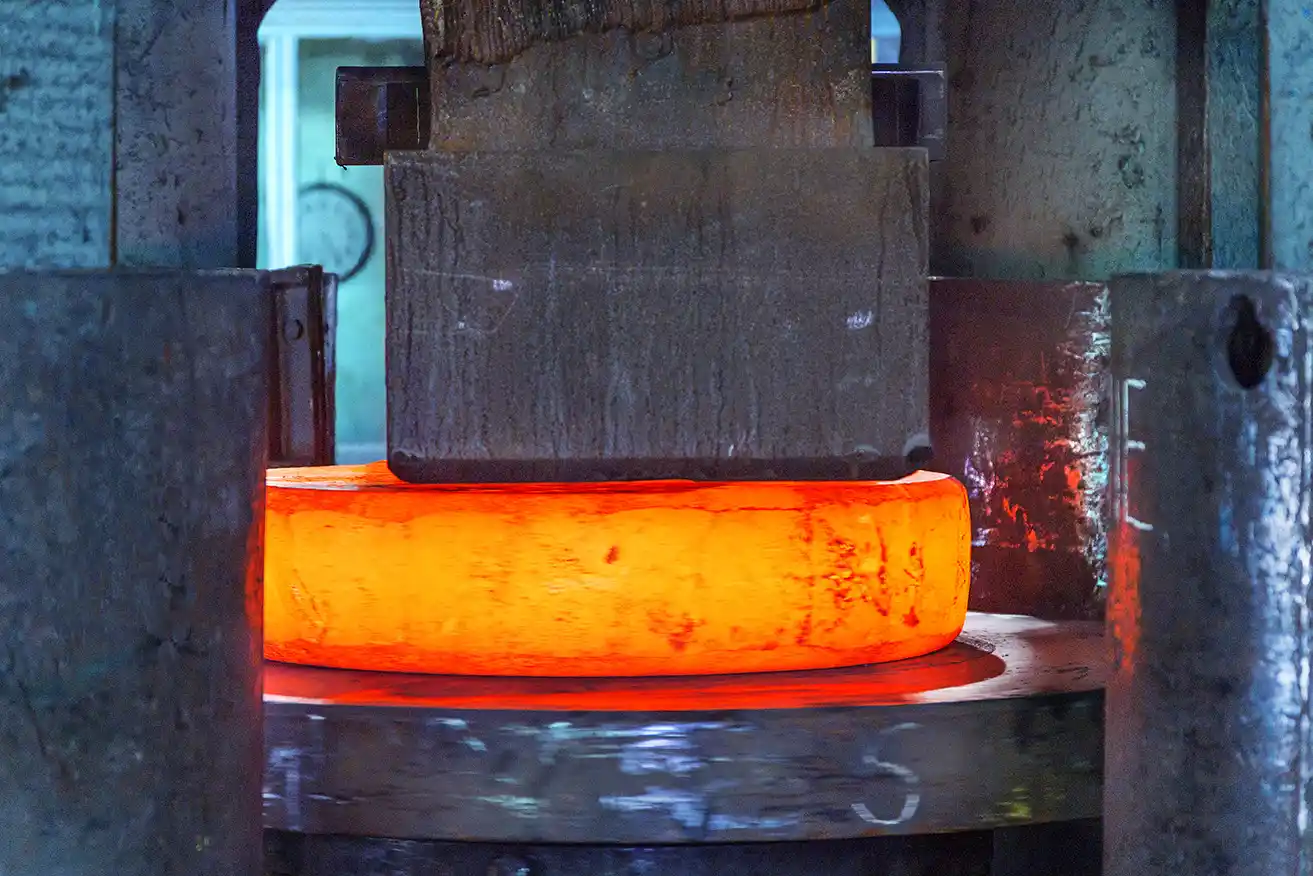
Рассмотрим этот процесс кузнечного дела, выполненный по высокотехнологичной технологии. Титан помещается между двумя плоскими или слегка изогнутыми матрицами и подвергается кузнечному делу.
Зачем это использовать? Этот метод отлично подходит для крупных деталей, таких как гребной вал длиной 3 метра, изготовление которого на заказ обошлось бы непомерно дорого. Он также обеспечивает большую гибкость и позволяет металлу свободно перемещаться в различных направлениях.
Титан закрытого штампа (печатного штампа)
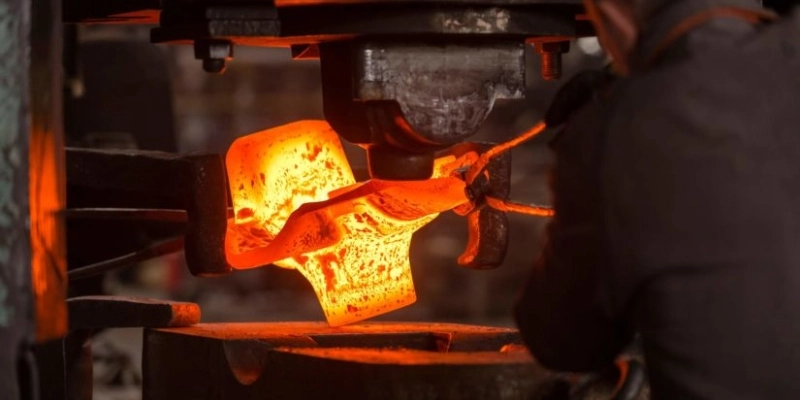
Это технология, основанная на шаблонах. Два специально обработанных блока (матрицы) соединяются, чтобы придать титану желаемую и сложную форму.
Зачем это использовать? Это стандарт массового производства. Если вам требуется 5000 одинаковых клапанов двигателя высокой точности и без дефектов, то наиболее производительным вариантом будет ковка в закрытых штампах.
Изотермическая ковка титана
Традиционная ковка использует холодные инструменты, чтобы сделать горячий титан более устойчивым к деформации или привести его в охлажденное состояние. При изотермической ковке температура инструментов повышается до той же температуры, что и температура металла (приблизительно до 900 °C и выше).
Зачем это использовать? Это позволяет титану оставаться мягким и эластичным, а также сжимать его в очень тонкие стенки и сложные формы, которые ранее были недостижимы. Эта технология стала стандартной для изготовления высокоэффективных деталей истребителей.
Кольцевая прокатка титана

Мы начинаем с тяжелого куска титана в форме пончика и пропускаем его через станок с двумя роликами. Ролик сжимает и вращается, делая пончик шире и тоньше, образуя гладкое кольцо.
Зачем это использовать? Эти кольца очень прочные, потому что в них нет сварных швов. Они применяются в корпусах реактивных двигателей, подшипниковых кольцах и топливных баках высокого давления космических ракет.
Прецизионная ковка титана
В прецизионной ковке все сводится к тому, чтобы сделать все правильно с первого раза. Наша деталь, имеющая форму, близкую к окончательной, создается с помощью наших высокоточных штампов и прессов, управляемых компьютером.
Почему это важно? Поскольку титан дорог и сложен в обработке, прецизионная ковка позволяет сэкономить средства, минимизируя затраты на последующую механическую обработку. Превосходная чистота поверхности и жесткие допуски достигаются непосредственно после прессования.
Titanium Forging Process: Step-by-Step Explanation
Процесс ковки титана представляет собой сочетание науки и искусства в отношении тяжелых металлов. Все этапы отслеживаются в цифровом виде до 2026 года, что позволяет достичь совершенства.
Подготовка к заселению
Заготовка представляет собой мелкозернистый твердый материал из титана в форме бруска. Перед тем как заготовка попадет в пресс, мы удаляем с нее всю грязь. Любая смазка или грязь на заготовке могут застрять в металле во время ковки, что приведет к образованию слабого места.
Обогрев
Заготовку помещают в печь и нагревают до температуры от 900°C до 1100°C. Это лишь временное решение, и при слишком низкой температуре титан будет раскалываться до состояния стекла. Чтобы предотвратить доступ кислорода к заготовке, мы часто смазываем её специальной смазкой для стекла, похожей на защитное покрытие.
деформация
Здесь происходит волшебство. Раскаленный металл сжимается гигантским гидравлическим прессом, некоторые из которых создают давление до 50 000 тонн. Титан — материал, чувствительный к скорости деформации, поэтому мы используем пресс на определенной скорости. При слишком высокой скорости металл перегреется из-за трения, а при слишком низкой — слишком остынет, чтобы его можно было формовать.
Разработка штампов
Форма или штамп — это не просто форма, это карта. Она должна давать представление о потоке металла, а также о степени сжатия, которое произойдет при нанесении покрытия. В 2026 году мы используем моделирование с помощью искусственного интеллекта, чтобы точно знать, как титан заполнит штамп, чтобы не осталось пустых зазоров.
Обрезка
После придания детали нужной формы часто остается тонкая полоска неиспользованного металла по краям, которая называется “облоем”. Для этого используется обрезной пресс, с помощью которого этот облоек срезается, пока деталь еще горячая.
Термическая обработка (пропитка раствором и старение)
Это наиболее важный этап повышения прочности. Мы снова нагреваем деталь, а затем быстро охлаждаем ее в воде или масле. Это приводит к застыванию атомов в исключительно прочной структуре. После этого мы нагреваем ее на третьем этапе (старение), чтобы обеспечить прочность и некоторую гибкость.
Тестирование
Мы не гадаем; мы знаем. Мы применяем ультразвуковой контроль (УЗК), при котором звуковые волны воздействуют на деталь, чтобы заглянуть внутрь, а рентгеновские лучи используются для проверки отсутствия микроскопических трещин или пузырьков воздуха.
Common Titanium Forging Grades Explained
Правильная оценка зависит не только от того, насколько хорошо другой спортсмен будет подготовлен к определенной специализации, но и от того, насколько хорошо он будет распределен в команду.
Сорта 1-4 (коммерчески чистые)
Это самые чистые формы. Они не такие прочные, как сплавы, но являются лидерами по коррозионной стойкости. Марка 2 всегда должна быть вашим лучшим другом, если вы строите резервуар, содержащий агрессивные химикаты, или клапан для соленой воды.
Альфа-сплавы
Это сплавы, в состав которых входят такие элементы, как алюминий. Они идеально подходят для работы при высоких температурах. Альфа-сплавы будут использоваться в случае, если вам потребуется компонент, сохраняющий прочность даже в условиях работы горячего реактивного двигателя (температура не превышает 500°C).
Альфа-бета-сплавы (Ti-6AI-4V / Grade 5)
Это основной материал в отрасли. На долю титана марки 5 приходится около 50 процентов от общего объема потребления титана в 2026 году. Идеальное сочетание прочности делает его таким же прочным, как сталь, но при этом чрезвычайно легким и термообрабатываемым. Это можно найти как в крыльях самолетов, так и в протезах тазобедренных суставов человека.
Бета-сплавы
Бета-сплавы — это высокотехнологичные материалы. Они также очень прочные и могут быть тверже любых других марок. Благодаря своей повышенной эластичности они применяются в истребителях для изготовления специализированных пружин, крепежных элементов и высокопрочных деталей.
Benefits of Titanium Forging
Зачем нам все эти хлопоты? Ведь результаты не могут быть потеряны.
Структурная целостность: В отличие от литья, где возможна пористость (небольшие пузырьки воздуха), ковка заключается в измельчении металла в компактное и плотное вещество. Она надежна (100%).
Сопротивление усталости: Титановые кованые заготовки отличаются долговечностью. Они способны выдерживать циклические нагрузки, то есть миллионы раз подвергаться напряжениям, изгибам и вибрациям без образования трещин.
Поток зерна: Секрет успеха. Ковка используется для ориентации внутренних волокон (металлических волокон) в соответствии с фактической формой детали. Это обеспечивает направленную прочность; самая прочная часть обладает прочностью именно в том месте, где она будет подвергаться наибольшему давлению.
Устойчивость к коррозии: Титан обладает естественным свойством образовывать самовосстанавливающуюся пленку (оксидный слой). На поддельных изделиях из титана, поцарапанных в соленой воде, защитное покрытие мгновенно восстанавливается. По сути, он никогда не ржавеет.
Ограничения и проблемы
Даже существуют сверхметаллы, перед которыми стоят определенные препятствия.
The Фактор стоимости: Титан — дорогостоящий минерал как в добыче, так и в обработке. Ковка из титана обойдется вам значительно дороже, чем из стали. Но поскольку это гораздо более долгосрочный процесс, в конечном итоге он обычно оказывается дешевле.
Износ инструмента: Титан очень прочный и требует высокой температуры; поэтому он используется для изготовления ковочных штампов. Штамп, который может вмещать 10 000 стальных деталей, может вмещать 1000 титановых деталей.
Реактивность: Как мы уже говорили, титан любит кислород. На заводе мы должны быть помешаны на чистоте. Деталь стоимостью в миллион долларов может быть испорчена любым видом пыли или газового загрязнения.
Инновации 2026 года: Для решения этих проблем мы в настоящее время используем технологию ковки с точной обработкой заготовки. Это означает, что мы обрабатываем деталь до тех пор, пока она не будет близка к окончательному размеру, поэтому практически не расходуется металл, что позволяет вам сэкономить на стоимости сырья.
Applications of Titanium Forging
Титан в 2026 году – это секрет мировых высоких технологий.
Аэрокосмическая и авиационная промышленность
Конструкция самолета основана на титане. Мы изготавливаем перегородки, лонжероны крыла и шасси, потому что эти компоненты должны выдерживать огромные ударные нагрузки при тысячах посадок. Лопатки вентилятора и компрессорные диски выковываются внутри двигателей и вращаются с невероятной скоростью при высоких температурах.
Современные малорасходные реактивные двигатели просто не смогли бы работать без прочности кованого титана.
Медицина и здравоохранение
Ваше тело — неподходящее место для металла, но оно любит титан. Мы производим ортопедические имплантаты, такие как тазобедренные суставы, коленные протезы и каркасы для позвоночника. Ковка позволяет сделать эти детали биосовместимыми (не отторгаемыми организмом) и обладающими усталостной прочностью, достаточной для 20 и более лет эксплуатации в человеческом организме.
Мы также производим хирургические инструменты с микроточностью, которые остаются острыми и чистыми после тысяч операций.
Автомобили и автоспорт
Снижение веса стало одним из приоритетов в связи с переходом на электромобили (EV) в 2026 году. Высокоэффективные детали подвески и шатуны изготавливаются из кованого титана. Уменьшение подрессоренной массы позволяет автомобилям лучше стабилизироваться и преодолевать большие расстояния на одном заряде батареи.
В Формуле-1 и автогонках коробки передач и каркасы безопасности изготавливаются из кованого титана, где важен каждый грамм.
Нефтегазовая и морская промышленность
Разведка 2026 года станет самой глубоководной в истории. Кованые титановые клапаны, насосы и подводные соединители имеют важное значение, поскольку они не ржавеют в соленой воде и способны выдерживать сокрушительное давление океанского дна. Идеальным стандартом является оборудование для морской энергетики, которое должно оставаться бесперебойным в течение десятилетий.
Titanium Forging Design Considerations
Для титана требуется иной подход к проектированию, чем для стали. Вот что вам нужно знать:
Толщина стенки: Титан плохо подходит для заполнения тонких щелей. Толщина всех стенок должна быть одинаковой, чтобы избежать холодных смыканий (когда металл не прилегает друг к другу).
Острые углы: Скругления и радиусы. Углы (радиусы) всегда должны быть достаточно закруглены. Это способствует хорошему растеканию горячего металла в матрицу и предотвращает растрескивание детали при охлаждении.
Ориентация потока зерен: Это важнейшее проектное решение. Сечение следует выполнить таким образом, чтобы естественная структура кованого металла была перпендикулярна точке максимального напряжения. Представьте себе структуру древесины биты, когда она бежит; её невозможно сломать.
Углы тяги: Конструкция с углом наклона обеспечивает скошенные боковые грани детали, что облегчает ее извлечение из пресс-формы. Это предотвращает прилипание титана к матрице по мере его уменьшения в размерах.
Quality Standards and Certifications
Там, где на кону человеческие жизни, у нас есть самые негибкие инструкции.
ASRM B381: Это стандарт для титановых сплавов. поковки из титанового сплава. Это гарантия того, что металл имеет правильный химический состав.
AMS (Технические характеристики аэрокосмических материалов): Правила, такие как AMS 4928, сложнее в применении и предусматривают проведение определенных термических обработок и испытаний деталей самолета.
ISO 13485: Это золотая медаль в категории медицинского оборудования, где все поддельные имплантаты отслеживаются от шахты до операционной.
AS9100: Глобальная система управления качеством в аэрокосмической отрасли.
Titanium Forging vs Other Metal Forgings
| Материал | Масса | Прочность | Расходы | Наилучший вариант использования |
| Титан | Очень низкий | Сверхвысокий | Высокая | Реактивные двигатели, медицинские двигатели |
| Стали | Высокая | Высокая | Низкий | Мосты, автомобильные рамы, инструменты. |
| Алюминий | Самый низкий | Середина | Низкий | Оконные рамы, банки из-под газировки. |
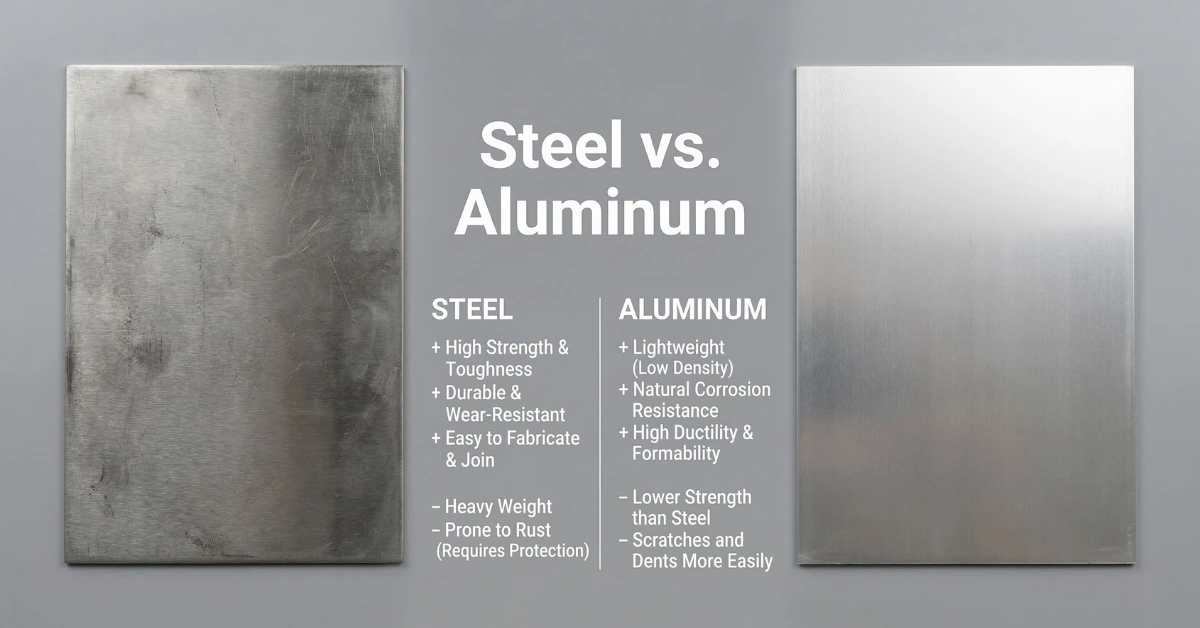
Титан — это вариант "люкс". Используйте сталь, когда нужна низкая стоимость и прочность, а вес не имеет значения. Используйте алюминий, когда нужна низкая стоимость и малый вес, но не требуется экстремальная термостойкость. Используйте титан, когда поломка недопустима.
Cost Factors in Titanium Forging
Почему цена в этом счете выше, чем стоимость стали? Вот подробное объяснение:
Сырье: Титан трудно добывать из земли и перерабатывать, и он в 10-20 раз дороже стали.
Потребление энергии: Поддержание температуры в печи на уровне 1000 °C в течение нескольких часов потребляет огромное количество энергии.
Стоимость оснастки: Титан настолько тверд, что мгновенно разрушает так называемые формы (штампы). Замена этих высокоточных инструментов увеличивает стоимость.
Объем: Ковка — дорогостоящий процесс. Изготовление одной детали обходится очень дорого. При заказе 1000 деталей стоимость одной детали будет значительно ниже, поскольку затраты на подготовку производства будут распределены между всеми участниками процесса.
How to Choose the Right Titanium Supplier
В 2026 году вопрос будет заключаться в выборе партнера.
“Документарный след”: У надежного поставщика есть протокол заводских испытаний (MTR) для каждой детали. Это “ДНК” вашего металла.
Власть: Есть ли у них мощные прессы (более 1000 тонн), необходимые для обработки титана?
Возможности тестирования: Они должны располагать собственными средствами неразрушающего контроля (НК), такими как ультразвуковой контроль или капиллярная дефектоскопия, чтобы иметь возможность выявлять любые скрытые дефекты.
Trends and Innovations in 2026
Интеллектуальная ковка: Теперь в штампы будут встроены датчики для определения температуры и давления в режиме реального времени. Если с деталью что-то не так, компьютер немедленно сообщит нам об этом.
Роботизированная обработка грузов: Теперь настала очередь раскаленных заготовок перемещаться роботами. Это менее опасно для рабочих и гарантирует, что металл не будет слишком долго находиться на воздухе, что приводит к окислению.
Экологически устойчивая ковка по принципу “замкнутого цикла”: В 2026 году мы планируем улучшить показатели, переработав 1001 тонну собственного титанового лома и переплавив его в новые заготовки, чтобы уменьшить углеродный след нашего завода.
Вывод
Ковка титана — это не просто производственный процесс, а технология, открывающая нам доступ к звёздам и обеспечивающая более долгую и здоровую жизнь. Благодаря знанию свойств этого металла и новейшим инновациям 2026 года мы сможем создавать компоненты, о которых раньше и не мечтали.
В Производство HDC, Мы являемся экспертами в реализации таких сложных проектов с высокой точностью и осторожностью. В вашем аэрокосмическом, медицинском или любом другом крупном проекте мы готовы помочь вам с выбором марки стали и используемого технологического процесса. Мы просим вас… Свяжитесь с нами сегодня, чтобы получить индивидуальное предложение.; Давайте вместе создавать будущее.
Часто задаваемые вопросы
Сложно ли ковать титан?
Для его изготовления необходим очень точный контроль температуры. При слишком низкой температуре он трескается, а при слишком высокой – впитывает газы, что делает его хрупким.
Кованый титан прочнее обработанного титана?
В целом, да. Ковка помогает придать детали форму за счет структуры зерна, но механическая обработка прорезает эту структуру, оставляя так называемые свободные концы, которые легче ломаются.
Какой сорт титана наиболее распространен для ковки?
Стандартным титаном в отрасли является Ti-6AI-4V (марка 5), который используется в производстве почти 501 тыс. тонн титана, потребляемого во всем мире.
Сколько времени это занимает?
В случае сложных процессов, включающих проектирование штампов, нагрев, ковку и тестирование, это может занять от нескольких недель до нескольких месяцев.
Дорогой ли титан?
Да, это высококачественный процесс. Но поскольку кованые детали имеют более длительный срок службы и меньший вес, это позволяет экономить средства на протяжении всего срока службы изделия.