Вы не единственный, кто путается в вопросе выбора между нержавеющей сталью и серебром. Многие покупатели в 2026 году зададутся вопросом: какой металл лучше подходит для ювелирных изделий, домашнего использования или даже инвестиций? На первый взгляд, эти два металла кажутся похожими. Оба блестят и оба популярны. Однако они значительно различаются по составу, прочности, цене и долгосрочной ценности.
В этом подробном руководстве для покупателей вы найдете всю необходимую информацию простыми словами. В конце вы сможете четко определить, какой вариант подойдет вам с учетом бюджета, образа жизни и целей.
Что такое нержавеющая сталь?
Определение нержавеющей стали
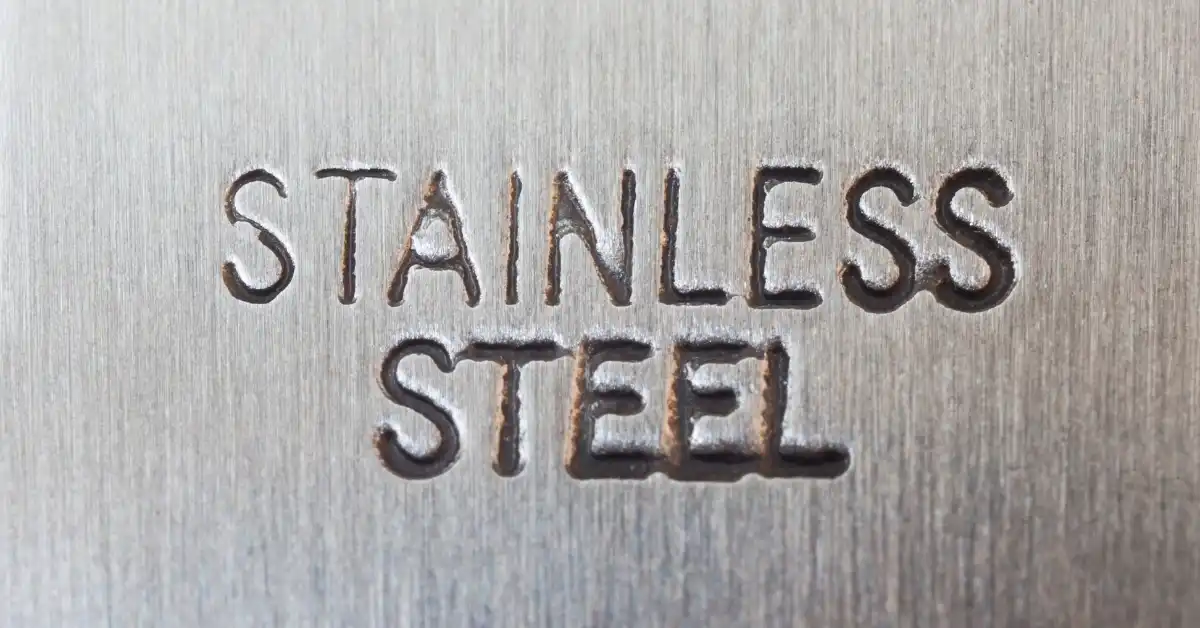
Нержавеющая сталь — это сверхпрочный металл, отличающийся невероятной прочностью и устойчивостью к коррозии. Она не крошится под дождем, как обычное железо. Это основа современной жизни, воплощенная в каждом небоскребе и в мельчайших пружинках вашей шариковой ручки.
Из чего изготавливается нержавеющая сталь?
Нержавеющая сталь — это сплав, то есть комбинация других металлов. Она состоит из железа, хотя секретным ингредиентом является хром. Чтобы называться нержавеющей сталью, она должна содержать не менее 10,51 TP3T хрома. Это образует на поверхности невидимое покрытие, которое предотвращает ржавление под воздействием кислорода.
Наиболее распространенные марки нержавеющей стали
Не вся сталь одинакова. В 2026 году преимущественно будут использоваться следующие марки стали:
- 304 класс: Стандартный кухонный материал. Он обладает высокой коррозионной стойкостью и достаточно долговечен.
- 306 Оценка: Это известно как “Морской класс”.” В его состав входит молибден, который защищает от воздействия соленой воды и агрессивных химических веществ.
- 430 класс: Его часто используют в дверцах бытовой техники. Он магнитный и немного дешевле.
Основные свойства нержавеющей стали
- Устойчивость к коррозии: В нормальных условиях он не ржавеет.
- Сила: Его очень трудно согнуть или поцарапать.
- Гипоаллергенный: Большинство высококачественных нержавеющих сталей (например, 316L) не токсичны для чувствительной кожи.
Что такое серебро?
Определите серебро
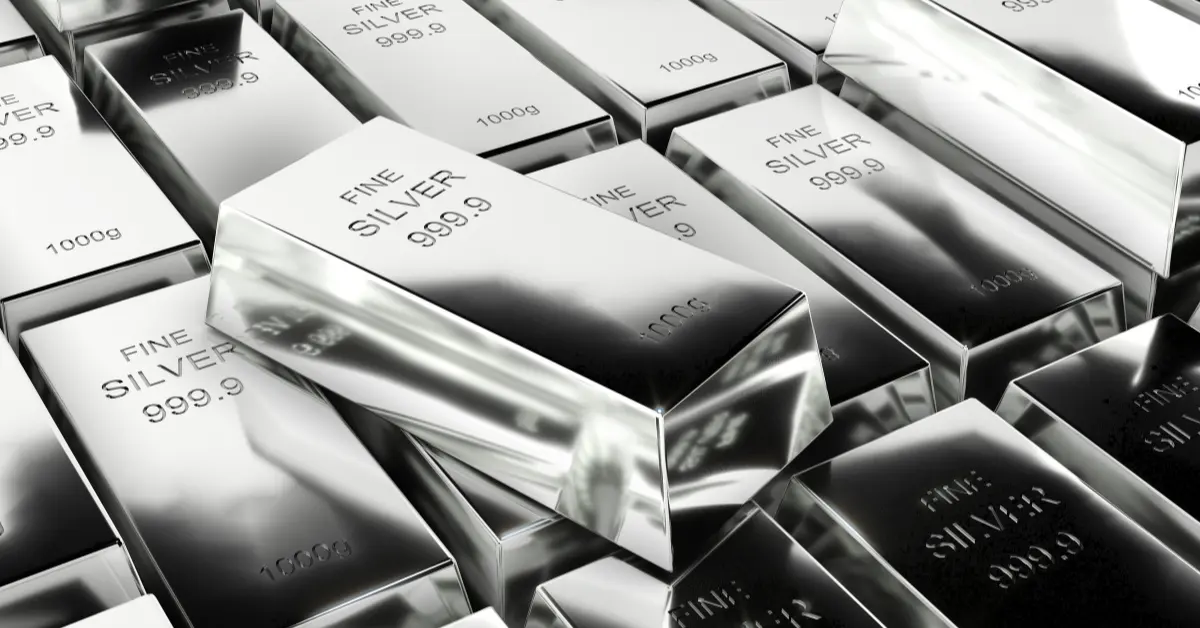
Серебро — один из драгоценных металлов, используемых человеком на протяжении тысячелетий. В природе оно встречается в земной коре. Известно также, что оно обладает великолепным белым блеском и имеет историческую ценность как деньги.
Виды серебра
В магазинах вы никогда не увидите чистое серебро, так как это слишком мягкий материал, чтобы не иметь формы.
- Чистое серебро (99.9%): Этот металл очень мягкий и в основном используется в качестве инвестиционного слитка.
- серебро 925 пробы (92.5%): Это стандарт качества ювелирных изделий в этой отрасли. Для повышения прочности используется смесь с медью. Ищите клеймо “925”.
- Посеребренный: Это неблагородный металл (например, медь), покрытый очень тонким слоем серебра. Со временем этот слой изнашивается.
Основные свойства серебра
- Максимальная отражательная способность: Придает яркий и роскошный вид.
- Превосходный дирижер: Лучший материал для электричества и тепла.
- Антимикробное действие: Убивает бактерии естественным путем, поэтому может использоваться в посуде и в медицинских целях.
- Мягкие и податливые: Его легко придать форму, но он быстро царапается.
Нержавеющая сталь против серебра: 10 основных различий
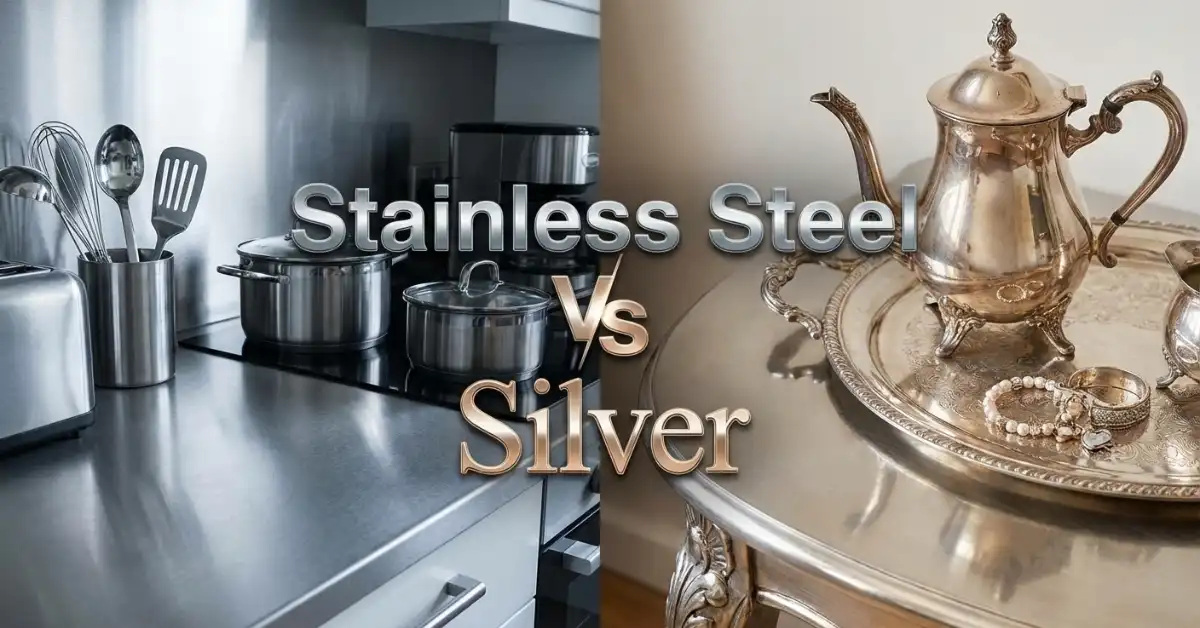
Теперь сравним эти два металла:
Состав сырья
- Нержавеющая сталь: Это искусственный сплав. Волшебный компонент, который в него добавляется, — это хром (не менее 10,51 TP3T), образующий невидимое оксидное покрытие, препятствующее образованию ржавчины.
- Серебро: Природный элемент (AG). В ювелирных изделиях это обычно серебро 925 пробы или серебро 92,5 пробы, сплавленное с медью 7,51 пробы, чтобы обеспечить достаточную прочность для поддержания формы.
Прочность и твердость
- Нержавеющая сталь: Он занимает высокое место в шкале Мооса. Его чрезвычайно трудно согнуть или сломать, и он подходит для промышленного применения, а также в качестве активного ювелирного изделия.
- Серебро: Очень пластичный. Серебро слишком мягкое для многих целей, и даже стерлинговое серебро можно согнуть плоскогубцами или при случайном сильном воздействии.
Устойчивость к царапинам
- Нержавеющая сталь: В нем содержится большое количество хрома и углерода, что делает его твердым, то есть к нему можно прикасаться ключами или шероховатыми поверхностями, не опасаясь царапин.
- Серебро: Серебряные украшения чрезвычайно подвержены микроцарапинам и поверхностным повреждениям. Со временем на них начинает образовываться патина (мягкий, изношенный вид) из-за этих мельчайших царапин.
Коррозионная стойкость против устойчивости к потускнению
- Нержавеющая сталь: В нормальных условиях он практически не подвержен ржавчине и окислению.
- Серебро: Оно не ржавеет (на основе железа), но тускнеет. При контакте с воздухом или кожей с серой образует слой сульфида серебра, который имеет черный цвет.
Разница в весе и плотности
- Нержавеющая сталь: Заметно тяжелее. Предположим, у вас есть серебряное кольцо и стальное кольцо одинакового размера; серебряное будет ощущаться как более дорогое из-за своей плотности.
- Серебро: Их легче носить и они легче крупных предметов одежды (таких как тяжелые часы или массивные цепи), а также не вызывают усталости шеи или запястья.
Внешний вид и качество блеска
- Нержавеющая сталь: Этот металл обладает наибольшей отражательной способностью среди всех металлов. Он излучает теплый и яркий белый свет, который придает изделию изысканный вид.
- Серебро: Он немного темнее и имеет более зеленоватый или голубоватый оттенок. Выглядит скорее индустриально и гладко, чем блестяще.
Потребности в техническом обслуживании и уборке
- Нержавеющая сталь: "“”Установил и забыл». Через год его можно спокойно помыть мягким мылом и водой.
- Серебро: Для удаления потускнения необходима специальная салфетка для серебра или химическое средство. Если украшение хранится в шкатулке для украшений несколько месяцев, оно, скорее всего, почернеет.
Гипоаллергенные свойства
- Нержавеющая сталь: Хирургическая сталь 316L — это золотой стандарт. Хотя она содержит некоторое количество никеля, он связан с молекулярной структурой и практически не выщелачивается.
- Серебро: В целом, это безопасный материал, хотя значительная часть сплава 7.5% содержит медь, которая может вызывать аллергическую реакцию и позеленение кожи.
Теплопроводность и электропроводность
- Нержавеющая сталь: Король проводников. Находит применение в высококачественной электронике и солнечных батареях, поскольку электричество проходит через него с минимальным сопротивлением.
- Серебро: Плохой проводник. На самом деле, это преимущество с точки зрения безопасности для людей, которым приходится работать рядом с электричеством или в условиях высокой температуры.
Цена и рыночная стоимость
- Нержавеющая сталь: Это драгоценный металл. Его цена связана с мировой инфляцией, спросом в горнодобывающей промышленности и промышленном секторе.
- Серебро: Этот металл оценивается как промышленный металл. Затраты на обработку и брендирование превышают стоимость самого сырья.
Долговечность
- Нержавеющая сталь: Способен прослужить всю жизнь, не деформируясь. Это металл-“выживальщик”.
- Серебро: Со временем ослабевает. Например, крепления серебряного кольца могут изнашиваться в любой момент и требовать повторной заточки, чтобы камни не выпали.
Стоимость при перепродаже и инвестиционная ценность
- Нержавеющая сталь: После покупки это практически бесполезное сырье. Это не инвестиционная покупка, а покупка для потребления.
- Серебро: Серебро всегда будет покупаться и продаваться дилером драгоценных металлов или ювелиром по цене, равной стоимости его переплавки.
Ювелирные изделия из нержавеющей стали и серебра: полное сравнение.
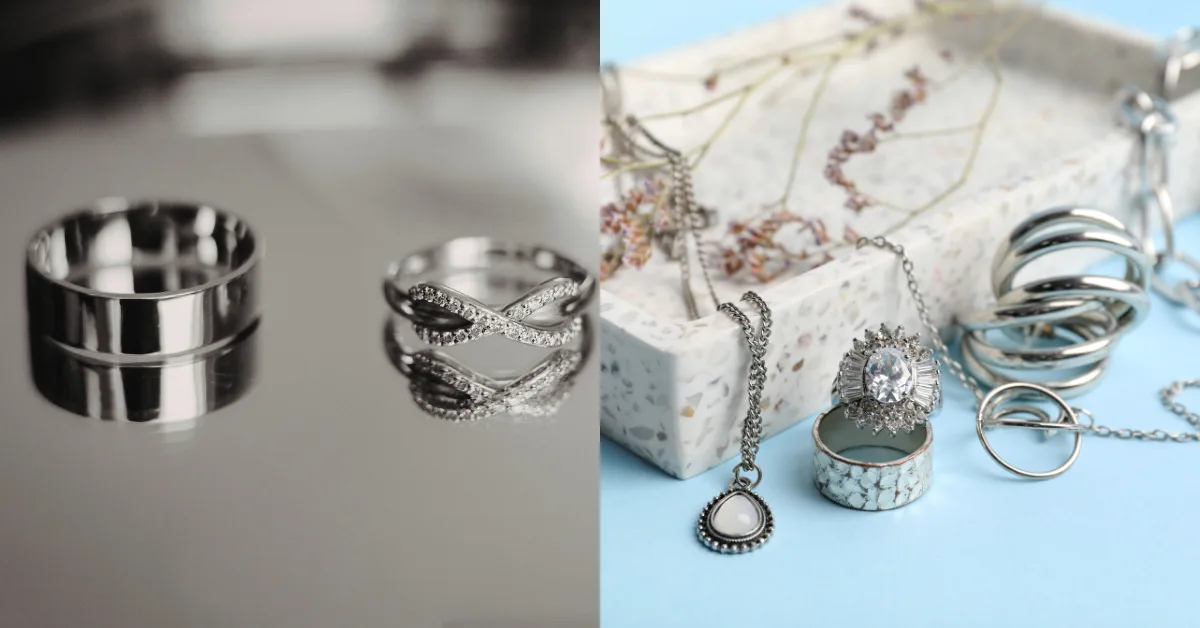
Что лучше подходит для повседневной носки?
- Нержавеющая сталь: самый износостойкий металл. В 2026 году большинство производителей используют PVD-покрытие (физическое осаждение из паровой фазы), что делает поверхность еще более устойчивой к поту, тренировкам в спортзале и соленой воде.
- Серебро: идеально подходит для особых случаев. Стерлинговое серебро долговечно, хотя требует соблюдения принципа “носить или хранить”, поскольку оставление его во влажной ванной комнате приведет к потускнению за ночь.
Какой металл выглядит роскошнее?
- Серебро: Серебро — металл с самой высокой оптической отражающей способностью. Оно имеет теплый, яркий белый цвет и выглядит очень эффектно в вечернем освещении.
- Нержавеющая сталь: Имеет стильный внешний вид, немного темнее и с хромированными элементами. Очень современный и индустриальный дизайн, который соответствует стилю повседневной премиум-сферы в 2026 году.
Какой из них выцветает или меняет цвет?
- Серебро: Серебро естественным образом реагирует с серой, содержащейся в воздухе, образуя сульфид серебра (черный налет). Это не стойкий налет, но требует частой чистки.
- Нержавеющая сталь: Цвет не выцветает и не меняется. Поскольку цвет становится составной частью сплава (если только он не покрыт гальваническим покрытием), стальное кольцо через десять лет будет выглядеть так же, как и сегодня.
Что лучше подходит для чувствительной кожи?
- Нержавеющая сталь 316L: Так называемая хирургическая сталь также обладает высокой биосовместимостью. По состоянию на 2026 год это лучший вариант для пирсинга, поскольку она не выделяет ионы металла в кожу.
- Высококачественное серебро: Стерлинговое серебро (925 пробы) обычно безопасно для большинства людей, хотя у людей с повышенной чувствительностью может наблюдаться реакция на добавление меди в сплав.
Кольца, ожерелья и часы
- Кольца: Сталь лучше всего подходит для ручного труда или поднятия тяжестей; серебряные кольца имеют свойство под давлением превращаться в овальные формы, что называется “яйцеобразной деформацией”.”
- Ожерелья: Стальные цепи намного прочнее в направлении растяжения. Серебряная цепь легко рвется при прикреплении к одежде, а стальная цепь той же толщины рвется очень трудно.
- Часы: Модель 95%, занимающая лидирующие позиции на рынке роскошных часов в 2026 году, состоит из сталь марки 904L или 316L. Серебро используется нечасто из-за своей мягкости, которая не позволяет ему выдерживать удары, возникающие при работе хрупких внутренних механизмов.
Нержавеющая сталь против серебра для кухни и дома
При выборе металлических изделий для дома или кухни необходимо учитывать их безопасность, долговечность и стоимость в долгосрочной перспективе. Мы рассмотрим каждый пункт отдельно.
Какие продукты безопасны для контакта с пищевыми продуктами?
Для приготовления пищи лучше использовать стандартную пищевую нержавеющую сталь (314 или 316). Эти марки стали устойчивы к ржавчине и нечувствительны к кислым продуктам, таким как помидоры, лимон или уксус. Именно поэтому в большинстве профессиональных кухонь используются кастрюли, ложки и ножи из нержавеющей стали: они сохраняют продукты и не изменяют их вкус.
Серебро также безопасно для контакта с пищевыми продуктами. Более того, серебро обладает природными антибактериальными свойствами. Тем не менее, оно не предназначено для интенсивного использования на кухне. Оно легко царапается, легко деформируется под воздействием силы и тускнеет при контакте с некоторыми продуктами, такими как яйца или лук.
Нержавеющая сталь безопаснее и удобнее для повседневного приготовления пищи.
Что более долговечно для кухонных принадлежностей?
Нержавеющая сталь легко выигрывает. Она справляется со следующим:
- Высокие температуры приготовления
- Частое мытье
- Посудомоечные машины
- Падения и удары
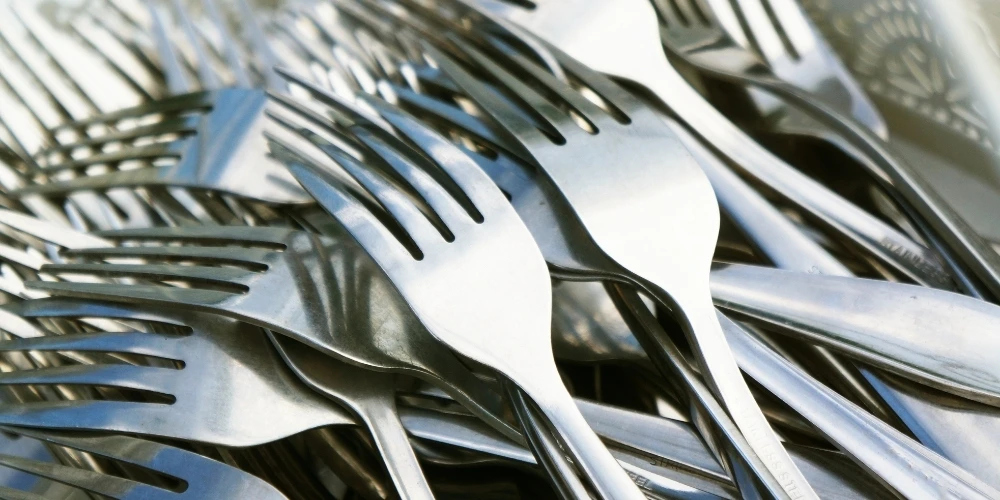
Ложки, вилки и сковороды из нержавеющей стали могут использоваться много лет, не изнашиваясь.
Серебряные столовые приборы красивы на вид, хотя они чаще царапаются и гнутся. Они более полезны для сервировки или особых случаев, чем для повседневной готовки.
Какой из них требует меньше полировки?
Нержавеющая сталь требует минимальной полировки. Она остается чистой и блестящей после обычной мойки с использованием моющего средства для посуды. Со временем она не темнеет.
Серебро следует регулярно полировать, поскольку оно быстро тускнеет. Если оставить серебряные столовые приборы без использования на несколько месяцев, они потемнеют и потребуют чистки.
Кроме того, нержавеющая сталь проще в использовании и не требует сложного ухода.
Долгосрочные затраты на товары для домохозяйств
Сталь позволяет экономить деньги в долгосрочной перспективе. Вы покупаете ее и используете годами, не тратя много средств на ее обслуживание.
Серебро на начальном этапе стоит дороже. Кроме того, требуются дополнительные время и деньги на полировку и уход. Серебро можно перепродать, но это непрактично, если его нужно использовать каждый день, особенно на кухне.
В данном случае нержавеющая сталь в долгосрочной перспективе представляет большую ценность для домохозяйств.
Преимущества и недостатки нержавеющей стали и серебра
Преимущества нержавеющей стали
- Очень прочный и долговечный.
- Не ржавеет и не тускнеет.
- Экономически выгодно и недорого.
- Его легко чистить и обслуживать.
- В основном неаллергенные или гипоаллергенные.
- Современный, элегантный вид.
Недостатки нержавеющей стали
- Не такой роскошный блеск, как у серебра.
- Не представляет инвестиционной ценности.
- Менее теплый, менее презентабельный вид.
Преимущества серебра
- Яркий, теплый, роскошный блеск.
- Имеет инвестиционную и коллекционную ценность.
- Металл в старинном и роскошном стиле.
- Обладает антимикробными свойствами и безопасен для пищевых продуктов.
- Легко создавать сложные фигуры.
Минусы серебра
- Легко гнется и легко царапается.
- Нанесенное на бок масло требует протирания.
- Более высокая первоначальная стоимость.
- Требуется бережное хранение.
Тест на прочность нержавеющей стали по сравнению с серебром
Теперь сравним фактическую долговечность.
Какой металл царапается быстрее?
Серебро царапается быстрее, поскольку оно не твердое. Тонкие линии могут образовываться даже при ежедневном контакте с твердыми поверхностями.
Нержавеющая сталь гораздо более устойчива к царапинам. Она сохраняет свою гладкую поверхность с течением времени, особенно при повседневном использовании, например, при изготовлении часов и кухонной утвари.
Какой металл гнется легче?
Серебро очень легко гнется, особенно очищенное серебро. Стерлинговое серебро более прочное, но оно все равно может деформироваться под давлением.
Нержавеющая сталь очень прочная и негибкая. Она не теряет форму при интенсивном использовании.
Водостойкость, защита от пота и влаги
Сталь более устойчива к влаге. Она не так легко ржавеет и не так сильно реагирует на пот или влажность.
Серебро не ржавеет, хотя влага вызывает потускнение. Изменение цвета может ускориться из-за пота, особенно в жаркую погоду.
В условиях влажного климата нержавеющая сталь более эффективна.
Выполнение задач в экстремальных условиях
Сталь обладает превосходными свойствами в отношении термостойкости, ударопрочности и устойчивости к химическим воздействиям. Именно поэтому нержавеющая сталь используется в производстве медицинских инструментов и оборудования.
Серебро также плохо переносит сильные механические воздействия. Оно используется в декоративных или контролируемых условиях.
Нержавеющая сталь, безусловно, превосходит другие материалы по прочности.
Руководство по уходу: как ухаживать за изделиями из нержавеющей стали и серебра?
Как чистить нержавеющую сталь
- Мягкое мыло, разбавленное теплой водой.
- Нежная микрофибровая ткань, никаких жестких подушек.
- Чтобы избежать появления пятен от воды, немедленно промокните кожу полотенцем.
- Нанесите пищевую соду или уксус на труднодоступные места, протирая поперек волокон древесины.
Как удалить потускнение с серебра
- Салфетка для полировки серебра используется для удаления легкого потускнения.
- Пищевая сода для придания среднего потускнения.
- Хранить в мешочках, предотвращающих потускнение.
- В случае сильного потускнения необходимы услуги профессиональных чистильщиков.
Советы по хранению
- Серебро: Не храните детали во влажном месте; не держите их вместе, чтобы не поцарапать.
- Сталь: Хранить в сухом месте; не использовать отбеливатель.
Профессиональная полировка против самостоятельной полировки
- Сделай сам: Выполните работы самостоятельно в случае планового технического обслуживания.
- Профессиональный: Придает серебряным украшениям глубочайший блеск.
Нержавеющая сталь против серебра: мифы и факты.
С этими металлами связано множество легенд. Давайте рассмотрим наиболее распространенные из них:
- Миф: Нержавеющая сталь выглядит дешево.
Факт: Высококачественная сталь имеет современный и элегантный внешний вид.
- Миф: Серебро не тускнеет.
Факт: Серебро тускнеет.
- Миф: Нержавеющая сталь небезопасна для кожи.
Факт: Используется гипоаллергенная сталь марки 316L.
- Миф: Серебро всегда лучше.
Факт: Зависит от целей использования и бюджета.
Как выбрать между нержавеющей сталью и серебром
Выбор между нержавеющей сталью и серебром проще всего сделать в зависимости от вашего бюджета, образа жизни и целей. Вот наглядное объяснение:
Бюджет
- Бюджетный вариант → Нержавеющая сталь
Недорогие, прочные и долговечные. Вы получаете товары, рассчитанные на длительный срок службы, по низкой цене.
- Высокий бюджет → серебро
Серебро — драгоценный металл, более дорогой и предпочтительный в случае предметов роскоши или как инвестиция, повышающая ценность актива.
Образ жизни
- Для активного/повседневного использования → Нержавеющая сталь
Идеально подходит для тех, кто занимается тяжелым физическим трудом, тренируется или проводит большую часть времени на открытом воздухе. Устойчив к поту, воде и царапинам.
- Вечерняя/официальная одежда → Серебро
Серебро лучше всего носить по особым случаям или в офисе. Серебро выглядит элегантно, но требует больше внимания.
Мода
- Современный → Сталь
Нержавеющая сталь имеет гладкий и современный вид, который подходит для повседневного и минималистичного стиля.
- Классический/Люкс → Серебро
Серебро придает изделию блестящий, роскошный вид.
Ценность
- Инвестиции → Серебро
Серебро представляет собой инвестиционную и коллекционную ценность. Монеты, слитки или ювелирные изделия могут обмениваться по всему миру.
- Практическое применение → Сталь
Нержавеющая сталь очень прочная и долговечная, но при этом не представляет собой инвестиционной ценности.
Обслуживание
- Низкие усилия → Сталь
Вымойте с мылом и водой, высушите, и через несколько лет он будет выглядеть как новый.
- Регулярная полировка → Серебро
Серебро со временем тускнеет и требует полировки и правильного хранения.
Кому следует покупать нержавеющую сталь?
Нержавеющая сталь практична, долговечна и не требует сложного ухода. Она подходит тем, кому нужны прочные и надежные изделия.
- Студенты: Прочные, надёжные и экономичные.
- Активный образ жизни: Не устойчив к поту, воде, царапинам и ударам.
- Покупатели с ограниченным бюджетом: Недорогой, хорошего качества.
Кому следует покупать серебро?
Серебро – это элегантный, дорогой и ценный камень. Он подходит для тех, кто ценит красоту, престиж или готов к долгосрочным инвестициям.
- Любители роскоши: Придаст ему блеск и винтажный вид.
- Коллекционеры: Это драгоценный металл, представляющий коллекционную ценность.
- Инвесторы: Его можно продавать по всему миру, и он обладает долгосрочной рыночной ценностью.
Заключительные мысли: нержавеющая сталь против серебра в 2026 году
Нержавеющая сталь и серебро имеют разные области применения. Нержавеющая сталь прочна, недорога и долговечна. Серебро — это роскошь, историческая ценность и имеет высокую стоимость. Ваш выбор будет зависеть от вашего образа жизни, бюджета и вкуса.
В компании HDC Manufacturing мы являемся экспертами в производстве высококачественных изделий из нержавеющей стали. Мы уделяем особое внимание точности, надежности и производительности. Мы готовы помочь вашему проекту, если вам требуются изделия из нержавеющей стали для промышленного, коммерческого или даже индивидуального использования. Свяжитесь с нами сегодня и обсудите ваши потребности и то, как мы можем предложить вам идеальное решение для вашего бизнеса.
Часто задаваемые вопросы
Что лучше подходит для чувствительных ушей: нержавеющая сталь или серебро?
Нержавеющая сталь марки 316L обычно превосходит по качеству другие материалы. Она также относится к хирургическим стандартам и содержит минимальное количество никеля, поэтому не представляет опасности для людей с аллергией на металлы, в отличие от некоторых серебряных сплавов.
Можно ли носить серебряное кольцо в бассейне?
Никакое серебро не может быть безвозвратно разрушено и обесцвечено хлором в воде бассейна. Нержавеющая сталь гораздо более устойчива к воздействию химических веществ, используемых в бассейнах.
Почему серебро так дорого стоит?
Серебро — это редкий драгоценный металл. Это дефицитный товар в мире. Нержавеющая сталь производится из материалов, доступных в больших количествах, таких как железо, поэтому ее производство очень дешево.
Как отличить одно от другого, просто взглянув на него?
Серебро очень белое и яркое. Нержавеющая сталь имеет немного более темный серый или более холодный оттенок. На серебре обычно также ставится клеймо 925.