Если вы слышите тикающий звук двигателя или чувствуете запах гари под капотом, возможно, у вас трещина в выпускном коллекторе. Это серьезная проблема, которая может снизить мощность двигателя, привести к увеличению расхода топлива и повлиять на безопасность вождения, если ее игнорировать. Выпускной коллектор принимает горячие газы из двигателя и направляет их в выхлопную систему. При его повреждении газы выходят наружу и нарушают нормальную работу двигателя.
В этом руководстве вы узнаете о причинах, признаках неисправности, методах ремонта и способах профилактики, чтобы быстро устранить проблему и предотвратить дорогостоящее повреждение двигателя.
Что такое Выхлопной коллектор Трескаться?
Чтобы понять причину проблемы, сначала нужно разобраться, для чего нужен выпускной коллектор. Это массивная металлическая деталь, напрямую соединенная с двигателем. Ее задача — собирать горячие выхлопные газы из каждого цилиндра двигателя и направлять их в единую трубу.
Это деталь, работающая под высоким давлением и сильно нагревающаяся. Фактически, она способна достигать очень высоких температур, приблизительно... 1200°F (650°C) когда двигатель работает.
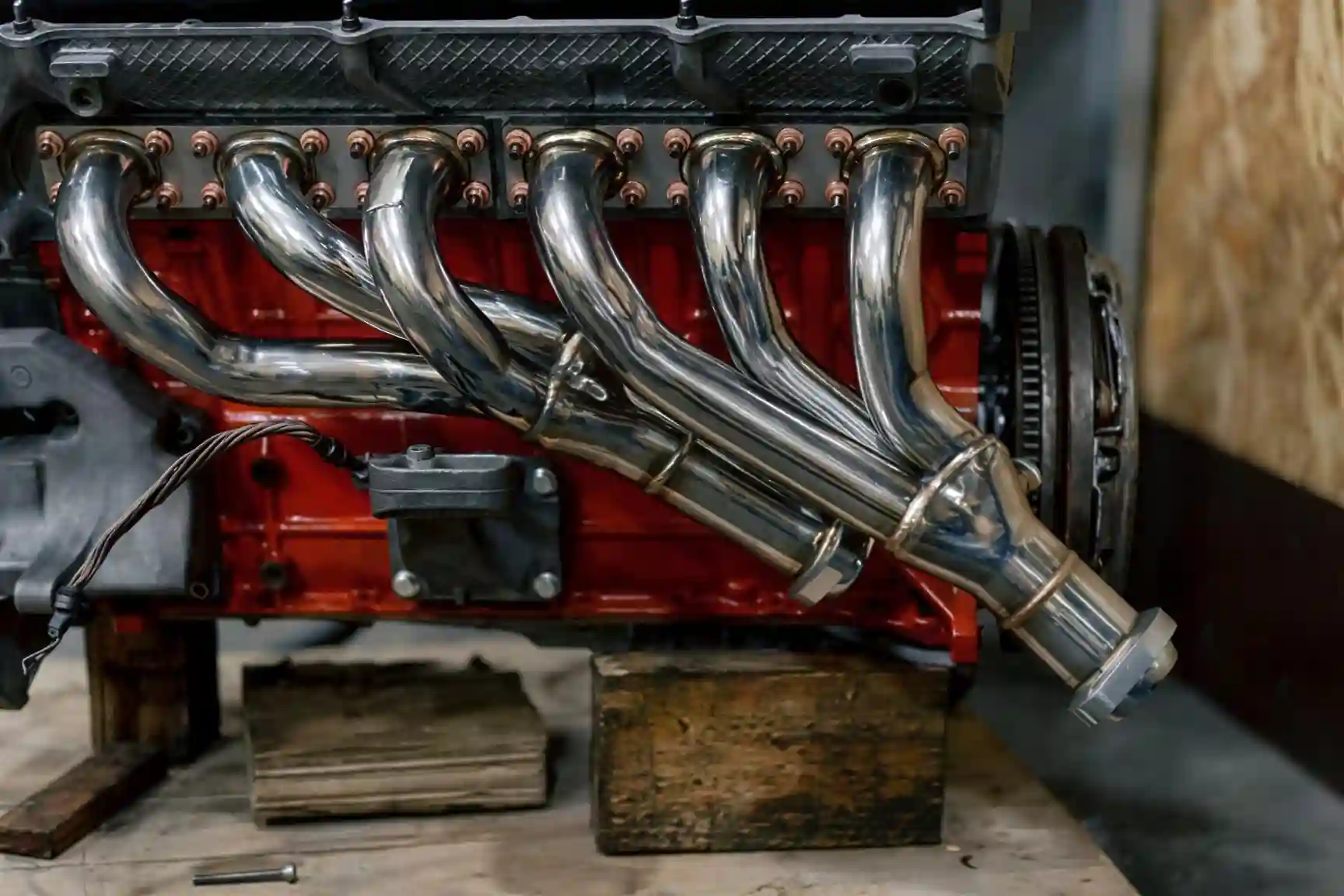
Из-за высокой температуры и напряжения металл ослабевает, что приводит к образованию трещин в выпускном коллекторе. Обычно она начинается с очень маленькой и практически невидимой линии. Со временем эта трещина увеличивается и позволяет выхлопным газам выходить наружу, тем самым снижая производительность и эффективность двигателя.
Что вызывает образование трещин в выпускном коллекторе?
Выпускной коллектор не трескается без причины. В 2026 году у нас есть ряд основных факторов, имеющих реальное значение:
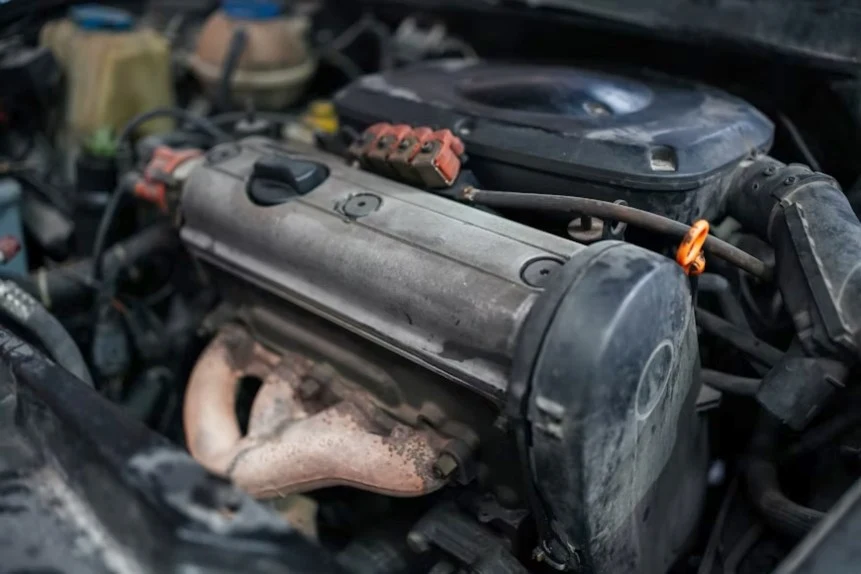
Тепловое напряжение, возникающее в результате экстремальных температурных циклов.
Это явление в термической среде называется термической усталостью. Во время движения двигатель нагревается до температуры более 1000°F (450°C), а когда движение прекращается, двигатель охлаждается до температуры окружающей среды. Металл — это материал, который расширяется при нагревании и сжимается при охлаждении. Молекулярная структура металла деформируется под воздействием этого эффекта «гармошки» в течение многих лет ежедневной эксплуатации. Через некоторое время металл становится неэластичным и разрушается.
Материальная слабость и низкое качество Качественное литье
Большинство заводских выпускных коллекторов отливаются из чугуна или низкосортного сплава для снижения веса и стоимости. В процессе литья может образовываться чрезмерное количество воздушных пузырьков (пустот) или могут использоваться сплавы с низким содержанием никеля, которые не выдерживают нагрузки современных двигателей, способных работать на обедненной смеси без проблем и быстро выходящих из строя.
Вибрация двигателя и механические напряжения
Двигатели удерживаются на месте благодаря вибрациям, возникающим при использовании резиновых опор. Если опоры двигателя изношены, двигатель будет чрезмерно раскачиваться при ускорении. Поскольку выхлопная труба крепится к раме автомобиля, такое раскачивание действует как рычаг на коллектор, ломая крепежные шпильки на корпусе коллектора.
Неудачный дизайн и слабая конструкция.
Другие имеют резкие повороты или тонкостенные секции, чтобы поместиться в узких моторных отсеках. Концентрация тепла в этих конструктивных узких местах выше, чем в других частях агрегата. Такие неравномерные температурные зоны (горячие точки) приводят к свариванию металла и образованию трещин в самых тонких местах.
Неправильная установка
Точность имеет важное значение. Когда механик затягивает болты коллектора в неправильной последовательности или с неправильным моментом затяжки, это приводит к возникновению статического напряжения. После нагрева двигателя это напряжение не может выйти наружу, кроме как через металл, что приводит к образованию трещин вокруг отверстий для болтов.
Ржавчина и коррозия
Окисление происходит в местах, где применяется дорожная соль, под воздействием влаги и химических веществ. Ржавчина разрушает внешний слой коллектора и изнашивает металл. Когда конструкция ослабевает из-за ржавчины, она не может выдерживать внутреннее давление выхлопных газов, что приводит к прорыву трубы.
Трещина в литом и изготовленном выпускном коллекторе: это одно и то же?
Не все выпускные коллекторы Изготавливаются они одинаковым способом. Новый материал и технология производства полностью меняют то, как устройство справляется с воздействием тепла, где оно подвержено поломкам и насколько легко его ремонтировать.
В 2026 году большая часть чугуна по-прежнему используется в большегрузных автомобилях, а в современных автомобилях с турбонаддувом и высокими эксплуатационными характеристиками всё чаще применяются сварные чугунные детали. нержавеющая сталь.
Ключевые различия в характере отказов этих двух типов показаны в следующей таблице:
| Особенность | Чугунный выпускной коллектор | Изготовленный на заказ выпускной коллектор (трубчатый/выпускные патрубки) |
| Состав материалов | Тяжелое, плотное расплавленное железо или сталь заливается в форму. | Трубы сварные, изготовлены из тонкостенной нержавеющей или низкоуглеродистой стали. |
| Основная причина отказа | Хрупкость. Этот металл очень твердый, но при этом не способен деформироваться при быстрых циклах нагрева. | Вибрация. Из-за движения двигателя сварные швы находятся в постоянном напряжении. |
| Местоположение трещины | Как правило, это выступающая, длинная, зазубренная трещина или расщепление, проходящее непосредственно через сердцевину. | Обычно это происходит в местах сварных швов или в точке соприкосновения труб с фланцем. |
| Визуальное предупреждение | Часто наблюдаются микротрещины, существовавшие до начала процесса SN и имеющие форму паутины. | Трещины обычно проявляются в виде расслоения тончайших линий вокруг сварного шва по окружности. |
| Сложность ремонта | Высокий. Для этого требуются специальные никелевые стержни, предварительный нагрев и медленное охлаждение. | Умеренный. Сварку TIG или MIG может выполнить специалист сравнительно легко. |
| Скорость отказа | Внезапный. Коврик мгновенно трескается при контакте с холодной водой (термический шок). | Постепенно. Как правило, всё начинается с небольшой микроскопической протечки, которая со временем увеличивается. |
| Тенденции рынка 2026 года | Обычно устанавливается на большинство внедорожников, грузовиков и автомобилей эконом-класса в попытке сэкономить деньги. | Турбированные двигатели стандартной, люксовой и высокотемпературной комплектации. |
Признаки трещины в выпускном коллекторе
Секрет быстрого решения проблемы — ранняя диагностика.
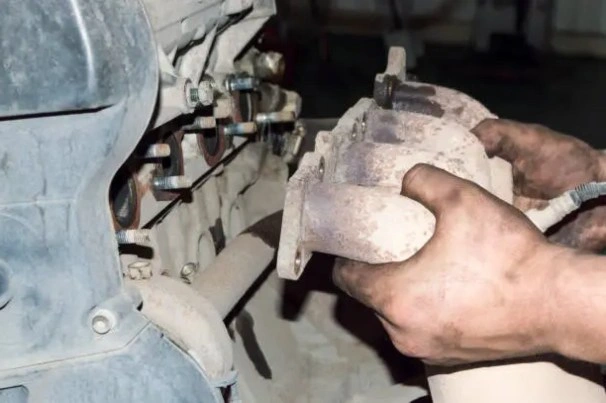
Громкий тикающий или стучащий звук
Чаще всего это наблюдается при холодном запуске. Впускной коллектор нагревается и разбухает, в результате чего трещина закрывается, и часто шум исчезает, что является типичным признаком проблемы с коллектором.
Запах выхлопных газов в салоне.
Это представляет собой существенный риск для безопасности. Если трещина находится близко к моторному щитку, ваша система кондиционирования воздуха может засасывать угарный газ.
Потеря мощности двигателя
Трещина разрушит противодавление и скорость выхлопных газов, что приведет к тому, что ваш автомобиль будет плохо разгоняться.
Низкая топливная экономичность
В случае попадания воздуха между импульсами, датчик кислорода считает, что двигатель работает на обедненной смеси, и заставляет компьютер впрыскивать дополнительное топливо.
Видимый дым или следы протечки
Проверьте блок двигателя или теплозащитные экраны вокруг него на наличие черного порошкообразного налета (отложений углерода).
Индикатор неисправности двигателя
В 2026 году в современных автомобилях из-за утечек могут появляться следующие коды ошибок, такие как P0171 (слишком бедная смесь) или P0420 (эффективность катализатора).
Из моторного отсека доносится запах гари.
Выходящий газ настолько горячий, что плавит пластиковые жгуты проводов или провода свечей зажигания и источает резкий запах гари, напоминающий запах кислоты и пластика.
К каким последствиям может привести трещина в выпускном коллекторе?
Если не учитывать проблему, начнётся цепная реакция:
Утечка выхлопных газов
Перегретый газ может расплавить окружающий резиновый шланг или электрический разъем, что приведет к вторичным неисправностям.
Снижение производительности двигателя
Процесс продувки, который помогает втягивать свежий воздух, прекращается, и ваш двигатель начинает работать с перебоями, забивая систему воздухом.
Повышенный расход топлива
Расход топлива может снизиться на 10-15 процентов, поскольку блок управления двигателем (ECU) будет компенсировать ложные показания датчиков.
Риск отравления угарным газом
Этот газ представляет угрозу безопасности, поскольку вызывает головные боли и головокружение во время вождения, что является непосредственной угрозой безопасности.
Повреждение датчиков и каталитического нейтрализатора.
Из-за неравномерного смешивания топлива, вызванного утечкой, датчики и каталитический нейтрализатор со временем засорятся или расплавятся, и ремонт обойдется в тысячи долларов.
Может ли треснувший выпускной коллектор вызывать ошибки, сигналы тревоги или вибрацию?
Да, но симптомы часто неправильно интерпретируются.
- Индикатор неисправности двигателя (CEL): Это наиболее распространённая проблема. Дополнительный воздух в трещине обманывает кислородные датчики.
- Нестабильная работа двигателя: Утечка вакуума, вызванная трещиной, может привести к нестабильной работе двигателя или к тому, что он будет с трудом поддерживать постоянные обороты на холостом ходу.
- Ощущение, похожее на осечку: При работе двигателя под нагрузкой отсутствие надлежащего потока выхлопных газов может вызывать вибрацию, что в точности соответствует ощущению неисправности свечи зажигания.
- Вибрация: Трещина может и не издавать звука, но неправильное сгорание в ней приведет к разбалансировке двигателя, что вы почувствуете как вибрацию через рулевое колесо или сиденье.
Как диагностировать трещину в выпускном коллекторе
Вам не обязательно вызывать механика для проверки первого из них.
- Визуальный осмотр: Используйте фонарик, чтобы проверить наличие следов на коллекторе, которые имеют белый или черный цвет; это следы тепла и сажи.
- Проверка звука: Возьмите небольшой отрезок шланга, который будете использовать в качестве стетоскопа. Приложите один его конец к уху, а другой проведите по коллектору, когда двигатель работает на холостом ходу.
- Проверка дымом: Этот тест включает в себя использование дымовой машины в профессиональных мастерских для подачи большого количества дыма в выхлопную систему, который немедленно начнет выходить из любых щелей.
- Метод с мыльной водой: Распылите смесь мыла и воды на холодный двигатель, а затем запустите его. В месте утечки образуются пузырьки.
- Профессиональные инструменты: К 2026 году специалисты-механики будут использовать тепловизионные камеры, чтобы иметь возможность точно определить тепловую сигнатуру выходящего газа.
Как быстро починить треснувший выпускной коллектор
Существует три основных пути решения проблемы к 2026 году.
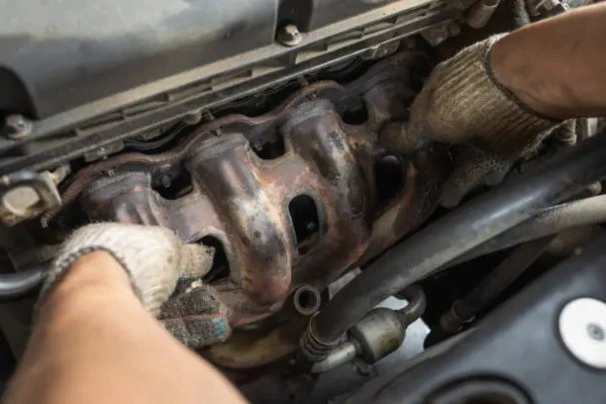
Временные решения
- Лента для ремонта выхлопной системы: Это применимо только в зонах с очень низким давлением.
- Высокотемпературный герметик/шпаклевка: Такие продукты, как QuikSteel или JB Weld ExtremeHeat, способны временно заделывать небольшие отверстия на срок до нескольких недель.
- Примечание: Это временный ремонт, который в конечном итоге приведет к поломке из-за расширения металла.
Постоянные решения
- Заварка трещины: В случае с чугуном, его необходимо нагревать до температуры 500°F (260°C) с помощью высоконикелевых сварочных прутков.
- Замена коллектора: Это типичный метод, который является самым быстрым и надежным в 2026 году.
- Обработка поверхности: Для того чтобы фланец в случае деформации коллектора мог быть установлен обратно между двигателем, потребуется механическая мастерская для его обработки и выравнивания.
Ремонт своими руками против профессионального ремонта
- Сделай сам: Может использоваться при нанесении герметика или при замене болтов, если вы являетесь экспертом.
- Профессиональный: Сварка необходима (чугун чрезвычайно трудно сваривать должным образом) в случае, если сварные швы на болтах коллектора в головке двигателя отломились.
Пошаговая инструкция по ремонту трещины в выпускном коллекторе.
Шаг 1: Снимите коллектор
За день до работы смажьте болты проникающей смазкой (например, PB Blaster). Откручивайте узел очень осторожно, но не слишком сильно, чтобы не погнуть шпильки.
Шаг 2: Очистка поверхности
Используйте проволочную щетку или лепестковый диск, чтобы удалить всю ржавчину, нагар и остатки старой прокладки. Любой отремонтированный участок должен иметь блестящий металл.
Шаг 3: Применение метода ремонта
Если требуется сварка, расширьте трещину с помощью шлифовальной машины. При замене убедитесь, что новая деталь идентична портам вашего двигателя.
Шаг 4: Правильная переустановка
Всегда используйте новую прокладку. Затягивайте болты по схеме «звезда» или от центра наружу, чтобы обеспечить равномерное давление.
Шаг 5: Проверка двигателя
Запустите двигатель и дайте ему поработать на холостом ходу. Еще раз воспользуйтесь тестом с мыльной водой, чтобы убедиться в абсолютной герметичности уплотнения.
Стоимость ремонта трещин в выпускном коллекторе в 2026 году
- Небольшой ремонт с помощью шпаклевки: От 20 до 50 долларов (сделай сам).
- Профессиональная сварка: Замена $200 на $400 (необходимо снять деталь).
- Полная замена: $500 – $1200 для обычных автомобилей; 2000 и выше для автомобилей класса люкс или спортивных автомобилей с установленными турбокомпрессорами.
Как долго служит ремонт?
- Временные решения: От 1 недели до 3 месяцев.
- Сварка: От 1 до 3 лет (при использовании никелевых стержней и правильной температуры).
- Полная замена: 10 лет и более (как правило, это срок службы автомобиля).
Как предотвратить появление трещин в выпускном коллекторе
- Используйте высококачественные материалы.: В случае замены, Узловатое железо или следует поискать замену из нержавеющей стали.
- Обслуживание системы охлаждения: Система охлаждения двигателя предотвращает достижение коллектором температуры плавления.
- Регулярное техническое обслуживание: Проверяйте момент затяжки болтов впускного коллектора каждые 50 000 миль, чтобы убедиться, что они не ослабли из-за вибрации.
- Правильные навыки вождения: Также после утомительной поездки на высокой скорости следует оставить двигатель работающим на 30 секунд, чтобы коллектор остыл.
Трещина в выпускном коллекторе против Утечка выхлопных газовКлючевые различия
- Трескаться: Трещина в металле самого коллектора. Требуется сварка или замена.
- Утечка: Обычно это всего лишь пробитая прокладка или ослабленный болт. Ремонт обходится гораздо дешевле (от 100 до 200 долларов). Называются они одинаково, однако утечка – это проблема с распространением, тогда как трещина – это поломка компонента.
Можно ли ездить с треснувшим выпускным коллектором?
Да, но вы зря тратите деньги на бензин и подвергаете свое здоровье опасности, вдыхая угарный газ. Исправляйте это ежемесячно.
Насколько это серьезно?
Отнеситесь к выпускным клапанам вашего двигателя очень серьезно. Трещина может привести к деформации клапана из-за попадания в него холодного воздуха.
Можно ли его сварить намертво?
Нержавеющая сталь? Да. Чугун? Он тоже твердый и часто ломается в месте сварного шва.
Сколько времени занимает ремонт?
Замена занимает в среднем от 3 до 6 часов в зависимости от степени коррозии болтов.
Вывод
Проблема, которую невозможно решить, не игнорируя, — это трещина в выпускном коллекторе. Ранние признаки неисправности, такие как стук или... звук треснувшего выпускного коллектора или же выхлопные газы Это позволит вам обнаружить проблему до того, как она повредит каталитический нейтрализатор или клапаны двигателя. Быстрый ремонт поможет избежать дорогостоящей поломки двигателя и предотвратит потерю вашего автомобиля и его работоспособности.
В Производство HDC, Мы являемся производителем выпускные коллекторы, изготовленные на заказ методом литья., Мы предлагаем высококачественные и долговечные решения, способные выдерживать высокие температуры и давление. Наши детали спроектированы таким образом, что трещины образуются только тогда, когда это необходимо.
Подробнее: https://hdcmfg.com/resources/blog/exhaust-manifold/.