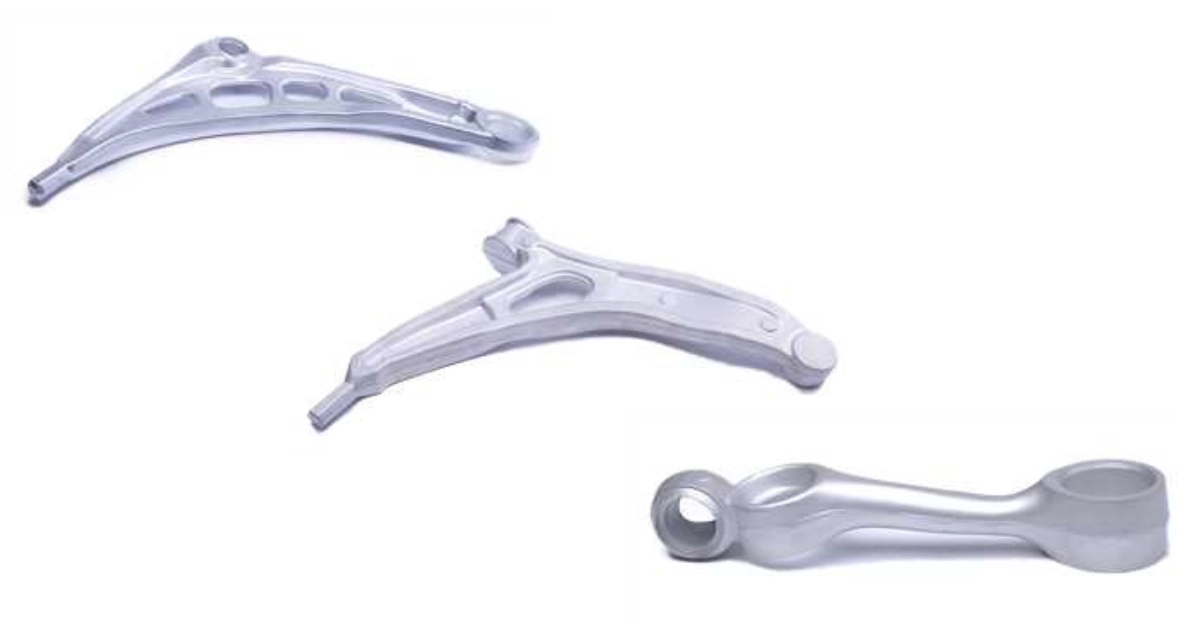
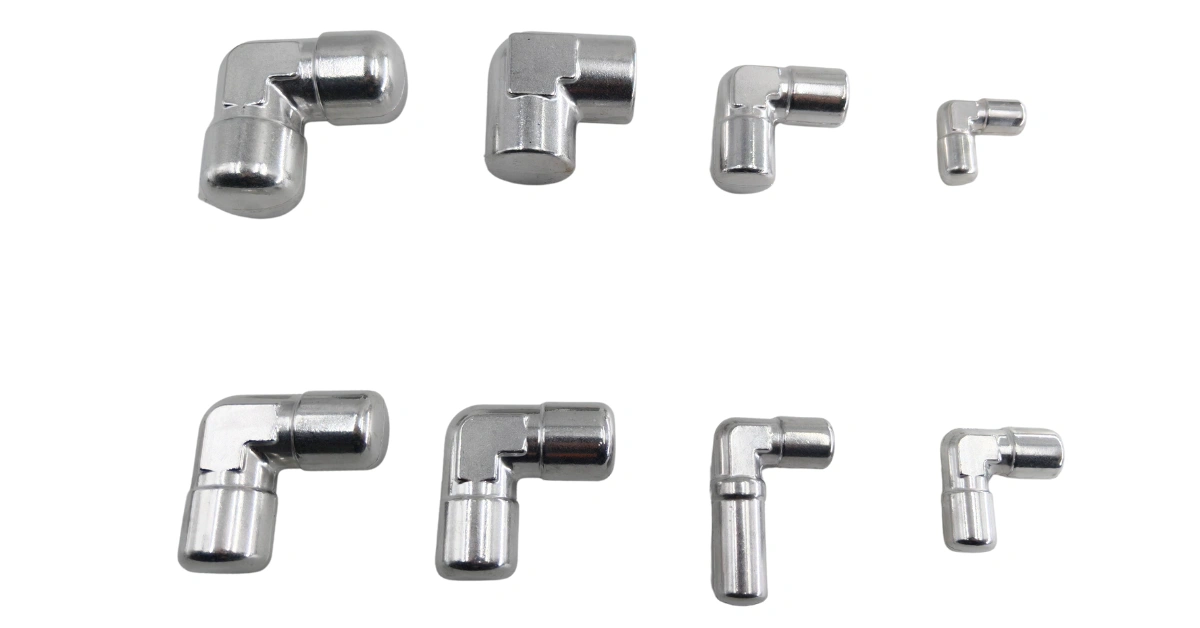
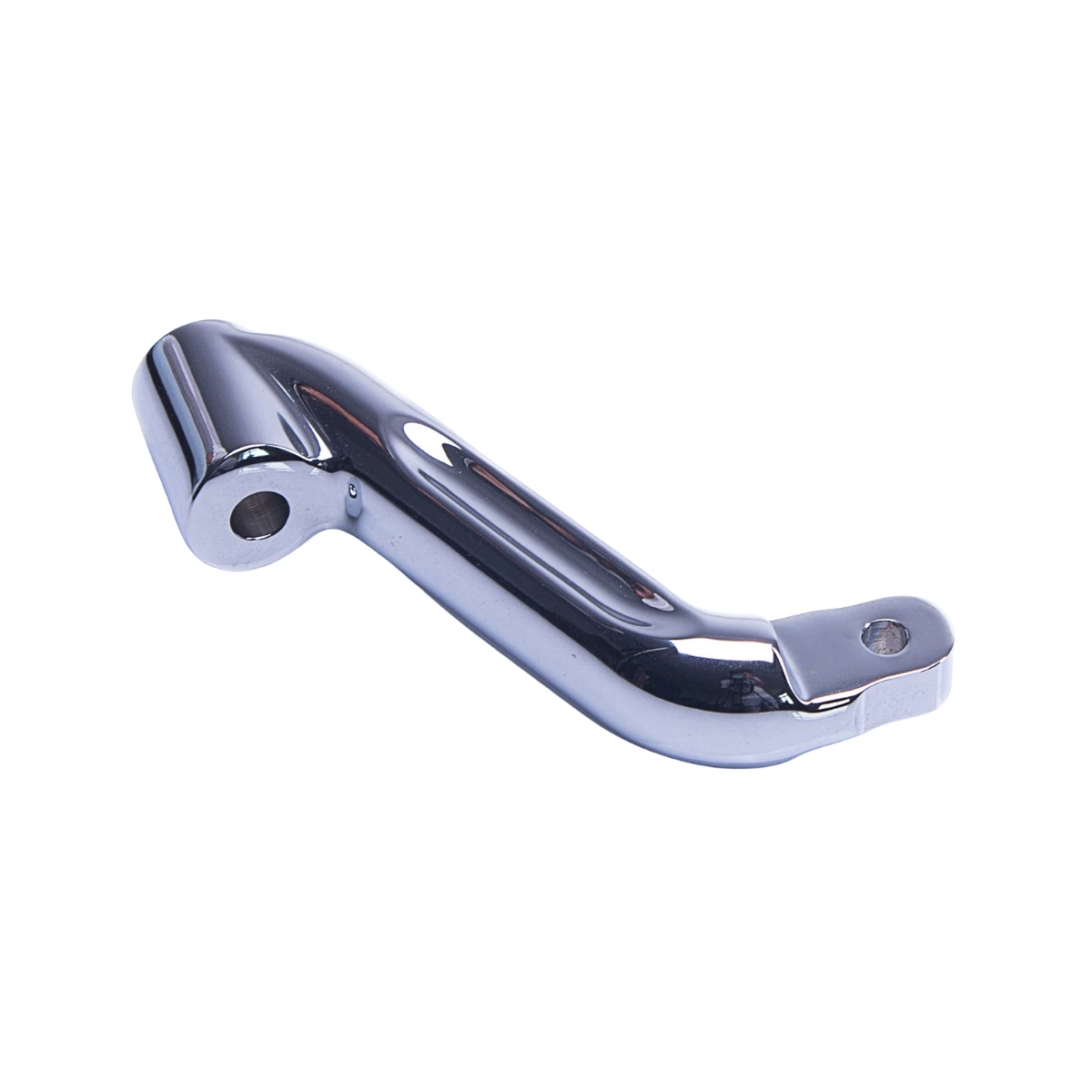
При сравнении ковки и штамповки решающим фактором обычно является не название процесса. Речь идёт о получении правильной исходной формы (“заготовки”) с оптимальными общими затратами, при этом сохраняя соответствие требованиям к производительности и допускам, указанным в чертеже. И это после того, как вы учтёте... ЧПУ обработка, термическая обработка, И в заключение, наиболее разумный выбор становится гораздо очевиднее.
В этой статье простым и практичным способом объясняется разница между ковкой и штамповкой металла, чтобы вы могли выбрать правильный способ изготовления детали, не слишком задумываясь.
Что такое подделка?
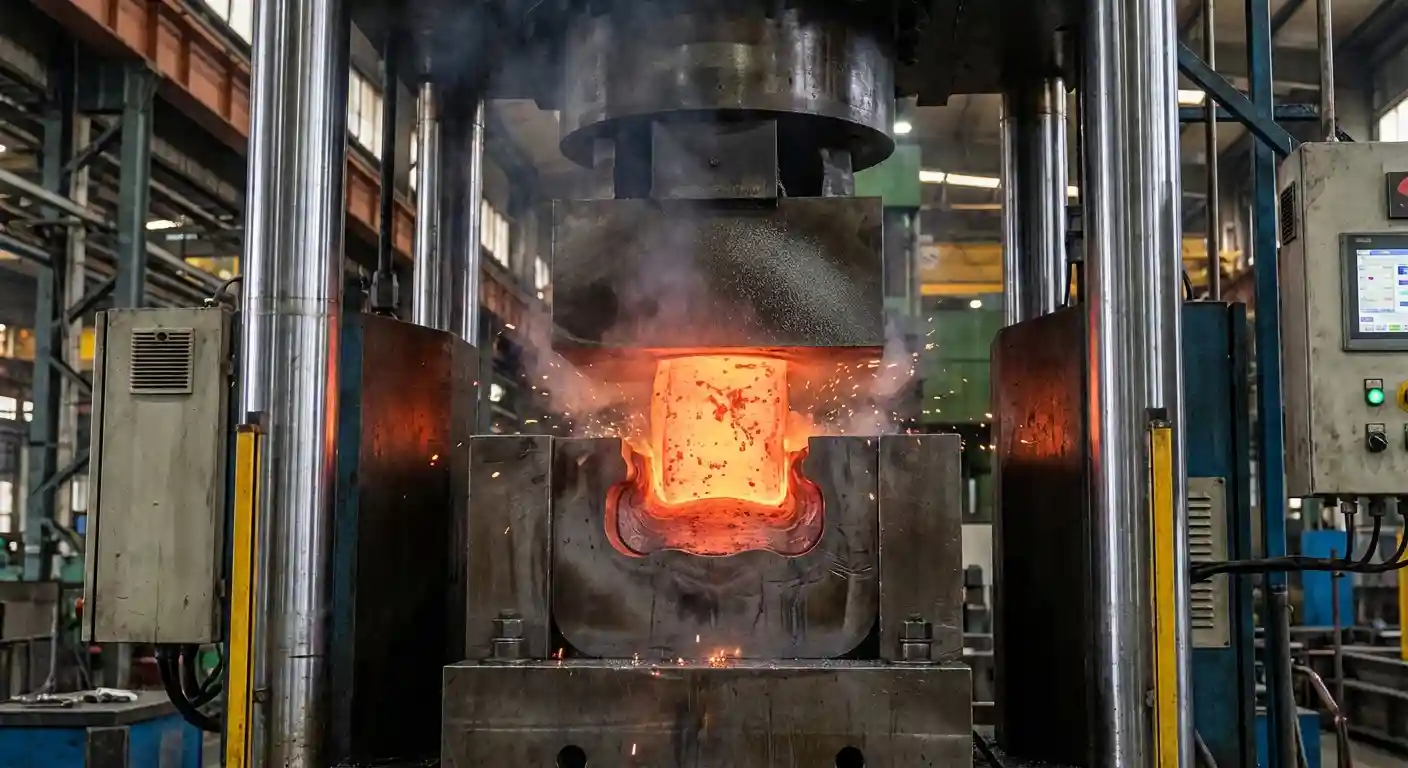
Ковка — это процесс придания металлу формы с помощью сильного сжимающего усилия, обычно с использованием молотка или пресса. В зависимости от сплава и необходимых свойств, ковка может производиться в горячем состоянии (с нагревом) или в других контролируемых условиях. Ковка широко используется, когда детали должны выдерживать реальные механические нагрузки — усталость, удар, крутящий момент и длительный срок службы, — особенно для более толстых, трехмерных геометрических форм.
Если ваш компонент представляет собой компактную “цельную” деталь, воспринимающую нагрузку, то ковка часто является первым вариантом, который стоит рассмотреть.
Что такое штамповка?
Штамповка Штамповка (металлопрессование) позволяет изготавливать детали путем помещения плоского листа металла в пресс, где инструментально-штамповочный комплект вырезает и формирует материал. Штамповка может включать пробивку, вырубку, гибку, тиснение и другие операции прессования. Она широко используется для производства больших объемов деталей из листового металла, где приоритетами являются скорость, повторяемость и низкая себестоимость единицы продукции.
Если ваша деталь в основном состоит из листового металла с изгибами, отверстиями и формованными элементами, то штамповка, как правило, является наиболее подходящим вариантом.
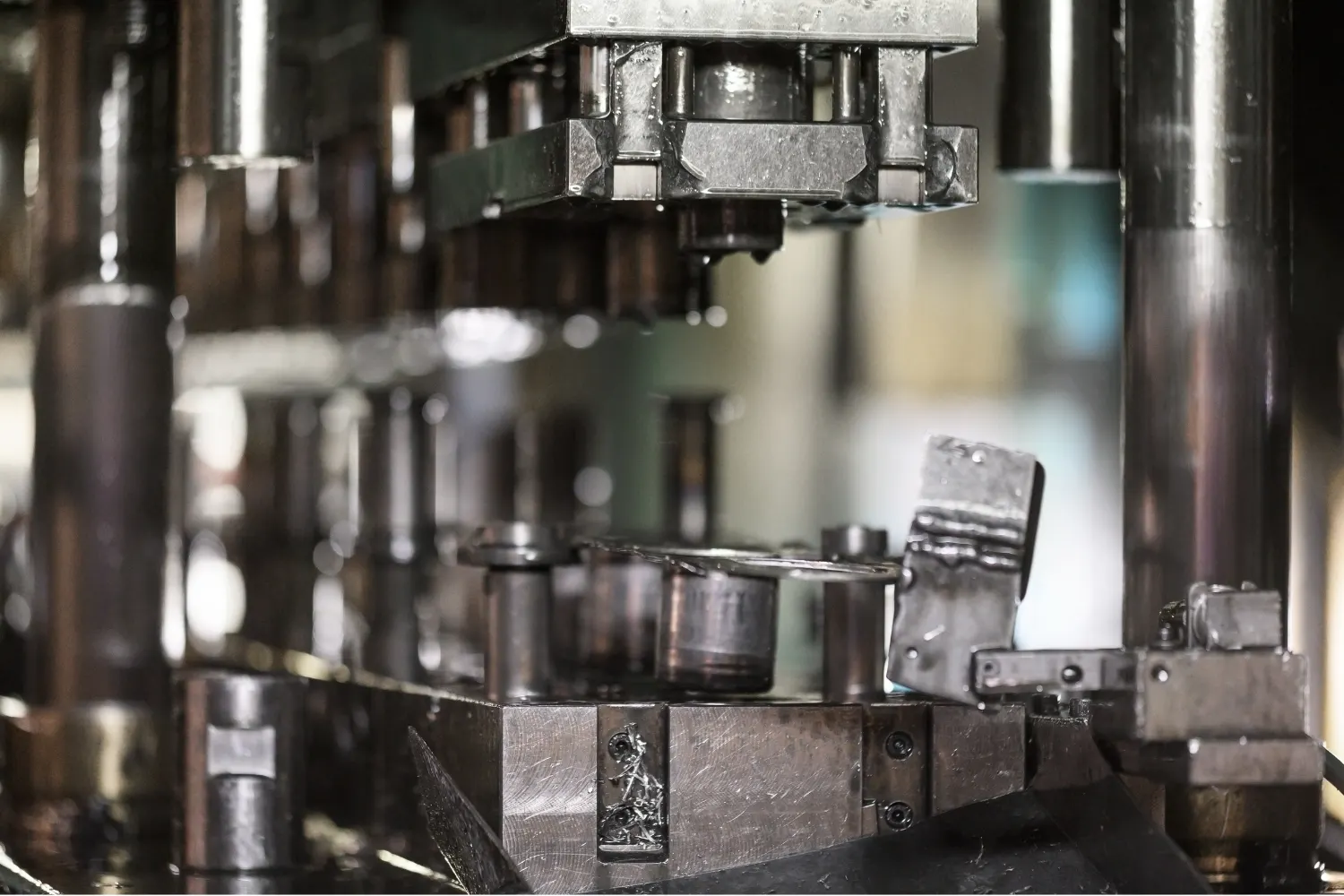
Ковка против штамповки: самый простой способ сделать выбор.
Вот самый быстрый способ мысленно сократить время.
Ковка обычно лучше всего подходит для толстых, несущих нагрузку, трехмерных деталей, изготавливаемых из заготовки или прутка. Штамповка обычно лучше всего подходит для деталей из листового металла, изготовленных из рулона или листа, где деталь формируется из плоской заготовки с отверстиями, изгибами или элементами, полученными методом вытяжки.
Если ваша деталь выглядит так, будто её можно развернуть в плоскую модель, то, скорее всего, её можно изготовить методом штамповки. Если же она выглядит как компактная трёхмерная масса, способная выдерживать нагрузку, то более вероятна ковка.
Кованые и штампованные детали: ключевые различия, которые действительно имеют значение.
Исходный материал и геометрия детали
Это самое существенное различие. Ковка начинается с цельного металла, который затем преобразуется в почти готовую трехмерную форму. Штамповка начинается с листового металла, который формуется/вырезается, как правило, с сохранением постоянной толщины по всей детали. Если вы выбираете между коваными и штампованными деталями, начните с этого — потому что геометрия обычно определяет все остальное.
Сила и производительность
Ковка часто используется для изготовления компонентов, критически важных с точки зрения производительности, поскольку это надежный способ для работы в сложных условиях. Она широко применяется в тяжелой технике и трансмиссиях, где важны усталость, удары и крутящий момент. Штамповка также позволяет получать прочные и долговечные детали, но обычно ее выбирают для листового металла, где геометрия и эффективность производства важнее прочности толстостенных деталей.
Объём и скорость производства
Штамповка — один из самых быстрых способов производства деталей в больших масштабах. После изготовления штампа производительность может быть чрезвычайно высокой, а повторяемость — превосходной, поэтому штамповка наиболее эффективна в средних и очень больших объемах. Ковка также масштабируема, но часто становится особенно привлекательной, когда деталь требует высоких эксплуатационных характеристик — или когда ковка с минимальной последующей обработкой сокращает время обработки и количество отходов по сравнению с обработкой из цельного прутка.
Допуски и качество поверхности
Именно здесь многие проекты сталкиваются с неожиданностями. И кованые, и штампованные детали могут выглядеть “готовыми”, но если на чертеже указаны точные базовые элементы и функциональные интерфейсы, обычно требуется механическая обработка. Посадочные места подшипников, прецизионные отверстия, уплотнительные поверхности, требования к плоскостности, резьба и жесткие допуски по положению обычно требуют обработки на станках с ЧПУ. Именно поэтому вопрос о том, сколько механической обработки потребуется после формовки, часто сводится к выбору допусков для ковки и штамповки.“
Обработка деталей с минимальной последующей обработкой: именно здесь чаще всего достигается существенная экономия.
Значительная экономия средств достигается за счет сочетания правильного метода формовки с правильным планом механической обработки.
При ковке заготовка, близкая к окончательной форме, может значительно сократить время обработки на станках с ЧПУ по сравнению с механической обработкой детали из цельного прутка. При штамповке пресс может эффективно создавать отверстия, придавать форму и изгибать детали, но все равно может потребоваться выборочная механическая обработка элементов, которые должны соответствовать жестким допускам или функциональным требованиям. В обоих случаях механическая обработка для получения формы, близкой к окончательной, направлена на минимизацию ненужного удаления материала при сохранении точности по чертежу в нужных местах.
Практический подход таков: для эффективного создания нужной формы используется ковка или штамповка, а для обеспечения точности детали — обработка на станках с ЧПУ.
Стоимость штамповки и ковки: что определяет общую стоимость?
При сравнении стоимости штамповки и ковки не следует сосредотачиваться только на цене за единицу продукции. Сравните общую стоимость с учетом всех затрат, включая оснастку, брак, время обработки, отделку, контроль качества и сроки поставки.
Что обычно определяет стоимость ковки?
Стоимость ковки зависит от сложности оснастки, степени приближения готовой детали к окончательной форме, расхода материала, любых этапов нагрева/термической обработки и последующей механической обработки. Даже если оснастка для ковки недешева, ковка все равно может снизить общую стоимость, если сократит время механической обработки и уменьшит количество отходов.
Что обычно влияет на стоимость штамповки?
Стоимость штамповки зависит от типа штампа (простой штамп или прогрессивная оснастка), эффективности использования листового материала, настройки/автоматизации пресса, а также от дополнительных операций, таких как снятие заусенцев, гальваническое покрытие, вставки, сварка или выборочная механическая обработка. Штамповка, как правило, выгоднее, когда деталь действительно удобна для работы с листовым материалом, а объемы производства достаточно велики, чтобы распределить затраты на оснастку на множество деталей.
Ковка и штамповка: когда каждая из них целесообразна
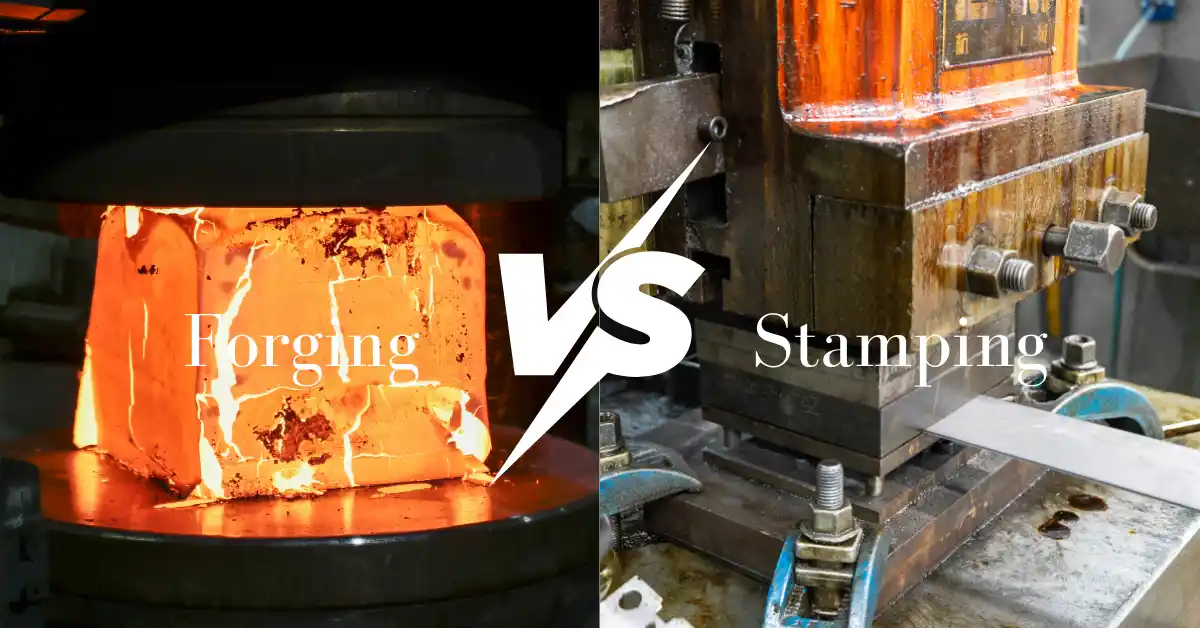
Когда ковка обычно является лучшим выбором.
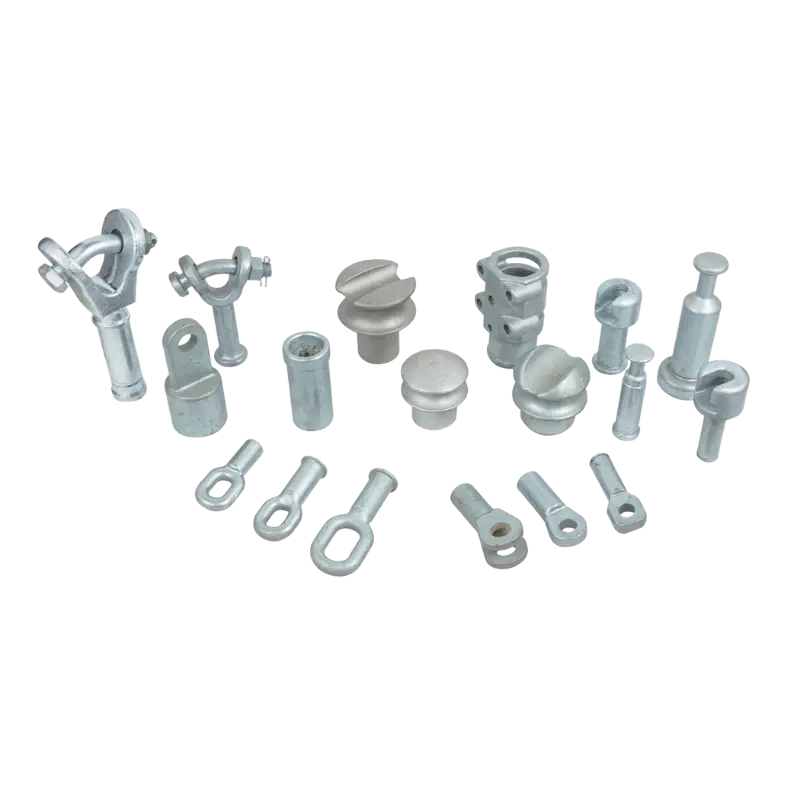
Ковка, как правило, лучше подходит, когда деталь должна выдерживать циклические нагрузки, удары или крутящий момент; когда она имеет толстые профили или компактную трехмерную геометрию; и когда можно получить заготовку, близкую к окончательной, что сокращает время обработки на станках с ЧПУ. Типичные примеры включают валы и торцы валов, заготовки и ступицы шестерен, муфты/вилки и высокопрочные фланцы.
Когда штамповка обычно является лучшим выбором.
Штамповка обычно лучше подходит, когда деталь изготовлена из листового материала с преимущественно равномерной толщиной, требует высокой повторяемости при большой производительности и включает в себя такие элементы, как отверстия, выступы, изгибы, тиснение, жалюзи или вытянутые формы. Типичные примеры включают кронштейны и зажимы, крышки и экраны, корпуса и рамы из листового материала, а также компоненты корпусов.
Краткий контрольный список для принятия решения перед отправкой запроса на коммерческое предложение.
Начните с исходной формы детали. Если это листовой материал, то штамповка, как правило, является естественным выбором. Если это цельный материал, то ковка обычно является правильным вариантом для начала. Затем подумайте о нагрузках, которым будет подвергаться деталь, и о необходимом годовом объеме производства. После этого определите критически важные размеры — поскольку плотные функциональные соединения обычно требуют механической обработки в любом случае. Наконец, сравните общую стоимость с доставкой, а не только цену за единицу, поскольку стоимость оснастки, механической обработки, отходов и финишной обработки может существенно повлиять на результат.
Часто задаваемые вопросы: Ковка против штамповки
Кованые детали прочнее штампованных?
Ковка часто выбирается для деталей, подверженных высоким нагрузкам, поскольку она, как правило, хорошо себя зарекомендовала при таких высоких нагрузках, как усталость, удар и крутящий момент. Штампованные детали также могут быть очень прочными, если они предназначены для листового металла, а условия нагрузки соответствуют проектным параметрам.
Всегда ли штамповка дешевле ковки?
Штамповка часто позволяет достичь очень низкой себестоимости единицы продукции при больших объемах производства, но это не всегда означает, что она дешевле. Сложность штампа, расход материала, дополнительные операции и необходимая механическая обработка могут влиять на общую стоимость. Правильным сравнением является общая стоимость с доставкой, а не только цена за единицу продукции.
Требуется ли по-прежнему обработка деталей, изготовленных методом ковки или штамповки, на станках с ЧПУ?
Часто — да. Если ваш чертеж включает в себя плотную посадку, посадочные места подшипников, уплотнительные поверхности, требования к плоскостности, прецизионные отверстия, резьбу или жесткие допуски по положению относительно базовых элементов, то для соответствия окончательным техническим требованиям обычно требуется обработка на станках с ЧПУ.
Что лучше подходит для сложных трехмерных форм?
Ковка, как правило, лучше подходит для толстых, несущих нагрузку трехмерных деталей. Штамповка лучше подходит для сложных листовых материалов, таких как отверстия, изгибы, формованные элементы и детали, изготовленные методом вытяжки, — особенно если толщина остается достаточно постоянной.
Как лучше снизить общую стоимость: ковка или штамповка?
Наилучшей стратегией снижения затрат обычно является выбор правильного метода изготовления заготовки (ковка или штамповка), а затем обработка только критически важных элементов. Когда заготовка хорошо соответствует детали, вы сокращаете количество брака и время работы станков с ЧПУ, при этом соблюдая требования чертежа.
Вывод
Выбор между ковка против штамповки Все сводится к геометрии, требованиям к нагрузке, объему и объему механической обработки детали в соответствии с чертежом. Штамповка, как правило, является лучшим методом для изготовления большого количества деталей из листового металла с отверстиями и изгибами. Ковка, как правило, является лучшим методом для высокопрочных толстостенных 3D-деталей, где механические характеристики имеют первостепенное значение.
Чтобы как можно быстрее сделать правильный выбор, подготовьте следующую информацию: чертеж, материал, годовой объем производства и характеристики, критически важные с точки зрения допусков. С этой информацией будет легко порекомендовать ковку или штамповку (или гибридный метод), который позволит контролировать общую стоимость, одновременно обеспечивая соответствие требованиям к качеству.