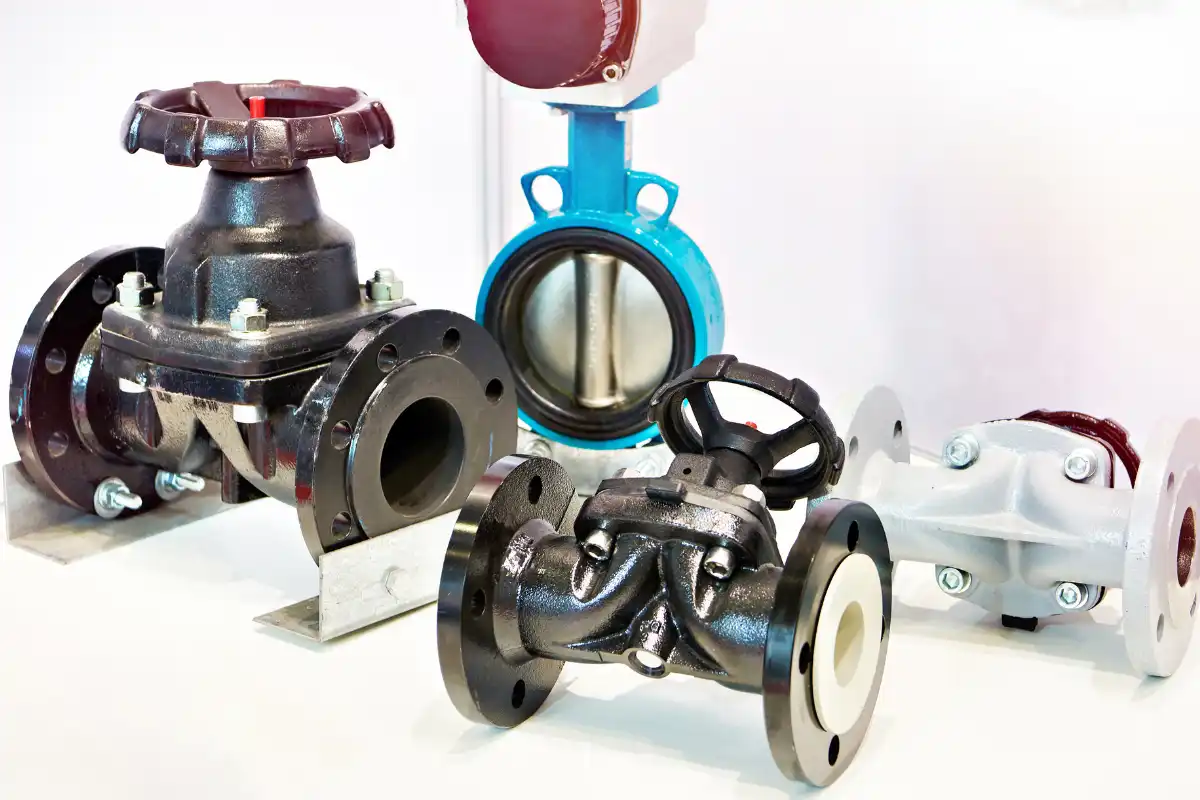
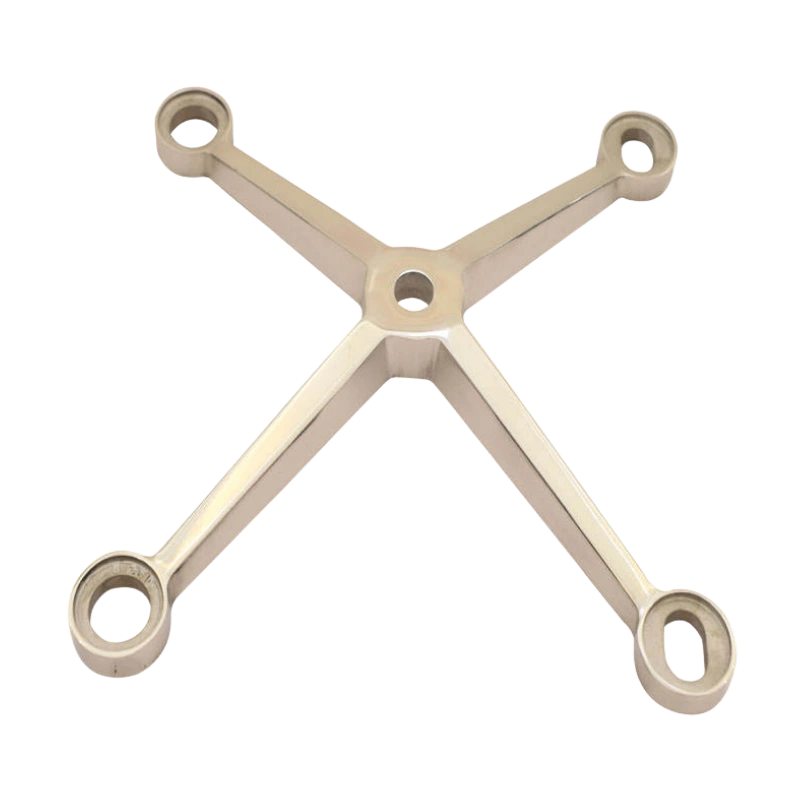
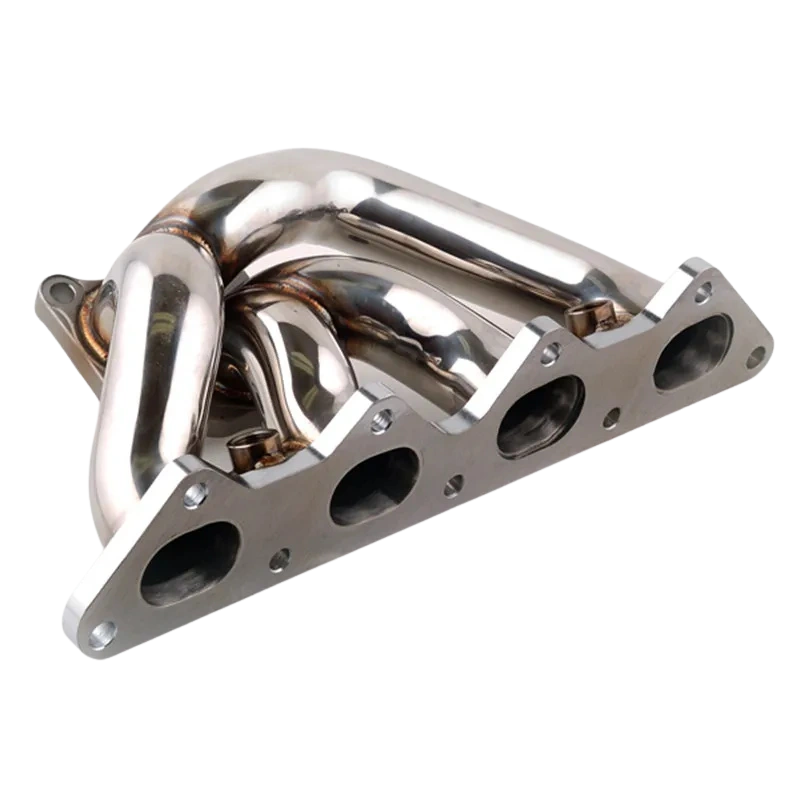
في عالم التصنيع عالي الدقة - من مكونات الطائرات بدون طيار المعقدة إلى الغرسات الطبية الدقيقة - يبدأ النجاح قبل وقت طويل من صب أول قطرة من المعدن المنصهر. يبدأ الأمر بالشمع.
في الاستثمار في الصب في عملية التشكيل بالشمع المفقود، يُمثل نموذج الشمع "جوهر" القطعة المعدنية النهائية. إذ تُنسخ كل تفاصيل وملمس وأبعاد نموذج الشمع في المعدن. لذا، فإن اختيار الشمع المناسب ليس مجرد تفصيل تقني، بل هو قرار بالغ الأهمية يؤثر على إنتاجية التصنيع، وجودة سطح المنتج (Ra)، وكفاءة سلسلة التوريد بشكل عام.
مع دخولنا عام 2026، ازداد تنوع أنواع شمع الصب لتلبية متطلبات الأشكال الهندسية "غير القابلة للتشكيل" والنماذج الأولية السريعة. إليكم شرحًا لأنواع الشمع الخمسة الأساسية التي يجب معرفتها.
ما هو شمع الصب؟
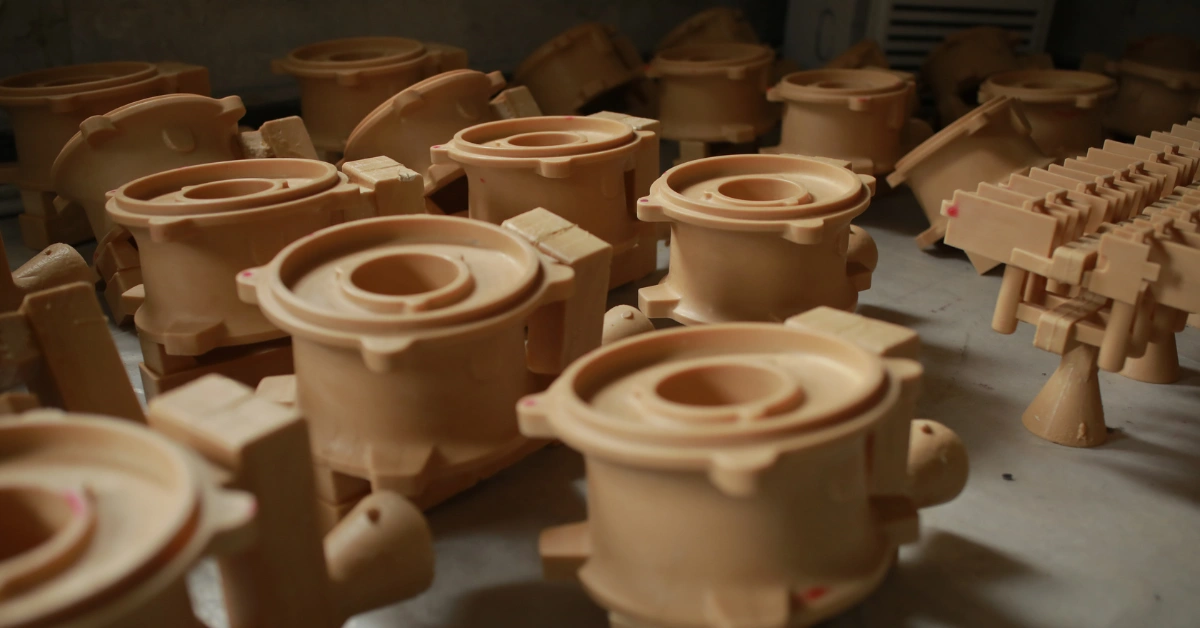
نماذج الشمع - تم تصويرها في منشأة HDC
شمع الصب مادة متخصصة تُستخدم في عملية الصب الاستثماري (الصب بالشمع المفقود) لإنشاء قوالب مؤقتة تحدد الشكل الهندسي النهائي للقطعة المعدنية. وهو مصمم خصيصًا لـ قليل محتوى الرماد, انكماش متحكم به، واحتراق نظيف, مما يضمن دقة أبعاد عالية وتشطيب سطح فائق في عملية الصب النهائية.
في الصناعات عالية الدقة - من مكونات الطائرات بدون طيار إلى الغرسات الطبية - تحدد جودة النموذج الشمعي جودة القطعة المعدنية النهائية بشكل مباشر. يتم نسخ كل تفصيل وملمس وبُعد بدقة متناهية.
ولهذا السبب فإن اختيار شمع الصب المناسب ليس مجرد قرار يتعلق بالمواد فحسب، بل إنه يؤثر بشكل مباشر على:
- إنتاجية الإنتاج
- تشطيب السطح (Ra)
- الدقة البُعدية
- التكلفة الإجمالية للملكية (TCO)
لماذا يُعد اختيار شمع الصب أمرًا مهمًا؟
لا تتصرف جميع أنواع الشمع بنفس الطريقة أثناء الحقن والتجميع والحرق. قد يؤدي اختيار نوع شمع غير مناسب إلى ما يلي:
- تشقق القشرة أثناء إزالة الشمع
- بقايا الرماد ← شوائب
- عدم استقرار الأبعاد
- تكلفة التصنيع المفرطة
غالباً ما تكون مصانع الصب المتقدمة اختيار الشمع بالتعاون مع العملاء لضمان نتائج قريبة من الشكل النهائي وإنتاج مستقر.
الأنواع الخمسة الرئيسية لشمع الصب
1. شمع النماذج: "حامل الراية"“
يُعدّ الشمع المستخدم في صناعة النماذج أكثر المواد شيوعاً لتشكيل الشكل النهائي للقطعة. ويتم حقنه في قوالب معدنية تحت ضغط عالٍ.
- شمع مملوء: يحتوي على مواد مالئة عضوية (مثل البوليسترين المتشابك) لتوفير ثبات أبعاد فائق وانكماش أقل. هذا هو الخيار الأمثل لـ قطع غيار صناعية دقيقة حيث تكون التفاوتات ضيقة.
- شمع غير مملوء: يتميز بتدفق سطحي ممتاز وقدرات ترطيب فائقة. ويُستخدم عادةً لـ المسبوكات الفنية أو المجوهرات حيث تكون تفاصيل الأسطح المعقدة أكثر أهمية من الدقة المطلقة في الأبعاد.
2. شمع المجرى والقناة: "نظام الطرق السريعة"“
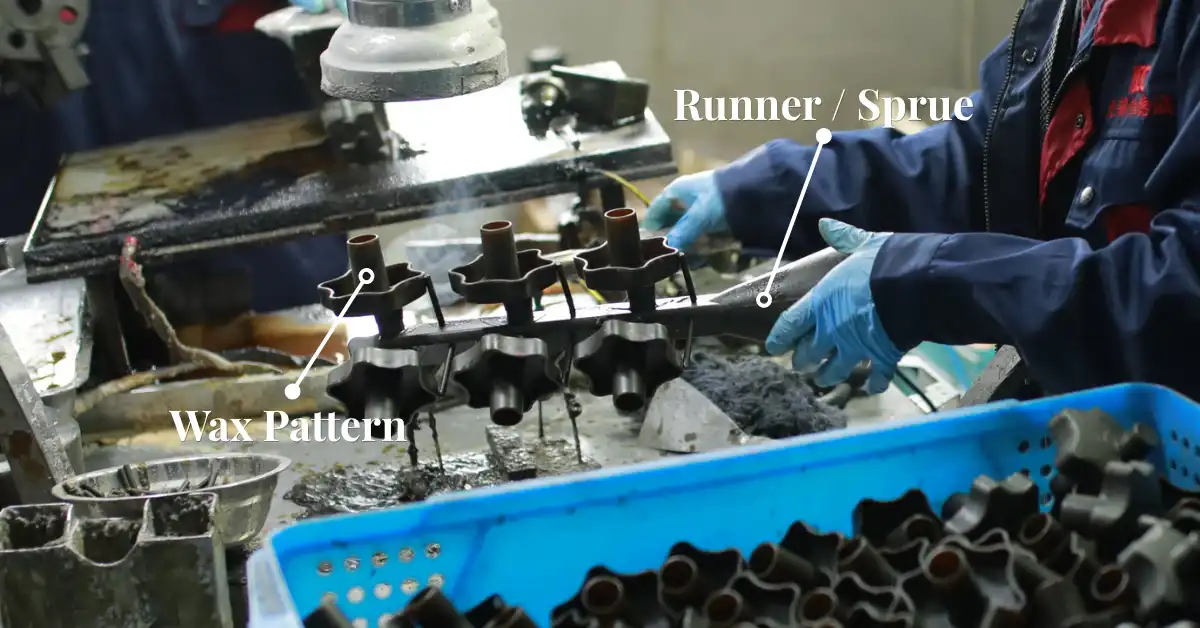
عمال يقومون بتجميع شجرة الشمع - تم تصويرها في منشأة HDC
قبل عملية الصب، يتم تجميع نماذج الشمع الفردية على "شجرة" مركزية. جذع وفروع هذه الشجرة مصنوعة من شمع العداء.
- الدور: فهو يُنشئ القنوات (البوابات والممرات) التي سيتدفق من خلالها المعدن المنصهر في النهاية.
- الخاصية الرئيسية: لا بد أنه كان محتوى رماد منخفض للغاية (<0.01%). عند إذابة الشمع (إزالة الشمع)، قد تتسبب أي بقايا متبقية في نظام المجرى في ظهور شوائب وعيوب في المعدن. كما أنه أكثر مرونة من شمع النماذج لمنع "الشجرة" من الانكسار أثناء التعامل معها.
3. الشمع القابل للذوبان: "منقذ الهندسة"“
كيف تقوم بصب قطعة ذات أنبوب داخلي معقد أو تجويف لا يمكن لقالب معدني الوصول إليه؟ تستخدم الشمع القابل للذوبان.
- كيف يعمل؟ هذا الشمع قابل للذوبان في الماء أو الأحماض الخفيفة. يتم أولاً حقن الشمع القابل للذوبان لتشكيل "اللب الداخلي"، ثم يُحقن شمع النموذج القياسي حوله. بمجرد تثبيت النموذج، يُغسل اللب الداخلي بمحلول سائل.
- طلب: ضروري لـ مشعبات معقدة، وأنابيب منحنية، ومكونات فضائية مع قنوات تبريد داخلية معقدة.
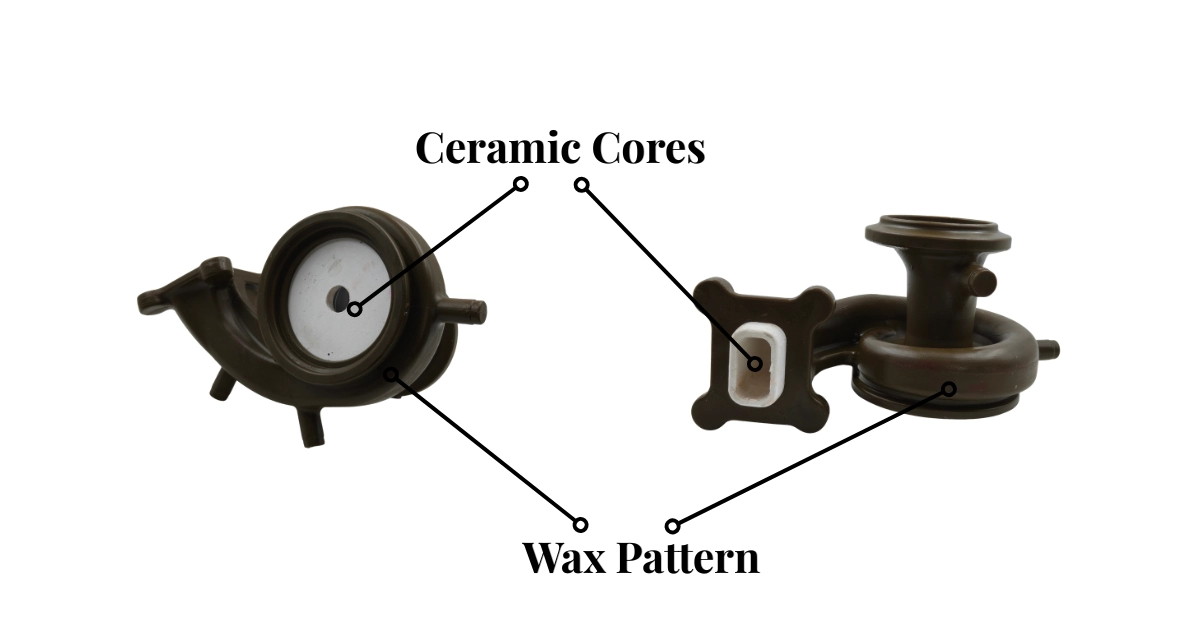
نمط شمع غلاف التوربين - صورة التقطها مركز بيانات التصوير عالي الدقة
ذُكريؤدي القلب الخزفي نفس وظيفة القلب الشمعي القابل للذوبان. يمكنك اعتبار القلب الخزفي في الصورة أعلاه بمثابة قلب شمعي قابل للذوبان لفهم عملية الصب بشكل أفضل.
في الصورة أعلاه، نستخدم قوالب خزفية لأن هذا المنتج يتميز بقناة تدفق داخلية معقدة ويتطلب صبه باستخدام الفولاذ المقاوم للصدأ. في الإنتاج الفعلي، نختار شمع النموذج ومواد القوالب وفقًا لعوامل مثل الشكل الهندسي والمادة وقابلية الصب، وغيرها، لبناء عملية صب مخصصة لكل منتج. عادةً، لا تحتاج إلى معرفة التفاصيل الفنية. نتولى جميع تحديات التصنيع، وكل ما عليك فعله هو التركيز على المنتج النهائي.
4. شمع الإصلاح واللصق: "الغراء الصناعي"“
التصنيع ليس مثالياً دائماً. تُعدّ مواد الإصلاح والشمع اللاصق أدوات مساعدة تُبقي خط التجميع يعمل بسلاسة.
- شمع لاصق: يعمل كمادة لاصقة عالية القوة تُستخدم لربط النقوش بقضيب التوجيه. يجب أن يُنشئ اتصالاً قوياً للغاية حتى لا تسقط النقوش أثناء عملية الطلاء الخزفي.
- شمع الإصلاح (الترقيع): يستخدمها الفنيون لملء فقاعات الهواء الصغيرة أو الخدوش السطحية على نموذج الشمع. وهذا يوفر تكلفة التخلص من نموذج معقد بسبب عيب سطحي بسيط.
5. شمع الطباعة ثلاثية الأبعاد القابل للصب: "المُغيّر الجذري للمنهجية الرشيقة"“
في عام 2026، صعود إنتاج خالٍ من القوالب لقد جعل ذلك الشمع المطبوع بتقنية الطباعة ثلاثية الأبعاد عنصراً أساسياً لشركات تكامل سلاسل التوريد.
- الميزة: بدلاً من إنفاق $5,000–$20,000 على قالب حقن فولاذي، يمكنك طباعة نموذج الشمع مباشرة من ملف CAD.
- حالة الاستخدام: مثالي ل النماذج الأولية، أو الإنتاج بكميات صغيرة (من 1 إلى 50 قطعة)، أو التصاميم المعقدة للغاية "المحسّنة من الناحية الطوبولوجية". والتي يستحيل إخراجها من قالب تقليدي.
ملخص: قائمة اختيار سريعة
| إذا كان هدفك هو... | نوع الشمع الموصى به |
| قطع دقيقة بكميات كبيرة | شمع بنمط مملوء |
| تجاويف داخلية معقدة | لب شمع قابل للذوبان |
| النماذج الأولية السريعة (بدون قوالب) | شمع قابل للصب مطبوع بتقنية الطباعة ثلاثية الأبعاد |
| ضمان تدفق المعادن بشكل نظيف | شمع تلميع منخفض الرماد |
| إصلاح عيوب السطح | شمع الإصلاح/الترقيع |
رؤية المُكامل
عند تقييم شريكك في اختيار الممثلين أو اختيار المواد لمشروعك القادم، تذكر ما يلي: التكلفة الإجمالية للملكية (TCO) يُعدّ السعر أهم من سعر الكيلوغرام الواحد من الشمع. فالشمع عالي الثبات، وإن كان أغلى قليلاً، يُمكن أن يُوفّر عليك آلاف الدولارات من تكاليف التشغيل الثانوي، وذلك بضمان أن يكون الجزء "قريبًا من الشكل النهائي" فور خروجه من القالب.
التعليمات
ممّ يتكون شمع الصب؟
يتكون شمع الصب عادةً من مزيج من البارافين والشمع الميكروكريستالي والراتنجات والمواد المضافة للتحكم في الانكماش والقوة وسلوك الاحتراق.
ما الفرق بين الشمع المملوء والشمع غير المملوء؟
يحتوي الشمع المملوء على إضافات لتحسين استقرار الأبعاد وتقليل الانكماش، بينما يوفر الشمع غير المملوء تشطيبًا أفضل للسطح ولكنه يوفر استقرارًا هيكليًا أقل.
هل يمكن للشمع المطبوع بتقنية الطباعة ثلاثية الأبعاد أن يحل محل الشمع التقليدي المستخدم في صناعة النماذج؟
الأمر يعتمد على الظروف. يُعد الشمع المطبوع ثلاثي الأبعاد مثالياً للنماذج الأولية والأجزاء المعقدة، لكن الشمع المحقون التقليدي لا يزال أفضل للإنتاج عالي الدقة بكميات كبيرة.
ما الذي يسبب تراكم الرماد في عملية الصب الاستثماري؟
يمكن أن يؤدي استخدام شمع رديء الجودة أو ارتفاع نسبة الرماد في شمع الصب إلى ترك بقايا بعد الاحتراق، مما يؤدي إلى ظهور شوائب وعيوب في عملية الصب.
كيف أختار شمع الصب المناسب؟
ينبغي عليك مراعاة ما يلي:
- حجم الإنتاج
- تعقيد الهندسة
- متطلبات التسامح
- المفاضلة بين التكلفة ووقت التسليم