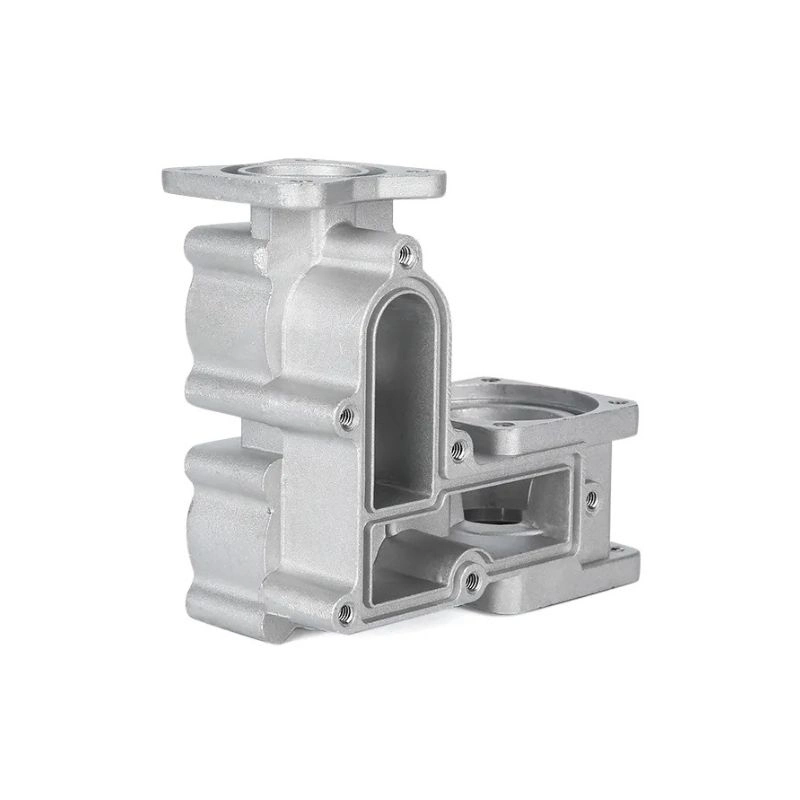
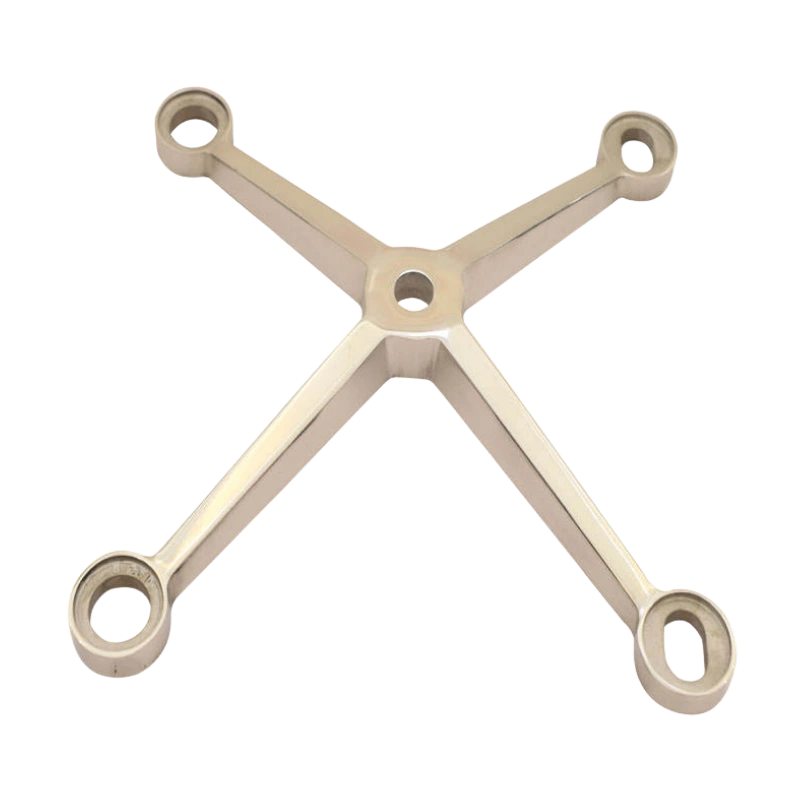
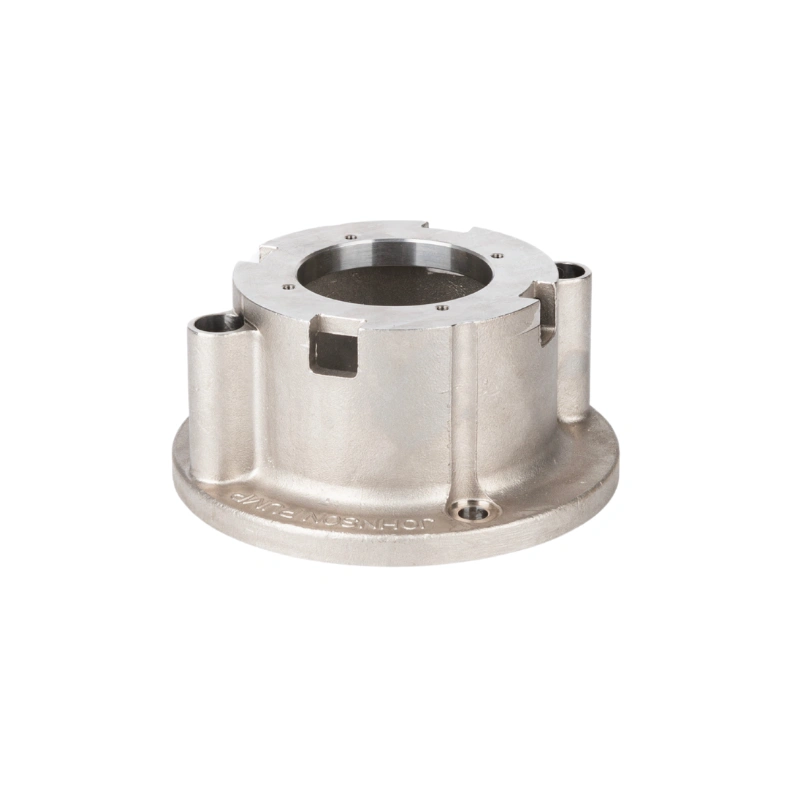
تُستخدم كلتا تقنيتي الصب بالقوالب والصب الاستثماري لتشكيل المعدن المنصهر إلى أجزاء نهائية، لكنهما تحلان مشكلات تصنيعية مختلفة تمامًا. تعمل الأولى كآلة طباعة عالية السرعة، تُنتج آلاف الأجزاء المتطابقة. أما الثانية، فتعمل كالنحات، حيث تُجسد أدق التفاصيل في معادن قادرة على تحمل درجات حرارة وأحمال قصوى.
إن اختيار العملية الخاطئة أشبه بمحاولة إدخال مفك براغي مسطح في برغي فيليبس. قد تتمكن من تحريكه، لكن النتيجة ستكون غير فعالة ومكلفة، ومن المرجح أن تُسبب ضررًا. لفهم أي عملية تناسب تطبيقك، عليك أولًا أن تفهم آلية عمل كل عملية ومواطن قوتها.
ما هي عملية صب القوالب؟
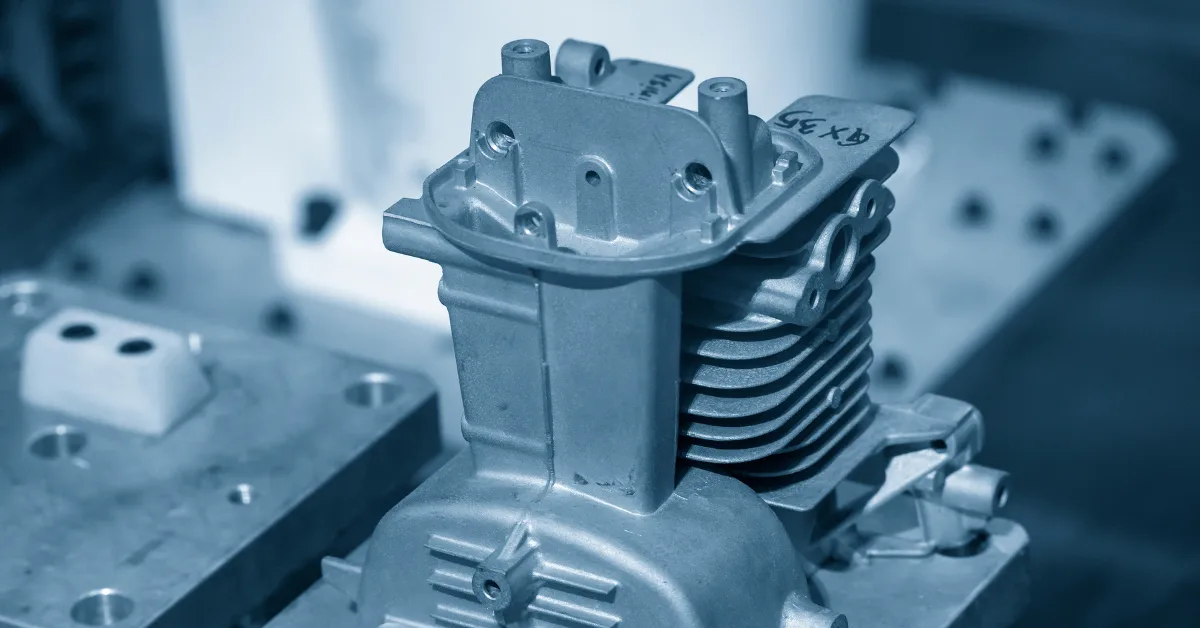
تعتمد عملية صب القوالب على دفع المعدن المنصهر إلى قالب فولاذي صلب تحت ضغط هائل. يمكن تشبيهها بعملية حقن المعادن: سريعة، قابلة للتكرار، ومصممة للإنتاج بكميات كبيرة.
يوجد نوعان رئيسيان:
- تحافظ عملية صب القوالب في غرفة ساخنة على غمر آلية الحقن في المعدن المنصهر. يعمل هذا النظام بشكل أفضل مع المعادن ذات درجة الانصهار المنخفضة مثل الزنك والمغنيسيوم.
- في عملية صب القوالب بالغرفة الباردة، يُصب المعدن المنصهر في حجرة الحقن قبل كل دورة. وتتعامل هذه العملية مع المعادن ذات درجة الانصهار العالية، مثل الألومنيوم. ويعتمد معظم مصنعي السيارات والإلكترونيات على هذه الطريقة لأن الألومنيوم من أكثر المعادن الهندسية استخدامًا.
تتراوح أوقات دورات الإنتاج عادةً بين 15 و90 ثانية لكل قطعة. ويمكن لآلات التشكيل متعددة الشرائح إنتاج ما يصل إلى 75 دورة في الدقيقة. إذا تجاوز هدف إنتاجك 20,000 قطعة سنويًا، فإن عملية صب القوالب تبدو وكأنها آلة مصنع لا تعرف الكلل.
يمكن أن ينتج عن عملية الصب بالقوالب جدران رقيقة للغاية 0.5 مم للألمنيوم و 0.3 مم للزنك. وهذا ما يجعله مثالياً للتصاميم المدمجة والخفيفة الوزن. ومن الأمثلة الشائعة على ذلك إطارات الهواتف الذكية، وعلب ناقل الحركة، وأغلفة الأجهزة المنزلية.
يكمن القيد في اختيار المادة. لا تنجح عملية الصب بالقالب إلا مع المعادن غير الحديدية مثل الألومنيوم والزنك والمغنيسيوم. محاولة صب الفولاذ المقاوم للصدأ بالقالب أشبه بسكب الحمم البركانية في قالب ثلج، فالحرارة ستدمر القالب قبل اكتمال القطعة الأولى.
ما هو صب الاستثمار؟
تعتمد عملية الصب الاستثماري، والمعروفة أيضاً باسم صب الشمع المفقود، على نهج مختلف تماماً. فبدلاً من حقن المعدن في قالب فولاذي دائم، يتم أولاً إنشاء نسخة شمعية طبق الأصل من القطعة.
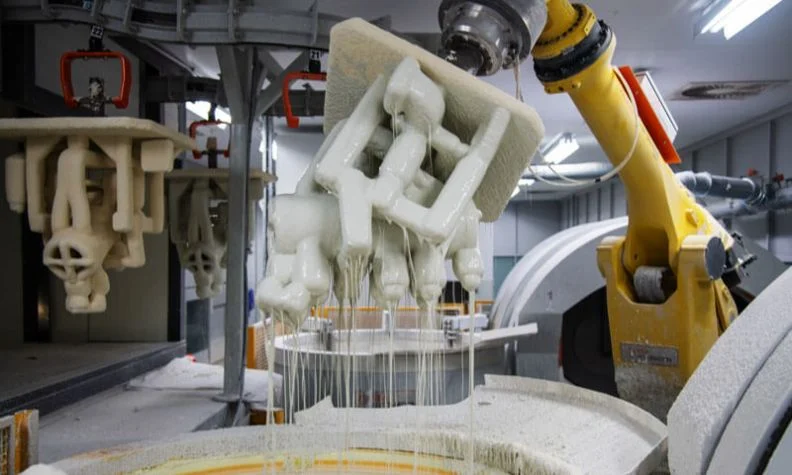
تُثبّت عدة نماذج شمعية على قضيب شمعي مركزي يُسمى قناة الصب، لتشكل ما يشبه أغصان شجرة. تُغمس هذه الشجرة مرارًا وتكرارًا في معجون السيراميك حتى تتشكل قشرة سميكة حولها.
ثم يتم تسخين الغلاف لإذابة الشمع، تاركًا وراءه تجويفًا مجوفًا. يملأ المعدن المنصهر التجويف، وبمجرد أن يتصلب، يتم كسر الغلاف الخزفي للكشف عن القطعة النهائية.
هذه العملية أبطأ وتتطلب جهداً أكبر. لكن هذا الجهد الإضافي يسمح لعملية الصب الاستثماري بإعادة إنتاج الأشكال بنفس الدقة التي يلتقط بها القالب كل خط من خطوط بصمة الإصبع.
يمكنك صب أي سبيكة تقريبًا، بما في ذلك الفولاذ المقاوم للصدأ والتيتانيوم والكوبالت والكروم وسبائك النيكل الفائقة. السطح الناتج ناعم للغاية لدرجة أن شفرات التوربينات والغرسات الجراحية تُصنع غالبًا بهذه الطريقة. في هذه التطبيقات، حتى عيب صغير يمكن أن يُحدث شرخًا في سد، محولًا عيبًا بسيطًا إلى انهيار كارثي.
الصب بالقوالب مقابل الصب الاستثماري: الاختلافات الرئيسية
تنتج كلتا الطريقتين مكونات معدنية دقيقة، لكنهما تعملان وفقًا لمبادئ اقتصادية وتقنية مختلفة تمامًا.
عامل | صب القوالب | الاستثمار في الصب |
| سرعة | 15-90 ثانية لكل جزء | عدد الساعات لكل جزء |
| معدن | المعادن غير الحديدية فقط (الألومنيوم، الزنك، المغنيسيوم) | الحديديات والمعادن غير الحديدية (الفولاذ، التيتانيوم، السبائك الفائقة) |
| أفضل مستوى صوت | أكثر من 20000 وحدة سنوياً | من 10 إلى 20 ألف وحدة سنوياً |
| دقة | مرتفع، ممتاز للجدران الرقيقة | ممتاز للهندسة المعقدة |
| تكلفة الأدوات | $10,000–$100,000+ | أقل بكثير |
| مرحلة ما بعد المعالجة | غالباً ما يكون مطلوبا | عادة ما تكون ضئيلة |
| المحرك الرئيسي للتكلفة | يؤثر زمن الدورة بشكل كبير على تكلفة الوحدة | تؤثر تكلفة العمالة وإعداد الصدف بشكل كبير على تكلفة الوحدة |
أهم عامل هو زمن دورة الإنتاج. في العديد من المشاريع، يُمثل هذا الزمن ما يصل إلى 60% من إجمالي تكلفة القطعة. دورات الإنتاج الأسرع تُخفض التكاليف، ولهذا السبب يهيمن صب القوالب على التصنيع بكميات كبيرة. أما صب الاستثمار، فيتم بوتيرة أبطأ، ولكنه يُتيح استخدام مواد وأشكال هندسية لا يُمكن لصب القوالب التعامل معها.
المسامية والعيوب: ما الذي يمكن أن يحدث خطأً
كل عملية صب تنطوي على مخاطر العيوب، والمسامية هي واحدة من أكثرها شيوعاً.
في عملية صب القوالب، يدخل المعدن المنصهر إلى التجويف بسرعة عالية جدًا. إذا انحصر الهواء، فإنه يُخلّف فراغات دقيقة داخل القطعة. هذه الفراغات أشبه بفقاعات متجمدة داخل الجليد. من الخارج، قد يبدو السطح صلبًا، لكن البنية الداخلية تكون ضعيفة.
هناك شكلان رئيسيان:
- تحدث المسامية الغازية عندما ينحصر الهواء أثناء عملية التعبئة.
- تحدث المسامية الانكماشية عندما ينكمش المعدن أثناء التبريد، ولا توجد كمية كافية من المعدن المنصهر للتعويض عن هذا الانكماش.
بالنسبة للأجزاء الزخرفية أو غير الحرجة، قد يكون وجود مسامية طفيفة مقبولاً. أما في المكونات الهيكلية أو التي تتحمل الضغط، فقد تصبح هذه الفراغات الصغيرة مسارات للتسرب أو نقاط ضعف تحت تأثير الأحمال.
يتم استخدام طريقتين تصحيحيتين شائعتين:
- التشريب بالتفريغ، الذي يسد المسام بالراتنج.
- الضغط المتساوي الساخن (HIP)، الذي يستخدم الحرارة والضغط لسحق الفراغات الداخلية.
لا يخلو صب الاستثمار من العيوب أيضاً. فقد يحدث انكماش إذا لم يبرد المعدن بالتساوي داخل الغلاف الخزفي. ولكن نظراً لأن صب الاستثمار يعتمد على الجاذبية أو الصب بضغط منخفض بدلاً من الحقن عالي السرعة، فإن انحباس الغاز أقل شيوعاً بكثير.
إنّ عملية التعبئة اللطيفة أشبه بسكب الماء في كوب بدلاً من ضخه بقوة عبر خرطوم. ولهذا السبب يثق بها مصنّعو الطيران والفضاء والأجهزة الطبية في التطبيقات التي لا مجال فيها للتغاضي عن العيوب الداخلية.
الأخطاء الشائعة التي يرتكبها الناس عند اختيار عملية الصب
تعود معظم الأخطاء المكلفة إلى عدد قليل من الأخطاء التي يمكن التنبؤ بها.
1. الاختيار بناءً على سعر الوحدة فقط
تتميز عملية الصب بالقوالب بتكلفة أقل للقطعة الواحدة عند الإنتاج بكميات كبيرة، لكن تكلفة الأدوات تتراوح بين 10,000 و100,000 دولار. إذا كانت كمية طلبك صغيرة، فلن تُغطي هذه التكلفة التكاليف. لذا، احسب نقطة التعادل قبل البدء بالتنفيذ.
2. بافتراض أن صب الاستثمار لا يكون مجديًا إلا للطلبات الكبيرة
هذا أحد أكثر المفاهيم الخاطئة شيوعًا في مجال التصنيع. يمكن لتقنية الصب الاستثماري إنتاج ما لا يقل عن 10 قطع بتكلفة معقولة. إذا كان تصميمك يتطلب استخدام الفولاذ المقاوم للصدأ أو التيتانيوم، أو إذا كان الشكل الهندسي معقدًا للغاية بحيث لا يمكن استخدام قالب قابل لإعادة الاستخدام، فقد يكون هذا هو خيارك الوحيد، بغض النظر عن الكمية.
على سبيل المثال، لا يمكن لشركة أجهزة طبية تحتاج إلى 50 غرسة تيتانيوم مصممة خصيصًا أن تستخدم تقنية الصب بالقوالب. فالمادة وحدها تستبعدها تمامًا.
3. اختيار عملية دون اختبار تصميمك تحت قيودها.
لكل عملية قواعدها. تتطلب عملية الصب بالقوالب زوايا سحب محددة، وسماكة جدار موحدة، وخطوط فصل مُخططة بعناية. إن تجاهل هذه القيود يُشبه تصميم مفتاح دون التحقق من شكل القفل.
4. التقليل من تقدير الوقت اللازم بعد الالتزام
يستغرق متوسط وقت عملية الصب الاستثماري في هذا القطاع من 8 إلى 16 أسبوعًا. وبينما تستغرق عملية الصب الفعلية أيامًا معدودة، فإن مرحلة الإعداد الأولية، وتحديدًا تصميم الأدوات والحصول على موافقة النموذج الأولي، هي التي تُطيل المدة الزمنية.
بمجرد تجهيز الأدوات، يمكن لعملية الصب بالقوالب إنتاج القطع في غضون أيام. إذا كان جدول إطلاق منتجك ضيقًا، فإن هذا التأخير له عواقب وخيمة. لذا، ضع في اعتبارك مهلة زمنية كافية في تخطيطك منذ البداية.
الاعتبارات البيئية والاستدامة: أي عملية صب أكثر ملاءمة للبيئة؟
هذا جانب يتجاهله معظم المصنّعين، لكن بات من الصعب تجاهله مع تشديد متطلبات الحوكمة البيئية والاجتماعية والمؤسسية عبر سلاسل التوريد العالمية.
تروي العمليتان قصصًا بيئية مختلفة تمامًا، ويمكن أن يؤثر فهم هذه الاختلافات بشكل مباشر على قرارات الشراء الخاصة بك.
هل عملية صب القوالب صديقة للبيئة؟
تتميز عملية صب القوالب بعدة مزايا بيئية. فالألومنيوم والزنك والمغنيسيوم قابلة لإعادة التدوير بالكامل، كما أن الألومنيوم المعاد تدويره يستهلك طاقة أقل من الألومنيوم الخام. ويمكن لقالب واحد إنتاج مئات الآلاف أو حتى ملايين القطع، مما يقلل من نفايات الأدوات بشكل كبير.
في العديد من المنشآت، يُعاد صهر الخردة وإعادتها إلى الإنتاج. تشبه هذه العملية نظامًا مغلقًا حيث لا يُفقد سوى القليل من المواد.
ماذا عن صب الاستثمار؟
يواجه صب الاستثمار تحديات مختلفة. فكل غلاف خزفي يُكسر ويُتخلص منه بعد استخدام واحد، مما يُنتج نفايات مع كل قطعة. وتستهلك هذه العملية متعددة المراحل طاقة أكبر لكل قطعة مقارنةً بالصب الآلي بالقوالب. ويمكن في كثير من الأحيان استعادة الشمع بعد ذوبانه، ولكن البصمة البيئية للنفايات لكل قطعة تكون أعلى إجمالاً.
أي عملية لها تأثير بيئي أقل؟
إذا كانت شركتك ملتزمة بمعايير الاستدامة أو لديها متطلبات إعداد تقارير الحوكمة البيئية والاجتماعية وحوكمة الشركات، فينبغي مراعاة هذه الاختلافات في نقاشات الشراء. وبشكل عام، تُحدث عملية صب القوالب، لا سيما باستخدام السبائك المعاد تدويرها، أثراً بيئياً أقل عند الإنتاج بكميات كبيرة.
إذن، أيهما الأنسب لك؟
سيساعدك سؤالان في الوصول إلى الإجابة الصحيحة:
- كم عدد القطع التي تحتاجها؟
- ما نوع المعدن الذي تستخدمه؟
إذا كنت بحاجة إلى عشرات الآلاف من قطع الألومنيوم أو الزنك، فإن صب القوالب عادةً ما يكون الحل الأمثل من حيث التكلفة. بمجرد تغطية تكلفة الأدوات، يسير الإنتاج بوتيرة منتظمة: سريع، قابل للتكرار، ويمكن التنبؤ به.
إذا كنت بحاجة إلى الفولاذ المقاوم للصدأ أو التيتانيوم أو السبائك الفائقة المقاومة للحرارة، فإن صب الاستثمار غالبًا ما يكون الخيار الأمثل. فهو يوفر حرية التصميم لإنتاج أشكال يصعب إنتاجها باستخدام قالب فولاذي دائم.
إليكم كيف يتجلى ذلك في مختلف حالات التصنيع:
إذا كنت تنتج 50,000 دعامة ناقل حركة من الألومنيوم سنويًا لصناعة السيارات، فإن صب القوالب هو الخيار الأمثل. حجم الإنتاج يبرر بسهولة الاستثمار في الأدوات، ويتوافق الألومنيوم تمامًا مع هذه العملية، كما أن التشغيل الآلي يُبقي تكلفة القطعة الواحدة منخفضة.
لننتقل الآن إلى المجال الطبي. لنفترض أنك تحتاج إلى 500 مقبض لأدوات جراحية من الفولاذ المقاوم للصدأ ذات قنوات داخلية معقدة. في هذه الحالة، يُستبعد صب القوالب تمامًا لأن الفولاذ المقاوم للصدأ لا يتحمل هذه العملية. أما صب الاستثمار فيُصبح الحل الأمثل لأنه يُتيح إعادة إنتاج هندسة داخلية معقدة بجودة سطح ممتازة.
ينطبق المنطق نفسه في صناعة الطيران. فالمورد الذي ينتج مكونات توربينات من التيتانيوم بكميات تصل إلى 200 قطعة سيلجأ مجدداً إلى الصب الاستثماري. لا يمكن صب التيتانيوم بالقوالب، وتتطلب أجزاء التوربينات دقة عالية في التصنيع، وأسطحاً نظيفة، وأقل قدر من العيوب الداخلية. في المحرك النفاث، تتمدد العيوب الداخلية المجهرية تحت تأثير الحرارة والضغط الشديدين، مما قد يؤدي في النهاية إلى كسر الجزء أثناء التشغيل.
أما الأجهزة الإلكترونية الاستهلاكية فلها قصة مختلفة. تخيل جهازًا قابلًا للارتداء يُتوقع بيع 100,000 وحدة منه، بهيكل خفيف الوزن من الألومنيوم. في هذه الحالة، يُعدّ صب القوالب الخيار الأمثل. فبعد تغطية تكلفة الأدوات، تُتيح هذه العملية سرعات إنتاج عالية، وأبعادًا ثابتة، وتكاليف منخفضة للوحدة عند الإنتاج بكميات كبيرة.
في صناعة النفط والغاز، تتغير الأولويات مجدداً. فشركةٌ تبحث عن ألف جسم صمام من الفولاذ المقاوم للصدأ للاستخدام في بيئات شديدة التآكل والضغط العالي، ستختار عادةً تقنية الصب الاستثماري. فمتطلبات المادة وحدها تستبعد الصب بالقوالب، بينما يتطلب التطبيق أجزاءً كثيفة ومحكمة الإغلاق ضد الضغط، تتمتع بمتانة هيكلية عالية.
تتضح الصورة بسرعة كبيرة. عادةً ما يُضيّق الحجم والمادة نطاق القرار أولاً. بعد ذلك، تُساعد الهندسة، ونسبة تحمل العيوب، ووقت التسليم، وتكلفة الإنتاج في حسم الاختيار.
الآن يتضح أن صب القوالب وصب الاستثمار لا يتنافسان على الدور نفسه، فهما يحلان مشاكل تصنيعية مختلفة. أحدهما مصمم للسرعة والإنتاج بكميات كبيرة، والآخر للدقة ومرونة المواد. كل ما عليك فعله هو معرفة أي عملية تتطلب أيًا منهما، والآن أنت تعرف!