Aperçu
HDC Manufacturing est votre partenaire de confiance pour la fabrication sur mesure de composants métalliques, fort d'une expertise de plus de dix ans. Nos installations de pointe, équipées de centres d'usinage 4 et 5 axes et d'appareils de contrôle de dernière génération, tels que des machines à mesurer tridimensionnelles, nous permettent de garantir une précision inégalée.
Au sein de HDC Manufacturing, notre expertise principale réside dans l'usinage de l'acier inoxydable 420, révélant un vaste savoir-faire et une gamme complète d'options procédurales. Usinage CNC à fonderie, forger, découpe au laser, et emboutissage de métal, nos capacités multiformes assurent la satisfaction des exigences variées de notre clientèle exigeante. Notre engagement inébranlable envers l’excellence et notre perspicacité inventive nous distinguent, garantissant des solutions sur mesure pour vos 420 composants en acier inoxydable.
Explorez de nouvelles possibilités avec HDC Manufacturing : nous mettons à profit des technologies de pointe et un savoir-faire artisanal exceptionnel pour donner vie à vos idées. Qu’il s’agisse de plans complexes ou des exigences d’une production en grande série, notre équipe dévouée est prête à répondre à vos attentes, voire à les surpasser, dans le domaine de l’usinage de l’acier inoxydable 420.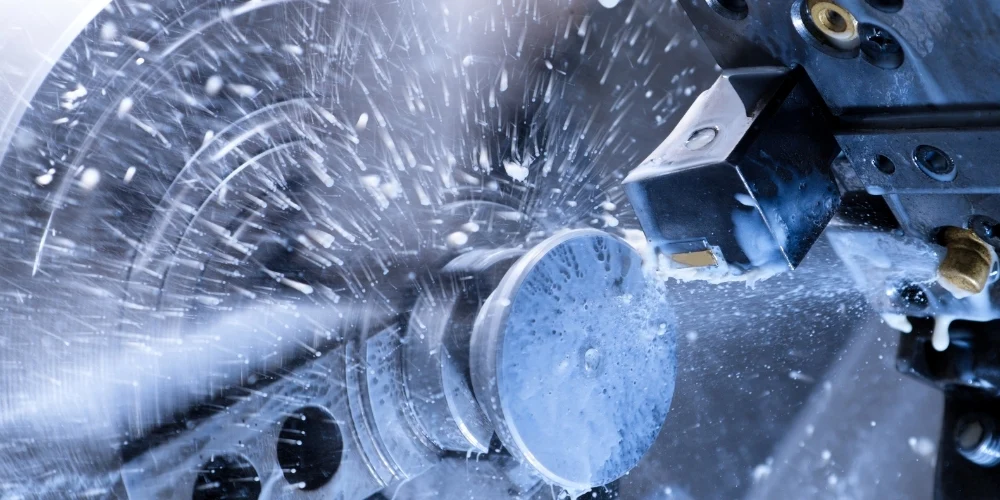
Qu'est-ce que l'acier inoxydable 420 ?
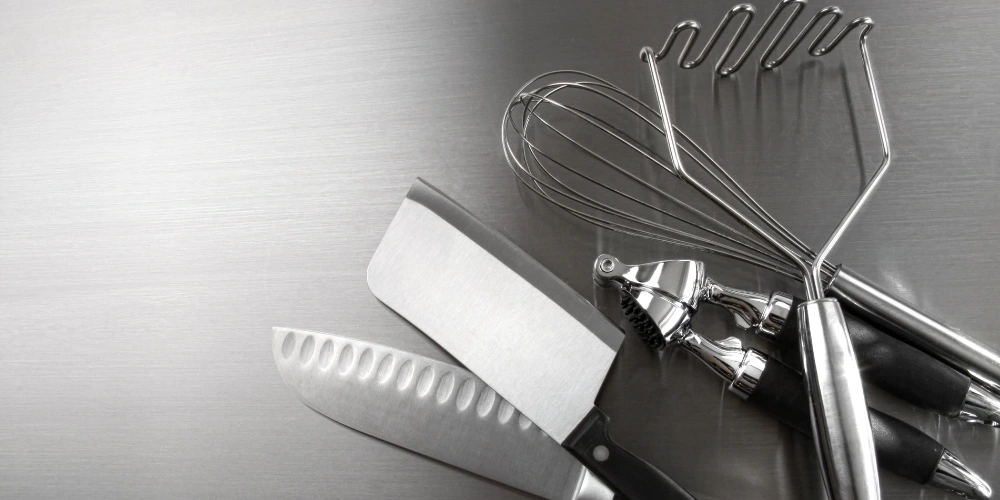
L'acier inoxydable 420 figure parmi les aciers inoxydables martensitiques présentant la plus haute résistance et dureté, ainsi qu'une résistance à la corrosion relativement élevée. Sa teneur en chrome est assez importante, variant de 12 à 14 % (TP3T), et sa teneur en carbone est généralement de 0,15 à 0,40 % (TP3T). Il offre ainsi une bonne résistance à la corrosion en milieu peu agressif. La teneur élevée en carbone au sein de sa structure lui confère une meilleure dureté et une résistance à l'usure accrue, utiles pour des applications exigeant robustesse et ténacité, telles que les fourches et les lames industrielles. Cependant, sa résistance à la corrosion est inférieure à celle d'autres séries d'aciers inoxydables, notamment en milieu chloré.
Comment appelle-t-on l'acier inoxydable 420 ?

L'appellation “ acier inoxydable 420 ” indique son appartenance à la série des aciers inoxydables 400, plus riches en carbone et à base de chrome. La nuance “ 420 ” désigne un alliage spécial contenant environ 121 % de chrome et une teneur en carbone plus élevée (environ 0,15 % minimum). Cet acier se distingue par sa capacité à acquérir une dureté accrue grâce à un traitement thermique. Cette composition lui confère une dureté supérieure, lui permettant de conserver un tranchant exceptionnel. Cette propriété le rend particulièrement adapté à la fabrication de coutellerie et de lames. L'utilisation courante de la désignation « 420 » permet de préciser ses caractéristiques essentielles lors du choix d'un acier pour des applications spécifiques, en mettant l'accent sur sa résistance à la corrosion et sa robustesse mécanique.
Inconvénients de l’acier inoxydable 420
L'acier inoxydable 420 possède des propriétés intéressantes, mais présente aussi des inconvénients. Sa résistance à la corrosion est inférieure à celle d'autres nuances comme le 304 et le 316, notamment en milieu corrosif chloré ou acide, ce qui peut rapidement entraîner une corrosion par piqûres et une corrosion caverneuse en cas d'entretien insuffisant. De plus, sa résistance mécanique est moindre, ce qui le rend moins tenace et plus susceptible de se rompre à basse température. Le soudage présente plusieurs difficultés liées à sa teneur élevée en carbone, nécessitant un préchauffage et un traitement thermique après soudage pour éviter les fissures. Le métal fritté, dont la dureté uniforme sur de grandes sections est difficile à obtenir, constitue un inconvénient majeur de sa trempabilité. L'acier inoxydable 720 est apprécié pour sa dureté et sa résistance à l'usure, mais il convient de prendre en compte ses inconvénients tels que la corrosion, la ténacité et la soudabilité. Il est donc parfois préférable d'opter pour une autre nuance d'acier inoxydable plus adaptée à certaines applications.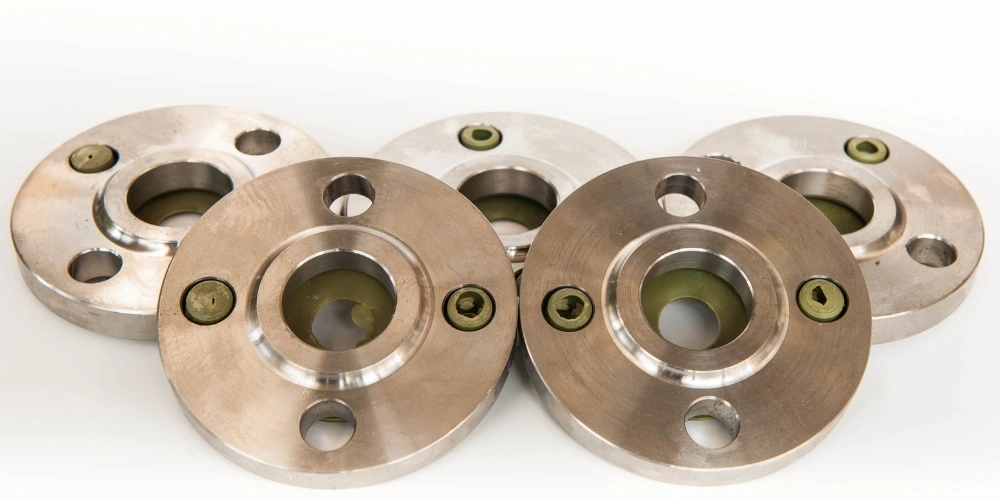
Composition chimique de l'acier inoxydable 420
L'acier inoxydable de nuance 420, un acier inoxydable martensitique, présente une excellente résistance à la corrosion et une bonne ductilité à l'état recuit. Ses principales applications sont les équipements chirurgicaux, les lames de cisaillement et les vannes à aiguille.
| Composant | Wt.% |
| Carbone (C) | 0,30 – 0,40 % |
| Chrome (Cr) | 12.0 – 14.0 % |
| Manganèse (Mn) | 0,0 – 1,0 % |
| Molybdène (Mo) | 0,0 – 0,50 % |
| Nickel (Ni) | 0,0 – 0,50 % |
| Phosphore (P) | 0,0 – 0,04 % |
| Silicium (Si) | 0,0 – 1,0 % |
| Soufre (S) | 0,0 – 0,03 % |
| Aluminium (Al) | 0,0 – 0,15 % |
| Étain (Sn) | 0,0 – 0,05 % |
| Fer (Fe) | Solde |
Comment les différents composants affectent les propriétés de l'acier inoxydable 420 ?
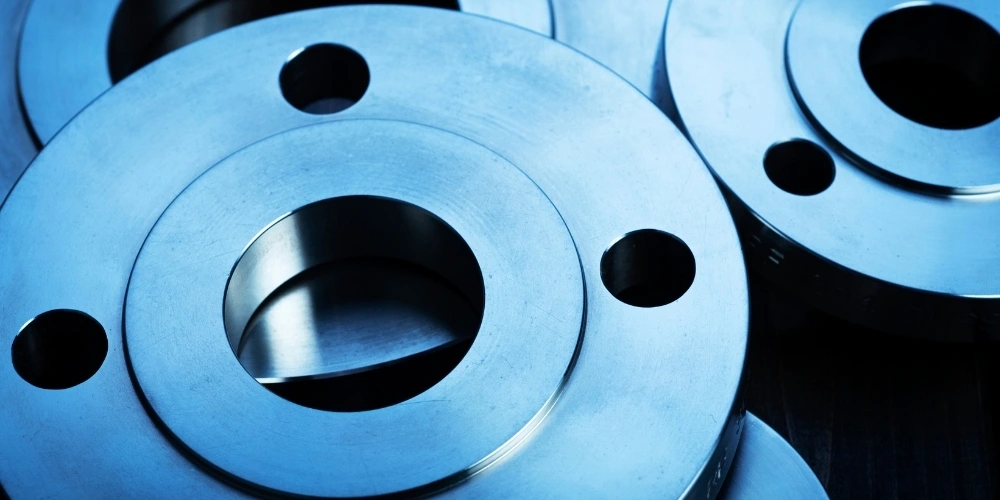
Plusieurs éléments influent sur les propriétés de l'acier inoxydable 420. La teneur en carbone est prépondérante pour la dureté et la résistance du matériau ; une teneur élevée tend à accroître sa dureté et sa résistance, mais peut réduire sa ductilité et sa ténacité. Elle contribue à la résistance à la corrosion en créant un film d'oxyde en surface. Le molybdène, qui, comme les autres éléments d'alliage, est rarement ajouté en grande quantité, améliore également la résistance à la corrosion et la résistance à haute température. Des traitements thermiques appropriés, tels que le recuit, la trempe et le revenu, sont essentiels pour obtenir les propriétés mécaniques souhaitées. Par ailleurs, diverses techniques de transformation, notamment l'usinage, le soudage et le formage, peuvent altérer la microstructure et les propriétés mécaniques du matériau ; il est donc impératif de maîtriser les paramètres afin d'éviter les défauts. L'ensemble de ces facteurs est pris en compte pour la fabrication sur mesure d'acier inoxydable de nuance 420, en fonction des exigences spécifiques de l'application.
Comparez l'acier inoxydable 416 et 420
Les aciers inoxydables 416 et 420, alliages martensitiques riches en chrome, offrent une résistance à la corrosion acceptable. Leur principale différence réside dans leur teneur en carbone : plus élevée pour l’acier inoxydable 420, elle confère à ce dernier une dureté et une résistance à l’usure supérieures. De ce fait, l’acier 420 est plus adapté aux applications de coupe où la résistance à l’abrasion est primordiale, comme pour les lames de couteaux. L’acier 416, quant à lui, reconnu pour son usinabilité exceptionnelle, est utilisé pour les opérations d’usinage de haute précision, telles que la production de boulons et d’écrous. L’usinabilité et la résistance à la corrosion sont alors les critères essentiels.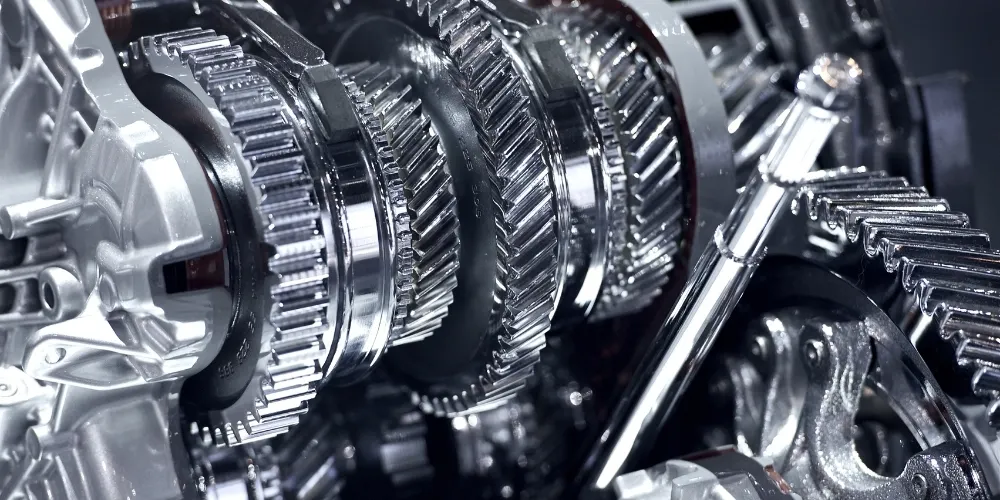
Propriétés mécaniques de l'acier inoxydable 420
| Température de revenu (°C) | Résistance à la traction (MPa) | Limite d'élasticité 0.2% Preuve (MPa) | Élongation (% en 50mm) | Dureté Brinell (HB) |
| Recuit * | 655 | 345 | 25 | 241 maximum |
| 399 °F (204 °C) | 1600 | 1360 | 12 | 444 |
| 600 °F (316 °C) | 1580 | 1365 | 14 | 444 |
| 800 °F (427 °C) | 1620 | 1420 | 10 | 461 |
| 1000 °F (538 °C) | 1305 | 1095 | 15 | 375 |
| 1099 °F (593 °C) | 1035 | 810 | 18 | 302 |
| 650 °C (1 202 °F) | 895 | 680 | 20 | 262 |
| *Les propriétés de traction recuites sont typiques pour la condition A ; la dureté recuite est le maximum spécifié pour la barre de condition A finie à froid, donnée dans la norme ASTM A276-06. | ||||
| # En raison de la faible résistance aux chocs associée, cet acier ne doit pas être revenu entre 425 et 600°C. | ||||
Propriétés physiques de l'acier inoxydable 420
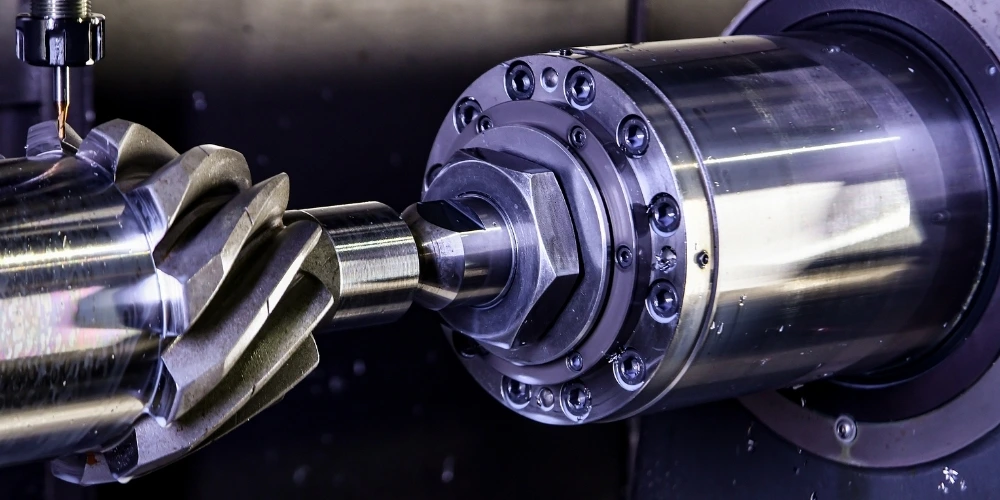
Densité kg/m³ | Conductivité thermique W/mK | Électrique Résistivité (microhm/cm) | Module de Élasticité | Coefficient de Dilatation thermique µm/m/°C | Chaleur spécifique (J/kg.K) |
| 7750 | 24,9 à 212 °F | 550 (nΩ.m) à 68°F | 200 GPa | 10.3 à 32 – 212°F | 460 à 32°F à 212°F |
| – à 932 °F | 10.8 à 32 – 599°F | ||||
| 17.7 à 32-1000°F |
Matériaux équivalents à l'acier inoxydable 420
| UE | FR | X30Cr13 (1.4028) | |
| Etats-Unis | – | 420 | |
| Allemagne | DIN,WNr | X30Cr13 | |
| Japon | JIS | SUS420J2 | |
| France | AFNOR | Z30Cr13 Z33C13 | |
| Angleterre | BS | 420S45 | |
| Italie | Uni | X30Cr13 | |
| Chine | Go | 3Cr13 | |
| Suède | SS | 2304 Mars-04 | |
| Pologne | PN | 3H13 3H14 | |
| Tchéquie | CSN | 17023 | |
| Russie | GOST | 30KH13 | |
Techniques utilisées pour le traitement de l'acier inoxydable 420
Le travail de l'acier inoxydable 420 fait généralement appel à plusieurs techniques de fabrication pour obtenir des pièces aux formes et propriétés variées. Le perçage et le fraisage ne sont que quelques exemples d'opérations d'usinage, généralement réalisées à l'aide d'outils en carbure ou en acier rapide pour un enlèvement de matière plus rapide et plus précis. Le traitement thermique, comme le recuit et le revenu, permet d'optimiser les propriétés mécaniques telles que la dureté et la ténacité. Les techniques de soudage TIG et GMAW, utilisées pour la fusion des composants avant et après le soudage, sont indispensables pour éviter les dommages dus aux fissures. Différents procédés de mise en forme, comme le pliage et le forgeage, permettent de façonner l'acier. De plus, la maîtrise de la température, l'application de lubrifiants et le contrôle des procédés contribuent à l'obtention de produits uniformes et exempts de fractures. Les modifications de surface, telles que le décapage et la galvanoplastie, rendent le métal plus résistant à la corrosion et plus esthétique. Enfin, l'ensemble de ces techniques permet de produire une large gamme de pièces pour diverses applications, y compris la sélection de pièces destinées à des conditions d'utilisation spécifiques, pour lesquelles on obtient précisément les propriétés requises.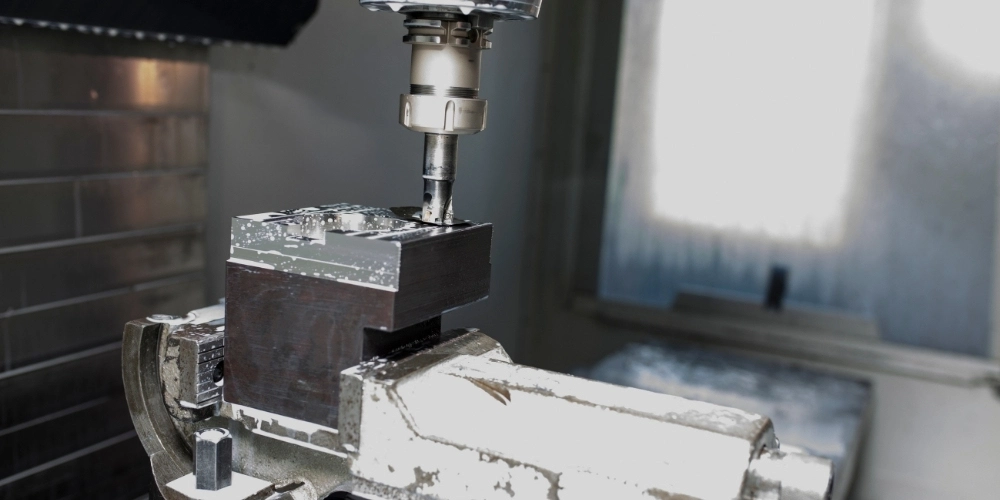
Applications de l'acier inoxydable 420
- Automobile:
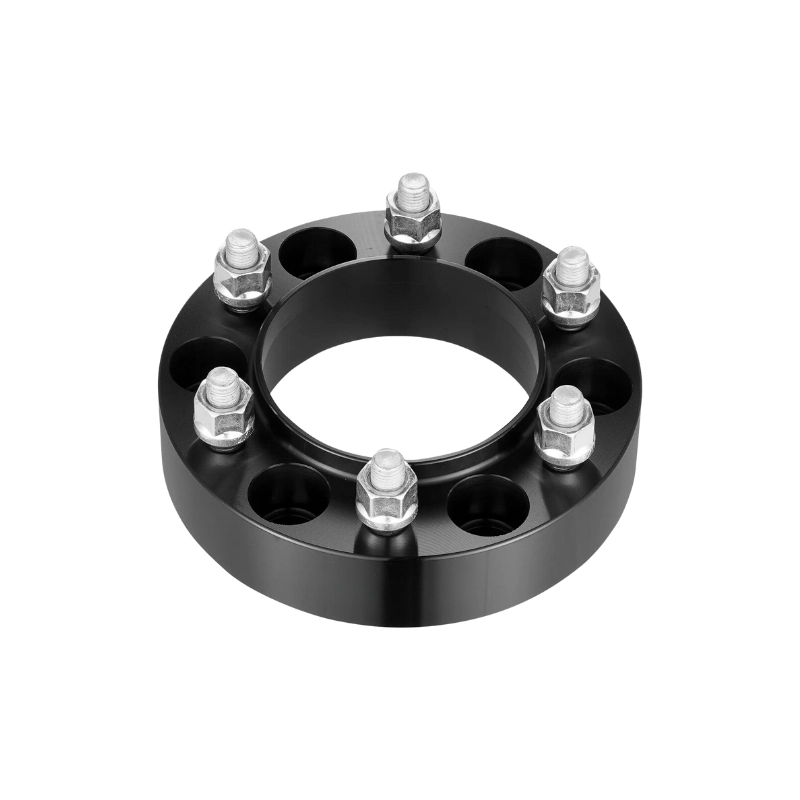
- Composants en acier inoxydable 420 fabriqués avec précision comme Entretoises de roue, Écrous de roue, Bloquer la garde, Couvre-soupapes, et Jauges élèvent les applications automobiles avec durabilité et précision.
- Aérospatial:
- Dans l'aérospatiale, l'acier inoxydable 420 brille dans l'artisanat Collecteurs d'échappement, Roues, Raccords de tuyauterie, et Corps de vannes, garantissant la fiabilité dans des conditions extrêmes.
- Composants médicaux :
- Répondant aux besoins des soins de santé, l'acier inoxydable 420 est utilisé pour Vis médicales, Composants de précision, et Boîtiers d'alimentation du capteur, répondant à des normes médicales strictes.
- Produits de consommation personnalisés :
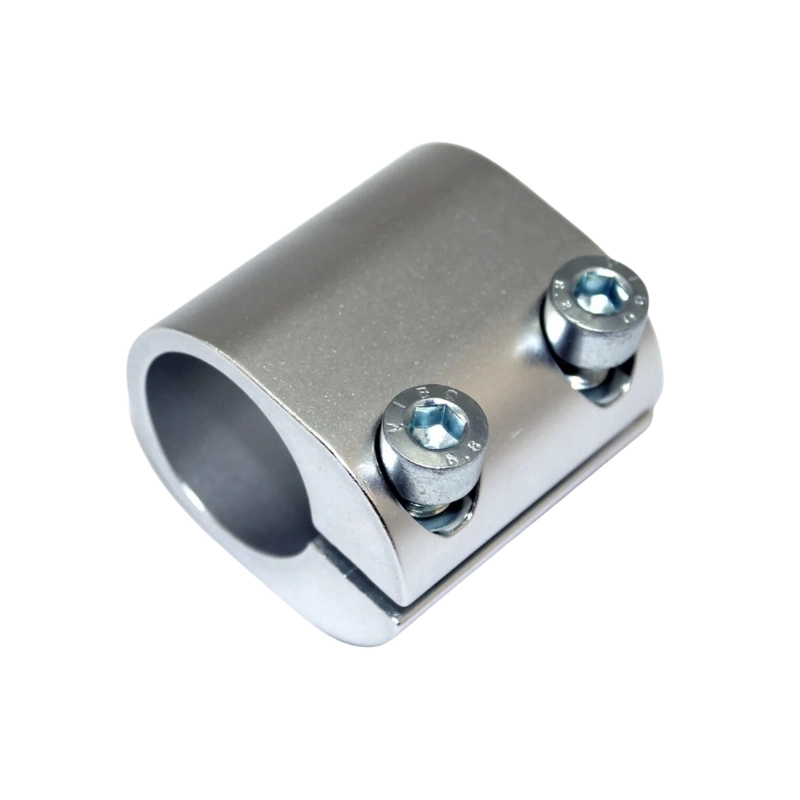
- Répondant aux divers besoins des consommateurs, l'usinage de précision s'étend au sur mesure Vélo de montagne et BMX Pièces, ainsi que Charnières à souder, Manchons de charnière, Charnières à piano, et Charnières à puce.
- Moto:
- Élevant les performances et l'esthétique de la moto, l'usinage en acier inoxydable 420 contribue à Pignons, Pinces triples, Roues en billettes, Moyeux, Protections de radiateur, et Repose-pieds.
- Bande-annonce:
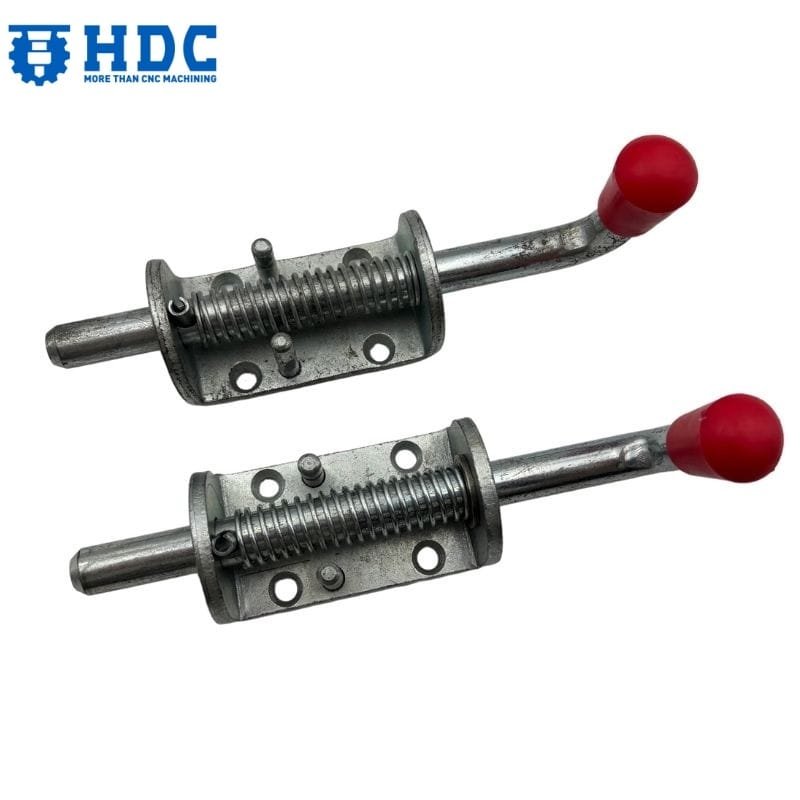
- Assurant la robustesse de la remorque, 420 capots d'usinage en inox Kits de réparation de coupleur, Loquets à ressort, Pinces à boulons en U, Coupleurs, Boules d'attelage, Crochets d'attelage, et Crics de remorque.
- Vélo:
- Élevant l'expérience cycliste, l'usinage de précision comprend Potences de vélo, Plateaux, Moyeux de vélo, Pédales, et Pédaliers, offrant durabilité et performances.
- Kart :
- En karting, 420 métiers d'usinage de l'inox Pignons, Rondelles, Entretoises, Moyeux de roue, Roulements, Volants, et Jantes, garantissant fiabilité et précision sur circuit.